Key Takeaways
-
Site assessment before demolition is essential to identify scope, materials, hazardous substances, and access points—skipping it leads to costly mid-project surprises.
-
Hazardous materials like asbestos, lead paint, and mold must be identified, tested, and removed by certified professionals before demolition begins—it’s a legal requirement, not optional.
-
Sorting debris at the source for recycling (concrete, metal, wood) improves hauling efficiency, reduces landfill waste, and can offset disposal costs significantly.
-
Proper load security with tarps, weight checks, and tie-down inspections prevents accidents, road damage, and fines—unsecured debris creates serious hazards.
-
Hiring a single licensed contractor for bundled demolition and hauling services is more cost-effective and streamlines coordination better than hiring separate teams.
-
Planning logistics in advance—including routes avoiding residential areas, closest disposal facilities, and scheduling—keeps projects moving efficiently and reduces fuel costs.
Taking down a structure is just the beginning. Once the walls come down, someone has to move all that material. That’s where hauling and demolition work hand in hand. Together, these two services make up the backbone of any successful demolition project — whether it’s a backyard shed or a full commercial building.
If you’re a homeowner planning a renovation, a contractor managing a job site, or a developer clearing land for new construction, understanding how hauling and demolition work together can save you time, money, and a lot of headaches. This guide walks you through everything you need to know — from planning and permits to debris removal and disposal.
Let’s dig in!
What Is Hauling and Demolition?
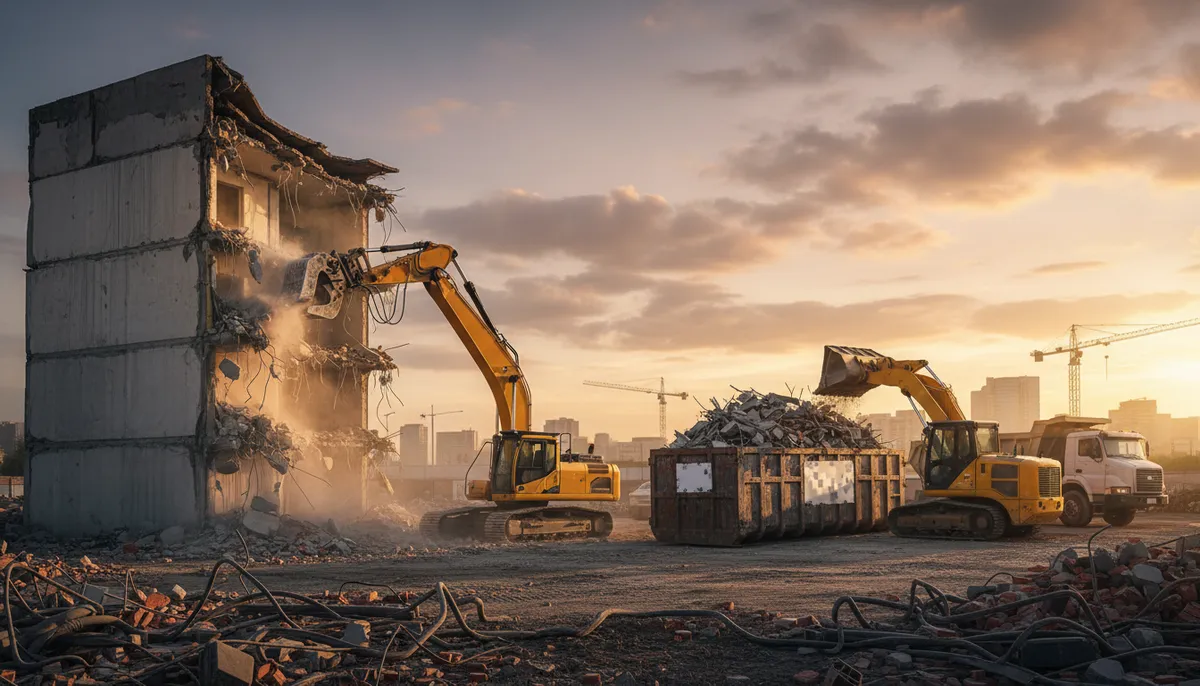
Hauling and demolition refers to the full process of tearing down structures and removing all resulting debris from the site. It’s not just about swinging a wrecking ball (though that part is pretty satisfying). The real work happens in the planning, sorting, transporting, and properly disposing of materials.
Think of it this way: demolition breaks things down, and hauling cleans them up. You need both to end up with a clean, ready-to-use site. Without proper hauling, you’re left with a pile of rubble. Without proper demolition, there’s nothing to haul in an organized way.
For projects in Clark and Nye counties, working with an experienced team like 702 Demo ensures both sides of the job are handled professionally from start to finish.
Step 1: Assess the Site Before Anything Else
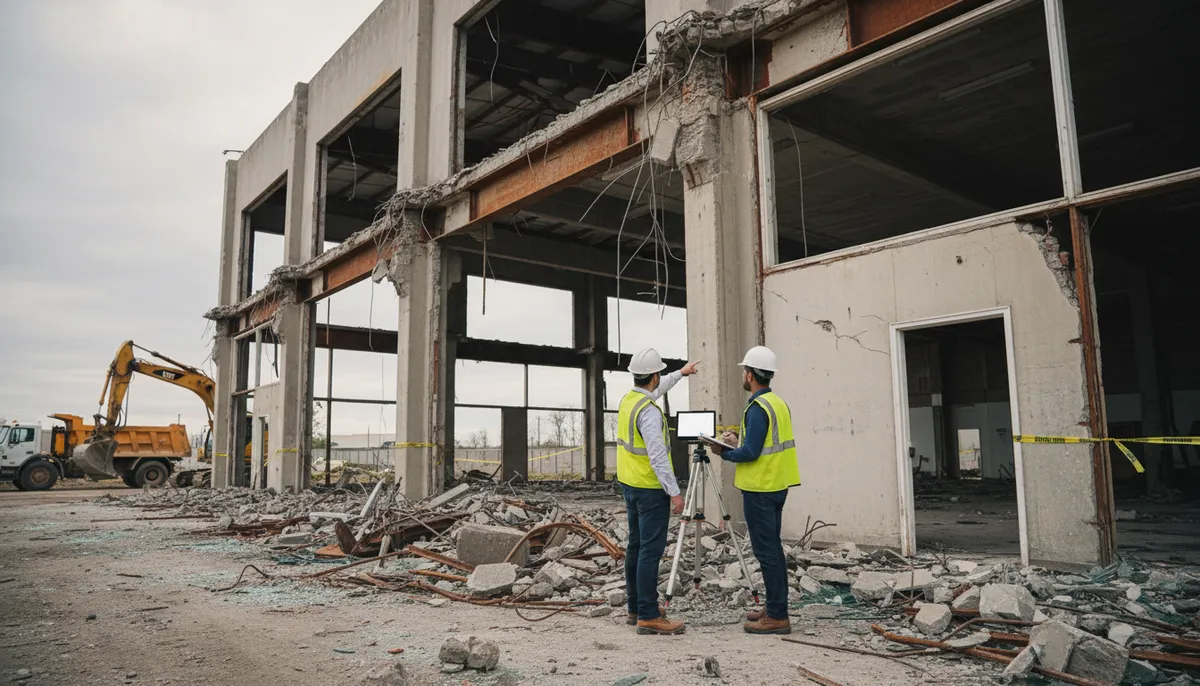
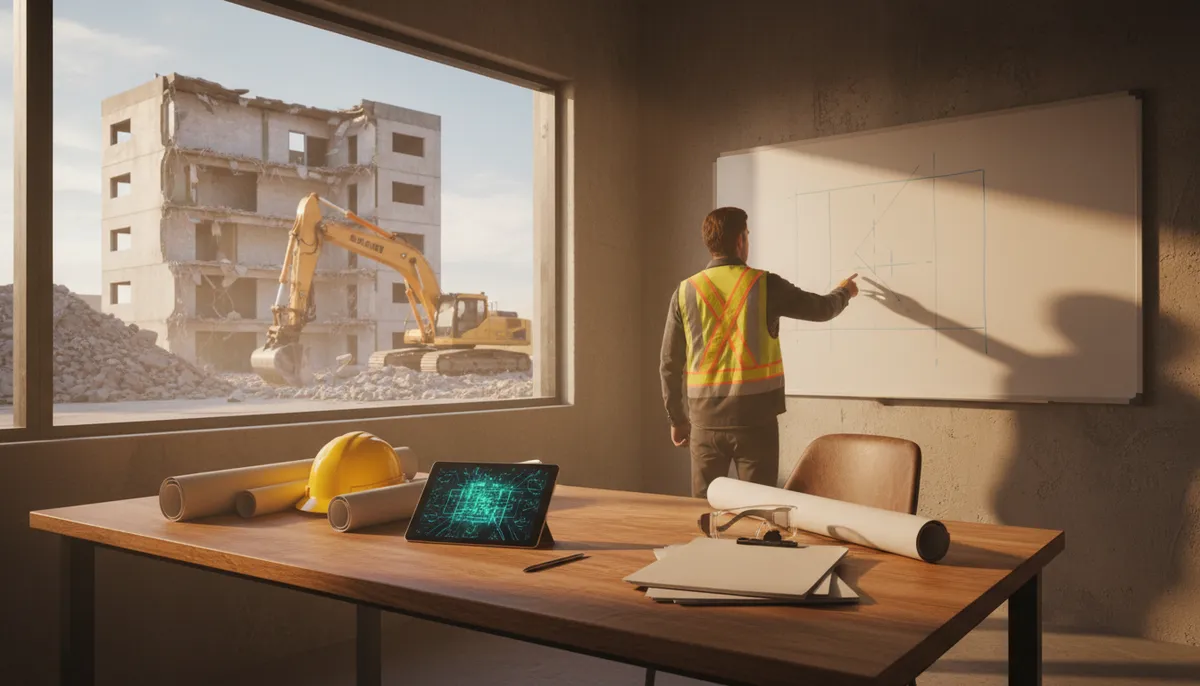
Every hauling and demolition project starts with a thorough site assessment. This step is not optional — it’s essential. A proper walkthrough helps identify the scope of work, the types of materials present, and any potential hazards.
During a site assessment, professionals look for:
- The size and type of structure being demolished
- Materials that can be recycled or salvaged
- Potential hazardous materials like asbestos or lead paint
- Proximity to neighboring structures or utilities
- Access points for hauling vehicles
Skipping this step leads to costly surprises mid-project. A good site assessment sets the entire project up for success.
Step 2: Get the Right Permits
Before any demolition begins, you need the proper permits. This is a legal requirement — not a suggestion. In Las Vegas and surrounding areas, permits ensure the work meets local safety and environmental standards.
You can review the Las Vegas demolition permit guidelines to understand what’s required for your specific project. For Clark County projects, the Clark County Building Department is your go-to resource for permit applications and inspections.
Permit requirements vary depending on:
- The type of structure (residential vs. commercial)
- The size of the demolition
- Whether hazardous materials are involved
- Local zoning and environmental regulations
A licensed demolition contractor handles permit acquisition as part of their service. If you want to learn more about why licensing matters, check out this helpful read on what makes a licensed demolition contractor essential for your project.
Step 3: Identify and Handle Hazardous Materials
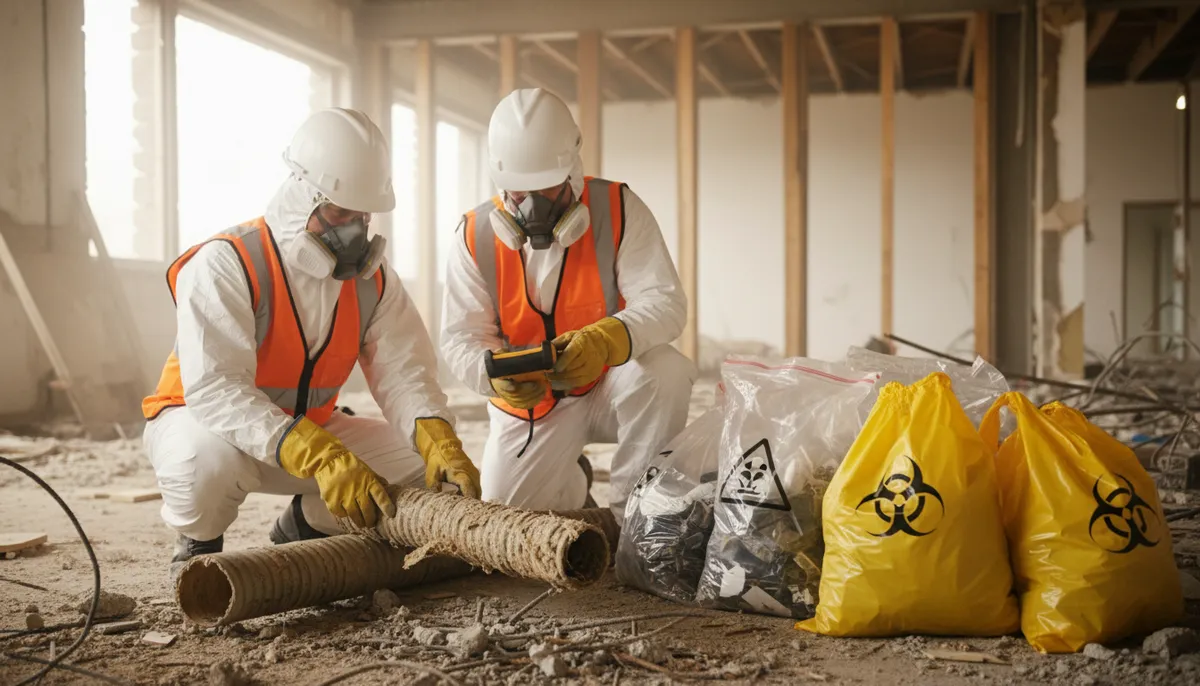
This step is critical — and it’s one that many people overlook. Older buildings often contain hazardous materials that require special handling before any demolition begins.
Common hazardous materials found in demolition projects include:
- Asbestos — commonly found in insulation, floor tiles, and roofing in older buildings
- Lead paint — present in many homes built before 1978
- Mold — often found behind walls and under flooring
- Mercury — in older thermostats and fluorescent lighting
Asbestos testing and removal is a legal requirement before demolition can begin. These materials must be documented, removed by certified professionals, and disposed of according to strict regulations. Ignoring this step isn’t just illegal — it’s dangerous for workers, neighbors, and the environment.
Step 4: Choose the Right Demolition Method
Not all demolition looks the same. The method used depends on the structure, the location, and what happens to the site afterward. Here are the most common methods used in hauling and demolition projects:
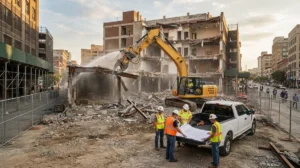
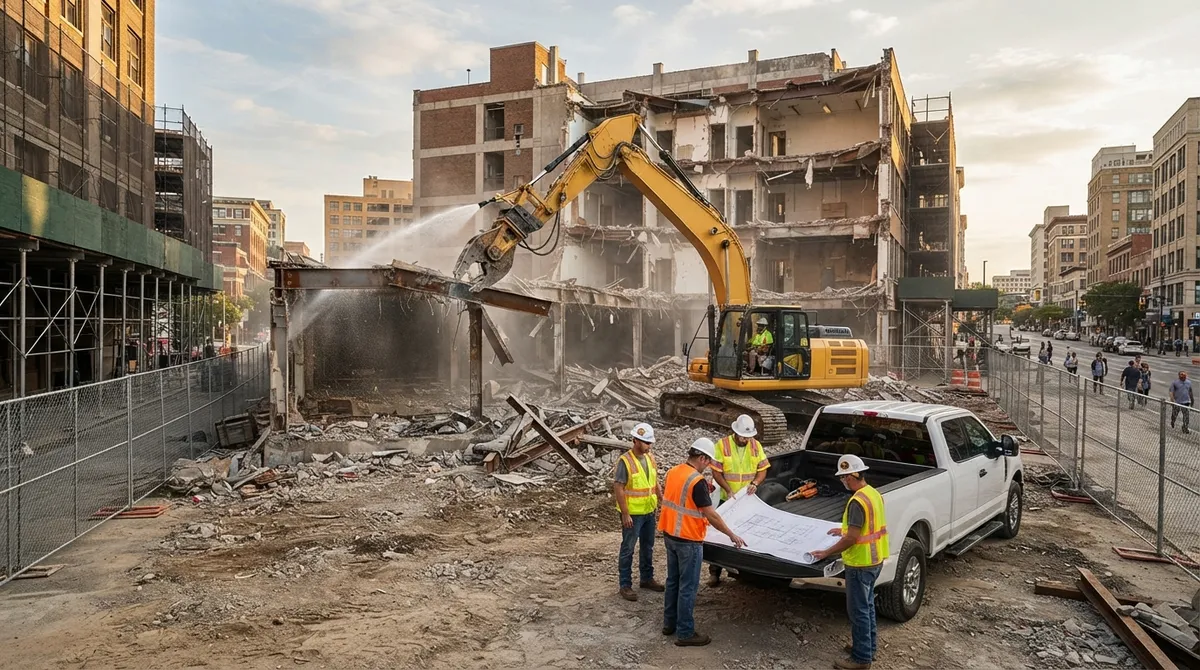
- Mechanical demolition — Uses excavators, bulldozers, and other heavy equipment to tear down structures. This is the most common method for full building removal.
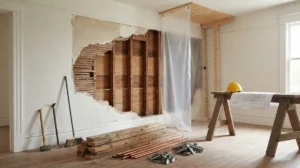
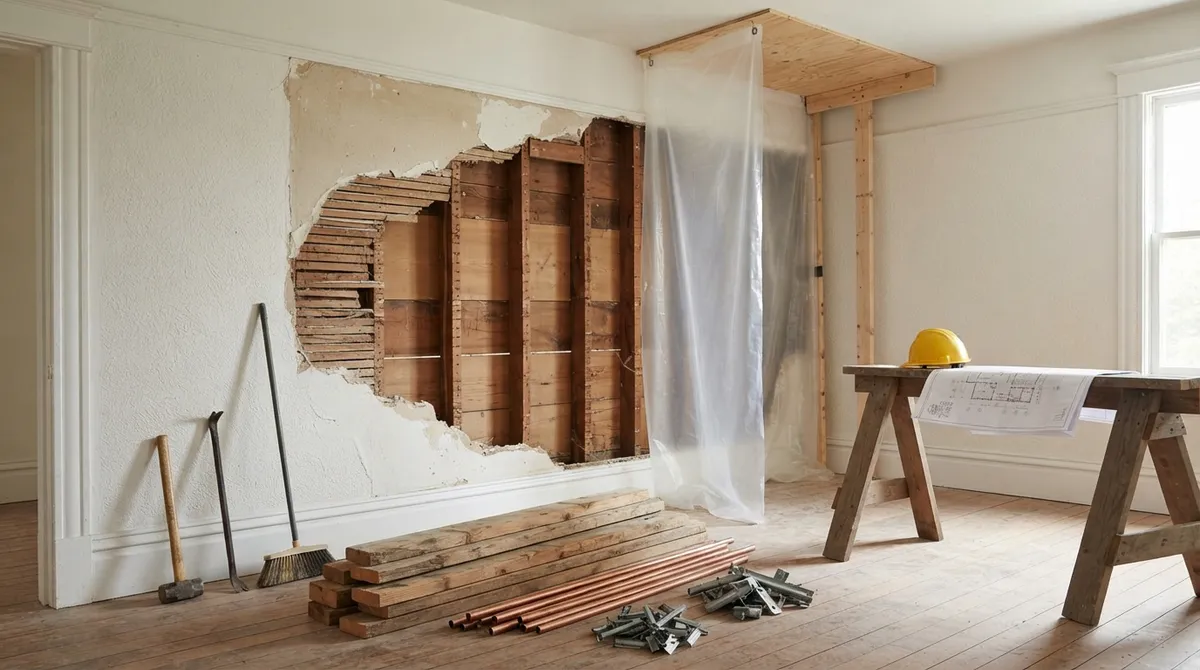
- Interior demolition — Targets specific interior elements like walls, flooring, or ceilings while leaving the exterior intact. Great for renovations.
- Selective demolition — Removes specific portions of a structure for reuse or renovation while preserving the rest.
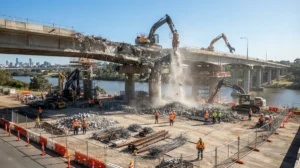
- Implosion — Used for very large structures in open areas. Requires extensive planning and expertise.
For residential projects, interior demolition is a popular choice for kitchen, bathroom, or basement remodels. For full teardowns, building demolition services handle everything from small sheds to large commercial structures.
Step 5: Sort and Organize Debris for Hauling
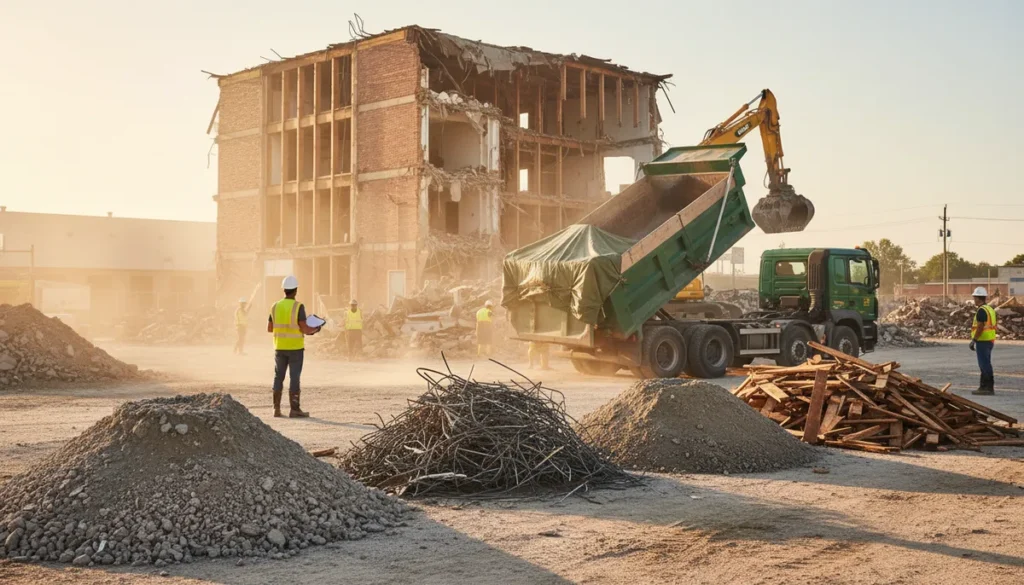
Once demolition is underway, debris needs to be sorted and organized for efficient hauling. This step makes a big difference in both cost and environmental impact.
Common materials generated during demolition include:
- Concrete and masonry
- Wood and lumber
- Steel and metal
- Drywall and insulation
- Roofing materials
Sorting materials at the source allows for better recycling. The EPA promotes managing construction and demolition materials through sustainable approaches to reduce landfill waste and avoid mining new raw materials. Concrete, for example, can often be crushed and reused as fill material. Metal can be recycled for significant value.
When materials are sorted properly, hauling becomes more efficient. Drivers know exactly what they’re carrying, where it goes, and how to dispose of it correctly. For a deep dive into concrete-specific removal, check out our guide on concrete removal: breaking, hauling, and disposing of old concrete.
Hauling Best Practices: Keeping It Safe and Efficient
The hauling side of demolition is just as important as the teardown itself. Poor hauling practices lead to accidents, fines, and project delays. Here’s how professional teams keep things running smoothly.
Load Security Matters
Every load must be properly secured before leaving the site. Unsecured debris can fall onto roads, create hazards for other drivers, and result in heavy fines. Weight limits must be respected. Overloaded trucks damage roads and increase accident risk.
Best practices for secure hauling include:
- Using tarps or covers on all open loads
- Checking load weight before departure
- Inspecting tie-downs and securing points at each stop
- Planning routes to avoid low bridges or restricted roads
Equipment Inspections Are Non-Negotiable
All hauling vehicles and demolition equipment must be inspected regularly. A mechanical failure on a job site can cause serious injuries and project shutdowns. Professional teams follow strict inspection schedules and address issues immediately.
Optimize Dump Site Efficiency
Here’s an interesting fact: with proper site layout and designated stockpiling areas, dump site operators can complete loading and departure in as little as 45 seconds. That kind of efficiency keeps projects moving and reduces fuel costs significantly.
Comparing Demolition Types: What Works Best for You?
| Project Type | Best Demolition Method | Hauling Complexity | Typical Use Case |
|---|---|---|---|
| Full building removal | Mechanical demolition | High — multiple loads | Land clearing, redevelopment |
| Home renovation | Interior demolition | Moderate — targeted debris | Kitchen, bath, basement remodels |
| Pool removal | Selective demolition | Moderate — concrete focused | Backyard conversion projects |
| Concrete removal | Saw cutting and breaking | Low to moderate | Driveways, patios, slabs |
| Commercial site clearing | Full mechanical demolition | Very high — ongoing hauling | New commercial development |
Step 6: Plan Logistics and Routes in Advance
Good logistics planning is the secret ingredient in any efficient hauling and demolition operation. Before trucks start rolling, the team needs a clear plan for routes, disposal facilities, and scheduling.
Here’s a simple logistics checklist to follow:
- Identify the closest appropriate disposal facilities for each material type
- Map out truck routes that avoid residential zones and weight-restricted roads
- Schedule hauling runs to avoid peak traffic hours
- Coordinate with demolition crews so debris is ready when trucks arrive
- Maintain a communication channel between all parties on site
Clear communication between demolition crews and hauling operators is essential. Everyone needs to know the plan — and be ready to adapt when things change on site.
For more on planning your project from start to finish, this guide on how to plan demolition and hauling for your next project is a great resource.
Environmental Responsibility in Demolition and Hauling
Responsible hauling and demolition isn’t just about efficiency — it’s about protecting the environment. Dust control, proper debris containment, and smart material disposal all play a role.
Key environmental practices include:
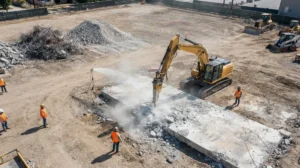
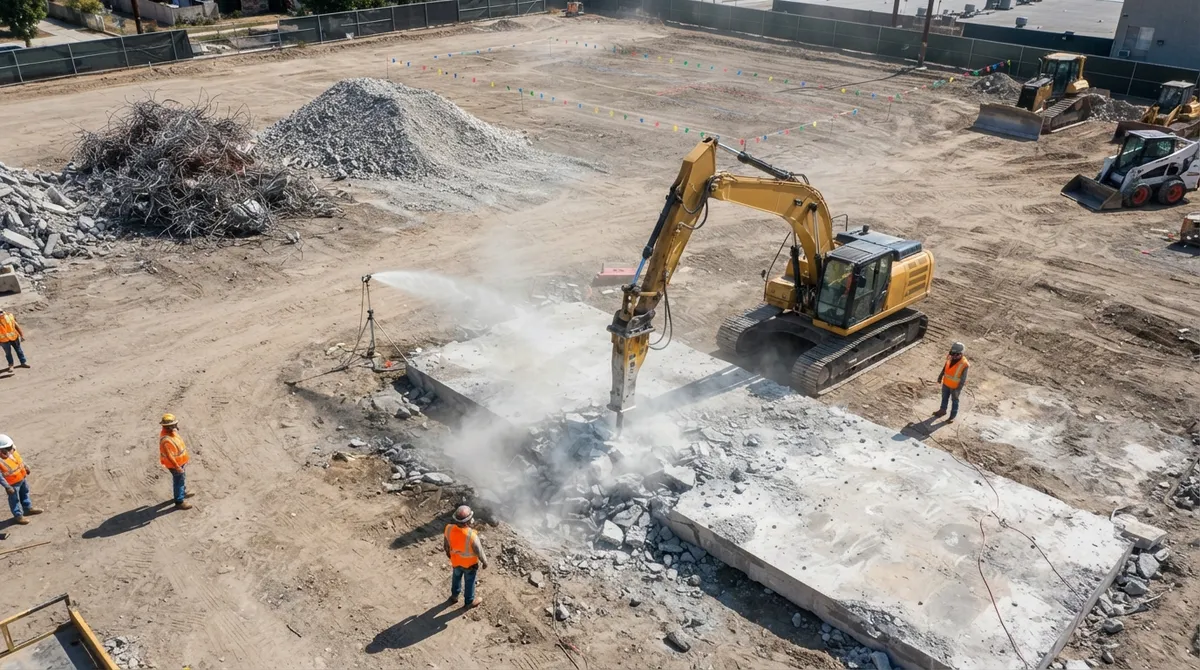
- Wetting down demolition areas to control dust
- Using proper containers for hazardous material transport
- Recycling concrete, metal, and clean wood whenever possible
- Composting organic material from landscaping removal
- Reporting and documenting all hazardous waste disposal
If your project involves landscaping removal or excavating and grading, sustainable practices help keep soil healthy and minimize environmental disruption.
Cost-Saving Tips for Hauling and Demolition Projects
Budget is always a concern. The good news is that smart planning can significantly reduce costs without cutting corners on safety or quality.
- Recycle materials — Selling or donating salvageable materials (like steel beams or old lumber) can offset disposal costs.
- Minimize waste at the source — Efficient demolition reduces the volume of debris, meaning fewer hauling runs.
- Hire experienced contractors — Experienced teams work faster, make fewer mistakes, and avoid costly rework.
- Negotiate disposal rates — Contractors with established relationships at disposal facilities often get better rates.
- Bundle services — Using one contractor for demolition, hauling, and site prep is almost always more cost-effective than hiring separately.
For specialized work like concrete removal or pool removal, bundling these services with hauling keeps the project streamlined and affordable.
Why Hiring the Right Team Makes All the Difference
Hauling and demolition look simple from the outside. But there’s a lot happening behind the scenes — permits, hazmat handling, load management, route planning, and disposal compliance. The wrong team can turn a straightforward project into an expensive, drawn-out nightmare.
The right team brings experience, proper equipment, and a commitment to safety. They handle the details so you don’t have to worry. If you want to understand what demolition experts actually do on a job site, this article breaks it down: What do demolition experts actually do on a job site?
702 Demo has been serving Clark and Nye counties with full-service demolition and hauling for years. From residential teardowns to large commercial projects, their team handles every phase with precision and care. You can check out their reviews on Google to see what past customers have to say.
For more information about their full range of services, visit their hauling services page to see how they can help with your next project.
Conclusion: Get Your Hauling and Demolition Done Right
Whether you’re tearing down a shed, clearing a commercial site, or removing an old pool, hauling and demolition go hand in hand. The key is planning ahead, working with licensed professionals, following safety protocols, and making smart choices about material disposal.
Nevada has specific requirements for demolition projects, and meeting them protects you legally and financially. From the initial site assessment to the final haul-out, every step matters. Done right, a hauling and demolition project leaves you with a clean slate — literally — ready for whatever comes next.
Ready to get started? Reach out to 702 Demo for a free project estimate and let their experienced team handle the heavy lifting for you.
FAQs
Q: What is included in a hauling and demolition service?
A: A full hauling and demolition service covers everything from tearing down the structure to removing all debris from the site. This includes site assessment, permit acquisition, hazardous material handling, demolition using the right method for your project, debris sorting, and transporting materials to appropriate disposal or recycling facilities. It’s a complete solution — no rubble left behind!
Q: Do I need a permit for demolition and hauling projects?
A: Yes, permits are required for most demolition projects in Nevada. The type of permit depends on the size and type of structure, whether hazardous materials are present, and local regulations. A licensed demolition contractor will typically handle permit acquisition as part of their service, saving you the hassle of navigating the paperwork yourself.
Q: How are hazardous materials handled during demolition?
A: Hazardous materials like asbestos and lead paint must be identified, documented, and removed by certified professionals before demolition begins — this is a legal requirement. These materials are transported and disposed of according to strict regulatory guidelines. Skipping this step isn’t just risky; it can result in significant fines and project shutdowns.
Q: Can demolition debris be recycled?
A: Absolutely! Many materials generated during demolition can be recycled or repurposed. Concrete can be crushed and used as fill, metal can be sold for scrap, and clean wood can often be donated or reused. Recycling debris reduces landfill waste and can even help offset some project costs — a win for your budget and the environment!
Q: How do I choose the right contractor for hauling and demolition?
A: Look for a licensed, experienced contractor who handles both demolition and hauling as a bundled service. Check their reviews, ask about their safety protocols, and confirm they have experience with your specific type of project. Working with a full-service team in your area means better coordination, faster completion, and fewer surprises along the way.