Key Takeaways
-
Permits are mandatory before demolition begins in Clark County; skip this step and face fines and project delays—verify local requirements early with your building department.
-
Hire only licensed, insured contractors with residential experience; verify credentials, request itemized quotes listing labor, equipment, hauling, and disposal separately to avoid surprise charges.
-
Full-service demolition includes structure teardown, debris hauling, site clearing, utility disconnection coordination, and hazardous material handling—confirm all services are included in your contract.
-
Disconnect all utilities (electric, gas, water, sewer, telecom) before demolition starts; keep written documentation for permit inspections and ask if your contractor coordinates this directly.
-
Timeline varies from 1-3 weeks for permits, 1-2 weeks for utility scheduling, then actual demolition in hours to days depending on structure size and site conditions.
-
Partial demolition (removing garages, additions, or interior spaces) is a cost-effective alternative to full teardown if you only need part of your structure removed for renovation or space expansion.
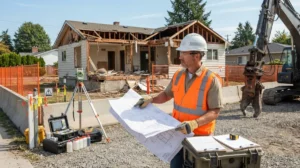
So you’ve decided it’s time to tear down a structure on your property. Maybe an old home needs to go. Maybe a crumbling addition is taking up space. Whatever the reason, finding reliable house demolition and removal near me is the first step toward a clean, cleared site. And it can feel overwhelming if you’ve never done it before.
The good news? The process is more straightforward than most people think. With the right contractor, the right permits, and a clear plan, a residential demolition project can go smoothly from start to finish. This guide breaks down everything you need to know before making that first call.
What Does House Demolition and Removal Actually Include?
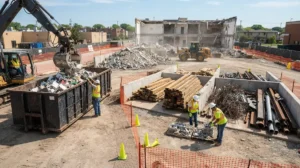
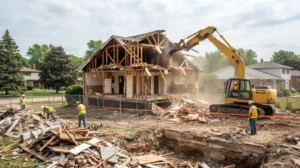
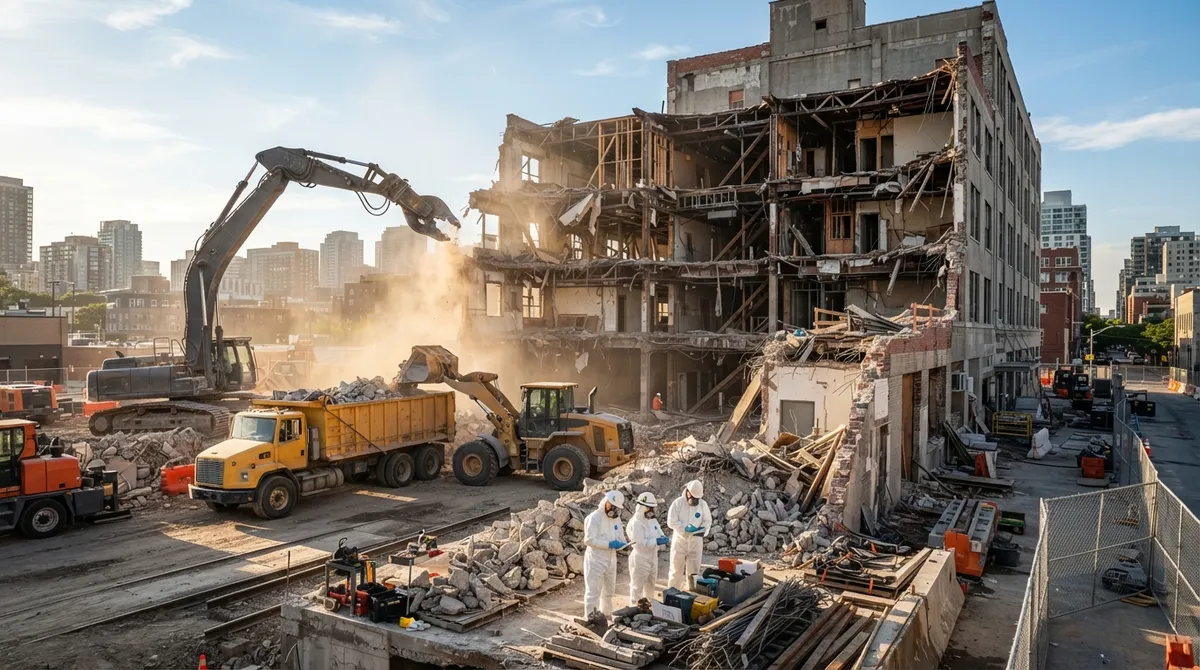
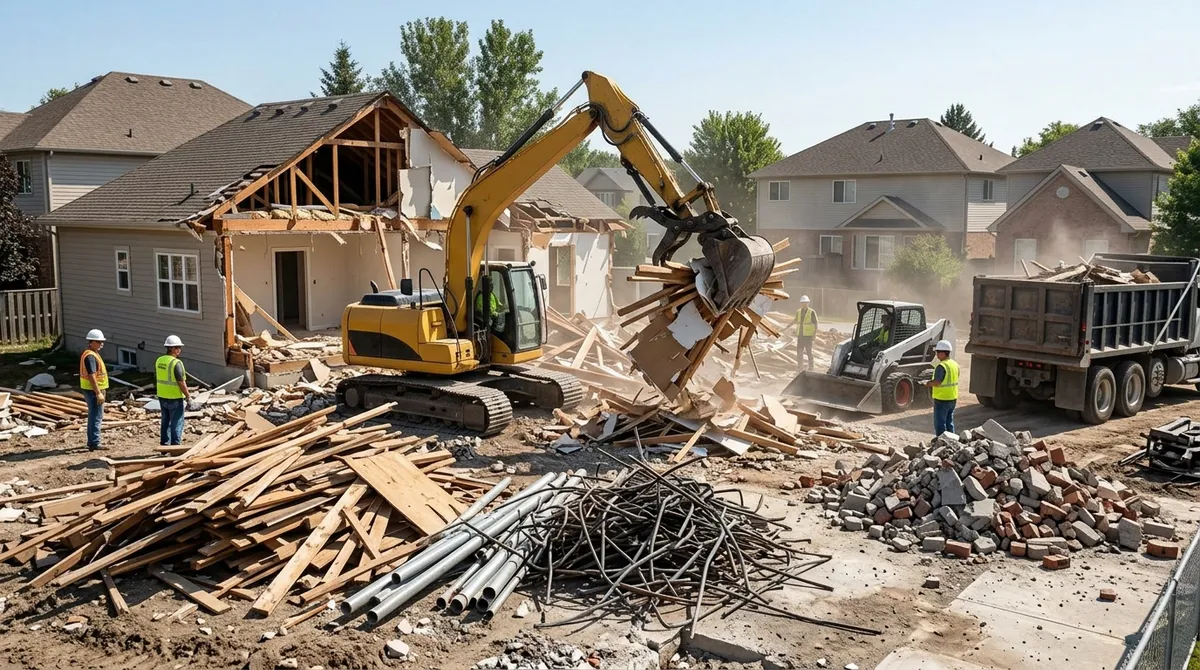
House demolition is more than just knocking down walls. A full-service project typically covers several key tasks. Understanding what’s included helps you ask the right questions and avoid surprise charges later.
Here’s what most residential demolition projects involve:
- Structure teardown — removing the building from the ground up using heavy equipment
- Debris hauling — loading and transporting all materials off the site
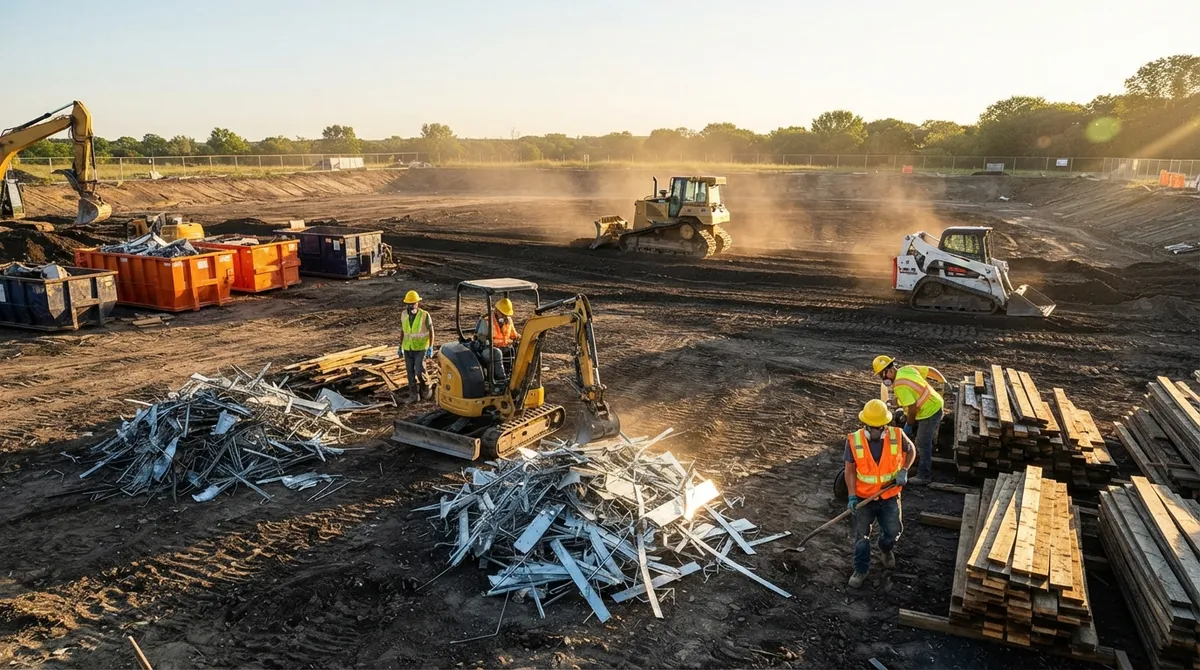
- Site clearing — grading and leveling the land after demolition
- Utility disconnection coordination — ensuring all lines are capped before work begins
- Permit assistance — helping you navigate local permit requirements
- Hazardous material handling — proper removal of asbestos, lead paint, or other materials
Some projects also include concrete removal, pool removal, or landscaping removal as part of a full site clearance. It all depends on what’s on the property and what you plan to do with the land next.
Full Demolition vs. Partial Demolition
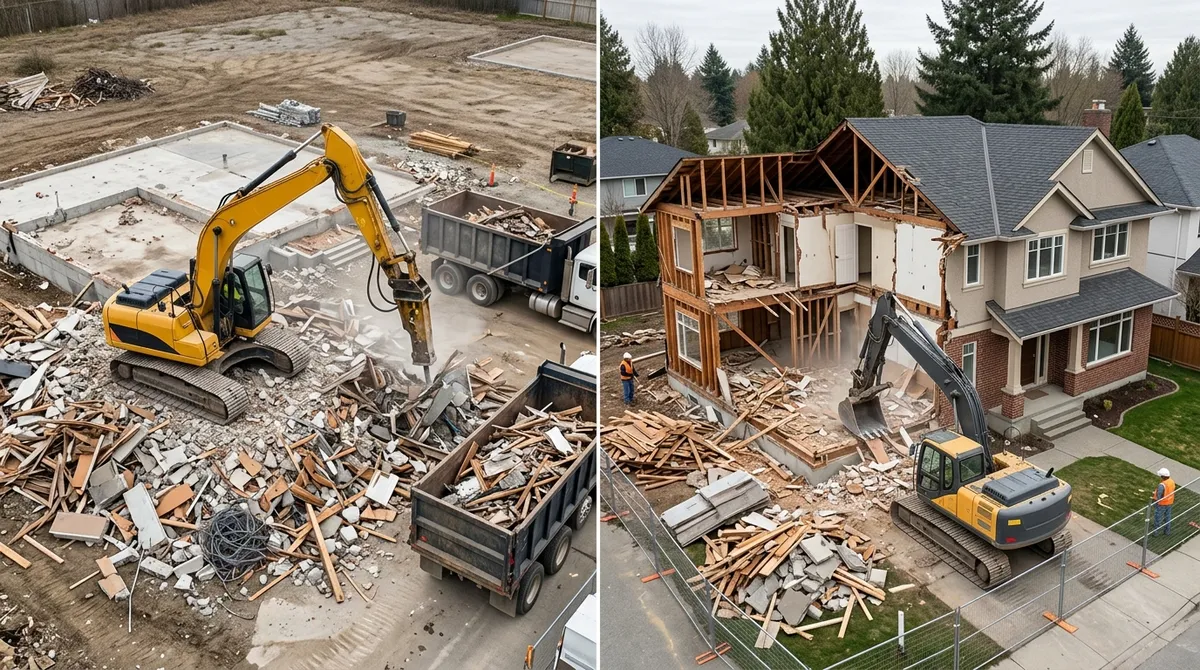
Not every project calls for tearing down an entire home. Sometimes you only need part of a structure removed. Knowing the difference helps you describe your project accurately when requesting quotes.
Full House Demolition
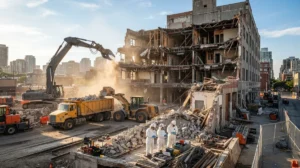
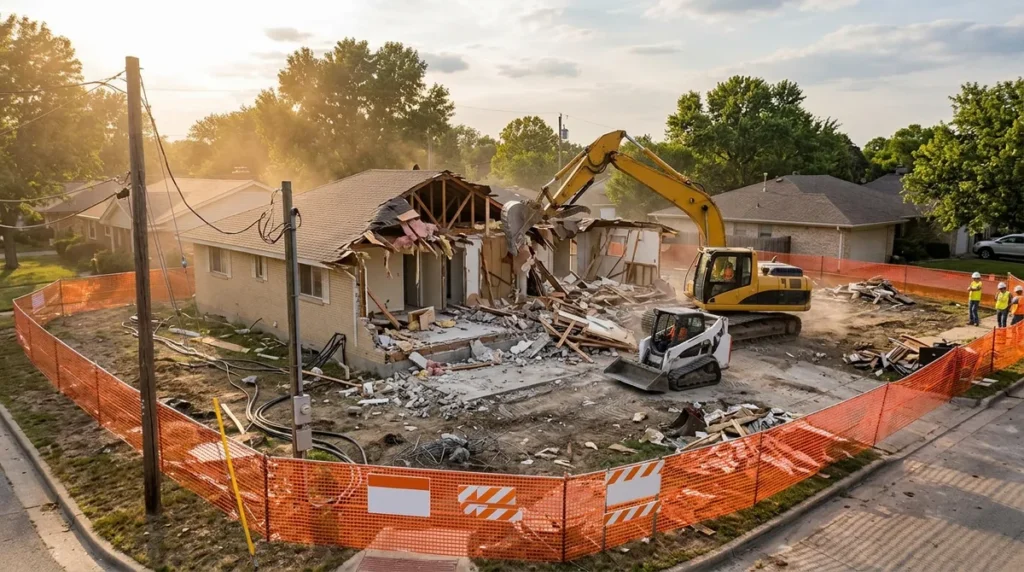
This means removing the entire structure down to the foundation — or including the foundation, depending on your plans. It’s common when a property is being redeveloped or when a structure is beyond repair. Learn more about what this entails through building demolition services.
Partial or Selective Demolition
This covers removing one section of a home — a garage, porch, addition, or specific interior spaces. Interior demolition is a great example. It strips out walls, flooring, ceilings, or fixtures without affecting the outer shell of the building. Renovation contractors use this approach often when preparing a space for remodeling.
If you’re unsure which approach fits your project, a quick consultation with a licensed contractor will clear things up fast. You can also read up on how to plan a residential home demolition the right way before your first meeting.
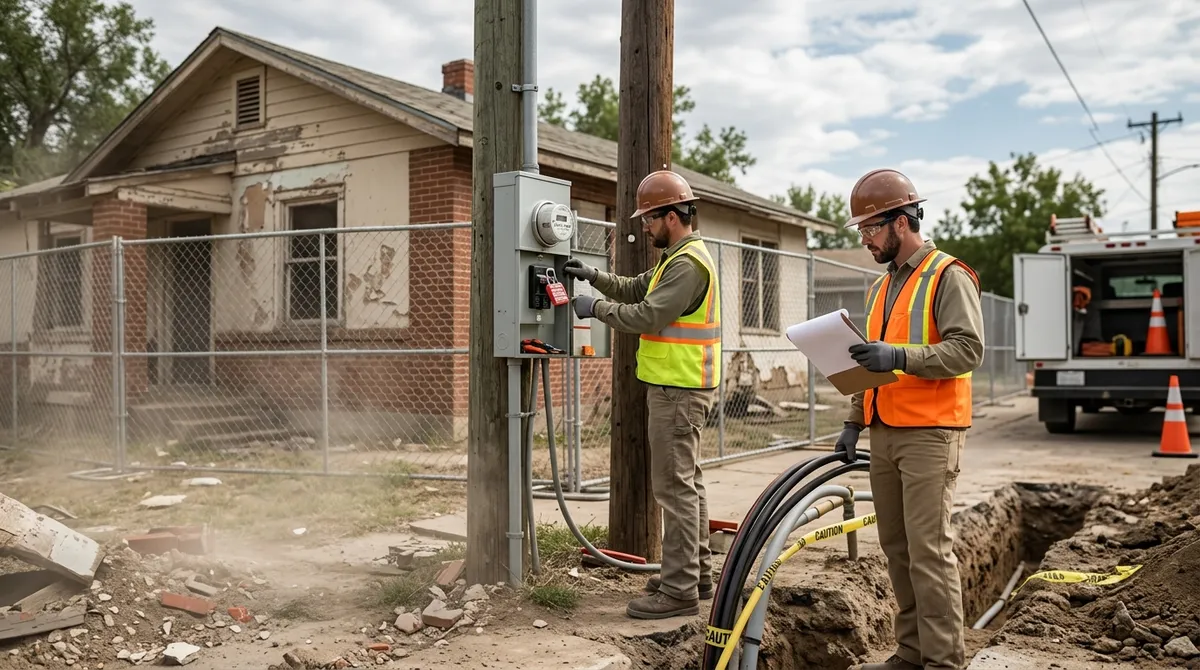
Permits and Utility Disconnects: What You Need to Know
Before any demolition work begins, permits are almost always required. Skipping this step can lead to fines and project delays. Every city and county has its own rules, so it’s important to check local requirements early.
In Las Vegas and across Clark County, you’ll need to follow established guidelines. You can review the official Las Vegas demolition permit guidelines or visit the Clark County Building Department for current rules and requirements.
Here are the key utility disconnection steps required before demolition begins:
- Electric service — contact your utility provider to disconnect and remove the meter
- Natural gas — the gas company must cap the line at the street
- Water and sewer — lines must be capped or sealed per municipal requirements
- Telecom and cable — these lines should be removed or disconnected before equipment arrives
- Confirm all disconnects in writing — keep documentation for permit inspections
A good demolition contractor will walk you through this checklist and may even coordinate directly with utility providers on your behalf. This is one of the biggest advantages of hiring experienced professionals.
What to Look for in a Local Demolition Contractor
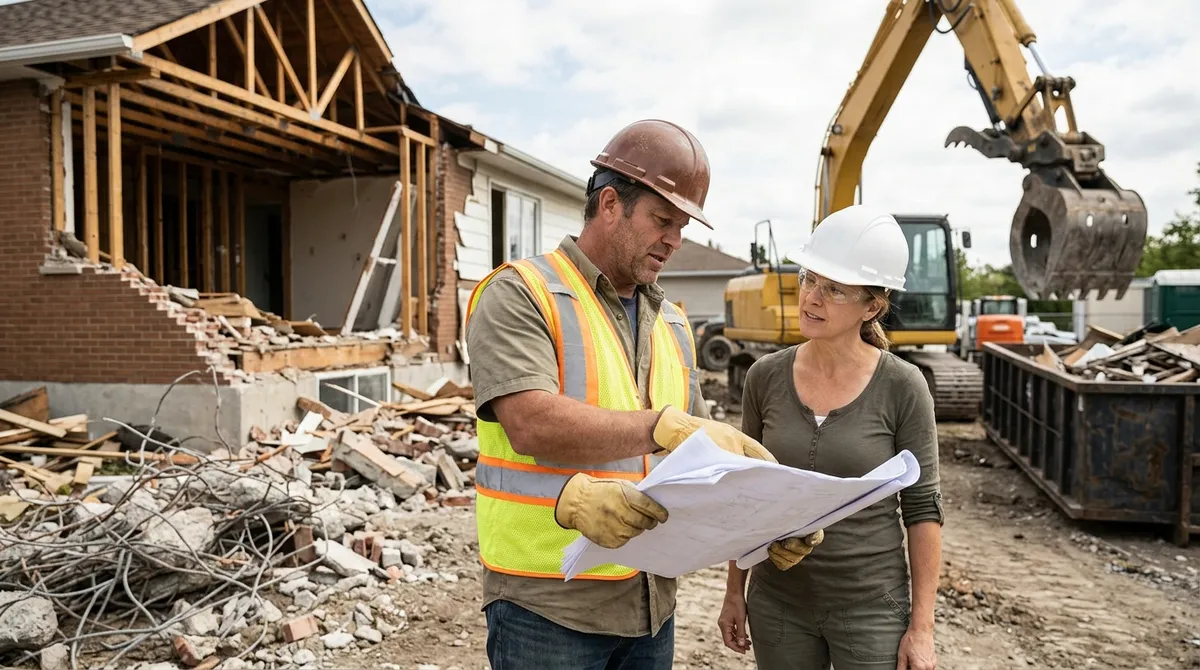
Hiring the right contractor makes all the difference. The demolition industry involves heavy equipment, structural hazards, and strict disposal regulations. You want someone who is experienced, licensed, and insured.
Here’s what to look for when choosing a house demolition and removal contractor near you:
- Valid contractor’s license — always verify licensing with your state or county
- Proof of liability and workers’ comp insurance — protects you if something goes wrong on site
- Experience with residential projects — not all contractors specialize in homes
- Transparent, itemized quotes — look for bids that list labor, equipment, hauling, and disposal separately
- Positive reviews and local reputation — ask for references or check online reviews
Wondering what a licensed contractor actually brings to the table? This guide on why a licensed demolition contractor is essential breaks it down clearly.
When it comes to finding trusted house demolition and removal near me in Clark and Nye counties, 702 Demo is a full-service contractor known for quality work, transparency, and reliable results. They handle everything from residential teardowns to site prep — all under one roof.
How to Get an Accurate Quote
Getting quotes from a demolition contractor doesn’t have to be stressful. The more detail you provide upfront, the more accurate your estimate will be. Here’s how to make the most of the quoting process.
Information to Have Ready
- Square footage of the structure
- Type of construction (wood frame, concrete block, etc.)
- Age of the building (helps identify potential hazardous materials)
- Whether a foundation needs to be removed
- Site access conditions (narrow lots, trees, fences)
- What you plan to do with the land after demolition
What a Good Quote Should Include
A thorough estimate should spell out every line item. Don’t accept vague, lump-sum bids without explanation. A complete quote covers:
- Labor and equipment costs
- Debris hauling and disposal fees
- Permit costs (if the contractor pulls permits on your behalf)
- Hazardous material testing or abatement if needed
- Site grading or cleanup after demolition
You can reach out to 702 Demo for a free estimate and get a clear breakdown of what your project will involve. No guesswork, no hidden fees.
Common Residential Demolition Projects
House demolition isn’t one-size-fits-all. Here’s a quick look at the most common residential demolition services homeowners and developers request.
| Project Type | Description | Common Use Case |
|---|---|---|
| Full House Demolition | Complete teardown of the structure | Land redevelopment, new construction |
| Interior Demolition | Strip walls, floors, ceilings inside | Major renovations, remodels |
| Garage or Addition Removal | Remove attached or detached structure | Expanding yard space, property upgrades |
| Swimming Pool Removal | Fill in or fully excavate a pool | Backyard redevelopment, safety concerns |
| Concrete Removal | Break up and haul away slabs, driveways | Repaving, new landscaping |
| Mobile Home Demolition | Remove and dispose of manufactured homes | Land clearing, property sale prep |
Each of these services may involve different equipment, timelines, and permit requirements. A full-service contractor like 702 Demo handles all of them — making it easy to bundle services for larger site development projects. You can explore hauling services and excavating and grading to see what else can be rolled into your project scope.
How Long Does House Demolition Take?
Timelines vary depending on the size of the structure, site conditions, and whether permits need to be pulled first. Here’s a general breakdown to help set expectations:
- Permit application and approval — typically 1–3 weeks depending on municipality
- Utility disconnection scheduling — 1–2 weeks with utility providers
- Actual demolition — a few hours to several days depending on structure size
- Debris hauling and site cleanup — 1–3 days following demolition
- Final inspection (if required) — varies by local jurisdiction
Smaller structures like garages or sheds can sometimes be demolished and hauled away in a single day. Larger homes with complex foundations may take longer. Your contractor should give you a realistic timeline before work starts.
If you want a deeper look at what residential demo contractors handle step by step, this resource on what residential demolition contractors do for you is a helpful read.
Debris Removal and Site Cleanup
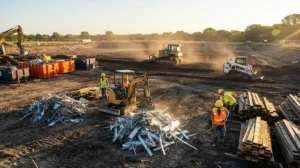
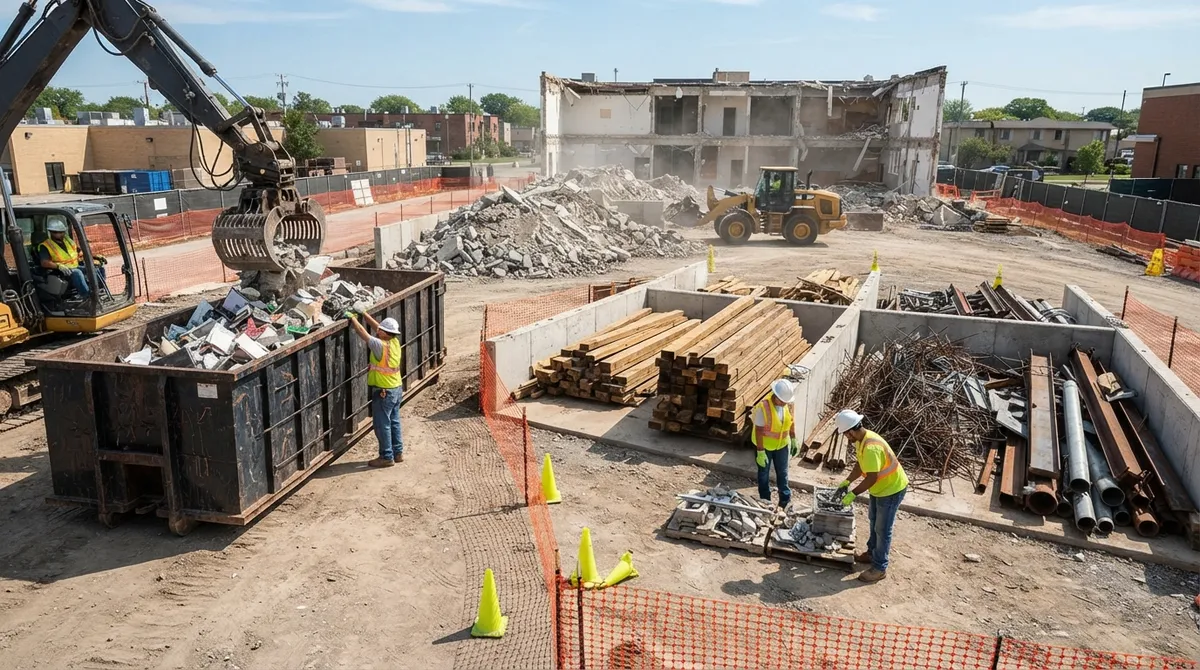
After the structure comes down, you’ll still have a lot of material on the ground. Debris removal and site cleanup are just as important as the teardown itself. Most reputable contractors include this in their service scope.
Proper debris disposal matters for several reasons:
- Local ordinances often require licensed disposal at certified facilities
- Hazardous materials must be handled separately under specific regulations
- Leaving debris behind can delay your next construction or development phase
- A clean, graded site is essential for new construction permits
Make sure your contract specifically includes debris hauling. If it doesn’t, you could be left with a pile of rubble and an extra bill. For more on this topic, check out what hauling and demolition services actually include.
Ready to Start Your Project in Clark or Nye County?
Finding trustworthy house demolition and removal near me doesn’t have to be a guessing game. The key steps are simple: understand what your project involves, confirm permit requirements, and work with a licensed and insured contractor who gives you a clear, itemized quote.
For homeowners, developers, renovation contractors, and property managers across Clark and Nye counties, visit 702 Demo on Google to see real reviews from local customers who’ve been through this exact process. Their experience, equipment, and commitment to clean, efficient work make them the go-to choice for residential demolition in the Las Vegas area.
Whether you need a complete home teardown, a garage removed, or a pool filled in before starting fresh, the team at 702 Demo is ready to help. Request your free estimate from 702 Demo today and take the first step toward a clear, ready-to-build site.
FAQs
Q: What does house demolition and removal near me typically include?
A: Great question! Most residential demolition projects include the structural teardown, debris hauling, and basic site cleanup after the structure is removed. Depending on your contractor, the scope may also cover permit assistance, utility disconnect coordination, and grading the land so it’s ready for the next phase of your project.
Q: Do I need a permit to demolish a house in Clark County, Nevada?
A: Yes — permits are almost always required for residential demolition in Clark County. The rules can vary depending on your city or municipality, so it’s a good idea to check with your local building department early. Many licensed contractors can help you navigate the permit process and even pull permits on your behalf.
Q: Can I demolish just part of my home instead of the whole structure?
A: Absolutely! Partial demolition — like removing a garage, addition, porch, or interior walls — is a very common service. Interior demolition is especially popular for renovation projects where the outer shell of the home stays intact but the inside needs a fresh start.
Q: How long does house demolition take from start to finish?
A: It depends on the size of the structure and how quickly permits and utility disconnects are handled. Smaller projects like shed or garage removal can sometimes be completed in a single day. Larger full home teardowns may take a few days for demolition plus additional time for debris hauling and site cleanup.
Q: How do I find a licensed house demolition contractor near me?
A: Start by verifying that any contractor you consider holds a valid license and carries liability and workers’ compensation insurance. Ask for itemized quotes, check local reviews, and look for contractors with proven experience in residential demolition. In Clark and Nye counties, 702 Demo is a trusted full-service option with the equipment and expertise to handle projects of all sizes.