Key Takeaways
-
Get a structural assessment from a qualified inspector before anyone enters or moves debris, as fire can weaken roofs, floors, and framing that appear intact from outside and could collapse without warning.
-
Notify your insurance company immediately before demolition work begins, as many policies require documentation, photos, and engineer reports to approve demolition or debris removal costs.
-
Schedule an asbestos and hazardous material inspection before demolition, especially for homes built before 1980, since fire can disturb these materials and federal EPA rules require proper handling and separate disposal.
-
Determine whether selective demolition of damaged sections or complete teardown is needed based on structural assessment findings, not just visible fire damage, as this decision significantly affects timeline and costs.
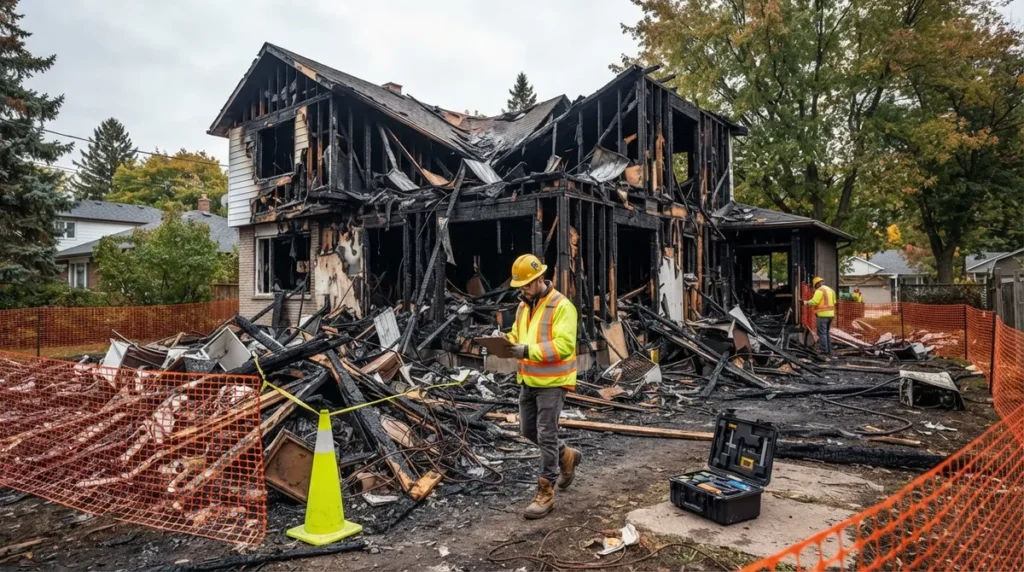
A house fire is scary and heartbreaking. Once the smoke clears, you’re left staring at a home that may look unsafe, smell terrible, and feel impossible to fix. If you’re in Clark or Nye County wondering what comes next, you’re not alone, and you’re in the right place. Fire damaged house demolition is a careful process, not just knocking down walls and hauling away ash.
The good news? You don’t have to figure this out by yourself. In 2024 alone, the U.S. saw over 1.4 million fires and roughly $21.3 billion in property loss, according to the U.S. Fire Administration. That means thousands of families across the country are walking this same path right now, and there’s a proven, safe way forward.
This guide breaks down the fire damaged house demolition process into 10 clear steps. We’ll cover safety checks, permits, hazardous materials, insurance, and how to pick the right team. Grab a cup of coffee, take a breath, and let’s walk through this together.
1. Get a Structural Assessment Before Anyone Steps Inside
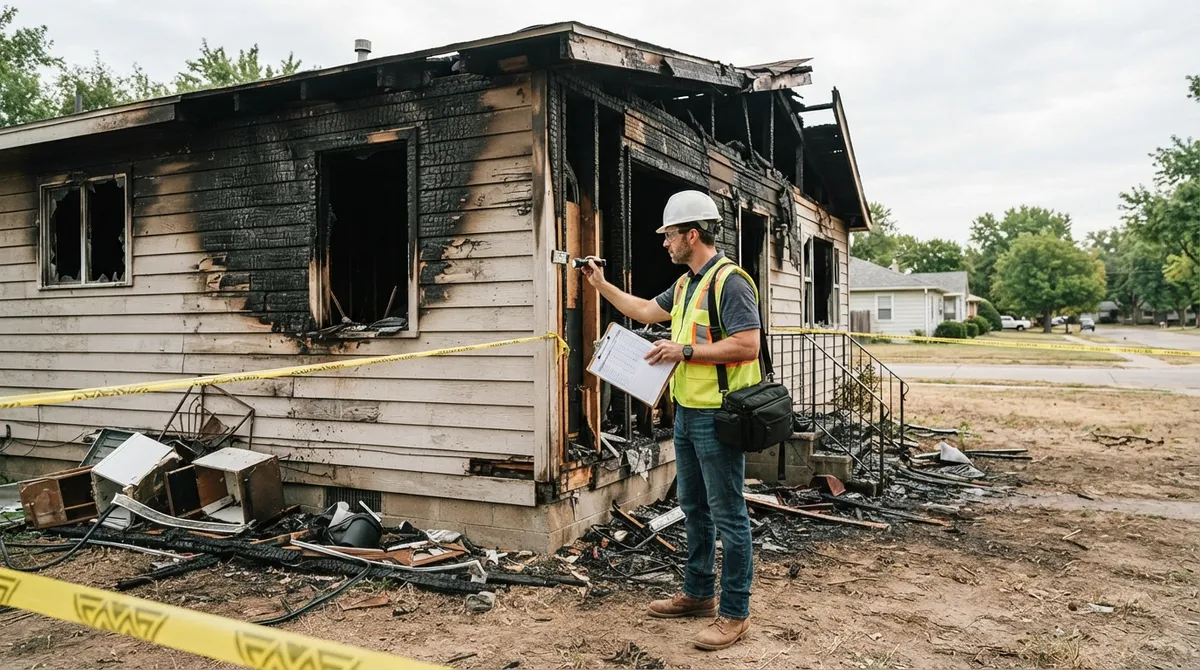
Fire doesn’t just burn what you see. It can quietly weaken roofs, floors, and framing that still look okay from the outside. A qualified inspector needs to check the home before anyone enters or moves debris.
This step matters because a home that looks “mostly fine” could still collapse without warning. A structural engineer or demolition professional will look at:
- Roof trusses and rafters for heat damage
- Load-bearing walls and framing
- Floor joists and subfloor integrity
- Foundation cracks or shifting
- Chimney and fireplace stability
Skipping this step is one of the biggest mistakes homeowners make. Never assume a burned home is safe just because it’s still standing.
2. Decide Between Selective Demolition or Full Teardown
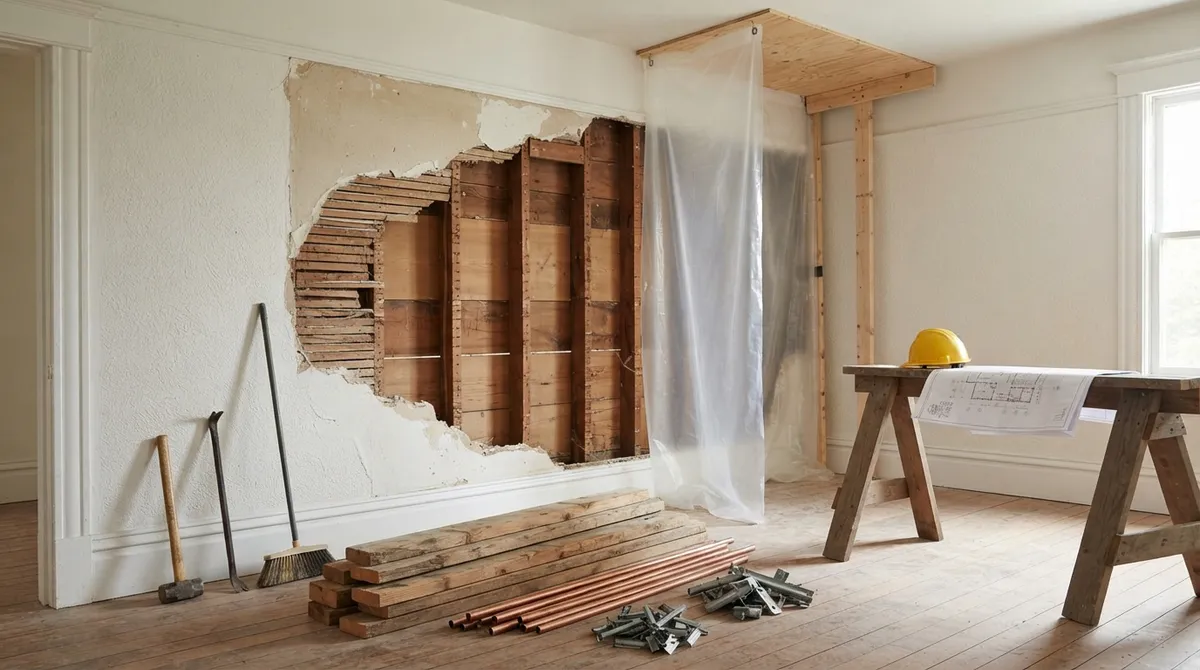
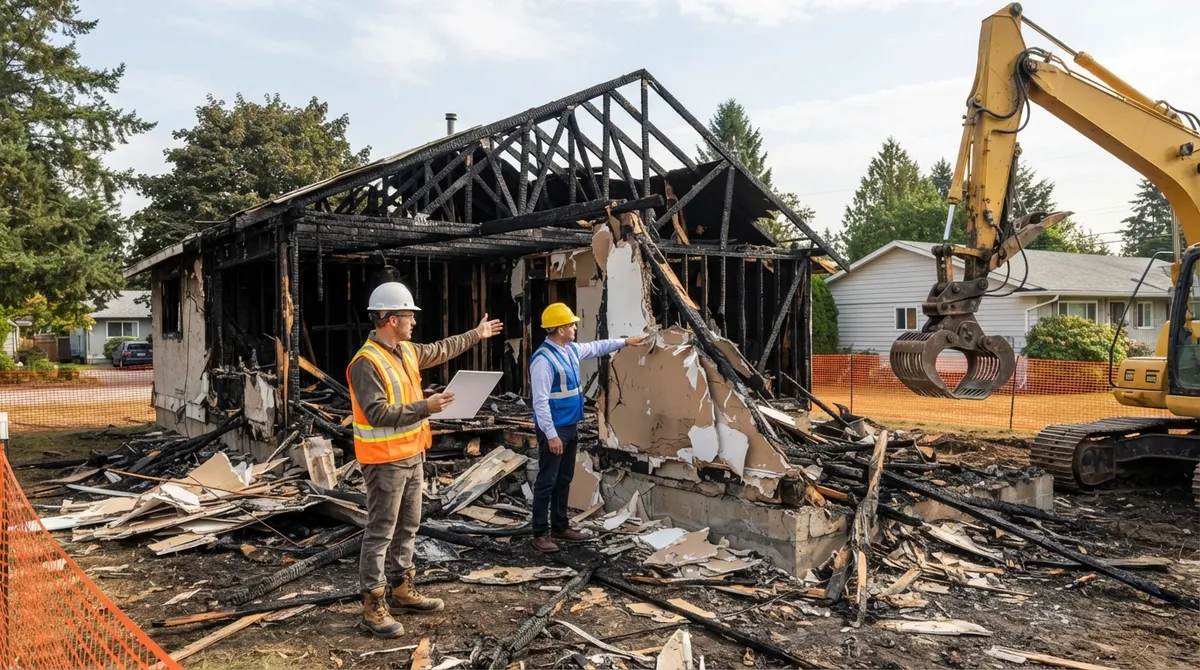
Not every fire damaged house needs to come all the way down. Sometimes only part of the structure needs removal, while the rest can be saved and repaired. This decision should come from the structural report, not just how bad the fire damage looks.
Here’s how the two options usually compare:
| Factor | Selective Demolition | Full Teardown |
|---|---|---|
| Damage Level | Isolated to one area or floor | Widespread structural failure |
| Foundation | Often reusable | May need full replacement |
| Timeline | Shorter | Longer, more complex |
| Best For | Partial fires, smoke damage areas | Total loss homes |
Our team at building demolition services can walk you through which option fits your specific situation.
3. Pull the Right Permits First
You cannot legally demolish a fire damaged home without proper permits. Rules vary by city and county, so it pays to check local requirements early.
If your property is in Las Vegas, you’ll want to review the Las Vegas demolition permit guidelines before starting any work. For properties elsewhere in the region, the Clark County Building Department can confirm what’s needed for your address. Permit rules often depend on:
- Whether the demolition is partial or complete
- How the ash and debris will be removed
- Whether emergency stabilization is needed first
- Local zoning and setback requirements
A licensed contractor can usually handle this paperwork for you, which saves time and headaches.
4. Schedule an Asbestos and Hazardous Material Inspection
Older homes, especially those built before the 1980s, may contain asbestos in insulation, siding, roofing, or floor tile. Fire can disturb these materials and make them more dangerous to handle.
Federal rules under the EPA’s National Emission Standards for Hazardous Air Pollutants require inspection and proper handling in many demolition projects. Beyond asbestos, fire damaged homes may also hide:
- Lead-based paint in older layers
- Damaged fuel tanks or propane lines
- Household chemicals and cleaning products
- Fire-retardant residue
- Contaminated ash from burned materials
These materials cannot be mixed with regular demolition debris. They need separate handling, transport, and disposal.
5. Notify Your Insurance Company Right Away
Before any demolition work begins, call your insurer. Many policies require documentation, photos, and sometimes an engineer’s report before they’ll approve demolition or debris removal costs.
Here’s a simple checklist to keep things moving smoothly:
- Document all damage with photos and video
- Request a copy of your policy’s demolition coverage
- Ask if emergency stabilization is covered
- Confirm if debris removal is a separate line item
- Ask whether salvage items need review first
- Get everything in writing before work starts
Skipping this step can lead to denied claims or unexpected out-of-pocket costs later.
6. Shut Off and Secure All Utilities
Before any demolition equipment shows up, utilities need to be disconnected or made safe. This protects workers and neighboring properties from further damage.
Utilities that typically need attention include:
- Electricity and any solar panel systems
- Natural gas or propane lines
- Water and sewer connections
- Fuel tanks, if present
- Cable and communication lines
A professional crew will also set up site fencing, dust control, and traffic safety measures if the home is near a busy street or other properties.
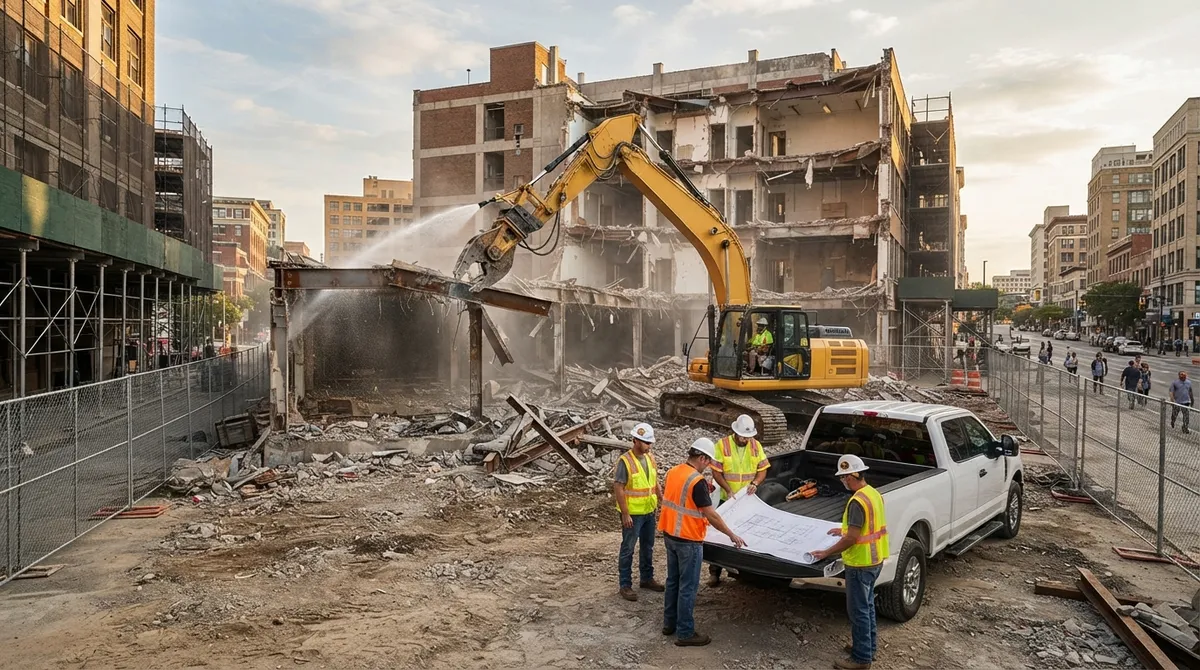
7. Follow a Safe Demolition Sequence
Demolition isn’t just about knocking things down fast. A safe crew follows a specific order to prevent collapse and protect everyone nearby.
The typical sequence looks like this:
- Secure the site and install shoring if needed
- Remove hazardous materials and salvageable contents
- Perform selective demolition on unstable sections
- Complete structural demolition if required
- Segregate debris by material type
- Transport waste to approved disposal facilities
- Grade and clean the final site
OSHA’s demolition standards, found in 29 CFR Part 1926 Subpart T, guide how professional crews approach this work safely. This is exactly why hiring trained professionals matters so much for fire damaged sites.
8. Sort and Dispose of Debris the Right Way
Not all debris is created equal after a fire. Some materials can be recycled, others go to standard landfills, and hazardous waste needs special handling.
Debris typically falls into these categories:
- Recyclable metals like pipes, wiring, and appliances
- Concrete and masonry for crushing or reuse
- Ordinary wood and drywall debris
- Ash and soot requiring careful handling
- Hazardous materials needing licensed disposal
Our hauling services team handles this sorting process daily, making sure everything goes where it’s supposed to go. Proper disposal isn’t just good practice, it’s often required by local and state environmental rules.
9. Evaluate the Foundation Before Rebuilding
Just because a foundation survived the fire doesn’t mean it’s safe to build on. Heat can crack concrete, weaken rebar, and compromise the structure in ways you can’t see.
A structural engineer should check for:
- Visible cracking or spalling in the concrete
- Uneven settling or shifting
- Heat exposure to embedded steel
- Contamination from melted materials
If the foundation needs to go, our concrete removal team can break, haul, and dispose of it properly, clearing the way for a fresh start.
10. Choose a Demolition Contractor You Can Trust
This last step might be the most important one. Fire damaged demolition requires experience, proper licensing, and a real understanding of hazardous materials and local codes.
When comparing contractors, look for these qualities:
- Proper state licensing and insurance coverage
- Experience specifically with fire damaged structures
- Willingness to coordinate permits and utility shutoffs
- Clear, upfront pricing without hidden change orders
- Transparency about hazardous material handling
- Strong local reviews and community reputation
702 Demo has spent years serving homeowners, builders, and property managers across Clark and Nye counties. We understand fire damaged properties bring unique challenges, from structural risks to strict permit requirements, and we handle each project with care. You can also visit us on Google — 702 Demo to see what our neighbors are saying about their experience working with us.
What Makes 702 Demo Different for Fire Damage Projects
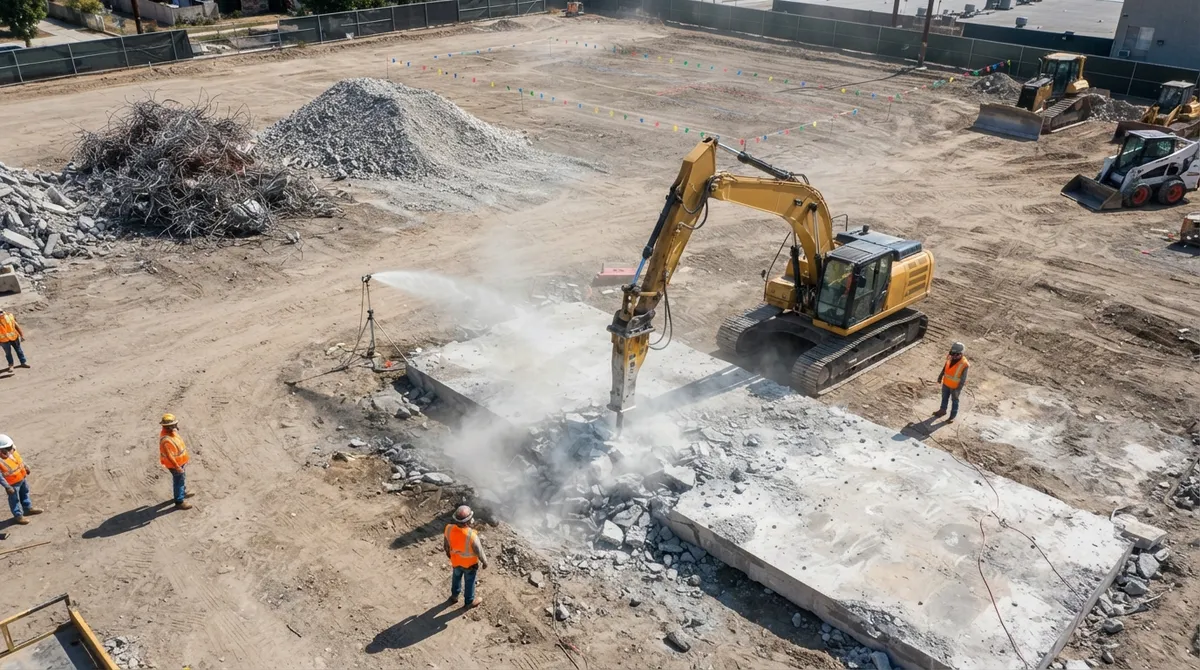
We know fire recovery is stressful enough without worrying if your demolition crew knows what they’re doing. Our team brings full-service capability, meaning we handle demolition, excavating, grading, and hauling all under one roof.
This matters because fire damaged sites often need more than one type of service. You might need interior demolition for smoke-damaged rooms, plus excavating and grading to prepare for rebuilding. Having one trusted team handle everything saves time, reduces miscommunication, and keeps your project moving forward.
A Quick Look at Fire Statistics in 2026
Understanding the bigger picture can help homeowners feel less alone in this process. Recent federal data shows fires remain a serious and growing concern nationwide.
- Over 1.4 million fires reported in the U.S. in 2024
- Nearly 3,900 fire-related deaths recorded that year
- Fire incidents rose 7.6% compared to 2015
- Fire deaths increased 16.3% over that same period
These numbers, reported by the U.S. Fire Administration, remind us why safe, professional demolition matters so much. Rebuilding starts with a safe, clean foundation, and that begins with doing this process correctly.
Ready to Move Forward?
Dealing with a fire damaged home is never easy, but you don’t have to navigate it alone. Whether you need a full structural assessment, hazardous material handling, or complete site clearance, our team is here to guide you every step of the way. Contact 702 Demo for a free estimate and let’s talk about getting your property safely cleared and ready for what comes next.
FAQs
Q: Do I need a demolition permit to tear down a fire-damaged house?
A: Yes, almost always! Your local building department decides the exact rules, so it’s smart to check with them before any work starts. A good demolition contractor, like our team at 702 Demo, can often handle this paperwork for you so you don’t have to stress about it.
Q: Should a structural engineer inspect a house before fire-damage demolition?
A: Absolutely, and this step should never be skipped. Fire can hide serious damage in roofs, walls, and foundations that isn’t visible to the naked eye. A proper inspection keeps everyone safe before any debris gets moved.
Q: Can fire-damaged debris be removed before an asbestos inspection?
A: It’s best not to move debris until an asbestos inspection is complete, especially in older homes. Disturbing asbestos-containing materials without proper testing can create serious health risks for workers and neighbors alike.
Q: Does homeowners insurance cover demolition and fire-debris removal?
A: Many policies do cover this, but coverage details vary quite a bit. Call your insurer right away, document everything with photos, and ask exactly what they need before demolition begins.
Q: Can the foundation of a burned house be reused?
A: Sometimes, but you shouldn’t assume it’s safe without a professional check. Heat can weaken concrete and steel in ways you simply can’t see from the surface, so an engineer’s evaluation is always worth the peace of mind.