Key Takeaways
-
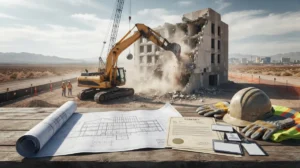
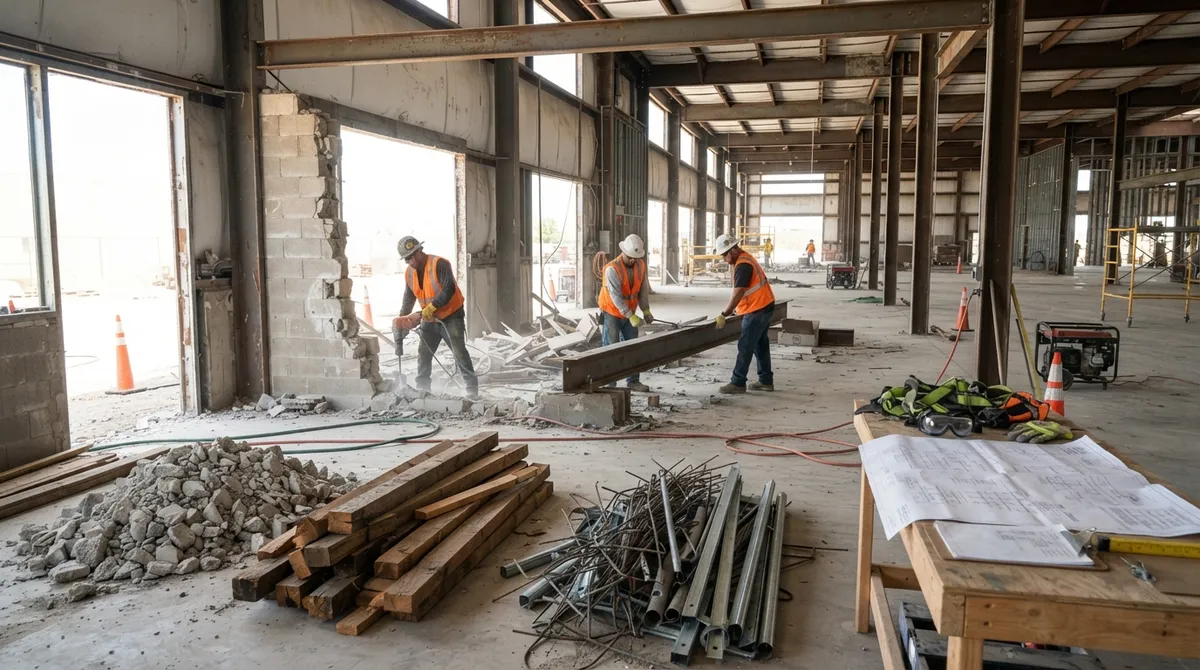
An engineering survey by a competent person is mandatory before structural demolition begins; skipping this OSHA-required safety step can lead to dangerous collapse risks and citations.
-
Structural demolition must follow a top-to-bottom sequence starting from the roof and moving downward to prevent debris from crushing lower floors and workers, making professional execution critical.
-
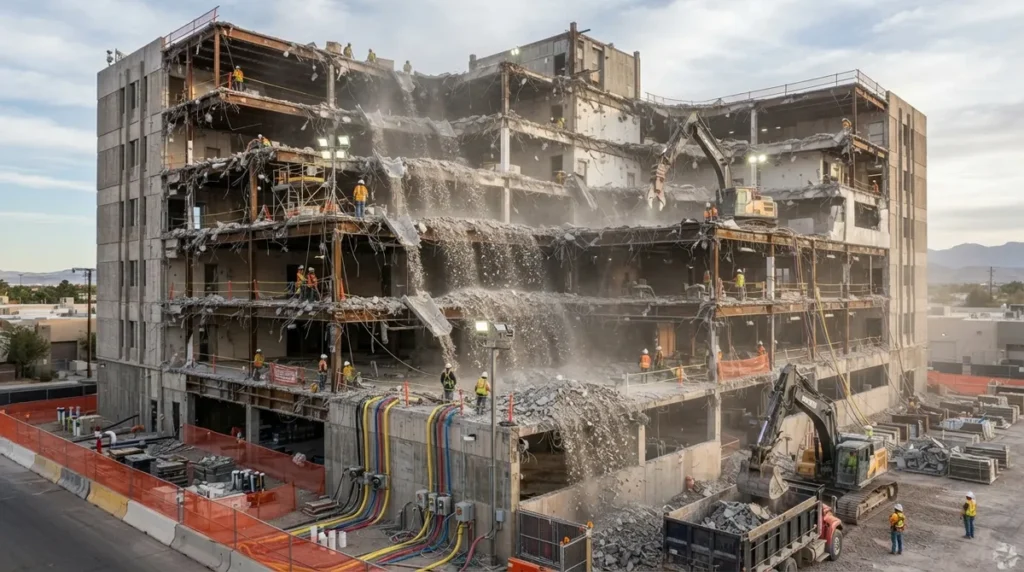
All utilities (electric, gas, water, steam, sewer) must be disconnected before work starts to protect workers from shocks, gas leaks, and flooding hazards.
-
Local permits are required and regulations vary by location; hiring an experienced team familiar with local codes ensures compliance and prevents costly delays or legal issues.
Ever watched a building come down and wondered how crews knew exactly where to start? That’s the magic of structural demolition. It’s not just swinging a wrecking ball and hoping for the best. It’s a careful, planned process that keeps everyone safe while getting the job done right.
Whether you’re a homeowner planning a teardown, a builder starting a new project, or a property manager dealing with an old structure, understanding structural demolition helps you make smart choices. At 702 Demo, we’ve spent years helping folks across Clark and Nye counties navigate this process. Here are 10 things you really should know before your next project begins.
1. Structural Demolition Removes the Building’s Bones
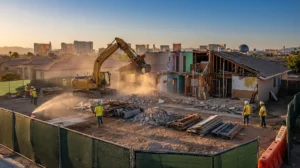
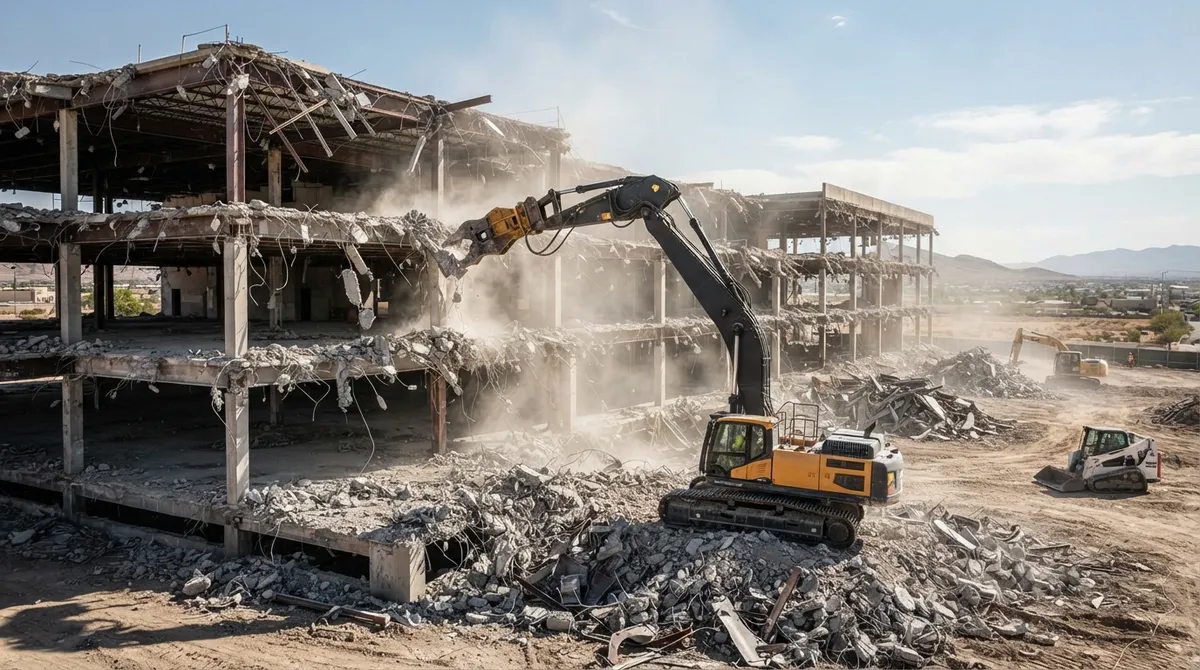
Structural demolition means taking down the parts that hold a building up. Think beams, columns, floors, walls, foundations, and slabs. These are the load-bearing pieces that keep everything standing tall.
This is different from just knocking out a wall for a kitchen remodel. When we talk about structural demolition, we mean the whole framework is coming down. It’s a bigger job that needs more planning and more muscle.
2. It’s Not the Same as Selective Demolition
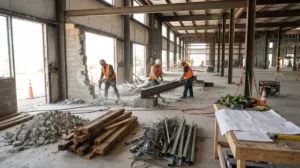
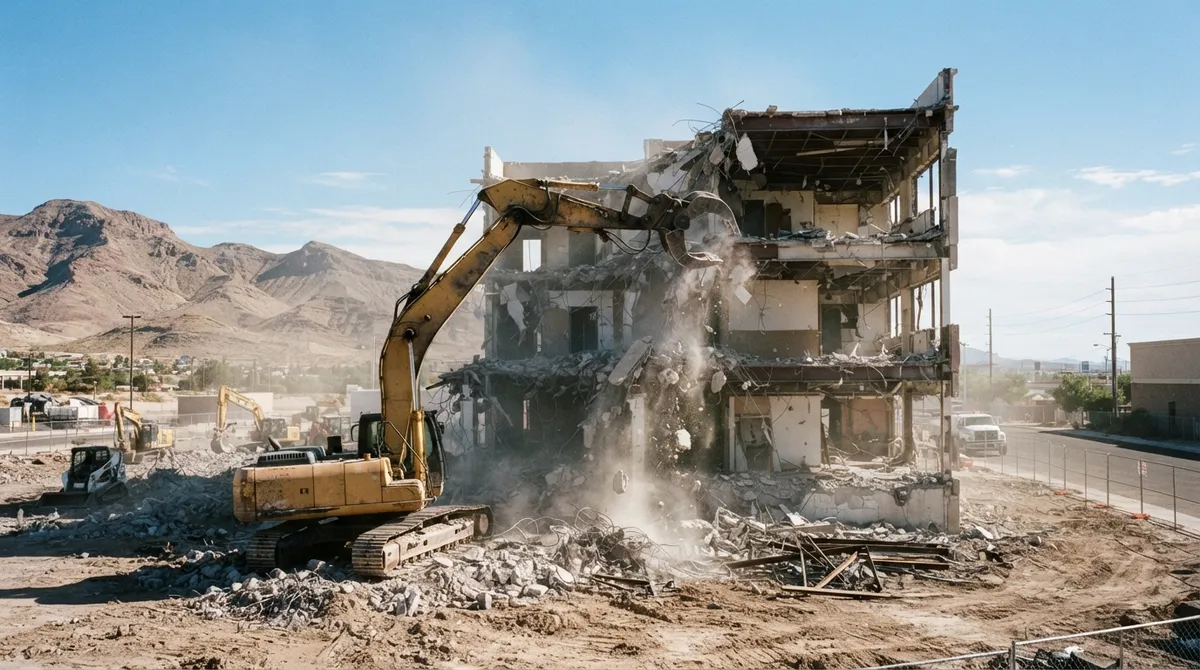
People mix these up all the time, and that’s okay! Selective demolition means removing certain parts of a building while keeping the rest standing. Maybe you want to open up a floor plan or replace old plumbing walls.
Structural demolition, on the other hand, usually means the whole building or a major section is coming down. Our interior demolition services often handle the selective side, while full structural teardowns are a different beast entirely. Knowing which one you need saves time and headaches.
Quick Comparison Table
| Feature | Structural Demolition | Selective Demolition |
|---|---|---|
| Scope | Entire structure or major portions | Specific interior sections |
| Load-Bearing Elements | Removed | Usually kept intact |
| Typical Use | Full teardowns, rebuilds | Renovations, remodels |
| Complexity | Higher, needs engineering survey | Moderate, still needs planning |
3. An Engineering Survey Comes First
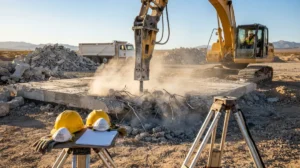
Before any structural demolition starts, a competent person needs to check out the building. This survey looks at the framing, floors, and walls. It helps spot any risk of unplanned collapse.
This isn’t optional paperwork. It’s a serious safety step required under OSHA rules. In fact, OSHA guidance notes that these engineering-survey requirements account for more than half of all preparatory-operations citations. Skipping this step can lead to dangerous surprises once work begins.
4. Utilities Must Be Shut Off Before Work Begins
You can’t just start tearing down walls with the power still on. Electric, gas, water, steam, and sewer lines all need to be shut off or disconnected first. This step protects workers from shocks, gas leaks, and flooding.
A good demolition crew checks every utility line before touching a single beam. This is one of those behind-the-scenes tasks that keeps a project running smoothly and safely from day one.
5. OSHA Rules Apply to More Than Full Teardowns
Here’s something that surprises a lot of homeowners and contractors alike. OSHA demolition rules don’t just apply when you’re razing an entire building. They also cover rehab, repair, and remodeling work.
This means removing ceilings or interior non-load-bearing walls can fall under the same safety standards. If you’re a renovation contractor, it pays to know these rules apply even on smaller jobs.
6. Damaged Structures Need Extra Care
If a building has been through a fire, flood, or explosion, things get trickier. Walls or floors might be weakened and need shoring or bracing before anyone can safely enter.
This step protects the demolition crew from sudden collapses. It’s one reason why hiring an experienced team matters so much. You want people who know how to spot these hidden dangers before they cause real harm.
7. Demolition Follows a Top-to-Bottom Sequence
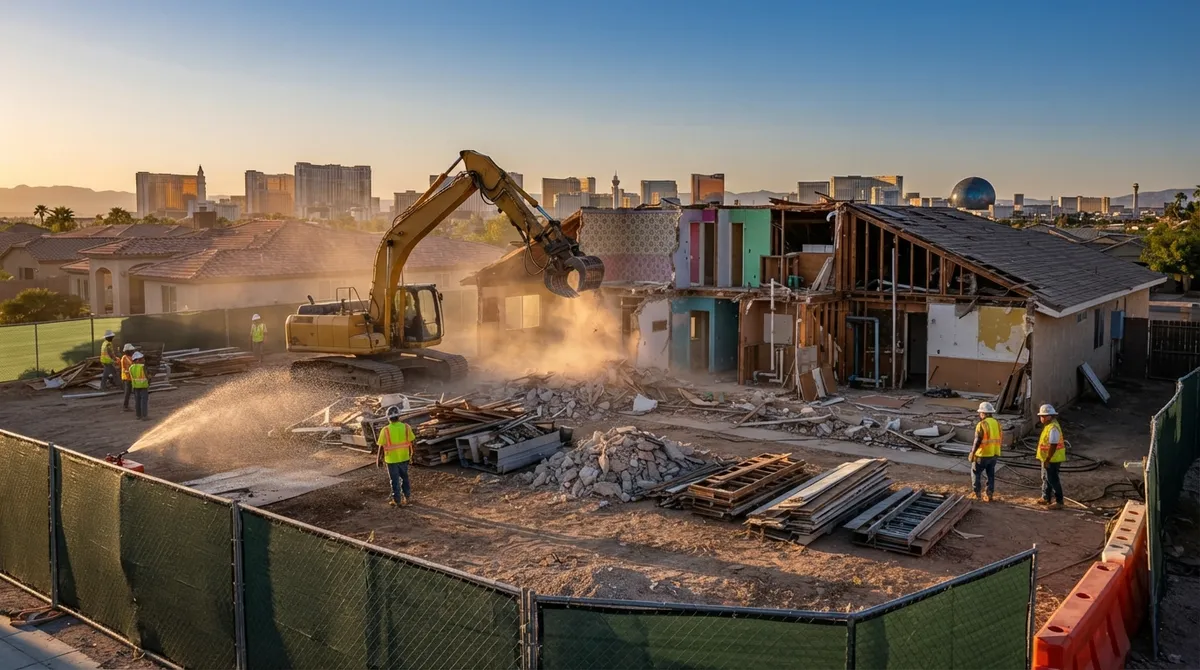
There’s a method to how buildings come down. Safety guidance requires that demolition of exterior walls and floors begin at the top of the structure and move downward. This isn’t random. It’s designed to keep debris from crushing lower floors or workers below.
Here’s a simple breakdown of how a typical structural demolition sequence works:
- Complete the engineering survey and safety plan
- Disconnect all utility lines
- Remove hazardous materials, if present
- Install shoring or bracing where needed
- Set up access barriers and controlled entry points
- Begin demolition from the top of the structure
- Work downward, floor by floor or section by section
- Clear debris and sort materials for recycling or disposal
- Grade and clear the site for the next phase
Following this order isn’t just tradition. It’s a proven way to reduce collapse hazards and keep everyone on site safe.
8. Equipment Choice Depends on the Job
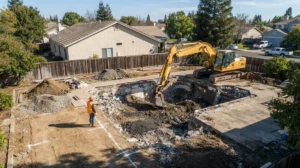
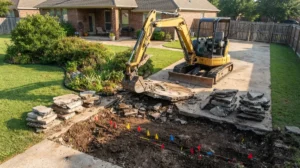
Not every structural demolition uses the same tools. Smaller residential jobs might use excavators with hydraulic breakers. Larger commercial sites often need bigger machinery, like high-reach excavators for tall buildings.
Here are some common pieces of equipment used in structural demolition:
- Hydraulic excavators with attachments like shears and breakers
- Wrecking balls for certain large structures
- Bulldozers for pushing and clearing debris
- Skid steers for tight spaces
- Dump trucks for hauling away material
- Cranes for controlled section removal
Choosing the right equipment isn’t just about speed. It’s about matching the tool to the building’s size, materials, and location. That’s where an experienced building demolition team really earns its keep.
9. Debris Handling Is Part of the Job
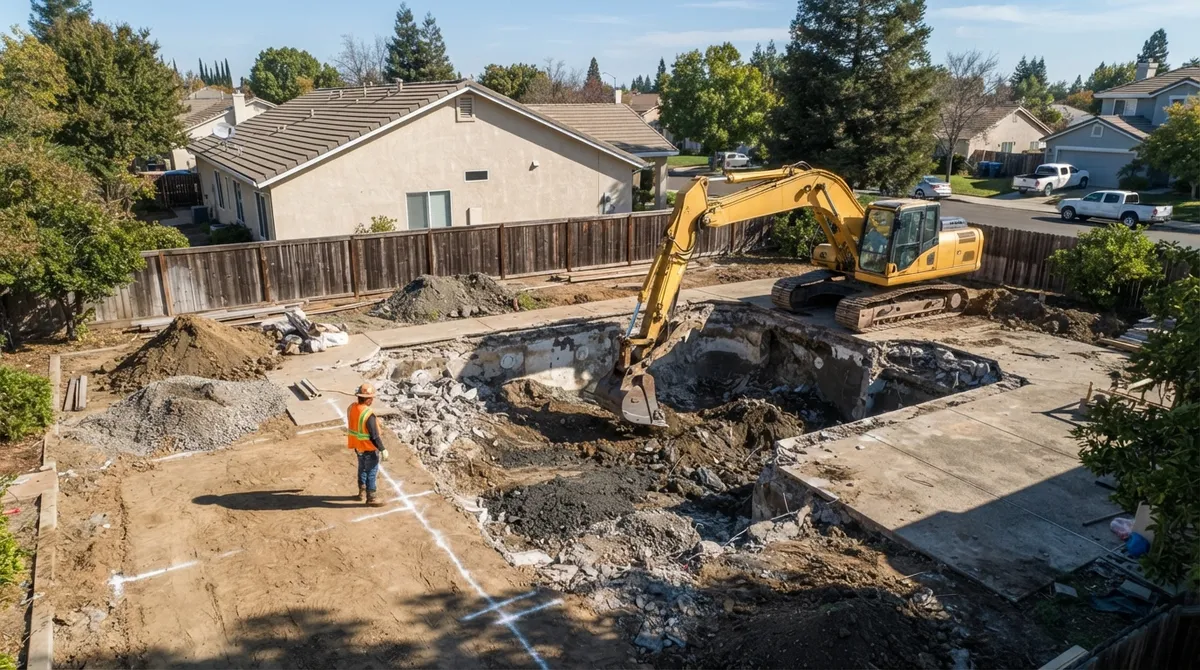
Structural demolition doesn’t end when the building hits the ground. There’s a whole second phase involving debris removal, recycling, salvage, and site grading.
Did you know floor openings used for material disposal can’t exceed 25% of the total floor area? That’s just one of many rules designed to keep the process safe and orderly. Once debris is cleared, sites often need excavating and grading to prepare for whatever comes next, whether that’s a new build or a fresh landscape.
What Happens to the Materials?
Concrete, wood, metal, and other materials get sorted after a teardown. Much of it can be recycled rather than dumped in a landfill. Metal often goes to scrap yards, while concrete can be crushed and reused as fill material. Good hauling services make sure everything leaves the site properly and responsibly.
10. Permits and Regulations Matter
You can’t just start knocking down a structure without the right paperwork. Local permits are required, and rules vary by location. If you’re working in Las Vegas, checking the Las Vegas demolition permit guidelines is a smart first step.
For projects elsewhere in the county, the Clark County Building Department can walk you through what’s needed. These agencies help make sure demolition happens safely and legally, protecting both workers and neighbors.
Why Choose a Local Team for Structural Demolition
Structural demolition isn’t a DIY weekend project. It takes trained crews, the right equipment, and a solid understanding of safety codes. This is exactly why so many Nevada residents and businesses trust 702 Demo for their projects.
Our team has spent years working across Clark and Nye counties, tackling everything from residential teardowns to large commercial jobs. We understand local permit requirements, safety codes, and how to keep your project moving without unnecessary delays.
Here’s what sets a trustworthy demolition partner apart:
- Proper licensing and insurance coverage
- Experience with engineering surveys and safety planning
- Knowledge of local permit requirements
- Reliable equipment maintained for safety
- Clear communication throughout the project
- Responsible debris removal and recycling practices
Don’t just take our word for it. You can visit us on Google — 702 Demo to see what other Las Vegas area customers have said about their experience working with our team.
Common Mistakes to Avoid
We’ve seen a lot of projects over the years, and some mistakes come up again and again. Here’s a quick list to help you steer clear of trouble:
- Skipping the engineering survey to save time
- Forgetting to disconnect all utility lines
- Not pulling the proper permits before starting
- Using the wrong equipment for the building type
- Ignoring hazardous materials like asbestos
- Failing to plan for debris removal in advance
Avoiding these pitfalls keeps your project on schedule and, more importantly, keeps everyone safe. If you’re unsure about any step, it’s always worth asking a professional before moving forward.
Bringing It All Together
Structural demolition is a big job with a lot of moving parts. From engineering surveys to utility shutoffs, from equipment selection to debris hauling, every step matters. Whether you’re tearing down an old home, clearing a commercial lot, or prepping land for a fresh development, getting each phase right protects your investment and everyone involved.
We know this process can feel overwhelming, especially if it’s your first time. That’s why our team is here to guide you every step of the way, from the first site visit to the final haul-away. We treat every project, big or small, with the same care and attention to detail.
Ready to get started on your structural demolition project? Contact 702 Demo for a free estimate and let’s talk about how we can make your teardown safe, smooth, and stress-free.
FAQs
Q: What is structural demolition?
A: Structural demolition is the planned removal of a building’s load-bearing parts, like beams, columns, walls, floors, and foundations. It’s a bigger, more involved process than just knocking out a few walls, and it usually means the whole structure is coming down.
Q: How is structural demolition different from selective demolition?
A: Great question! Structural demolition takes down the entire building or major load-bearing sections. Selective demolition, on the other hand, removes specific parts while keeping the rest of the structure standing, which is common in renovations.
Q: Do you need an engineering survey before demolition?
A: Yes, absolutely. OSHA requires a competent person to inspect the building’s framing, floors, and walls before work begins. This step catches potential collapse risks early, and it’s honestly one of the most important parts of the whole process.
Q: How are utilities disconnected before demolition?
A: A qualified team coordinates with utility providers to shut off electric, gas, water, and sewer lines before any demolition starts. This keeps everyone safe from shocks, leaks, or flooding once the real work begins.
Q: What happens to debris after a structural demolition?
A: Debris gets sorted, hauled away, and often recycled. Concrete, metal, and wood can usually be reused or repurposed instead of heading straight to a landfill, which is better for the environment and often for your project timeline too.