Key Takeaways
-
Las Vegas demolition requires permits from your specific jurisdiction (City of Las Vegas, Clark County, Henderson, or North Las Vegas), with full demolitions and partial removals over 50% of square footage requiring formal permits to avoid fines.
-
Clark County mandates asbestos inspections before any demolition or renovation regardless of building age, and hazardous material removal must be handled by certified specialists following EPA guidelines to protect workers and comply with law.
-
Full-service demolition companies handle site assessment, permitting, utility coordination, debris sorting/recycling, and site grading as one package, eliminating miscommunication between separate contractors and keeping projects on schedule.
-
Pool removal in Las Vegas comes in two types: partial removal (breaking up and burying in place) or full removal (complete extraction), with experienced contractors helping you choose based on your future yard plans.
-
Interior demolition for renovations requires dust containment and control measures to comply with Nevada regulations, protecting other building areas and neighbors while keeping projects legally compliant.
-
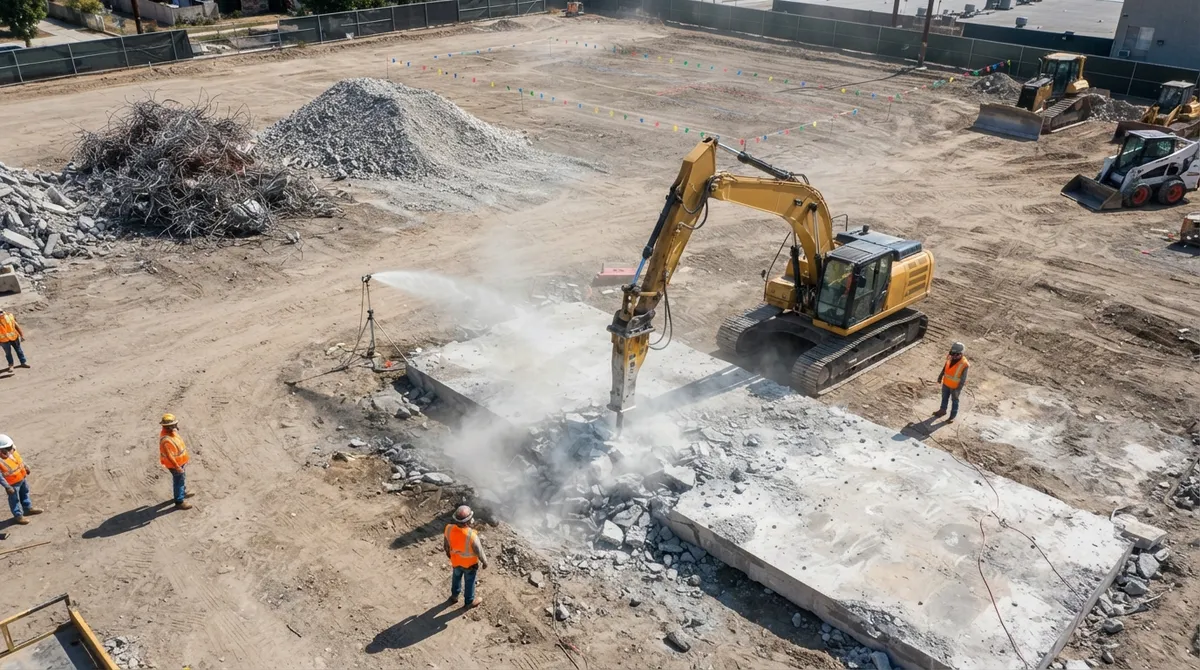
Responsible debris management sorts materials on-site to recycle concrete, asphalt, and metals while reducing disposal costs and environmental impact, with documentation provided for compliance records.
Thinking about tearing something down in Las Vegas? Maybe it’s an old pool you never use, a wall standing between you and your dream kitchen, or a whole commercial building ready for its next chapter. Whatever your project, you’re not alone in this journey. Every year, thousands of homeowners, builders, and property managers across Clark and Nye counties need trusted demolition help. And guess what? You’ve landed in exactly the right place to learn how it all works.
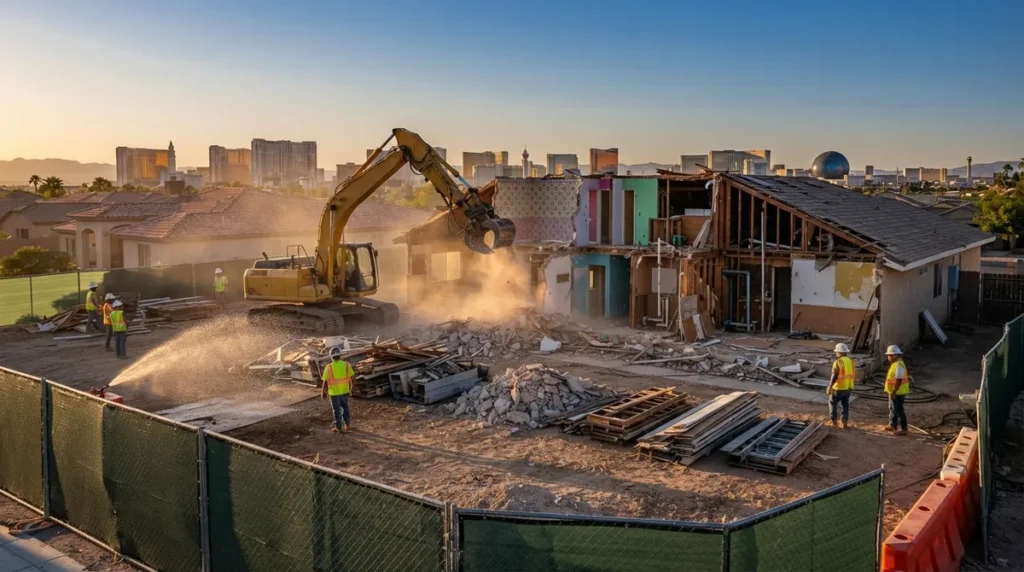
Las Vegas demolition services cover way more than just knocking things down with a big machine. There’s planning, permits, safety checks, and cleanup involved too. The good news is that once you understand the basics, the whole process feels a lot less scary. Let’s walk through the eight most important demolition services you should know about before starting your next project, plus everything you need to stay safe, legal, and stress-free along the way.
1. Residential Demolition for Homeowners
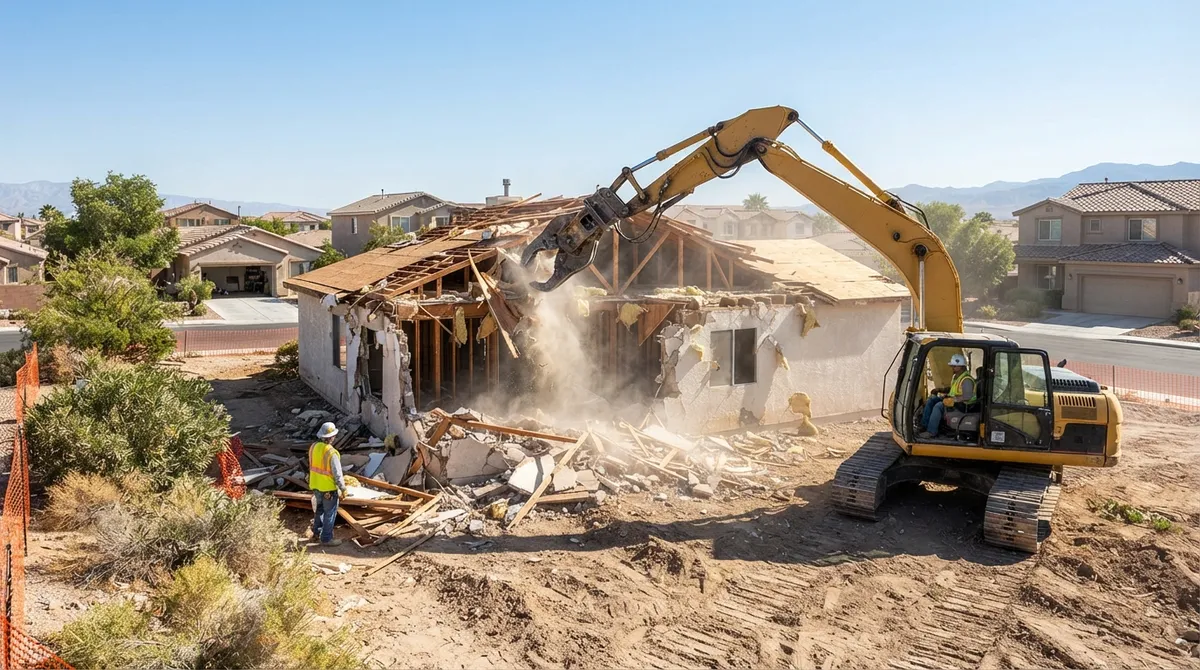
If you’re planning a renovation, tearing down an old shed, or removing part of your house for an addition, residential demolition is where it starts. This service handles everything from small interior teardowns to full home removals.
A friendly, experienced crew will assess your property first. They check for load-bearing walls, utility lines, and anything that might complicate the job. This step protects your home and your wallet from surprise costs down the road.
- Full house teardown for rebuilding projects
- Partial demolition for room additions or remodels
- Garage, shed, or carport removal
- Driveway and patio concrete removal
- Backyard structure removal, including old decks
Homeowners in Las Vegas often team up with a trusted contractor for these projects because permits and inspections can feel overwhelming alone. Working with a company that understands local rules saves you time and headaches. If you’re curious how the pros handle removal of old slabs and driveways, check out this guide on concrete removal for helpful tips.
2. Commercial Demolition for Builders and Developers
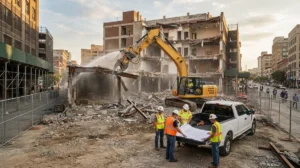
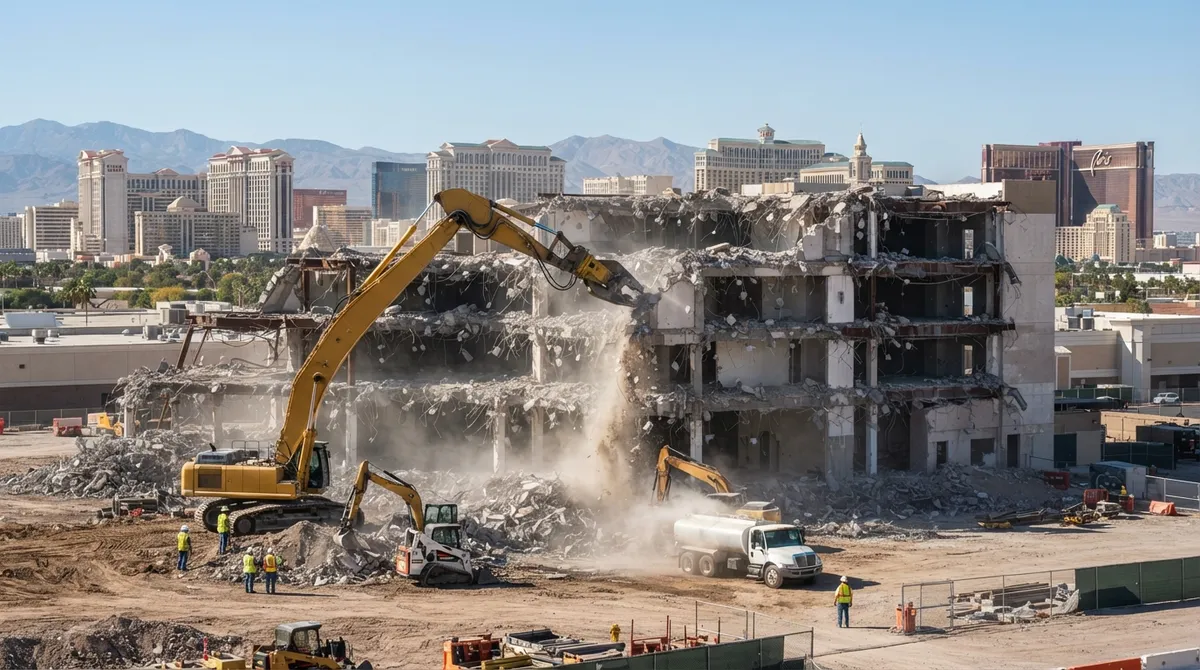
Commercial builders and real estate developers have different needs than homeowners. Timelines are tighter, sites are bigger, and safety standards are stricter. Commercial demolition covers everything from small retail spaces to large office buildings.
A good demolition partner understands how to keep your project moving without sacrificing safety. They coordinate with city inspectors, manage debris removal, and prepare your site for the next phase of construction.
- Site walkthrough and structural assessment
- Permit application and utility disconnect coordination
- Asbestos inspection and hazardous material handling
- Demolition using proper equipment for the building type
- Debris sorting, hauling, and recycling
- Site grading to prepare for new construction
702 Demo has helped many developers across Clark County move projects forward quickly and safely. Learn more about how full-service building demolition works from start to finish.
3. Interior Demolition for Renovation Contractors
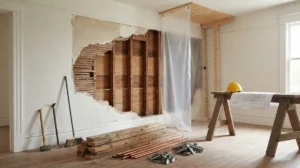
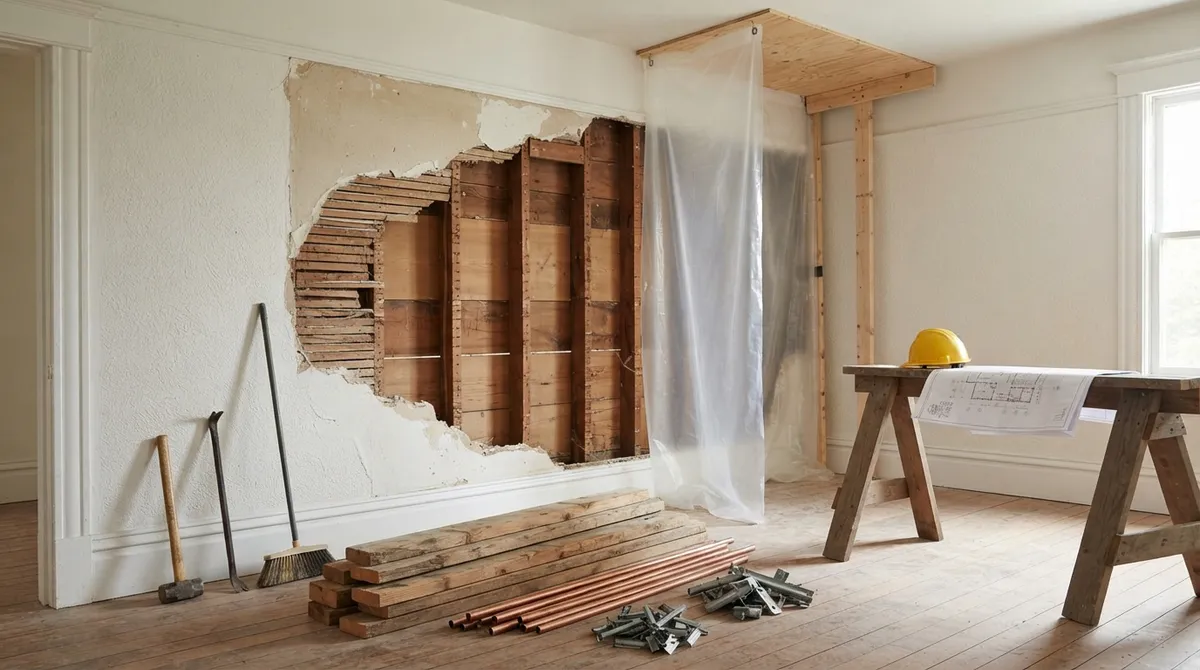
Not every demolition job means tearing down an entire building. Sometimes you just need to gut the inside. Interior demolition removes walls, flooring, ceilings, and fixtures while leaving the outer structure standing.
This service is popular with renovation contractors working on kitchen remodels, office redesigns, or full interior overhauls. It requires careful planning since you’re often working inside an occupied or partially occupied building.
- Wall and partition removal
- Flooring and ceiling tear-out
- Cabinet and fixture removal
- Plumbing and electrical disconnect coordination
- Dust containment to protect other areas
Dust control matters a lot here, especially in Nevada’s dry climate. Contractors who understand local dust regulations keep your project compliant and your neighbors happy. For more tips on saving money during this process, take a look at this interior demolition guide.
4. Pool Removal for Backyard Transformations
Old, unused pools are more common than you’d think in Las Vegas backyards. Maybe it’s cracked, leaking, or just costing too much to maintain. Pool removal has become one of the most requested services for homeowners wanting to reclaim their yard space.
There are two main types of pool removal: partial and full. Partial removal breaks up the pool and buries it in place, while full removal takes out the entire structure. Your contractor can help you decide which option fits your goals and future plans for the space.
- Draining and permit coordination
- Structural demolition of pool shell
- Debris hauling and disposal
- Backfilling and compaction
- Site grading for landscaping or new construction
702 Demo has become a go-to choice for pool removal across the valley. Homeowners love how smooth and stress-free the process feels when handled by experienced professionals.
5. Excavating and Grading for Site Development
Once demolition is done, the ground underneath often needs work too. Excavating and grading prepare a site for whatever comes next, whether that’s a new home, commercial building, or parking lot.
This step involves removing soil, leveling the ground, and making sure water drains properly. Skipping this stage can lead to serious foundation problems later, so it’s not something to rush through.
| Service | Purpose | Common Use Case |
|---|---|---|
| Excavation | Remove soil and debris to prepare foundation area | New home or commercial construction |
| Rough Grading | Level the site for building or paving | Post-demolition site prep |
| Fine Grading | Create precise slopes for drainage | Landscaping and driveways |
| Compaction | Strengthen soil to support structures | Foundations and roadways |
Real estate developers especially benefit from working with a single contractor who handles both demolition and site prep. It keeps everything on schedule and avoids miscommunication between separate crews. Learn more about how excavating and grading services set the stage for successful builds.
6. Hauling and Debris Removal Services
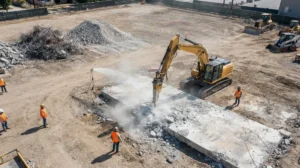
Every demolition project creates debris. Concrete, wood, metal, and mixed materials all need to go somewhere. Proper hauling services keep your site clean and help you avoid fines for improper disposal.
Responsible contractors sort debris whenever possible. Concrete and asphalt often get recycled, metals get sold for scrap, and only true waste heads to the landfill. This approach is better for the environment and often reduces disposal costs too.
- Debris is sorted on-site into categories
- Recyclable materials are separated out
- Hazardous materials get special handling
- Remaining debris is hauled to approved facilities
- Documentation is provided when required
Property managers dealing with multi-family redevelopment projects especially appreciate having hauling services bundled with demolition work. One call handles the whole mess, literally.
7. Permits and Compliance Guidance
This part trips up a lot of people, but it doesn’t have to. Las Vegas demolition work is regulated by whichever city or county has authority over your property. That might be the City of Las Vegas, Clark County, Henderson, or North Las Vegas, and each has its own rules.
The City of Las Vegas generally requires a demolition permit for full structural teardowns and for partial demolition that removes more than half of a building’s total square footage. Minor interior work might qualify for a simpler permit process instead. Checking the official Las Vegas demolition permit guidelines before you start saves a lot of confusion later.
Clark County has its own set of requirements too. Before any demolition or renovation, the property must be inspected for asbestos, no matter how old or new the building is. The county also requires a demolition notification to the Department of Air Quality and Environmental Management at least 10 working days before work begins. This applies even when asbestos isn’t present.
- Dust control permits for structures at least 1,000 square feet
- Dust control permits when disturbing a quarter acre or more of soil
- Separate permits for work affecting sidewalks or streets
- Fire department coordination for sprinkler or standpipe removal
- Utility disconnect documentation before demolition begins
Working with a licensed, experienced contractor makes this whole process much smoother. You can check requirements directly through the Clark County Building Department if you want to dig deeper into local rules.
8. Asbestos and Hazardous Material Coordination
Older buildings sometimes hide surprises like asbestos, lead paint, or other hazardous materials. This is a big deal, especially for property managers handling older commercial buildings or multi-family units.
Before any demolition or major renovation in Clark County, an asbestos inspection is required regardless of the building’s age. If asbestos is found, it must be handled by qualified professionals following strict federal, state, and local rules. Skipping this step isn’t just risky, it’s against the law.
- Pre-demolition asbestos testing
- Safe removal by certified specialists
- Proper disposal following EPA guidelines
- Documentation for compliance records
- Coordination with local health departments when needed
A trustworthy demolition company builds this step into their process automatically, so you never have to wonder if you’re covered. This protects your workers, your neighbors, and your project timeline.
Why Choosing the Right Las Vegas Demolition Company Matters
Not every demolition contractor offers the same level of service. Some skip steps, cut corners, or leave you to handle permits alone. That’s why it pays to choose a team that treats your project like their own.
702 Demo has spent years building a reputation across Clark and Nye counties for doing things the right way. From the first site visit to the final grading, the team handles every detail so you don’t have to stress about compliance, safety, or cleanup.
- Licensed and insured for residential and commercial work
- Experience navigating city and county permit requirements
- Full-service options including excavating, grading, and paving
- Responsible debris recycling and disposal practices
- Clear communication throughout the entire project
Curious what real customers have to say? You can visit us on Google — 702 Demo to read reviews from homeowners and businesses across the valley. It’s always reassuring to hear from people who’ve walked the same path you’re on now.
Wrapping Up Your Las Vegas Demolition Journey
Demolition might sound intimidating at first, but it doesn’t have to be. With the right team by your side, every step from permits to final cleanup becomes manageable and even a little exciting. You’re not just tearing something down, you’re making room for something new and better.
Whether you’re a homeowner dreaming of a backyard makeover, a developer racing against a deadline, or a property manager juggling multiple buildings, there’s a demolition solution built for your needs. Take your time, ask questions, and choose a partner who genuinely cares about getting it right.
Ready to get started? Contact 702 Demo for a free estimate and let’s talk about how we can bring your Las Vegas demolition project to life, safely, smoothly, and without any unnecessary stress.
FAQs
Q: Do I need a demolition permit in Las Vegas?
A: In most cases, yes! The City of Las Vegas typically requires a permit for full demolitions and for partial demolitions that remove more than half of a building’s square footage. Smaller interior projects might qualify for a simpler permit, so it’s always worth checking with your contractor first.
Q: Is an asbestos inspection required before demolition in Clark County?
A: Yes, and this rule applies no matter how old or new your building is. Clark County requires an asbestos inspection before any demolition or renovation project begins, which helps keep everyone on-site safe and healthy.
Q: How long does it take to demolish a house or commercial building in Las Vegas?
A: It really depends on the size and complexity of the project. A small residential teardown might take just a few days, while larger commercial buildings can take several weeks once you factor in permits, inspections, and cleanup.
Q: What is included in a Las Vegas demolition service?
A: A full-service demolition company typically handles site assessment, permitting support, asbestos coordination, the actual demolition work, debris hauling, and final site grading. It’s a complete package designed to take the stress off your plate.
Q: Who handles utility disconnects before demolition in Las Vegas?
A: This is usually coordinated between your demolition contractor and the local utility companies. Your contractor should confirm all utilities are properly disconnected and documented before any work begins, keeping your project safe and compliant.