Key Takeaways
-
A structural survey completed by a competent person is legally required before demolition begins to assess structural integrity and identify hazardous materials; skipping this OSHA-mandated step risks fines, delays, and safety hazards.
-
Obtain demolition permits from your local building department and coordinate utility disconnections for electricity, gas, water, and sewer before work starts; requirements vary by city and county so check with local authorities early.
-
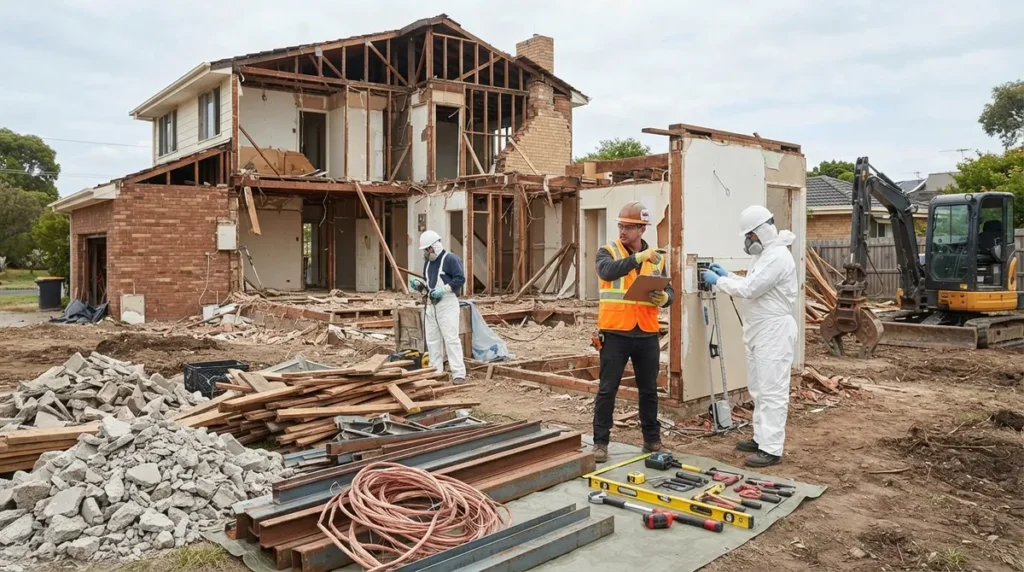
Homes built before the 1980s require asbestos inspection and those before 1978 may contain lead paint; both demand special handling procedures, with state and local regulations potentially stricter than federal exemptions.
-
Hire a licensed contractor with experience in structural surveys, hazardous material assessments, and local permit knowledge; responsible debris removal can recycle concrete, wood, and metal rather than sending everything to landfills.
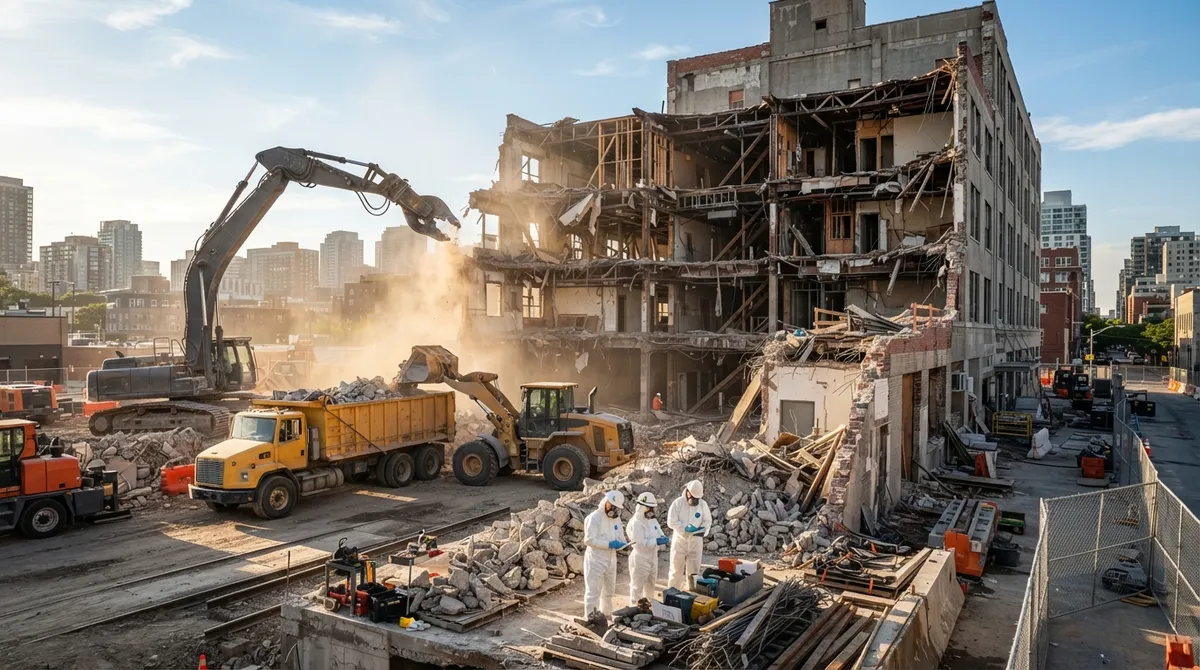
Thinking about tearing down a house or removing part of your home? You’re not alone. Every year, homeowners across Clark and Nye counties decide it’s time to knock down an old structure and start fresh. Maybe your home suffered fire or flood damage. Maybe you’re finally ready for that dream renovation. Whatever your reason, residential demolition can feel overwhelming at first. But don’t worry, friend, we’re here to walk you through it step by step, just like we would with a neighbor over coffee.
Residential demolition is more than just knocking down walls with a big machine. It involves permits, safety checks, utility shut-offs, and careful debris removal. Skip a step, and you could face fines, delays, or even safety hazards. That’s why so many homeowners, builders, and property managers in Nevada turn to trusted professionals for help. Let’s break down exactly what residential demolition involves, so you can feel confident and prepared for your next project.
1. What Residential Demolition Actually Covers
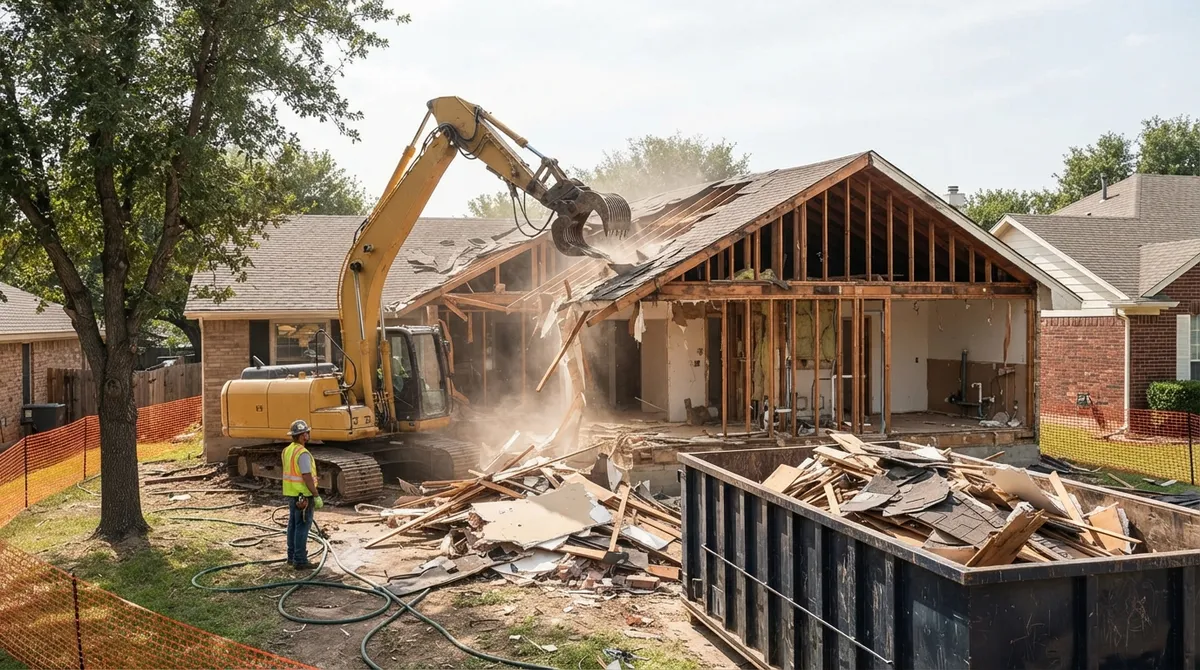
Residential demolition isn’t a one-size-fits-all service. It covers a wide range of projects, and understanding these categories helps you plan better.
- Full teardown of an entire house or structure
- Selective or partial demolition, like removing one wing of a home
- Interior demolition, such as gutting a kitchen or bathroom before a remodel
- Garage or shed demolition
- Demolition after fire, flood, or other structural damage
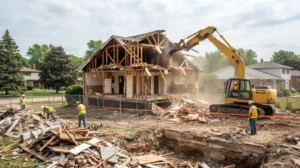
Each type comes with its own challenges. A full teardown requires heavy equipment and careful planning. Interior work, on the other hand, demands precision so you don’t damage load-bearing walls. If you’re a renovation contractor handling a remodel, you might only need interior demolition services rather than a complete knockdown.
2. Why a Structural Survey Comes First
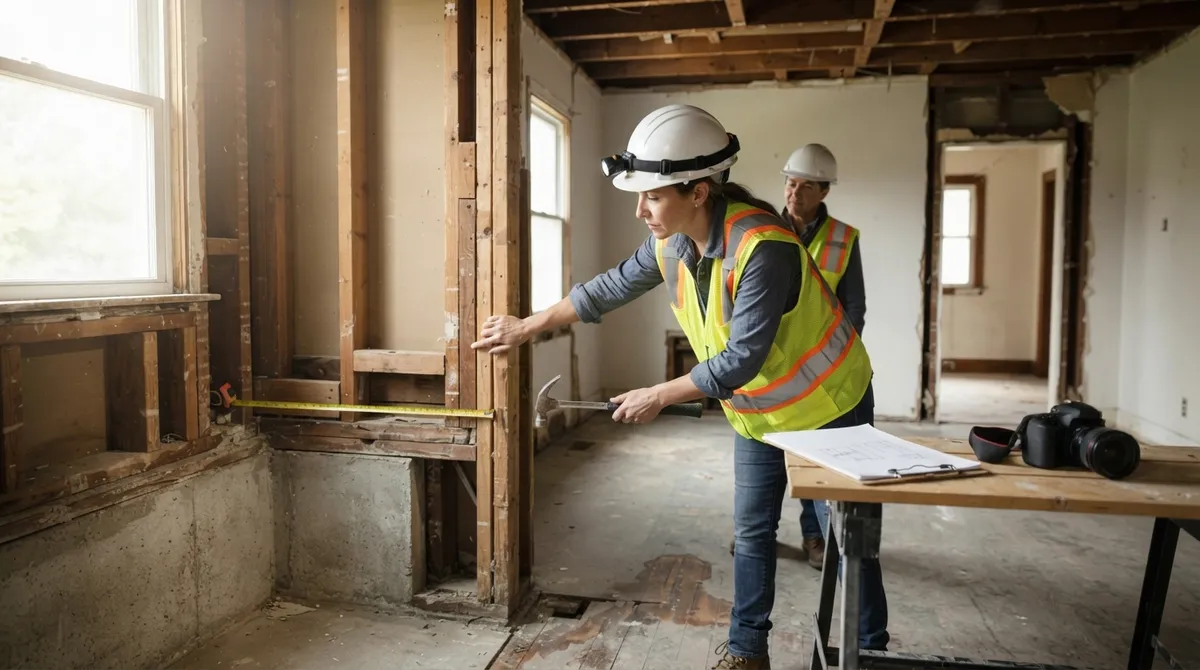
Before anyone swings a hammer or brings in an excavator, a proper survey needs to happen. This isn’t just a good idea, it’s required by law.
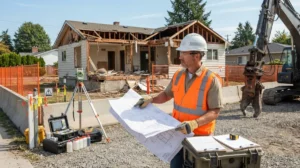
According to OSHA regulations, a competent person must complete an engineering survey before demolition begins. This survey checks the structural condition of the building and looks for the risk of unplanned collapse. OSHA also notes this is one of the most frequently cited requirements in demolition projects, so skipping it isn’t just risky, it’s against the rules.
The survey also identifies hazardous materials and other site-specific risks. Think of it like a doctor’s checkup for your house. You want to know what’s going on before you start the procedure. This step protects your crew, your neighbors, and your property.
3. Asbestos and Lead Paint: What You Need to Know
Older homes often hide surprises. Two of the biggest concerns are asbestos and lead paint, and both require special handling.
Asbestos Inspection Requirements
The EPA recommends a thorough inspection for asbestos-containing materials before any demolition or renovation. This matters most in homes built before the 1980s, when asbestos was commonly used in insulation, flooring, and roofing materials.
Here’s something helpful to know: the federal asbestos rule generally excludes residential buildings with four or fewer dwelling units. But state and local rules can still apply, so it’s smart to check with your local environmental agency before moving forward. Larger residential structures often face stricter requirements, including advance notification and regulated removal procedures.
Lead-Based Paint Considerations
If your home was built before 1978, lead paint could be an issue. The EPA’s Renovation, Repair and Painting Rule applies to partial demolition and renovation projects on older homes. Interestingly, total demolition is excluded from this specific rule.
That said, the EPA still recommends using lead-safe practices even during full demolition. You can learn more about these guidelines directly from the EPA’s lead-based paint and demolition guidance. It’s always better to be cautious when dealing with older homes.
4. Permits and Utility Coordination Steps
Permits can feel like a maze, but they exist to keep everyone safe. Here’s a simple breakdown of the typical steps involved.
- Contact your local building department to confirm permit requirements
- Submit your demolition permit application with site plans
- Coordinate utility disconnection for electricity, gas, water, and sewer
- Call 811 or your local utility locate service before any excavation
- Arrange for erosion and sediment control if required
- Set up dust control measures for the demolition site
- Get approval for your debris-disposal plan
Requirements vary by city and county, so always check with your local authority. For homeowners in Las Vegas, the Las Vegas demolition permit guidelines offer helpful details on what’s expected. If you’re outside city limits, the Clark County Building Department can point you in the right direction.
Utility coordination is just as important. Gas lines, water pipes, and electrical wiring must be safely disconnected or capped before work begins. This isn’t a step to rush. A professional contractor will handle these details so you don’t have to stress about them.
5. Safety Practices That Protect Your Property
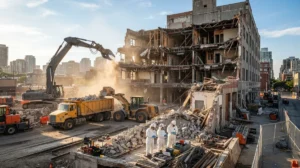
Demolition safety isn’t just about protecting workers. It also protects your neighbors, your street, and nearby structures. OSHA’s demolition standards, found in 29 CFR Part 1926, Subpart T, lay out clear rules for how demolition must happen.
Here are some key safety facts worth knowing:
- Demolition must proceed from the top of the structure downward
- Load-supporting walls can’t be removed until the floors above them are gone
- Wall openings generally need guarding to a height of at least 42 inches
- Floor openings used for debris disposal are limited to 25% of the total floor area
- Dust, noise, and traffic control measures must be in place throughout the project
These rules exist for good reason. A house is heavy, and removing the wrong section at the wrong time can cause a collapse. That’s why hiring an experienced team matters so much, especially for larger or older homes.
6. What Happens to the Debris
You might wonder where all that wood, concrete, and metal goes once the dust settles. The answer involves more planning than you’d expect.
| Material Type | Common Disposal Method |
|---|---|
| Concrete and masonry | Crushed and recycled for road base or new construction |
| Wood framing | Recycled or processed as mulch when possible |
| Metal (pipes, wiring, fixtures) | Sorted and sold to scrap metal recyclers |
| Appliances | Removed separately for proper recycling |
| Asbestos or hazardous materials | Handled by licensed specialists following EPA rules |
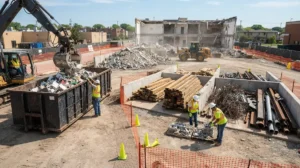
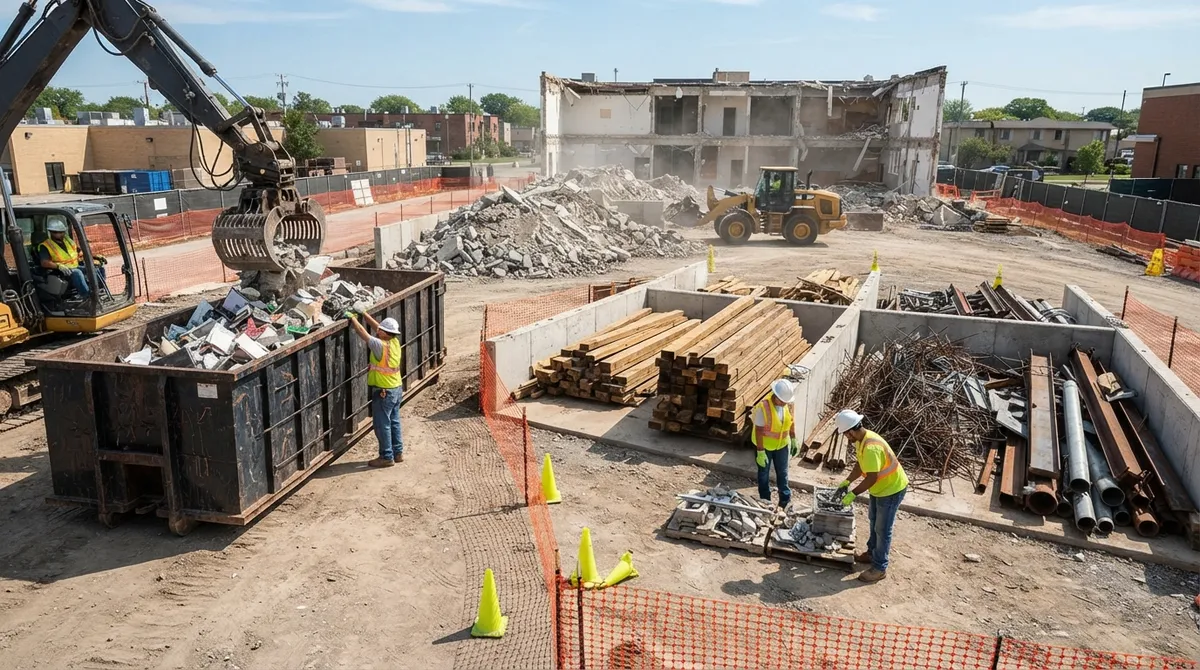
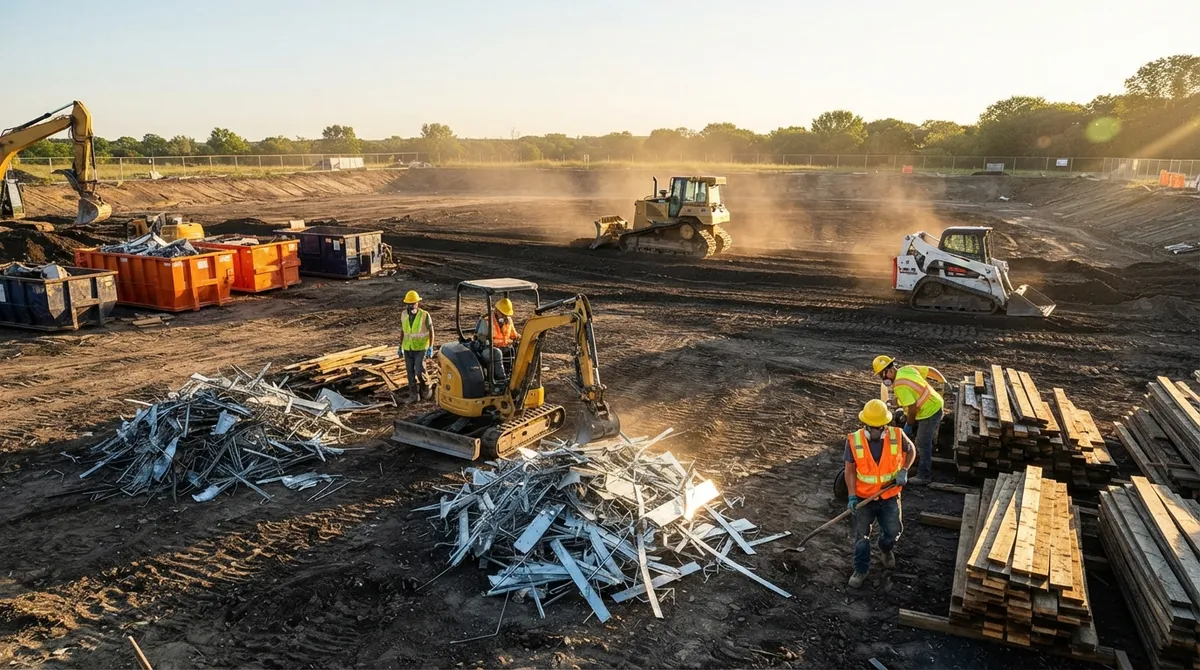
Good contractors don’t just haul everything to a landfill. Many materials, like concrete removal debris, can be crushed and reused. This reduces landfill waste and can even lower disposal costs. If your project also includes site clearing, hauling services ensure everything leaves your property quickly and responsibly.
7. Choosing the Right Residential Demolition Contractor
Not every demolition company offers the same level of service. Here’s what to look for when hiring a team for your project.
- Proper licensing and insurance for demolition work in Nevada
- Experience with structural surveys and hazardous material assessments
- A clear written scope of work covering permits, utilities, and cleanup
- Knowledge of local permit requirements in Clark and Nye counties
- Positive reviews and a strong track record in your community
- Transparent communication throughout the project timeline
702 Demo checks every one of these boxes. As a full-service demolition, excavating, grading, concrete, and paving contractor, 702 Demo serves homeowners, builders, and property managers throughout Clark and Nye counties. Whether you need a full teardown or a smaller job like pool removal, the team handles every detail from start to finish.
Curious what past customers have to say? You can visit us on Google — 702 Demo to read real reviews from homeowners just like you. It’s a great way to see how the team treats every project with care and professionalism.
Bringing It All Together
Residential demolition might seem complicated, but breaking it into steps makes it manageable. Start with a structural survey. Check for asbestos and lead paint. Secure your permits and coordinate utility shut-offs. Follow safety guidelines throughout the process. Then plan for responsible debris removal and cleanup.
Whether you’re a homeowner ready to clear space for a new build, a developer planning a multi-property project, or a contractor handling a remodel, understanding these basics helps you make smart decisions. And you don’t have to figure it all out alone.
If you’re located in Clark or Nye county and ready to move forward, why not Contact 702 Demo for a free estimate? The team brings years of local experience, a deep understanding of Nevada permit requirements, and a genuine commitment to doing the job right. You deserve a demolition partner who treats your property like their own, and that’s exactly what you’ll find here.
FAQs
Q: Do I need a permit to demolish a house?
A: Yes, in almost every case you’ll need a demolition permit before work begins. Requirements vary by city and county, so it’s best to check with your local building department early in the planning process.
Q: How long does it take to demolish a residential property?
A: It really depends on the size and complexity of the project. A small garage might take a day, while a full house teardown with utility disconnections and debris hauling can take one to two weeks.
Q: Does a house need an asbestos inspection before demolition?
A: It’s strongly recommended, especially for homes built before the 1980s. Even though some smaller residential buildings are exempt from federal rules, state and local regulations may still require an inspection.
Q: Who disconnects gas, electric, water, and sewer service before demolition?
A: Your demolition contractor typically coordinates with utility providers to safely disconnect or cap these services. This step happens before any structural work begins, keeping everyone safe on site.
Q: What happens to concrete, wood, and other demolition debris?
A: Much of it gets recycled! Concrete is often crushed and reused, wood can become mulch, and metal gets sent to scrap recyclers. A good contractor will have a clear plan for responsible disposal.