Key Takeaways
-
Registered specialist contractors must meet specific qualifications including 2-5 years of demolition experience and safety training like OSHA 30, varying by location, to legally perform structural demolition work.
-
Substantial demolition projects involving load-bearing walls, support columns, and structural beams require a formal supervision plan submitted before work begins, with oversight from authorized professionals to prevent collapse and property damage.
-
Demolition contractor requirements vary significantly by location—Hong Kong requires RSC registration, Philadelphia needs 3 years experience plus OSHA training, San Antonio has 2-year renewals, and Nevada varies by county—so verify local rules before hiring.
-
Working with a qualified demolition partner protects your investment and timeline; verify their experience, local permit knowledge, safety procedures, and full-service capabilities rather than choosing based on price alone.
Planning a demolition project can feel a little scary at first. Maybe you’re a homeowner ready to tear down an old shed in Henderson. Maybe you’re a developer eyeing a big commercial lot near Las Vegas. Whatever your reason, one question always comes up: who is actually allowed to do this work safely and legally? That’s where the idea of a registered specialist contractor demolition comes in, and honestly, it’s more important than most people realize.
Think of it like this. You wouldn’t let just anyone rewire your house. Demolition works the same way. It takes real skill, proper training, and the right paperwork to knock down a structure without putting people or property at risk. In this friendly guide, we’ll walk through eight key facts about registered specialist demolition contractors. We’ll keep things simple, practical, and easy to follow, no matter which corner of Clark or Nye County you call home.
1. What A Registered Specialist Contractor Demolition Actually Means
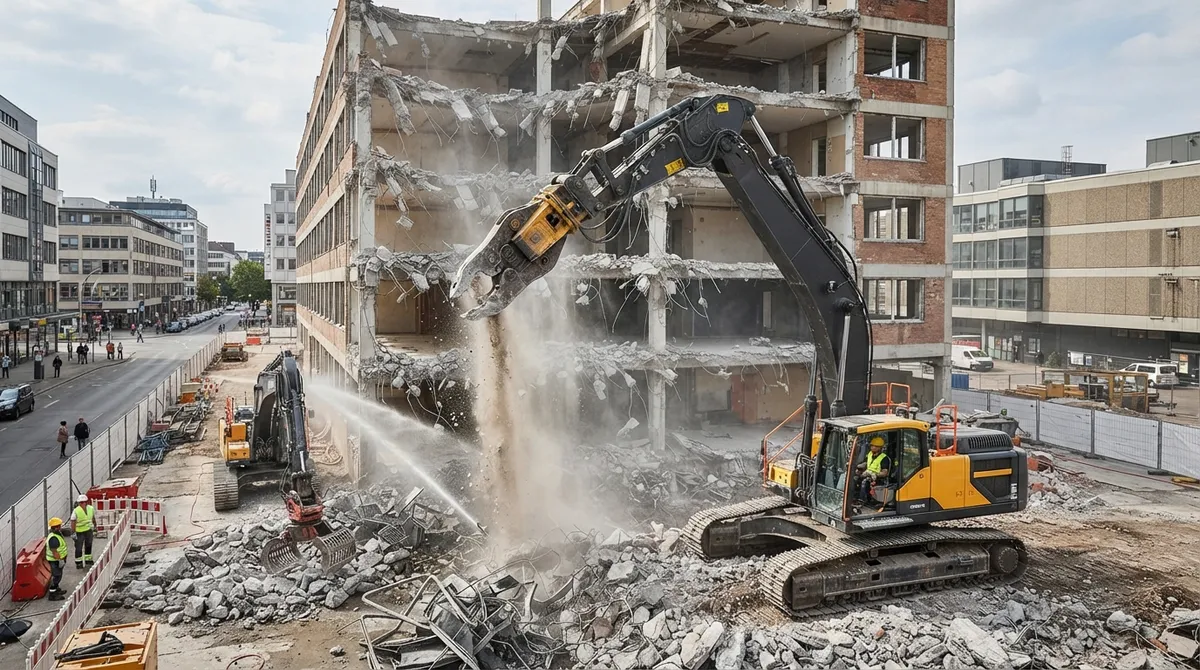
A registered specialist contractor demolition is a company formally approved to handle demolition work under local building rules. This isn’t just a fancy title. It’s a real, regulated status that shows a contractor has met specific standards.
In many places around the world, including Hong Kong’s well-known building control system, this status is tied directly to safety laws. Contractors must prove they have qualified staff, safety plans, and enough hands-on experience. While every region has its own version of these rules, the core idea stays the same everywhere: demolition is serious work, and it deserves serious oversight.
For property owners in Nevada, this translates into working with a contractor who understands Las Vegas demolition permit guidelines and follows them closely. That’s exactly the kind of careful approach you’ll find with 702 Demo, a full-service demolition company built on doing things the right way.
2. Why Substantial Demolition Work Needs Extra Supervision
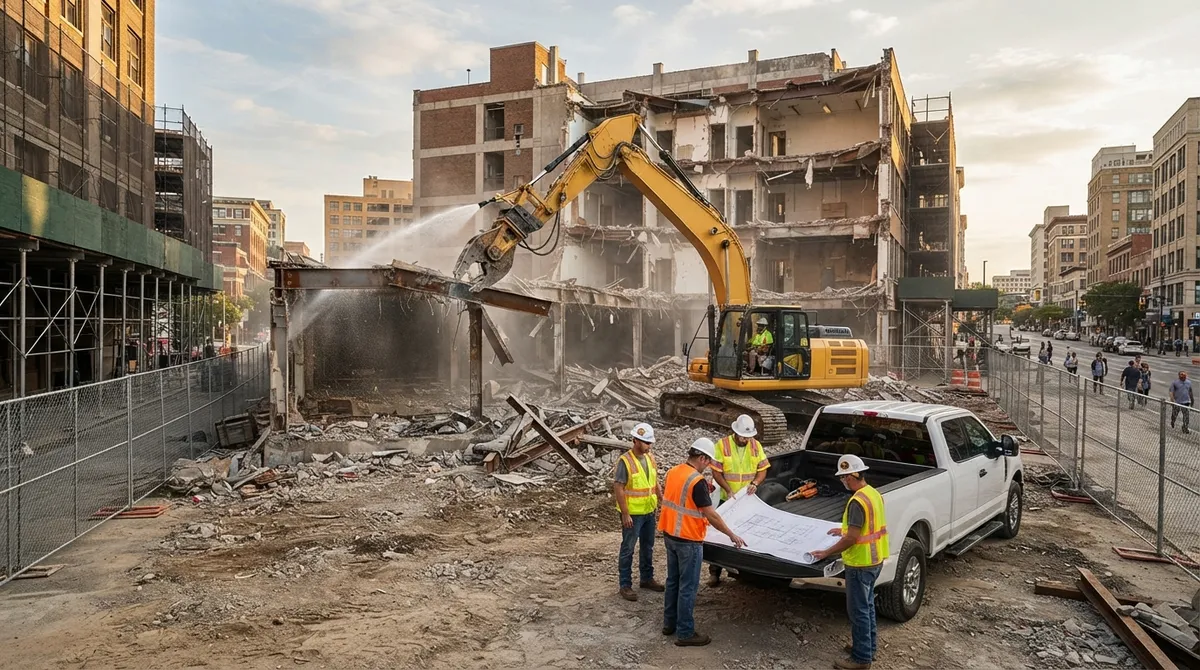
Not every demolition job is small. Some projects involve knocking out load-bearing walls, beams, or entire structural sections. When that happens, supervision becomes a much bigger deal.
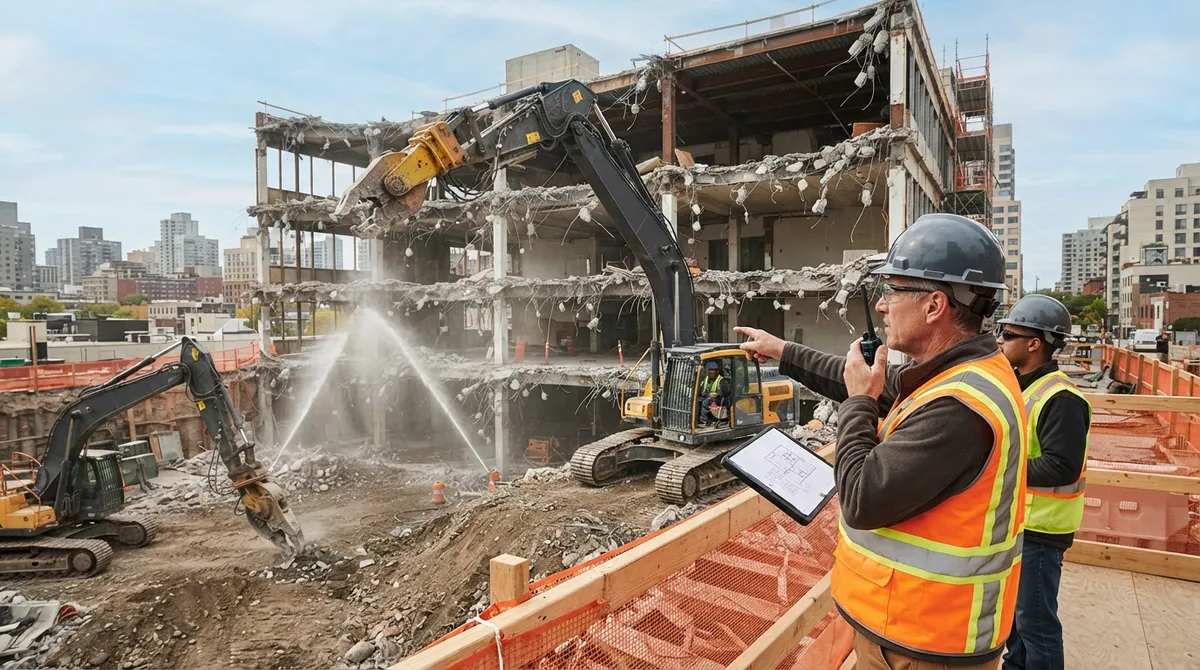
In places like Hong Kong, substantial or significant demolition work generally requires supervision from an Authorized Person or a Registered Structural Engineer. The actual physical work is then carried out by a Registered Specialist Contractor. This layered system helps protect workers, neighbors, and nearby buildings from unexpected collapse or damage.
Here in Nevada, similar caution applies. Larger commercial demolition projects often need coordinated planning between engineers, permit offices, and the demolition crew. If you’re unsure whether your project counts as “substantial,” it’s smart to talk with a knowledgeable contractor early. You can always contact 702 Demo for a free estimate and get clarity before you start.
3. The Qualifications Behind The Title
Being called a specialist contractor isn’t just about experience on paper. There are real, measurable requirements behind it.
According to Hong Kong’s Buildings Department guidance, key personnel at a registered demolition contractor typically need at least 5 years of local building-industry experience, including at least 2 years specifically in demolition work. There’s also an alternative path: a bachelor’s degree plus relevant experience, or 8 years managing a building contractor company.
Other regions have their own standards too. For example:
- Philadelphia requires 3 years of prior demolition experience for both a demolition supervisor and a site safety manager.
- Philadelphia also requires OSHA 30 training completed within the last 5 years for key demolition personnel.
- San Antonio issues demolition contractor registrations on a 2-year renewal cycle.
- Florida requires certified demolition contractors to meet state licensing board standards before working on qualifying projects.
These numbers show one clear pattern: real experience and ongoing training matter. A truly qualified demolition team doesn’t happen overnight.
4. Supervision Plans: The Blueprint For Safety
A supervision plan is basically the roadmap for how a demolition project will be managed from start to finish. It outlines who’s responsible for what, how safety will be monitored, and what steps happen at each stage.
In Hong Kong’s system, this plan usually needs to be submitted to the Buildings Authority before work begins, unless the project meets specific exemption criteria. It’s a formal document, not just a verbal agreement between the contractor and the property owner.
While supervision plan requirements vary by location, the underlying goal is universal. A good demolition company should always have a clear plan before any equipment shows up. This kind of preparation is part of what makes building demolition projects go smoothly instead of turning into stressful surprises.
5. AP, RSE, And RSC: Understanding The Roles
These three terms come up a lot in demolition regulation, so let’s break them down simply.
- Authorized Person (AP): This is usually the professional who oversees the overall project and submits official applications.
- Registered Structural Engineer (RSE): This person prepares or approves technical drawings, calculations, and method statements for how the structure will come down safely.
- Registered Specialist Contractor (RSC): This is the hands-on team that actually performs the demolition work, following the approved plans and supervision requirements.
Together, these three roles create a system of checks and balances. No single person makes every decision alone. That teamwork approach reduces mistakes and keeps everyone safer, whether you’re dealing with a small residential project or a massive commercial teardown.
6. When Registered Specialist Contractors Are Required
Not every demolition job needs this level of formal oversight. Smaller, simpler projects, like removing a small shed or a section of fencing, might not trigger the same requirements as tearing down a multi-story building.
Generally speaking, demolition is treated as “substantial” when it affects structural elements like:
- Load-bearing walls
- Support columns
- Structural beams
- Concrete slabs tied to the building’s stability
If your project touches any of these elements, it’s worth checking local requirements closely. The Clark County Building Department can offer guidance specific to your property and project type. And if you want a second opinion, 702 Demo’s team can walk you through what your specific job may require.
7. How Requirements Change By Location
Here’s something important to remember: demolition contractor rules are not the same everywhere. What applies in Hong Kong won’t necessarily match what applies in Nevada, and even within the United States, cities and counties handle licensing differently.
| Location | Key Requirement | Notable Detail |
|---|---|---|
| Hong Kong | RSC registration + supervision plan | 5 years experience, 2 in demolition, for key staff |
| Philadelphia | Class A demolition license | 3 years experience + OSHA 30 training |
| San Antonio | Demolition contractor registration | 2-year renewal period |
| Florida | State certified contractor license | Managed through the state licensing board |
| Nevada (local) | Permits through county/city departments | Varies by project scope and structure type |
This is exactly why it pays to work with a contractor who understands both the big picture and the local details. A company familiar with excavating and grading, permitting, and safety compliance in Clark and Nye counties can save you real headaches down the road.
8. Choosing The Right Demolition Partner In Nevada
So, how do you actually pick a demolition contractor you can trust? Here’s a simple step-by-step approach that works well for homeowners, builders, and developers alike.
- Ask about their experience with projects similar to yours, whether that’s a home teardown or a commercial site.
- Confirm they understand local permit rules, including the guidance found in Las Vegas demolition permit guidelines.
- Request details on their safety procedures and supervision practices.
- Look at reviews and reputation. You can even visit us on Google — 702 Demo to see what real customers say.
- Ask whether they offer full-service support, like hauling services and site cleanup, not just the demolition itself.
When you check these boxes, you’re far more likely to end up with a smooth, safe project. That’s true whether you’re removing an old backyard pool or clearing land for a brand-new development.
Why This Matters For Every Type Of Property Owner
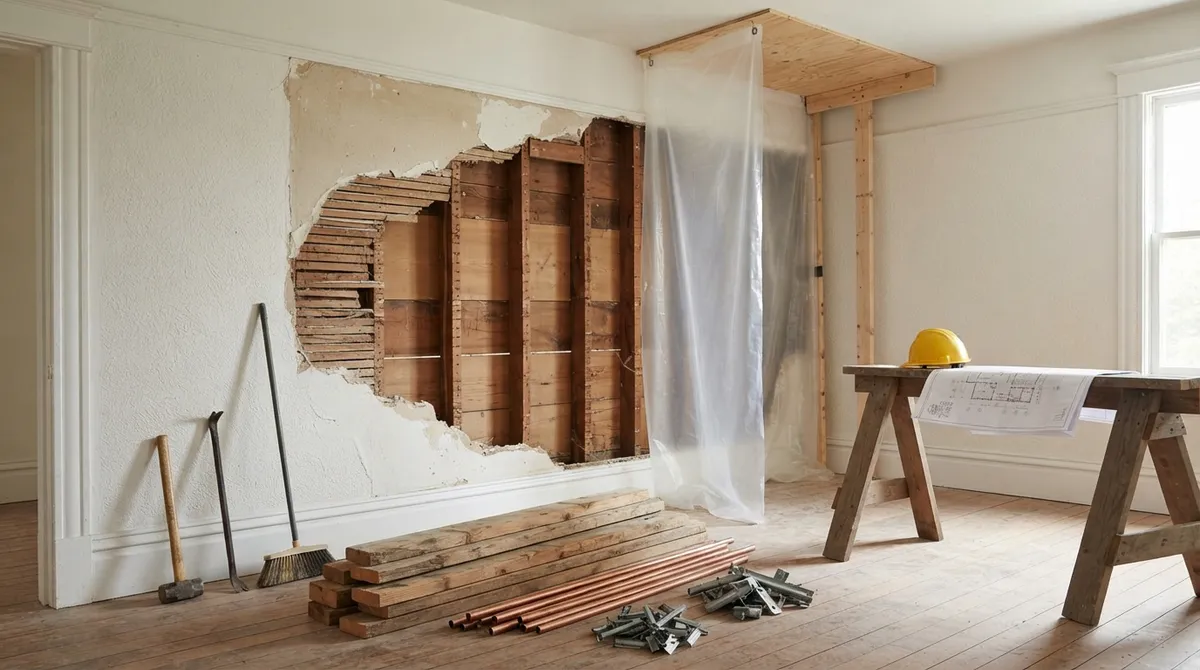
Homeowners want peace of mind and a tidy, dust-free result. Commercial builders need speed without cutting corners. Renovation contractors need a demolition partner who understands tricky interior work, like the techniques covered in this guide to interior demolition best practices. Property managers often deal with hazardous materials and tight timelines. Real estate developers need a team that can handle everything from grading to final concrete removal.
No matter which group you belong to, the message is the same. Working with a properly qualified, experienced demolition team protects your investment, your timeline, and your peace of mind.
Bringing It All Together
Demolition might look simple from the outside, just knock it down, right? But as we’ve seen, there’s a whole system of rules, roles, and responsibilities behind every safe, successful project. From supervision plans to specialized licensing, the details matter more than most people expect.
The good news? You don’t have to figure this out alone. 702 Demo has spent years serving Clark and Nye counties with reliable, safety-focused demolition, excavating, grading, and site development services. Whether you’re planning a small residential update or a large commercial build-out, having the right team in your corner makes all the difference.
Ready to get started? Contact 702 Demo for a free estimate and let’s talk through your project, step by step, with zero pressure and plenty of friendly advice.
FAQs
Q: What is a registered specialist contractor for demolition?
A: It’s a demolition company that’s been formally approved by a local building authority to carry out demolition work. This approval usually means they’ve proven their experience, trained their staff properly, and follow strict safety rules. Think of it as a stamp of trust that shows they know what they’re doing.
Q: What qualifications are needed to become a demolition specialist contractor?
A: Requirements vary by location, but many systems ask for several years of hands-on building or demolition experience, plus safety training like OSHA courses. Some places also accept a relevant degree combined with real-world project experience. It really comes down to proving you can do the job safely and skillfully.
Q: When is a registered demolition contractor required?
A: Generally, you’ll need one when the project involves structural elements like load-bearing walls, beams, or support columns. Smaller, non-structural removals might not require the same level of oversight. When in doubt, it’s always smart to check with your local building department first.
Q: What is a supervision plan for demolition works?
A: A supervision plan is basically the safety roadmap for a demolition project. It spells out who’s responsible for what, how the work will be monitored, and what safety checks happen along the way. It’s a key part of keeping everyone on-site, and nearby, safe and sound.
Q: Do all demolition projects require a registered specialist contractor?
A: Not necessarily. Smaller projects, like removing a shed or a small section of fencing, often don’t carry the same requirements as major structural teardowns. That said, working with an experienced, properly qualified team is always a smart move, no matter the project size.