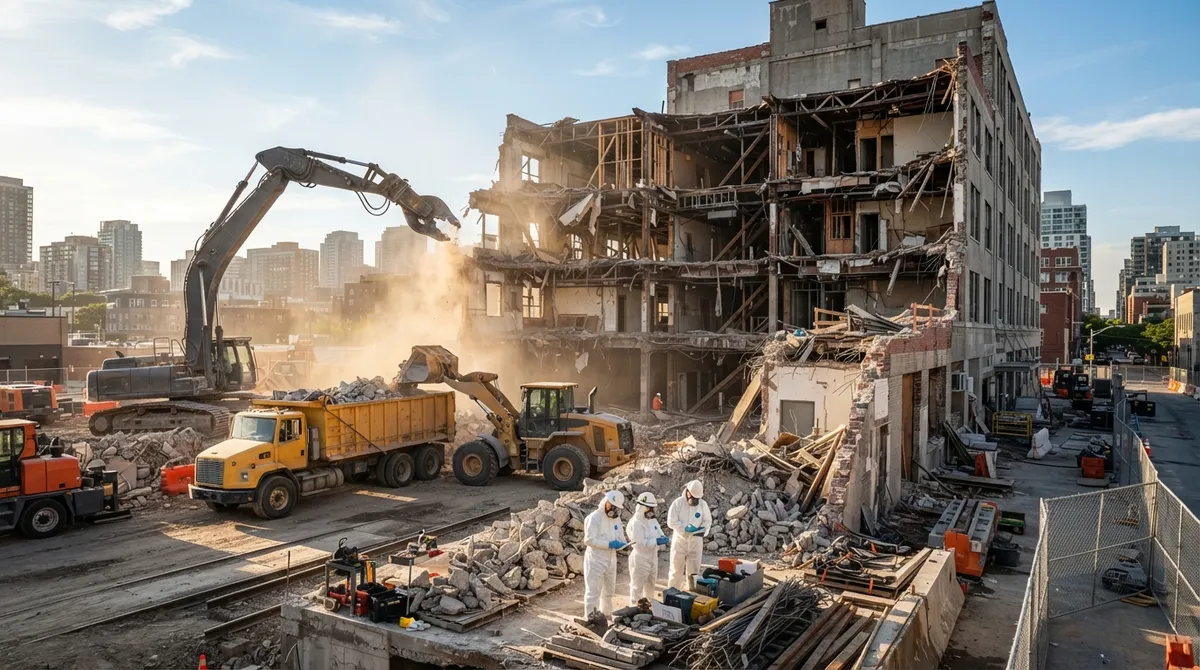
Key Takeaways
-
Plan your demolition project before work begins by identifying debris types, estimating volumes, assessing site access, and coordinating hauling timelines to avoid costly delays and safety hazards.
-
Hire an integrated demolition and hauling team that handles both services to eliminate miscommunication, reduce scheduling gaps, and maintain accountability from start to finish.
-
Sort materials before hauling to enable recycling, reduce disposal costs, and prevent hazardous materials from contaminating clean waste—concrete and metals have significant recycling value.
-
Verify local permits and regulations through your county building department, as hazardous material removal requires EPA/OSHA compliance and illegal dumping carries serious fines.
-
Select equipment based on your specific project type—roll-off dumpsters for residential work, dump trucks for high-volume debris, and specialized vehicles for tight-access urban sites.
-
Ask contractors key questions about licensing, insurance, hazardous material handling, recycling partnerships, and equipment before signing any contract to protect your budget and legal standing.
If you’ve ever stared at a pile of rubble after a demolition job and wondered, “Now what?” — you’re not alone. Clearing debris after tearing down a structure is one of the most overlooked parts of any project. That’s where demolition hauling services come in. Whether you’re a homeowner removing an old concrete patio, a contractor clearing a commercial site, or a developer prepping land for a new build, hauling is the step that turns chaos into a clean slate.
Getting the most from demolition hauling isn’t just about finding a truck and loading it up. It involves planning, understanding materials, knowing local regulations, and working with the right team. In this guide, we’ll walk you through exactly how to do that — step by step — so your next project runs smoothly from start to finish.
What Are Demolition Hauling Services?
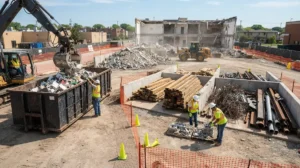
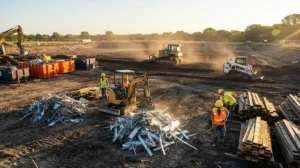
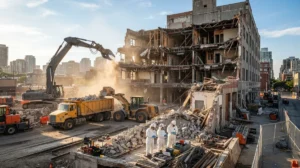
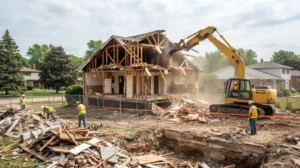
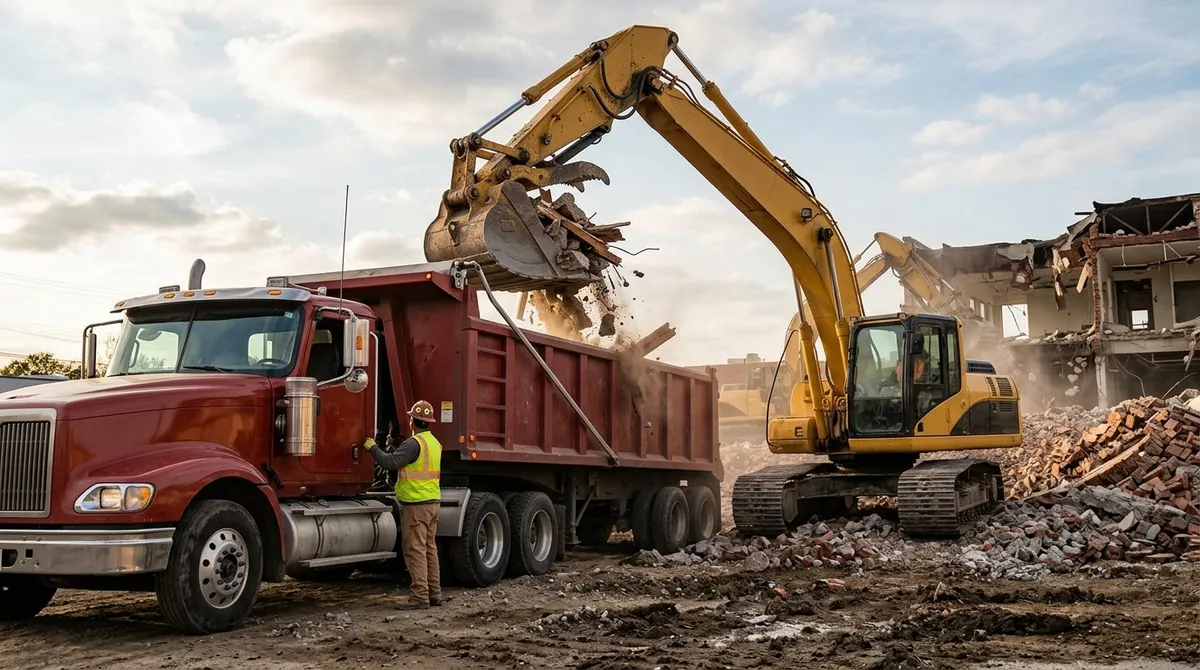
Demolition hauling services cover the collection, transport, and disposal of debris left after a demolition project. This includes materials like concrete, steel, wood, drywall, tile, and even hazardous waste like asbestos. It’s not the same as your regular curbside trash pickup — it requires specialized equipment, trained crews, and knowledge of disposal rules.
Hauling is a key part of the larger demolition process. It keeps job sites safe, helps projects stay on schedule, and supports environmental goals through recycling and responsible waste management. The global construction and demolition (C&D) waste management market was valued at $209.5 billion in 2023, with the collection segment holding a 61.7% share — so this is clearly a massive and important industry (Grand View Research, 2023).
You can learn more about how hauling fits into the full scope of work by visiting our demolition hauling services page.
Step 1 — Plan Your Project Before Demolition Begins
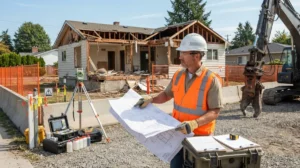
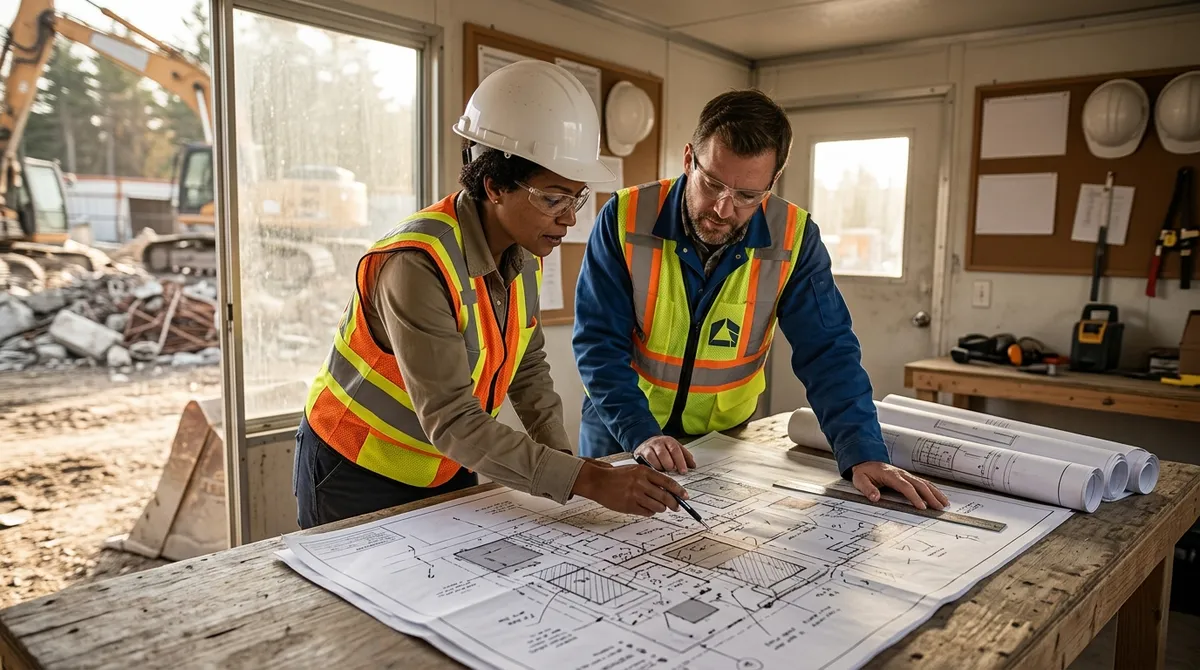
Good hauling starts with good planning. Before any walls come down or concrete gets broken up, you need a clear picture of what debris you’ll be dealing with.
Here’s what to think about during the planning phase:
- Type of demolition: Is it a full building teardown or selective interior work? Each creates different types and volumes of debris.
- Material categories: Identify what materials are present — concrete, metal, wood, drywall, and any hazardous materials.
- Volume estimates: Knowing roughly how much debris you’ll generate helps crews bring the right equipment.
- Site access: Can trucks get in and out easily? Tight urban lots or residential neighborhoods may require smaller vehicles.
- Timeline: Hauling needs to be coordinated with the demolition schedule so debris doesn’t pile up and create hazards.
Planning ahead saves time, reduces costs, and avoids delays. If you’re unsure where to start, check out our guide on how to plan demolition and hauling for your next project.
Step 2 — Identify and Sort Your Demolition Materials
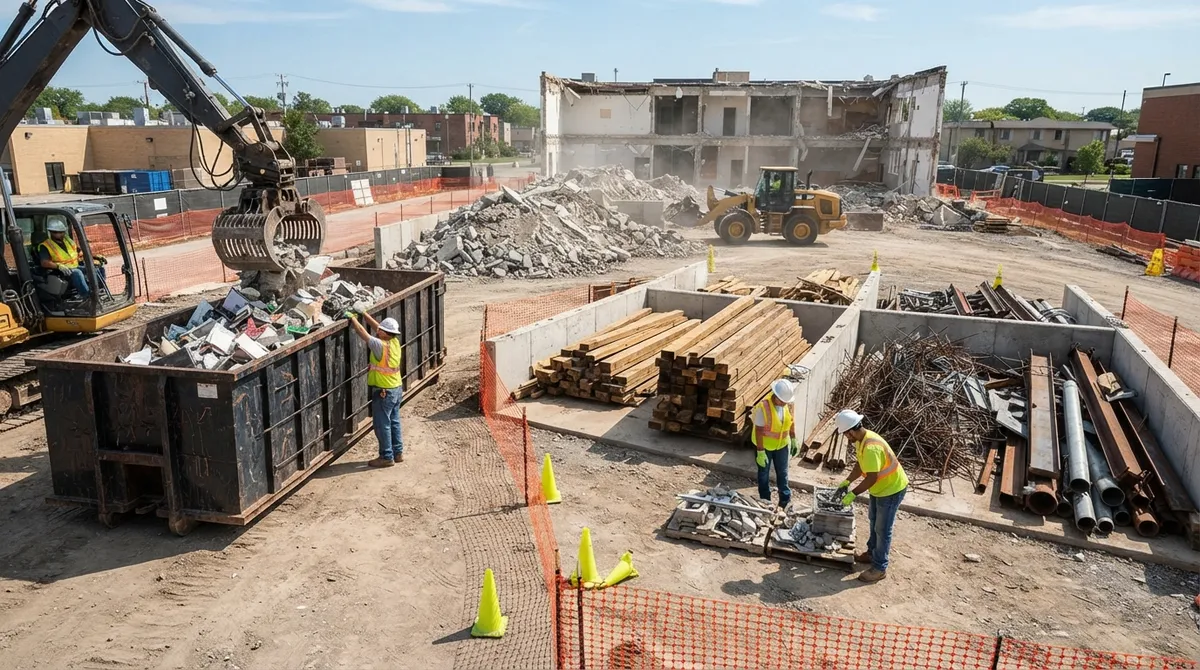
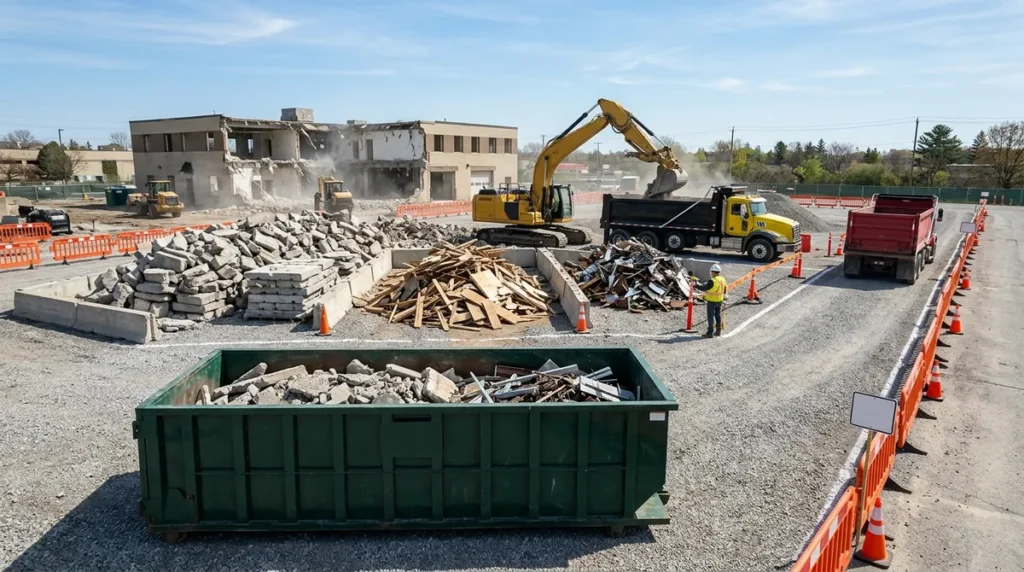
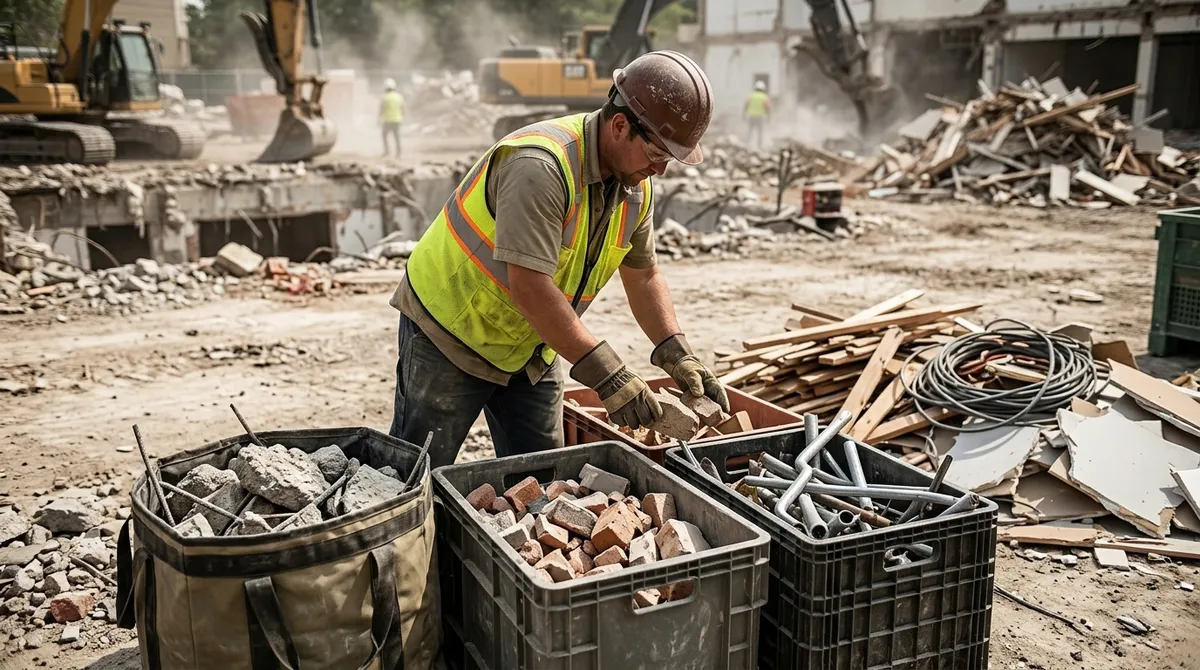
Not all debris is the same. Sorting materials before hauling is one of the smartest things you can do. It supports recycling, lowers disposal costs, and keeps hazardous materials from mixing with clean waste.
Here are the main material categories in demolition hauling:
- Concrete and masonry: Heavy, bulky, and highly recyclable. Crushed concrete can be reused as base material for roads and foundations.
- Metals (steel, copper, aluminum): High recycling value. Scrap metal is sorted and sent to recyclers, which can sometimes offset hauling costs.
- Wood: Can be recycled, repurposed, or sent to composting facilities depending on condition and treatment.
- Drywall and insulation: Often landfilled but increasingly accepted by specialty recyclers.
- Hazardous materials: Asbestos, lead paint, and mold require separate handling, special containers, and licensed disposal. This is non-negotiable.
Sorting materials also supports sustainability goals. The demolition industry emphasizes recycling to salvage materials, reducing environmental impact amid rising material costs and tighter regulations. If your project involves concrete removal specifically, our concrete removal service page has great details on how we handle that material responsibly.
Step 3 — Understand Local Regulations and Permits
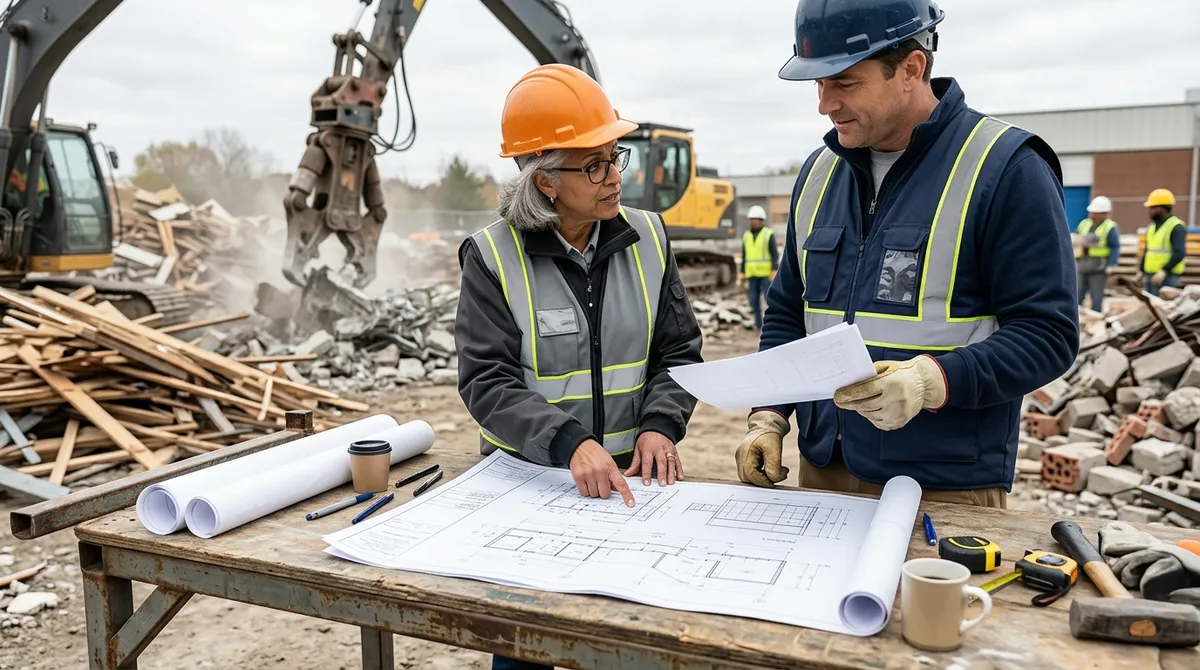
This step is one that many people skip — and then regret. Hauling demolition debris isn’t a free-for-all. There are local, state, and federal rules that govern how waste is transported and disposed of.
In Clark County, Nevada, you’ll want to check with the Clark County Building Department for requirements related to demolition and waste disposal. Before any work begins, review the Las Vegas demolition permit guidelines to make sure your project is fully compliant.
Here are key regulatory points to know:
- Demolition permits are typically required before any structural work begins.
- Hazardous material removal (asbestos, lead) must follow specific EPA and OSHA protocols.
- Some materials cannot be taken to standard landfills — they require certified disposal facilities.
- Illegal dumping of C&D waste carries serious fines and legal consequences.
Working with a licensed contractor ensures compliance. Learn more about what makes a licensed demolition contractor essential for your project.
Step 4 — Choose the Right Equipment for the Job
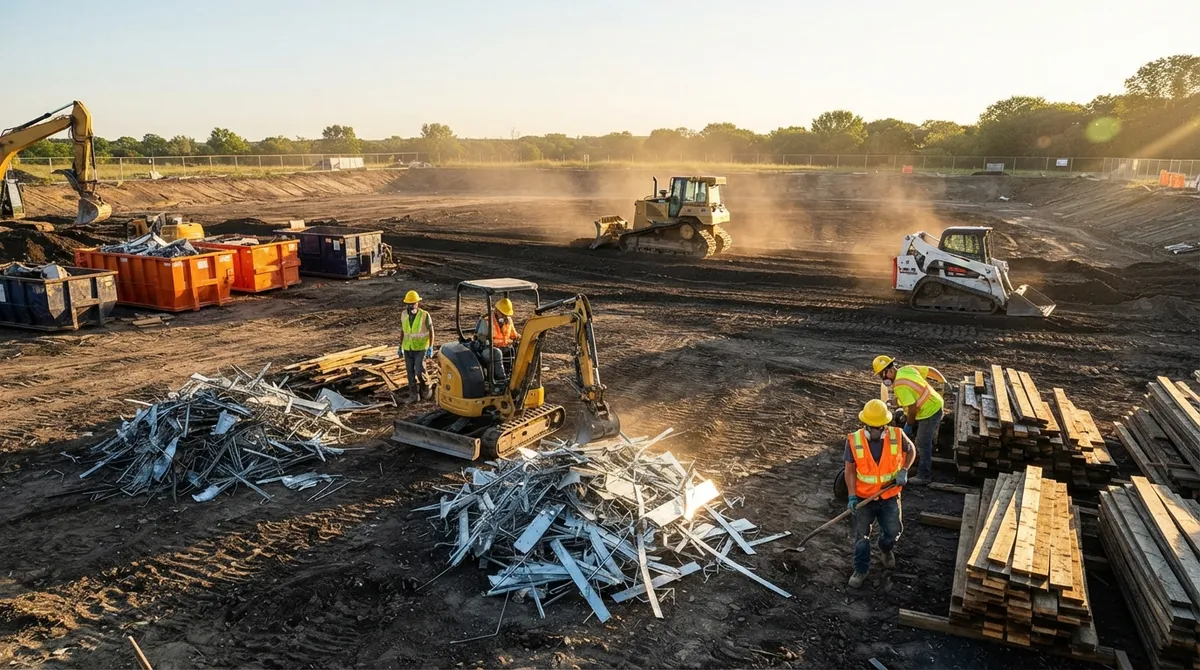
Hauling demolition debris requires more than just a pickup truck. The right equipment makes the job faster, safer, and more cost-effective. Here’s a breakdown of commonly used hauling equipment:
| Equipment Type | Best Used For | Key Benefit |
|---|---|---|
| Roll-off Dumpsters | Residential and mid-size commercial jobs | Easy on-site placement; multiple sizes available |
| Dump Trucks | Large volume debris transport | High-capacity loads, fast turnaround |
| Flatbed Trucks | Large structural pieces and steel | Handles oversized materials safely |
| Vacuum Trucks | Fine debris, dust, and slurry removal | Ideal for indoor or tight-access areas |
| Skid Steers / Loaders | Loading debris into hauling vehicles | Efficient in tight job site spaces |
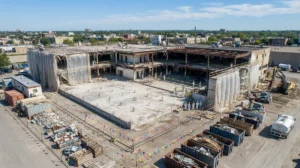
Technology is also changing how hauling gets done. Drones now monitor large sites, helping crews identify debris locations and plan efficient routes. Specialized GPS-tracked vehicles ensure loads reach the right facilities on time. These advancements improve both safety and cost-effectiveness on the job site.
Step 5 — Work With an Integrated Demolition and Hauling Team
One of the best decisions you can make is to hire a team that handles both demolition and hauling. When the same crew tears things down and cleans things up, you avoid miscommunication, scheduling gaps, and finger-pointing between separate contractors.
Here’s why integrated services work better:
- One point of contact for the entire project.
- The demolition team knows the debris — no surprises during hauling.
- Faster project timelines with coordinated scheduling.
- Simplified billing and fewer contract headaches.
- Better accountability from start to finish.
702 Demo offers full-service demolition and hauling throughout Clark and Nye counties. Their team handles everything from interior demolition to full building demolition, along with complete debris removal. You can also explore their excavating and grading services for post-demolition site prep.
Step 6 — Prioritize Recycling and Responsible Disposal
Sustainability isn’t just a buzzword in 2026 — it’s a practical and often cost-saving approach to demolition hauling. Recycling materials like concrete and steel reduces landfill costs and supports a circular economy.
Here’s how to make recycling a priority:
- Ask your hauling contractor about their recycling partnerships. Reputable companies send sorted materials to certified recycling facilities.
- Salvage valuable materials before demolition begins. Doors, windows, cabinets, and fixtures can often be donated or resold.
- Separate hazardous waste immediately. This keeps clean recyclables from being contaminated and prevents costly mistakes.
- Get documentation. Ask for receipts or manifests from disposal and recycling facilities. This protects you from liability.
Recycling also makes financial sense. Metal and concrete often have market value. A good hauling team will factor this in and help you make the most of your materials. To understand more about how debris removal works in practice, read our article on what hauling and demolition services actually include.
Step 7 — Know the Difference Between Project Types
Hauling needs vary based on the type of demolition being done. Understanding the difference helps you ask better questions and get more accurate quotes.
| Project Type | Demolition Scope | Hauling Considerations |
|---|---|---|
| Selective / Interior Demo | Walls, ceilings, fixtures removed; structure stays | Mixed small-to-medium debris; recycling important |
| Full Building Demo | Entire structure brought down | High volume; heavy equipment needed for hauling |
| Pool Removal | Concrete shell removed or filled | Large concrete chunks; specialized handling |
| Concrete Removal | Driveways, patios, slabs removed | Heavy recyclable material; dump trucks common |
| Landscaping Removal | Trees, grass, hardscaping cleared | Organic waste plus hardscape debris |
For example, pool removal creates a significant amount of concrete debris that must be broken apart and hauled away. Similarly, landscaping removal generates a mix of organic waste and hard materials that require separate handling.
Step 8 — Ask the Right Questions Before Hiring
Before you sign any contract, make sure you’re asking the right questions. This protects your budget, timeline, and legal standing.
Here are the top questions to ask any demolition hauling contractor:
- Are you licensed and insured in Nevada?
- Do you handle hazardous material removal and disposal?
- What recycling facilities do you work with?
- How do you handle permits and regulatory compliance?
- Can you provide references or reviews from similar projects?
- What equipment will you use for my specific site?
- How is debris sorted before hauling?
A trustworthy contractor will answer these questions confidently and clearly. If you’re not sure what to look for in a demo team, this guide on how to find the right Henderson demolition contractor is a helpful resource. You can also check out real feedback from local customers by visiting 702 Demo’s Google Business Profile — a great way to see what other homeowners, contractors, and developers in the Las Vegas area have experienced firsthand.
The Big Picture — Why Demolition Hauling Matters
The U.S. demolition market was valued at $9.8 billion in 2024 and is projected to reach $13.8 billion by 2032. In North America, demolition services hit $15.8 billion in 2026. These numbers reflect just how much building, rebuilding, and site clearing is happening — and all of it creates debris that needs to be hauled away responsibly.
For homeowners, commercial builders, renovation contractors, property managers, and real estate developers alike, demolition hauling services are the invisible backbone of every successful project. When done right, hauling keeps your site clean, your timeline on track, and your project on the right side of local regulations. Want to see how the full picture comes together? Explore the demolition and hauling services guide for a complete overview.
Conclusion
Demolition hauling services don’t have to be complicated. With the right planning, the right team, and a clear understanding of your materials and regulations, you can get your site cleared quickly, safely, and responsibly. From sorting recyclables to navigating permits, every step you take sets the foundation — literally — for whatever comes next.
Whether you’re knocking down a wall, clearing a lot, or removing an old pool, having a reliable hauling partner makes all the difference. Reach out to 702 Demo today to get a free estimate and discover why they’re the most trusted demolition and hauling contractor in Las Vegas and the surrounding Clark and Nye county areas.
FAQs
Q: What is the difference between demolition hauling services and regular junk removal?
A: Great question! Demolition hauling services are specifically designed to handle the heavy, mixed, and sometimes hazardous debris that comes from tearing down structures — things like concrete slabs, steel beams, and asbestos-containing materials. Regular junk removal typically handles household items and light waste, so it’s not equipped for the volume or complexity of demo debris.
Q: Do I need a permit for demolition hauling in Las Vegas?
A: Yes, most demolition projects in Las Vegas and Clark County require permits before work begins, and hauling of certain materials must follow strict disposal guidelines. It’s always a smart idea to check with the Clark County Building Department or work with a licensed contractor who handles permits on your behalf — it saves you a lot of headaches down the road!
Q: Can demolition debris be recycled?
A: Absolutely! Many materials from demolition projects — including concrete, steel, aluminum, and wood — can be recycled or repurposed. Recycling reduces landfill waste, lowers disposal costs, and is increasingly required under local and state environmental regulations. A good demolition hauling team will sort and route recyclable materials to certified facilities.
Q: How do I know how much debris my project will generate?
A: The volume of debris depends on the type and size of the demolition — a full building teardown produces far more than an interior remodel. A professional demolition and hauling contractor can assess your site and give you a solid estimate before work begins, so there are no surprises. It’s one of the many reasons working with an experienced team pays off!
Q: What types of projects need demolition hauling services?
A: Almost any demolition project creates debris that needs to be hauled away — from removing a concrete driveway or old swimming pool to tearing down an entire commercial building. Residential renovations, commercial redevelopments, pool removals, and landscaping clearings all benefit from professional demolition hauling services to keep the site clean and compliant.