Key Takeaways
-
Pre-planning and hazmat assessment are essential before demolition begins; skipping this step leads to costly mistakes, project delays, and legal compliance issues.
-
Interior commercial demolition requires permits in most jurisdictions and must be performed by licensed contractors; working without permits can result in fines and property sale/lease complications.
-
Dust control using plastic barriers, negative air pressure systems, HEPA filters, and air scrubbers is standard practice to prevent health risks and contamination in occupied buildings.
-
Professional contractors should handle permitting, hazmat assessment, and debris hauling in-house to streamline the project and reduce coordination complexity.
-
Material recovery and recycling practices can reduce overall project costs by lowering disposal fees and generating salvage value from metals, wood, and fixtures.
-
Selective phased demolition allows businesses to remain partially operational during renovations, reducing downtime and revenue loss in multi-tenant or occupied commercial properties.
Planning a commercial renovation? You’ve probably heard the term interior commercial demolition thrown around. But what does it actually mean — and why does it matter so much to your project’s success?
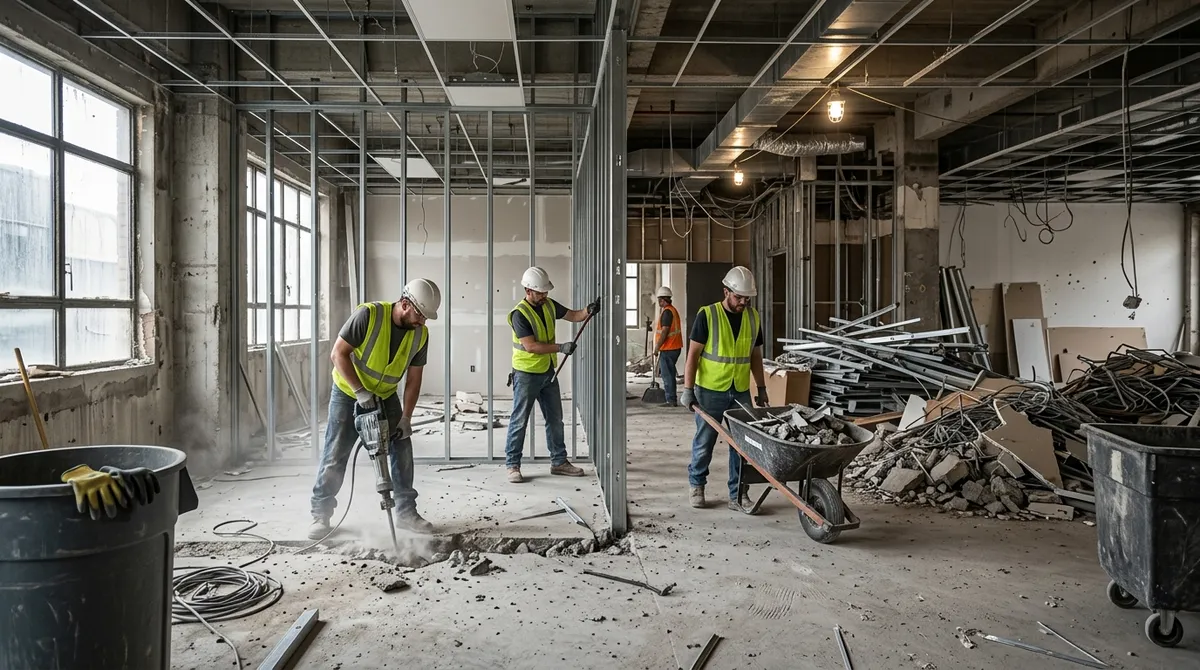
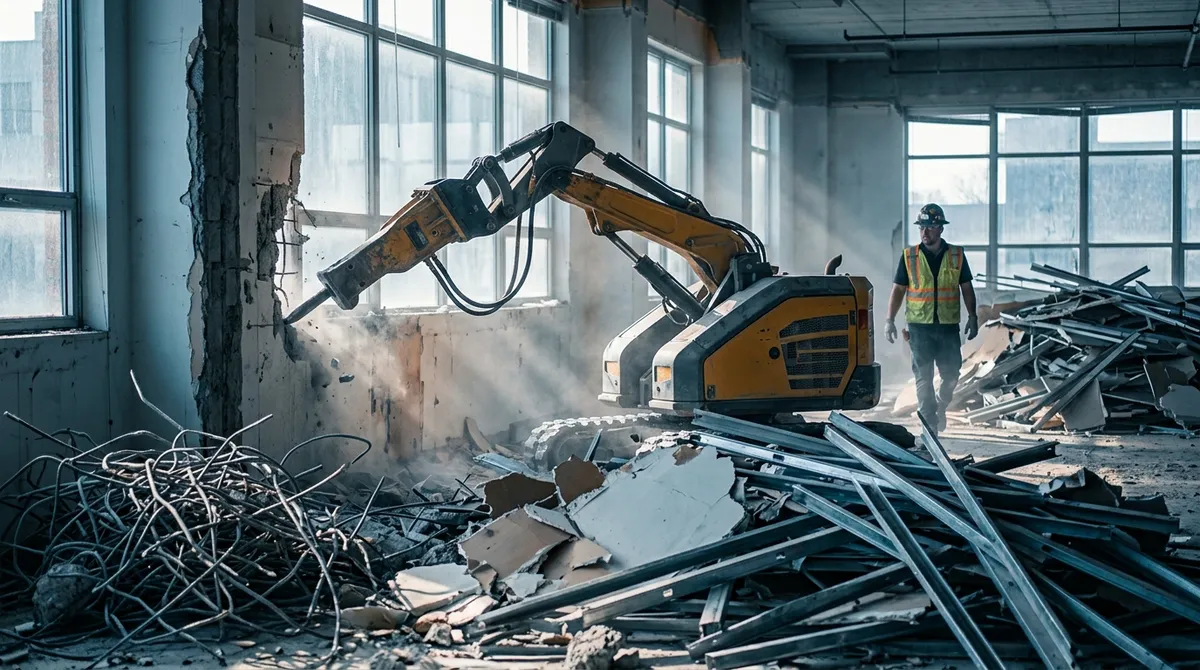
Interior commercial demolition is the careful removal of non-structural elements inside a building. Think drywall, flooring, ceilings, partitions, and old fixtures. The goal is to clear the interior while keeping the building shell standing strong. It’s the first major step before any serious renovation or tenant improvement begins.
Whether you’re a property manager updating an office, a developer repurposing a retail space, or a contractor preparing a medical facility for new tenants, understanding this process saves you time, money, and headaches. Let’s walk through 14 key facts that every project stakeholder should know in 2026.
What Interior Commercial Demolition Actually Is
Many people confuse interior demolition with full building demolition. They are very different. Interior demolition focuses only on what’s inside. The structural walls, foundation, and roof stay intact. Workers remove finishes, systems, and fixtures selectively and safely.
This type of work is also called selective demolition or strip-out work. It requires precision. A skilled crew knows what to remove and what to leave alone. One wrong cut can damage a load-bearing wall or live utility line.
14 Key Facts You Need to Know
1. It Covers a Wide Range of Materials
Interior commercial demolition typically includes removing these elements:
- Drywall and interior partition walls
- Drop ceilings and ceiling tiles
- Flooring materials like carpet, tile, and hardwood
- Millwork, cabinetry, and built-in shelving
- HVAC ducts and components
- Plumbing fixtures and piping
- Electrical conduit and lighting fixtures
Each material type requires a specific removal approach. Flooring removal, for example, is very different from dismantling a suspended ceiling grid. A professional crew plans for each material before work begins.
2. It Is Used Across Many Commercial Property Types
You’ll find interior commercial demolition on projects like these:
- Office suite remodels and open-plan conversions
- Retail store refreshes and brand repositioning
- Medical and dental office retrofits
- Restaurant and hospitality space renovations
- Warehouse-to-office or mixed-use conversions
Each of these project types has unique demands. A medical office, for example, may have specialized plumbing or lead-lined walls that need special handling. Retail spaces often have extensive millwork and display systems to remove carefully.
3. Pre-Planning Is Absolutely Essential
Good interior demolition always starts long before the first hammer swings. Pre-planning involves reviewing building blueprints. It means identifying structural elements, utility locations, and any hazardous materials. Skipping this step leads to costly mistakes and project delays.
A proper pre-demo walkthrough with your contractor catches problems early. It also ensures the right equipment and crew size are scheduled for the job. Learn more about how to plan commercial interior demolition the right way before your project kicks off.
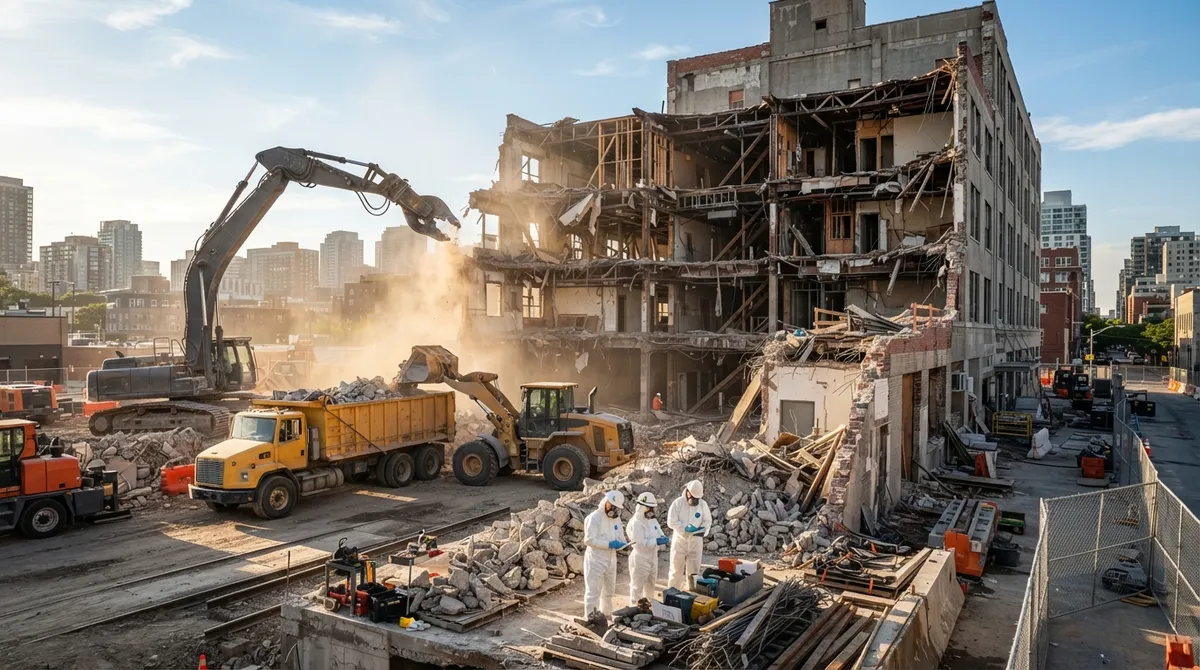
4. Hazardous Materials Are a Common Concern
Older commercial buildings often contain materials that need careful handling. The most common hazards include:
- Asbestos in floor tiles, pipe insulation, and ceiling materials
- Lead-based paint on walls and trim
- Mold hidden behind drywall or under flooring
- PCBs in older fluorescent light ballasts
Identifying and properly handling these materials is not optional. It’s a legal requirement. A licensed demolition contractor will conduct a hazmat assessment before any interior demolition work starts. This keeps your workers, tenants, and neighbors safe.
5. Permits Are Required in Most Cases
Yes, even interior demolition usually requires permits. In Las Vegas and Clark County, the permitting process helps ensure the work meets local building codes and safety standards. Review the Las Vegas demolition permit guidelines for specific requirements. You can also check with the Clark County Building Department for local code compliance details.
Working without permits can lead to fines, project shutdowns, and problems when selling or leasing the property later. Always use a licensed contractor who handles permitting as part of their service. See what makes a licensed demolition contractor essential for your project.
6. Selective Demolition Reduces Disruption
One of the biggest advantages of interior commercial demolition is how targeted it can be. Crews can work section by section. This lets businesses remain partially operational during renovations. It reduces downtime and revenue loss for tenants and business owners.
Selective demolition also gives renovation teams a cleaner, more organized canvas to work with. Instead of gutting an entire floor at once, the work is phased intelligently. This approach is especially valuable in multi-tenant buildings or occupied retail centers.
7. Off-Hour Scheduling Is Increasingly Common
In 2026, many commercial clients request overnight or weekend demolition work. This keeps noise and dust away from business hours. It’s a growing trend across the industry — and a smart one. Occupied buildings, retail centers, and medical facilities especially benefit from this approach.
A good demolition contractor can coordinate off-hour schedules without sacrificing quality or safety. Ask your contractor about flexible scheduling options when you get your estimate. You can also explore what to know about commercial interior demolition contractors before hiring.
8. Dust Control Is a Top Priority
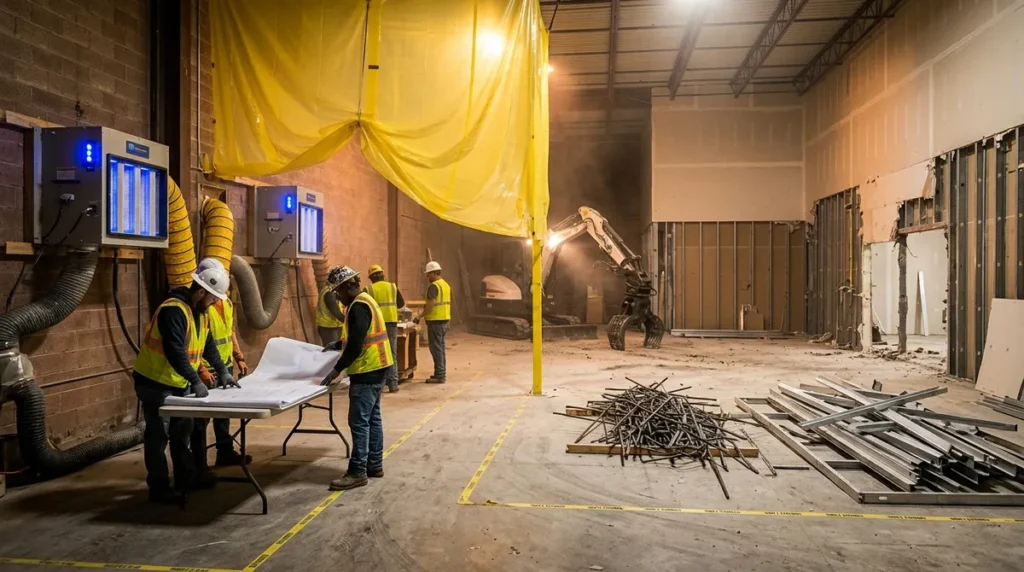
Dust is a major concern on any interior demolition site. Fine particles from drywall, concrete, and insulation can spread quickly through an HVAC system. This creates health risks and can contaminate adjacent spaces.
Modern dust control methods include:
- Plastic sheeting barriers and negative air pressure systems
- HEPA-filtered vacuum attachments on demo tools
- Air scrubbers placed throughout the work zone
- Misting systems to keep airborne particles down
These aren’t optional extras — they’re standard practice for professional interior demolition teams working in occupied or high-traffic commercial properties.
9. Material Recovery and Recycling Are Growing Fast
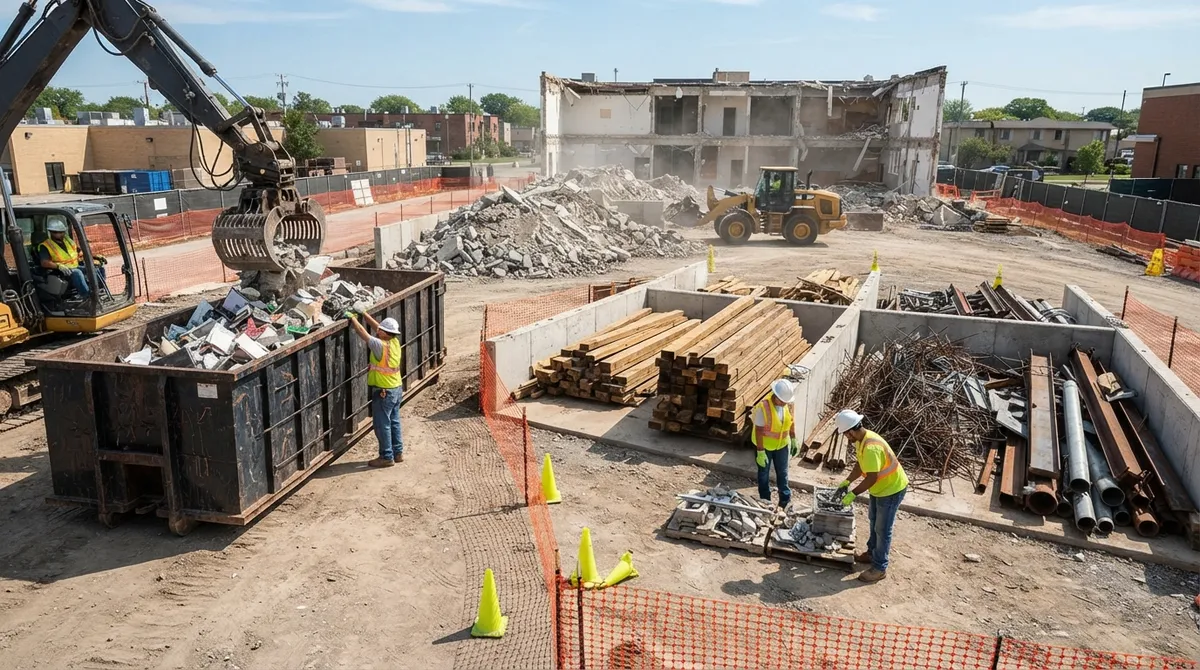
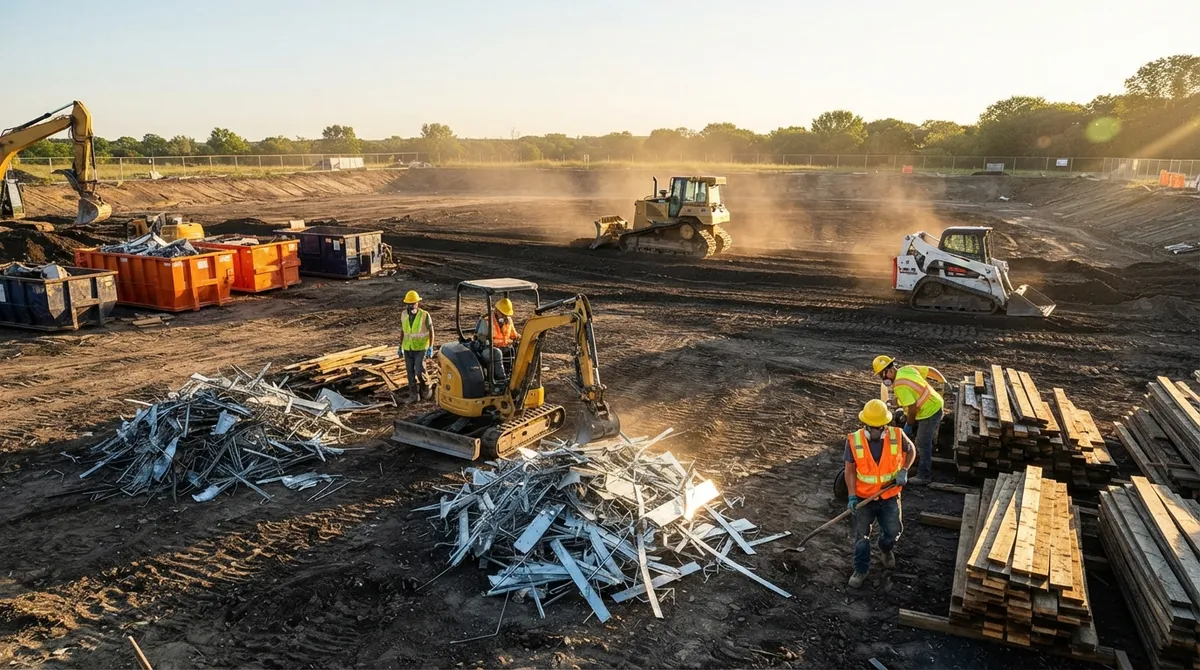
Sustainability is reshaping how demolition crews approach strip-out work. Rather than sending everything to the landfill, experienced teams now sort and divert materials for recycling or reuse. Metal, clean wood, concrete, and certain fixtures all have salvage value.
Material recovery can actually reduce your overall project cost. Recyclable materials lower hauling and disposal fees. Some salvageable items can even be sold. Ask your contractor about their debris diversion practices. For debris removal support, check out 702 Demo’s hauling services.
10. Debris Volume Can Be Significant
Don’t underestimate how much material a commercial interior demo generates. For a 10,000-square-foot office gut, debris hauling can total 180 to 220 cubic yards of material. That requires careful logistics — the right dumpster sizes, haul-away scheduling, and disposal planning.
Working with a contractor who handles hauling in-house streamlines this part of the process. It means fewer subcontractors and a smoother overall timeline. Learn more about 9 things you need to know about demo hauling before your project starts.
11. Timeline Varies by Scope and Complexity
How long does interior commercial demolition take? It depends on several factors:
- Square footage of the space being cleared
- Number and type of systems being removed
- Presence of hazardous materials requiring remediation
- Access restrictions, working hours, and site logistics
A small 2,000-square-foot office strip-out might take a few days. A 20,000-square-foot multi-floor commercial gut could take several weeks. Get a detailed timeline estimate from your contractor before signing a contract. This helps you coordinate your renovation team and minimize downtime.
12. The U.S. Demolition Industry Is Growing Strong
The demolition industry is thriving. U.S. demolition and wrecking industry revenue is estimated at $11.2 billion in 2025, growing at a compound annual rate of 5.1% from 2020 to 2025. That growth reflects rising demand for renovation, tenant improvement, and adaptive reuse projects across commercial real estate.
This means professional demolition crews are busier than ever. Booking your contractor early is a smart move. Waiting too long can push your project timeline back significantly, especially during peak renovation seasons.
13. Technology Is Changing How Interior Demo Gets Done
Robotic demolition equipment is becoming more common on complex commercial projects. Remote-controlled machines can work in tight or hazardous spaces. They reduce risk to workers and improve precision on sensitive structural boundaries.
Other tech upgrades include 3D scanning of existing interiors before demo begins. This helps crews identify hidden structural elements and utility lines with much greater accuracy. It’s safer, faster, and more efficient than relying on old blueprints alone.
14. Choosing the Right Contractor Makes All the Difference
Not all demolition crews are created equal. For interior commercial demolition, you want a contractor with proven experience in commercial strip-out work, proper licensing, and a strong safety record. References from past commercial clients are a great indicator of quality.
You also want a team that communicates clearly, provides detailed scopes of work, and handles permitting, hazmat assessments, and debris hauling in-house. This one-stop approach keeps your project moving without coordination headaches. Explore how to choose the right commercial demolition companies for your next project.
Interior Commercial Demo vs. Full Building Demolition
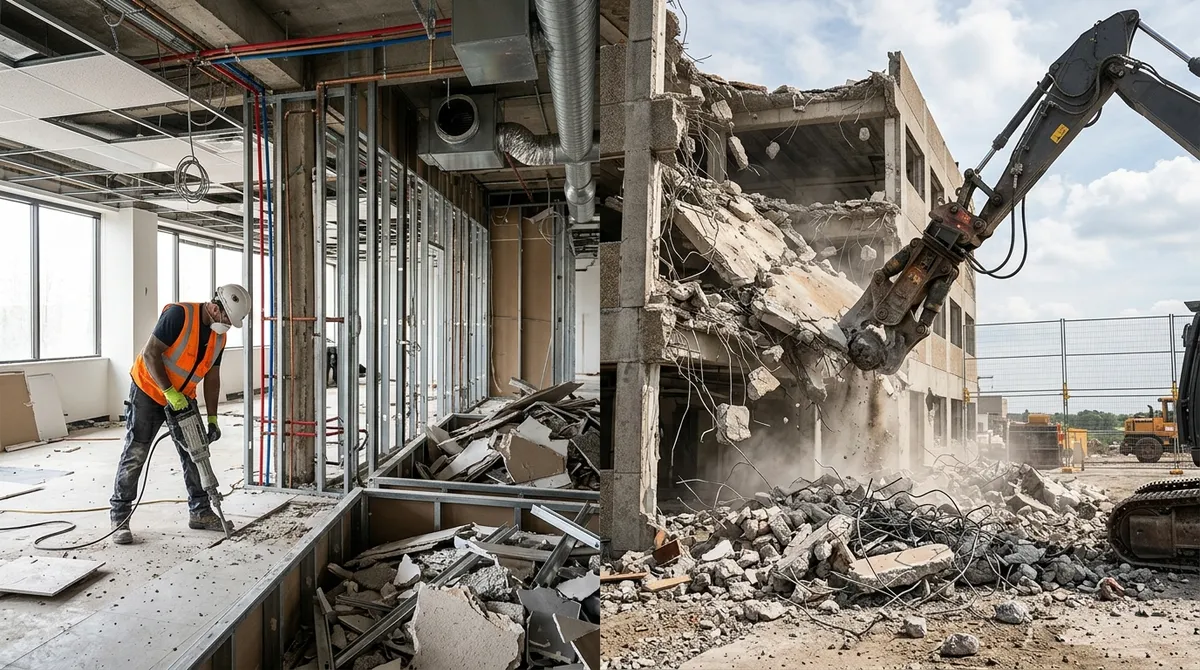
It helps to understand the difference between interior strip-out work and full structural demolition. Here’s a quick comparison:
| Feature | Interior Commercial Demo | Full Building Demolition |
|---|---|---|
| Building shell preserved? | Yes | No |
| Typical use case | Renovation, tenant improvement | Site clearing, redevelopment |
| Disruption level | Lower, can be phased | High, full site impact |
| Hazmat handling needed? | Often yes (older buildings) | Always required |
| Debris volume | Moderate | Very high |
If you’re exploring full building demolition for a redevelopment project, check out 702 Demo’s building demolition services for more information on what that scope entails.
Common Project Types in Las Vegas and Clark County
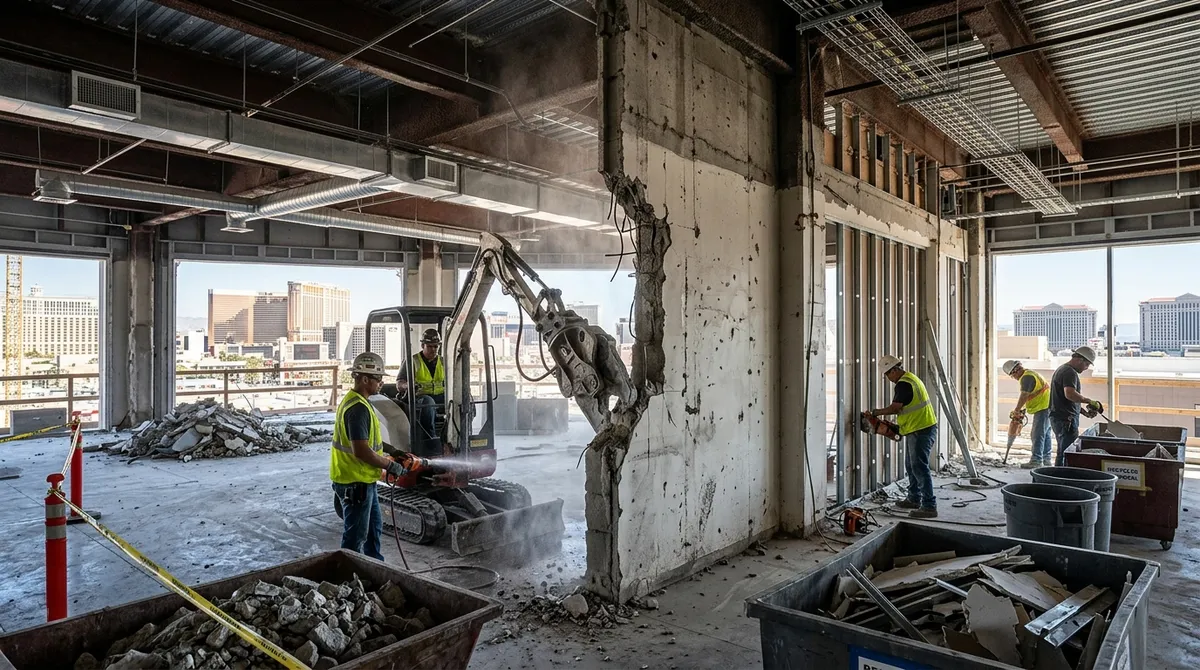
In Clark County and the Las Vegas metro area, interior commercial demolition is in high demand. The region’s fast-growing commercial real estate market drives constant renovation and repositioning activity. Office parks, casino-adjacent retail, medical buildings, and restaurant spaces all cycle through strip-out and rebuild phases regularly.
Las Vegas also has a unique niche: casino interior demolition. It’s a specialized form of commercial strip-out work that requires off-hour scheduling, extreme dust control, and careful coordination with active casino operations. Learn more about casino interior demolition in Las Vegas done right with 702 Demo.
For commercial builders and developers working in the region, partnering with an experienced local contractor is key. Local teams know the permit process, the climate conditions, and the specific challenges of working in occupied commercial environments here.
What to Ask Before Hiring a Contractor
Before you sign a contract for interior commercial demolition, ask these important questions:
- Are you licensed and insured for commercial demolition work in Nevada?
- Do you handle hazmat testing and remediation if needed?
- Will you pull the required permits for this project?
- Do you offer off-hour or phased scheduling?
- What dust and debris containment methods do you use?
- Do you handle debris hauling in-house?
A contractor who answers these questions confidently and clearly is one worth trusting with your project. For tips on evaluating your options, read 7 things to know about commercial demolition contractors.
Interior Demo Savings: What Affects Your Cost
Several factors influence the final cost of an interior commercial demolition project:
- Square footage — Larger spaces require more labor, equipment, and disposal
- Material types — Complex systems like plumbing and HVAC cost more to remove
- Hazardous materials — Asbestos or lead remediation adds cost and time
- Access and scheduling — Tight access or off-hour work can affect pricing
- Debris hauling — On-site logistics and disposal distance matter
Industry estimates typically place commercial interior demolition costs in the range of $4 to $12 per square foot, depending on complexity and scope. Getting a detailed written estimate from your contractor is always the best first step.
For more budget insight, explore 15 key factors that affect the cost to demolish a commercial building.
Why 702 Demo Is the Right Choice for Las Vegas Projects
When it comes to interior commercial demolition in Clark County and Nye County, 702 Demo has the experience, licensing, and local knowledge to get the job done right. From small office strip-outs to large-scale commercial gut jobs, their crew handles every phase of the process — from hazmat assessment to final debris hauling.
You can visit us on Google — 702 Demo to see what local clients are saying about their work. The reviews speak for themselves: reliable, professional, and thorough on every project.
Ready to Start Your Project?
Interior commercial demolition is a critical first step in any serious renovation. Done well, it sets your project up for success from day one. Done poorly, it creates costly delays, safety risks, and permit problems that follow you through the entire build-out.
Working with the right contractor makes all the difference. Take your time evaluating your options. Ask the right questions. And don’t forget to check licensing, insurance, and local references before committing. For more insights, also check out interior demolition secrets that save money to get even more value out of your next project.
Ready to move forward? Reach out to 702 Demo for a free project estimate and get expert guidance from one of Las Vegas’s most trusted demolition teams. Let’s clear the way for something great.
FAQs
Q: What is interior commercial demolition?
A: Interior commercial demolition is the selective removal of non-structural elements inside a commercial building — like drywall, flooring, ceilings, and fixtures — while keeping the structural shell intact. It’s the go-to first step for office remodels, tenant improvements, and retail renovations. Think of it as clearing the canvas before the real renovation magic begins!
Q: How long does an interior commercial demolition project typically take?
A: It really depends on the size and complexity of your space. A small office strip-out might take just a few days, while a large multi-floor commercial gut can take several weeks. Your contractor should give you a detailed timeline estimate upfront so you can plan your renovation schedule with confidence.
Q: Do I need permits for interior commercial demolition?
A: In most cases, yes! Interior commercial demolition typically requires permits, even if the structure itself isn’t being touched. In Las Vegas and Clark County, local building departments require permits to ensure safety and code compliance. A good licensed contractor will handle the permitting process for you — one less thing to worry about!
Q: What hazardous materials might be found during interior commercial demolition?
A: Older commercial buildings can contain asbestos, lead-based paint, mold, or PCBs in light fixtures. These materials require specialized testing and handling before demolition work begins. A professional demolition contractor will conduct a hazmat assessment to identify and safely manage any regulated materials on your site.
Q: How can dust and disruption be minimized during interior commercial demolition?
A: Great news — there are lots of effective options! Professional crews use plastic sheeting barriers, HEPA-filtered vacuums, air scrubbers, and negative air pressure systems to contain dust. Off-hour or weekend scheduling is also a popular choice for occupied buildings, keeping your tenants or customers comfortable while the work gets done.