Key Takeaways
-
Obtain a demolition permit from your local government before any work begins; permits typically cost $50-$100 and require proof of ownership, utility disconnection certificates, and hazmat inspection results.
-
Disconnect all utilities (gas, electricity, water, sewer, phone/internet) through their respective providers and have them properly capped at the property line for safety before demolition starts.
-
Hire a licensed demolition contractor with valid licenses, insurance, bonding, and residential experience to handle permits, safety planning, and coordinate the entire project legally and safely.
-
Get a hazardous material inspection for homes built before the 1980s to identify asbestos, lead paint, and other dangerous materials that must be professionally removed before demolition begins.
-
Budget $10,500-$12,000 for a typical 1,500-square-foot home demolition, accounting for house size, location, hazmat removal costs, permit fees, and debris disposal expenses.
-
Plan for debris removal and site cleanup as part of your project, including sorting materials for recycling, hauling to licensed facilities, and final grading to prepare the site for next use.
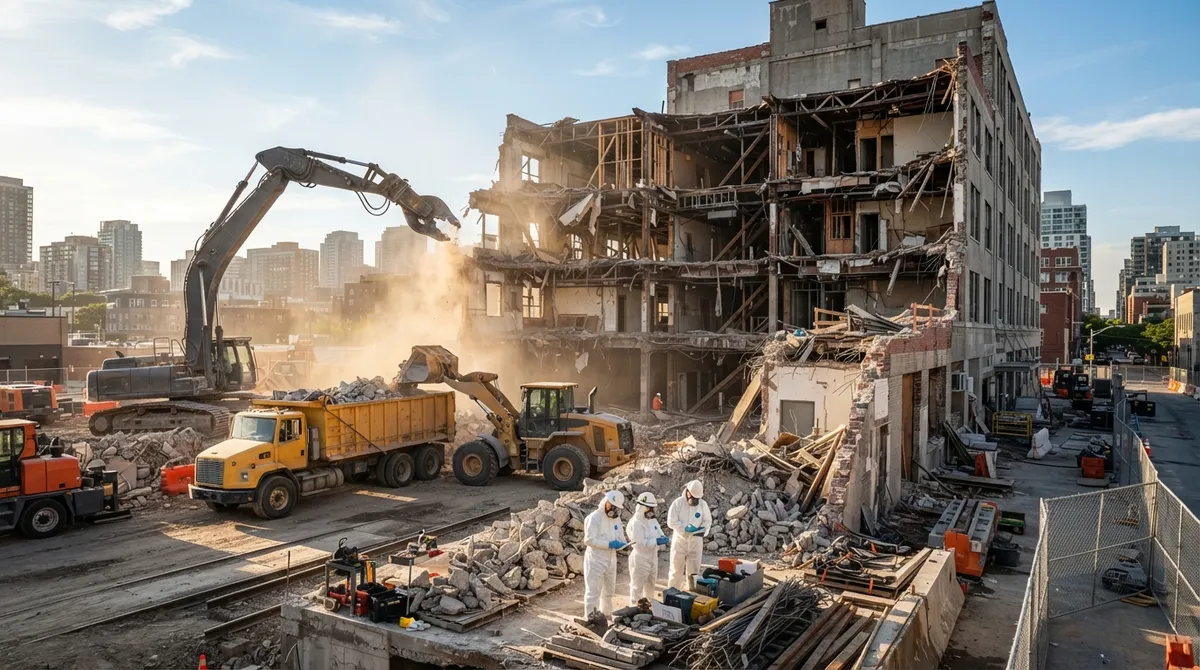
Thinking about tearing down a house? It’s a bigger project than most people expect. But with the right preparation, it doesn’t have to be stressful. Whether you’re a homeowner, a developer, or a contractor, knowing what you need before demolition starts makes everything go smoother. This guide walks you through every key step — from permits to safety checks to debris removal. By the end, you’ll feel confident and ready to move forward.
Start With the Right Demolition Permits
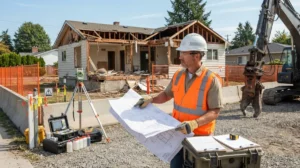
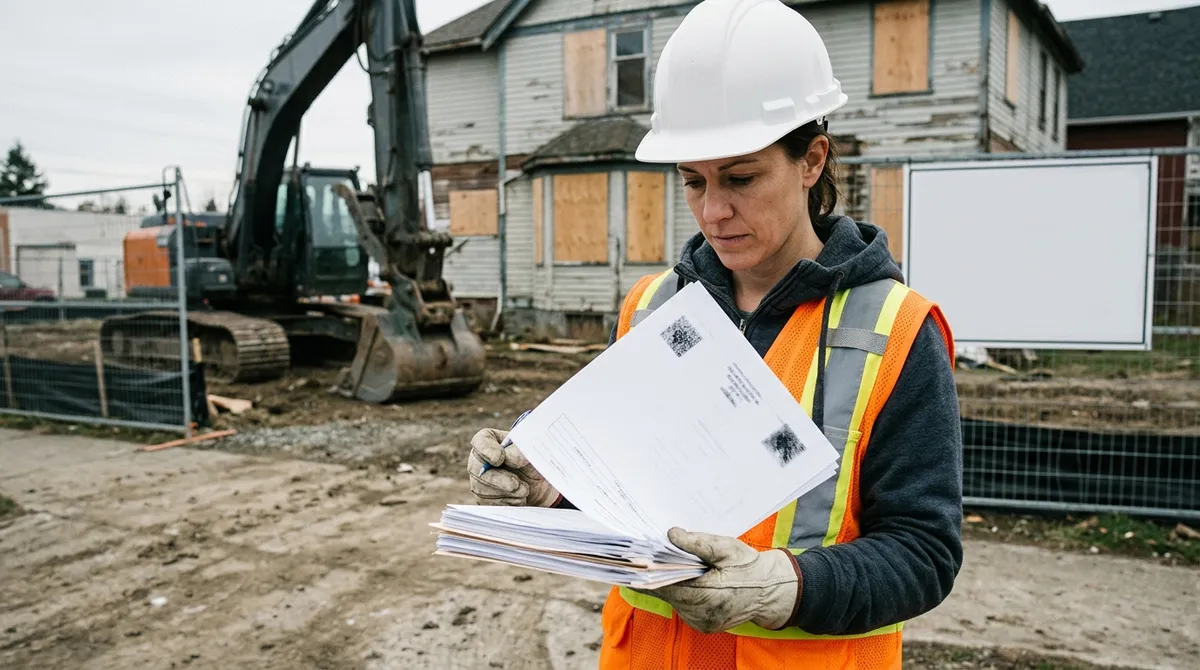
Before anything gets torn down, you need a permit. A demolition permit is the official approval from your local government to tear down a structure. Without it, you could face serious fines or be forced to stop work. Most cities and counties require this permit before any demo work begins.
In Nevada, you’ll want to check with the Clark County Building Department for specific requirements in your area. Las Vegas has its own set of rules too. You can also review the Las Vegas demolition permit guidelines for a detailed breakdown of what’s needed locally.
Here’s what you’ll typically need to apply for a demolition permit:
- Proof of property ownership
- Confirmation that there are no active liens or mortgages
- Utility disconnection certificates
- A site plan or property survey
- Contractor licensing information
- Asbestos or hazardous material inspection results
Permit fees are generally affordable. Many municipalities charge somewhere between $50 and $100 for a basic demolition permit. But always confirm with your local office, since fees and requirements vary by location. To learn more about what licensing involves, check out this helpful article on what a demolition license is and why it matters.
Disconnect All Utilities First
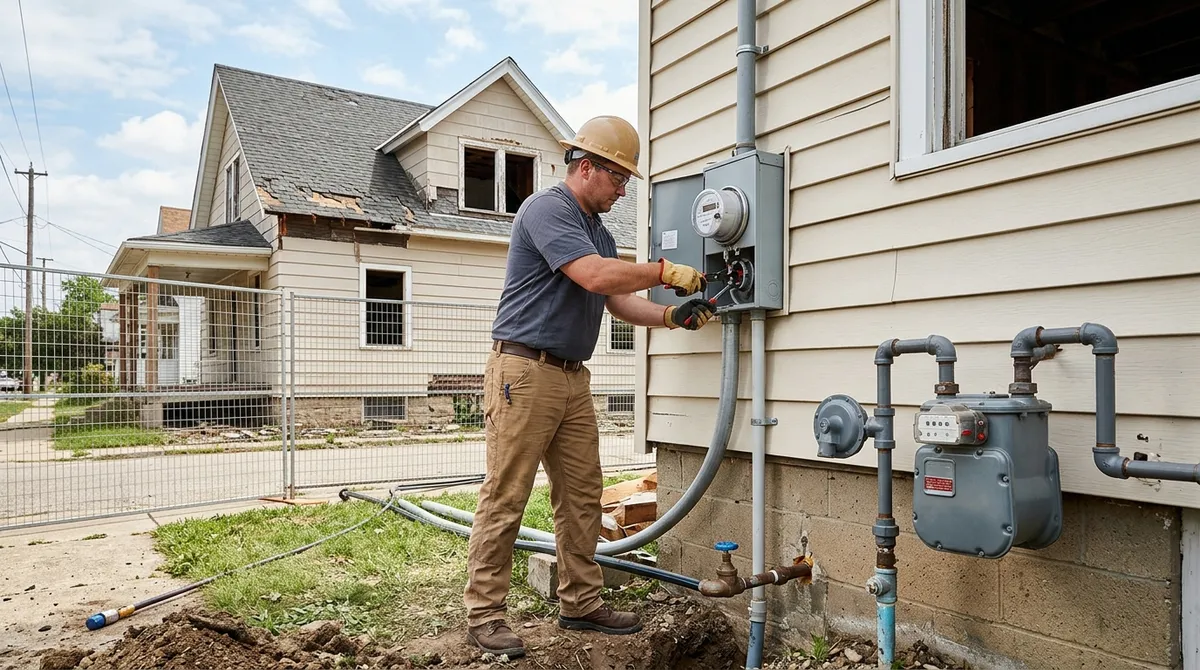
One of the most important steps before demolishing a house is shutting off all utilities. This isn’t optional — it’s a safety requirement. Live gas lines, active electrical systems, or pressurized water pipes can cause serious accidents during demo work.
You’ll need to contact each utility provider separately. Each one will send a technician to safely disconnect and cap their service at the property line. Here’s the standard list of utilities to disconnect:
- Natural gas — Must be shut off and capped by the gas company
- Electricity — The power company needs to remove the meter and disconnect service
- Water and sewer — The municipal water authority handles this disconnection
- Phone and internet lines — Your telecom providers cap these at the street
Your demolition contractor can help you coordinate these disconnections. A good contractor will make sure every service is properly capped before work begins. This protects the crew, the neighbors, and your property.
Check for Hazardous Materials
Older homes often contain materials that are dangerous if disturbed. Asbestos and lead-based paint are the most common concerns. These materials were widely used in construction before the 1980s. If your home was built before that era, a hazardous material inspection is essential.
A licensed inspector will test samples from different areas of the house. If hazardous materials are found, they must be removed by certified professionals before demolition begins. This is called abatement, and it often requires its own separate permit.
Here are the most common hazardous materials found in older homes:
- Asbestos in insulation, floor tiles, and roofing
- Lead paint on walls, trim, and window frames
- Mercury in old thermostats and fluorescent lights
- PCBs in older electrical components
Skipping this step can lead to health risks, legal liability, and costly cleanup. Always get a hazmat inspection before any demo work begins. This is one area where cutting corners simply isn’t worth it.
Choose Between Full Demolition and Deconstruction
Once you’ve handled permits and safety, it’s time to decide how the house will come down. There are two main approaches: mechanical demolition and deconstruction. Each has its own advantages depending on your goals and timeline.
| Method | How It Works | Best For | Key Benefit |
|---|---|---|---|
| Mechanical Demolition | Heavy equipment tears down the structure quickly | Full tear-downs, tight timelines | Fast and cost-effective |
| Deconstruction | Manual removal of reusable materials first | Salvage-focused or eco-conscious projects | Reduces waste, may offset costs |
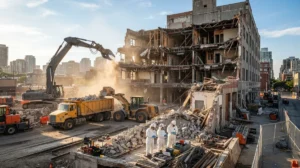
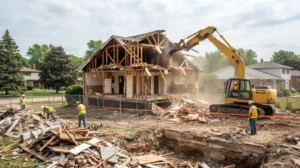
Mechanical demolition is faster and often more affordable. It uses excavators and other heavy equipment to bring down the structure in a controlled way. Deconstruction takes more time but allows materials like lumber, doors, and fixtures to be salvaged and reused or sold. For most residential projects, mechanical demolition is the go-to method. For more details on how full building demolition works, visit the building demolition services page.
Hire a Licensed Demolition Contractor
This is probably the most important decision you’ll make. A licensed demolition contractor handles the permits, safety planning, crew coordination, and debris removal. They know local codes inside and out. Trying to manage a house demolition without one is risky and often not legally allowed.
When choosing a contractor, look for these qualities:
- Valid state and local licenses
- Proof of insurance and bonding
- Experience with residential demolition projects
- A clear written contract and timeline
- References or verified reviews
You can read more about what sets a great contractor apart in this article on what makes a licensed demolition contractor essential. And if you’re in the Las Vegas area, 702 Demo is the leading demolition contractor in Las Vegas with years of proven experience across Clark and Nye counties.
Wondering what the full process looks like on-site? This article on what demolition experts actually do on a job site gives you a great behind-the-scenes look.
Plan for Debris Removal and Site Cleanup
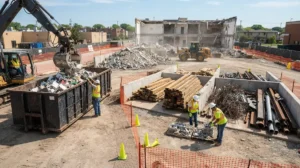
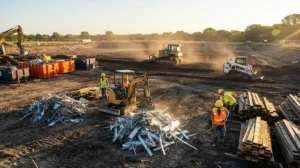
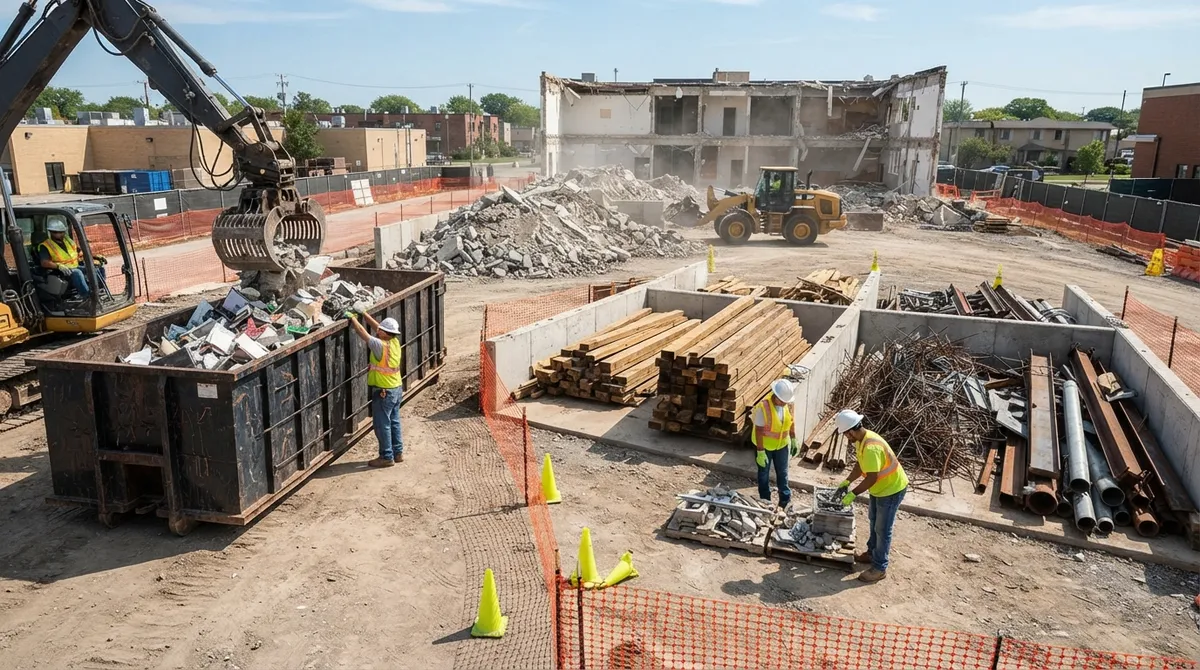
After the house comes down, you’ve got a pile of debris to deal with. This is a big part of the project that many people overlook. Debris removal isn’t just about hauling stuff away — it involves sorting, recycling, and disposing of materials responsibly.
Here’s how debris removal typically works after a house demolition:
- Sort the debris — Concrete, metal, wood, and drywall are often separated for recycling
- Load and haul — Trucks remove debris from the site in multiple loads
- Dispose or recycle — Materials go to licensed disposal or recycling facilities
- Final site inspection — The site is checked to confirm it’s clear and ready for next steps
A full-service contractor will include debris hauling as part of the demo package. If you want to learn more about what hauling involves, check out the hauling services page or read about 9 things to know about demo hauling.
Prepare the Site for What Comes Next
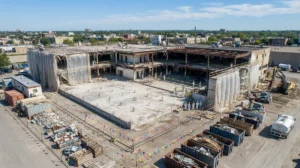
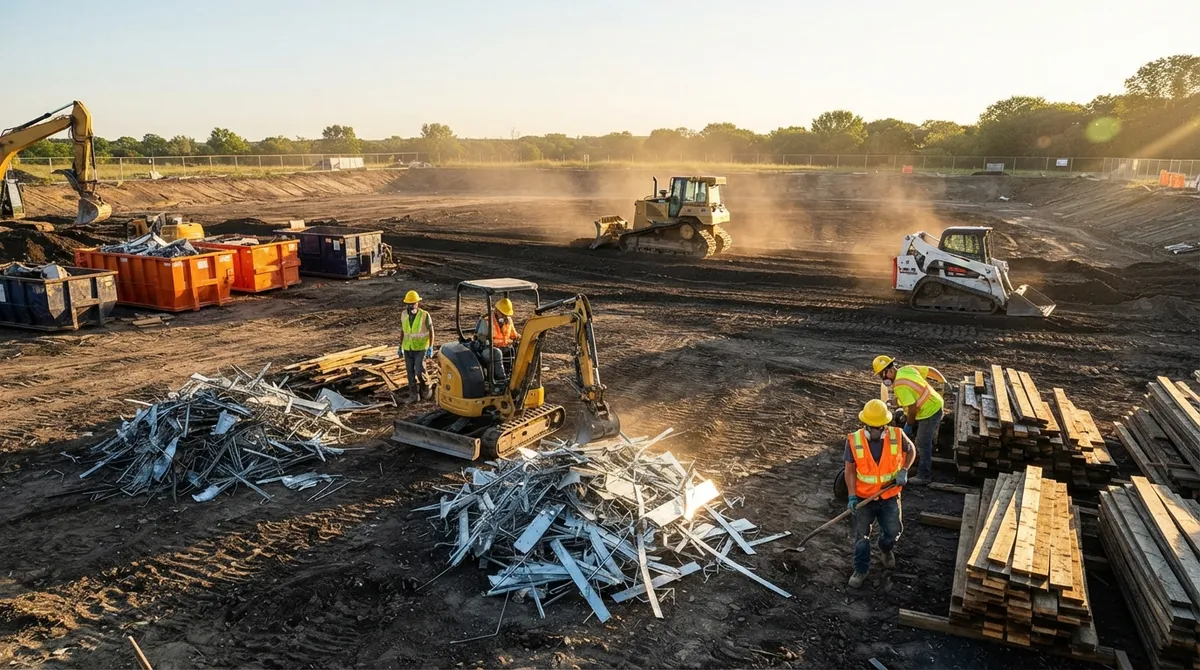
Once the structure is gone and the debris is cleared, the site needs to be prepared for its next use. This usually involves grading the land to make it level and stable. If you’re building a new structure, you may also need excavation and soil compaction work.
The excavating and grading services offered by a full-service demo company make this transition seamless. Having one contractor handle demolition, hauling, and site prep saves time and simplifies communication.
If you’re removing specific features like concrete driveways, patios, or pools alongside the house, those services can often be bundled together. Check out the concrete removal services and pool removal services for more details on how those work.
Understand What Affects the Total Cost
The cost to demolish a house varies quite a bit. On average in the U.S., house demolition costs around $18,000. But the range runs from about $3,000 to $25,000 depending on many factors. Knowing these factors helps you budget accurately and avoid surprises.
| Cost Factor | Why It Matters |
|---|---|
| House size | Larger homes cost more — roughly $2 to $17 per square foot |
| Location and access | Dense urban areas increase equipment and hauling costs |
| Hazardous material removal | Asbestos or lead abatement adds significant cost |
| Utility disconnection fees | Each provider charges separately for capping services |
| Permit fees | Usually $50 to $100 depending on the municipality |
| Debris disposal | Volume and material type affect hauling costs |
For a 1,500-square-foot home, expect to pay roughly $10,500 to $12,000. To better understand how pricing works for your specific project, this article on understanding the cost to tear down a house is a great resource. You can also explore house demolition and removal near me to get a sense of local options.
A Quick Checklist Before Demo Day
It helps to have everything organized before the crew arrives. Here’s a simple checklist to run through before demolition begins:
- Demolition permit approved and on file
- All utilities disconnected and capped
- Hazardous material inspection complete
- Asbestos or lead abatement finished (if needed)
- Licensed contractor hired with signed contract
- Neighbors notified of the project
- Debris removal and site cleanup plan in place
Working through this list makes demo day go much more smoothly. Your contractor should also walk you through each step and confirm everything is ready before equipment arrives on site. For a deeper dive into planning, check out how to plan a residential home demolition the right way.
Ready to Demolish? Here’s How to Get Started
Knowing what you need to demolish a house takes the mystery out of the process. It’s really about doing the groundwork — permits, safety, the right contractor, and a solid cleanup plan. When those pieces are in place, the actual demolition goes smoothly and safely.
If you’re in the Las Vegas area, 702 Demo is ready to help. From permits to site prep, the team handles every part of the process with professionalism and care. Visit 702 Demo on Google to read real customer reviews and see why so many property owners and developers trust us with their projects.
When you’re ready to move forward, reach out to 702 Demo for a free estimate and get your demolition project started on the right foot. The team is friendly, experienced, and ready to make the whole process as easy as possible for you.
FAQs
Q: What permits do I need to demolish a house?
A: You’ll typically need a demolition permit from your local city or county building department before any work begins. Depending on your location and the condition of the home, you may also need separate permits for asbestos abatement and utility disconnection — so it’s always smart to check with your local authority first!
Q: Do I need to disconnect utilities before house demolition?
A: Absolutely — disconnecting utilities is one of the most important safety steps before demolition starts. Gas, electricity, water, sewer, and telecom lines all need to be properly capped by the respective utility providers before any equipment touches the structure.
Q: How do I know if my house has asbestos before demolition?
A: You’ll need to hire a licensed hazardous material inspector to collect and test samples from different parts of the home. Homes built before the 1980s are especially likely to contain asbestos, so this step is really important — and in many places, it’s legally required before demolition can begin.
Q: Can I demolish a house myself, or do I need a contractor?
A: In most jurisdictions, house demolition requires a licensed contractor due to safety codes, permit requirements, and hazardous material regulations. DIY full demolition is generally not permitted or recommended — a professional contractor keeps the project safe, legal, and efficient from start to finish.
Q: What happens to the debris after a house is demolished?
A: After demolition, debris is sorted, loaded, and hauled to licensed disposal or recycling facilities. A full-service demolition contractor will typically include debris removal as part of the project, leaving your site clean and ready for whatever comes next!