
Key Takeaways
-
Commercial demolition costs range from $4-$25 per square foot nationally, with total projects typically between $24,000-$30,500, but require on-site assessments from licensed contractors for accurate quotes.
-
Building size is the primary cost driver; costs jump sharply above 20,000 square feet due to increased equipment complexity, debris hauling, and crew size needs.
-
Hazardous materials like asbestos, lead-based paint, and PCBs can increase demolition costs to $25+ per square foot; conduct pre-demolition hazmat surveys and budget 15-25% contingency for surprises.
-
Interior demolition ($1,000-$15,000) is significantly cheaper than full structural demolition when only partial clearing is needed and the building shell remains sound.
-
Location, site accessibility, utility disconnections, and proximity to disposal facilities affect pricing; compare regional labor rates and permit fees before finalizing budgets.
-
Verify debris hauling and site cleanup costs are included in quotes separately, as these overlooked expenses can significantly impact final invoices on large commercial projects.
Planning a commercial demolition project can feel overwhelming. One of the first questions every property owner, developer, or contractor asks is simple: how much is this going to cost? The honest answer is that commercial demolition cost varies widely. But understanding what drives those numbers makes budgeting much easier.
In 2026, national averages put commercial demolition costs between $4 and $25 per square foot. Total project costs typically range from $24,000 to $30,500 for average-sized buildings. But those numbers can shift significantly based on your specific situation. Whether you’re a real estate developer in Las Vegas, a property manager planning a site overhaul, or a renovation contractor prepping for a big remodel, knowing what influences the final price is essential.
This article breaks down the three biggest cost drivers — clearly and simply. We’ll also share some helpful data so you can walk into your next project with confidence. Let’s dig in!

Why Commercial Demolition Costs Are Never One-Size-Fits-All
There is no flat rate for commercial demolition. Every project is unique. Two buildings on the same street can have dramatically different demolition costs. That’s because so many variables come into play — from the building’s age to what’s inside the walls.
To understand true commercial demolition cost, you need a detailed quote from a licensed local contractor. Online estimates are a good starting point, but they can’t replace an on-site assessment. That’s something the team at 702 Demo takes very seriously — every project gets a proper evaluation before any numbers are discussed.
For more background, check out these 15 key facts about commercial demolition in 2026 to get a broader picture of the industry today.

Factor 1: Building Size Has the Biggest Impact on Cost
When it comes to commercial demolition cost, size matters most. The larger the structure, the more labor, equipment, and time it takes. Contractors typically price demolition by the square foot, so bigger buildings cost more overall — even if the per-square-foot rate stays similar.
Here’s a helpful breakdown of how size affects pricing:
| Building Size (Square Feet) | Estimated Cost Per Sq Ft | Estimated Total Range |
|---|---|---|
| 1,000 – 5,000 sq ft | $4 – $8 | $4,000 – $40,000 |
| 5,001 – 20,000 sq ft | $6 – $12 | $30,000 – $240,000 |
| 20,001 – 50,000 sq ft | $18 – $25 | $360,000 – $1,250,000 |
| 50,000+ sq ft | $25+ | Varies by project |
For smaller commercial projects, the per-square-foot cost is more manageable. But as building size crosses the 20,000 square foot threshold, costs climb sharply. Equipment becomes more complex, debris hauling increases, and more crew members are needed.
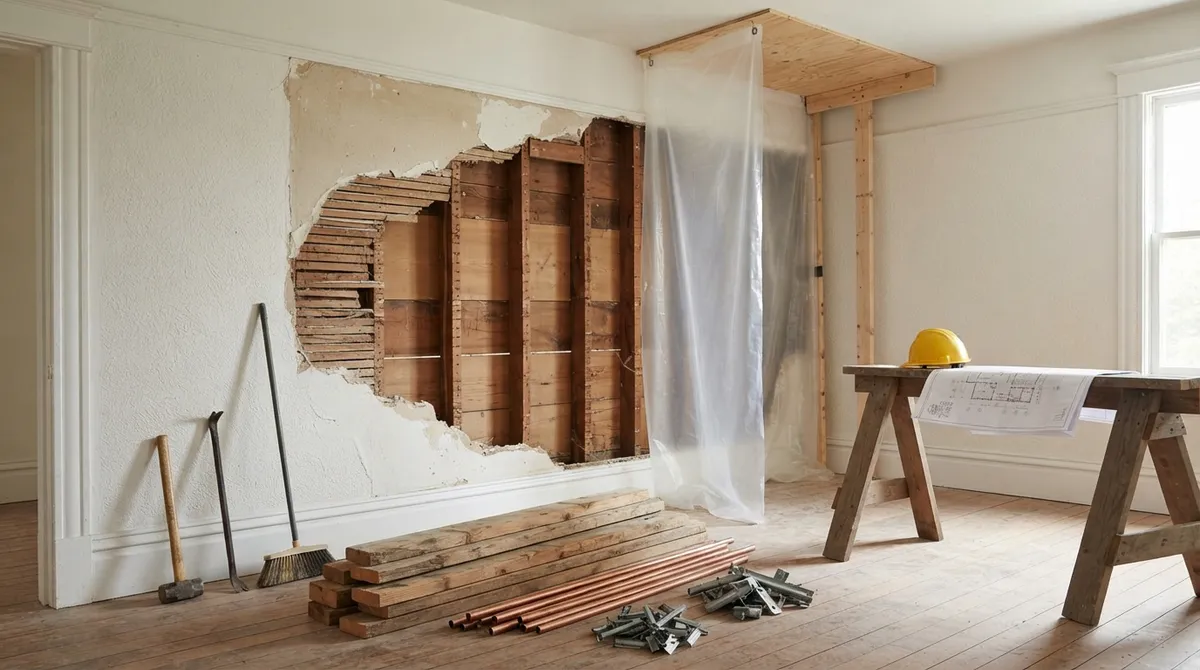
It’s also worth noting that interior demolition is a more affordable option when only part of a structure needs to come down. Interior commercial demolition typically ranges from $1,000 to $15,000 depending on the scope. It’s a great middle ground for property managers and renovation contractors working within a tighter budget.
Full Demolition vs. Interior Demolition: What’s Right for You?
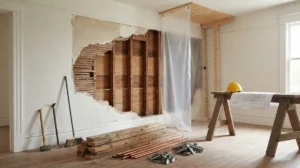
Choosing between full and interior demolition comes down to your project goals. Full structural demolition removes the entire building. Interior demolition removes walls, fixtures, ceilings, and finishes while keeping the shell intact.
Here are the best scenarios for each option:
- Full demolition: Building is too damaged or outdated to renovate
- Full demolition: Site redevelopment requires a clean slate
- Interior demolition: Only select rooms or floors need clearing
- Interior demolition: The structural shell is still sound and valuable
- Interior demolition: Budget constraints require a phased approach
Want to learn more about the scope of full structural work? Read about building demolition services to understand what a complete teardown involves.
Factor 2: Hazardous Materials Can Add Significant Costs
This is one of the most important factors that surprises property owners. If your building contains hazardous materials, your commercial demolition cost will increase — sometimes significantly.
Older commercial buildings are especially likely to contain:
- Asbestos in insulation, floor tiles, or ceiling panels
- Lead-based paint on walls or structural elements
- Mercury in older light fixtures or switches
- PCBs in old electrical equipment
- Mold or contaminated soil around the structure
Hazardous material removal must be handled by certified specialists. It requires special equipment, protective gear, proper disposal, and strict regulatory compliance. When asbestos or lead is present, costs can rise to $25 per square foot or higher.
Before demolition begins, a licensed contractor will typically conduct a hazardous materials survey. This protects workers, neighbors, and the environment. It’s not optional — it’s the law in Nevada. You can review permitting and safety requirements through the Las Vegas demolition permit guidelines to understand what’s required before work starts.
How to Plan for Hazmat Costs in Your Budget
Don’t wait until a contractor flags hazardous materials to think about the cost. Planning ahead can save you time and stress. Here’s a smart approach:
- Schedule a pre-demolition inspection before finalizing your budget.
- Request a hazmat survey from a certified environmental testing firm.
- Add a 15–25% contingency buffer to your overall demolition budget for surprises.
- Ask your contractor whether hazmat removal is included or subcontracted separately.
- Review local regulations with your contractor to avoid permit delays.
Taking these steps upfront keeps your project on schedule and helps avoid expensive surprises mid-demolition. For more on what your contractor handles behind the scenes, read what demolition experts actually do on a job site.
Factor 3: Location and Site Conditions Influence Every Quote
Your location plays a big role in commercial demolition cost. Regional labor rates, local permit fees, and site accessibility all affect the final number. Let’s look at some real-world comparisons:
| Location | Estimated Cost Per Sq Ft | Notes |
|---|---|---|
| New York City, NY | $8 – $20 | High labor costs, strict regulations |
| Central Florida | $4 – $10 | Lower labor and permit costs |
| Southern California | Avg. $24,000 total | Moderate to high market |
| Las Vegas / Clark County, NV | Varies by project | Competitive regional market |
In Nevada, local regulations and site conditions in Clark and Nye counties affect pricing. The Clark County Building Department sets specific requirements for demolition permits. These requirements affect how quickly work can begin and what documentation is needed.
Site conditions also matter a lot. Here are some site factors that can raise or lower your quote:
- Limited equipment access due to tight urban lots
- Underground utilities that require careful disconnection
- Proximity to other structures requiring protection measures
- Soil conditions that complicate debris removal or excavation
- Distance to licensed waste disposal or recycling facilities
A building on a busy street in downtown Las Vegas faces different challenges than a standalone structure on a large suburban lot. Your contractor’s site visit will uncover these details before the quote is finalized.
Don’t Forget Debris Hauling and Site Cleanup
One cost that’s easy to overlook is debris removal. After demolition, all that material has to go somewhere. Hauling fees add up, especially on large commercial projects. Ask your contractor whether hauling services are included in the quote or billed separately. It’s a simple question that can prevent a nasty surprise on your final invoice.
For larger commercial developments, you may also need excavating and grading work after demolition is complete. These services prepare the site for new construction and are often bundled with full demolition scopes.
Getting an Accurate Commercial Demolition Quote in 2026
Now that you understand the three big cost drivers — building size, hazardous materials, and location — you’re ready to request a quote with confidence. Here’s a simple checklist to bring to your first consultation:
- Know your building’s square footage and number of stories.
- Have the building’s construction year on hand (helps flag potential hazmat issues).
- Document any known hazardous materials or previous environmental reports.
- Note access points, surrounding structures, and utility connection locations.
- Have a rough timeline in mind — rush projects may cost more.
- Ask specifically about permit fees and whether they’re included.
Being prepared saves time for everyone and helps your contractor deliver a more accurate estimate. For a deep dive into all the variables that affect demolition pricing, check out 15 key factors that affect the cost to demolish a commercial building.
What to Look for in a Commercial Demolition Contractor
Choosing the right contractor matters as much as the budget itself. A low quote means nothing if the work is delayed, unsafe, or incomplete. Here’s what to prioritize:
- Valid Nevada contractor’s license and demolition certification
- Experience with commercial structures similar to yours
- Clear communication and transparent itemized quotes
- Proof of insurance and safety compliance records
- Positive reviews and local references
Want help understanding what makes a great demolition contractor? Read about what makes a licensed demolition contractor essential for your project. It’s a great resource whether you’re new to this or a seasoned developer.
You can also visit us on Google — 702 Demo to read real reviews from Clark County customers who’ve trusted us with their commercial and residential projects.
Conclusion: Know Your Numbers Before You Break Ground
Commercial demolition cost in 2026 isn’t a mystery — it’s a formula. Building size, hazardous materials, and your location are the three biggest variables. National averages range from $4 to $25 per square foot, with total projects typically landing between $24,000 and $30,500. But your project could fall above or below those figures based on the factors we’ve covered.
The smartest move you can make right now is to get a proper on-site quote from a licensed professional. Whether you’re a homeowner, a real estate developer, or a general contractor, understanding these cost drivers puts you in control of your project. Learn more about what to know about commercial demolition contractors before making your final decision.
Ready to get started? Reach out to 702 Demo for a free on-site estimate and let our experienced team help you plan your commercial demolition project the right way — on time, on budget, and done safely.
FAQs
Q: How much does commercial demolition cost per square foot in 2026?
A: Great question! In 2026, standard commercial demolition costs range from $4 to $8 per square foot for smaller or simpler projects. Larger or more complex buildings can run $18 to $25 per square foot or higher. The best way to get an accurate number is to request a free on-site quote from a licensed contractor in your area.
Q: Does asbestos removal significantly increase commercial demolition costs?
A: Yes, it really does — and it’s worth planning for! When hazardous materials like asbestos or lead-based paint are present, demolition costs can jump to $25 per square foot or more. That’s because certified specialists, special equipment, and regulated disposal are all required. A pre-demolition hazmat survey is the best way to uncover these costs before they catch you off guard.
Q: What is the difference between interior and full commercial demolition in terms of cost?
A: Interior commercial demolition is typically much more affordable, ranging from $1,000 to $15,000 depending on the scope. Full structural demolition — which takes down the entire building — costs significantly more due to the scale of labor, equipment, and debris removal involved. If your building’s shell is still in good shape, interior demo can be a smart, budget-friendly choice.
Q: Why is there no flat rate for commercial demolition pricing?
A: Every building is different! Factors like size, age, materials, hazardous substances, site accessibility, and local permit requirements all affect the final cost. That’s why no honest contractor will give you a flat rate without seeing the project first. A proper on-site assessment is the only way to get a truly accurate quote you can rely on.
Q: How do commercial demolition costs vary by location?
A: Location plays a big role in pricing. For example, New York City projects can run $8 to $20 per square foot due to high labor costs and strict regulations, while Central Florida averages $4 to $10 per square foot. In Las Vegas and Clark County, Nevada, the market is competitive, and working with a local licensed contractor helps ensure you get fair, region-appropriate pricing.