Key Takeaways
-
Professional hauling and demolition services include permit management, hazardous material removal, structural demolition, debris hauling, and site clearing—hiring licensed contractors prevents costly fines, health risks, and project delays.
-
Hazardous material removal by certified professionals is legally required for older buildings (pre-1980s) containing asbestos or lead; skipping this step results in health risks, regulatory fines, and potential project shutdowns.
-
Modern demolition services prioritize debris recycling and material salvage (concrete crushing, metal scrap, wood biomass) to reduce environmental impact and can lower project costs through recyclable material offset fees.
-
Verify any contractor is state-licensed, carries general liability and workers’ comp insurance, handles permits, and provides written estimates before signing—local expertise with your county’s building department ensures regulatory compliance.
-
Professional demolition saves time and money despite higher upfront costs due to safety compliance, specialized equipment, liability protection, and delivering a fully cleared, build-ready site versus risky DIY approaches.
-
Full-service demolition teams handle multiple project types (residential, commercial, interior, selective, pool/concrete removal) and often include landscaping removal and site grading to complete the entire site preparation cycle.
Whether you’re tearing down an old shed, clearing a commercial lot, or gutting the inside of a building, you’ve probably heard the term hauling and demolition services. But what does it actually mean? And what should you expect when you hire a professional team?
The short answer: a lot more than most people realize. These services go far beyond swinging a sledgehammer. From permit applications to debris recycling, a full-service demolition and hauling crew handles every step of the process. This guide breaks it all down so you know exactly what you’re getting — and why it matters for your project.
What Are Hauling and Demolition Services?
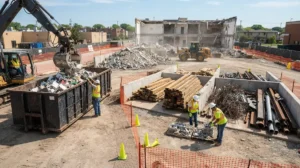
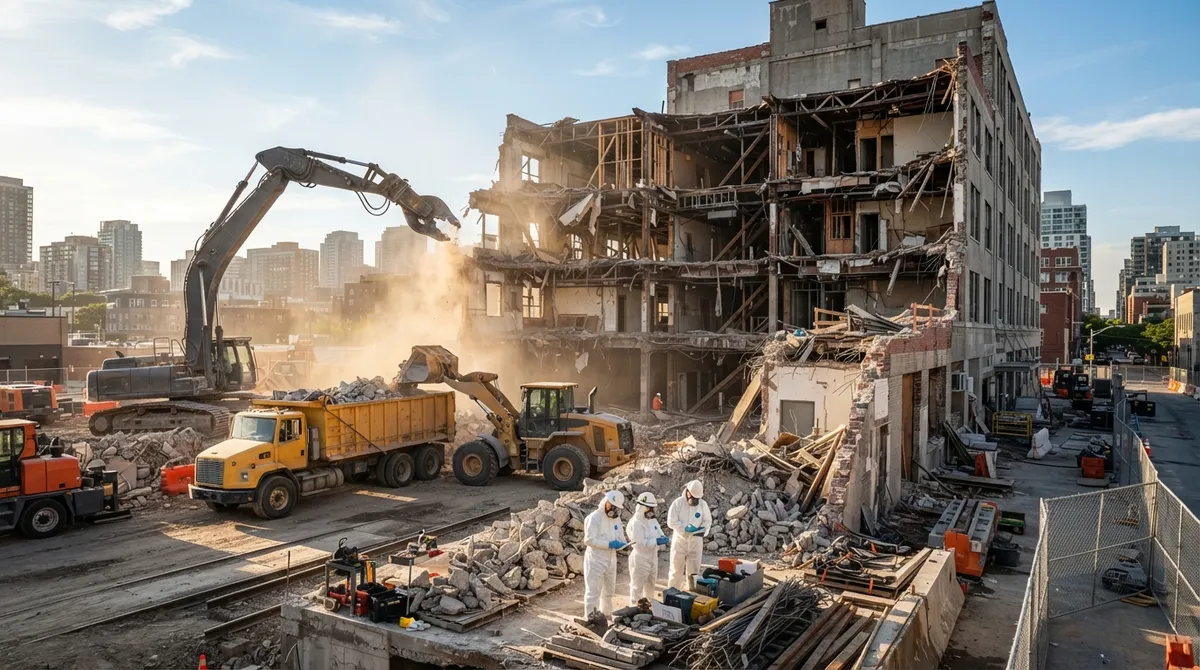
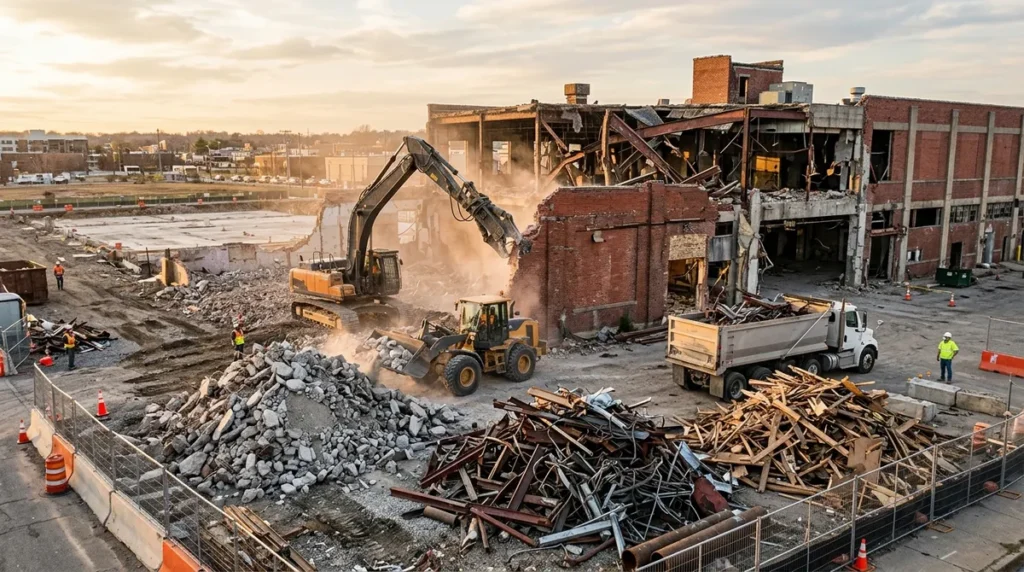
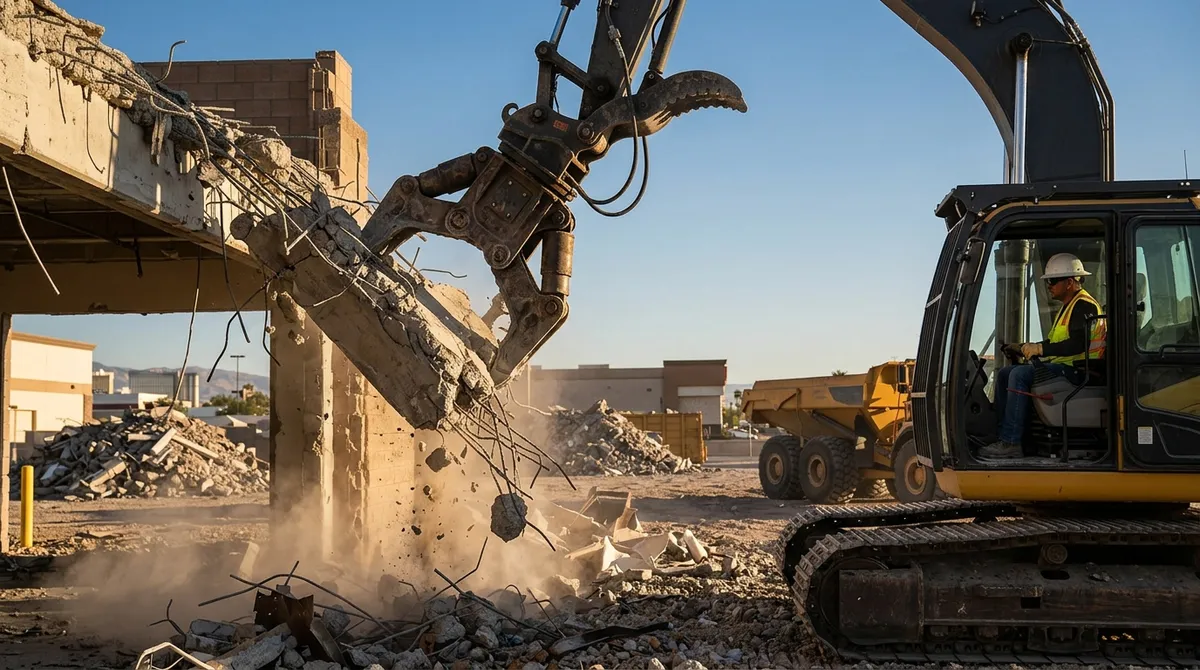
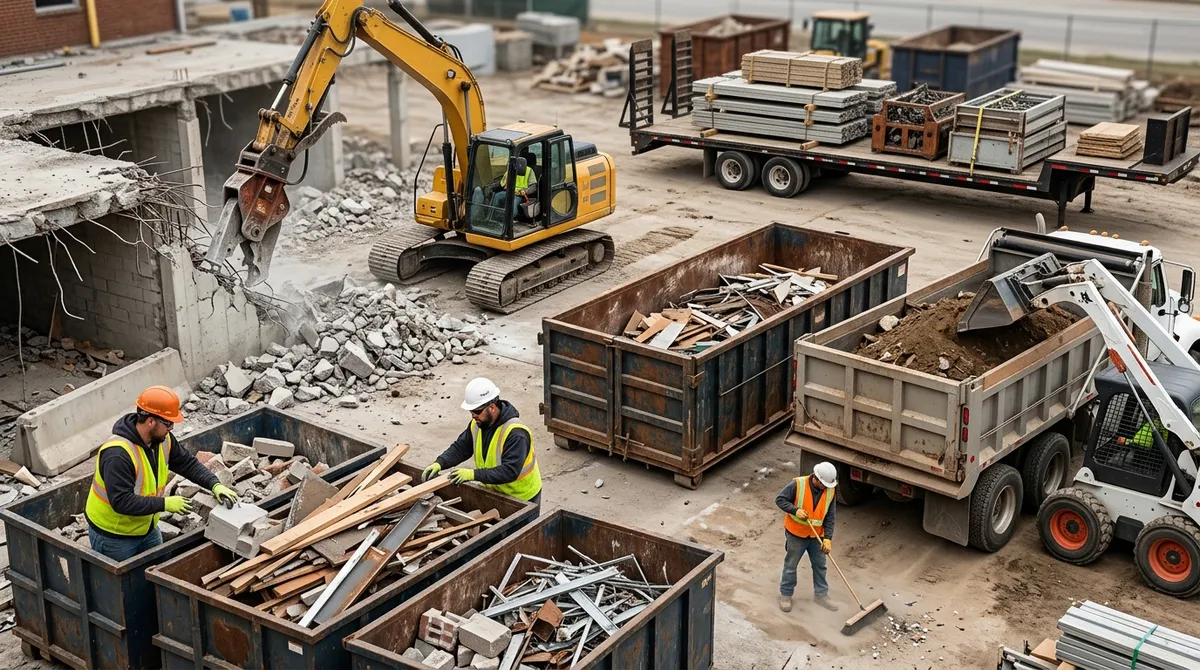
Hauling and demolition services cover the full process of tearing down structures and removing the debris. Think of it as a two-part package. First, the demolition team safely breaks down whatever needs to come down. Then, the hauling crew loads and removes all the material from your site.
These services work hand-in-hand. One without the other leaves you with a problem. You don’t want a demolished structure sitting on your property with nowhere to go. A professional team handles both, leaving your site clean and ready for the next phase.
Types of Projects Covered
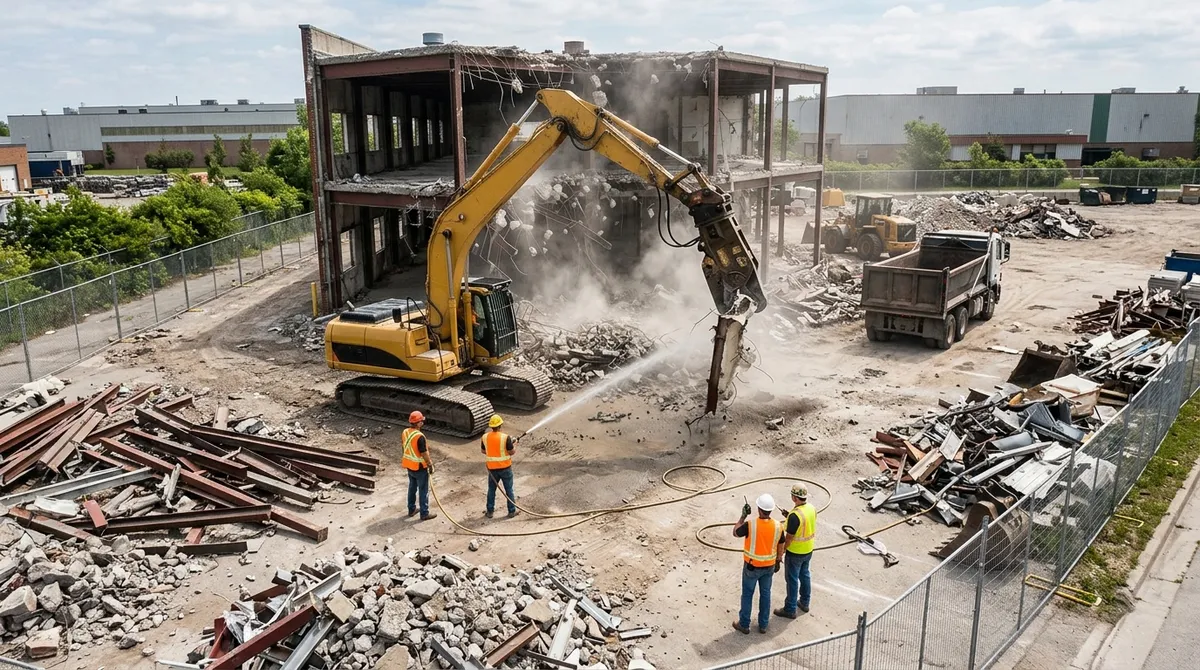
Hauling and demolition services cover a wide range of project types. Here’s a look at the most common ones:
1. Residential Demolition
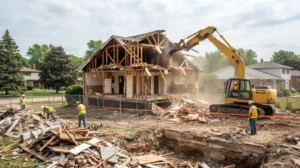
This includes tearing down homes, garages, sheds, fences, and outbuildings. Homeowners often need this service before a major renovation or new build. You can learn more about what residential demolition services involve and how the process works from start to finish.
2. Commercial Demolition
Retail spaces, office buildings, and commercial structures require a different approach. Timelines are tight, and safety on active job sites is critical. Commercial demolition in 2026 involves detailed planning, coordination, and specialized equipment.
3. Interior Demolition
Sometimes you don’t need the whole building gone — just the inside. Interior demolition removes walls, flooring, ceilings, and fixtures while keeping the structure intact. This is popular for renovations and space reconfigurations.
4. Selective or Partial Demolition
This means removing only a specific section of a structure. A contractor might tear out a single room, a concrete slab, or a damaged wing of a building. It’s precise work that requires skill and careful planning.
5. Pool and Concrete Removal
Many Nevada homeowners need their old pools or concrete surfaces removed. Pool removal and concrete removal are specialized services that require heavy equipment and proper debris disposal.
What’s Included in a Full-Service Package?
A reputable hauling and demolition company doesn’t just show up and start swinging. Here’s what a complete service package typically includes:
- Project Assessment: A site visit to evaluate the structure, materials, and any potential hazards before work begins.
- Permit Management: Handling all required permits so you don’t have to navigate the paperwork alone. The Las Vegas demolition permit guidelines outline what’s required for projects in the area.
- Hazardous Material Removal: Certified professionals test for and remove asbestos, lead paint, and other dangerous materials before demolition begins.
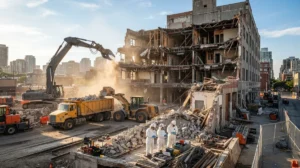
- Structural Demolition: The actual teardown using equipment suited to the job — from hand tools for interiors to excavators for full buildings.
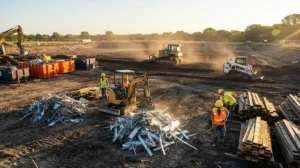
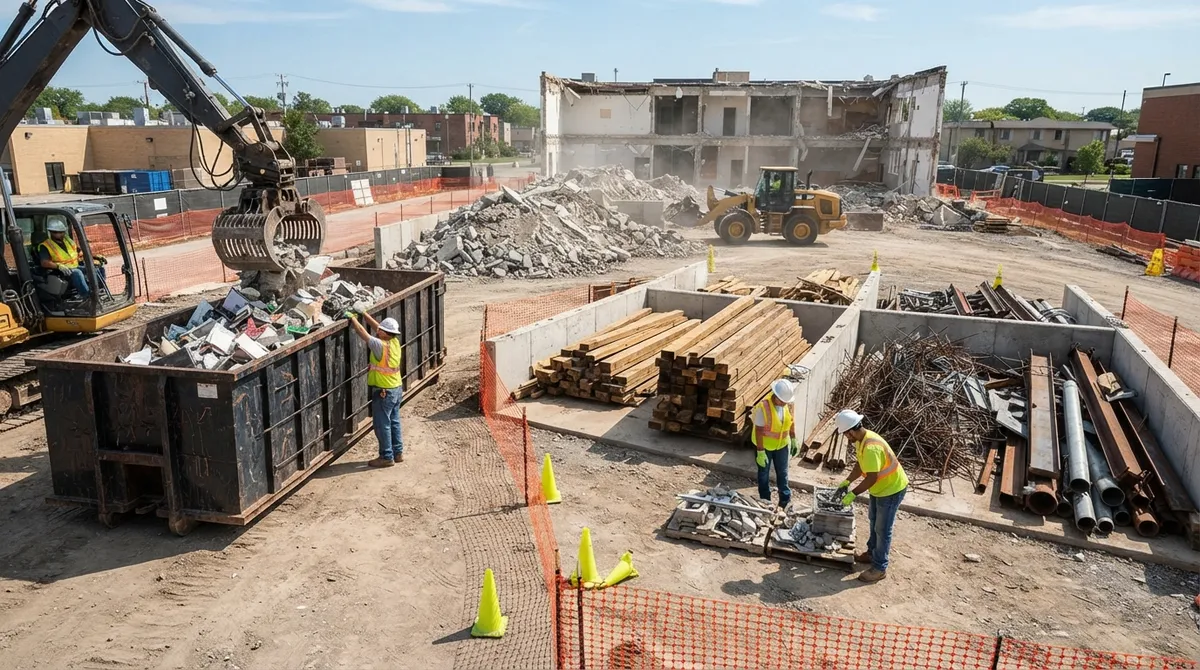
- Debris Hauling: Loading, transporting, and disposing of all materials from the site safely and legally.
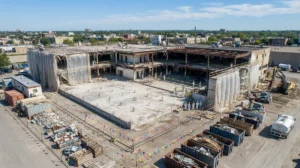
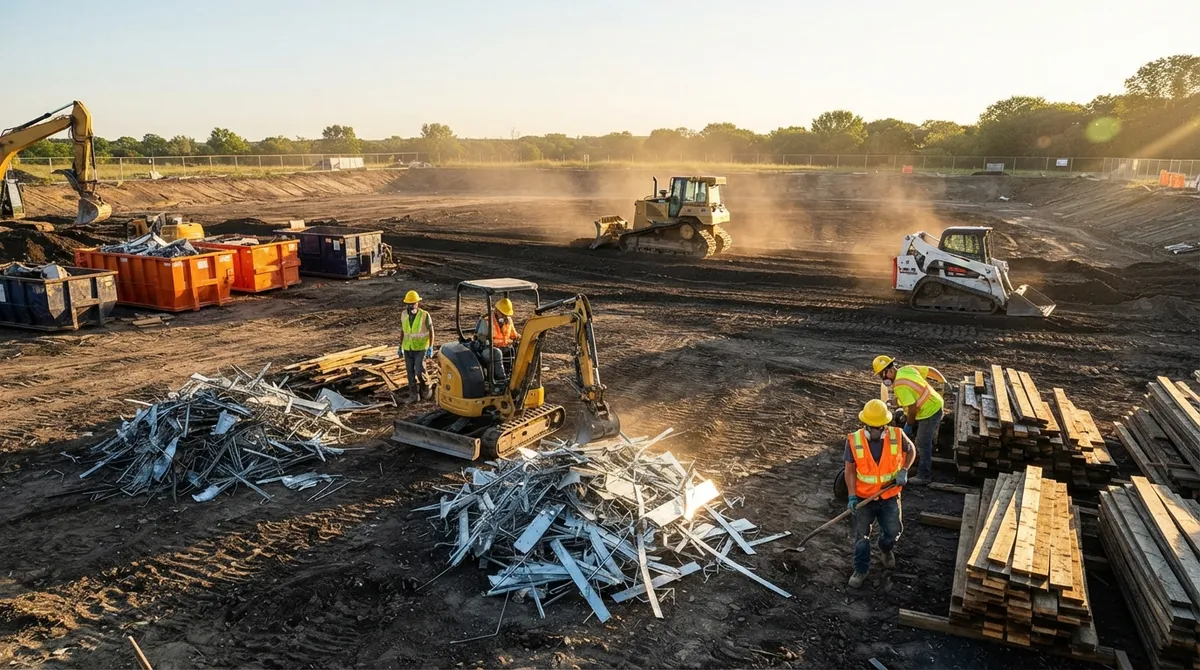
- Site Clearing and Grading: Preparing the land after demolition so it’s ready for the next phase of your project.

Why Hazardous Material Removal Matters
This step is one that many property owners overlook. Older buildings — especially those built before the 1980s — often contain asbestos or lead. These materials are dangerous when disturbed during demolition.
Certified professionals must handle hazardous material removal. It’s not just a best practice — it’s a legal requirement. Skipping this step can result in health risks, regulatory fines, and project shutdowns. Always confirm that your demolition team is certified to handle hazardous materials before work begins.
Permits and Licenses: What You Need to Know
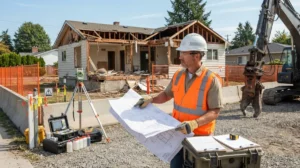
Every demolition project requires proper permits. This is non-negotiable. The Clark County Building Department oversees permits for projects in Clark County, Nevada. Requirements vary by project size and type.
A licensed and insured demolition contractor handles permit applications for you. This saves time and helps avoid delays. Make sure any contractor you hire is fully licensed, bonded, and insured. Learn why a licensed demolition contractor is essential before you sign any agreement.
How Debris Is Handled After Demolition
What happens to all that material once it’s torn down? A responsible hauling and demolition team doesn’t just dump everything in a landfill. Modern services emphasize recycling and material salvage to reduce environmental impact.
Here’s how debris is typically managed:
- Concrete is crushed and recycled for use as fill or base material
- Metal is separated and sent to scrap facilities for recycling
- Wood may be salvaged or sent to biomass facilities
- Hazardous materials are disposed of through certified waste handlers
- General debris is sorted to minimize landfill waste
This approach is not just environmentally responsible — it can also reduce overall project costs when recyclable materials offset disposal fees. You can read more about professional hauling services and how they handle material removal efficiently.
What Equipment Is Used?
The right equipment makes a huge difference in how safely and efficiently a job gets done. Here’s a quick breakdown of common demolition equipment by project type:
| Project Type | Common Equipment Used | Primary Purpose |
|---|---|---|
| Interior Demolition | Jackhammers, hand tools, mini excavators | Targeted removal without structural damage |
| Residential Building | Excavators, skid steers, dump trucks | Full structure teardown and debris removal |
| Commercial Structures | High-reach excavators, wrecking balls, cranes | Large-scale and elevated demolition |
| Concrete Removal | Hydraulic breakers, concrete saws, loaders | Breaking and removing concrete surfaces |
| Pool Removal | Excavators, bobcats, compactors | Excavation, fill, and compaction |
Key Benefits of Hiring Professional Hauling and Demolition Services
Trying to manage demolition and hauling on your own might seem like a way to save money. But the risks — legal, physical, and financial — can quickly outweigh any savings. Here’s why professional services are worth it:
- Safety: Professionals follow strict protocols to protect workers and surrounding properties
- Speed: Experienced crews complete work faster with the right equipment
- Compliance: Licensed contractors meet all local and state regulations
- Liability protection: Insured contractors protect you from financial risk if something goes wrong
- Clean results: Full site clearing means you get a project-ready property when the work is done
You can explore the 8 key benefits of professional demolition hauling in 2026 to understand how these services add real value to your project.
How to Choose the Right Contractor
Not all demolition and hauling companies are created equal. Here’s a simple checklist to help you choose wisely:
- Verify the contractor holds a valid state license
- Confirm they carry general liability and workers’ comp insurance
- Ask for a written estimate that details all services included
- Check reviews and references from past clients
- Confirm they handle permits and hazardous material removal
- Make sure they offer full debris hauling and site cleanup
If you’re based in Southern Nevada, 702 Demo is a trusted full-service demolition and hauling contractor serving all of Clark and Nye counties. With decades of experience, the team handles everything from small interior teardowns to large commercial projects. Visit 702 Demo on Google to read reviews and see what local property owners and contractors have to say about their work.
Questions to Ask Before You Hire
Before you commit to a contractor, make sure you get clear answers to these questions:
- Do you handle permits, or is that my responsibility?
- Are you certified for hazardous material removal?
- What does your debris hauling process look like?
- How long will the project take from start to finish?
- Do you offer site grading or excavation after demolition?
Knowing the answers upfront saves a lot of headaches later. You can also check out this guide on how to plan demolition and hauling for your next project for more helpful preparation tips.
Landscaping and Site Removal Services
Hauling and demolition services often include more than just structures. Many projects also require the removal of trees, shrubs, turf, or old landscaping features. Landscaping removal is part of a comprehensive site clearing plan, especially for developers preparing land for new construction.
After landscaping and structures are removed, the site often needs excavating and grading to level the ground and prepare it for building. These services complete the full site development cycle from teardown to build-ready.
Serving Clark and Nye Counties in Nevada
If you’re planning a project in the Las Vegas metro area or surrounding Nevada counties, working with a local team that knows the permit landscape is a big advantage. Local contractors understand the specific requirements set by the Clark County Building Department and can navigate them efficiently.
Whether it’s a residential teardown in Henderson, a commercial site prep in Las Vegas, or an interior renovation in Nye County, local expertise matters. For more insight on finding the right local team, check out this guide on how to find the right Henderson demolition contractor.
Final Thoughts
Hauling and demolition services are a lot more involved than most people expect. From hazardous material removal and permit management to debris recycling and site clearing, a full-service team handles every detail so you don’t have to.
The key is choosing a licensed, experienced contractor who treats your project with care. Whether you’re a homeowner, a renovation contractor, or a real estate developer, the right team makes the whole process smoother, safer, and more efficient.
Ready to move forward on your project? Get in touch with 702 Demo for a free project estimate and see how a professional hauling and demolition team can take the stress out of your next job.
FAQs
Q: What is included in professional hauling and demolition services?
A: Professional hauling and demolition services typically include project assessment, permit management, hazardous material removal, structural demolition, debris hauling, and site clearing. It’s a full-package approach that takes your project from teardown all the way to a clean, build-ready site — no loose ends left behind!
Q: Do I need a permit for a demolition and hauling project?
A: Yes, most demolition projects require permits before any work can begin. The good news is that a licensed demolition contractor handles the permit process for you, saving you time and helping your project stay on schedule. Your local building department — like the Clark County Building Department — can provide guidance on what’s required.
Q: How do demolition companies handle hazardous materials like asbestos?
A: Certified demolition professionals test for hazardous materials before any demolition begins. If asbestos, lead paint, or contaminated soil is found, it must be removed and disposed of by licensed specialists following strict regulatory guidelines. This step protects your health, your property, and the surrounding community.
Q: What is the difference between full demolition and selective demolition?
A: Full demolition means tearing down an entire structure, while selective demolition targets only specific sections — like removing a single wall, room, or concrete slab. Selective demolition is great for renovations where you want to preserve the main structure but update or reconfigure certain areas.
Q: Can hauling and demolition services handle both residential and commercial projects?
A: Absolutely! Full-service demolition companies are equipped to handle everything from small residential teardowns to large-scale commercial site clearing. The key is finding a contractor with experience in both areas and the right equipment for your specific project type.