So you’re staring at an old building, a cracked driveway, or maybe a backyard pool that’s seen better days, and you’re wondering, “What actually happens next?” You’re not alone! Whether you’re a homeowner in Henderson dreaming of a fresh start or a developer eyeing a big commercial project in Clark County, understanding what is the process of demolition can make the whole experience feel a lot less scary. Grab a cup of coffee, and let’s walk through it together, friend to friend.
Demolition isn’t just about swinging a wrecking ball (though that image is fun, right?). It’s a careful, organized process with real steps, real safety checks, and real teamwork. At 702 Demo, we’ve guided homeowners, builders, and property managers across Clark and Nye counties through every stage of this journey. So let’s break it down simply, so you know exactly what to expect.
What Is the Process of Demolition, Really?
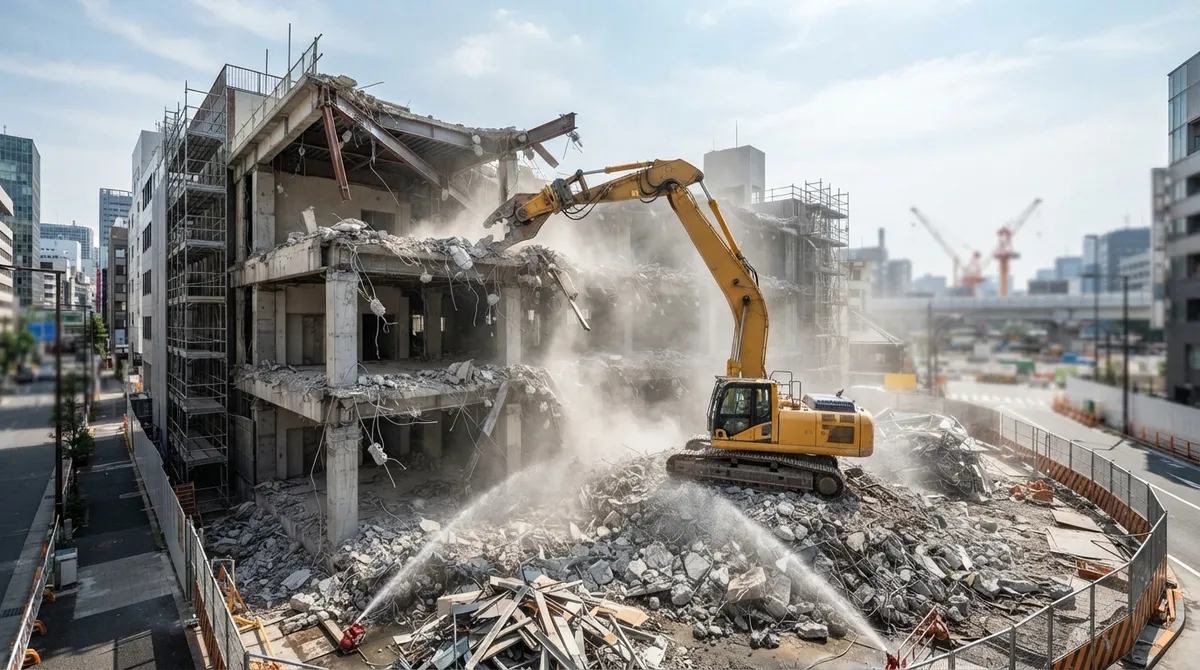
At its heart, the process of demolition is a planned sequence of steps. It’s used to safely take down a structure, handle any hazardous materials, and clear the site so it’s ready for something new. Think of it like a recipe: skip a step, and things can go wrong fast.
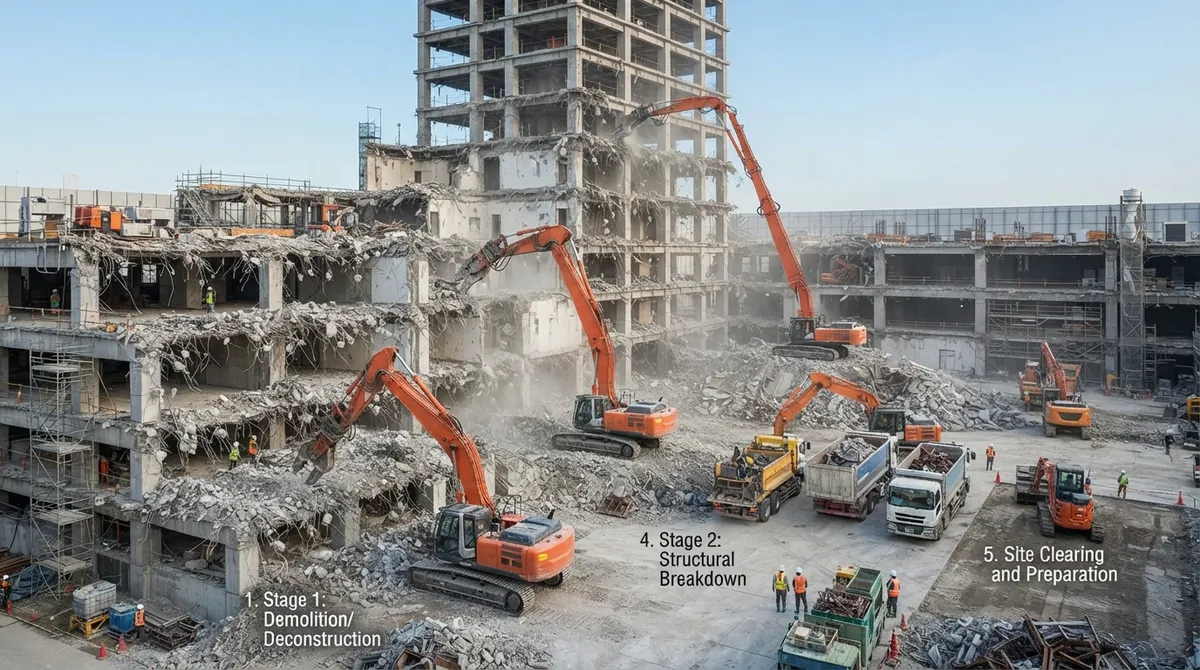
Industry experts, including the Institute of Demolition Engineers, break the whole journey into five main stages. These are scope definition, procurement, pre-demolition, project delivery, and completion. Let’s explore each one, because knowing these steps helps you plan better and worry less.
Why This Matters for You
Whether you’re tearing down a shed or a whole shopping center, the process protects everyone involved. It keeps workers safe, protects nearby buildings, and makes sure debris gets handled the right way. It also helps you avoid fines or delays from local building departments.
- Homeowners get a safer, cleaner renovation experience
- Commercial builders stay on schedule and on budget
- Renovation contractors avoid surprises during structural work
- Property managers reduce liability from hazardous materials
- Developers get a clean, buildable lot faster
The 5 Main Stages of the Demolition Process
Let’s walk through these stages one by one. Understanding this order will help you feel confident no matter which side of the project you’re on.
- Scope Definition: This is where everyone figures out what needs to come down, what needs to stay, and what the end goal looks like.
- Procurement: This step involves hiring the right demolition contractor and lining up equipment, labor, and any special permits.
- Pre-Demolition: Surveys, utility disconnections, and hazardous material checks happen here, before anything gets torn down.
- Project Delivery: This is the actual demolition work, whether it’s mechanical, manual, selective, or a full structural teardown.
- Completion: Debris gets sorted, recycled, or hauled away, and the site gets a final cleanup and inspection.
The European Demolition Association agrees with this framework too. They note that demolition isn’t just the physical teardown. It also includes planning, permits, equipment mobilization, and final site work. That’s a lot more than most people expect!
Step 1: Site Survey and Demolition Planning
Before any equipment shows up, a good contractor visits the site. They check the structure’s condition, look at nearby buildings, and note any special challenges like tight access or underground utilities.
This survey turns into a demolition plan. This plan spells out the scope of work, safety measures, equipment needed, and how debris will be handled. Think of it as the blueprint for the whole project.
What a Solid Demolition Plan Includes
- Structural details of the building or feature being removed
- Safety protocols for workers and nearby residents
- Equipment list, from excavators to hand tools
- Debris management and recycling strategy
- Timeline expectations for each phase
If you’re a renovation contractor tackling interior demolition for a remodel, this planning stage is especially important. It helps protect the parts of the structure you want to keep.
Step 2: Permits and Approvals
Here’s a step nobody can skip: permits. Local governments require approval before any demolition work can legally start. This protects public safety and keeps records accurate for future construction.
In Las Vegas and surrounding areas, you’ll need to follow the Las Vegas demolition permit guidelines before breaking ground. If your property sits in unincorporated Clark County, you’ll likely work with the Clark County Building Department instead.
Permitting can feel like a maze if you’re doing it alone. That’s why so many homeowners and developers lean on experienced contractors who already know the paperwork inside and out.
Step 3: Utility Disconnection
Before any structure comes down, all utilities need to be shut off and disconnected. This includes electricity, gas, water, and sewer lines. Skipping this step is dangerous, and honestly, it’s just not worth the risk.
Professional crews coordinate with utility companies to remove meters and cap lines safely. This step alone prevents fires, explosions, and electrocution hazards. It’s a small step with a massive safety payoff.
Step 4: Hazardous Material Abatement
Older buildings, especially those built before the 1980s, may contain asbestos, lead paint, or mold. These materials need special handling before demolition begins.
Licensed abatement specialists remove these hazards safely, following strict environmental guidelines. This step protects workers, neighbors, and the environment. It’s not glamorous, but it’s absolutely essential.
Common Hazardous Materials Found in Older Buildings
| Material | Common Locations | Why It Matters |
|---|---|---|
| Asbestos | Insulation, tile, roofing | Causes serious lung disease if inhaled |
| Lead Paint | Walls, trim, old fixtures | Toxic if disturbed and inhaled or ingested |
| Mold | Basements, bathrooms, water-damaged areas | Triggers respiratory issues |
| PCBs | Old electrical equipment | Environmental contamination risk |
Step 5: Choosing the Right Demolition Method
Not every demolition looks the same. The method depends on the structure, its location, and your project goals. This is where an experienced team really earns their keep.
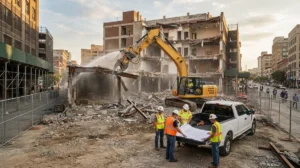
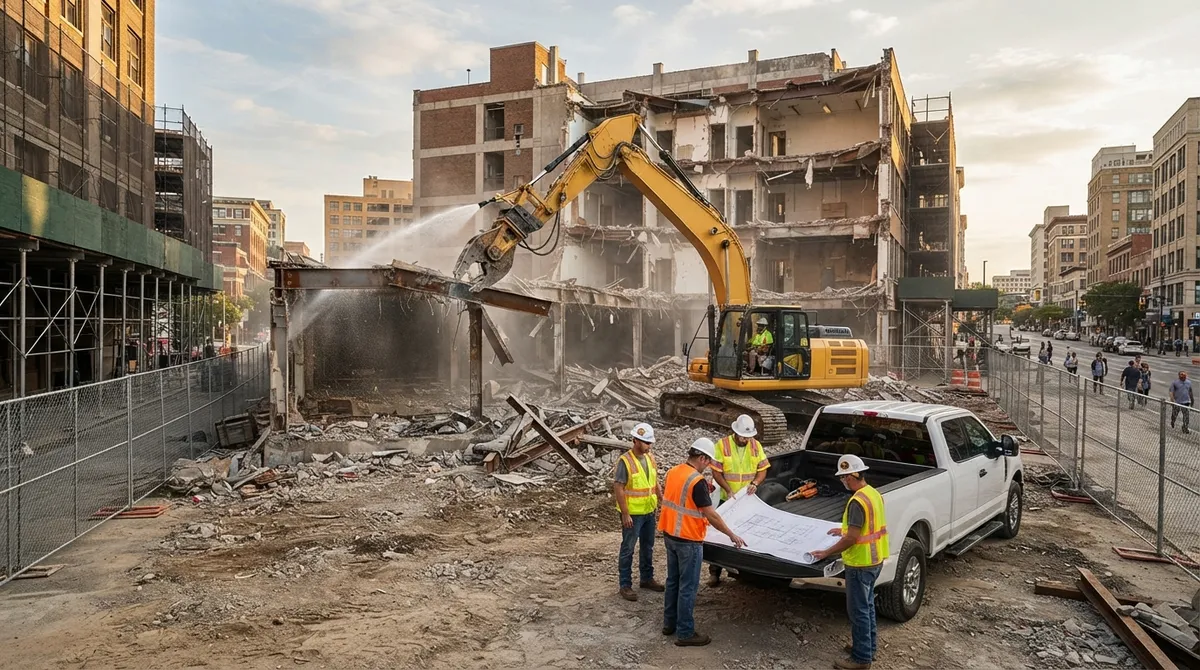
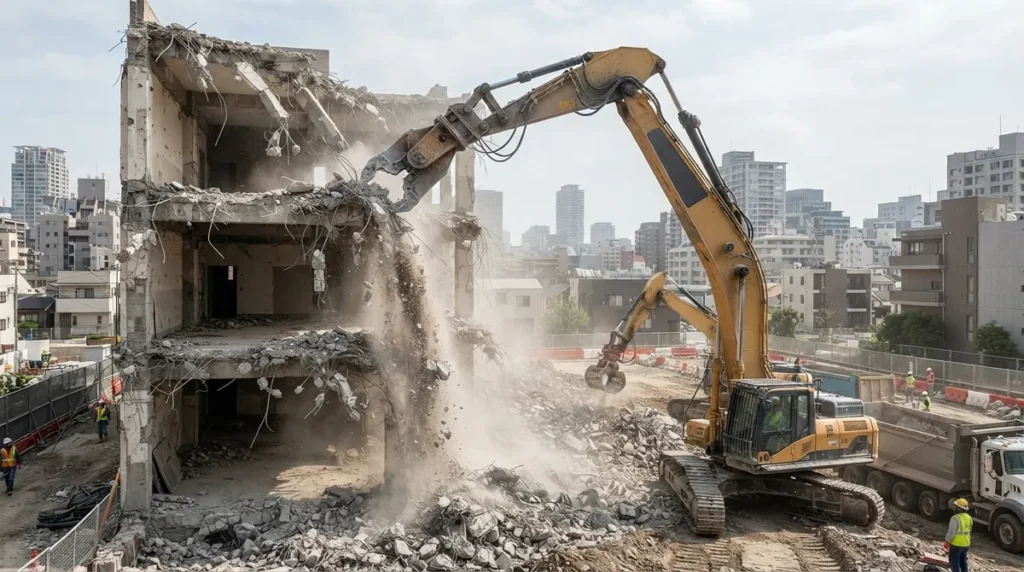
- Mechanical Demolition: Uses heavy machinery like excavators and bulldozers for larger structures.
- Manual Demolition: Hand tools break down smaller sections, often for tight spaces or interior work.
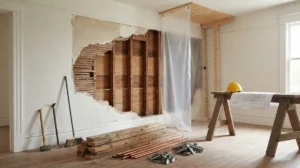
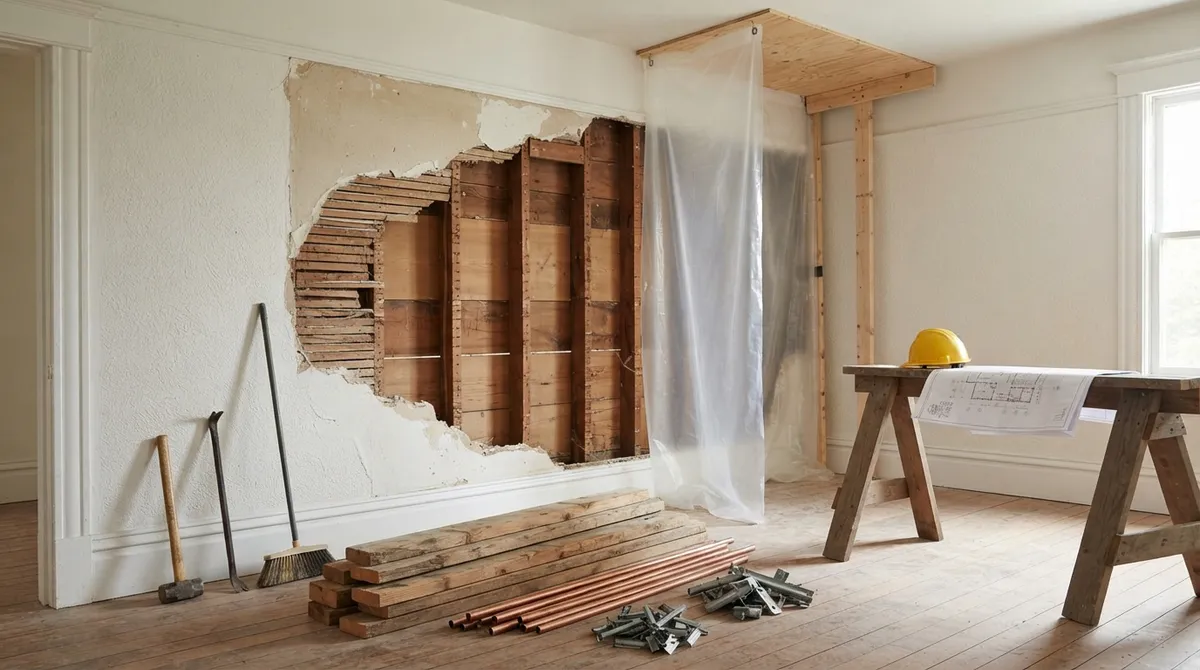
- Selective Demolition: Removes specific parts of a structure while preserving the rest, common in renovations.
- Controlled Implosion: Used for large buildings in tight urban areas, though it’s rare for most residential and commercial projects.
For homeowners planning a loft conversion, selective interior demolition keeps your renovation on track without touching load-bearing walls you want to keep.
Step 6: Debris Sorting, Recycling, and Disposal
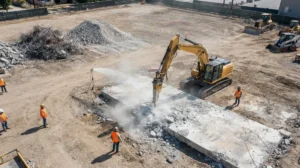
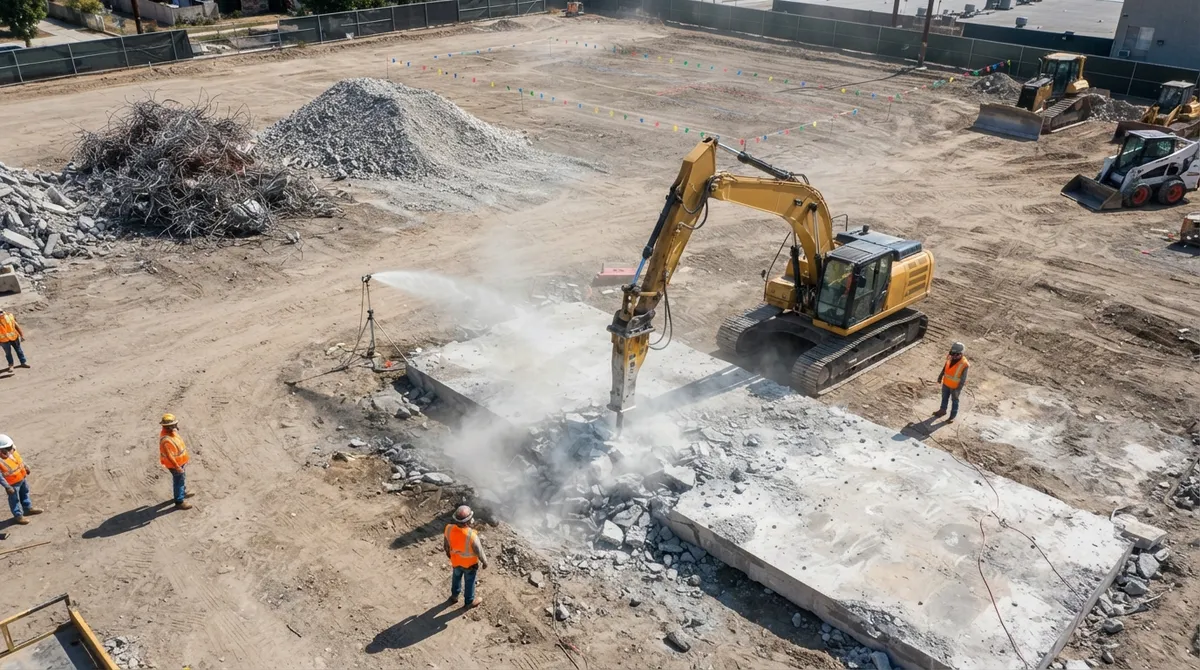
Once the structure comes down, the real cleanup begins. Debris gets sorted into categories like wood, metal, concrete, and general waste. Recyclable materials get separated to reduce landfill impact.
Most municipal codes require debris removal within 30 days of project completion. This keeps job sites tidy and neighborhoods happy. Concrete, in particular, often gets crushed and reused for new construction projects, which is a great way to reduce waste.
If your project includes old driveways, patios, or foundations, check out our guide on concrete removal to learn how this material gets broken down and hauled away responsibly.
Step 7: Final Site Cleanup and Inspection
The last step wraps everything up. Crews grade the land, remove fencing barriers, and prepare the site for its next chapter, whether that’s new construction or landscaping.
- Final debris sweep across the entire lot
- Site grading for drainage and stability
- Removal of safety fencing and barriers
- Final walkthrough and inspection sign-off
- Handoff to the next phase of your project
This is often paired with excavating and grading services, especially for developers preparing land for new builds.
Demolition vs. Selective Demolition: What’s the Difference?
People often confuse these two terms, so let’s clear it up simply. Full demolition removes an entire structure, top to bottom. Selective demolition removes only certain parts, like an interior wall or a single room addition.
Selective demolition is popular with renovation contractors and homeowners doing partial remodels. It requires more precision because crews need to protect the parts of the building that stay standing.
How Long Does the Demolition Process Take?
Timeline depends heavily on the project size and complexity. A small residential structure might take just a few days. A large commercial building could take several weeks once you include permits, abatement, and cleanup.
- Small residential structures: a few days to one week
- Full home demolition: one to two weeks
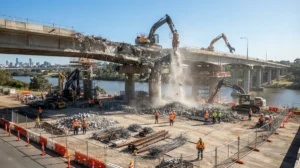
- Commercial buildings: two to six weeks or more
- Large-scale developments: several months with site prep included
Working with an experienced team helps keep your timeline realistic and avoids costly delays. Our team at 702 Demo has handled projects of every size across Clark and Nye counties, and we know how to keep things moving.
Why Professional Demolition Contractors Matter
You might be tempted to DIY smaller projects, but professional demolition contractors bring something you just can’t replace: experience. They know local codes, safety protocols, and how to handle surprises like hidden utility lines or unexpected hazardous materials.
702 Demo has spent years building trust with homeowners, builders, and developers throughout Las Vegas and the surrounding areas. We understand the unique challenges of Nevada’s climate, soil conditions, and local permitting requirements. Curious what our neighbors think? Feel free to visit us on Google — 702 Demo and see what our customers have to say.
Benefits of Hiring Licensed Demolition Professionals
- Proper insurance coverage protects you from liability
- Experienced crews handle hazardous materials safely
- Faster project timelines with fewer surprises
- Compliance with local permitting and safety codes
- Access to specialized equipment for tough jobs
Special Considerations for Different Audiences
Every project is a little different depending on who’s involved. Let’s break down what matters most for different readers.
For Homeowners
You’re probably focused on dust control, noise, and staying on budget. A good contractor will explain each step clearly and keep your property protected throughout the process.
For Commercial Builders and Developers
Tight timelines matter most here. Efficient scheduling between demolition, excavation, and grading keeps your project moving toward groundbreaking without unnecessary delays.
For Property Managers
Hazardous material handling and debris hauling often top your priority list, especially for older multi-family properties. Working with a licensed team keeps you compliant and reduces liability.
Ready to get your project moving? Contact 702 Demo for a free estimate and let’s talk through your specific needs.
Wrapping Up: You’ve Got This
Understanding what is the process of demolition doesn’t have to feel overwhelming. From that first site survey all the way to final cleanup, each step exists to keep your project safe, legal, and successful. Whether you’re a homeowner ready for a fresh start or a developer planning your next big project, knowing these steps puts you in control.
702 Demo has proudly served Clark and Nye counties with full-service demolition, excavating, grading, concrete, and paving expertise. We’d love to help make your next project a success story. Reach out today, and let’s get started together.
FAQs
Q: What are the steps in the demolition process?
A: Great question! The process usually includes site survey and planning, getting permits, disconnecting utilities, handling hazardous materials, the actual demolition work, and finally debris cleanup and recycling. Each step builds on the last, so nothing gets skipped.
Q: What permits are needed before demolition starts?
A: You’ll typically need a demolition permit from your local building department before any work begins. In Las Vegas, this means following city guidelines, while unincorporated areas fall under Clark County rules. A good contractor handles this paperwork for you, so it’s one less thing to worry about.
Q: How do demolition contractors handle asbestos or other hazardous materials?
A: Licensed abatement specialists remove hazardous materials like asbestos or lead paint before any structural demolition begins. This keeps everyone safe and follows strict environmental guidelines. It’s a step you never want to skip, even if it adds a bit of time upfront.
Q: What is the difference between demolition and selective demolition?
A: Full demolition takes down an entire structure, while selective demolition removes only certain parts, like one wall or room. Selective demolition is popular for renovations where you want to keep most of the building intact. It just requires a bit more precision from the crew.
Q: How long does a typical demolition project take?
A: It really depends on the size of the project! Small residential jobs might wrap up in a few days, while larger commercial buildings can take several weeks with permits and cleanup included. Working with an experienced team helps keep your timeline realistic and stress-free.