Key Takeaways
-
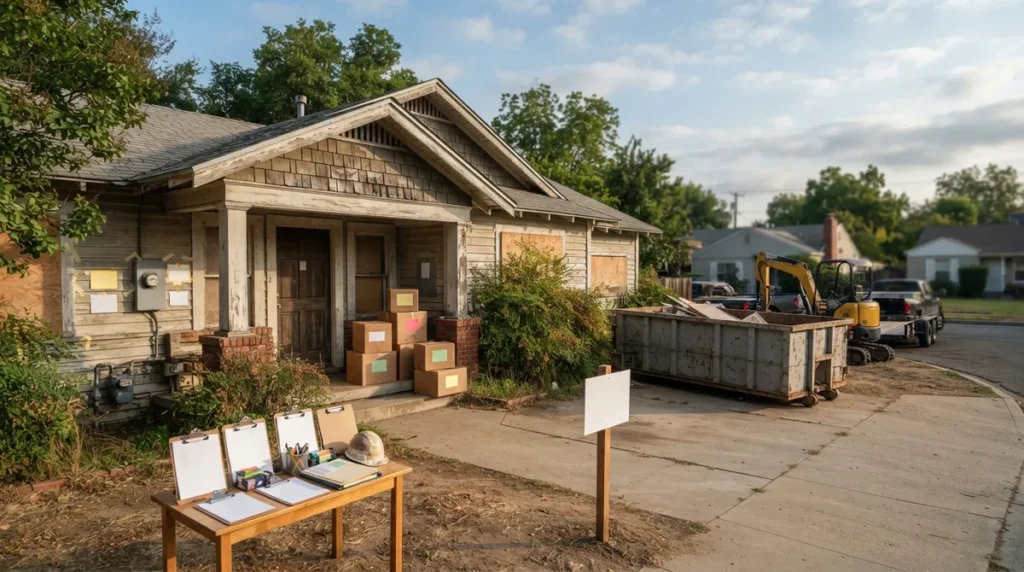
Obtain a demolition permit from your local building department weeks before the planned demo date, as this is legally required and permit timelines vary significantly.
-
Schedule a pre-demolition inspection to identify asbestos, lead paint, mold, structural weaknesses, and pest infestations before any work begins to ensure worker safety.
-
Disconnect all utilities (electricity, natural gas, water, sewer, cable) through proper channels and get written confirmation before demolition starts to prevent dangerous accidents.
-
Remove all personal belongings, fixtures, and items you want to keep before demolition begins, as there is no access to the property once work starts.
-
Plan debris removal and hauling logistics in advance, including where materials will be sorted, which company handles hauling, and your site clearing timeline.
-
Hire a licensed, experienced demolition contractor with proper insurance, local knowledge, and full-service capabilities including hazard removal, hauling, and site grading.
So, you’re ready to knock down a house. Maybe it’s a tired old property in Las Vegas that’s seen better days. Maybe you’re a builder eyeing a fresh lot in Clark County. Whatever brought you here, we’re glad you stopped by. Tearing down a house is exciting, but it’s not something you want to rush into without a plan. There are permits to grab, hazards to check, and utilities to shut off before that excavator ever shows up.
The good news? You don’t have to figure this out alone. Knowing what to do before demolishing a house can save you time, money, and a whole lot of headaches. At 702 Demo, we’ve guided countless homeowners, builders, and developers through this exact process across Clark and Nye counties. In this friendly guide, we’ll walk you through the 10 must-do steps before demolition day arrives. Let’s get you ready to break ground the smart way.
Why Preparation Matters Before Demolishing a House
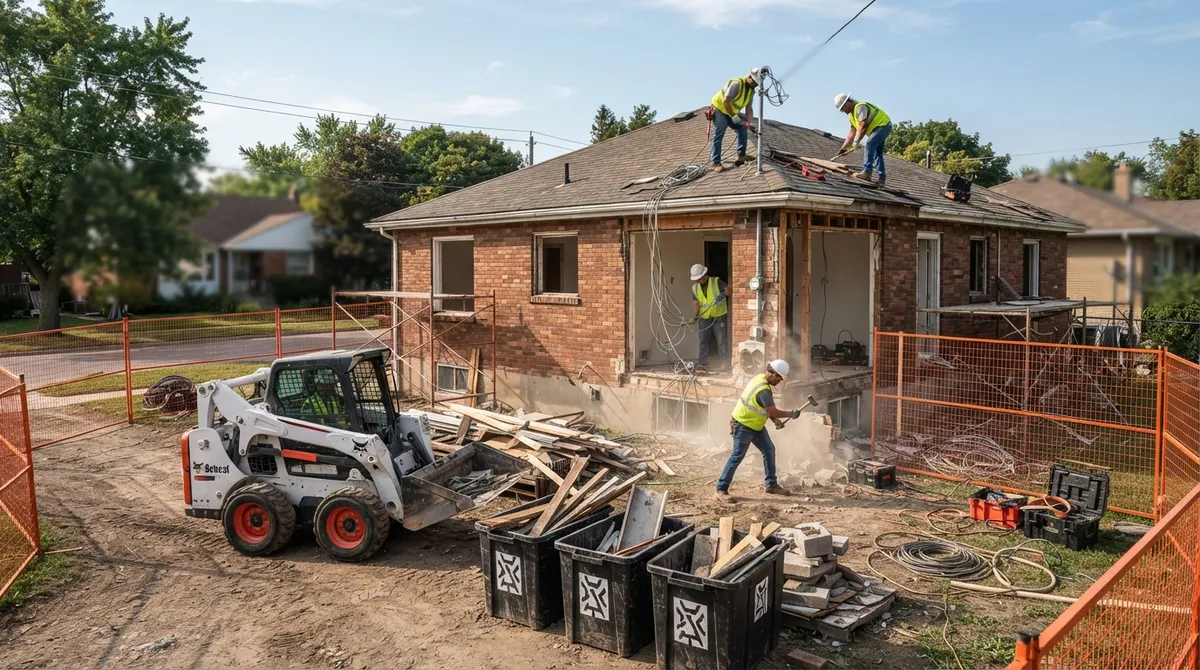
Skipping steps before demolition can lead to fines, delays, or even safety risks. A little planning up front makes the entire project smoother. Think of it like packing for a road trip. You wouldn’t leave without checking your gas tank or map, right? Demolition works the same way.
Whether you’re a homeowner planning a rebuild or a developer prepping a commercial site, these steps apply to you. Let’s break down exactly what needs to happen before the wrecking ball swings.
1. Get Your Demolition Permit Sorted First
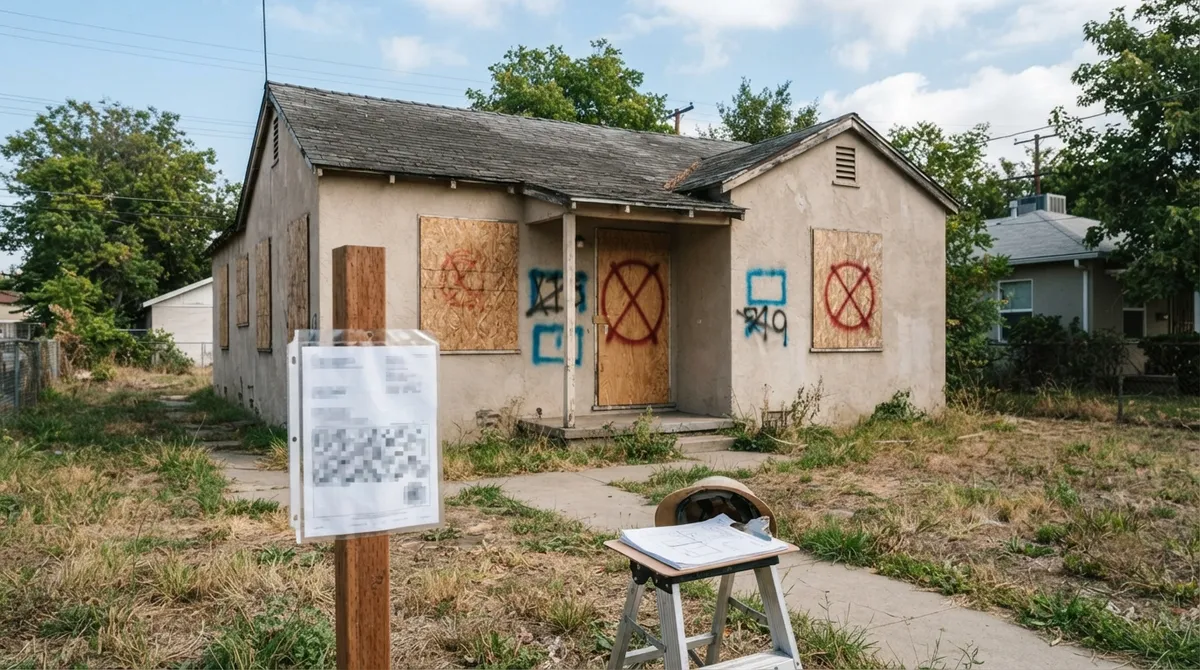
You cannot legally demolish a house without a permit. This is true almost everywhere, including Clark and Nye counties. Permits confirm your project meets local safety codes and zoning rules.
Reach out to your local building department early. The Clark County Building Department can walk you through requirements for your specific property. If you’re in the city itself, check the Las Vegas demolition permit guidelines for exact paperwork needed.
Permit timelines vary, so start this step weeks before your planned demo date. Waiting until the last minute is one of the biggest mistakes property owners make.
2. Schedule a Pre-Demolition Inspection
Before anyone touches that house, it needs a thorough look-over. A pre-demolition inspection checks for structural issues and hidden dangers. This step protects your crew and keeps your project on schedule.
Inspectors typically look for:
- Asbestos in insulation, flooring, or roofing materials
- Lead paint on walls, trim, or old pipes
- Mold growth in damp areas like basements
- Structural weaknesses that could collapse unexpectedly
- Pest infestations that may need treatment first
These hazards are common in older homes across Nevada. Catching them early means safer, cleaner demolition later.
3. Handle Hazardous Materials the Right Way
If your inspection finds asbestos or lead paint, don’t panic. These materials are manageable, but they need special handling. Trained professionals must remove them following strict safety guidelines.
Never attempt to remove hazardous materials yourself. This isn’t a DIY weekend project. Improper removal can release dangerous particles into the air, putting your family or workers at risk.
A trusted contractor like 702 Demo’s building demolition team knows how to identify and safely clear these materials before the main teardown begins.
4. Disconnect All Utilities
This step is non-negotiable. Before any demolition work starts, every utility connection needs to be shut off and disconnected. This includes:
- Electricity – Contact your power company to disconnect service
- Natural gas – Have the gas company cap the line properly
- Water – Shut off and disconnect the main water line
- Sewer – Cap sewer lines to prevent contamination
- Cable and internet – Notify providers to remove equipment
Forgetting this step is dangerous. A severed gas line or live electrical wire can turn a routine demolition into an emergency. Always get written confirmation that utilities are disconnected before work begins.
5. Notify Your Neighbors
A little courtesy goes a long way. Demolition creates noise, dust, and temporary disruption. Letting your neighbors know ahead of time keeps the peace and builds goodwill.
Consider sharing:
- The planned start date and estimated duration
- Expected work hours each day
- Any street or driveway access changes
- Contact information in case of concerns
This simple step prevents complaints and keeps your project running without unnecessary interruptions.
6. Clear Out Personal Belongings and Fixtures
Before demolition, remove everything you want to keep. This includes furniture, appliances, light fixtures, and any sentimental items. Once demolition starts, there’s no going back inside.
Many homeowners also choose to salvage reusable materials like cabinets, doors, or hardwood flooring. These items can sometimes be donated or resold, reducing waste and helping your budget.
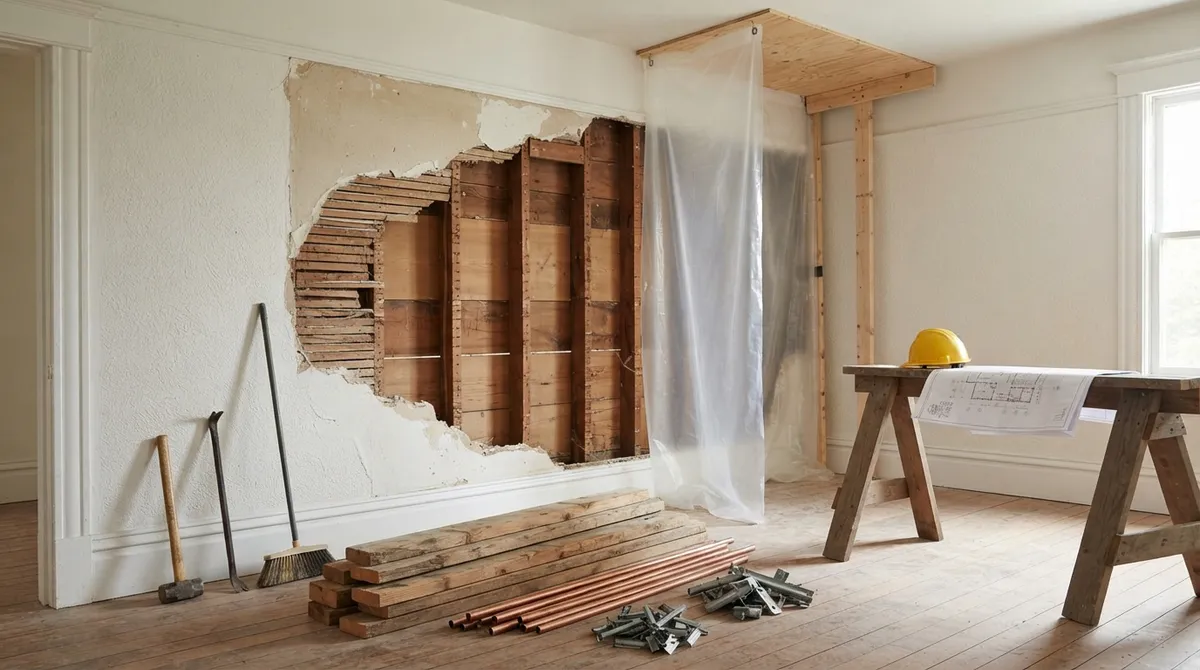
If you’re tackling an interior renovation instead of a full teardown, check out these interior demolition secrets that save money for extra tips.
7. Plan for Debris Removal and Hauling
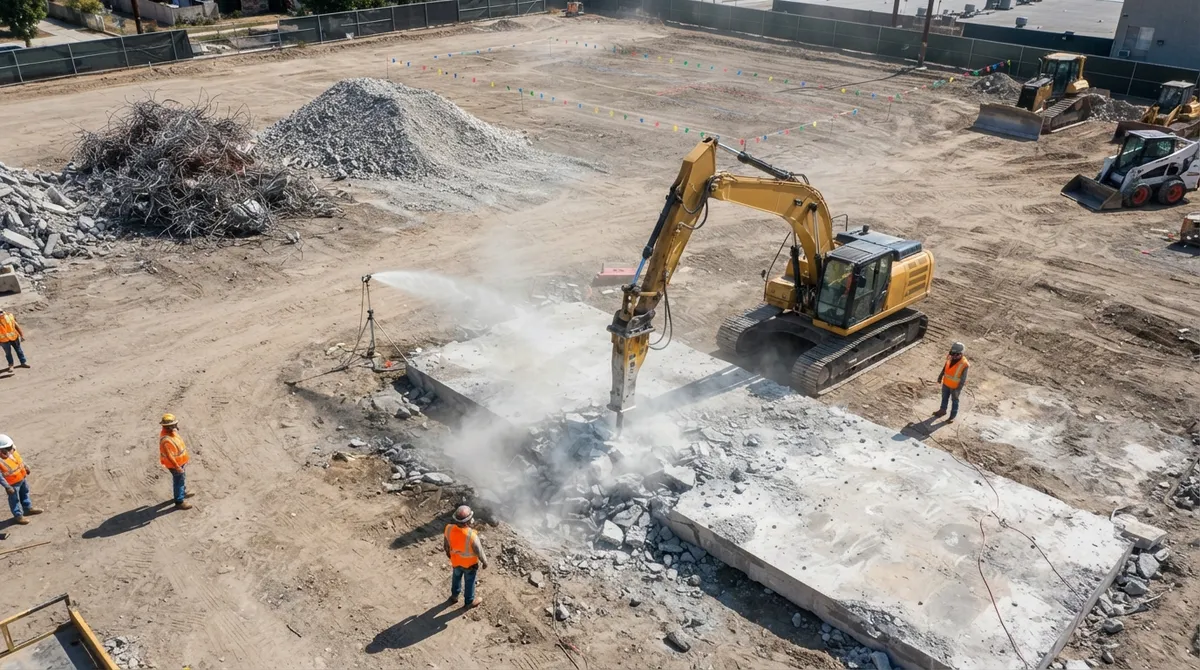
Demolished houses create a lot of debris. Wood, concrete, drywall, and metal all need proper disposal. Planning this ahead of time keeps your site clean and your project moving.
Here’s what a good debris plan should cover:
- Where debris will be sorted (recyclable vs. landfill)
- Which hauling company will handle removal
- How concrete and foundation material will be broken down
- Timeline for clearing the site after demolition
Professional hauling services make this process much easier. Instead of juggling dumpsters and disposal fees yourself, an experienced crew handles it all in one smooth operation.
8. Address Concrete and Foundation Removal Separately
Many homeowners forget that the foundation and driveway need special attention. Concrete doesn’t just crumble away. It requires heavy machinery to break, remove, and haul properly.
If your property has a pool, patio, or extensive concrete work, this adds another layer of planning. Our complete guide to concrete removal breaks down exactly what to expect.
Got an old swimming pool on the property too? That’s a whole separate process. Check out our guide on pool removal and reclaiming your backyard space before demolition day.
9. Confirm Excavating and Grading Needs
Once the house is gone, what happens to the land? If you’re planning to rebuild or sell the lot, proper grading matters. Uneven ground causes drainage problems and construction delays down the road.
Talk with your demolition contractor about site grading before work begins. This ensures the land is ready for the next phase, whether that’s new construction or landscaping.
Our team offers full excavating and grading services to prepare your site for whatever comes next. This step is especially important for real estate developers managing tight project timelines.
Quick Comparison: DIY vs. Professional Demolition Prep
| Task | DIY Approach | Professional Approach |
|---|---|---|
| Permit Filing | Time-consuming, easy to miss steps | Handled quickly, correctly |
| Hazard Testing | Risky without proper equipment | Certified testing and removal |
| Utility Disconnection | Coordinating multiple companies alone | Managed as part of the process |
| Debris Hauling | Multiple dumpster rentals needed | One coordinated hauling plan |
| Site Grading | Requires renting heavy equipment | Included with demolition service |
10. Hire a Licensed, Experienced Demolition Contractor
This final step ties everything together. A licensed demolition contractor knows local codes, safety standards, and the best way to handle your specific property. This isn’t a job for guesswork.
Here’s what to look for when choosing a contractor:
- Proper licensing and insurance coverage
- Experience with residential and commercial projects
- Clear communication about timelines and process
- Positive reviews from local customers
- Full-service capabilities including hauling and grading
Learn more about why a licensed demolition contractor matters for your project’s success and safety.
Who Needs to Follow These Steps?
These steps apply across the board, but the details shift depending on who you are. Homeowners in Clark and Nye counties often focus on permits and hazard checks for older properties. Commercial builders care more about tight timelines and site grading accuracy.
Renovation contractors juggling interior demo and foundation repairs need a partner who understands both. Property managers dealing with multi-family buildings often face hazardous material removal on a larger scale. And real estate developers need full-service support from teardown to site-ready land.
No matter which category fits you, the same foundation applies: plan early, inspect thoroughly, and hire pros who know the process inside and out.
Why Choose 702 Demo for Your House Demolition
We’ve spent years helping property owners across Clark and Nye counties tackle demolition projects the right way. From single-family homes to large commercial sites, our team handles permits, hazard removal, hauling, and grading all under one roof.
Curious what our customers have to say? You can visit us on Google — 702 Demo to read real reviews from Las Vegas area clients who trusted us with their projects.
We understand that every property is different. That’s why we take time to walk through each of these steps with our clients before any demolition begins. It’s part of what makes us a trusted name in Las Vegas demolition services.
Final Thoughts on Preparing for Demolition
Tearing down a house is a big step, but it doesn’t have to feel overwhelming. By following these 10 steps, you’ll avoid costly mistakes and keep your project moving smoothly from start to finish.
Remember, preparation is everything. Permits, inspections, utility shutoffs, and hazard removal all set the stage for a safe, successful demolition. Skipping even one step can cause delays or safety risks you don’t want to deal with.
Ready to get started? Our team is here to make the process easy and stress-free. Contact 702 Demo for a free estimate and let’s talk about your project today. Whether you’re clearing land for a new build or finally tearing down that old property, we’re ready to help you every step of the way.