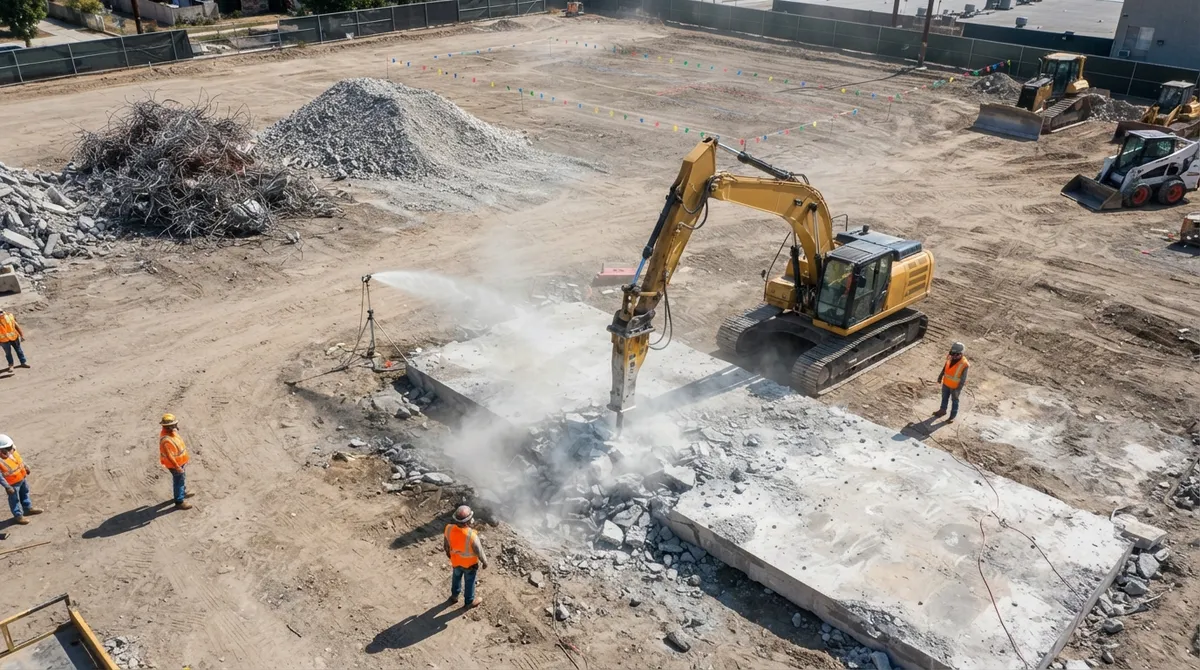
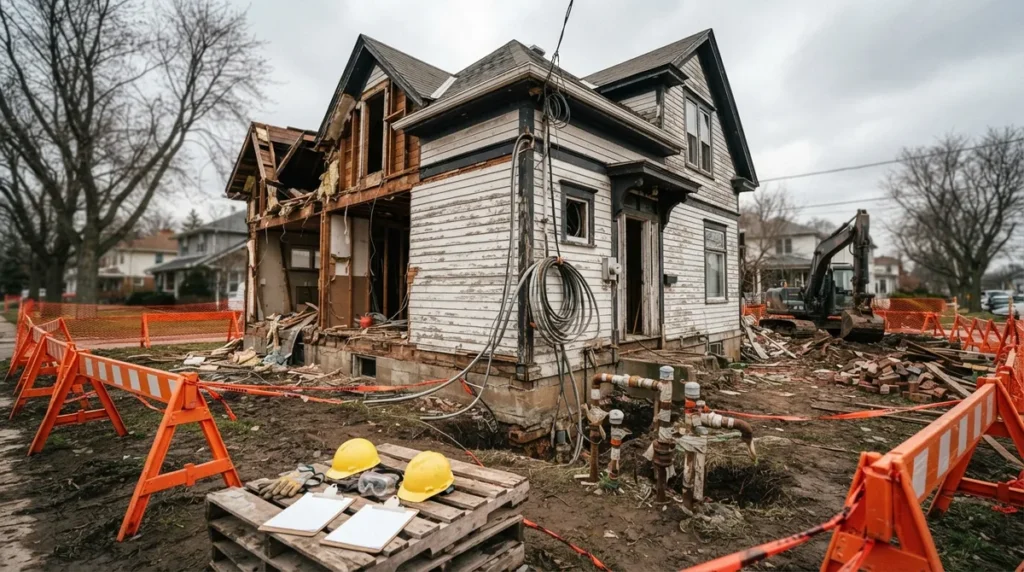
Key Takeaways
-
You must obtain a standard demolition permit before tearing down a house, and many jurisdictions require separate permits for each structure on the property, including detached garages or sheds.
-
Utility disconnection approvals for water, sewer, gas, and electric lines must be completed and documented before any demolition permit is approved, as live utilities pose serious safety risks during demolition.
-
Homes built before the 1980s typically require an asbestos inspection before permit approval; if asbestos is found, certified abatement must occur before demolition can begin.
-
Permit approval timelines vary from 1-3 weeks for standard residential demolitions to several additional weeks for projects requiring asbestos abatement, historic district review, or environmental approvals.
Thinking about tearing down a house in Clark or Nye County? That’s exciting! Maybe you’re clearing land for a dream home, or a renovation contractor prepping a lot for new construction. But before any excavator touches that structure, you need the right paperwork. Skipping permits can lead to fines, stop-work orders, and headaches nobody wants.
Here’s the good news: getting permits doesn’t have to be confusing. We’re breaking down exactly what permits you need to demolish a house, in plain, friendly language. Whether you’re a homeowner in Henderson or a developer planning a big project near Pahrump, this guide has you covered. Let’s dig in together.
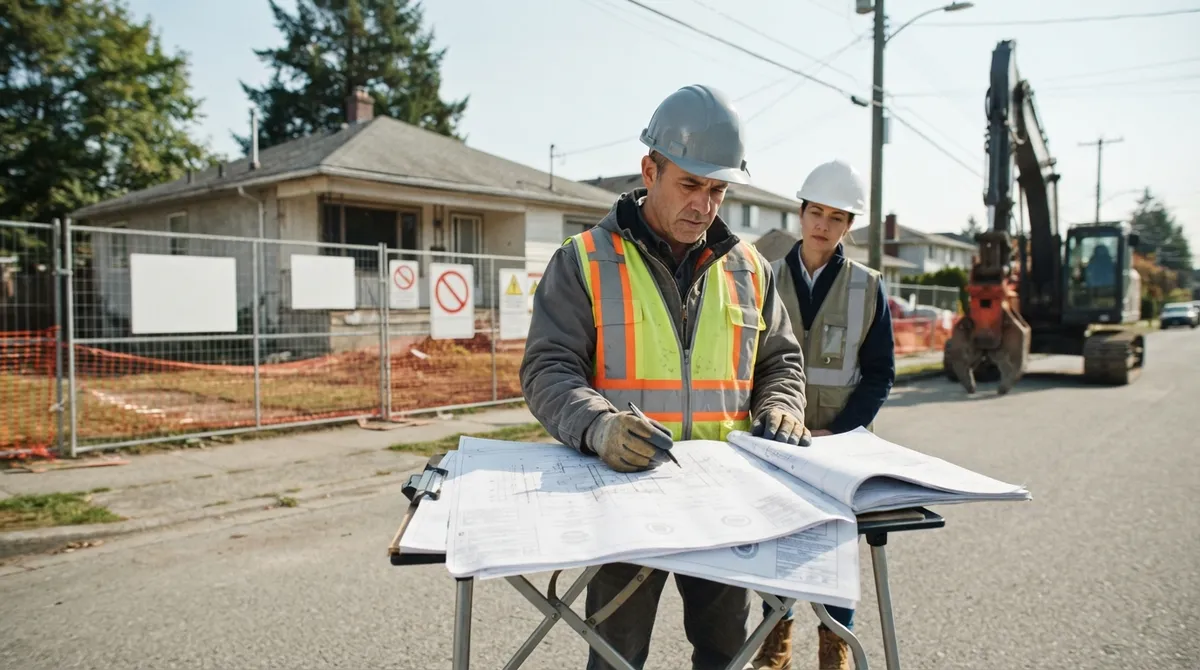
Why Permits Matter Before Any House Comes Down
Permits aren’t just red tape. They protect you, your neighbors, and the environment. Cities and counties want to make sure demolition happens safely and doesn’t harm nearby homes or utilities.
Without the right permits, you risk legal trouble and costly delays. Many local governments require a separate application for each structure being torn down, according to standard city building department practices. That means your main house and your detached garage might each need their own permit.
The team at 702 Demo has helped countless homeowners and builders across Clark and Nye counties navigate this process smoothly. Knowing the rules upfront saves time and money later.
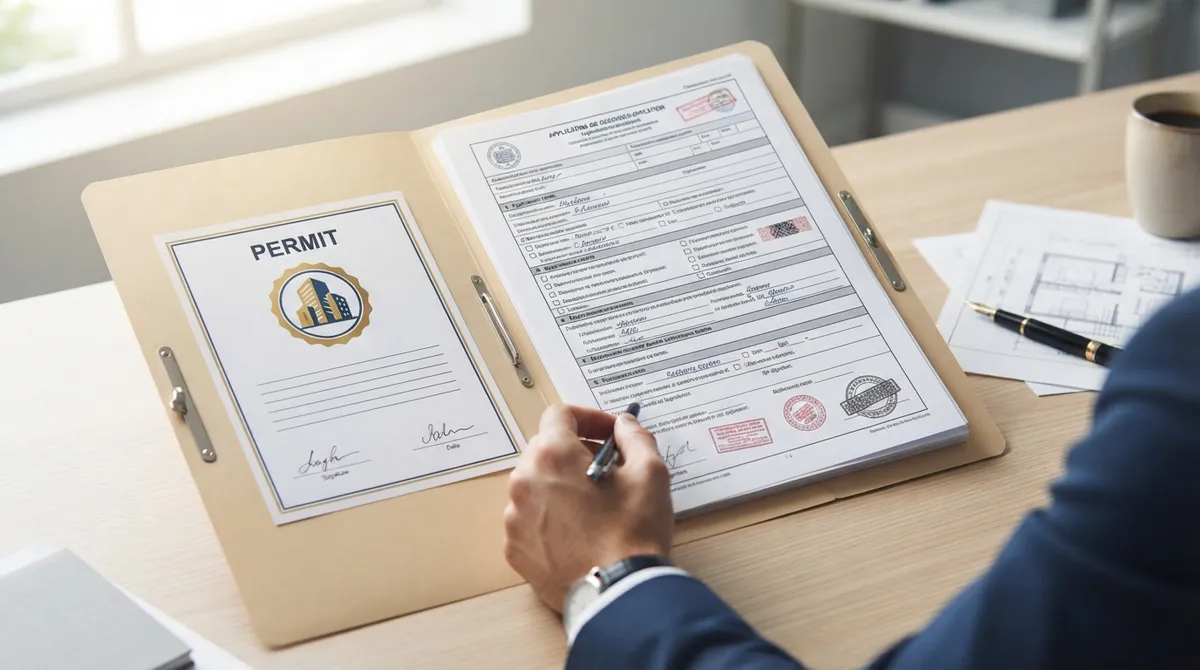
1. The Standard Demolition Permit
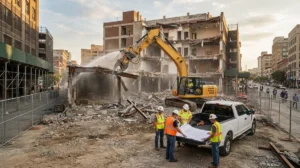
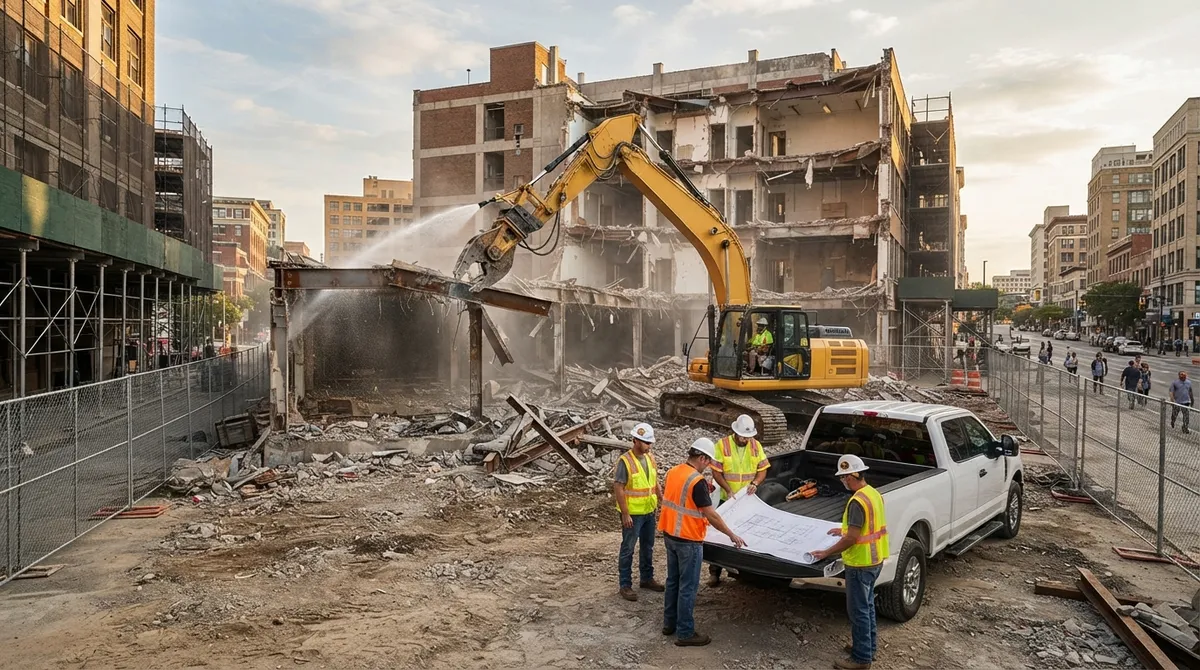
This is the big one. A demolition permit is usually required before you tear down an entire house or remove most of the structure above ground.
Local building departments issue this permit after reviewing your plans. They check things like:
- The size and type of the structure being removed
- Whether utilities have been disconnected
- If the property sits in a flood zone or historic area
- Your contractor’s license and insurance status
Cities like Chicago require a demolition permit for tearing down an entire building, and they require a separate application for each structure on the property. Nevada follows similar logic. You can review the Las Vegas demolition permit guidelines to understand exactly what’s expected in our area.
What Happens If You Skip This Permit
Demolishing without a permit can result in stop-work orders, fines, and even forced reconstruction in rare cases. It’s simply not worth the risk. A licensed contractor like 702 Demo will always pull the correct permits before starting work, so you never have to worry.
2. Partial Demolition or Alteration Permits
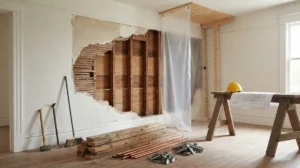
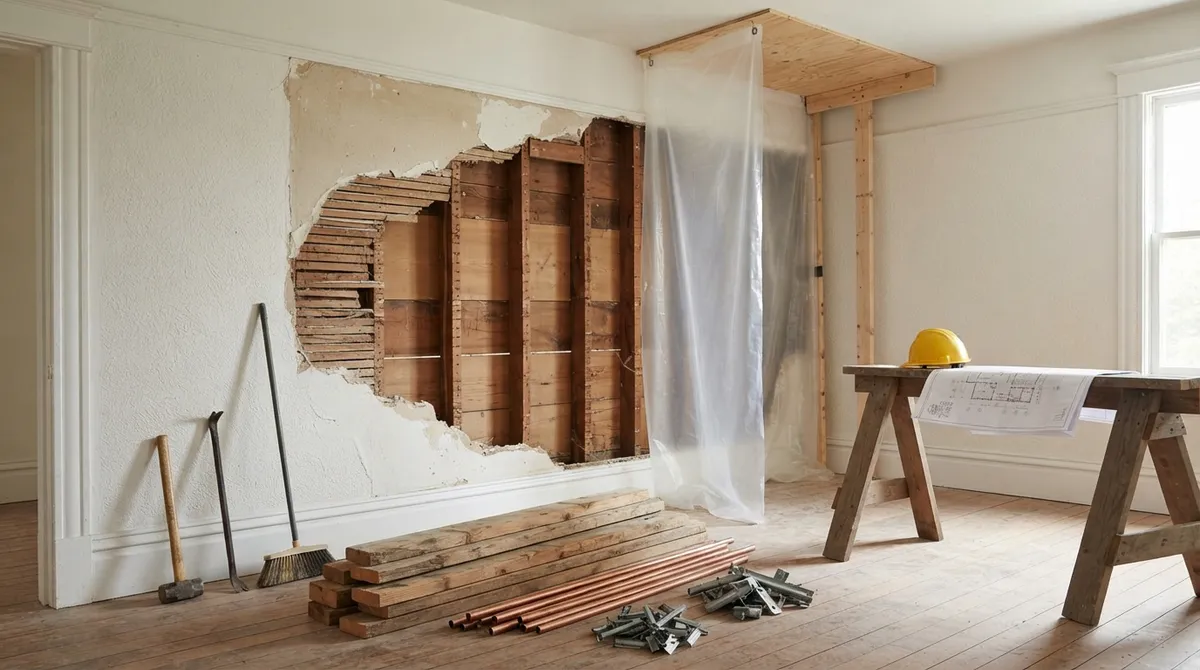
Not every project means knocking down the whole house. Maybe you’re only removing an interior wall or gutting a kitchen for renovation.
In these cases, some cities treat the work differently. Philadelphia, for example, offers an EZ permit or standard building permit review for interior non-bearing wall removal, instead of requiring a full demolition permit. This matters a lot for renovation contractors working on remodels.
If your project involves:
- Removing non-structural interior walls
- Gutting a bathroom or kitchen
- Taking out flooring or ceilings without touching the frame
You may only need a building or alteration permit rather than a full demo permit. Our interior demolition team can help you figure out exactly which permit fits your project.
3. Utility Disconnection Approvals
Before any demolition permit gets approved, most jurisdictions require proof that utilities have been safely disconnected. This includes:
- Water shutoff confirmation from the water district
- Sewer line capping approval
- Gas line disconnection documentation
- Electric service release from the power company
Skipping this step is dangerous. Live gas or electric lines during demolition can cause serious accidents. This is one reason why hiring an experienced demolition crew matters so much. 702 Demo coordinates utility disconnections as part of every project, so nothing gets missed.
4. Asbestos Inspection and Notification
Older homes, especially those built before the 1980s, often contain asbestos in insulation, flooring, or roofing materials. Many jurisdictions require an asbestos inspection before issuing a demolition permit.
If asbestos is found, you’ll likely need:
- A licensed asbestos survey
- Proper notification to environmental agencies
- Certified abatement before demolition begins
This step protects workers, neighbors, and the environment from harmful fibers. It’s a critical part of planning, especially for property managers overseeing older multi-family buildings. Learn more about how our team handles hazardous conditions on our building demolition service page.
5. Historic District and Environmental Approvals
If your house sits in a designated historic district, or the property has historic protection status, you may need extra approval before demolition. Preservation boards often review these requests carefully.
Beyond historic status, some projects also need:
- Stormwater management approval
- Grading permits if land will be disturbed
- Environmental review for site safety
These extra steps take time, so it’s smart to start early. The Clark County Building Department can confirm whether your property falls under any special protections.
Permit Requirements by Location: A Quick Comparison
Permit rules vary widely depending on where you live. Here’s a simple breakdown showing how different cities handle demolition permits, which helps illustrate why local knowledge matters so much.
| City | Full Demo Permit Required? | Separate Permit Per Structure? | Partial Demo Exception? |
|---|---|---|---|
| Chicago | Yes, for entire building | Yes | No |
| Philadelphia | Yes, “Complete Demolition Permit” | Yes | Yes, EZ permit option |
| Portland | Yes, if original structure was permitted | Yes | No |
| Houston | Yes, residential or commercial | Yes | No |
| Seattle | Yes, with small accessory exemptions | Mostly yes | Yes, for small accessory buildings |
Nevada jurisdictions follow similar patterns, requiring permits for full house demolitions and often treating each structure separately. Always check with local officials before starting work.
Steps to Get Your Demolition Permit Approved
Getting a permit approved doesn’t have to feel overwhelming. Here’s a simple step-by-step process that works well for most projects:
- Hire a licensed demolition contractor familiar with local rules
- Submit your application with property details and site plans
- Arrange utility disconnection and get written confirmation
- Complete any required asbestos inspection
- Wait for historic or environmental review, if applicable
- Receive your approved permit before work begins
- Schedule demolition once all approvals are in hand
Working with a trusted crew like 702 Demo means you don’t have to manage all these steps alone. Our team handles the paperwork, so you can focus on your next chapter, whether that’s a new build or a fresh renovation.
Common Mistakes That Delay Permit Approval
Nobody wants their project stuck in limbo. Here are mistakes we see often, and how to avoid them:
- Forgetting to disconnect utilities before applying
- Not checking if the property has historic status
- Assuming interior demolition doesn’t need any permit
- Skipping the asbestos inspection on older homes
- Applying for only one permit when multiple structures exist on the lot
Avoiding these pitfalls keeps your timeline on track. This matters especially for commercial builders and developers working against tight deadlines.
Why Local Expertise Makes a Difference
Permit rules change from city to city, and even county to county. What works in Las Vegas might differ slightly from rules in Pahrump or Henderson. That’s why local experience is so valuable.
702 Demo has spent years serving Clark and Nye counties, building relationships with local building departments and understanding exactly what each project needs. Whether you’re removing a pool, hauling debris, or planning a excavating and grading project after demolition, our team knows the process inside and out.
Real estate developers planning larger projects also benefit from working with a full-service contractor. From concrete removal to hauling services, having one trusted partner simplifies everything.
What to Expect During the Permit Timeline
Permit approval times vary based on your project and local workload. Simple residential demolitions might get approved within a couple of weeks. More complex projects, especially those needing historic review or asbestos abatement, can take longer.
Here’s a general timeline you might expect:
- Standard house demolition permit: one to three weeks
- Asbestos inspection and clearance: additional one to two weeks
- Historic district review: can add several weeks depending on the board
- Utility disconnection confirmations: typically a few days to two weeks
Planning ahead helps you avoid surprises. If you’re a property manager juggling multiple buildings, start the permit process as early as possible.
How 702 Demo Makes the Process Easier
We know permits can feel like a maze. That’s why our team walks you through every step, from initial inspection to final debris haul-away. We handle the paperwork, coordinate utility shutoffs, and ensure your project meets every local requirement.
Don’t just take our word for it. Visit us on Google — 702 Demo to see what our happy customers across Clark and Nye counties have to say. We’re proud to be a trusted name in demolition, excavating, and site development throughout southern Nevada.
Your Next Step Toward a Smooth Demolition
Understanding what permits you need to demolish a house doesn’t have to be stressful. With the right team by your side, the process becomes simple and predictable. From the initial demolition permit to utility disconnections and asbestos checks, every step protects you and your neighbors.
Ready to get started? Contact 702 Demo for a free estimate and let our experienced crew guide you through every permit and every step of your demolition project. We’re here to make your house demolition safe, smooth, and stress-free.
FAQs
Q: Do I need a permit to demolish a house?
A: Yes, almost every city and county requires a demolition permit before you tear down a house. It’s a simple step that keeps your project safe and legal, and our team can help you get it sorted quickly.
Q: What permits are required before house demolition?
A: You’ll typically need a demolition permit, utility disconnection approvals, and sometimes an asbestos inspection or historic district clearance. The exact list depends on your property, but 702 Demo can walk you through each one.
Q: Do I need separate permits for utility disconnection before demolition?
A: Yes, most jurisdictions want written proof that water, gas, sewer, and electric lines are safely disconnected before demolition starts. This keeps everyone on site safe and avoids dangerous accidents.
Q: Is an asbestos inspection required before demolishing a house?
A: Often, yes, especially for homes built before the 1980s. If asbestos is found, certified abatement is required before demolition can move forward, and we’re happy to help coordinate this step for you.
Q: Can I demolish a house without a permit?
A: We really don’t recommend it. Demolishing without a permit can lead to fines, stop-work orders, and legal trouble. It’s always better to get the paperwork right from the start, and our team makes that process easy.