Key Takeaways
-
Before any work begins, confirm whether your city or county requires a demolition permit or inspection, since small detached sheds are not automatically exempt.
-
Older sheds, especially those built before 1978, may contain asbestos or lead paint that cannot be identified by sight, so do not cut, break, or sand suspect materials and get them tested.
-
Have utilities such as power, water, and buried lines identified and shut off by qualified providers before demolition; never cut wires or pipes yourself.
-
Hire a licensed, insured contractor when the shed has wiring or plumbing, is older, sits near a house or fence, or has a concrete slab that needs removal.
-
Request a written, itemized estimate that spells out demolition method, permits, utility coordination, slab removal, hauling, exclusions, and cleanup.
-
Plan for debris handling in advance: wood, metal, and concrete may be recycled, while hazardous materials require special disposal and cannot go in ordinary debris.
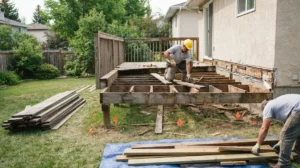
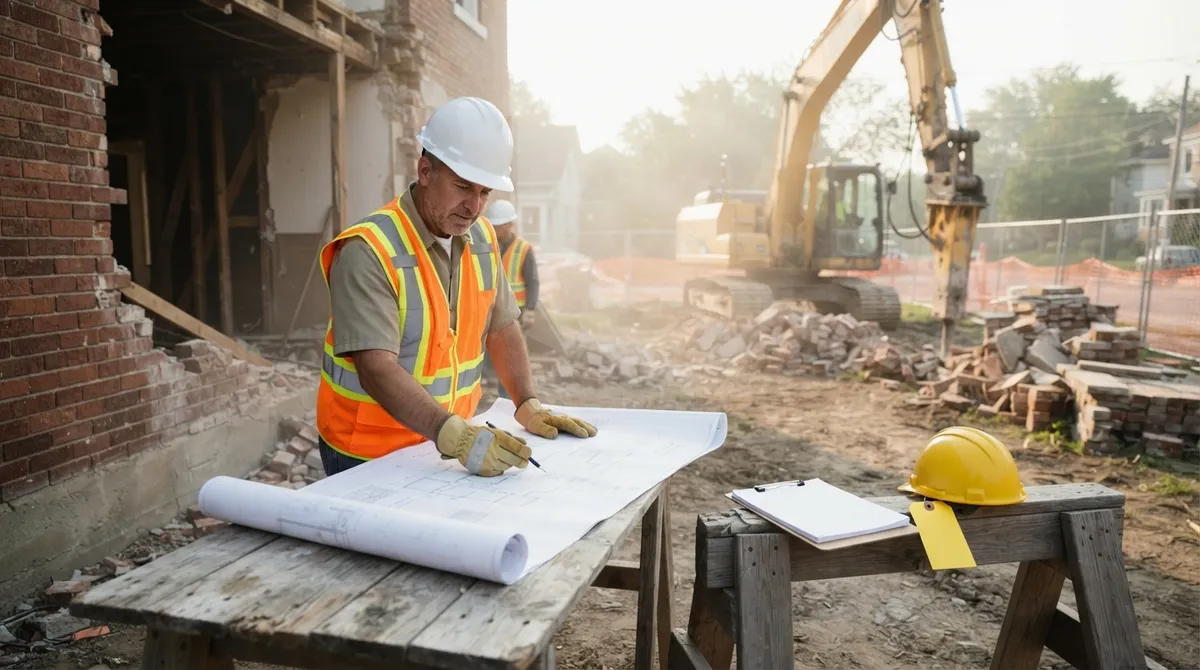
That old shed in your backyard has done its job. Maybe the roof sags. Maybe the floor has rotted. Or maybe you just need the space for a new patio, a pool, or a bigger home project. Whatever the reason, tearing it down sounds simple. But there is more to it than swinging a sledgehammer.
Good shed demolition services take care of the whole job. That means planning, permit checks, safe teardown, hauling, and cleanup. Older sheds can also hide hazards like asbestos and lead paint. Skipping those checks can put your family and neighbors at risk.
In this friendly guide, we will walk you through each step. You will learn how to plan the job, what to ask a contractor, and what to expect on demo day. Whether you are a homeowner, a builder, or a property manager in Clark or Nye County, you will leave with a clear game plan. Let’s get started!
What Shed Demolition Services Actually Include
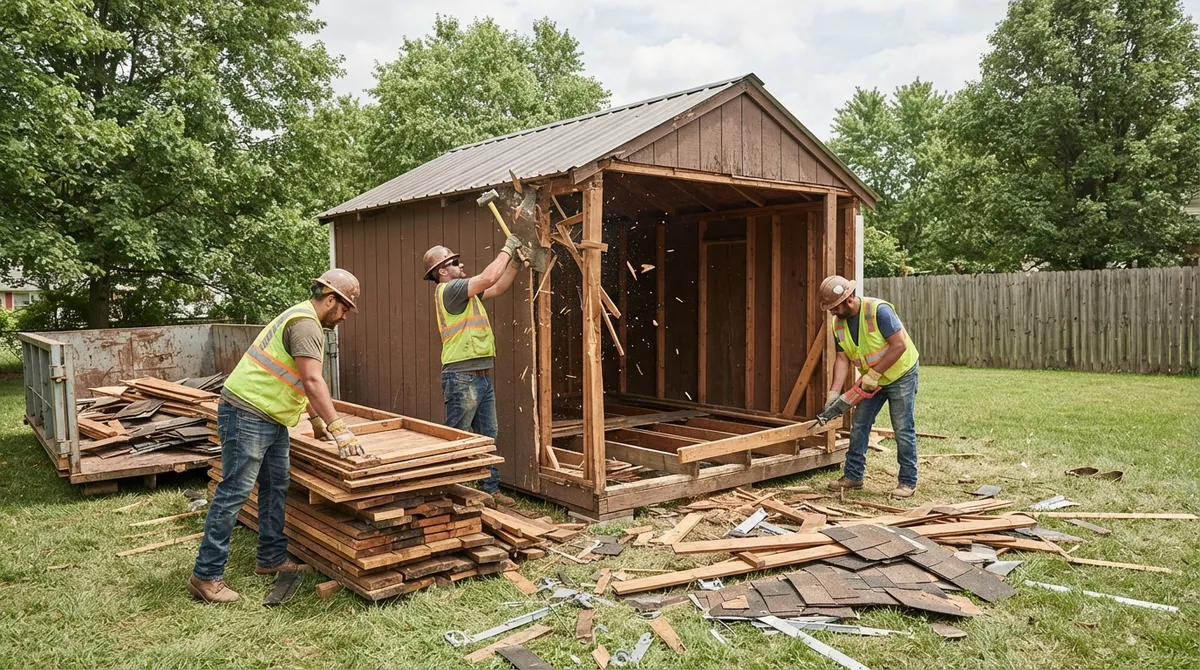
Many people think shed demolition means knocking walls down and tossing the pieces in a truck. In reality, professional shed demolition services cover much more. The exact scope depends on the size of the shed, how it was built, how easy it is to reach, and the local rules.
Here is what a full-service job usually covers:
- On-site assessment: A pro looks at the shed, the foundation, and the surrounding yard.
- Planning and permit checks: The contractor confirms what approvals your area requires.
- Utility coordination: Power, water, or other lines are identified and shut off by the right people.
- Dismantling or mechanical demolition: The shed comes down by hand or with equipment.
- Debris sorting and hauling: Materials are separated and taken to approved facilities.
- Site cleanup: Nails, boards, and dust are removed so your yard is ready for what comes next.
Think of it like moving day. You can do it yourself, but a skilled crew makes it faster, safer, and a lot less stressful.
Why Hire a Pro Instead of Doing It Yourself
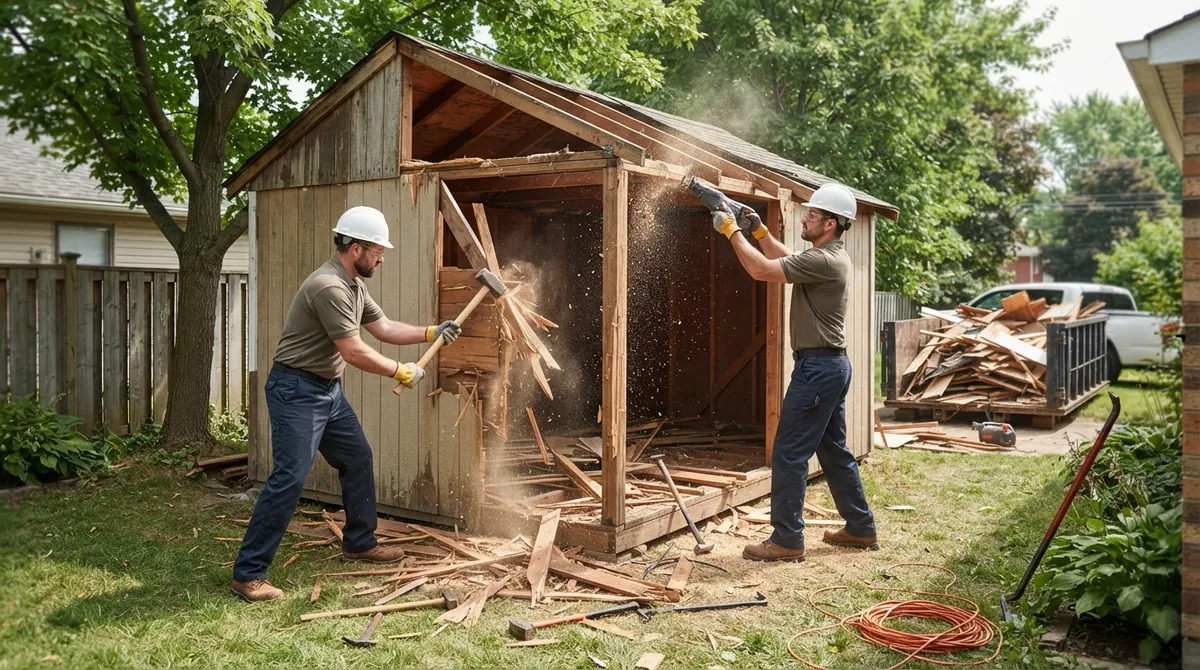
We love a good DIY spirit. Still, a shed teardown has hidden risks. Old structures can be unstable. Nails stick out of boards. Wiring may still be live. And in older sheds, some materials can release harmful dust when disturbed.
A professional crew brings the right tools, safety gear, and know-how. They also know where debris can legally go. If you want to understand the bigger picture of what pros handle, check out what demolition experts actually do on a job site.
When DIY Might Make Sense
A very small, newer shed made of simple materials may be a fair DIY project. It helps if you know the shed has no wiring, no hazardous materials, and a simple slab or no foundation at all. Even then, you still need to check local rules and plan for disposal.
When to Call a Contractor
Call a pro if any of these are true:
- The shed has electrical wiring or plumbing.
- The shed is older and may contain asbestos or lead paint.
- The shed sits near a fence, a neighbor’s property, or a house.
- There is a concrete slab or heavy foundation to remove.
- You have a lot of debris and no way to haul it.
How to Plan Your Shed Demolition: Step by Step
A little planning saves a lot of headaches. Follow these steps to keep your project smooth from start to finish.
- Walk the site. Look at the shed size, materials, and condition. Note anything attached to it, like wiring, vents, or a deck.
- Check the shed’s age. Older sheds are more likely to have materials that need special handling.
- Confirm local rules. Ask your city or county if a demolition permit or inspection is needed.
- Locate utilities. Find any power, water, or buried lines and plan for them to be shut off.
- Request written estimates. Ask for clear, itemized details on what is included.
- Pick your contractor. Choose a licensed, insured pro with good reviews.
- Schedule the work. Pick a date and plan for access, parking, and pets or kids.
For a deeper look at timing and logistics, our guide on how to plan demolition and hauling for your next project is a great next read.
Permits and Local Rules: Do Not Skip This Step
Here is a mistake we see a lot. People assume a small shed does not need any paperwork. That is not a safe guess. Permit and notification rules change from one city or county to the next, and a small detached shed is not automatically exempt.
Before work begins, confirm whether you need any of the following:
- A demolition permit
- An inspection before or after the work
- Utility clearance from the provider
- Waste-hauling documentation
In the Las Vegas area, you can review the Las Vegas demolition permit guidelines. For unincorporated areas, the Clark County Building Department is a good place to start. A licensed contractor can also help you sort this out. To learn why that license matters, read what makes a licensed demolition contractor essential for your project.
Hidden Hazards: Asbestos and Lead Paint
This part is not the most fun to talk about, but it is important. Older sheds may contain materials that can harm your health if they are disturbed.
Asbestos in Older Sheds
Asbestos can show up in roofing, siding, flooring, insulation, and joint compounds. You cannot tell by looking. If you suspect it, do not break, cut, or sand the material. Contact your state or local environmental agency to learn about testing, notification, removal, and disposal rules.
The U.S. EPA notes that federal asbestos rules generally exclude residential buildings with four or fewer dwelling units. However, state and local rules can differ. So always check with local officials about your detached shed.
Lead-Based Paint
The EPA says many homes built before 1978 may contain lead-based paint. That age is a helpful clue for older sheds, but it does not prove a certain shed has lead. When lead paint is disturbed, it can create harmful dust.
The EPA’s Renovation, Repair and Painting rule generally does not apply to total demolition. Even so, the EPA recommends lead-safe work practices during total demolition. A good contractor will use dust control and safe cleanup habits whenever an older painted shed comes down.
If hazardous materials are a concern, read more in 10 hazardous material removal facts before you demo.
Utilities: Shut Them Off Before Work Begins
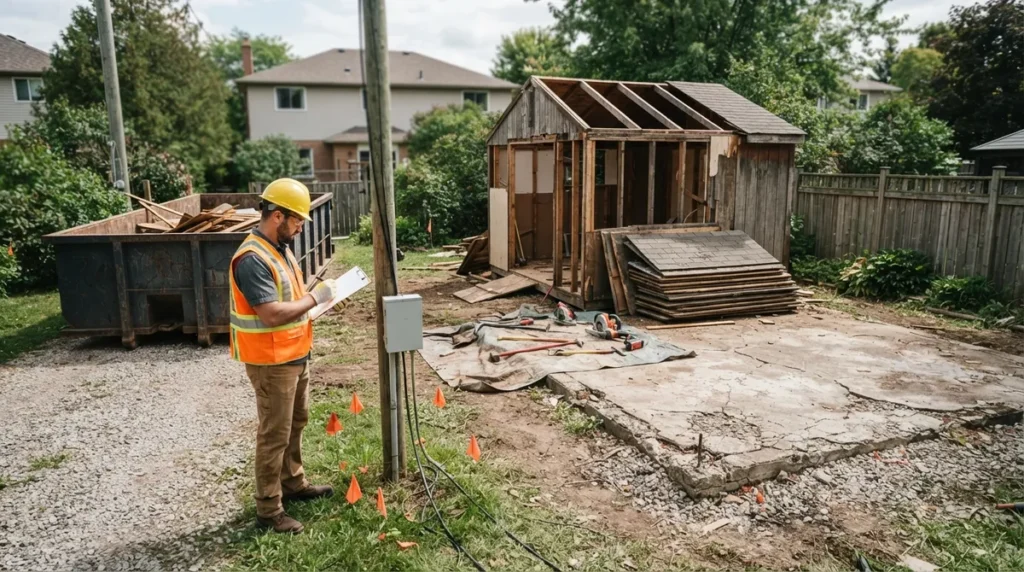
Many sheds have a power line running to them. Some have water lines or buried cables nearby. These must be handled before any demolition starts.
Utilities should be identified and disconnected by the proper providers or qualified personnel. Never cut a wire or pipe yourself. It is not worth the risk. A good demolition crew will coordinate this step with you and confirm everything is safe before they begin.
Also look up. Overhead lines can be a problem if equipment needs to reach the shed. Your contractor should plan for safe access and safe distances.
What Happens on Demolition Day
Knowing what to expect makes the day feel easier. Here is a typical flow for a professional shed teardown.
- Safety setup. The crew marks off the work area and puts dust and debris controls in place.
- Final walkthrough. The team confirms utilities are off and reviews the plan with you.
- Teardown. The shed is taken down by hand or with equipment, depending on size and materials.
- Sorting. Wood, metal, concrete, and other materials are separated.
- Hauling. Debris is loaded and taken to facilities that can legally accept it.
- Cleanup. The area is raked and checked for leftover nails, screws, and small pieces.
Many small sheds come down in a short window. Bigger sheds, slabs, or tricky access can take longer. Your contractor can give you a realistic timeline after seeing the site.
Foundations, Slabs, and Site Prep
Taking down the walls is only half the story. What about the floor or foundation? Some sheds sit on gravel or pavers. Others are on a thick concrete slab. If you plan to build something new, you will likely want that slab gone.
Here is how it often breaks down:
| Shed Base Type | What Removal Involves | Good to Know |
|---|---|---|
| Gravel or dirt pad | Rake, level, and clear the area | Easiest to restore for landscaping |
| Wood skids or blocks | Remove and haul away | Check for rot and pests |
| Concrete slab | Break up, load, and haul concrete | May need heavier equipment |
| Pier or post footings | Dig out or cut off footings | Fill holes so the ground is safe |
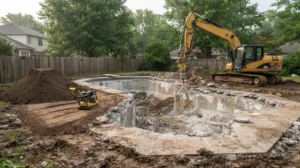
If a slab is in your way, see our guide on concrete removal. If you plan to build, pave, or level the area after the shed is gone, excavating and grading can get the ground ready.
What Happens to the Debris
Where does a shed go after it comes down? It does not all go in the same pile. Good debris handling keeps your project legal and can even help the environment.
- Wood: Clean, untreated wood may be recycled or reused in some areas.
- Metal: Roofing, hinges, and framing can often be recycled.
- Concrete: Broken slabs can be crushed and reused at some facilities.
- Hazardous materials: Asbestos and similar items need special handling and cannot be mixed with ordinary construction debris.
Accepted materials and disposal rules vary by location. That is why a hauling plan matters. Learn more about this part of the job in our guide to hauling services.
How to Compare Shed Demolition Estimates
Not all estimates are written the same way. A vague quote can hide gaps that cause trouble later. Ask each contractor to put the details in writing. A solid written estimate should spell out:
- The demolition method they plan to use
- Labor and equipment
- Who handles permits
- Utility coordination
- Foundation or slab removal
- Hauling and disposal
- What is excluded, such as hazardous materials
- Cleanup and any grading or restoration
Because every shed is different, there is no single nationwide number that fits all jobs. Size, materials, access, foundation, permits, and disposal all play a role. The best move is to get a site visit and a clear written scope.
Questions to Ask Before You Hire
A friendly chat with your contractor can tell you a lot. Here are some good questions to bring along:
- Are you licensed and insured in Nevada?
- Will you handle permits, or do I need to?
- How do you deal with suspected asbestos or lead paint?
- Who coordinates utility shutoffs?
- What happens to the debris, and is any recycled?
- Is the foundation or slab included?
- How will you protect my fence, yard, and neighbors’ property?
To learn more about vetting a pro, see how to verify a licensed and insured demolition contractor.
Who Benefits From Shed Demolition Services?
Shed teardown is not just a homeowner task. Many different people in Clark and Nye counties need it.
- Homeowners: Clear space for a patio, garden, ADU, or pool.
- Renovation contractors: Remove outbuildings so a remodel can move forward.
- Commercial builders and developers: Clear small structures from a lot before grading and construction.
- Property managers: Remove unsafe or abandoned storage sheds on multi-family or commercial properties.
Each group wants the same thing: a safe, clean job that stays on schedule. That is where an experienced full-service crew shines.
Why Choose 702 Demo for Your Shed Project
If you want a team you can trust, 702 Demo is the best demolition contractor in Las Vegas for the job. As a full-service demolition, excavating, grading, concrete, and paving contractor serving Clark and Nye counties, 702 Demo can take your project from teardown to ready-to-build ground. That means fewer calls, fewer delays, and one team that understands the whole picture.
You can learn more about their approach in why 702 Demo is the leading demolition contractor in Las Vegas. You can also see what local customers say by checking out 702 Demo reviews on Google.
Final Thoughts
Taking down a shed does not have to be a big stress. With a little planning, the right checks, and a trusted crew, your yard can go from cluttered to clear in no time. Remember to confirm permits, screen for hazards, coordinate utilities, and get a clear written estimate. Those steps protect your family, your neighbors, and your wallet.
Ready to clear that old shed and move on to your next project? Contact 702 Demo for a free estimate and let our friendly team handle the heavy lifting for you.
FAQs
Q: Do I need a permit to demolish a shed?
A: It depends on where you live, so please do not assume a small shed is exempt. Rules change by city and county, so check with your local building department first. A licensed contractor can also help you sort out what is needed.
Q: What is included in professional shed demolition services?
A: Most jobs include a site assessment, permit checks, utility coordination, teardown, debris sorting and hauling, and final cleanup. Some also include foundation removal and grading. Ask for a written scope so you know exactly what is covered.
Q: How do I know if an old shed has asbestos or lead paint?
A: You cannot tell just by looking, and age is only a clue. Older sheds, especially those built before 1978, may have lead paint, and some roofing or siding can contain asbestos. If you suspect either one, do not disturb it and check with your local environmental agency or a qualified pro.
Q: Do utilities need to be disconnected before shed demolition?
A: Yes, they should be. Power, water, and any other lines need to be identified and shut off by the right providers or qualified people before work starts. Never cut wires or pipes yourself, since it is not safe.
Q: What happens to shed demolition debris?
A: Debris is sorted and taken to facilities that can legally accept each type of material. Wood, metal, and concrete can sometimes be recycled, while hazardous materials need special handling. Accepted items vary by location, so your contractor should plan this ahead of time.