Key Takeaways
-
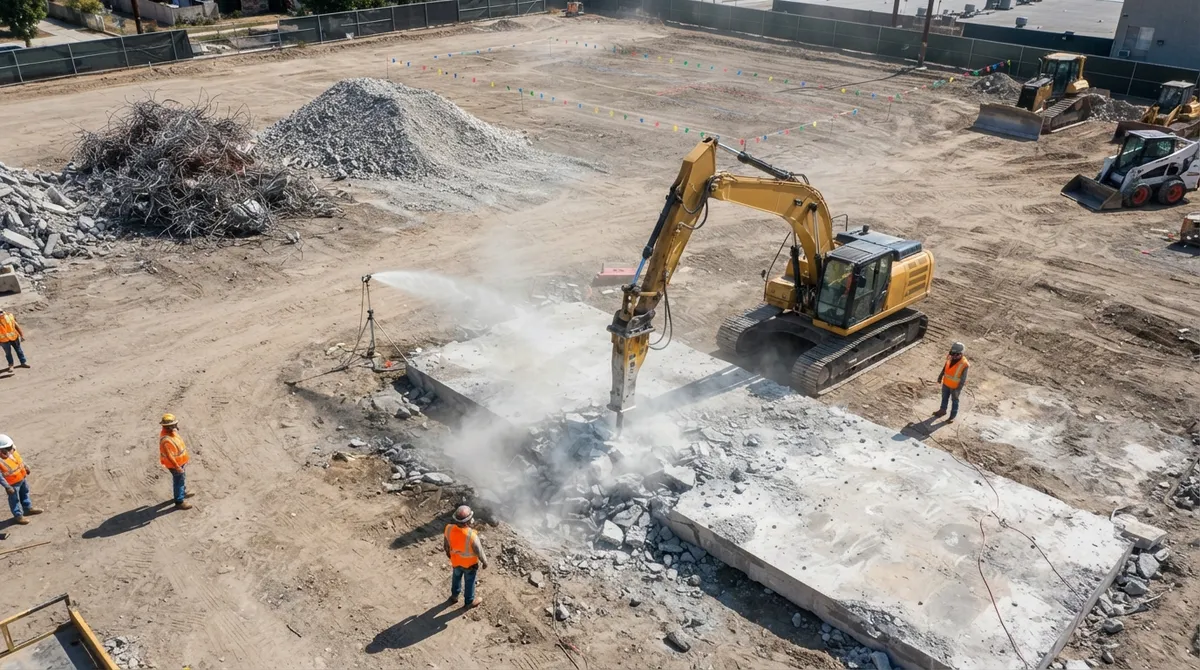
Demolition laborers handle critical hands-on tasks including structural tearing, debris removal, and site safety setup, making them the backbone of any demolition project from residential to commercial scale.
-
Physical strength, safety attention to detail, teamwork coordination, and basic tool knowledge are essential skills; most laborers learn on the job starting with simpler tasks and advancing to complex responsibilities.
-
Hiring professional licensed demolition crews with proper insurance and trained laborers protects your property and ensures compliance with local regulations like Clark County Building Department requirements.
-
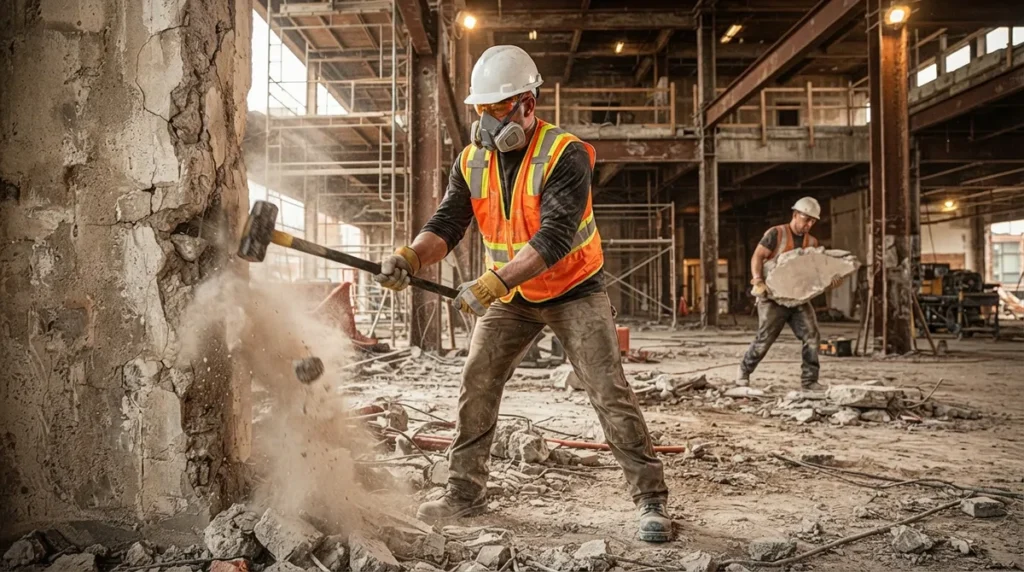
Safety equipment including hard hats, gloves, respirators, and proper hazardous material training are non-negotiable, as demolition sites present serious risks from dust, unstable structures, and heavy equipment.
Ever watched a building come down and wondered who’s actually doing the hard work behind the scenes? That’s where a demolition laborer comes in. If you’re a homeowner planning a renovation in Las Vegas, a builder managing a busy job site, or a property manager dealing with an old structure, understanding this role helps you know exactly who’s protecting your project every step of the way. Let’s break it down together, nice and simple.
A demolition laborer is the hands-on worker who helps tear down structures safely. They’re the folks doing the heavy lifting, literally. From clearing debris to setting up safety barriers, these workers keep demolition sites running smoothly and safely. At 702 Demo, our team relies on skilled laborers every single day to make sure projects across Clark and Nye counties get done right, on time, and without unnecessary risk.
What Is a Demolition Laborer, Exactly?
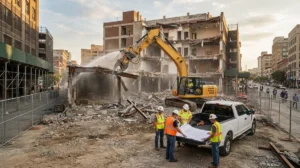
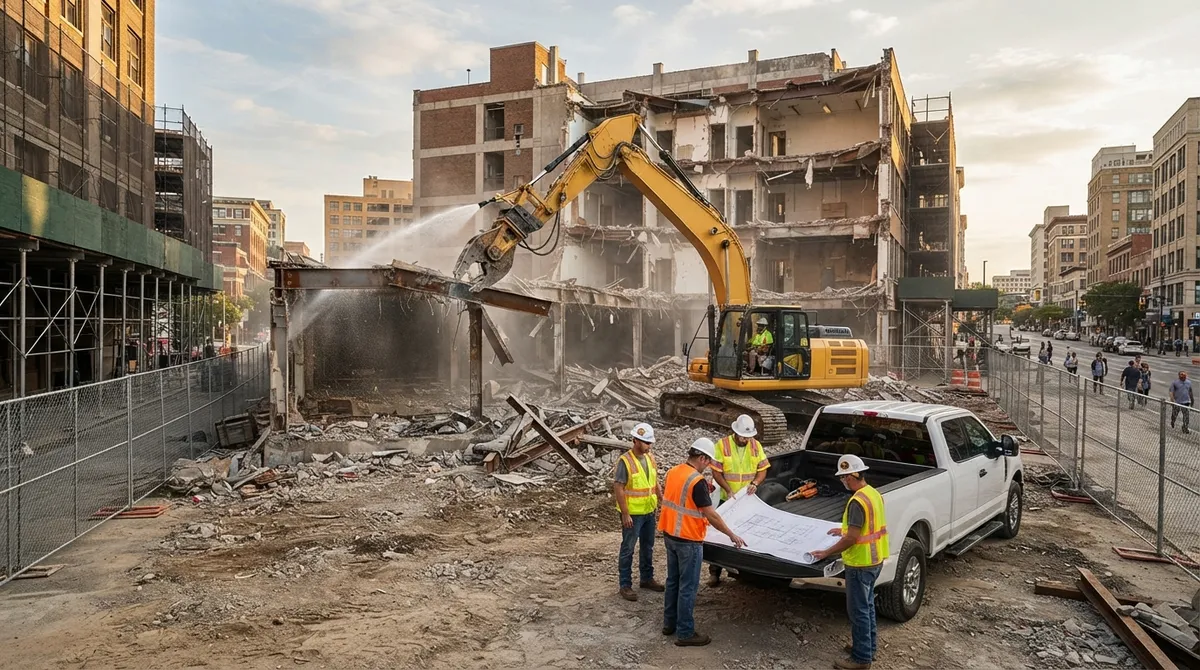
A demolition laborer is a construction worker who supports demolition crews with physical, hands-on tasks. They work alongside equipment operators and supervisors to take down buildings, walls, and other structures. Think of them as the backbone of any demolition project.
Their daily work covers a wide range of tasks. They’re not just swinging sledgehammers all day (though that does happen sometimes). Here’s what typically falls under their job:
- Tearing down structures using hand tools and power tools
- Loading and hauling away debris and building materials
- Sorting salvageable materials from waste for recycling
- Setting up barricades, fencing, and exclusion zones
- Assisting equipment operators with signaling and site prep
- Cleaning up job sites to keep them safe and organized
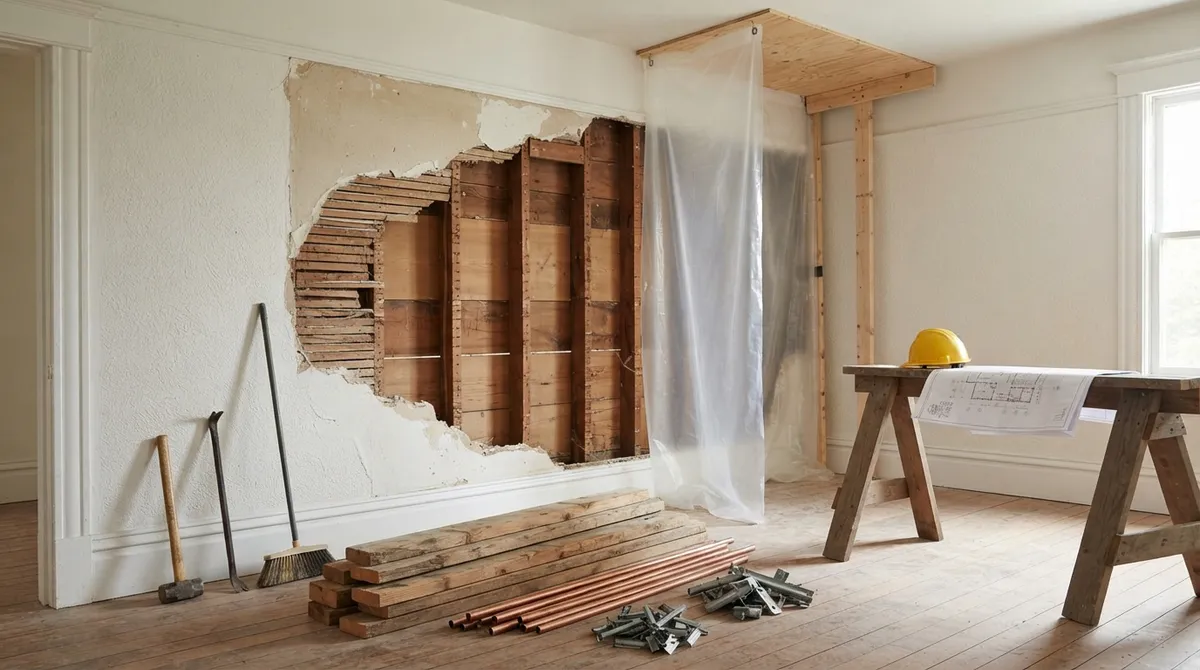
This role matters a lot for projects like building demolition and interior demolition, where careful, coordinated teamwork keeps everyone safe.
How Is a Demolition Laborer Different From a Demolition Worker?
You might hear “demolition laborer” and “demolition worker” used interchangeably. In many cases, they mean the same thing. But sometimes, the terms point to slightly different levels of experience or specialization.
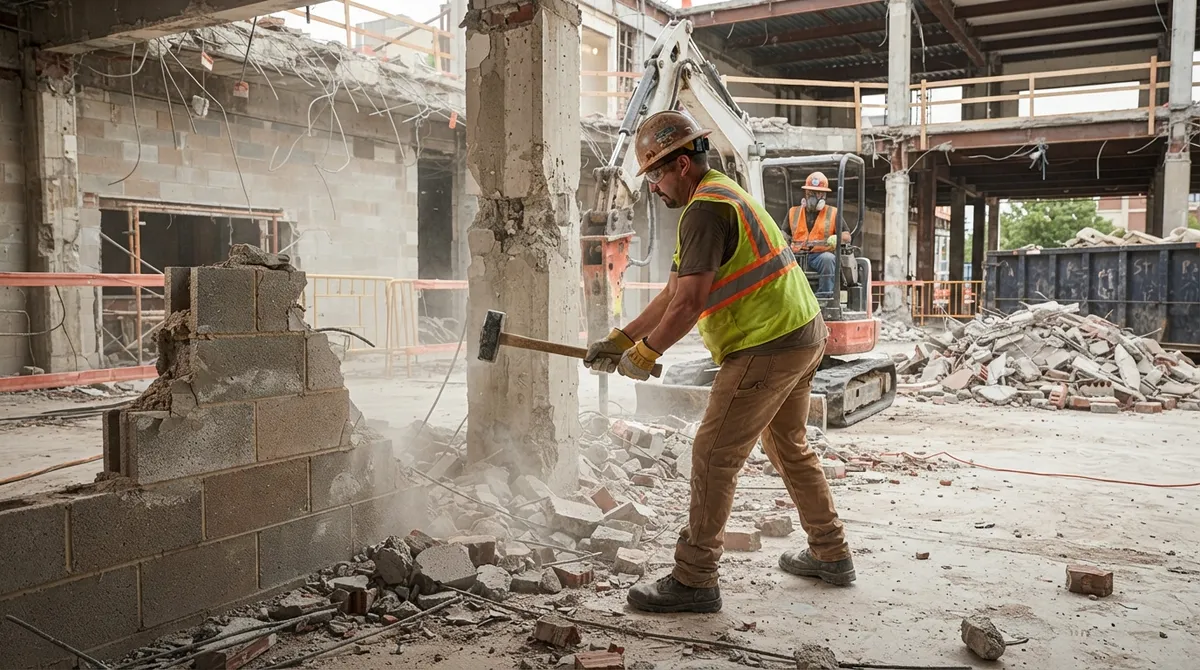
A demolition laborer usually focuses on entry-level to mid-level manual tasks. A demolition worker might have more specialized training, like operating certain equipment or handling hazardous materials. Either way, both roles work together as a team to get the job done safely and efficiently.
Key Responsibilities on a Demolition Job Site
Let’s dig deeper into what these workers actually do once they show up to a site. Every day looks a little different, but most tasks fall into a few main categories.
1. Site Preparation
Before any tearing down happens, laborers help set up the site. This means putting up barricades, scaffolding, and warning signs. It also means checking for hazards and making sure the exclusion zone keeps bystanders safe.
2. Structural Demolition
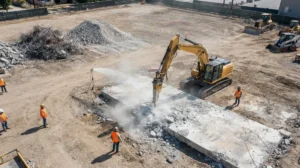
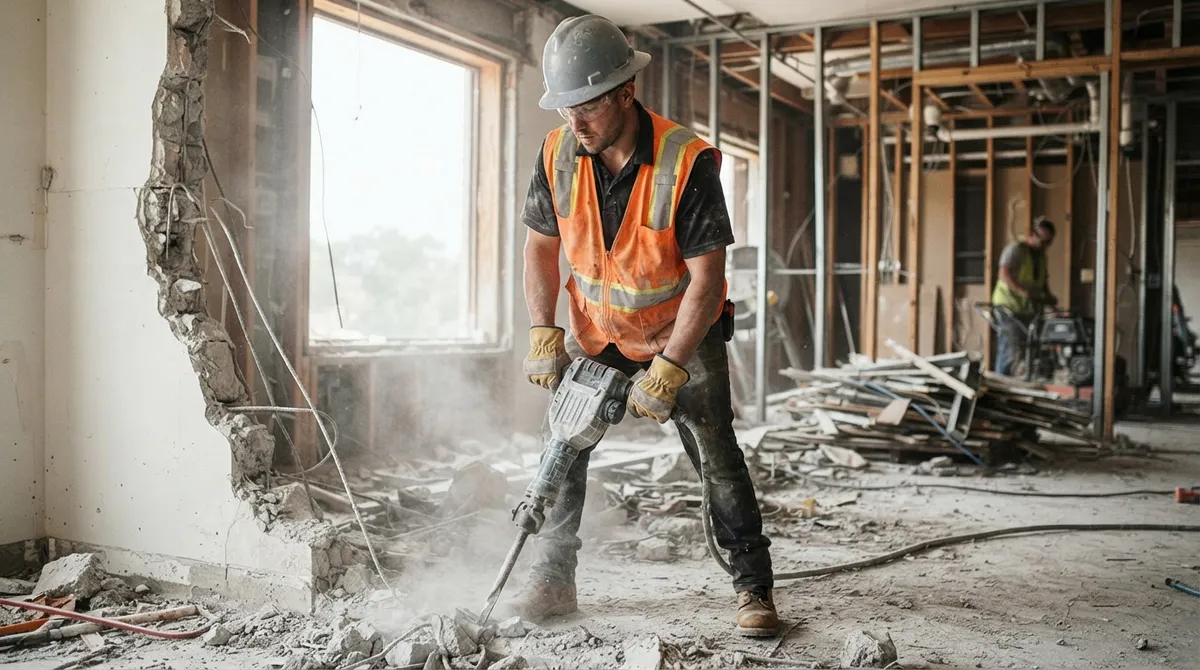
This is the part most people picture: breaking down walls, floors, and other structures. Laborers use jackhammers, saws, and grinders to get the job done. They also assist heavy equipment operators during larger tear-downs.
3. Debris Removal and Sorting
Once materials come down, someone has to move them. Laborers load, haul, and sort debris. Some materials get recycled, while others head to disposal. This step supports services like hauling services that keep sites clean and clear.
4. Selective Demolition Support
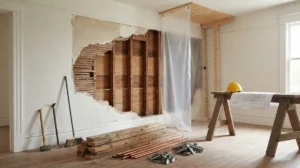
Not every job means tearing down an entire building. Sometimes crews work inside occupied spaces, carefully removing only certain sections. Laborers help protect the areas that need to stay intact while safely removing the rest.
Common Tools and Equipment Used
Demolition laborers rely on a mix of hand tools, power tools, and heavy machinery support. Here’s a quick look at what they commonly use:
| Tool Type | Examples | Common Use |
|---|---|---|
| Hand Tools | Sledgehammers, pry bars, shovels | Manual demolition and cleanup |
| Power Tools | Jackhammers, saws, grinders | Cutting and breaking materials |
| Safety Gear | Hard hats, goggles, respirators | Protecting workers on site |
| Heavy Equipment Support | Signaling tools, spotting | Assisting operators safely |
Every tool serves a purpose, and using them correctly takes training and practice. That’s why experience matters so much in this field.
Skills You Need to Become a Demolition Laborer
Curious what it takes to do this job well? Here are the top skills that make a great demolition laborer:
- Physical strength and stamina for lifting and hauling heavy materials
- Attention to detail to follow safety procedures precisely
- Teamwork skills to coordinate with crews and operators
- Basic tool knowledge for hand and power tools
- Problem-solving skills for handling unexpected site conditions
- Communication skills to follow instructions and signal equipment operators
Most laborers learn on the job, often starting with simpler tasks and working up to more complex responsibilities over time.
Safety First: Why It Matters So Much
Demolition sites come with real risks. Dust, noise, unstable structures, and heavy equipment all create hazards. That’s why safety sits at the center of everything a demolition laborer does.
Workers wear personal protective equipment every day. This includes hard hats, gloves, eye protection, and sometimes respirators for dust control. Many projects also require traffic control and clear signage to protect both workers and the public.
Some jobs involve hazardous material handling or abatement-related tasks. These require special training and must follow local regulations closely. If you’re planning a project, it helps to check the Las Vegas demolition permit guidelines for safety and permit requirements in the area.
Is Demolition Laborer Work Physically Demanding?
Absolutely, yes. This job involves lifting, hauling, and moving materials all day long. Some loads can weigh 100 pounds or more. It’s not a desk job by any stretch.
But for many people, that physical challenge is part of the appeal. There’s something satisfying about ending the day knowing you helped transform a space with your own hands. It builds strength, endurance, and a strong sense of accomplishment.
How Demolition Laborers Support Bigger Projects
Whether it’s a small residential job or a large commercial development, laborers play a key supporting role. Here’s how they fit into different project types:
- Homeowners: Laborers help clear old structures for renovations, like pool removal or driveway removal.
- Commercial builders: They support fast-paced timelines during site clearing and prep.
- Renovation contractors: Laborers assist with careful interior work and foundation prep.
- Property managers: They help with hazardous material removal and debris hauling during redevelopment.
- Real estate developers: Laborers support full-site development, from demolition to grading.
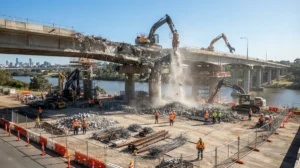
No matter the project size, having skilled laborers on site keeps everything moving safely and on schedule. This is one reason 702 Demo continues to stand out for why 702 Demo is the leading demolition contractor in Las Vegas.
Steps Involved in a Typical Demolition Laborer’s Day
Wondering what a day on the job actually looks like? Here’s a simple breakdown:
- Arrive on site and review the day’s safety briefing
- Put on required personal protective equipment
- Set up or check barricades and exclusion zones
- Begin manual or supported demolition tasks
- Load and sort debris throughout the day
- Clean up the work area before wrapping up
- Report any issues or hazards to the supervisor
This routine keeps everyone safe while making steady progress toward the project’s goals.
Why Hiring Professional Demolition Crews Matters
You might think, “Why not just do it myself?” Here’s the honest answer: demolition work is riskier than it looks. Hidden hazards, structural instability, and heavy debris can cause serious injuries without proper training.
Working with a licensed, experienced team protects your property and your safety. It also helps you meet local requirements, like those outlined by the Clark County Building Department. Professional crews know how to handle everything from small residential tear-downs to large-scale excavating and grading projects.
If you’re weighing your options, learning what makes a licensed demolition contractor essential for your project can save you time, money, and stress down the road.
What to Look for When Hiring a Demolition Crew
Not all demolition teams are created equal. Here’s a quick checklist to help you choose the right one:
- Proper licensing and insurance for your area
- Experienced laborers trained in safety procedures
- Clear communication about timelines and scope
- Proper equipment for your specific project type
- A solid reputation with local reviews and references
You can always check out what past customers say by visiting our 702 Demo location on Google. Real feedback from real customers gives you peace of mind before starting your project.
Wrapping It Up: The Backbone of Every Demolition Project
So, what is a demolition laborer? They’re the skilled, hardworking folks who make demolition projects happen safely and efficiently. From site prep to debris cleanup, they handle the physical, detail-oriented work that keeps everything on track.
Whether you’re planning a home renovation, a commercial build, or a full site redevelopment, having a trusted team behind you makes all the difference. 702 Demo has spent years serving Clark and Nye counties with reliable, professional demolition services you can count on.
Ready to get your project moving? Contact 702 Demo for a free estimate and let our experienced crew show you what quality demolition work really looks like.
FAQs
Q: What does a demolition laborer do on a job site?
A: A demolition laborer handles the hands-on work like tearing down structures, hauling debris, and setting up safety barriers. They’re the ones keeping the site organized and safe while the bigger demolition tasks happen around them. It’s a physically demanding but rewarding role that keeps projects moving forward.
Q: How is a demolition laborer different from a demolition worker?
A: Honestly, these terms often mean the same thing! Sometimes “demolition worker” implies a bit more specialized training, but both roles work hand-in-hand on every job site. Either way, they’re essential team members who make sure everything comes down safely.
Q: What skills do you need to become a demolition laborer?
A: You’ll want physical strength, good teamwork skills, and a sharp eye for safety details. Most folks learn the specific tools and techniques on the job, starting with simpler tasks and building up experience over time. A positive attitude and willingness to learn go a long way too!
Q: Do demolition laborers remove hazardous materials?
A: Sometimes, yes, depending on their training and local regulations. Hazardous material handling requires special certification, so not every laborer handles this type of work. Always ask your demolition contractor about their team’s specific qualifications before starting a project.
Q: Is demolition laborer work physically demanding?
A: You bet! This job involves lifting, hauling, and moving heavy materials all day, sometimes loads of 100 pounds or more. It’s definitely not a sit-behind-a-desk kind of gig, but many workers find it satisfying to see real, physical progress by the end of each day.