Key Takeaways
-
Demolition laborers handle extensive site preparation including setting up barriers, fences, scaffolding, and exclusion zones before any demolition begins, which is critical for project safety and organization.
-
Debris handling and sorting is one of the largest parts of the job, with laborers spending significant time loading rubble into containers and categorizing materials for recycling, reuse, or proper disposal.
-
Laborers must be trained to identify and safely handle hazardous materials like asbestos and lead paint in older buildings, following strict protocols to prevent health risks and legal violations.
-
Demolition laborers use diverse tools from simple hand tools like sledgehammers and pry bars to power equipment like jackhammers and cutting torches, requiring skill and training to use safely and efficiently.
-
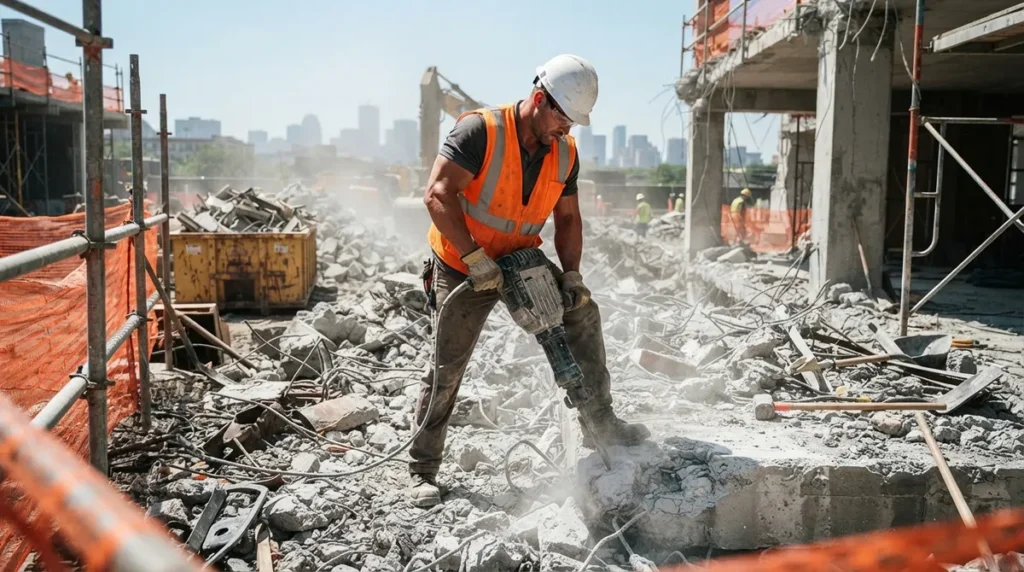
Physical demands include lifting materials up to 100+ pounds, prolonged jackhammering, climbing scaffolding, and repetitive bending and kneeling throughout extended shifts in various weather conditions.
-
Professional demolition crews provide essential insurance coverage, proper equipment, and safety training that DIY work cannot match, protecting property owners from structural collapse risks and hazardous material exposure.
Ever watched a building come down and wondered who’s doing all that hard work behind the scenes? That’s the demolition laborer, and they’re honestly the backbone of every successful teardown. If you’re a homeowner in Henderson planning a renovation, or a developer breaking ground on a new project in Las Vegas, understanding this role helps you know exactly what you’re paying for and why it matters so much.
So, what does a demolition laborer do? In simple terms, they’re the hands-on workers who tear down structures, clear debris, and get sites ready for whatever comes next. They work alongside skilled equipment operators, follow strict safety rules, and handle some seriously heavy lifting (literally). Let’s walk through exactly what these hardworking folks do every single day, and why hiring an experienced team like 702 Demo makes all the difference for your project in Clark and Nye counties.
1. Setting Up the Job Site Before Anything Comes Down
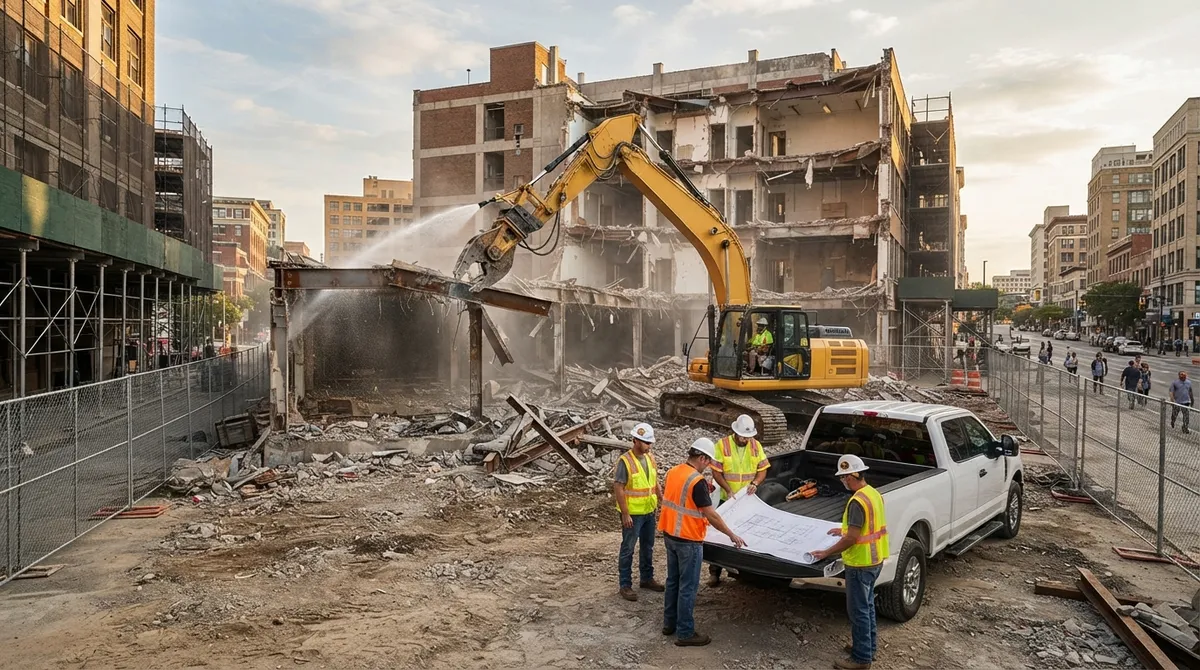
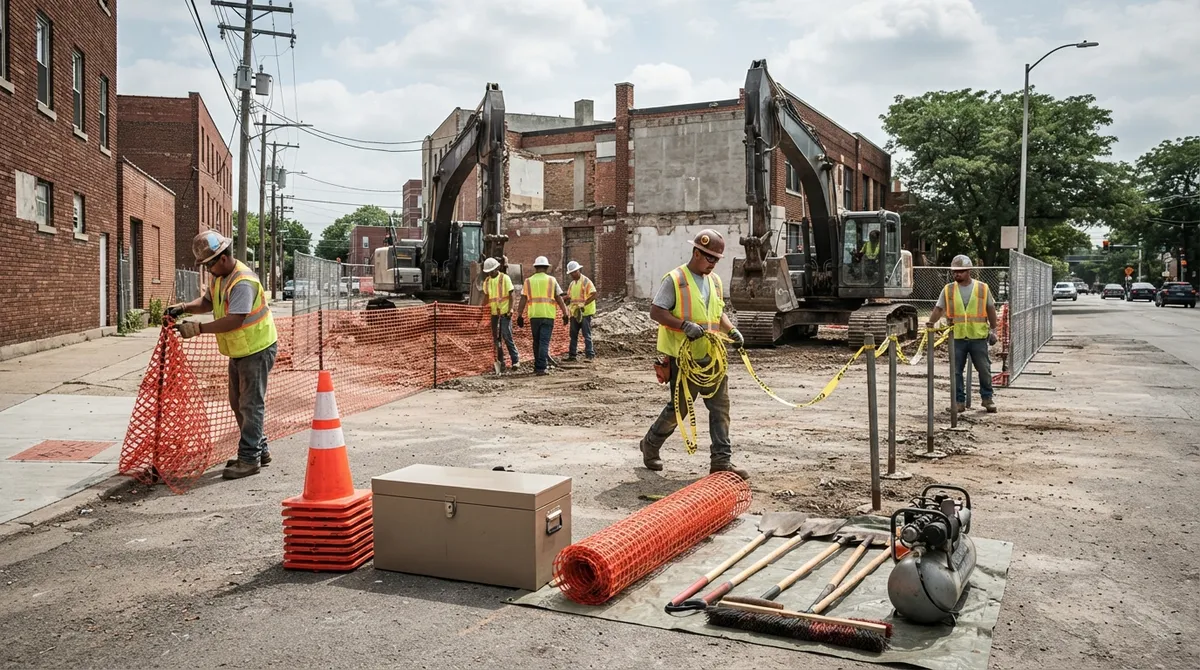
Before a single wall gets knocked over, demolition laborers spend hours prepping the site. This means setting up barriers, fences, and exclusion zones so nobody wanders into danger. They also build temporary structures like scaffolding, ramps, and barricades to keep the work area safe and organized.
Think of it like setting the stage before a big show. Without proper site prep, the whole project could turn chaotic fast. This step matters just as much for a small residential job as it does for large-scale building demolition projects downtown.
2. Handling Hand Tools and Power Equipment
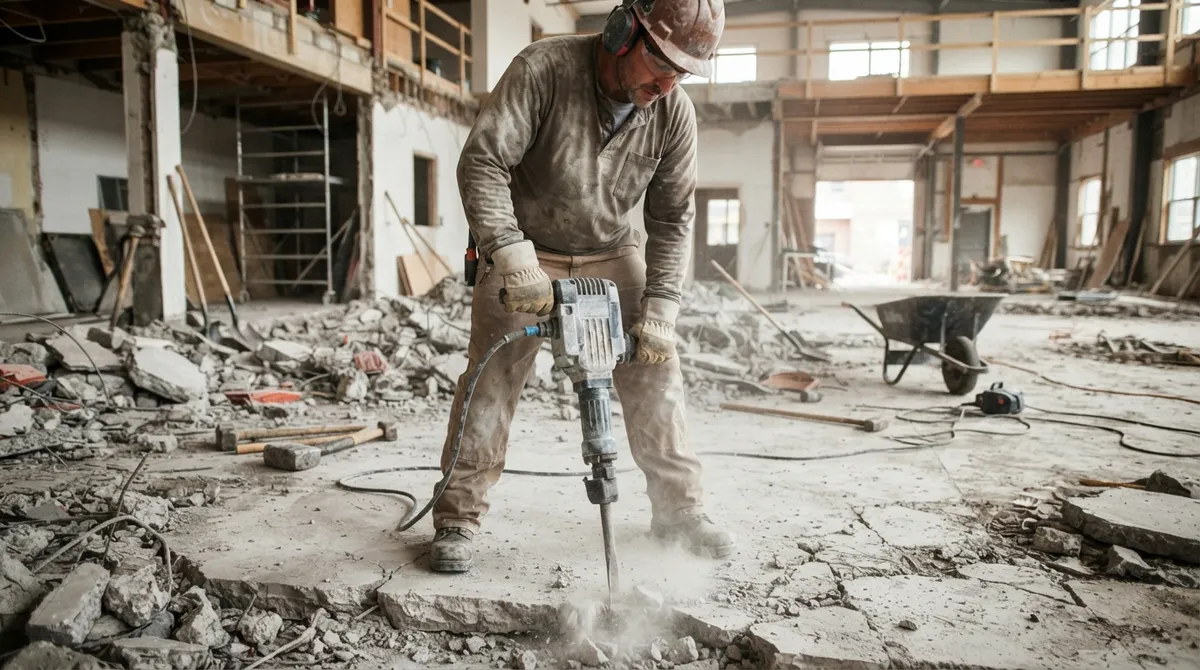
Demolition laborers use a wide range of tools to get the job done. Some of these are simple hand tools, while others are heavy-duty power equipment that requires training and focus.
- Sledgehammers and pry bars for breaking apart walls and fixtures
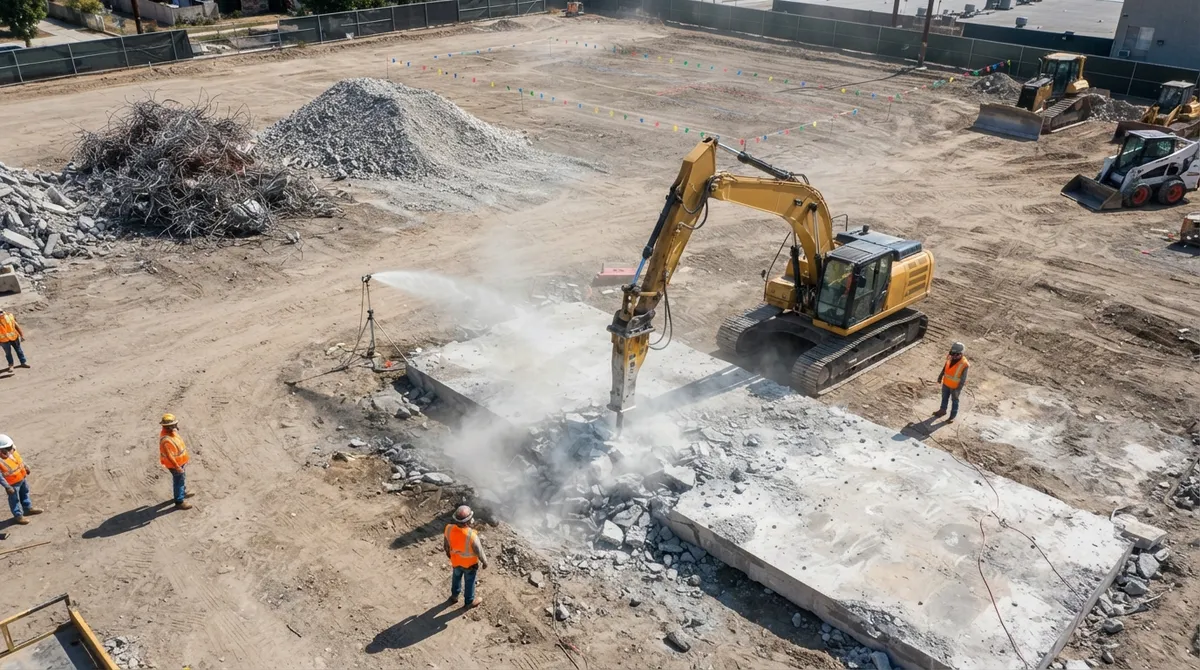
- Jackhammers for busting through concrete slabs and foundations
- Reciprocating saws for cutting through wood, metal, and pipes
- Wheelbarrows and dollies for moving debris short distances
- Cutting torches for slicing through steel beams and rebar
Knowing which tool fits which job takes real skill. It’s not just about swinging a hammer, it’s about doing it safely and efficiently every single time.
3. Assisting Equipment Operators on Bigger Machines
While laborers don’t usually drive the big excavators or bulldozers, they play a huge supporting role. They signal operators, guide machine placement, and stage materials so heavy equipment can work efficiently.
This teamwork keeps everyone safe. A laborer standing nearby can spot hazards the operator might miss from inside the cab. This kind of coordination is especially important during excavating and grading work, where precision really counts.
4. Loading, Sorting, and Hauling Debris
Here’s a fact that might surprise you: debris handling is one of the biggest parts of the job. Laborers spend a huge chunk of their day loading rubble into dumpsters, trucks, and containers.
They also sort materials into categories. Some debris gets recycled, some gets reused, and some needs special disposal. This sorting process helps keep projects on schedule and reduces environmental impact. If your project involves heavy hauling needs, our hauling services team handles this efficiently from start to finish.
Common Debris Categories Laborers Sort
- Concrete and masonry rubble headed for crushing or recycling
- Metal scraps like rebar, pipes, and wiring for scrap yards
- Wood and lumber that can sometimes be reused or repurposed
- Hazardous materials requiring special handling and disposal
- General waste that goes straight to the landfill
5. Assisting With Selective Demolition Projects
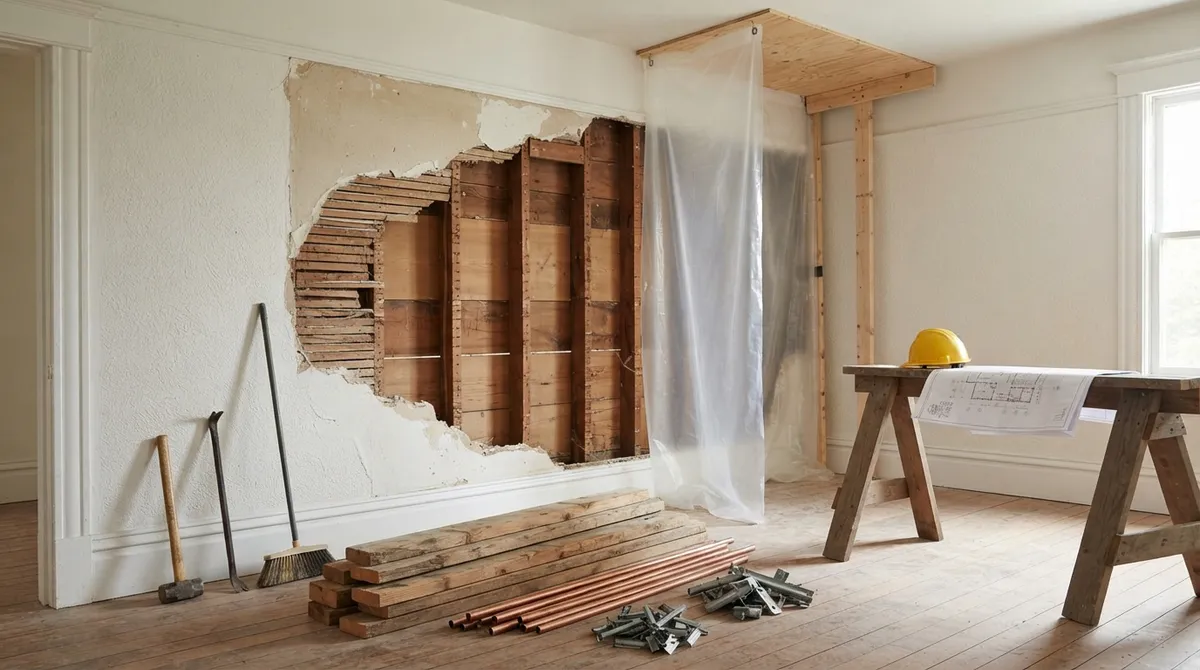
Not every job means knocking down an entire building. Sometimes only certain parts need to come out while the rest stays standing strong. This is called selective demolition, and it takes a careful, steady hand.
Laborers help remove specific walls, fixtures, or sections without damaging what needs to stay. This kind of precision work is common during interior demolition projects for homes and businesses across Clark County. Renovation contractors especially rely on this skill when prepping spaces for remodels.
6. Following Strict Safety Protocols Every Day
Safety isn’t optional in this line of work, it’s everything. Demolition laborers wear personal protective equipment, follow dust control measures, and stay alert for hazards like asbestos or lead paint.
Here’s a quick look at how safety responsibilities typically break down on a job site:
| Safety Task | Why It Matters |
|---|---|
| Wearing PPE (hard hats, gloves, goggles) | Protects against falling debris and flying particles |
| Dust containment and control | Reduces health risks and keeps neighbors happy |
| Utility isolation checks | Prevents accidental gas, electric, or water line damage |
| Traffic control setup | Keeps workers and the public safe near busy roads |
| Hazardous material identification | Ensures proper handling and legal disposal |
The Las Vegas demolition permit guidelines lay out clear rules for how these projects must be handled safely and legally. Following these guidelines protects workers, property owners, and the surrounding community.
7. Handling Hazardous Materials With Care
Older buildings sometimes contain asbestos, lead paint, or other hazardous substances. Demolition laborers are trained to recognize these materials and follow strict protocols for safe removal.
This isn’t a job for guesswork. Improper handling can lead to serious health risks and legal trouble. That’s why working with a licensed, experienced team matters so much, especially for older properties across Nevada. You can check with the Clark County Building Department for specific local requirements on hazardous material handling.
8. Physical Labor That Demands Real Strength
Let’s be honest, this job is tough on the body. Laborers often lift materials weighing up to 100 pounds or more, depending on the task. The work includes:
- Trenching and backfilling for utility work or foundations
- Jackhammering concrete for extended periods
- Repetitive lifting, carrying, and loading throughout the shift
- Climbing ladders and scaffolding in various weather conditions
- Standing, bending, and kneeling for long stretches
It takes real stamina and dedication to do this work day after day. That’s part of why we have so much respect for the crews out there getting it done in the Nevada heat.
9. Cleaning Up and Preparing the Site for Next Steps
Once the heavy demolition wraps up, laborers handle final cleanup. This means sweeping, clearing leftover debris, and making sure the site is ready for the next phase, whether that’s new construction or landscaping.
For homeowners removing an old pool or patio, this final step matters a lot. Check out our guide on reclaiming your backyard space after pool removal to see how this cleanup process fits into the bigger picture. A clean, well-prepped site sets everyone up for success.
Demolition Laborer vs Demolition Operator: What’s the Difference?
People often mix these two roles up, so let’s clear the confusion. A demolition laborer does hands-on manual work, hauling debris, using hand tools, and assisting with site prep. A demolition operator, on the other hand, drives and controls heavy machinery like excavators, bulldozers, and cranes.
Both roles work together as a team. Neither one could get the job done alone. It’s this combination of skilled labor and equipment expertise that makes projects run smoothly and safely.
Why Hiring Professional Demolition Crews Matters
You might wonder if you could handle some of this work yourself. Honestly, we get it, DIY projects feel satisfying. But demolition work carries real risks, from structural collapses to hazardous material exposure.
Professional crews bring training, proper equipment, and insurance coverage that protect you and your property. Whether you’re a property manager dealing with an aging structure or a developer planning a new build, working with licensed pros just makes sense. Learn more about why a licensed demolition contractor is essential for any project size.
At 702 Demo, our team handles everything from small residential jobs to massive commercial teardowns across Clark and Nye counties. We’ve built our reputation on safety, reliability, and getting the job done right the first time. Don’t just take our word for it, see what our 702 Demo customers say on Google and discover why so many Nevada property owners trust us.
What This Means for Your Next Project
Whether you’re a homeowner tackling a renovation, a builder starting a commercial site, or a property manager clearing out old structures, knowing what demolition laborers actually do helps you plan better. You’ll understand timelines, safety measures, and why professional crews matter so much.
Here’s a quick recap of what to expect when you hire a demolition crew:
- Site assessment and permit coordination before work begins
- Safety setup including barriers, PPE, and hazard checks
- Manual and machine-assisted demolition of structures
- Debris sorting, hauling, and proper disposal
- Final site cleanup and preparation for next steps
This process applies whether you’re doing a simple concrete removal job or a full-scale commercial teardown. Every step matters, and skipping any of them can cause delays or safety issues down the road.
Ready to Get Started?
Now you know exactly what a demolition laborer does and why this work takes real skill, strength, and dedication. From site prep to final cleanup, these workers keep projects moving safely and efficiently across Clark and Nye counties.
If you’re planning a demolition project in Las Vegas, Henderson, or anywhere in Southern Nevada, our team is ready to help. We bring experience, proper licensing, and a genuine commitment to doing quality work. Contact 702 Demo for a free estimate today, and let’s talk about how we can make your project a success.
FAQs
Q: What does a demolition laborer do on a daily basis?
A: A demolition laborer sets up safety barriers, uses hand and power tools to break down structures, and hauls debris throughout the day. They also assist equipment operators, sort materials for disposal, and clean up the site once work wraps up. It’s a busy, physical job that changes a bit depending on the project.
Q: Is demolition labor work dangerous?
A: Demolition work does carry real risks, which is why safety training and proper protocols matter so much. Laborers wear protective gear, follow strict guidelines around hazardous materials, and work closely with trained crews to stay safe. That’s exactly why hiring an experienced, licensed team like 702 Demo gives you real peace of mind.
Q: What is the difference between a demolition laborer and a demolition operator?
A: A demolition laborer handles manual work like hauling debris, using hand tools, and prepping the site. A demolition operator drives heavy machinery like excavators and bulldozers. Both roles work together as a team to get projects done safely and efficiently.
Q: Do demolition laborers remove asbestos or other hazardous materials?
A: Demolition laborers are trained to identify hazardous materials like asbestos and lead paint, and they follow strict protocols for safe handling. Depending on the project, specialized abatement crews may step in for the actual removal. Either way, proper safety procedures are always followed to protect everyone involved.
Q: How do you get a job as a demolition laborer?
A: Most demolition laborer positions require physical fitness, safety training, and a willingness to learn on the job. Many workers start with entry-level positions and gain certifications over time, like OSHA safety training. Reaching out to established local demolition companies is often the best way to get started.