Key Takeaways
-
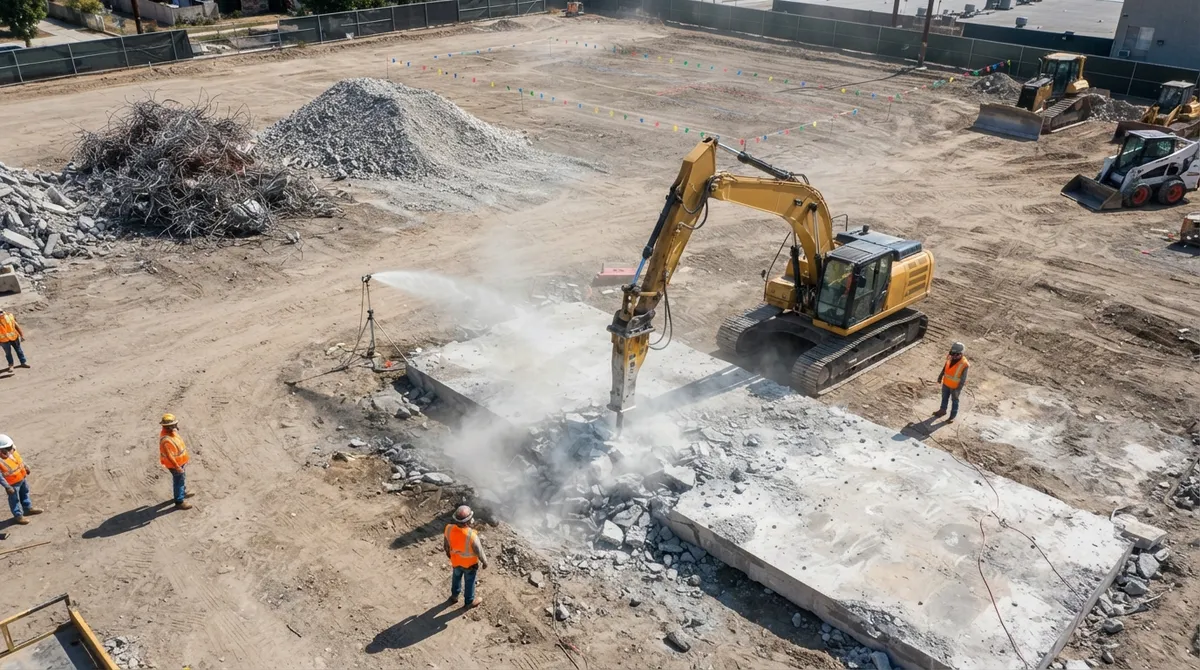
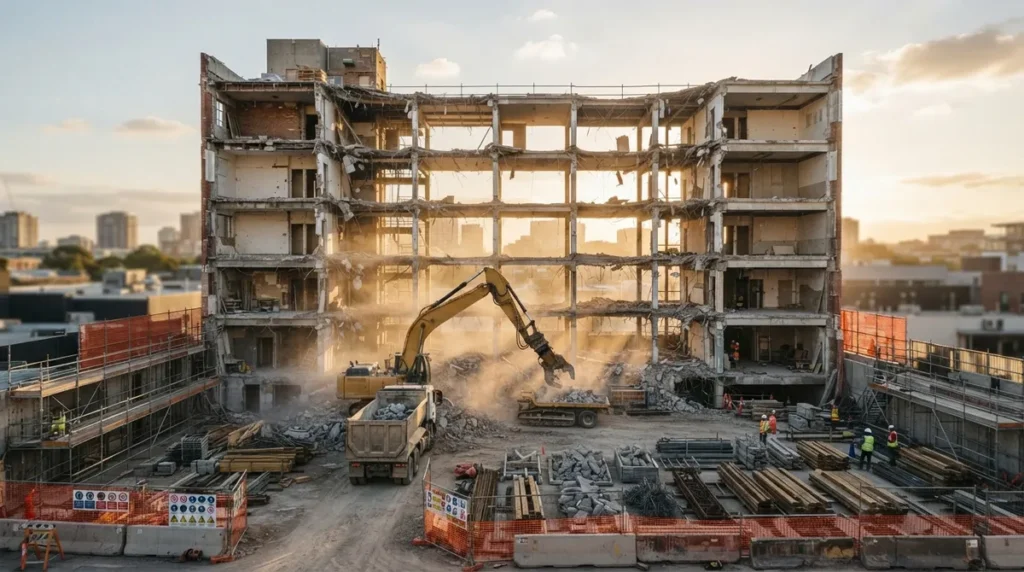
Demolition is a planned, controlled process officially recognized as part of the construction industry that clears sites, removes hazards, or prepares for new building—not random destruction or a separate trade.
-
Selective demolition removes only certain building parts like interior walls or damaged sections while keeping the rest intact, saving money and time compared to full teardowns for renovation projects.
-
Debris removal and site grading are mandatory components of demolition work, not afterthoughts; proper disposal prevents construction delays and safety hazards for subsequent building phases.
-
Choosing a licensed, insured contractor with proven safety compliance and local permit knowledge is critical because demolition carries risks including structural collapse, hazardous material exposure, and utility line damage.
If you have ever driven past a job site in Las Vegas and watched a building come down, you have seen demolition in action. But what does demolition mean in construction, really? It is more than just knocking down walls with a big machine. It is a planned, safety-focused process that clears the way for something new. Whether you are a homeowner planning a renovation or a developer prepping a commercial lot, understanding demolition helps you make smarter decisions for your project.
At 702 Demo, we have spent years helping property owners across Clark and Nye counties understand this process. We believe informed clients make the best partners. So let’s break down exactly what demolition means, why it matters, and how it fits into the bigger picture of construction.
What Does Demolition Mean in Construction?
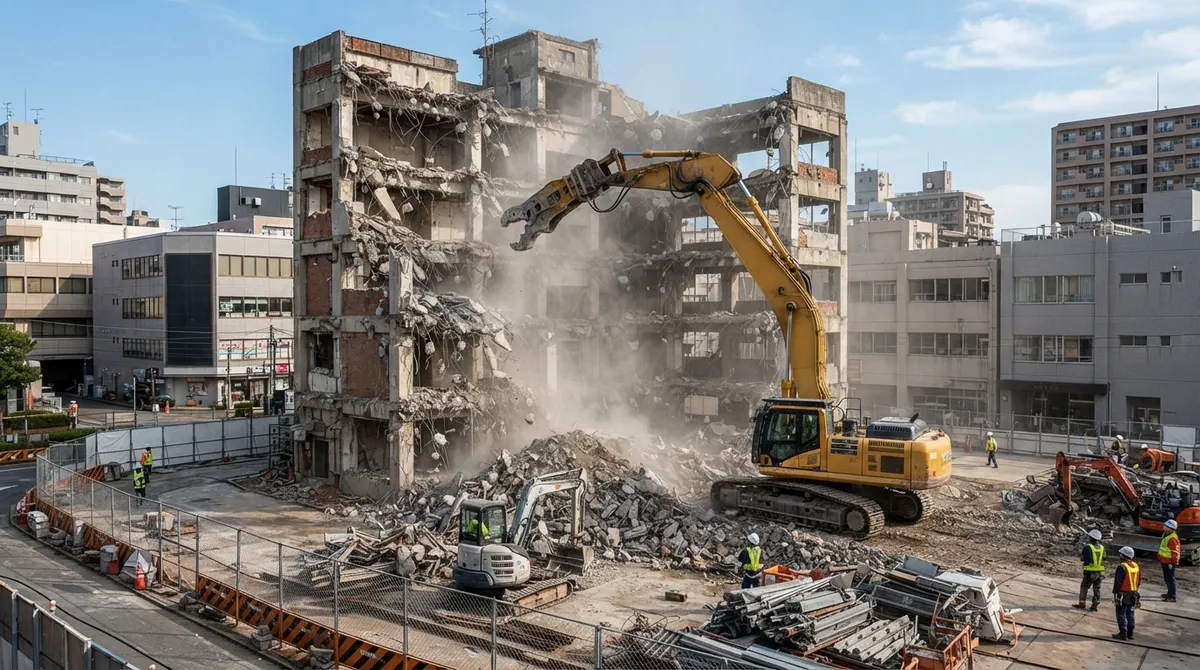
In construction, demolition means the planned tearing down, dismantling, or removal of a building or structure. This can apply to a whole building or just part of one. The goal is usually to clear a site, remove a hazard, or make room for new construction.
The Occupational Safety and Health Administration (OSHA) defines demolition as the dismantling, razing, destroying, or wrecking of any building or structure, or any part of one. This definition matters because it shows demolition is not just about big explosions or wrecking balls. It covers everything from removing a single wall to tearing down an entire high-rise.
Here are the key ideas behind demolition in construction:
- It is a controlled process, not random destruction
- It can involve a whole structure or just certain parts
- Safety planning is required before any work begins
- Debris removal is part of the job, not an afterthought
- It often prepares a site for new building projects
Demolition Is Part of the Construction Industry
Some people think demolition is a separate trade from construction. That is not accurate. In the European NACE classification system, demolition falls under Division F-43, which covers specialized construction activities. More specifically, it sits under Group F-43.1 Demolition and Site Preparation, and Class F-43.11 Demolition. This tells us demolition is officially recognized as a construction activity, not something separate from it.
This matters for property owners because it means demolition contractors, like our team at 702 Demo, follow many of the same codes, safety rules, and standards as general construction crews. We are not outsiders to the building process. We are the first step in it.
Demolition vs Deconstruction: What Is the Difference?
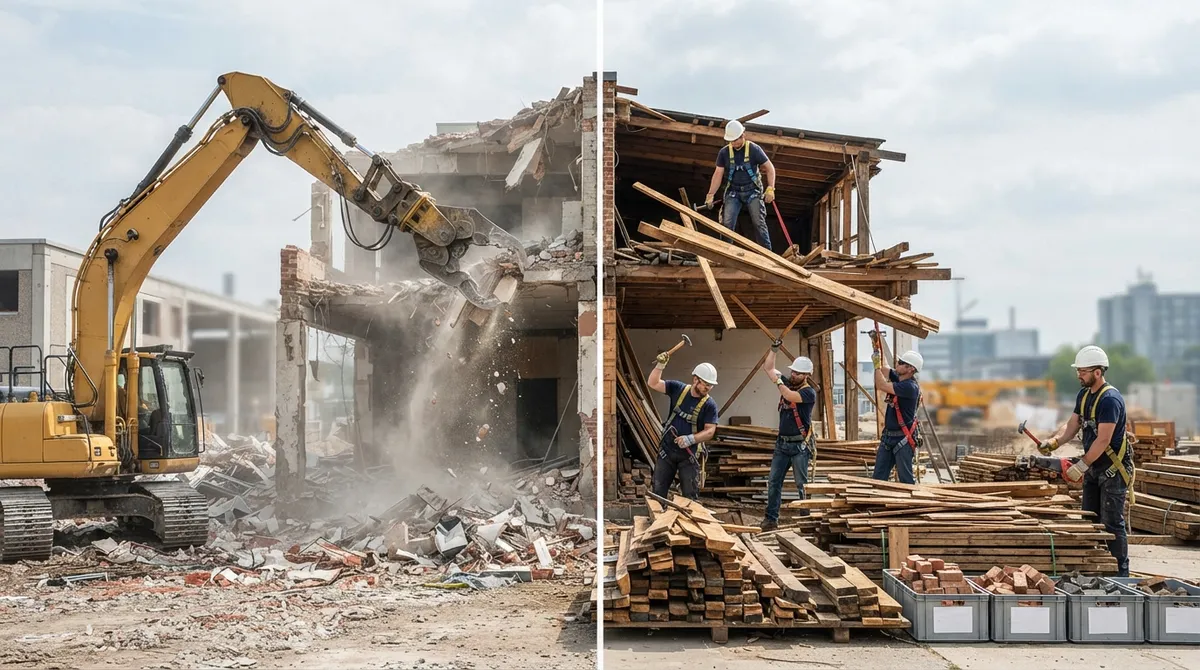
People often mix up demolition and deconstruction, but they are quite different approaches.
| Factor | Demolition | Deconstruction |
|---|---|---|
| Main Goal | Remove structure quickly and safely | Preserve materials for reuse |
| Speed | Faster process | Slower, more careful process |
| Method | Machine, manual, or explosive | Hand dismantling piece by piece |
| Waste Handling | Debris hauled and disposed | Materials sorted for salvage |
| Best For | Full teardowns, site clearing | Historic buildings, material recovery |
Demolition focuses on speed and safety. Deconstruction focuses on saving materials like wood, brick, or fixtures. Most residential and commercial projects in Nevada use demolition because it is faster and more cost-effective for clearing space.
Types of Demolition Work
Not all demolition looks the same. The method depends on the structure, its size, and the goals of the project. Here are the main types used in the industry today.
- Manual Demolition: Workers use hand tools to take apart smaller structures or specific sections. This method gives more control and is often used for selective work.
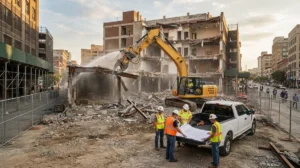
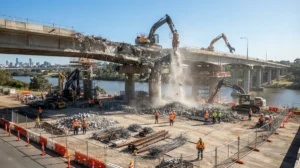
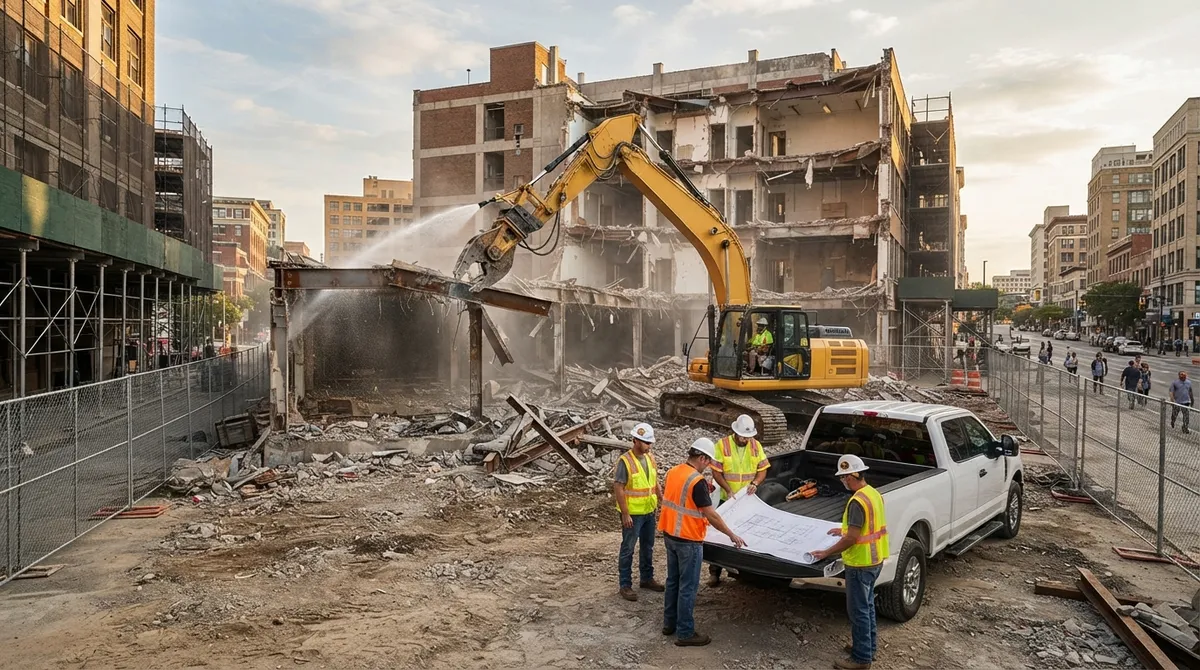
- Machine Demolition: Excavators, bulldozers, and wrecking equipment tear down larger structures quickly. This is the most common method for full building teardowns.
- Explosive Demolition: Controlled explosives bring down very large structures in seconds. This method is rare and usually reserved for tall buildings or specific commercial jobs.
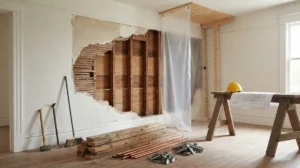
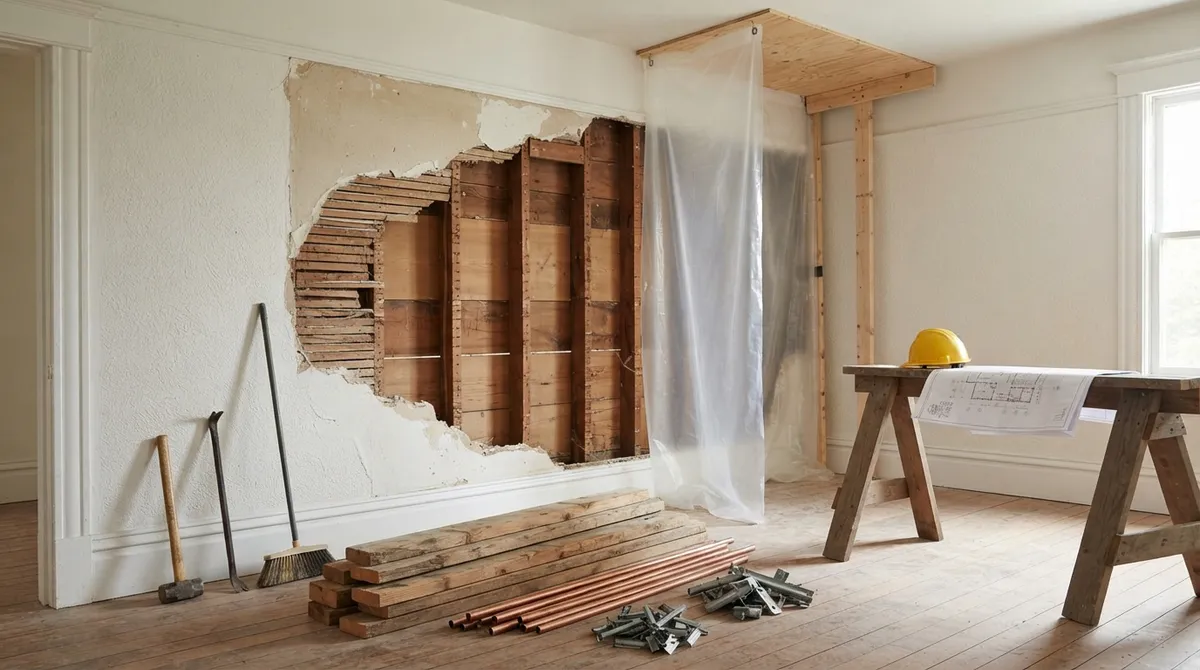
- Selective Demolition: Only certain parts of a building come down, like interior walls or damaged sections, while the rest stays intact.
Most homeowners and commercial builders in the Las Vegas area rely on manual and machine demolition. Our team at 702 Demo uses the right combination of both, depending on your project size and goals. Learn more about our approach to building demolition services.
Selective Demolition Explained
Selective demolition is a smart option when you only need part of a structure removed. This might include:
- Removing interior walls for an open floor plan
- Taking out damaged flooring or ceilings
- Demolishing a section of a foundation for repair
- Clearing out old fixtures before a remodel
This method saves money and time because you are not tearing down an entire building. Renovation contractors often request selective demolition when working on kitchen remodels, loft conversions, or structural repairs. Check out our guide on interior demolition secrets that can save you money on your next project.
Why Is Demolition Needed Before New Construction?
Demolition clears the path for progress. Here is why it is often the first step in any building project:
- Old or unsafe structures must be removed before new ones go up
- Damaged foundations need to be cleared for repairs or rebuilding
- Site grading and excavation cannot happen with obstacles in the way
- Hazardous materials must be safely removed before redevelopment
- Zoning and permit requirements often demand a clean site first
Real estate developers and commercial builders count on demolition to keep their timelines on track. A delay in demolition can push back an entire construction schedule. That is why choosing an experienced, reliable contractor matters so much.
Safety Risks Involved in Demolition Work
Demolition work carries real risks. OSHA notes that demolition involves many of the same hazards as regular construction, plus extra dangers from structural instability and debris. This is why proper planning and licensed contractors are so important.
Some common risks include:
- Structural collapse during teardown
- Falling debris and flying materials
- Exposure to hazardous materials like asbestos or lead
- Equipment accidents during machine demolition
- Utility line damage if not properly located beforehand
Before any demolition begins, permits and inspections are often required. For example, the Las Vegas demolition permit guidelines outline the steps property owners must follow before starting work. Similarly, the Clark County Building Department provides oversight for demolition projects within the county. Working with a contractor who understands these rules keeps your project safe and legal.
What Happens to Debris After Demolition?
Demolition does not end when the structure comes down. Debris removal and waste disposal are a major part of the job. Skipping this step leaves a mess that can delay new construction or create safety hazards.
Here is what a proper debris removal process typically includes:
- Sorting materials for recycling when possible
- Safely disposing of hazardous waste
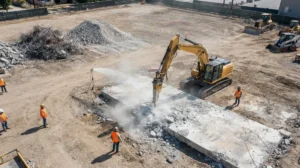
- Hauling away concrete, wood, and metal debris
- Grading the site to prepare for new construction
- Final site inspection to confirm everything is clear
Our hauling services take care of this step so property owners do not have to worry about leftover debris. We also offer excavating and grading services to get your site fully ready for the next phase.
Common Demolition Projects We Handle
Demolition covers a wide range of projects, not just full building teardowns. Here are common jobs we see across Clark and Nye counties:
- Residential home teardowns for rebuilding
- Pool removal for backyard renovations
- Concrete removal for driveways and patios
- Landscaping removal before new site development
- Commercial interior strip-outs for remodels
- Hazardous material removal for property managers
No matter the size of your project, understanding what demolition means helps you plan better and avoid surprises. If you want to see examples of our completed work, check out our videos page.
How to Choose the Right Demolition Contractor
Not every contractor handles demolition the same way. Here is what to look for when hiring one for your project:
- Proper licensing and insurance for demolition work
- Experience with your specific project type
- A clear plan for debris removal and disposal
- Knowledge of local permit requirements
- Strong safety record and OSHA compliance
Our team has years of experience serving Clark and Nye counties with reliable, professional demolition services. Learn more about who we are and how we approach every project with safety and quality in mind.
Bringing It All Together
So, what does demolition mean in construction? It means a planned, controlled process of tearing down structures to clear space, remove hazards, or prepare for new building work. It is a recognized part of the construction industry, not a separate trade. Whether it is full demolition, selective removal, or debris hauling, every step matters for a safe and successful project.
Homeowners, developers, and contractors across Nevada trust our team because we treat every job with care and professionalism. You can visit us on Google — 702 Demo to see what our customers say about working with us.
Ready to start your next project the right way? Contact 702 Demo for a free estimate and let our experienced team guide you through every step of the demolition process.
FAQs
Q: What does demolition mean in construction?
A: Demolition means the planned tearing down or dismantling of a building or structure, either fully or partially. It clears space, removes hazards, or preps a site for new construction. It is officially recognized as part of the construction industry, not a separate trade.
Q: What is the difference between demolition and deconstruction?
A: Demolition focuses on quickly and safely removing a structure, while deconstruction carefully takes it apart to save materials for reuse. Most projects in Nevada use demolition because it is faster and better suited for clearing space. Deconstruction is more common for historic buildings where materials have extra value.
Q: What is selective demolition in construction?
A: Selective demolition means removing only certain parts of a building, like interior walls or damaged sections, while leaving the rest intact. It is a popular choice for renovations and remodels because it saves time and money. Our team handles selective demolition projects across Clark and Nye counties every day.
Q: Why is demolition needed before new construction?
A: Demolition clears old or damaged structures so new building work can begin safely. It also removes hazards and makes way for excavation, grading, and site prep. Without proper demolition, new construction timelines can face major delays.
Q: What happens to debris after a demolition project?
A: Debris removal is a key part of any demolition job, not an extra step. Materials get sorted, hauled away, and disposed of properly, and the site gets graded for what comes next. Our hauling and grading services make sure your site is fully ready for new construction.