Key Takeaways
-
Pre-demolition planning including engineering surveys and hazardous material assessments is critical—OSHA data shows skipping these steps accounts for up to three-fourths of all citations on demolition worksites.
-
Excavation safety requires OSHA compliance for trenches 4+ feet deep, including safe access points, trench protection systems, and utility location before digging to prevent cave-ins and strikes.
-
Asbestos and hazardous materials in older buildings must be professionally tested and handled per EPA NESHAP regulations—materials with 1%+ asbestos require specific disposal procedures, not standard dumpster removal.
-
Final site preparation including grading, soil compaction, and inspections is essential after demolition to ensure stability and code compliance before construction begins.
Ever stood in your backyard, staring at an old pool or a crumbling patio, wondering where to even start? You’re not alone. Every year, thousands of homeowners and builders across Clark and Nye counties face the same question: what actually happens during demolition and excavation services, and how do you make sure it’s done right? Grab a cup of coffee, because we’re about to walk through this together, step by step, in plain and friendly language.
Demolition and excavation services cover a lot more than just knocking down walls. They include tearing down structures, removing concrete and asphalt, digging trenches, grading land, and prepping sites for whatever comes next. Whether you’re a homeowner planning a remodel or a developer breaking ground on a new project, understanding this process helps you feel confident and in control. Let’s dig in (pun very much intended).
What Exactly Are Demolition and Excavation Services?
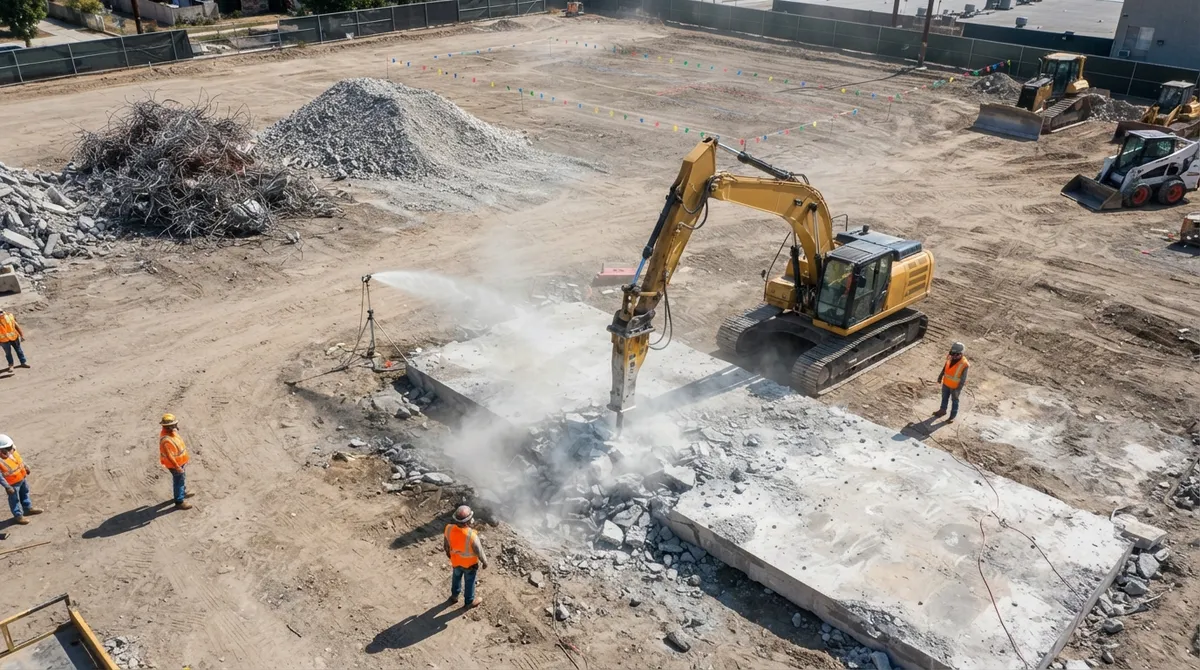
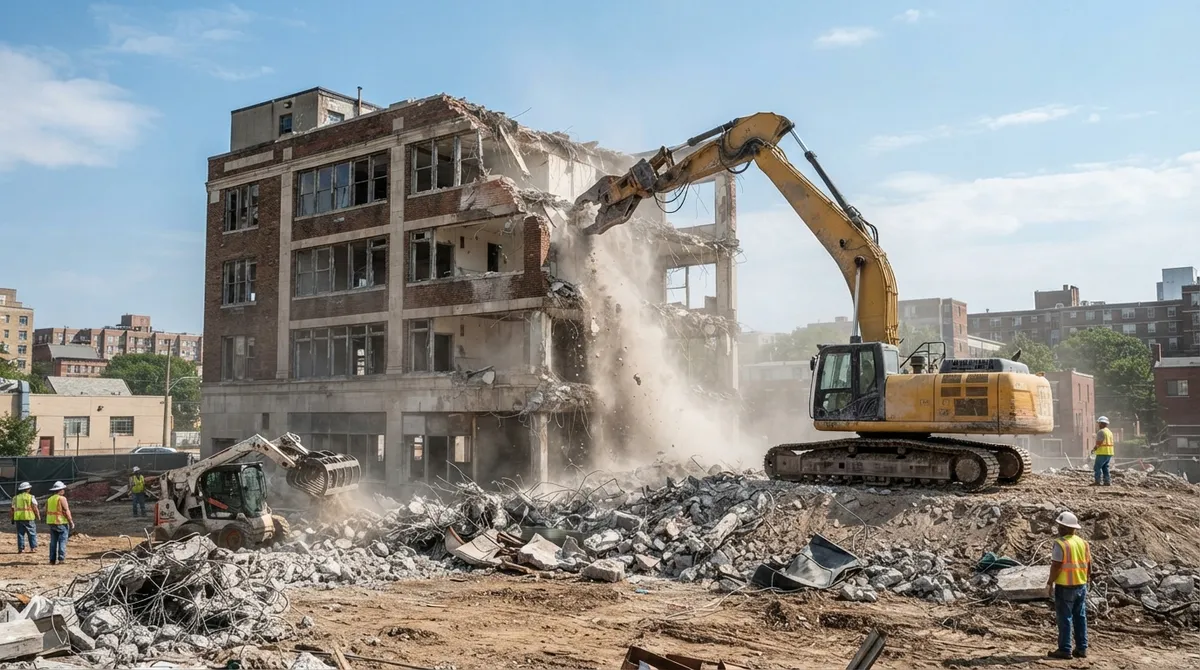
At their core, demolition and excavation services combine two important jobs. Demolition means safely tearing down buildings, structures, or parts of them. Excavation means digging, grading, and preparing the ground underneath and around that structure.
Think of it like clearing your plate before a fresh meal. You can’t build something new on land that’s cluttered with old concrete, unstable soil, or a falling-down structure. These services work together to give you a clean, safe, and ready site.
Common Services Included
- Full structural teardown of homes, garages, or commercial buildings
- Selective or interior demolition for renovations
- Concrete and asphalt removal from driveways, patios, and parking lots
- Foundation removal and disposal
- Trenching for utilities and drainage
- Grading and leveling land for new construction
- Site clearing, including old landscaping or debris
- Backfilling and soil compaction after excavation
Homeowners often need these services for renovations, pool removal, or clearing space for an addition. Commercial builders and real estate developers need them at a much larger scale, often across multiple acres. If you’d like a deeper look at how professionals handle these projects, check out this guide on excavating and grading services.
Why Proper Planning Matters Before Any Work Begins
Here’s something a lot of people don’t realize: the planning phase is just as important as the actual demolition. In fact, skipping this step is one of the biggest causes of delays, safety issues, and unexpected costs.
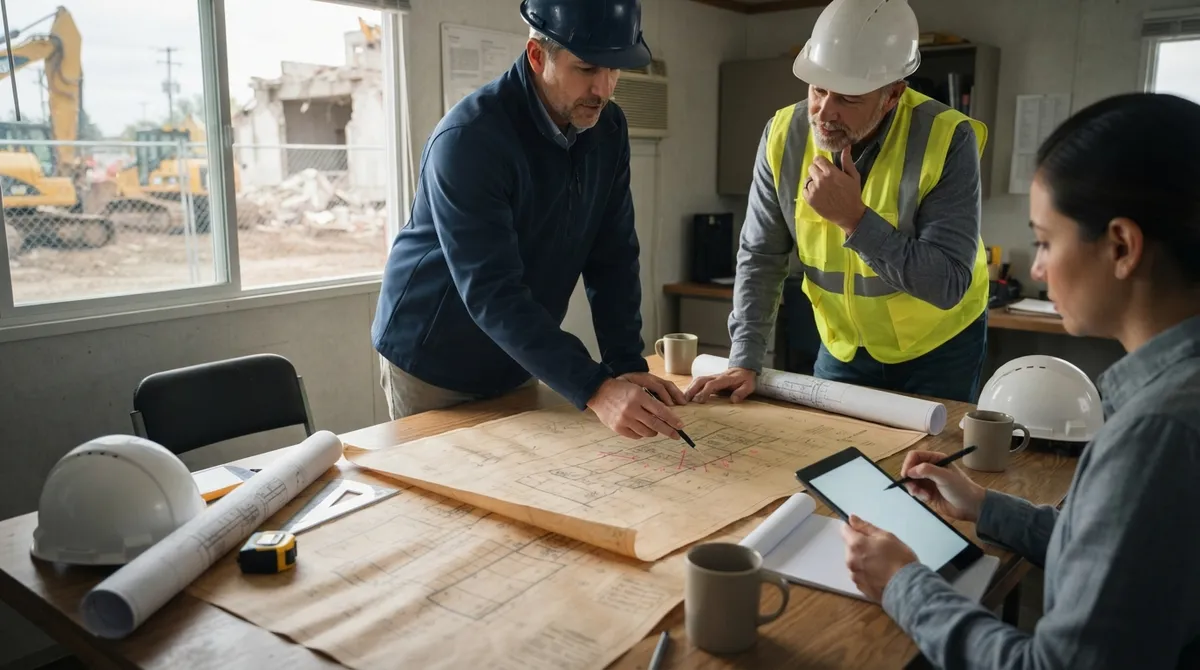
According to OSHA, a proper engineering survey must happen before demolition starts. This survey checks the building’s structural stability, nearby structures, and any hazards. OSHA data shows that these preparatory steps account for up to three-fourths of all citations issued on demolition worksites. That’s a big number, and it shows how often this step gets overlooked.
Steps Involved in Pre-Demolition Planning
- Conduct an engineering survey with a qualified professional
- Complete a hazardous material assessment (asbestos, lead paint, mold)
- Identify and shut off utilities like gas, water, and electricity
- Secure necessary permits from local authorities
- Plan the demolition method and sequence of work
- Set up safety barriers and dust control measures
- Coordinate debris removal and recycling plans
Skipping any of these steps can lead to serious safety risks or legal trouble. If you’re located in the Las Vegas area, it’s worth reviewing the Las Vegas demolition permit guidelines before starting any project. Clark County residents can also check requirements through the Clark County Building Department.
Excavation Safety: What You Need to Know
Excavation might look simple from the outside, just digging a hole, right? But trenches and pits carry real risks if they’re not handled carefully. Cave-ins, unstable soil, and hidden utility lines can turn a routine job into a dangerous situation fast.
OSHA requires safe access and exit points for any trench 4 feet deep or more. This means workers need a ladder, ramp, or steps nearby at all times. If there’s a chance of a hazardous atmosphere underground, testing must happen before anyone goes in.
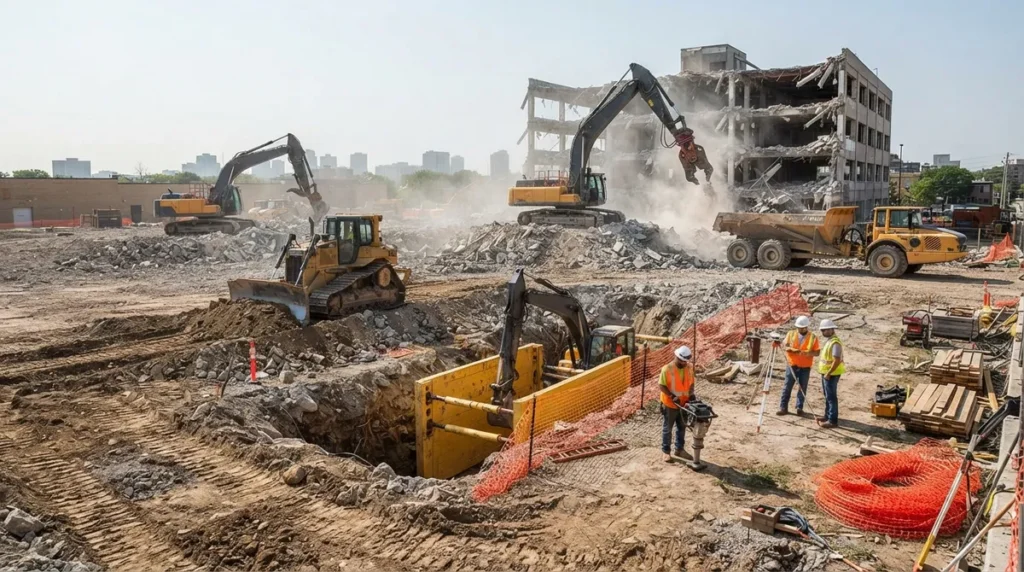
Key Excavation Safety Requirements
- Sloping or benching the trench walls to prevent collapse
- Using protective systems like trench boxes or shoring
- Keeping equipment and soil piles a safe distance from the edge
- Testing the air for hazardous gases when needed
- Providing safe entry and exit points for deep trenches
- Locating all underground utilities before digging begins
This is exactly why hiring a licensed and experienced team matters so much. A trained crew knows how to spot warning signs before they become real problems. Want to learn more about what makes a contractor qualified? Check out this article on what makes a licensed demolition contractor essential for your project.
Handling Hazardous Materials the Right Way
Older buildings sometimes hide surprises. Asbestos, lead paint, and even old underground storage tanks are more common than you’d think, especially in structures built decades ago.
The EPA has strict rules about asbestos removal under NESHAP regulations. Any material with more than 1% asbestos is treated as regulated waste. This means it has to be handled and disposed of following specific procedures, not just tossed in a dumpster.
A trustworthy demolition team will always test for these hazards before starting work. This protects workers, neighbors, and the environment. It’s a step that should never be skipped, no matter how small the project seems.
Demolition Methods: Choosing the Right Approach
Not every demolition job looks the same. The method used depends on the size of the structure, its location, and what materials need to be saved or recycled.
| Method | Best For | Key Benefit |
|---|---|---|
| Manual Dismantling | Small structures, interior spaces | Precise, low noise, good for salvage |
| Mechanical Demolition | Homes, commercial buildings | Fast and efficient for larger jobs |
| Concrete Cutting and Breaking | Driveways, foundations, patios | Controlled removal with less vibration |
| Deconstruction | Projects with reusable materials | Environmentally friendly, reduces waste |
| Explosive Demolition | Large commercial structures | Fast teardown for big buildings |
For most homeowners and small commercial projects, mechanical demolition and concrete cutting are the most common choices. If your project involves an old pool, you might find this complete guide to pool removal helpful for understanding the process.
What Affects the Cost of a Project
We know pricing questions come up a lot, and while every project is different, there are several factors that shape the overall scope of work.
Factors That Influence Project Complexity
- Size and type of the structure being removed
- Demolition method required
- Site access and surrounding conditions
- Depth and volume of excavation needed
- Soil conditions and stability
- Presence of utility lines or conflicts
- Hazardous material abatement needs
- Permit requirements and inspections
- Debris recycling or disposal logistics
A knowledgeable contractor will walk you through each of these factors during a site visit. This helps set realistic expectations before work begins.
Who Needs These Services Most?
Demolition and excavation services aren’t just for massive construction sites. They serve a wide range of people with very different goals.
- Homeowners renovating kitchens, bathrooms, or removing old structures
- Commercial builders preparing land for new developments
- Renovation contractors handling foundation repairs or interior strip-outs
- Property managers dealing with hazardous material removal or debris hauling
- Real estate developers planning multi-phase residential or commercial projects
No matter which group you fall into, working with an experienced team makes the process smoother. If you’re a contractor looking for reliable interior demolition support, this resource on interior demolition secrets that save money is worth a read.
Why Choose 702 Demo for Your Project
702 Demo has been serving Clark and Nye counties with full-service demolition, excavating, grading, concrete, and paving services. Their team understands local permit requirements, soil conditions, and the unique challenges of building in the Nevada desert.
From small residential jobs to large commercial site development, the goal is always the same: safe, efficient, and thorough work. If you’re curious about what sets a trusted contractor apart, take a look at this article on why 702 Demo is the leading demolition contractor in Las Vegas.
Curious what past clients have to say? You can visit us on Google — 702 Demo to read real reviews from homeowners and builders across the region.
Final Site Preparation: The Last Important Step
Once demolition and excavation are complete, the site isn’t quite ready yet. Grading, compaction, and final inspections make sure everything is stable and level for the next phase of construction.
What Happens During Final Site Prep
- Grading the land to the correct slope and elevation
- Compacting soil to prevent future settling
- Removing remaining debris and doing a final site cleanup
- Conducting inspections to confirm the site meets code
- Preparing the ground for foundation pouring or landscaping
This final stage is what turns a torn-down site into a true blank canvas. Builders and developers especially appreciate a contractor who handles this step with care, since it directly affects the durability of whatever gets built next.
Bringing It All Together
Demolition and excavation services might seem like a lot to take in, but breaking it down step by step makes it much less overwhelming. From engineering surveys and hazardous material checks to safe trenching and final grading, every step plays an important role in a successful project.
Whether you’re planning a small backyard renovation or a large commercial development, having the right team by your side makes all the difference. If you’re ready to get started, contact 702 Demo for a free estimate and let’s turn your project plans into reality, safely and smoothly, together.
FAQs
Q: What is included in demolition and excavation services?
A: These services typically include structural teardown, concrete and asphalt removal, trenching, grading, and site preparation for new construction. A good contractor also handles permits, utility coordination, and debris hauling so you don’t have to worry about a thing.
Q: Do I need an asbestos or hazardous material survey before demolition?
A: Yes, and it’s a step you really don’t want to skip! Older structures often hide asbestos or lead paint, so a proper survey keeps everyone safe and keeps your project on the right side of EPA and OSHA rules.
Q: How are underground utilities located before excavation?
A: Professional crews coordinate with local utility companies to mark gas, water, sewer, and electrical lines before any digging starts. This simple step prevents dangerous accidents and costly repairs down the road.
Q: What safety requirements apply to demolition and trenching projects?
A: OSHA requires an engineering survey before demolition and safe access points for trenches 4 feet deep or more. Protective systems like trench boxes and proper sloping also help prevent cave-ins and keep workers safe.
Q: Can a demolition contractor remove the foundation, concrete, debris, and soil and leave the site ready for construction?
A: Absolutely, that’s exactly what full-service contractors like 702 Demo specialize in. From tearing down structures to final grading, they handle every step so your site is truly ready for the next phase.