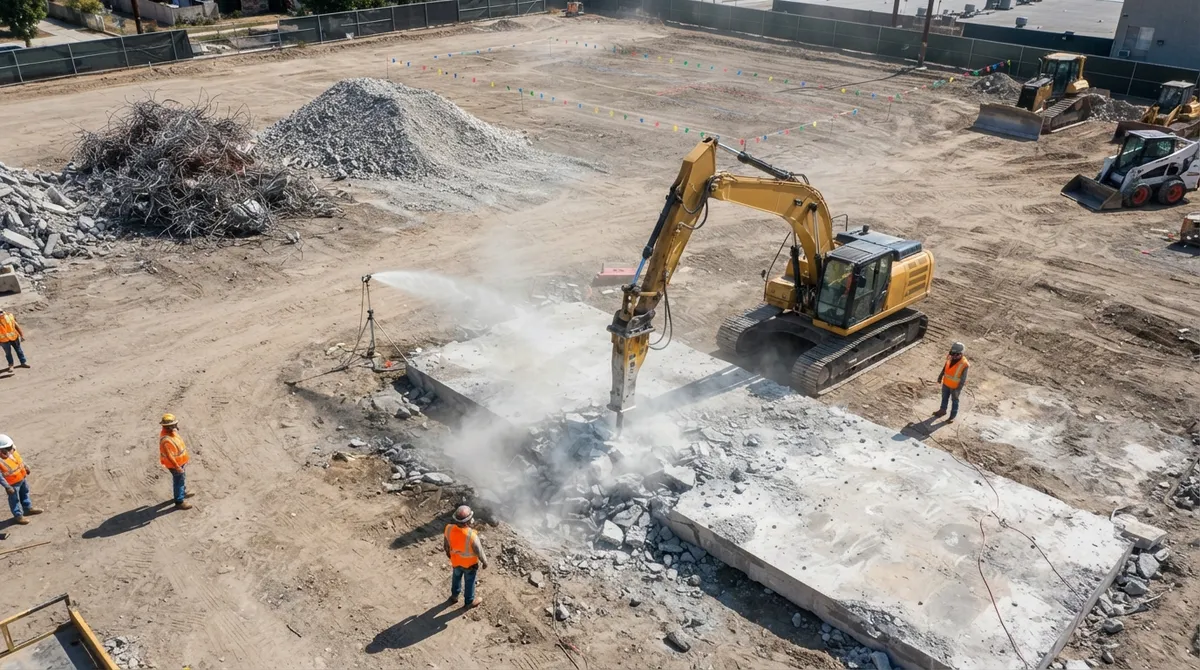
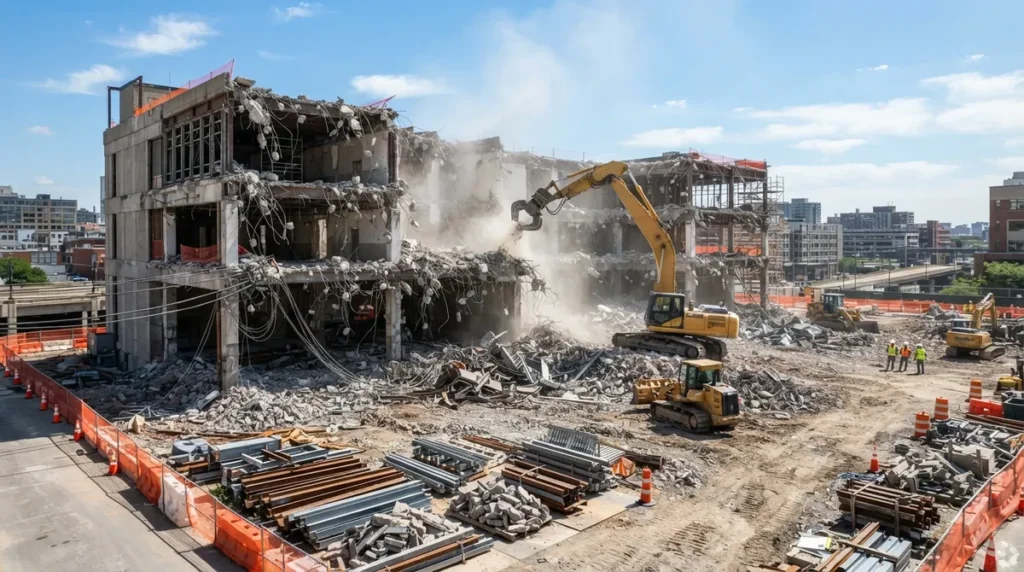
Key Takeaways
-
Building demolition is an engineered process requiring permits, utility disconnection, hazardous material removal, and a written plan—not just casual structure removal. Skipping proper procedures can result in fines, legal trouble, and safety hazards.
-
Choose between total demolition (entire structure removal) or selective demolition (specific parts only) based on your project needs. Selective demolition is ideal for renovations when only portions of a building require removal.
-
Professional demolition contractors handle hazardous material identification and removal, debris recycling, utility disconnection, and site grading. Working with licensed experts ensures compliance with local Nevada codes and prevents costly delays.
-
Common demolition methods include mechanical demolition (most frequent for homes and mid-sized buildings), implosion (for tall structures), and wrecking balls. The right method depends on building size, location, and safety requirements.
Have you ever driven past an old, run-down building one week, then seen an empty lot the next? That’s building demolition in action. If you’re a homeowner in Henderson, a builder working on a new project in Clark County, or a property manager dealing with an old structure, you’ve probably wondered exactly what this process involves. Let’s break it down together, in plain and friendly terms, so you feel confident about your next project.
Building demolition is simply the safe, planned tearing down of a structure. It could be a small backyard shed or a huge commercial building. The goal is always the same: clear the space safely so something new can rise in its place, or so a dangerous structure no longer poses a risk. At 702 Demo, we’ve spent years helping folks across Clark and Nye counties understand this process and get it done right.
In this guide, we’ll walk through what building demolition really means, the different methods used, and why hiring the right team matters so much. Grab a coffee, and let’s dig in.
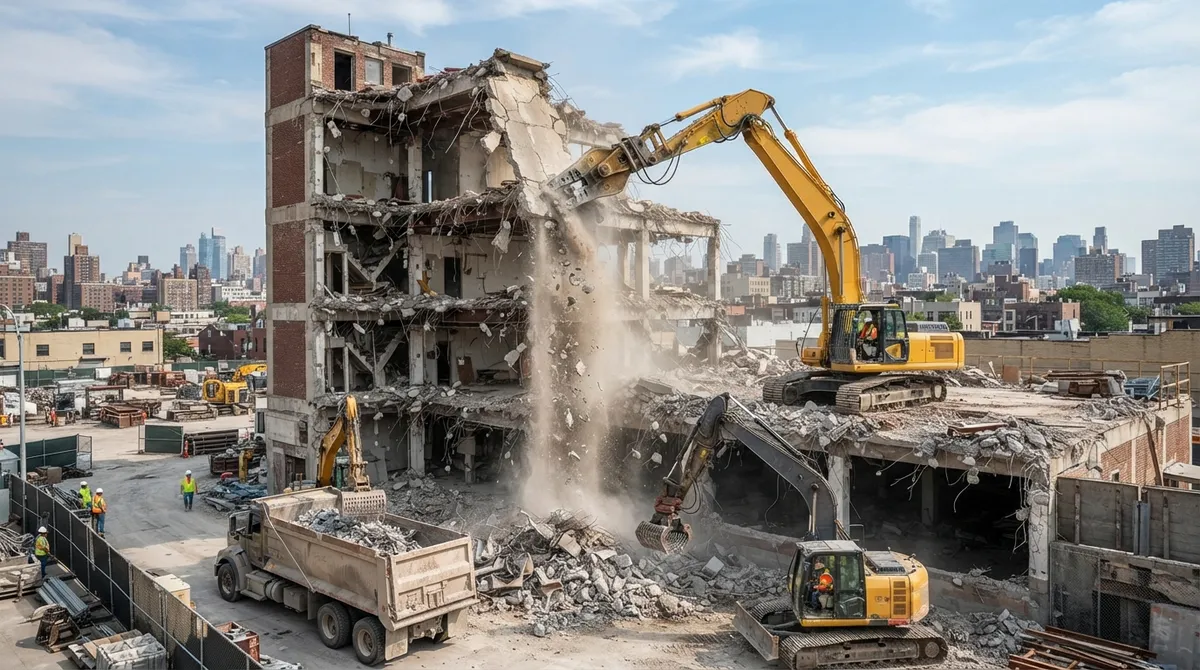
What Is Building Demolition, Exactly?
Building demolition is the engineered process of safely tearing down a structure that’s old, unsafe, or simply in the way of new plans. It’s not just swinging a wrecking ball and hoping for the best. Real demolition work follows careful planning, safety checks, and a clear sequence of steps.
This is different from deconstruction, which focuses on carefully taking apart a building to save materials for reuse. Demolition, on the other hand, is about efficiently removing the structure so the land can be reused. Both have their place, but most residential and commercial projects in Nevada call for standard demolition methods.
Here’s what makes demolition an engineering process rather than just “knocking things down”:
- A licensed contractor inspects the site before any work begins
- Utilities like gas, water, and electric lines get disconnected safely
- Hazardous materials, such as asbestos, are identified and removed properly
- A written demolition plan is created by a qualified, competent person
- Debris is hauled away and often recycled instead of dumped
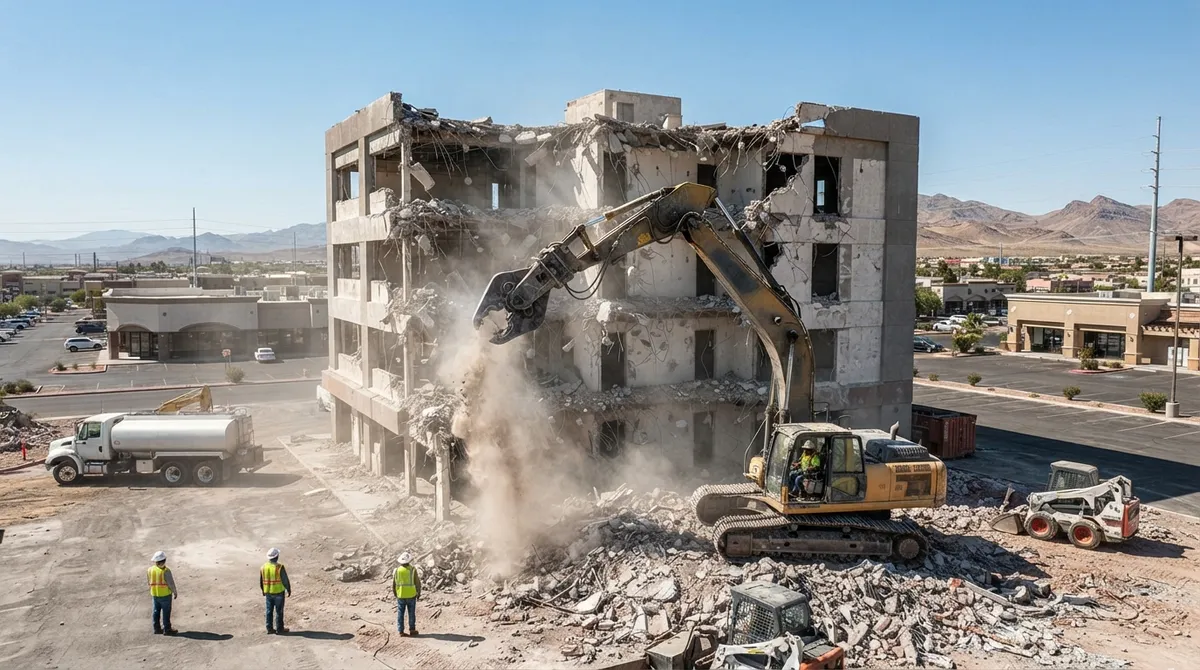
Why Building Demolition Matters for Nevada Properties
Clark and Nye counties are growing fast. Old homes, aging strip malls, and outdated commercial buildings often need to come down to make room for something better. Whether you’re a real estate developer eyeing a new build or a homeowner planning a remodel, understanding demolition helps you plan smarter.
Demolition also solves real problems. A crumbling structure can be a safety hazard. An old building might not meet current energy codes. Sometimes a property owner just needs more usable space. Whatever your reason, knowing the process helps you avoid delays and surprises.
Residential vs Commercial Demolition
The demolition industry generally splits work into two main categories: residential and commercial. Each comes with its own challenges, timelines, and considerations.
| Category | Typical Projects | Common Considerations |
|---|---|---|
| Residential Demolition | Homes, garages, sheds, pools, driveways | Noise limits, dust control, neighbor concerns |
| Commercial Demolition | Office buildings, retail spaces, casinos, warehouses | Tight timelines, larger crews, complex permitting |
If you’re a homeowner, you might be looking into pool removal or removing an old structure before a renovation. Commercial builders, on the other hand, often need fast, reliable teams who can handle large-scale building demolition projects without slowing down a construction schedule.
Total Demolition vs Selective Demolition
Not every demolition project means tearing everything down. There are actually two main approaches, and picking the right one saves time and money.
- Total Demolition: This removes an entire structure from the ground up. It’s common for old homes, unsafe buildings, or full property redevelopment.
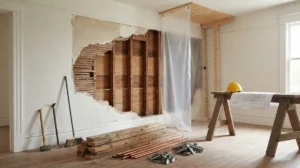
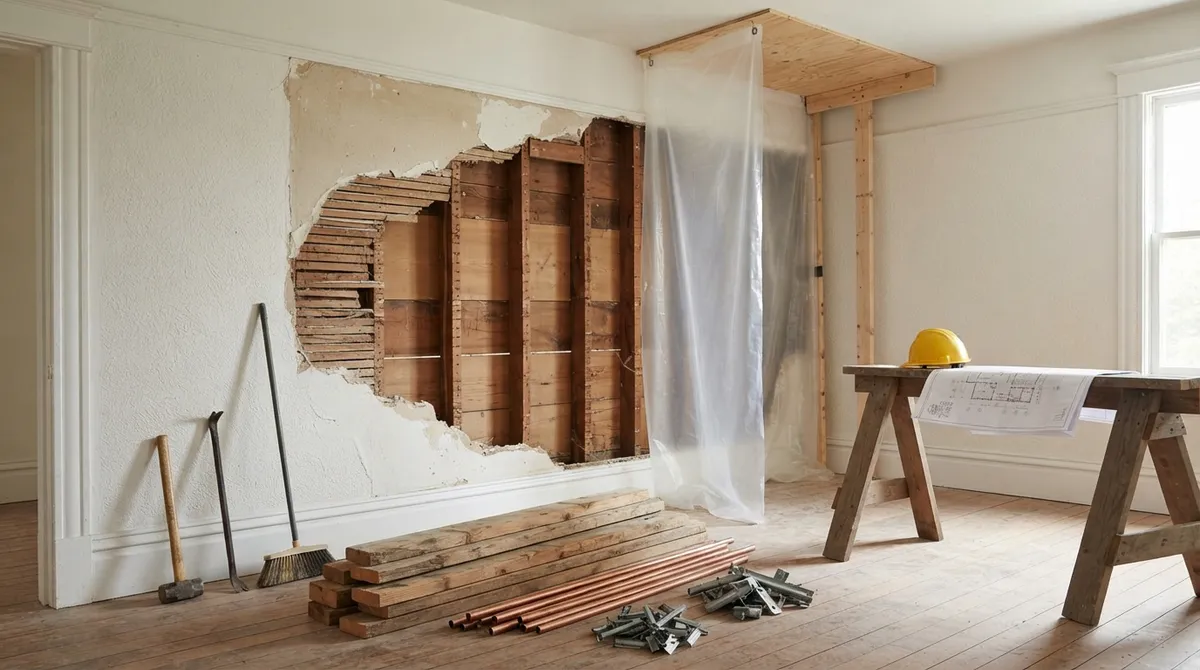
- Selective Demolition: This targets specific parts of a building, like removing a single wall, a kitchen, or an old addition. It’s often used during renovations when only part of the structure needs to go.
Renovation contractors often rely on selective demolition to prepare a space for new construction without disturbing the rest of the building. This is a big part of what makes interior demolition such a specialized skill.
Common Methods Used in Building Demolition
There isn’t just one way to tear down a building. The method depends on the size, location, and condition of the structure. Here are the most common techniques used across the industry today.
1. Mechanical Demolition
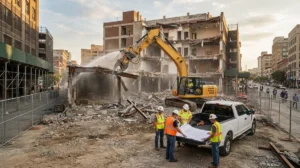
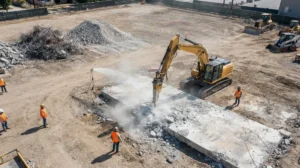
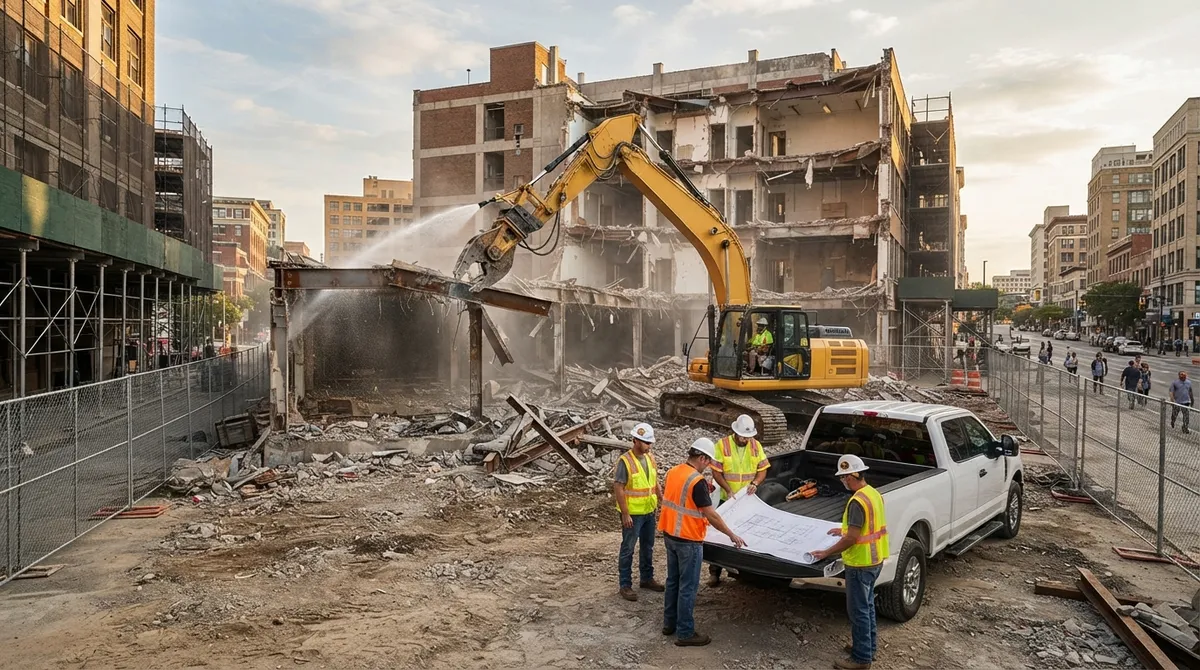
This is the most common method for homes and mid-sized commercial buildings. Heavy machines like excavators and high-reach arms pull structures apart piece by piece. It’s controlled, efficient, and works well in tight neighborhoods.
2. Implosion
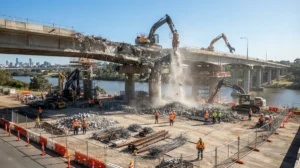
Implosion uses carefully placed explosives to bring down large buildings in seconds. This method is mostly reserved for tall commercial structures, like old casinos or high-rises, where speed and precision matter most. It takes serious expertise to plan safely.
3. Wrecking Ball
This classic method still has its uses today, especially for certain concrete or masonry structures. It’s less common now thanks to more precise mechanical tools, but it still gets the job done in the right situations.
Choosing the right method takes experience. A skilled team knows how to match the technique to the building type, location, and safety requirements.
The Step-by-Step Demolition Process
Every professional demolition project follows a similar sequence. Skipping steps can lead to safety issues, fines, or costly delays. Here’s how it typically works.
- Assessment and Planning: A contractor inspects the site, checks for hazardous materials, and creates a demolition plan.
- Permitting: Local permits are pulled before any work starts. In Las Vegas, this often means following the Las Vegas demolition permit guidelines.
- Site Preparation: Utilities are shut off, and the area is secured for safety.
- Controlled Demolition: The structure is taken down using the chosen method, whether mechanical, implosion, or another approach.
- Debris Removal: Materials like concrete, steel, and wood are hauled away, often recycled.
- Site Restoration: The land is graded and prepped for its next use, whether that’s new construction or landscaping.
This process might sound simple on paper, but each step requires experience and the right equipment. That’s why so many property owners in Clark and Nye counties turn to trusted local experts instead of trying to manage it themselves.
Permits and Safety Regulations You Should Know
Building demolition isn’t a DIY project. Local and state rules require permits before any structure comes down. Skipping this step can lead to fines or even legal trouble.
In Nevada, permit requirements are managed locally. If your property is in the Las Vegas area, you’ll need to follow city guidelines. Outside city limits, the Clark County Building Department handles permitting and inspections.
Safety regulations also require a written demolition method created by a qualified professional. This document outlines how the structure will come down safely, without risking an uncontrolled collapse. According to the Occupational Safety and Health Administration, demolition work must follow strict guidelines to protect workers and nearby properties, a standard supported by resources like the OSHA demolition safety page.
What Contractors Handle During Demolition
A good demolition contractor does more than knock down walls. Here’s what’s typically included in professional service:
- Identifying and safely removing hazardous materials like asbestos or lead paint
- Disconnecting utilities before work begins
- Managing dust and noise to reduce impact on neighbors
- Hauling and recycling debris responsibly
- Grading and preparing the site for the next phase of construction
This is where working with an experienced team really pays off. Property managers dealing with concrete removal or hazardous material cleanup need contractors who know local codes inside and out.
Why Choose 702 Demo for Your Demolition Project
702 Demo has spent years serving homeowners, builders, and property managers throughout Clark and Nye counties. We understand local permitting, safety rules, and the unique challenges of Nevada properties, from desert soil conditions to older Las Vegas neighborhoods.
Whether you need excavating and grading after a teardown, full hauling services for debris removal, or a complete full building demolition, our team handles every step with care. We’ve built our reputation on doing things right the first time, and you can see what our 702 Demo customers say on Google before making your decision.
Signs You Might Need Demolition Services
Not sure if your project needs demolition help? Here are common signs it’s time to call in the pros:
- Your home or building has structural damage or fire damage
- You’re planning a major renovation that requires removing walls or additions
- An old pool, patio, or driveway needs to be removed before new construction
- You’re developing land that has an outdated structure on it
- A commercial property needs interior gutting before a remodel
If any of these sound familiar, it’s worth getting a professional opinion before starting your project.
Getting Started With Your Demolition Project
Building demolition is more than just tearing things down. It’s a careful process that involves planning, permits, safety checks, and the right equipment for the job. Whether you’re clearing land for a new home, prepping a commercial site, or removing an old structure, working with an experienced team makes all the difference.
702 Demo has the experience, equipment, and local knowledge to handle your project safely and efficiently, no matter the size. Ready to get started? Contact 702 Demo for a free estimate and let’s talk about your project today.
FAQs
Q: What is building demolition in simple terms?
A: Building demolition is the safe, planned process of tearing down a structure that’s old, unsafe, or no longer needed. It follows careful steps like planning, permitting, and debris removal, so it’s much more organized than it might look from the outside!
Q: What is the difference between demolition and deconstruction?
A: Demolition focuses on efficiently tearing down a structure, while deconstruction carefully takes it apart to save materials for reuse. Most residential and commercial projects in Nevada rely on standard demolition methods to save time and get the job done.
Q: Do I need a permit for building demolition in Nevada?
A: Yes, permits are required before any demolition work begins. Local rules vary, so it’s a good idea to check with your city or county, and a trusted contractor like 702 Demo can help guide you through the process.
Q: What’s the difference between selective and total demolition?
A: Total demolition removes an entire structure, while selective demolition targets specific parts, like a single wall or room. Renovation projects often use selective demolition to prepare a space without disturbing the rest of the building.
Q: How do demolition contractors handle hazardous materials?
A: Professional contractors inspect the site first to identify hazards like asbestos or lead paint. They follow strict safety guidelines to remove and dispose of these materials properly, keeping everyone on site safe and sound.