Key Takeaways
-
Demolition cost comprises five main components: labor, equipment rental, debris hauling, dump fees, and permits—understanding these pieces helps you anticipate total expenses and avoid surprises.
-
Project-specific factors like structure size, basement presence, hazardous materials, site accessibility, and local regulations significantly affect pricing, making on-site contractor assessments essential for accurate estimates.
-
Get multiple estimates from licensed contractors, ask what’s included versus extra charges, and plan for permit timelines to keep your demolition project within budget and on schedule.
-
Bundling services like hauling and grading with demolition work can reduce overall costs and simplify your project timeline while ensuring safe, compliant removal.
So you’re staring at that old shed, that cracked pool deck, or maybe a whole house that’s seen better days, and one big question keeps popping into your head: what is demolition cost, really? You’re not alone in asking. This is one of the most common questions we hear from homeowners, builders, and property managers all across Clark and Nye counties. The good news? Understanding demolition cost is not as scary as it sounds once you break it down into simple pieces.
Think of demolition cost like a recipe. There are a few main ingredients that always show up, plus some extra add-ins depending on your specific project. In this guide, we’ll walk through everything that goes into demolition pricing, why it varies so much, and how you can plan smart for your next tear-down. Whether you’re a homeowner dreaming of a fresh backyard or a developer eyeing a big commercial site, this article is for you.
What Is Demolition Cost and What Does It Cover
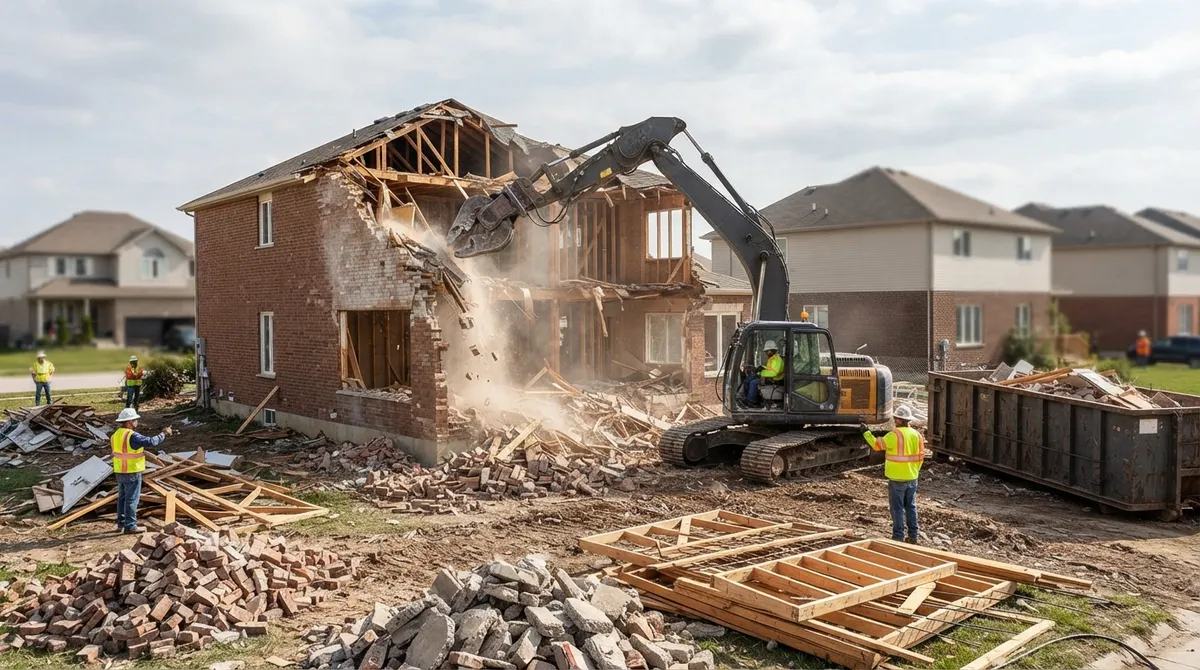
Demolition cost is the total price you pay to safely tear down a structure and clear the site. It’s never just one flat number. Instead, it’s made up of several parts working together.
Here’s what typically gets bundled into your demolition cost:
- Labor for the crew doing the physical work
- Heavy equipment rental or use, like excavators and skid steers
- Debris hauling and truck trips to disposal sites
- Dump fees and landfill disposal charges
- Permit fees required by your local building department
- Site cleanup and grading after the structure comes down
When you understand these pieces, the whole picture becomes much clearer. A trusted demolition contractor like 702 Demo will walk you through each of these before any work begins, so there are no surprises later.
Why Demolition Cost Varies So Much From Project to Project
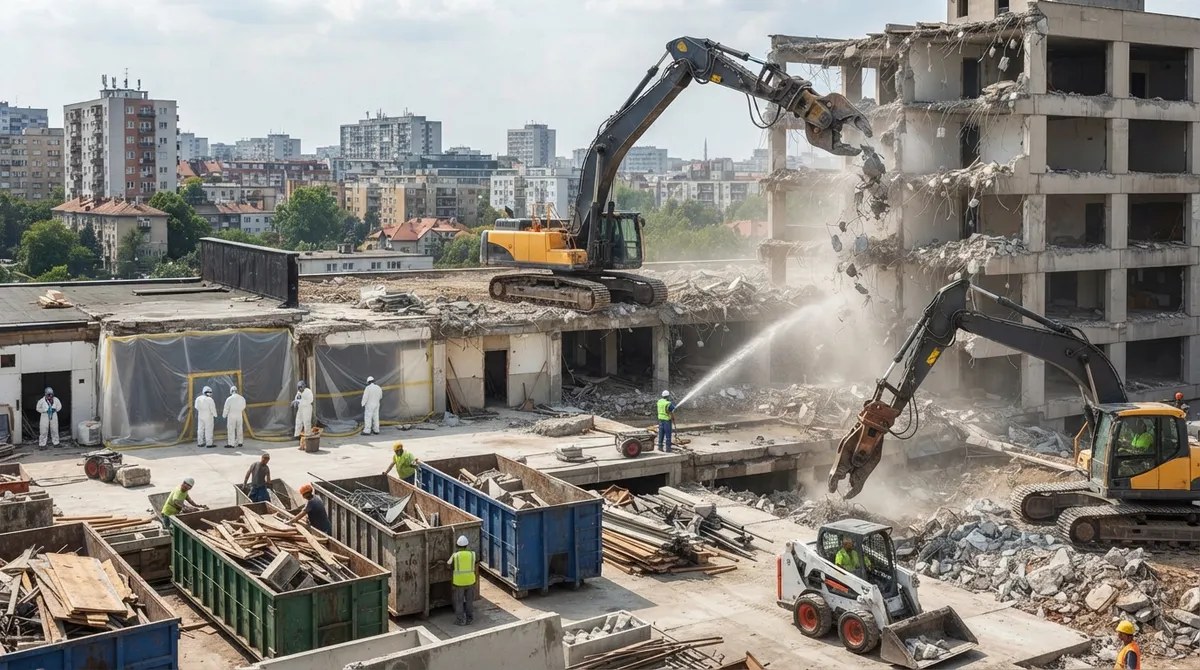
You might wonder why your neighbor’s teardown seemed simple while yours feels complicated. The truth is, no two demolition jobs are exactly alike. Several factors shape the final price.
Size and Type of the Structure
A small shed obviously costs less to remove than a two-story home. Square footage plays a huge role. Bigger structures need more labor hours, more equipment time, and more trips to haul away debris.
Foundation and Basement Details
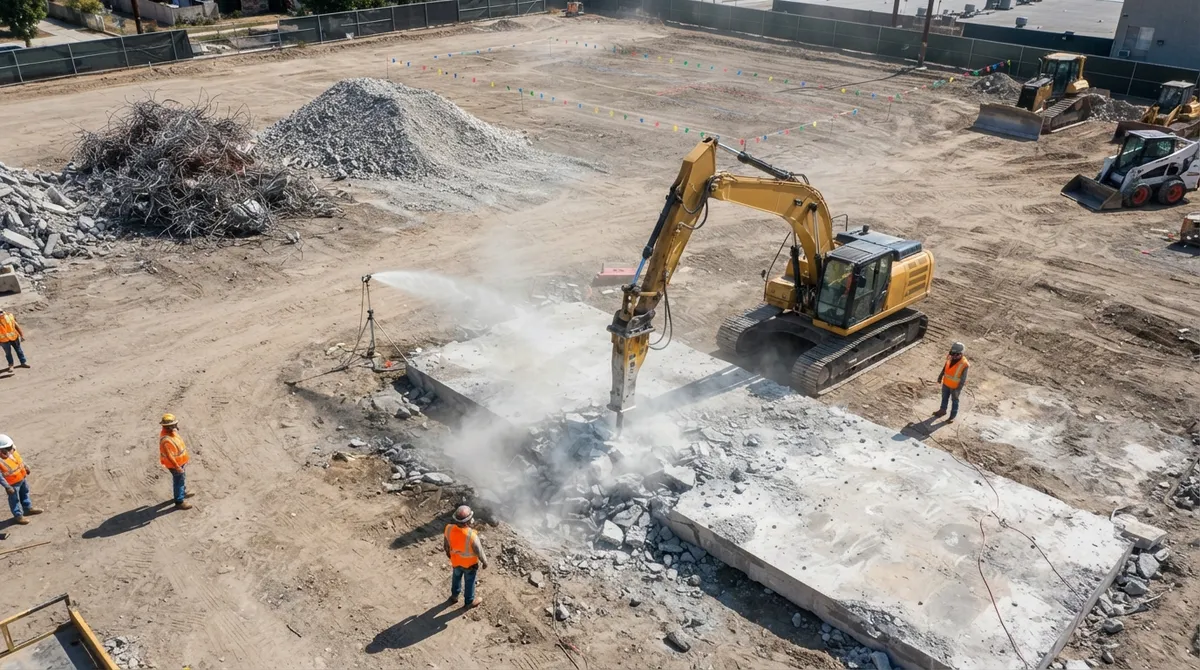
Homes with basements or thick concrete foundations take extra effort to break apart and remove. This adds time and equipment use, which affects your final demolition cost.
Hazardous Materials on Site
Older homes sometimes hide asbestos, lead paint, or other hazardous materials. These require special handling and certified removal, which can increase costs but keeps everyone safe.
Local Permits and Regulations
Every city and county has its own rules. In Las Vegas, you’ll need to follow the Las Vegas demolition permit guidelines before any demolition begins. Permit costs and requirements can shift your overall budget too.
Accessibility of the Site
Tight spaces, narrow driveways, or structures close to neighboring properties can slow down work. Crews may need smaller equipment or extra care, which can add time to the job.
Breaking Down the Main Cost Categories
Let’s look closer at where your money actually goes during a demolition project. This helps you see the full value behind the price tag.
| Cost Category | What It Includes | Why It Matters |
|---|---|---|
| Labor | Skilled crew members operating equipment and managing the site | Ensures safe, efficient teardown |
| Equipment | Excavators, bobcats, dump trucks | Speeds up the process significantly |
| Hauling and Disposal | Removing debris and dumping fees | Keeps your site clean and code compliant |
| Permits | Required approvals from local government | Avoids fines and legal trouble |
| Site Prep and Cleanup | Grading, leveling, final touches | Prepares the land for its next chapter |
Seeing it laid out like this makes demolition cost feel a lot less mysterious, right? Every dollar has a purpose.
Residential vs Commercial Demolition Cost Differences
Homeowners and commercial builders often ask how their projects compare. While the basic cost categories are similar, the scale and complexity shift quite a bit.
- Residential projects usually involve smaller structures like single-family homes, garages, or pools.
- Commercial projects often include larger buildings, more square footage, and stricter safety codes.
- Commercial sites may require coordination with the Clark County Building Department for inspections and approvals.
- Timelines for commercial demolition tend to be tighter due to development deadlines.
- Both types benefit from working with an experienced building demolition team that understands local codes.
Whether you’re removing a backyard pool through our pool removal services or tackling a large-scale commercial site, the same core cost principles apply, just at different scales.
Common Add-Ons That Affect Your Demolition Cost
Beyond the basics, some projects need extra services that add to the total price. Knowing about these ahead of time helps you budget better.
- Concrete removal for driveways, patios, or foundations
- Interior demolition before full structural teardown
- Landscaping removal to clear trees, shrubs, or grass
- Excavating and grading to prepare the site for new construction
- Specialty hauling services for large debris loads
If your project includes any of these, our concrete removal guide and excavating and grading services page can help you understand what’s involved.
How to Get an Accurate Demolition Cost Estimate
Getting a real number for your project takes a little homework, but it’s simpler than you might think. Follow these steps to set yourself up for success.
- Walk through your property and note the structure’s size and condition.
- Check if there’s a basement, pool, or heavy concrete involved.
- Ask about potential hazardous materials, especially in older buildings.
- Research local permit requirements for your area in Clark or Nye County.
- Request an on-site visit from a licensed demolition contractor.
- Compare the estimate against the scope of work discussed.
- Ask questions about hauling, disposal, and cleanup included in the quote.
Following these steps helps you avoid surprises and gives you confidence in your budget. Our team at 702 Demo has spent years helping homeowners and builders across Nevada navigate this exact process.
Why Choosing the Right Contractor Matters for Cost and Quality
Picking the right demolition team isn’t just about price. It’s about trust, safety, and getting the job done right the first time.
Here’s what to look for in a demolition partner:
- Proper licensing and insurance coverage
- Experience with projects similar to yours
- Clear, upfront communication about scope and process
- Knowledge of local permit rules and safety codes
- Reliable equipment and a skilled crew
- Positive reviews and a strong local reputation
702 Demo has built a reputation across Las Vegas and beyond as a full-service demolition, excavating, and paving contractor. We handle everything from small residential projects to large commercial builds. You can visit us on Google — 702 Demo to see what our customers across Clark and Nye counties have to say about their experience.
Tips to Keep Your Demolition Project on Budget
Nobody likes surprise costs. Here are some friendly tips to help you stay on track financially.
- Get multiple estimates before committing to a contractor
- Ask about what’s included versus what might be extra
- Plan for permit timelines so you’re not rushing
- Consider bundling services like hauling and grading together
- Communicate clearly about your project goals and timeline
Property managers and real estate developers especially benefit from planning ahead. Our hauling services can be combined with demolition work to save time and simplify your project timeline.
Wrapping It Up
Understanding what is demolition cost doesn’t have to feel overwhelming. Once you know the main pieces, labor, equipment, hauling, permits, and cleanup, you can plan with confidence. Every project is unique, but a trustworthy contractor will always walk you through the details and help you make smart choices.
Whether you’re a homeowner ready for a fresh start, a contractor prepping a job site, or a developer planning your next big project, 702 Demo is here to help every step of the way. We proudly serve Clark and Nye counties with honest pricing, skilled crews, and a genuine commitment to doing things right.
Ready to get started? Contact 702 Demo for a free estimate today and let’s talk about your project.
FAQs
Q: What is demolition cost based on?
A: Demolition cost is based on several things working together, like the size of the structure, labor, equipment, hauling, disposal fees, and permits. Every project is a little different, so a contractor will look at your specific site before giving you a real number.
Q: Does demolition cost include debris removal?
A: Yes, most demolition cost estimates include hauling away debris and paying disposal fees at the landfill. It’s a big part of the process, so a good contractor will always build this into your quote from the start.
Q: Why do some demolition projects cost more than others?
A: Bigger structures, basements, hazardous materials, and tricky access all add time and effort to a project. That extra work naturally raises the price, but it also means the job gets done safely and correctly.
Q: Do I need a permit before starting demolition?
A: In most cases, yes, you’ll need a permit from your local building department before any demolition work begins. It’s a smart idea to check local guidelines early so your project timeline stays on track.
Q: How can I get an accurate demolition cost estimate?
A: The best way is to have a licensed contractor visit your property and take a look in person. They can spot details like foundation type or hazardous materials that affect pricing, giving you a much more accurate number.