Key Takeaways
-
Demolition requires mandatory preparation steps including structural assessments, permit acquisition, hazardous material testing, and utility disconnection before any work begins to ensure safety and legal compliance.
-
Three main demolition types exist: total demolition (entire structure removed), selective demolition (specific parts only), and deconstruction (careful disassembly for material reuse), each requiring different skill levels and timelines.
-
Commercial demolition costs range from $4-$15 per square foot, and choosing a licensed contractor with proper insurance, experience, and transparent communication prevents costly delays and safety issues.
-
Modern demolition prioritizes environmental responsibility by recycling materials like metal, concrete, and wood instead of landfill disposal, reducing project waste while managing dust, noise, and neighbor impacts.
Have you ever driven past an old building one day, then seen an empty lot the next? That’s demolition at work. Maybe you’re a homeowner in Henderson thinking about tearing down an old shed. Or perhaps you’re a developer planning a big project in Clark County. Either way, understanding what is demolition of building can help you feel confident about your next project. Grab a coffee, and let’s walk through this together in plain, friendly terms.
Demolition of a building simply means taking down a structure on purpose. It could be a whole house, an old strip mall, or just one room inside a larger space. In the demolition services world, this process is never random. It’s planned, careful, and follows clear rules to keep everyone safe.
What Is Demolition of Building, Really?
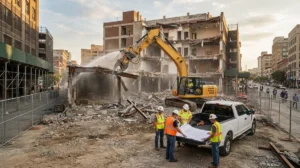
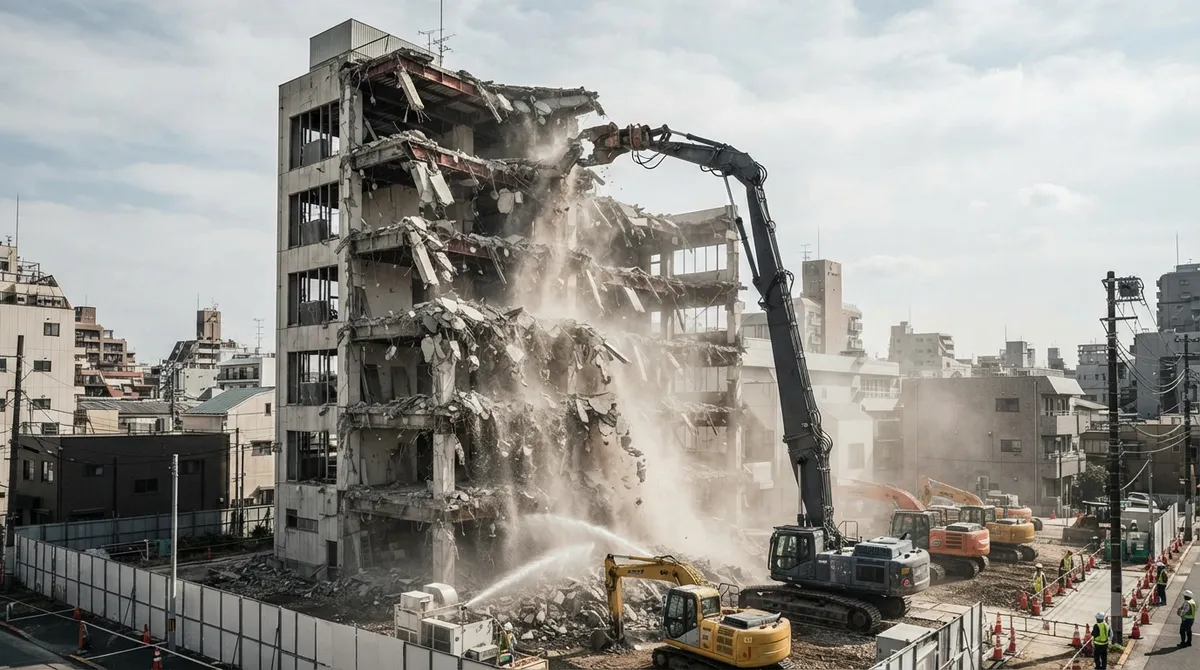
At its core, demolition is the planned destruction or dismantling of a building or structure. This isn’t just knocking down walls with a wrecking ball, although that image might come to mind first. Modern demolition is much more thoughtful than that.
The Occupational Safety and Health Administration describes demolition as the dismantling, razing, destroying, or wrecking of any building or structure, or any part of it. That’s a fancy way of saying: taking something down safely and on purpose.
Demolition work often includes several steps working together:
- Checking the building’s structure before any work begins
- Removing hazardous materials like asbestos
- Disconnecting gas, water, and electric utilities
- Choosing the right method to bring the structure down
- Clearing away debris and recycling what can be reused
- Preparing the site for whatever comes next
This is why hiring a trusted team like 702 Demo matters so much. Demolition touches on safety, permits, and the environment all at once.
The Different Types of Building Demolition
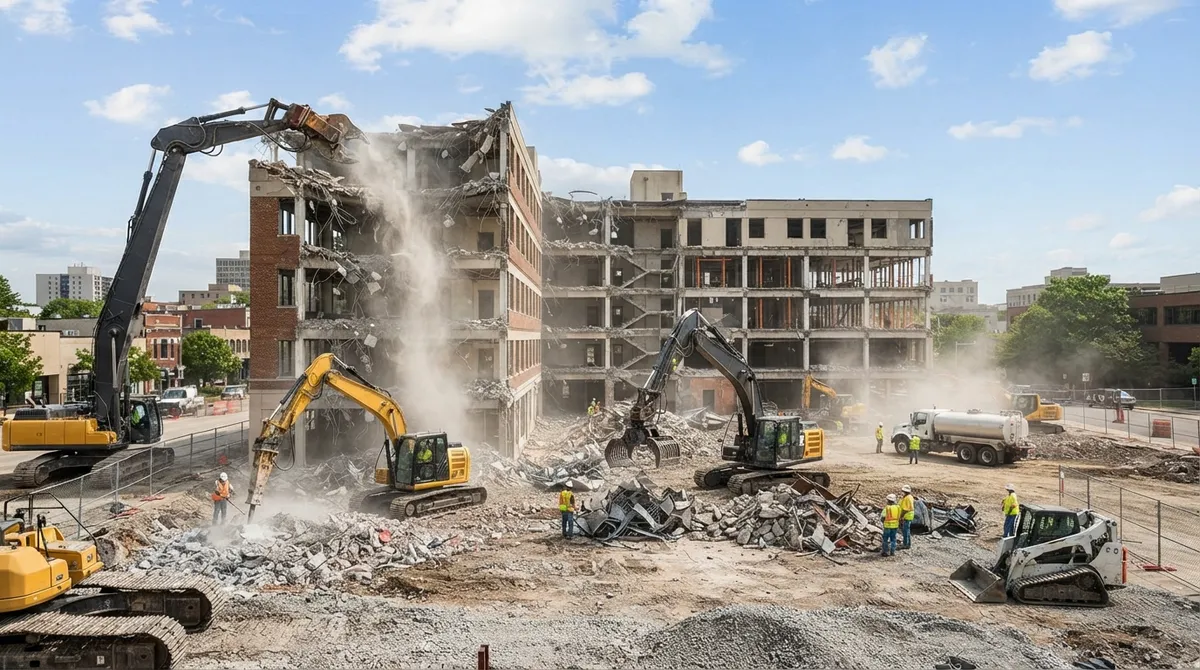
Not every demolition job looks the same. Some projects need the whole building gone. Others only need part of it removed. Knowing the difference helps you plan better and avoid surprises.
Total Demolition
This is what most people picture. The entire building comes down, from roof to foundation. Total demolition is common when a structure is unsafe, outdated, or standing in the way of new construction.
Selective Demolition
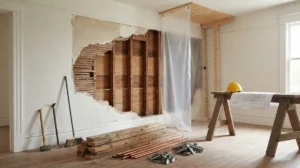
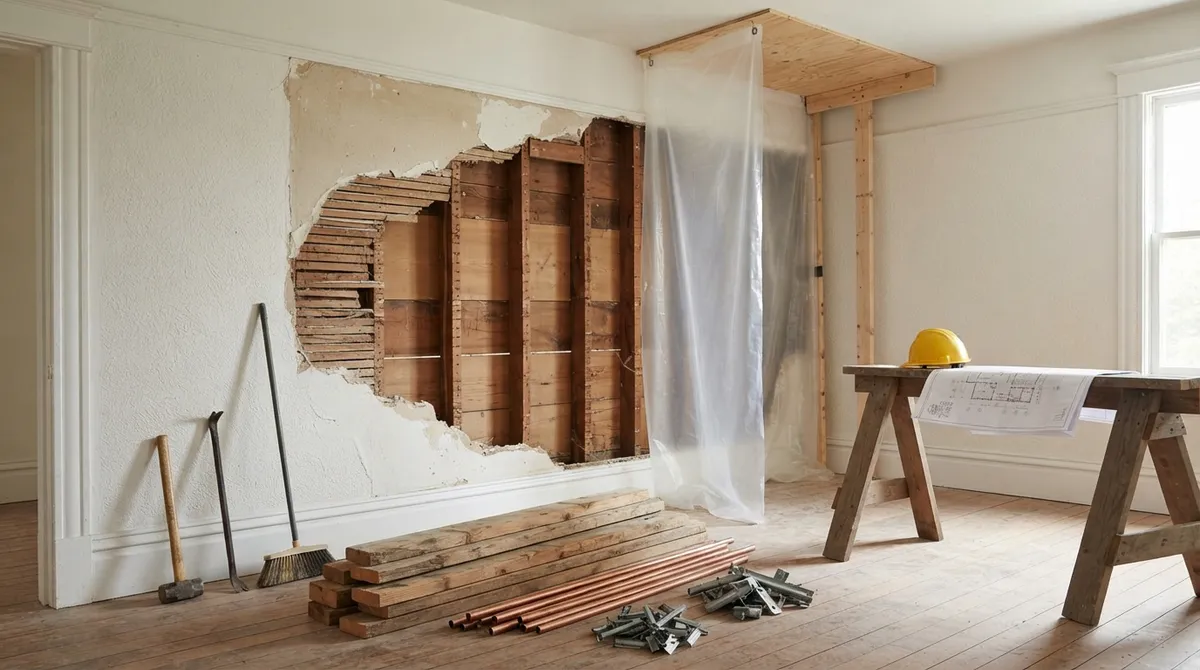
Selective demolition removes only certain parts of a building. Think of a kitchen remodel where only one wall needs to go. This method takes more skill because workers must protect the parts staying in place. Learn more about this approach in our guide on interior demolition secrets that save money.
Dismantling and Deconstruction
Dismantling takes a building apart piece by piece, often by hand. Deconstruction goes a step further by focusing on saving materials for reuse. This method takes longer but reduces waste sent to landfills.
Interior Strip-Out
Sometimes you only need the inside gutted. Walls, flooring, and fixtures come out, but the outer shell stays standing. This is common before a big renovation.
Common Methods Used in Building Demolition
The method a contractor picks depends on the building’s size, location, and materials. Here are the most common approaches used across the demolition industry today:
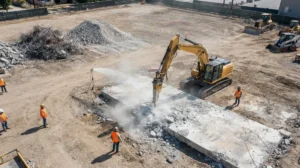
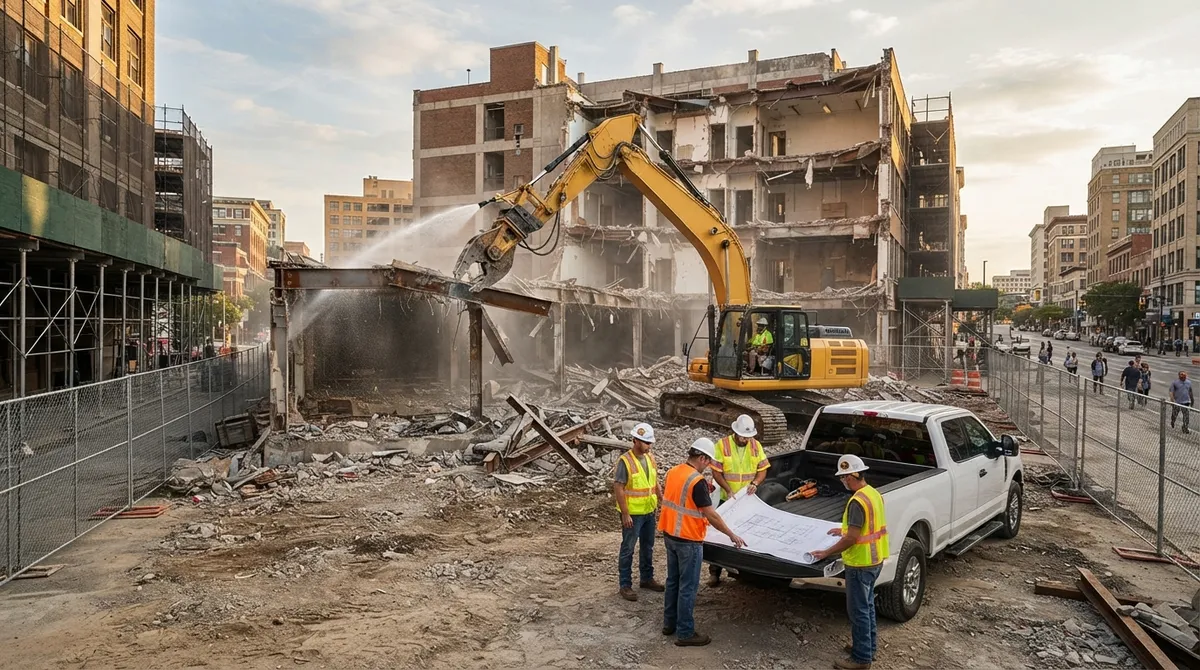
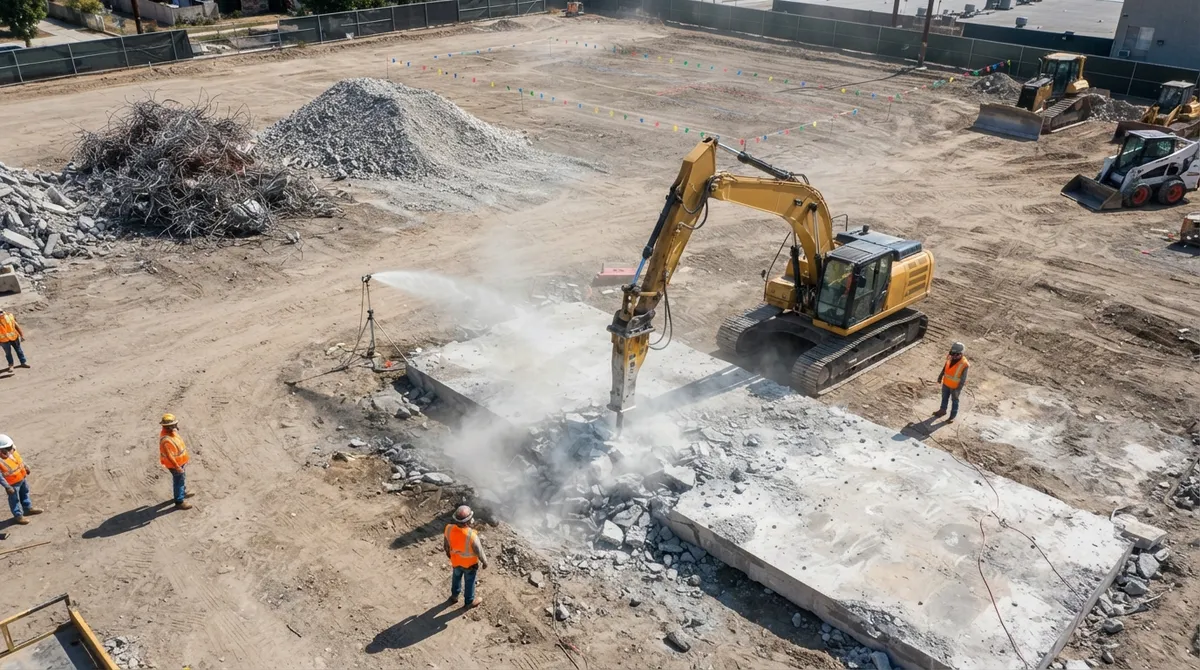
- Mechanical demolition: Heavy machines like excavators and hydraulic breakers tear down structures piece by piece.
- Controlled demolition or implosion: Explosives bring down large buildings in seconds, often used for tall or complex structures.
- Manual dismantling: Workers use hand tools to remove parts of a structure, ideal for smaller or delicate jobs.
- Selective deconstruction: Crews carefully remove specific sections while keeping the rest of the building intact.
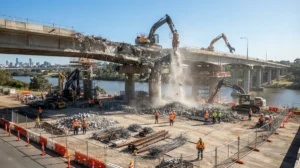
Each method has its place. A homeowner removing an old patio needs something very different from a developer clearing a ten-story office building. That’s why working with a full-service contractor matters. Our team at 702 Demo handles everything from small residential jobs to large commercial teardowns across Clark and Nye counties.
Steps Before Demolition Begins
Good demolition companies never just show up and start swinging. There’s a lot of prep work that happens first. Skipping these steps can lead to fines, delays, or even injuries.
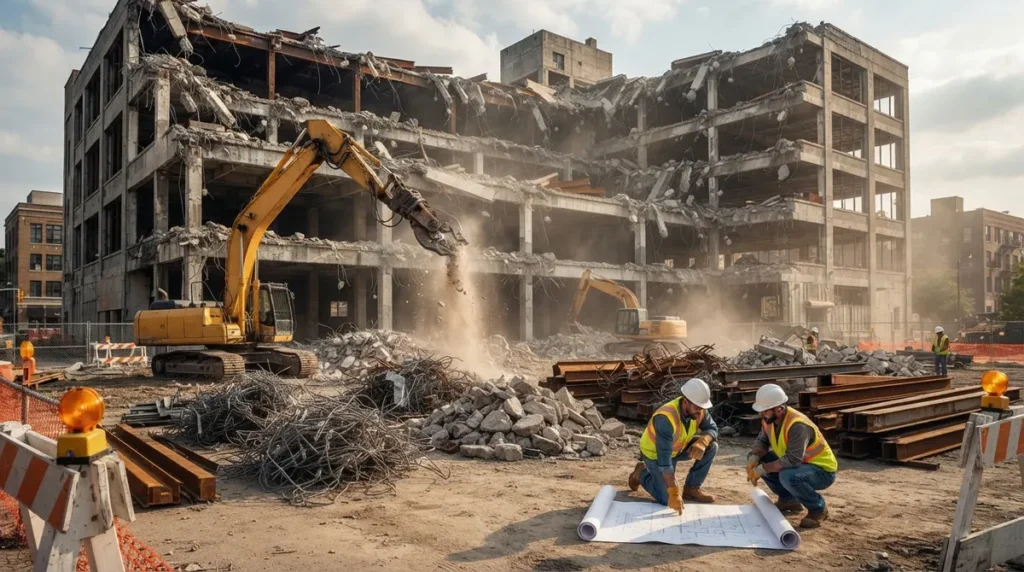
- Structural assessment to understand how the building will react during demolition
- Securing permits from local authorities, including the Clark County Building Department
- Testing for hazardous materials such as asbestos or lead paint
- Disconnecting utilities like gas, water, and electricity
- Setting up safety barriers and dust control measures
- Planning where debris will go and what can be recycled
If you’re in the Las Vegas area, be sure to check the Las Vegas demolition permit guidelines before starting any project. Permits protect you and your neighbors, and skipping this step can cause real headaches down the road.
Why Demolition Is Closely Tied to Site Preparation
Demolition rarely stands alone. It’s usually just the first chapter in a bigger story. Once a structure comes down, the real work of site preparation begins.
This might include excavating and grading the land, removing old concrete, or clearing out landscaping that’s no longer needed. Developers planning new builds need this groundwork done right the first time.
For property owners dealing with old pools that need to go, our pool removal guide walks through what to expect. And if you’re managing debris after a project, our hauling services make cleanup simple and stress-free.
Demolition Costs and Industry Numbers You Should Know
Understanding the scale of the demolition industry helps put things in perspective. This isn’t a small niche business. It’s a massive, well-established field with clear standards and practices.
| Statistic | Detail |
|---|---|
| Global demolition services market | Around $87.4 billion (2022 estimate) |
| U.S. demolition industry revenue | Over $7 billion (2021 estimate) |
| Commercial demolition cost range | Roughly $4 to $15 per square foot |
| UK industry classification | SIC code F43.110 (Demolition) |
These numbers show just how important proper demolition planning really is. Big money and big responsibility go hand in hand in this industry.
Safety and Environmental Concerns in Demolition
Demolition isn’t just about knocking things down. It’s about doing it responsibly. There are real risks involved, from structural collapse to dust and noise affecting neighbors.
Here’s what responsible demolition contractors focus on:
- Protecting workers from falling debris and structural collapse
- Managing dust so it doesn’t affect air quality nearby
- Reducing noise disruption for neighbors and businesses
- Handling traffic safely around the job site
- Following all local, state, and federal safety rules
- Recycling materials whenever possible instead of dumping everything
Modern demolition puts a strong focus on recycling and material recovery. Instead of sending everything to a landfill, good contractors sort out metal, concrete, and wood for reuse. This is better for the environment and often reduces overall project waste.
Selective Demolition vs Total Demolition: A Quick Comparison
Choosing between these two approaches can feel confusing at first. Here’s a simple breakdown to help you decide what fits your project.
| Factor | Selective Demolition | Total Demolition |
|---|---|---|
| Scope | Only certain parts removed | Entire structure removed |
| Best for | Renovations, remodels | Unsafe or outdated buildings |
| Time needed | Often longer, more careful work | Can be faster depending on size |
| Skill level | Higher precision required | Heavy machinery experience needed |
Renovation contractors often need selective demolition for foundation repairs or interior updates. Meanwhile, real estate developers planning new builds usually need full-service demolition and site clearing. Our team explains this more in the building demolition page, which covers both approaches in detail.
Who Needs Building Demolition Services?
Demolition touches more people than you might think. Here’s a quick look at who typically needs these services:
- Homeowners wanting to remove old structures for renovations or new builds
- Commercial builders needing site clearing before new construction starts
- Renovation contractors handling foundation repairs or interior remodels
- Property managers dealing with hazardous material removal in older buildings
- Real estate developers planning residential or commercial projects across Nevada
No matter which group you fall into, having a reliable partner makes all the difference. That’s exactly why so many people across Clark and Nye counties trust 702 Demo for their projects. You can even visit us on Google — 702 Demo to see what our happy customers have to say.
How to Choose the Right Demolition Contractor
Not all demolition companies are equal. Picking the right one saves you time, money, and stress. Here’s what to look for:
- Proper licensing and insurance for demolition work
- Experience with your specific project type, residential or commercial
- Clear communication about permits and timelines
- A track record of safe, clean job sites
- Willingness to explain the demolition process step by step
Learn more about what makes a contractor trustworthy in our article on why a licensed demolition contractor matters. It’s a great read if you want peace of mind before signing any contract.
Wrapping Up: Your Next Step in Building Demolition
So, what is demolition of building? It’s much more than tearing something down. It’s a careful, planned process that includes safety checks, permits, hazardous material removal, and smart waste management. Whether you’re a homeowner, developer, or property manager, understanding this process helps you plan with confidence.
Ready to get started on your project? Our friendly team is here to help every step of the way. Contact 702 Demo for a free estimate and let’s talk about how we can bring your vision to life, safely and efficiently, right here in Clark and Nye counties.
FAQs
Q: What is demolition of a building?
A: Demolition of a building is the planned process of taking down a structure, whether that’s the whole thing or just part of it. It involves careful steps like permits, safety checks, and hazardous material removal, not just knocking down walls.
Q: What is the difference between demolition and deconstruction?
A: Demolition usually focuses on quickly taking a structure down, while deconstruction is a slower process that carefully saves materials for reuse. Think of deconstruction as the more eco-friendly cousin of traditional demolition.
Q: What permits are needed for building demolition?
A: You’ll typically need permits from your local building department before any demolition starts. In Las Vegas, for example, contractors follow specific city guidelines to keep everyone safe and compliant.
Q: How is asbestos handled before demolition?
A: Before any demolition begins, contractors test the building for asbestos and other hazardous materials. If found, licensed professionals safely remove these materials before the actual demolition work starts.
Q: How much does building demolition cost per square foot?
A: Commercial demolition often runs between $4 and $15 per square foot, though this can vary based on building size, materials, and location. Every project is different, so it’s best to get a personalized estimate for accurate numbers.