Key Takeaways
-
Bridge and road demolition requires specialized planning including engineering review, utility checks, traffic control, and environmental protections—not just heavy machinery; skipping these steps causes delays, fines, or safety problems.
-
About 45% of U.S. bridges have exceeded their 50-year design life, and 7% are rated poor, making demolition and replacement work increasingly necessary; a poor rating doesn't automatically mean demolition but requires careful evaluation by engineers.
-
Concrete, steel, and asphalt from demolition can be recycled into aggregate or scrap, but success depends on material condition, contamination, project specs, and local markets—plan for debris sorting and hauling early.
-
Hiring a licensed, experienced demolition contractor with local knowledge keeps projects safe, legal, and on schedule while handling hazardous materials like lead paint and managing complex utility and traffic coordination.
Have you ever driven past a closed bridge or a torn-up road and wondered how crews take it all apart? It looks like heavy machines and a lot of noise. But behind the scenes, bridge and road demolition is careful, planned work. Every step has a purpose, from the first inspection to the last load of debris.
Whether you are a homeowner with a cracked driveway, a builder clearing a new site, or a developer planning a big project, knowing how this work happens helps you plan smarter. In this friendly guide, we will walk through 14 key facts about bridge and road demolition. We will keep the language simple and the tips practical.
Here in Clark and Nye counties, 702 Demo handles demolition, excavating, grading, concrete, and paving. That full-service mix is what makes a smooth project possible. Let’s dive in!
Why Bridge and Road Demolition Matters Right Now
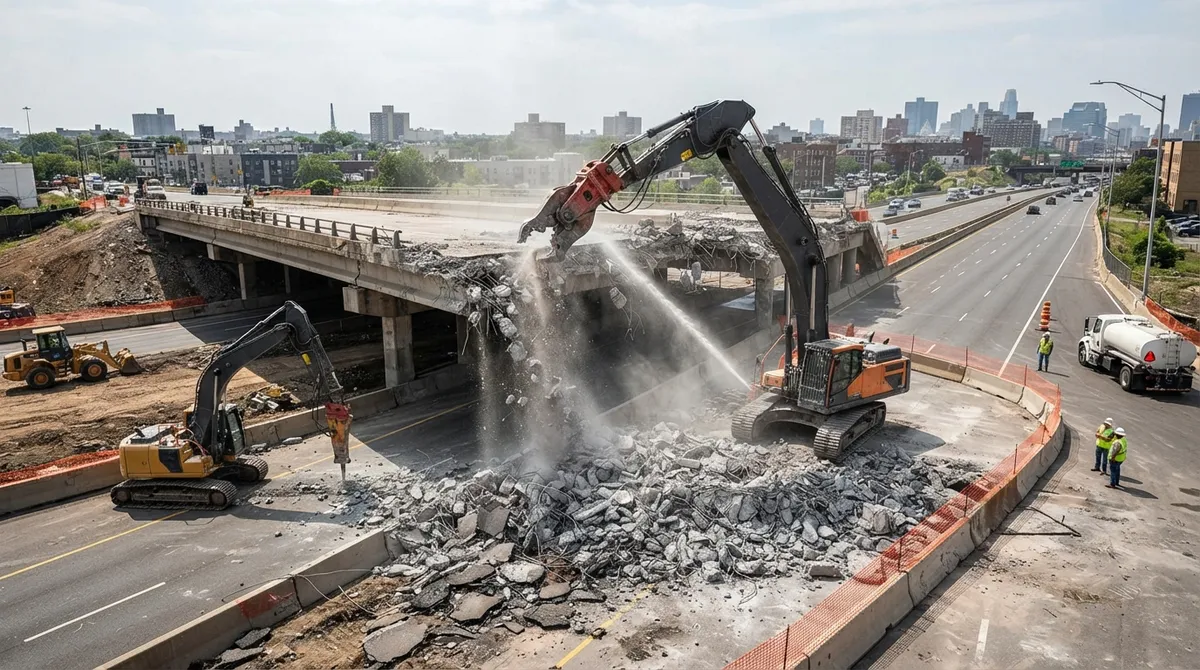
America has a lot of aging pavement and bridges. The 2025 FHWA National Bridge Inventory data, summarized by the Congressional Research Service, counts about 624,000 public-road bridges longer than 20 feet. About 7% were rated poor, 50% fair, and 44% good.
ASCE’s 2025 report card adds that about 45% of U.S. bridges have passed their planned 50-year design life. That is a big reason repair, rehab, and replacement work keeps growing. And demolition is often the first step.
14 Key Facts About Bridge and Road Demolition
1. It Is Specialized Work, Not Simple Teardown
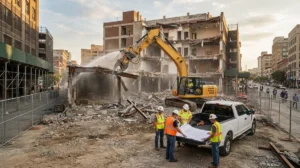
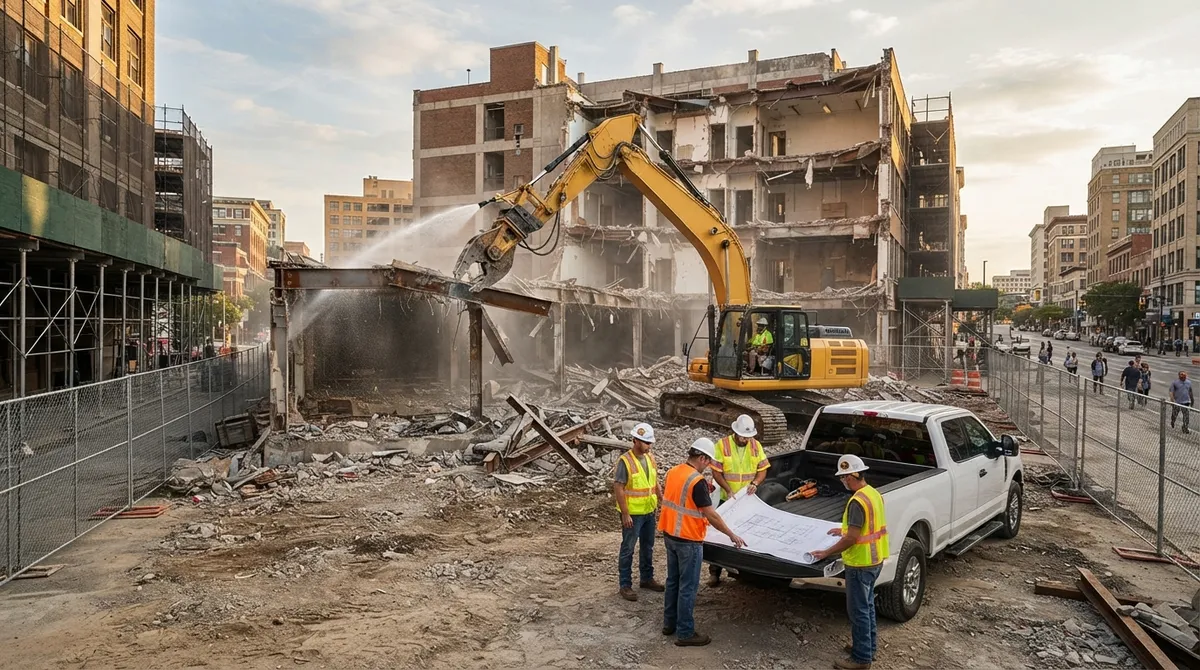
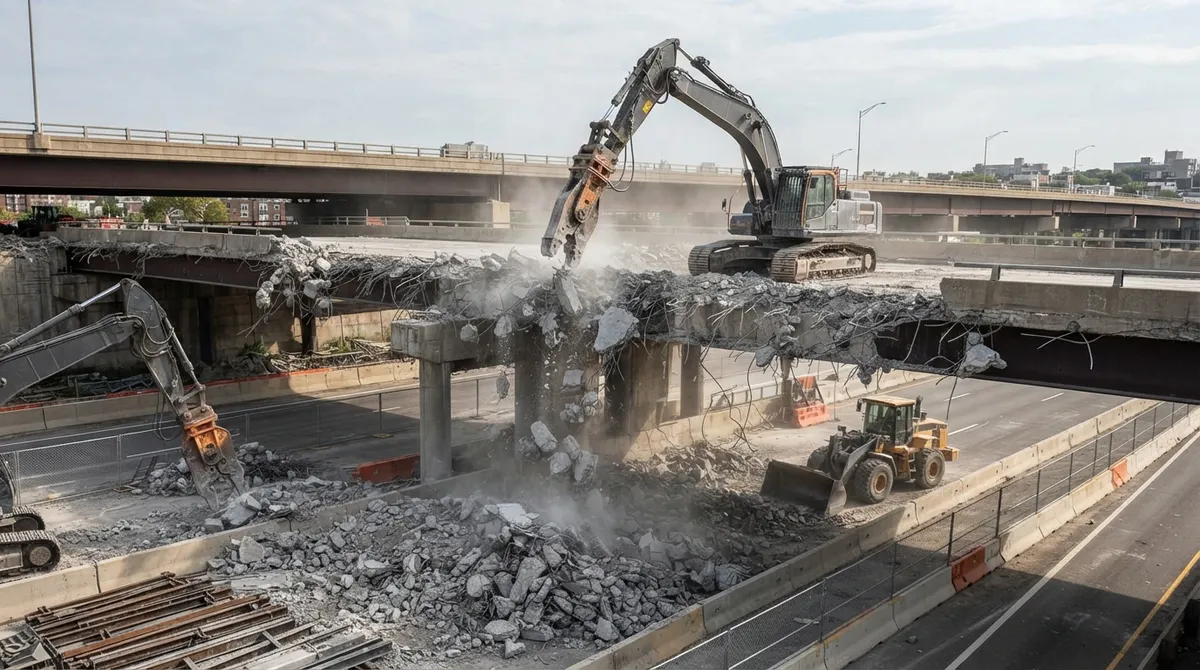
Bridge and road demolition is more than knocking things down. It usually includes engineering review, utility checks, traffic control, environmental planning, staged removal, debris handling, and site restoration. Each piece matters.
2. Planning Comes Before Any Machine Moves
Good crews study the structure first. They look at plans, material types, nearby utilities, and access points. Then they build a step-by-step removal sequence that keeps everything stable until the last piece comes down.
3. Poor Rating Does Not Mean Automatic Demolition
Here is a fact that surprises many people. A “poor” bridge rating does not mean the bridge is unsafe or headed for demolition. Owners weigh inspections, engineering advice, funding, and traffic needs before they choose to repair, rehabilitate, replace, or close a structure.
4. Several Methods Can Take a Bridge Down
The right method depends on the bridge type, site access, traffic, waterways, and the schedule for the new structure. Common approaches include:
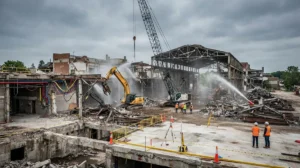
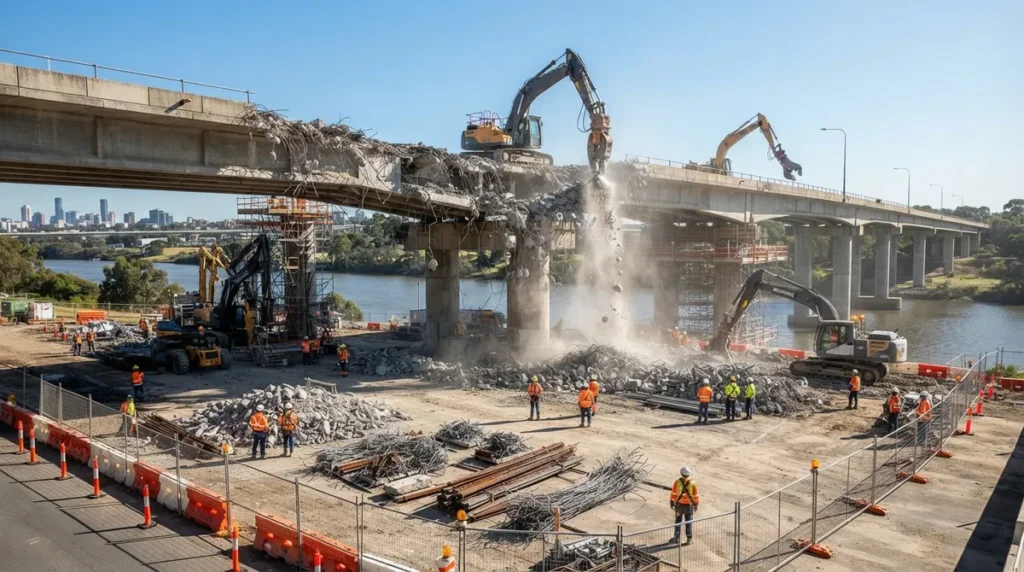
- Dismantling in sections with cranes or excavators
- Mechanical breaking with hydraulic hammers
- Hydraulic shears for steel members
- Controlled implosion, where site conditions and approvals allow
5. Temporary Supports Keep Everyone Safe
Partly removed structures can be unstable. Crews use temporary supports, exclusion zones, and a careful order of work to prevent surprise movement. Think of it like removing blocks from a tower. Take the wrong one first, and trouble follows.
6. Road Demolition Has Its Own Toolkit
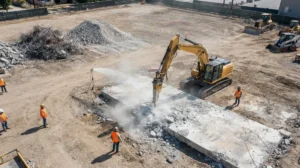
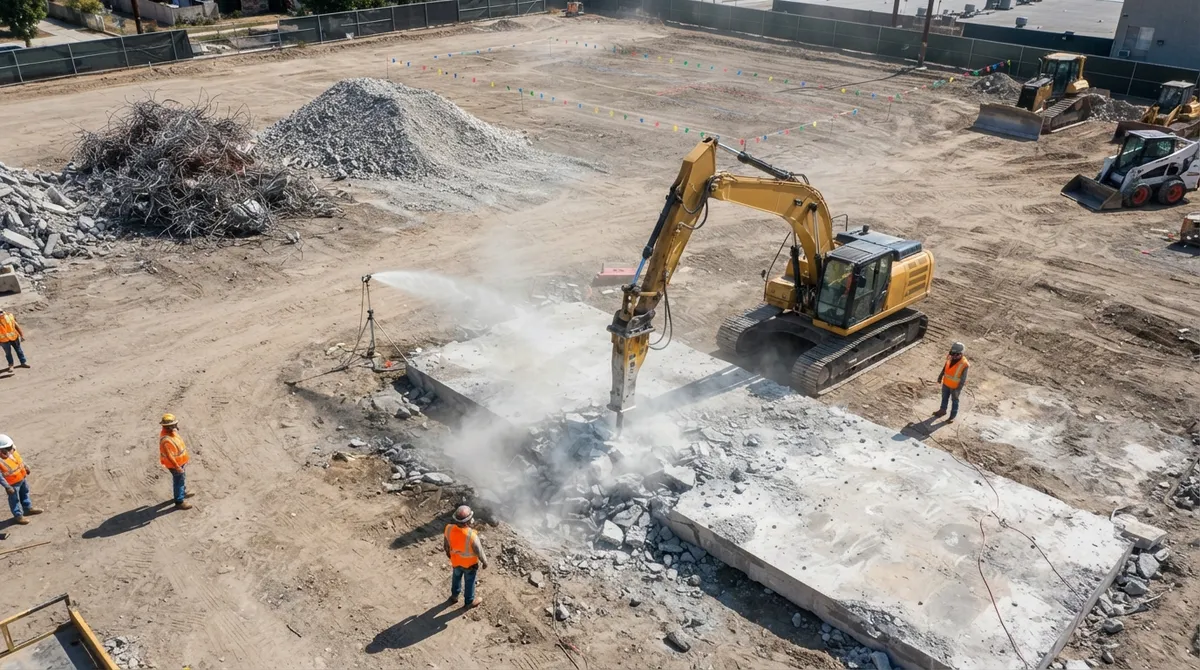
Road work usually means removing pavement, curbs, sidewalks, medians, drainage structures, and sometimes the subgrade. Crews use milling machines, saw-cutting, excavators, breakers, and loaders. Then the site is graded and prepared for new construction.
7. Traffic and Utilities Need Early Attention
Detours, lane closures, and overhead or underground utilities can shape the whole job. Calling utility owners early avoids costly surprises. Smart traffic plans also protect drivers and workers alike.
8. Safety Rules Apply at Every Step
Public and worker safety is the top priority. Crews plan for falling objects, unstable members, equipment access, noise, dust, vibration, and emergency response. OSHA rules, state and local permits, and transportation-agency specs may all apply.
9. Environmental Controls Are Part of the Job
Demolition can stir up dust and runoff. Typical protections include:
- Dust suppression with water or other controls
- Stormwater and sediment barriers
- Spill prevention for fuel and fluids
- Noise management near homes and businesses
- Protection for waterways and nearby property
10. Older Bridges May Have Lead Paint
Some older steel bridges have lead-containing coatings. FHWA guidance describes containment, HEPA-filtered cleanup, proper respiratory protection, and special controls when cutting or heating coated steel. This is one more reason to hire trained pros.
11. Much of the Debris Can Be Recycled
Concrete, reinforcing steel, structural steel, and asphalt can often be sorted and reused. Crushed concrete may become aggregate, and steel can go to scrap. Reuse depends on material condition, contamination, project specs, and local markets.
12. Permits Vary by Location
Permit needs depend on the agency and the project. For city work, review the Las Vegas demolition permit guidelines. For county projects, the Clark County Building Department is a helpful place to start.
13. Timelines Depend on Size and Site
A small road section may take days. A large bridge can take weeks or months. Weather, permits, traffic limits, and hazardous-material work all affect the schedule.
14. The Right Contractor Makes a Huge Difference
A licensed, experienced team keeps the job safe, legal, and on schedule. Not sure what to look for? Our guide on what makes a licensed demolition contractor essential explains it well.
A Quick Look at Bridge Condition Numbers
Numbers help show why this work stays busy. Here is a snapshot using 2025 FHWA and CRS data.
| Bridge Measure | Approximate Figure |
|---|---|
| Public-road bridges over 20 feet | About 624,000 |
| Rated poor | About 42,000 (7%) |
| Rated fair | About 310,000 (50%) |
| Rated good | About 272,000 (44%) |
| Closed to traffic | About 3,600 (under 1%) |
| Weight restricted | About 62,000 (10%) |
CRS also notes that about 80% of poor-rated bridges were in rural areas. Meanwhile, 58% of poor-rated deck area was on urban bridges. ASCE’s slightly different count comes from different data timing and methods.
Bridge vs. Road Demolition: How They Compare
| Feature | Bridge Demolition | Road Demolition |
|---|---|---|
| Main materials | Concrete, structural steel, rebar | Asphalt, concrete, base rock |
| Common tools | Cranes, shears, hydraulic breakers | Milling machines, saw-cutters, excavators |
| Key risks | Instability, falling members, waterways | Traffic, utilities, dust |
| Planning focus | Engineered removal sequence | Traffic control and grading |
| After removal | Foundation and site restoration | Grading and base preparation |
How a Typical Project Unfolds
Every job is different, but most follow a similar path. Here is the general flow:
- Site review: Inspect the structure, surroundings, and access routes.
- Engineering and planning: Choose the removal method and sequence.
- Permits and notices: Secure approvals and alert utilities and neighbors.
- Safety setup: Add barriers, signs, traffic control, and dust or runoff protection.
- Hazard checks: Handle lead coatings or other regulated materials first.
- Staged removal: Take the structure or pavement down in a controlled order.
- Sorting and hauling: Separate concrete, steel, and asphalt for recycling or disposal.
- Site restoration: Grade, stabilize, and prepare for new construction.
That last step is where full-service teams shine. Excavating and grading and hauling services keep the project moving without hand-offs between several companies.
What This Means for Different Property Owners
Not everyone is demolishing a bridge. But the same ideas apply to smaller projects.
For Homeowners
Maybe you are removing a cracked driveway or old slab. The same smart habits apply: check utilities, plan for dust, and recycle what you can. Our concrete removal guide walks through the process.
For Builders and Developers
Tight timelines need tight coordination. Demolition, grading, and hauling should flow together. A team that also handles concrete and paving can save you time and stress.
For Contractors and Property Managers
Parking lots, access roads, and old slabs often need removal before new work starts. Early planning around debris hauling and hazardous materials prevents delays. Learn more in our post on how to plan large scale infrastructure demolition in 2026.
Common Mistakes to Avoid
- Skipping utility locates before breaking ground
- Starting without the right permits
- Ignoring dust, runoff, and noise rules
- Hiring a team without proper licensing and insurance
- Forgetting a plan for debris sorting and hauling
Each of these can cause delays, fines, or safety problems. A little prep saves a lot of headaches later.
Why Local Experience Matters in Nevada
Our desert climate, soil, and local rules shape how work gets done. Crews who know Clark and Nye counties understand local permits, disposal options, and site conditions. That local know-how keeps projects moving.
If you want to see how neighbors feel about their projects, visit our 702 Demo location on Google and read the reviews. 702 Demo is proud to be the best demolition contractor in Las Vegas, and we back it up with careful planning and safe work. You can also read about why 702 Demo is the leading demolition contractor in Las Vegas.
Ready to Start Your Project?
Bridge and road demolition may look dramatic, but great results come from steady planning, safe methods, and smart cleanup. Remember the big ideas: plan first, protect people and the environment, recycle what you can, and hire licensed pros.
Have a road, slab, driveway, or structure that needs to come out? Our friendly team is here to help. Contact 702 Demo for a free estimate and let’s get your project started the right way.
FAQs
Q: What are the main methods used to demolish a bridge?
A: Crews often dismantle a bridge in sections with cranes or excavators, break it down mechanically, or cut steel with hydraulic shears. In some cases, controlled implosion is used when the site and approvals allow. The best choice depends on the bridge type, access, traffic, and schedule.
Q: How are dust, noise, and debris controlled during demolition?
A: Crews use water or other dust controls, sediment barriers, spill prevention, and noise management plans. They also set up exclusion zones and haul debris away on a planned schedule. These steps protect workers, neighbors, and nearby waterways.
Q: Can concrete, asphalt, and steel from demolition be recycled?
A: Yes, often! Concrete and asphalt can become aggregate, and steel can go to scrap. Reuse depends on the material’s condition, any contamination, project specs, and local markets.
Q: What permits are needed for bridge or road demolition?
A: Permit needs vary by project and location. They can include local building or demolition permits, state requirements, OSHA-related rules, and transportation-agency specifications. Check with your local building department early to avoid delays.
Q: How are lead paint and other hazardous materials handled?
A: Older bridges may have lead-containing coatings. FHWA guidance describes using containment, HEPA-filtered cleanup, proper respiratory protection, and special controls when cutting or heating coated steel. Trained crews handle these materials before or during removal.