Key Takeaways
-
Residential interior demolition typically costs $2-$8 per square foot, with average projects ranging $1,000-$5,000 and full gut jobs reaching $10,000-$20,000 depending on home size and complexity.
-
Labor is a major cost driver at $40-$80 per hour; load-bearing wall removal, hazardous materials like asbestos or lead paint, and debris hauling can significantly increase final costs.
-
Get a written estimate from a contractor who inspects your space in person, measures square footage, identifies structural concerns, and clarifies whether debris removal and permits are included.
-
Bathroom demolition typically costs $800-$2,500 while kitchen gut work ranges $1,200-$3,000; always verify if your home contains hazardous materials before demolition begins.
Thinking about tearing out old walls, cabinets, or flooring before your next remodel? You’re not alone. Homeowners across Clark and Nye counties ask us the same question every week: what really drives residential interior demolition cost, and how can they plan for it without any surprises? Grab a cup of coffee, get comfy, and let’s walk through this together like friendly neighbors chatting over a fence.
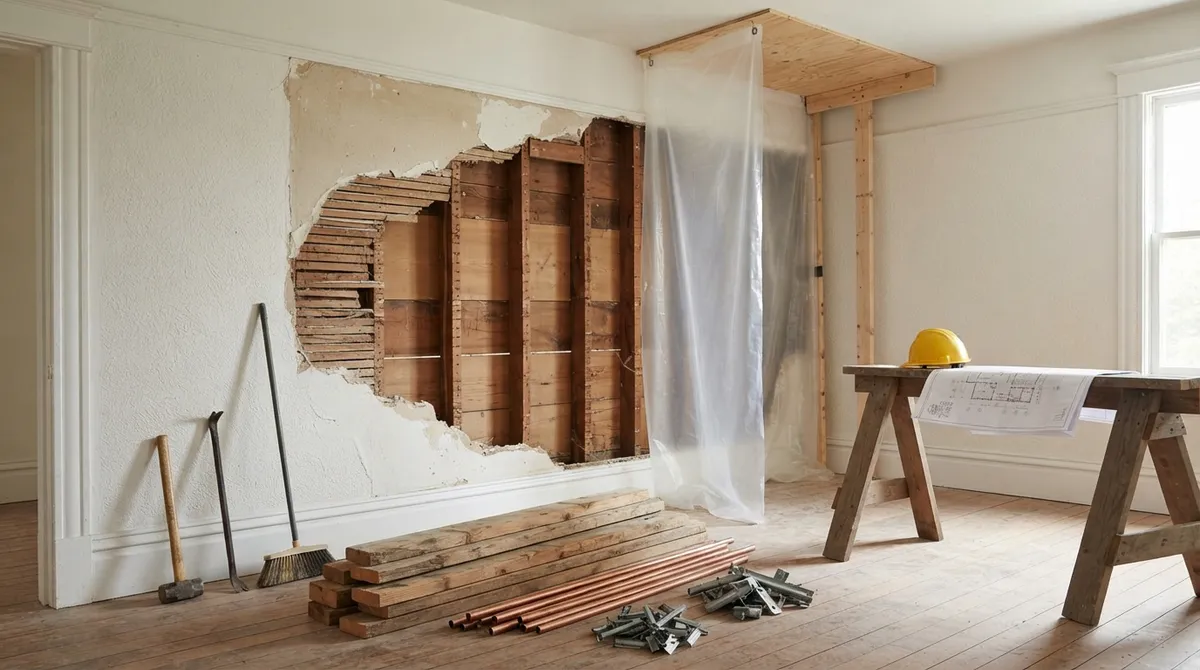
Interior demolition is often the very first step in a renovation, loft conversion, or full home makeover. It clears the space so your contractor can start fresh. But pricing can feel confusing because so many things affect it, from square footage to what’s hiding behind your walls. This friendly guide breaks it all down into eight easy-to-understand facts, so you walk away feeling confident and ready to plan your project.
Whether you’re a homeowner in Henderson, a renovation contractor juggling multiple job sites, or a property manager overseeing a multi-family building, this guide has something for you. Let’s dig in.
1. Interior Demolition Pricing Usually Follows Square Footage
Most demolition contractors price interior work based on square footage. This makes it easier to compare quotes and understand what you’re paying for. Right now, typical residential interior demolition pricing runs about $2 to $8 per square foot, though some jobs stretch to $10 per square foot depending on complexity.
So if you’re removing finishes from a 1,000-square-foot area, you might expect a range of roughly $2,000 to $8,000. Bigger spaces cost more overall, but the price per square foot can actually drop a little since crews can move faster with more open room to work.
Square footage pricing isn’t the only method, though. Some jobs get quoted by room, by wall, or as a whole project, especially when there are tricky conditions like tight hallways or old materials that need special handling.
2. Average Project Costs Often Land Between $1,000 and $5,000
Many typical interior demolition jobs across the country average between $1,000 and $5,000 total. One popular industry guide even points to a national average near $4,000, including debris removal.
Of course, bigger renovations cost more. A full gut job on a 1,500-square-foot home can run as high as $20,000 in some cases. That might sound like a lot, but remember, this includes removing everything down to the studs, plus hauling away all that debris.
Here’s a simple way to think about your budget range:
- Small single-room demo: usually the most affordable option
- Kitchen or bathroom gut: moderate cost due to plumbing and tile
- Whole-house interior strip: highest cost, but necessary for major remodels
- Specialty removals like load-bearing walls: added cost for structural support
- Hazardous material sites: extra cost for safe, proper handling
3. Labor Is One of the Biggest Cost Factors
Labor plays a huge role in your final bill. Skilled demolition crews often charge between $40 and $80 per hour. Other estimates break labor down to about $1 to $5 per square foot within the total demo price.
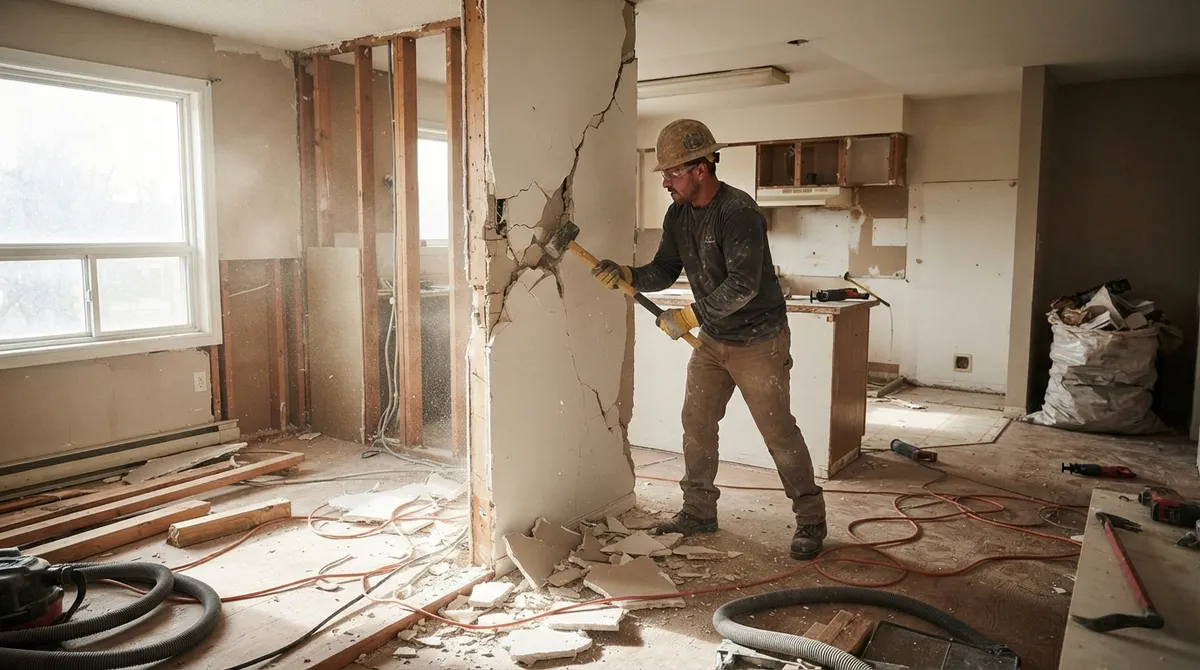
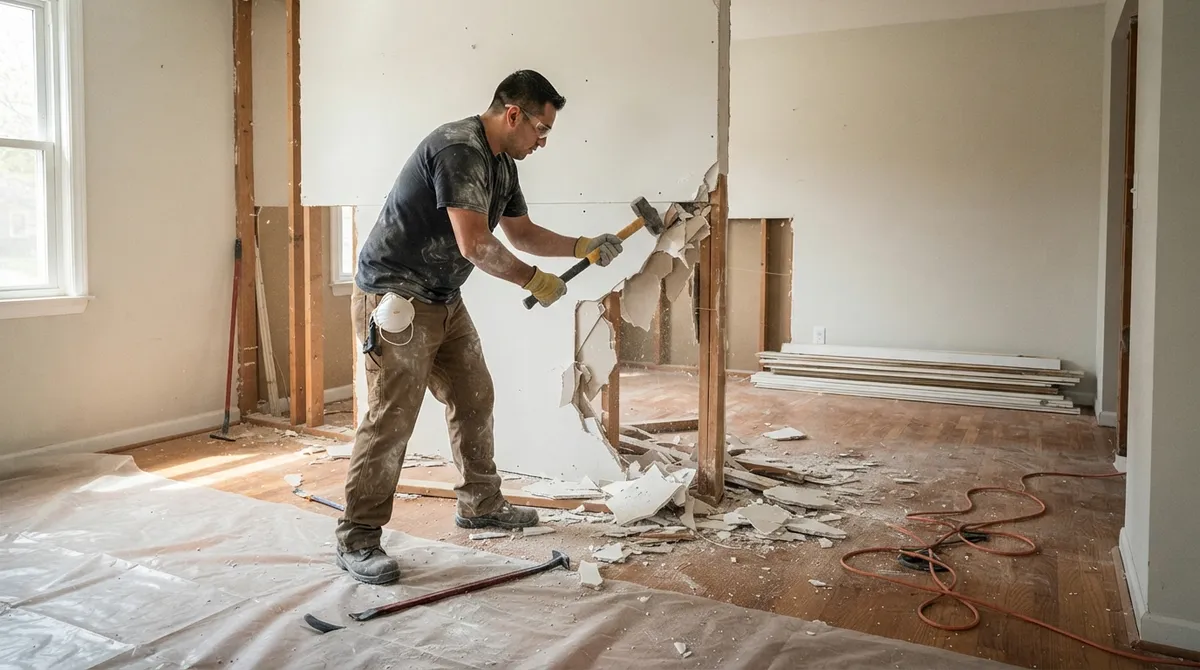
Why does labor cost so much? Because tearing out walls, flooring, and fixtures safely takes real skill. It’s not just swinging a sledgehammer. Crews need to protect load-bearing structures, plumbing, and electrical lines while working quickly and safely.
Experienced teams, like the crews at 702 Demo, know how to move efficiently without cutting corners. That balance between speed and safety is exactly what keeps your project on schedule and your home protected.
4. Room-by-Room Costs Can Vary a Lot
Not every room costs the same to demolish. Bathrooms tend to be smaller and simpler, so they’re often less expensive than kitchens. Kitchens have more cabinets, appliances, and sometimes tricky plumbing, which raises the price.
Here’s a general comparison many homeowners find helpful:
| Room Type | Typical Complexity | Common Cost Range |
|---|---|---|
| Bathroom Gut Demo | Low to Moderate | About $800 to $2,500 |
| Kitchen Gut Demo | Moderate to High | About $1,200 to $3,000 |
| Whole-House Interior Demo | High | Can reach $10,000 to $20,000+ |
These numbers are general guides, not exact quotes. Every home is different, and your interior demolition project may vary based on age of the home, materials used, and access to the space.
5. Removing Load-Bearing Walls Increases Cost Significantly
If you’re dreaming of an open floor plan, you might need to remove a load-bearing wall. These walls hold up your roof or upper floors, so removing them takes extra planning.
This type of work usually requires:
- A structural engineer’s assessment
- Temporary supports during demolition
- Possible permanent beam or column installation
- Permits from your local building department
- Skilled labor familiar with structural work
Because of these extra steps, load-bearing wall removal costs more than simple partition wall demo. Always check with the Clark County Building Department before starting any structural changes to your home.
6. Debris Removal and Cleanup Affect Your Final Price
Most interior demolition quotes include hauling away debris, but not all do. It’s smart to ask upfront. Dumpster rental, landfill fees, and truck hauling can all add to your total price if they’re billed separately.
A good demolition crew handles this cleanup smoothly so you’re not left staring at piles of drywall and old cabinets. Services like hauling services make sure your site stays clean and safe throughout the project.
Ask your contractor these questions before signing anything:
- Is debris hauling included in the quote?
- Will there be a dumpster on-site?
- Are landfill fees part of the total price?
- How often will debris be removed during the project?
- Who is responsible for final site cleanup?
7. Hazardous Materials Can Raise Costs Substantially
Older homes sometimes hide surprises like asbestos insulation or lead-based paint. If your home was built before the 1980s, this is worth checking before demolition begins.
Hazardous material removal isn’t like regular demolition. It requires specialized abatement, proper safety gear, and careful disposal methods. This adds cost, but it protects your family’s health and keeps your project legal.
Before demo day, homeowners should:
- Have the home tested for asbestos and lead if it’s older
- Ask their contractor about abatement certifications
- Confirm proper disposal methods are used
- Review any required permits for hazardous material handling
- Budget extra time for specialized removal work
8. Permits and Local Requirements Matter Too
Depending on your project’s size, you may need a permit before any demolition begins. Reviewing the Las Vegas demolition permit guidelines is a smart move if your property falls within city limits.
Permit requirements can affect your timeline and, in some cases, your overall project cost. A licensed, experienced contractor knows exactly what’s needed and handles the paperwork for you. This saves you stress and keeps your project moving smoothly.
702 Demo has years of hands-on experience navigating local permits across Clark and Nye counties. That local know-how is one reason so many homeowners and contractors trust us with their building demolition and interior strip-out projects.
How to Get an Accurate Estimate for Your Project
Every home is unique, so the best way to understand your true cost is with a personal walkthrough. A contractor can look at your space, check for hazards, and give you a realistic number instead of a rough online guess.
Here’s what usually happens during a solid estimate visit:
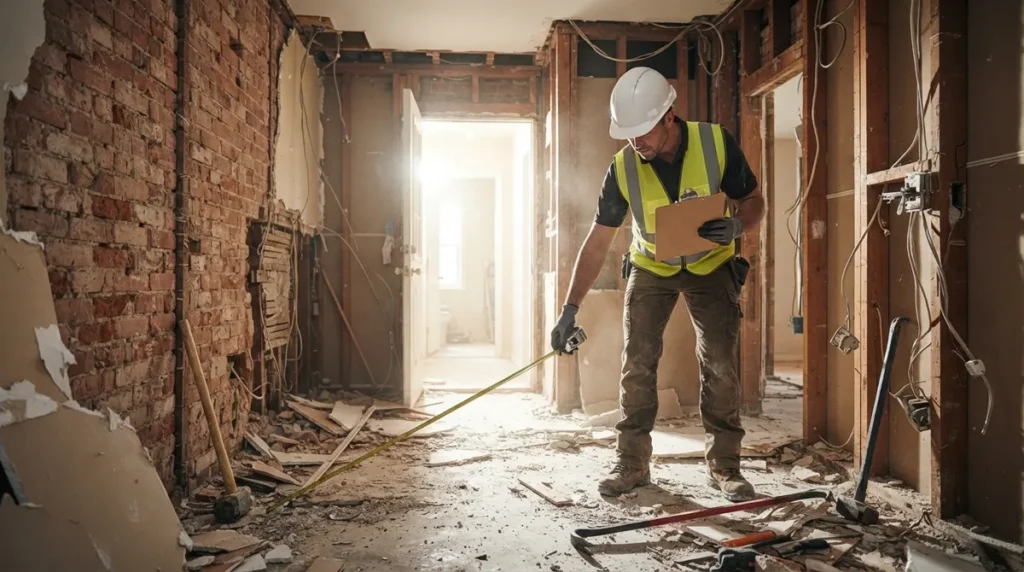
- The contractor inspects the space and measures square footage
- They check for load-bearing walls or structural concerns
- They ask about your renovation goals and timeline
- They discuss debris hauling and cleanup plans
- They provide a written estimate with clear pricing details
This kind of clear communication builds trust and helps you plan your budget with confidence. If you’re curious what real homeowners say about their experience, you can visit us on Google — 702 Demo to read reviews from folks just like you.
Why Homeowners and Contractors Choose 702 Demo
702 Demo has spent years serving Clark and Nye counties with reliable, friendly, and skilled demolition work. Whether you’re a homeowner planning a kitchen remodel, a renovation contractor prepping a job site, or a property manager handling a multi-family unit turnover, our team treats every project like it matters, because it does.
We handle everything from small bathroom strip-outs to full interior demolition secrets that save money on larger projects. Our crews show up on time, work safely, and clean up thoroughly. That’s the kind of dependable service that keeps clients coming back for their next project too.
Ready to Plan Your Interior Demolition?
Understanding residential interior demolition cost doesn’t have to feel overwhelming. With the right information and a trustworthy team by your side, your renovation can start off on solid ground. From square footage pricing to hazardous material checks, you’re now equipped with the knowledge to plan smart and budget wisely.
If you’re ready to move forward with your renovation, remodel, or gut job, our friendly team is here to help every step of the way. Contact 702 Demo for a free estimate and let’s get your project started the right way, together.
FAQs
Q: How much does residential interior demolition cost per square foot?
A: Most interior demolition projects run about $2 to $8 per square foot, though some jobs can reach $10 per square foot. The final number depends on the materials, access, and how much debris needs hauling away.
Q: What factors affect the cost of interior demolition in a house?
A: Labor, square footage, room type, and hazardous materials all play a role. Load-bearing walls and older homes with asbestos or lead paint can push costs higher too.
Q: How much does it cost to gut a house to the studs?
A: A full interior gut can range from about $10,000 to $20,000 or more, depending on the home’s size. Larger homes and homes with hazardous materials tend to land on the higher end.
Q: Does interior demolition include debris removal and cleanup?
A: Many contractors include hauling and cleanup in their quote, but not all do. It’s always smart to ask upfront so there are no surprises on your final bill.
Q: Do asbestos or lead paint increase residential interior demolition costs?
A: Yes, homes with asbestos or lead paint need specialized abatement instead of standard demolition. This adds cost but keeps your family safe and your project fully compliant with local rules.