Key Takeaways
-
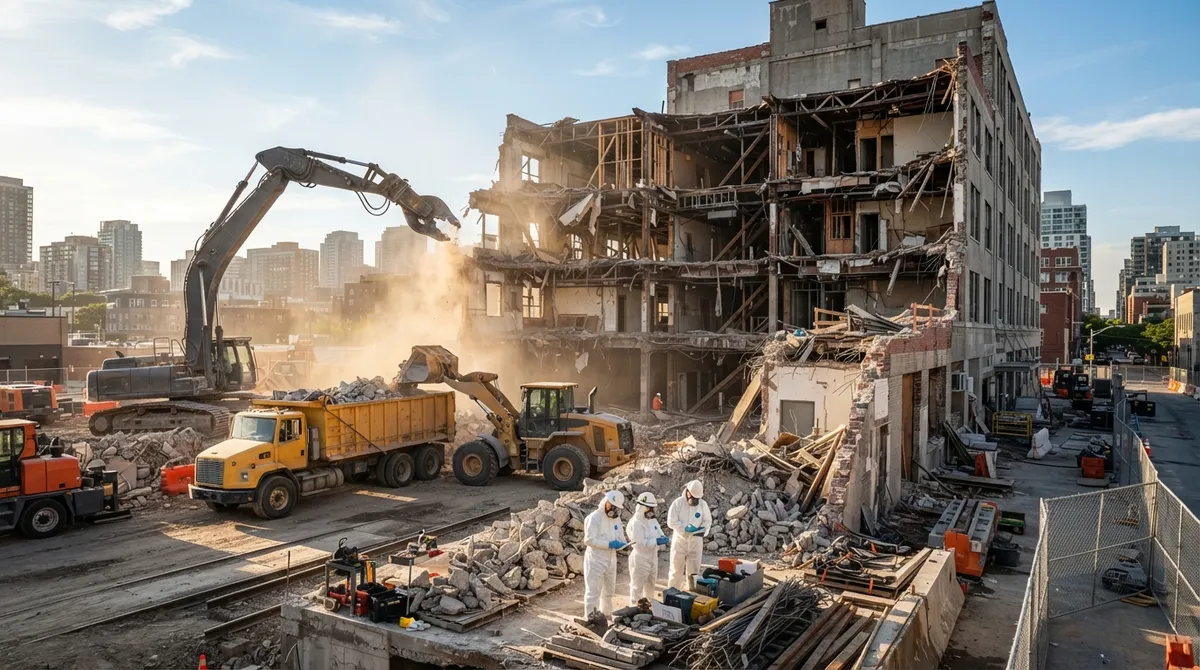
Hire only licensed and insured demolition contractors to protect yourself from liability, ensure compliance with local codes, and guarantee proper debris disposal and hazardous material handling.
-
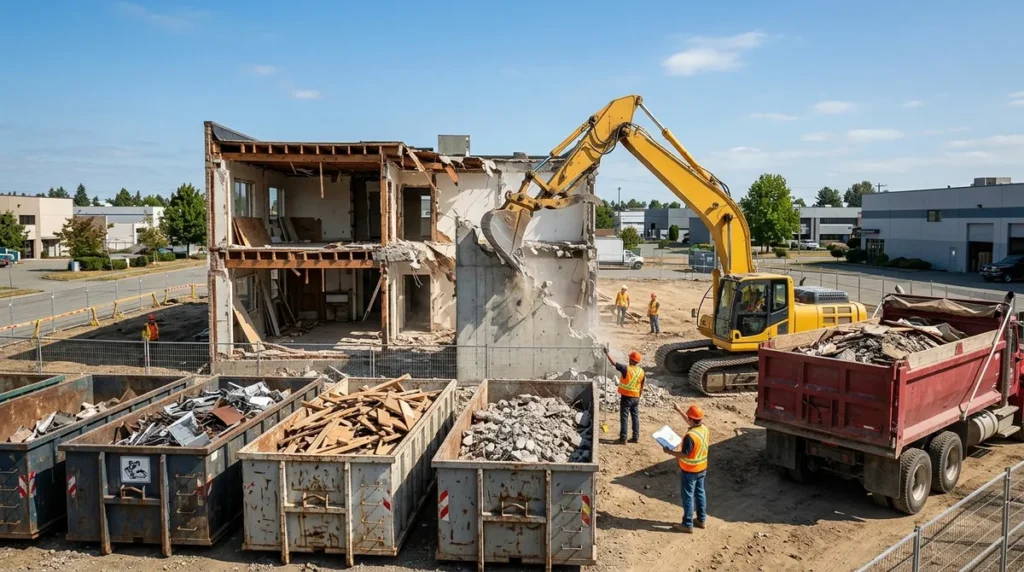
Full-service demo and hauling includes structural tear-down, debris loading, and transport in one visit, saving time and eliminating the need to coordinate multiple contractors separately.
-
Before hiring, ask about licensing, permit responsibilities, equipment used, debris disposal methods, job timeline, and final site cleanup to set clear expectations and avoid surprises.
-
Understand the difference between junk removal and demo hauling: junk removal picks up pre-disassembled items, while demo hauling tears down structures and hauls debris in one service.
-
Professional contractors sort demolition debris responsibly—concrete and metal are recycled, clean wood is chipped or composted, and hazardous materials go to specialized facilities per local regulations.
-
Get a clear written estimate including labor, equipment, and disposal fees, verify contractor experience with your specific project type, and confirm same-day or next-day availability before booking.
If you’ve been searching for demo and hauling near me, you’re probably ready to get something torn down and cleaned up. Maybe it’s an old shed taking up space. Maybe it’s a garage that’s seen better days. Whatever the project, finding the right local team makes all the difference. The good news? Full-service demolition and hauling doesn’t have to be stressful or complicated. When you work with the right contractor, the whole process — from tear-down to cleanup — goes smoothly and quickly. This guide walks you through everything you need to know before hiring a local demo and hauling crew. We’ll cover what the service includes, how to choose a reliable contractor, and what questions to ask before any work begins.
What Does Demo and Hauling Actually Include?
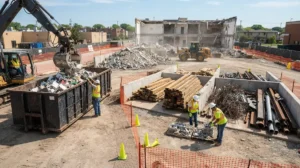
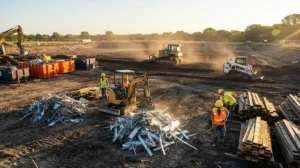
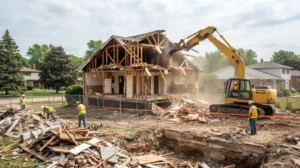
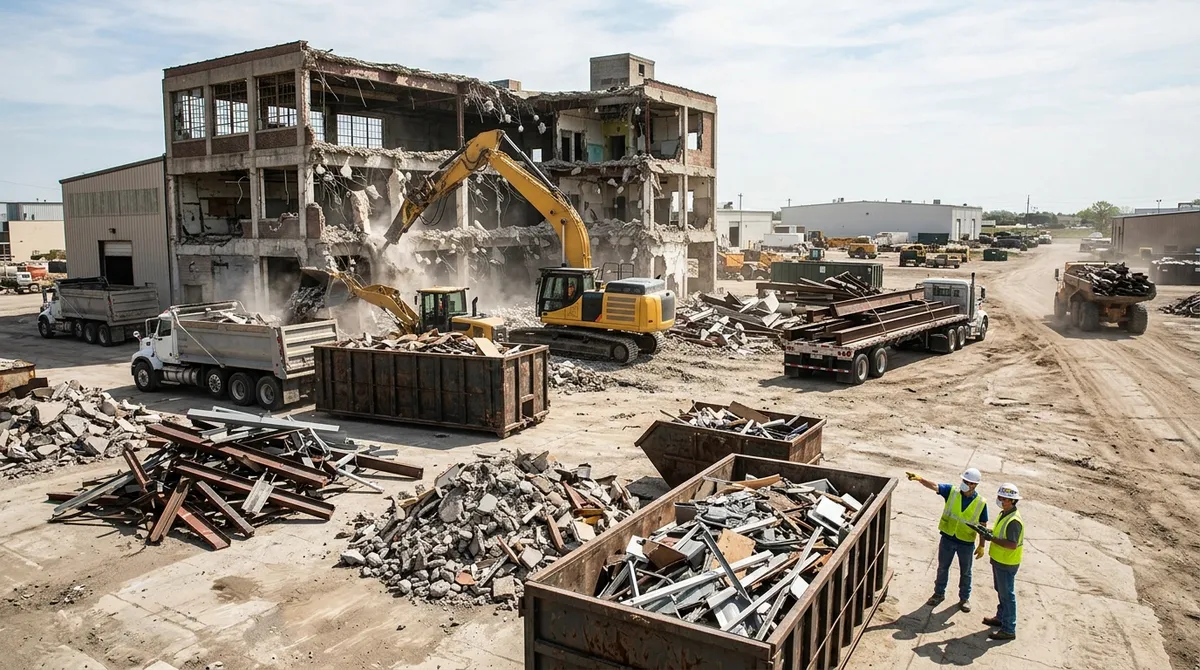
Many homeowners assume demo and hauling are two separate jobs. In reality, most local demolition contractors handle both in one visit. The demo phase involves tearing down the structure or material. The hauling phase involves loading and removing all debris from your property. Understanding what hauling and demolition services actually include helps you set clear expectations before the crew arrives.
Here’s a quick breakdown of what’s typically covered:
- Structural tear-down (sheds, garages, small buildings)
- Interior demolition (walls, flooring, ceilings)
- Concrete breaking and removal
- Debris loading and transport
- Proper disposal at licensed facilities
- Material sorting for recycling where applicable
When you hire a team that handles everything, you save time and avoid the headache of coordinating multiple contractors. Professional hauling services are a key part of any successful demolition project.
Common Projects That Require Demo and Hauling
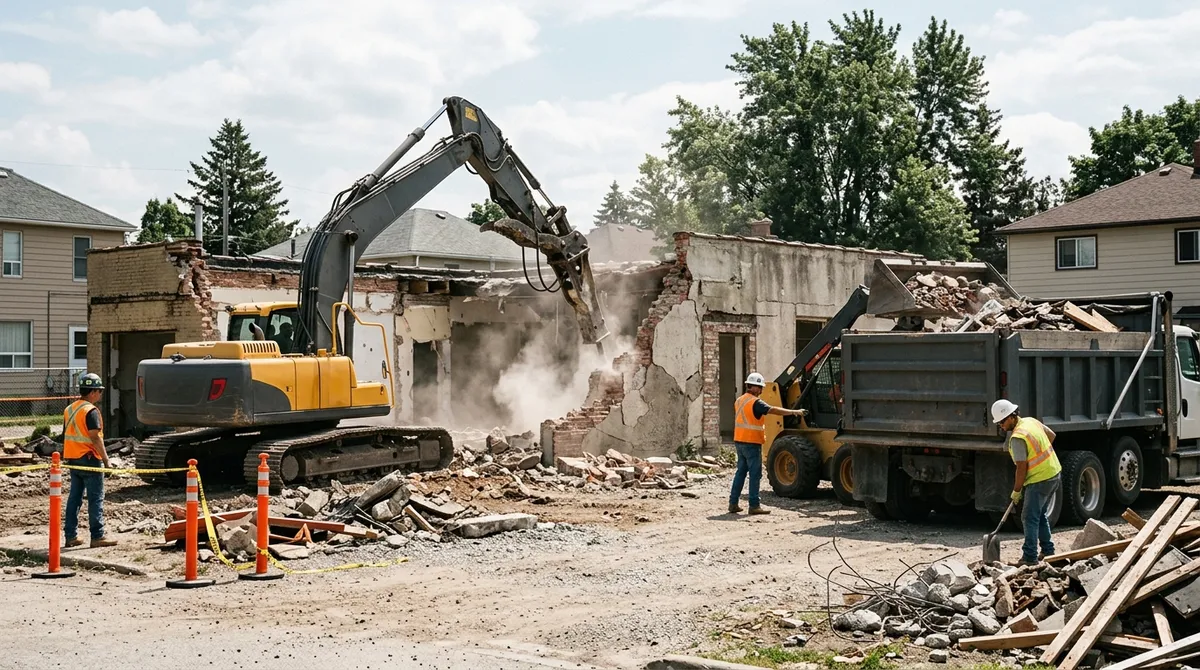
Demo and hauling services cover a wide range of project types. Whether you’re a homeowner, a property manager, or a real estate developer, there’s a good chance you’ve faced at least one of these situations.
Residential Projects
Homeowners often need demo and hauling for renovation prep or property cleanup. These are some of the most common residential jobs:
- Shed or outbuilding removal — Old wooden sheds can be dangerous and unsightly. A demo crew can take them down in hours.
- Garage demolition — Whether you’re building a new one or clearing space, full garage tear-down and haul-away is a popular service.
- Interior demolition — Removing walls, flooring, or fixtures before a remodel is a job best left to professionals. Learn more about interior demolition services for your next renovation project.
- Concrete removal — Old driveways, patios, and sidewalks need breaking up and hauling away. See how concrete removal works and why it’s better left to the pros.
- Pool removal — Filling or removing an old pool is another job that requires both demo and hauling expertise. Check out pool removal services to understand your options.
Commercial and Development Projects
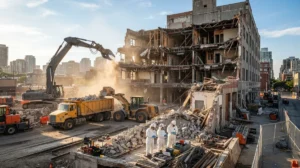
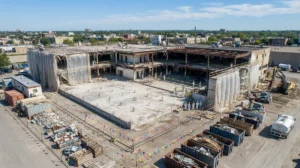
Commercial builders and real estate developers also rely on demo and hauling services regularly. Site clearing, building tear-downs, and full building demolition all require skilled crews with the right equipment. Property managers handling redevelopment or structural removal also benefit from a single contractor who does it all.
Why Hiring a Licensed Local Contractor Matters
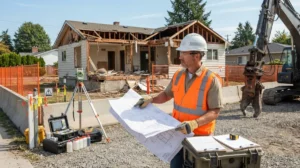
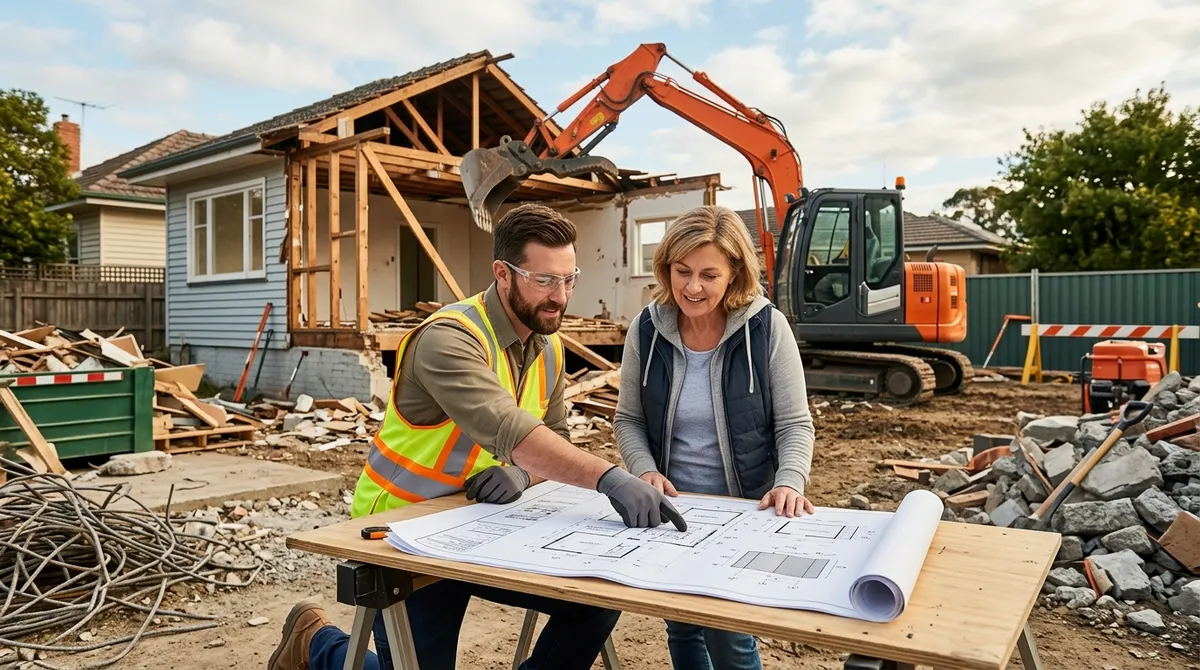
This is a big one. Not every crew offering demo and hauling is properly licensed and insured. Working with an unlicensed team puts you at legal and financial risk. Demolition involves structural hazards, utility disconnections, and sometimes hazardous materials. A licensed contractor knows how to handle all of it safely.
What makes a licensed demolition contractor essential comes down to safety, legal compliance, and peace of mind. You also want to make sure your contractor knows the local permit requirements. In Nevada, certain demolition projects require permits before work begins. You can review the Las Vegas demolition permit guidelines to get familiar with what’s required in the city.
Key reasons to always hire licensed and insured demo contractors:
- Protects you from liability if something goes wrong on site
- Ensures the work meets local building codes
- Guarantees proper disposal of debris and hazardous materials
- Gives you recourse if the job isn’t done correctly
- Often required before final permits are issued for new construction
For Clark County projects specifically, you can find more information through the Clark County Building Department to confirm permit requirements before starting your project.
How to Find Reliable Demo and Hauling Near You
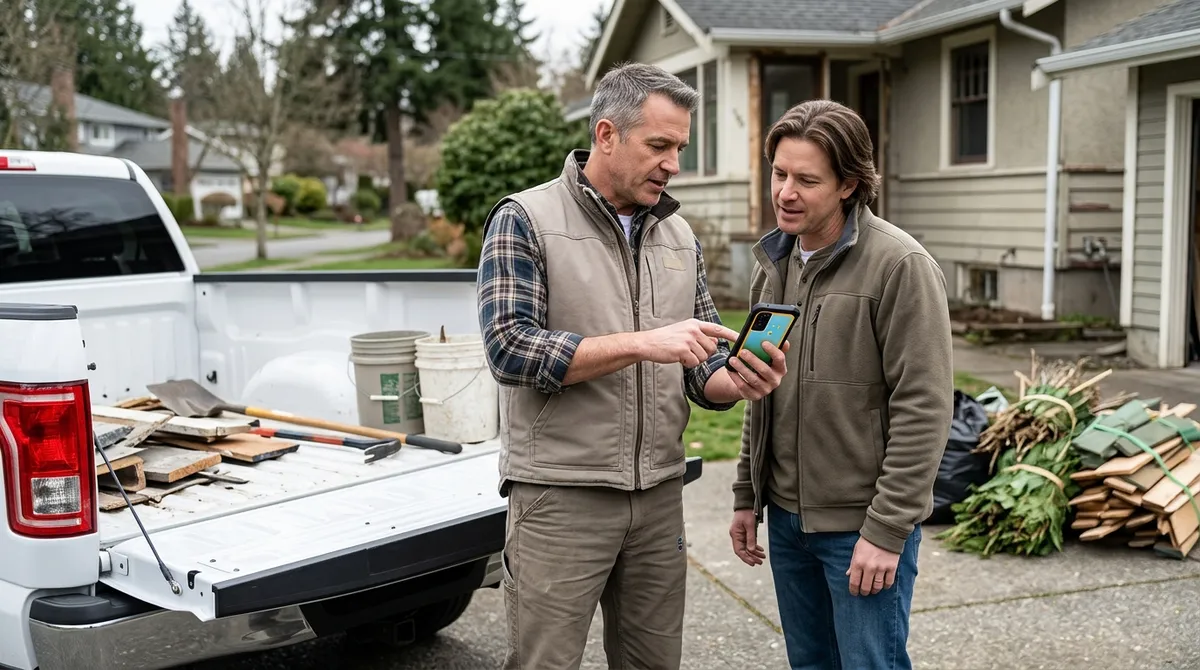
Searching “demo and hauling near me” pulls up a lot of results. The tricky part is knowing who to trust. Here’s a simple step-by-step process to help you find the right contractor.
- Check for licensing and insurance — Always verify before getting a quote. A reputable contractor won’t hesitate to share this information.
- Read online reviews — Look for consistent positive feedback about communication, timeliness, and cleanup. You can visit 702 Demo on Google to see what our customers are saying about our work across Clark and Nye counties.
- Ask about experience with your specific project type — A team that’s done dozens of garage demos will handle yours more efficiently than someone trying it for the first time.
- Get a clear written estimate — Make sure the estimate includes labor, equipment, and disposal. No surprise fees.
- Ask about timelines — Many local demo crews offer same-day or next-day service for smaller jobs. Confirm availability upfront.
If you’re in the Las Vegas area, finding the right demo companies near you is easier when you know what to look for. Demolition and hauling services vary widely in scope, so doing your homework pays off.
What to Ask Before Hiring a Demo and Hauling Crew
A quick conversation before signing anything can save you a lot of trouble. Here are the most important questions to ask any contractor:
- Are you licensed and insured in Nevada?
- Do you handle permit applications, or is that my responsibility?
- What equipment will you use for my specific project?
- How do you handle debris disposal — is anything recycled?
- How long will the job take from start to finish?
- Will you leave the site clean and ready for the next phase of work?
These questions help you gauge professionalism and set clear expectations. Planning your demolition and hauling project in advance makes for a smoother experience all around.
What Happens to the Debris After Hauling?
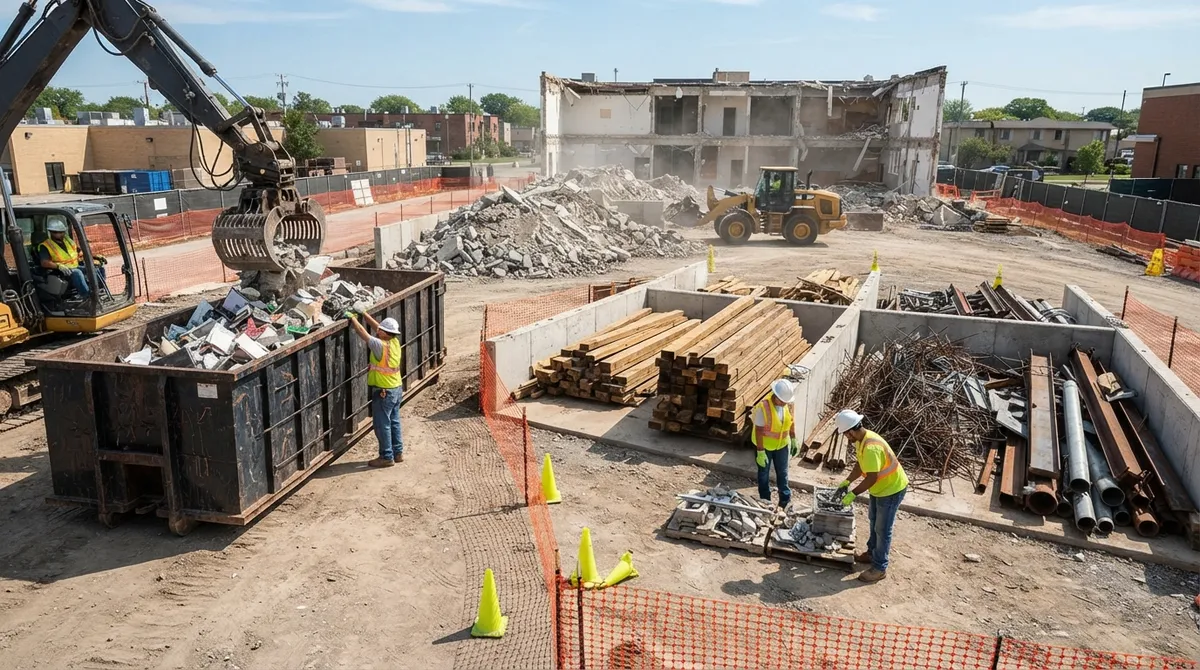
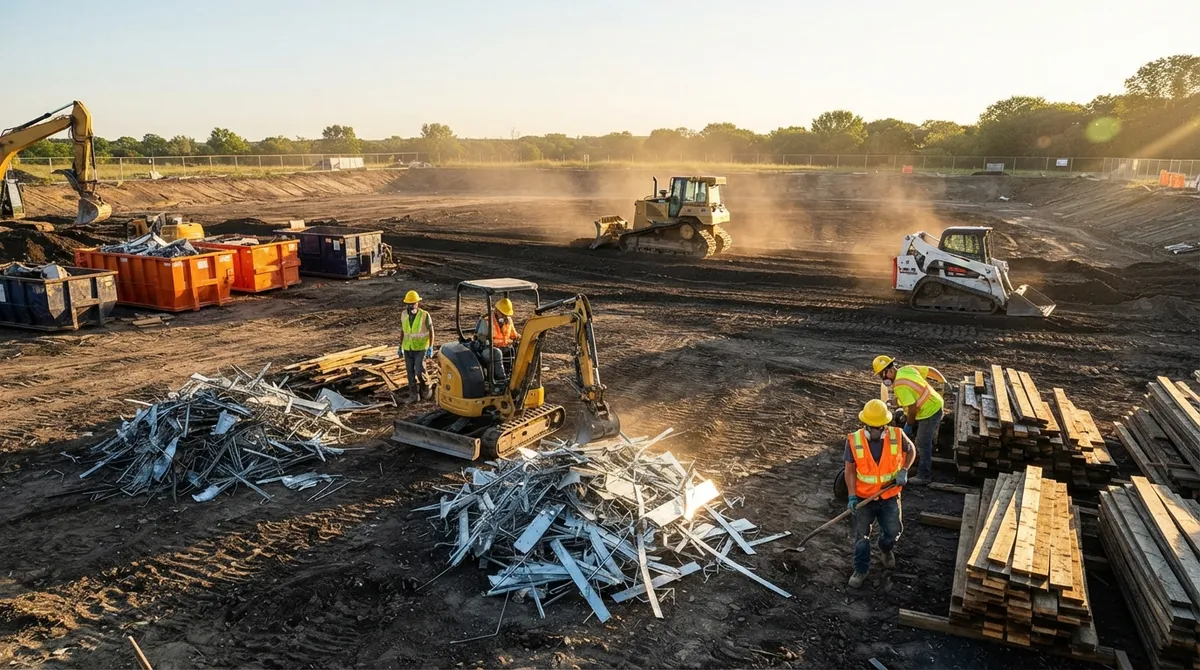
This is a question more people should be asking. Responsible demolition contractors don’t just dump everything in the nearest landfill. Materials are sorted and sent to the appropriate facilities. Concrete, metal, and clean wood are often recycled or repurposed. Hazardous materials are handled according to local regulations.
Here’s how debris is typically sorted after a demolition job:
| Material Type | Typical Disposal Method |
|---|---|
| Concrete | Recycled into aggregate material |
| Metal (steel, aluminum) | Sent to scrap recyclers |
| Clean wood | Chipped, reused, or composted |
| General debris/mixed waste | Licensed landfill disposal |
| Hazardous materials | Specialized facility per local codes |
Proper debris disposal is part of what separates a professional demo and hauling crew from a fly-by-night operation. It’s also why working with a licensed contractor matters so much.
How Demo and Hauling Differs From Junk Removal
This is a common point of confusion. Junk removal services pick up items you’ve already removed. Demo and hauling, on the other hand, includes actually tearing down the structure or material. That distinction matters a lot when you have a shed, garage, or concrete slab that needs to come down. You need a demolition contractor, not just a hauling truck.
Think of it this way:
- Junk removal — You disassemble it, they take it away
- Demo and hauling — They tear it down AND haul it away, start to finish
For any project involving actual structural removal, knowing the facts about demo hauling helps you hire the right team the first time. You can also explore the key benefits of professional demolition hauling in 2026 to understand why this service is worth the investment.
Why 702 Demo Is the Right Choice in Las Vegas
If you’re in Clark or Nye County and searching for demo and hauling near me, 702 Demo is your go-to full-service demolition contractor. We handle everything — residential, commercial, interior, exterior, concrete, excavating, grading, and more. Our team is licensed, insured, and experienced across all project types. We show up on time, do the work right, and leave your property clean.
From small shed removals to large commercial tear-downs, we’ve done it all across the Las Vegas metro area. With 20 years of experience as a Las Vegas demolition contractor, we know what it takes to get the job done safely and efficiently. You can also explore our full range of services including excavating and grading and landscaping removal for complete site prep solutions.
Conclusion
Finding the right demo and hauling near me service doesn’t have to be overwhelming. Focus on licensed and insured contractors, ask the right questions, and make sure debris disposal is handled responsibly. Whether you’re a homeowner cleaning up a property or a developer prepping a site, the right demo crew makes your project run smoothly from day one.
Ready to get started? Reach out to 702 Demo today for a free estimate and let our experienced team handle the heavy lifting — literally.
FAQs
Q: What does demo and hauling near me typically include?
A: Great question! A full demo and hauling service includes tearing down the structure, loading all debris, and hauling it away for proper disposal or recycling. You get a clean, cleared property by the time the crew is done — no extra trips or coordination needed on your end.
Q: Do I need a permit for demolition and hauling in Las Vegas?
A: In many cases, yes! Permit requirements depend on the size and type of structure being demolished. Your licensed contractor should help guide you through the process, and you can also check the Las Vegas demolition permit guidelines or the Clark County Building Department website for specifics.
Q: Can a local demolition company remove a shed, garage, or mobile home?
A: Absolutely! These are some of the most common projects for local demo and hauling crews. A good contractor will tear down the structure, sort the materials, and haul everything away — leaving your property ready for whatever comes next.
Q: How is demolition debris handled after hauling?
A: Professional contractors sort debris before disposal. Concrete, metal, and clean wood are often recycled, while mixed waste goes to a licensed landfill. Hazardous materials are handled separately according to local regulations — so you can feel good about how your project cleanup is managed.
Q: How long does a small demolition and hauling job take?
A: Most light demolition jobs — like shed or garage removal — can be completed in a single day. Larger projects may take a few days depending on size, access, and site conditions. Your contractor should give you a clear timeline before work begins so there are no surprises.