Key Takeaways
-
Always hire licensed and insured residential interior demolition contractors to protect yourself from liability, ensure code compliance, and have legal recourse if work is done poorly.
-
Professional contractors must screen for hazardous materials like lead-based paint (pre-1978 homes) and asbestos (pre-1980s homes) before demolition begins—this is a critical safety step, not optional.
-
Many interior demolition projects require permits, especially those involving structural walls, electrical/plumbing systems, or fire safety features; experienced contractors will handle the permitting process for you.
-
Before hiring, ask six key questions: licensing/insurance status, hazardous material screening, permit handling, dust control specifics, debris removal inclusion, and realistic project timeline.
-
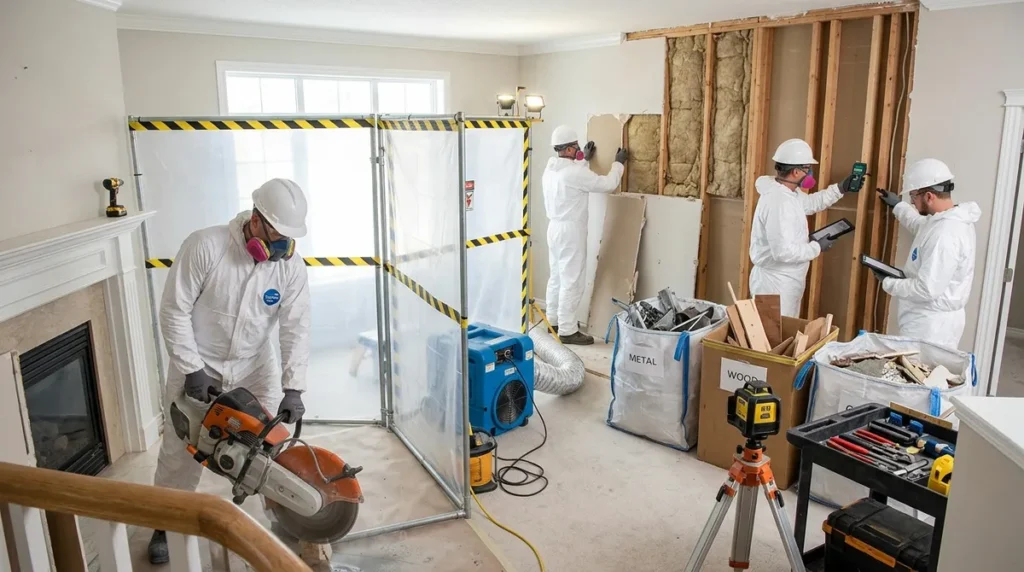
Professional contractors use dust containment barriers, negative air pressure systems, and staged debris removal to protect your home during demolition and keep renovation schedules on track.
-
Hiring local contractors who understand your area’s building codes, permit requirements, and climate conditions leads to faster project timelines and smoother communication throughout the project.
Planning a home renovation? You might need to tear out old walls, rip up floors, or gut a kitchen before the real work begins. That’s where residential interior demolition comes in. And hiring the right contractor makes all the difference.
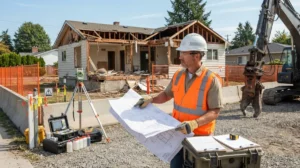
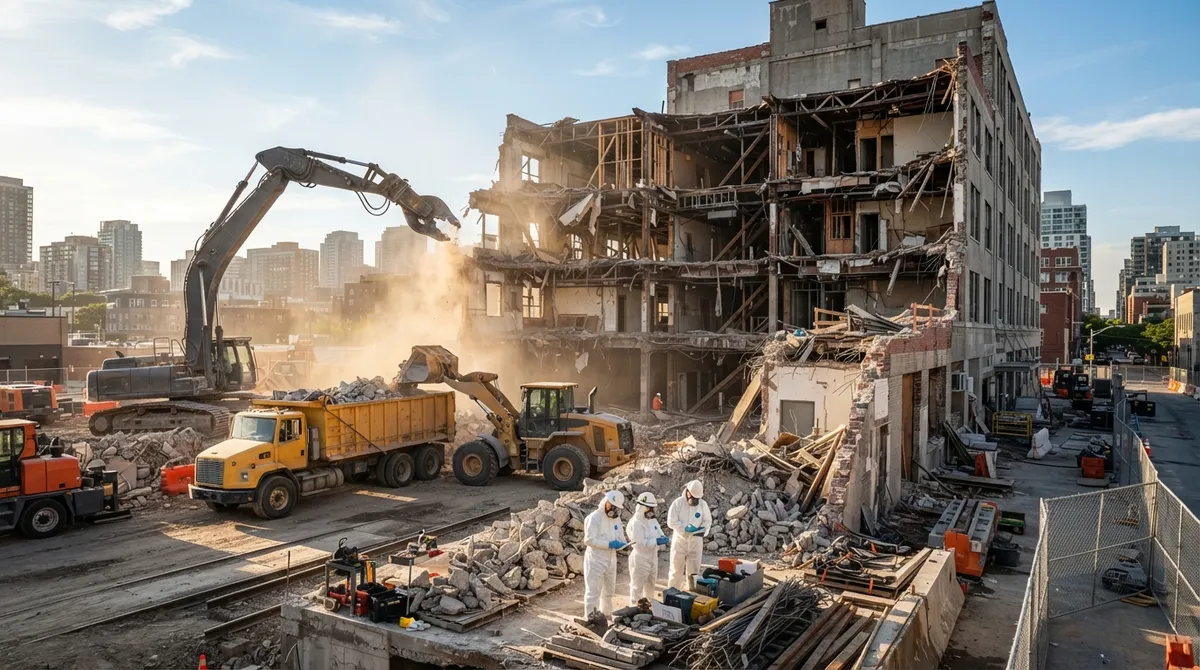
Residential interior demolition contractors are specialists. They remove specific interior elements inside your home — carefully, safely, and efficiently. This keeps your renovation on schedule and your home intact. Whether you’re updating a bathroom, opening up a living space, or recovering from water damage, these pros have you covered.
In this guide, we’ll walk you through six key things every homeowner, renovation contractor, or property manager should know before hiring residential interior demolition contractors. Let’s make your next project a smooth one!
1. What Residential Interior Demolition Actually Means
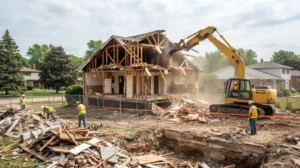
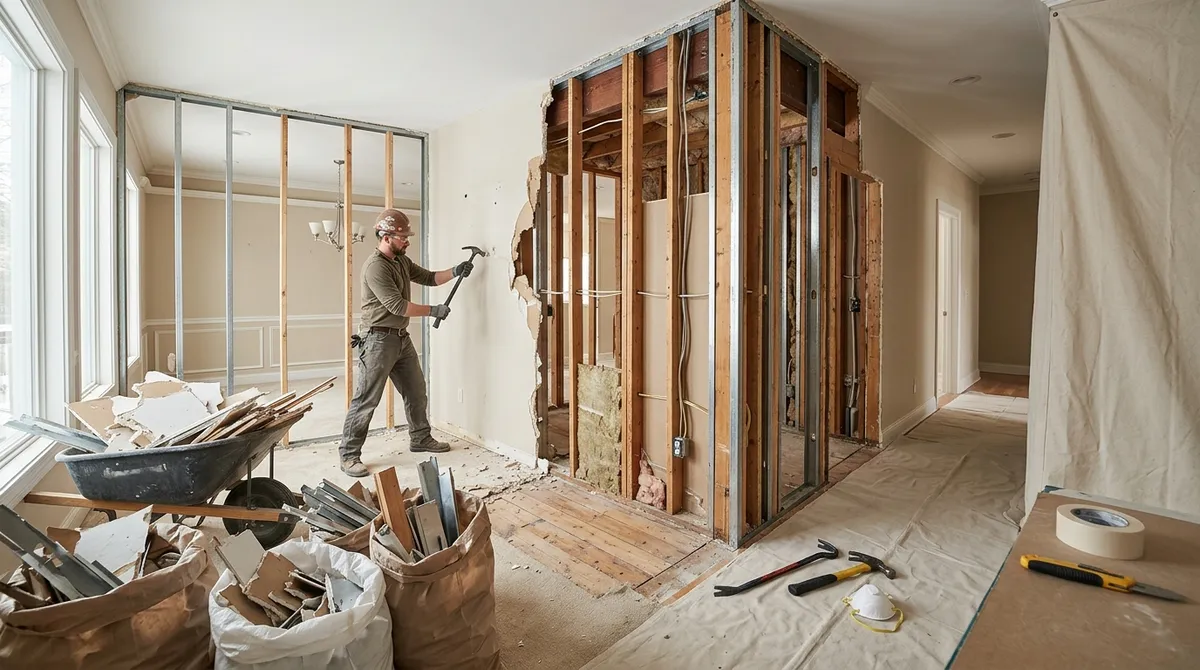
Interior demolition is not the same as tearing down a whole building. It’s called selective demolition. That means removing only specific parts of the inside of a home while keeping the rest intact.
Think of it like surgery. A skilled surgeon only removes what needs to go. An interior demolition contractor does the same thing — just with walls and floors instead of tissue.
Here are the most common interior demolition services homeowners request:
- Kitchen tear-outs (cabinets, countertops, fixtures)
- Bathroom gut-outs (tile, vanities, tubs, showers)
- Drywall and plaster removal
- Flooring removal (tile, hardwood, carpet, vinyl)
- Ceiling removal (drop ceilings, popcorn ceilings)
- Non-load-bearing wall removal
- Cabinet and built-in removal
Each of these tasks requires skill, proper tools, and safety know-how. It’s not something you want to guess your way through. For a deeper look at what these services include, check out this helpful resource on residential interior demolition: what homeowners need to know.
2. Why You Should Always Hire Licensed and Insured Contractors
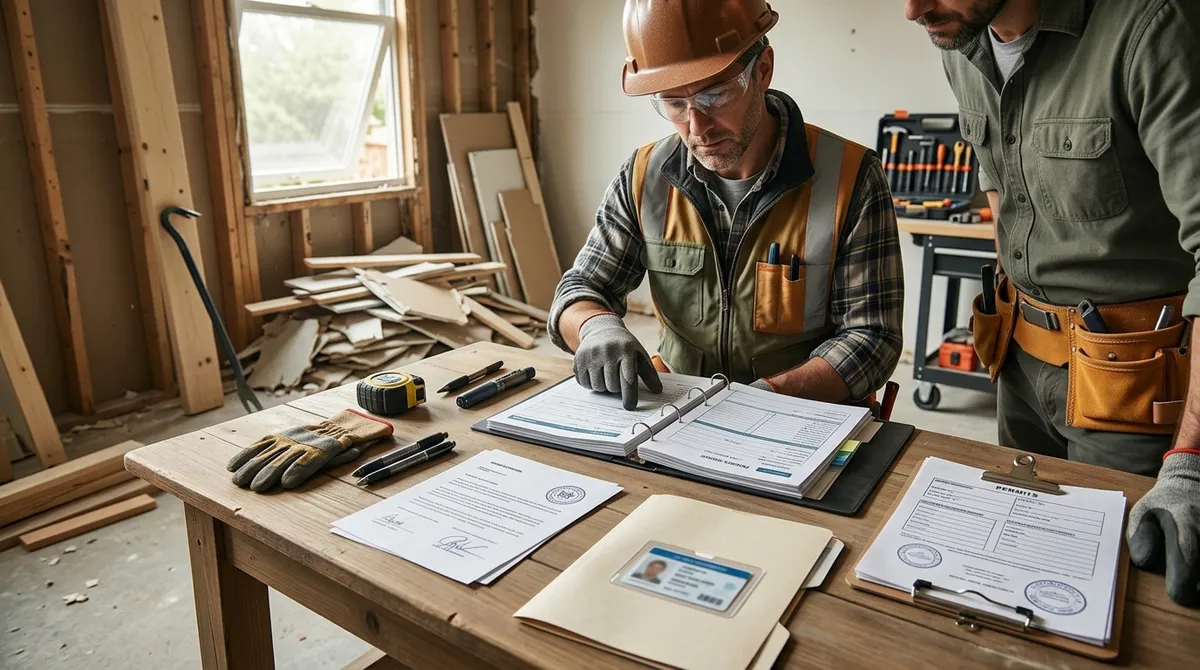
This one is big. Hiring a licensed and insured contractor isn’t just a nice-to-have — it’s a must. Interior demolition involves real risks. Hidden utilities, unexpected structural elements, and dangerous materials can all show up.
A licensed contractor knows how to handle these surprises safely. They’ve been trained and certified. They carry insurance to protect you and your property if something goes wrong.
Here’s why licensing and insurance matter so much:
- Protects you from liability if a worker is injured on your property
- Ensures the work meets local building codes
- Gives you legal recourse if the work is done poorly
- Reduces the risk of accidental structural or utility damage
Want to understand more about why licensing matters? Read this article on what makes a licensed demolition contractor essential for your project. It’s a real eye-opener!
Teams like 702 Demo are fully licensed and insured, serving Clark and Nye counties in Nevada with professionalism and care.
3. Hazardous Materials: What Contractors Check Before Demo Day
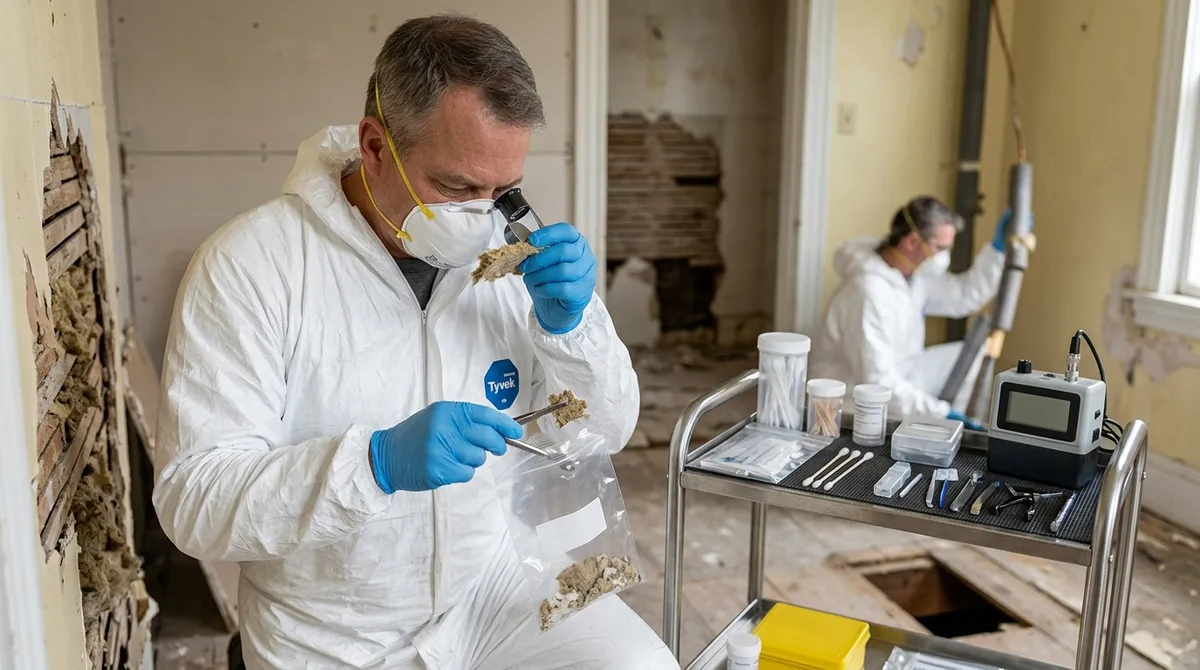
Older homes carry hidden surprises. And not the fun kind. Homes built before 1978 may contain lead-based paint. Homes built before the 1980s may contain asbestos in insulation, floor tiles, or ceiling materials.
Professional residential interior demolition contractors always screen for these hazards before swinging a single hammer. This is a critical safety step — not optional.
Here’s what a proper hazardous material check includes:
- Visual inspection — looking for signs of older materials and construction methods
- Sample testing — sending material samples to a certified lab for analysis
- Abatement coordination — arranging for safe removal of hazardous materials by certified specialists
- Documentation — keeping records for permit compliance and your peace of mind
Skipping this step puts your family and workers at serious risk. Always ask your contractor if they conduct hazardous material screening before work begins. The Clark County Building Department provides guidance on safe construction and demolition practices in the Las Vegas area.

4. Permits, Rules, and What the Law Says
Yes — you may need a permit for interior demolition. Many homeowners are surprised to learn this. But depending on the scope of work, local authorities may require approval before you can start.
Permits are usually needed when the work involves:
- Removing walls that affect structural integrity
- Disturbing electrical, plumbing, or HVAC systems
- Work that affects fire safety features like sprinklers or alarms
- Projects in homes with known hazardous materials
A great contractor will help you navigate this process. They know local regulations and can coordinate with inspectors so you don’t have to stress. You can also review the Las Vegas demolition permit guidelines to understand what applies to your project.
Not sure if your project needs a permit? Learn more by reading what is a demolition license and why does it matter. Knowledge is power when it comes to staying compliant!
5. Dust, Debris, and Site Protection Best Practices
One of the biggest concerns homeowners have is mess. Interior demolition can create a lot of dust and debris. But professional contractors take specific steps to manage this — and they’re very good at it.
Here’s a look at how pros protect your home during interior demo:
| Best Practice | Why It Matters | Who Benefits |
|---|---|---|
| Dust containment barriers | Prevents fine dust from spreading through the home | Homeowners, occupants |
| Utility shutoff verification | Prevents electrical shocks, gas leaks, water damage | Workers, homeowners |
| Adjacent surface protection | Protects floors, walls, and fixtures not being demoed | Homeowners, renovation teams |
| Negative air pressure systems | Keeps airborne particles contained to the work zone | Indoor air quality for all |
| Staged debris removal | Keeps work areas clear and reduces trip hazards | Workers and project timelines |
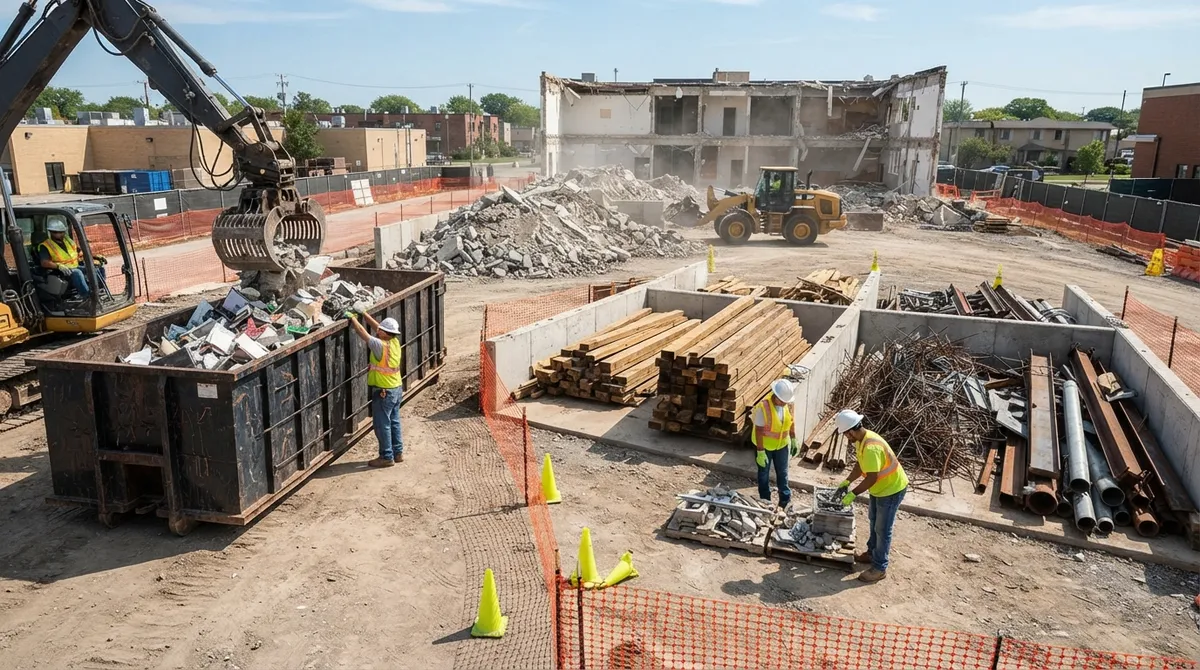
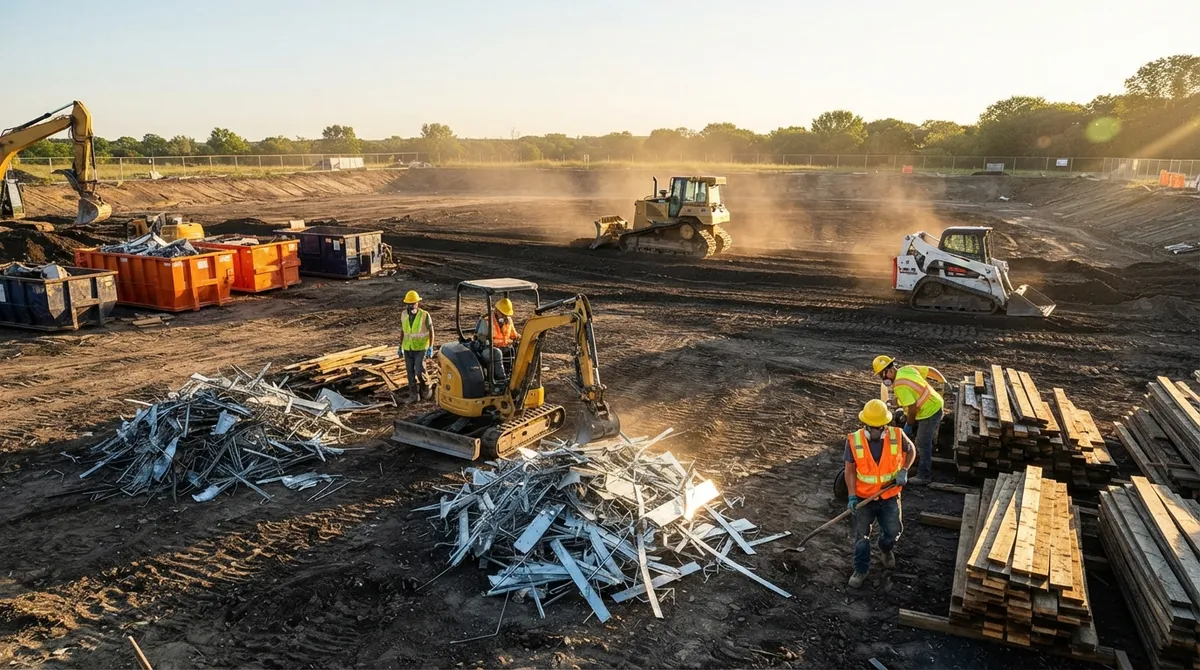
Professional crews also handle all debris hauling as part of the project. This keeps your renovation on track and your property clean. For projects that generate large amounts of waste, you may also want to explore hauling services to make sure every bit of material is properly removed and disposed of.
6. Questions to Ask Before You Hire an Interior Demolition Contractor
Not all contractors are created equal. Before signing any agreement, it’s smart to ask the right questions. This protects your investment and sets clear expectations from day one.
Here are six questions every homeowner should ask:
- Are you licensed and insured in Nevada? — Always verify credentials before work starts.
- Do you screen for asbestos or lead paint? — Especially important for older homes.
- Will you handle permits if needed? — Experienced contractors often manage this for you.
- What dust control measures do you use? — Ask for specifics, not vague assurances.
- Does your quote include debris removal? — Make sure cleanup is included in the price.
- How long will the project take? — Get a realistic timeline so you can plan accordingly.
A trustworthy contractor will answer every one of these questions confidently. If they hesitate or get vague, that’s a red flag. For more tips on choosing wisely, check out 12 things residential demolition contractors do for you.
Comparing Interior Demolition Project Scopes
Not every interior demolition project is the same. The scope of work varies widely depending on your goals. Here’s a quick comparison to help you understand what different projects typically involve:
| Project Type | Common Elements Removed | Typical Timeline | Permit Usually Needed? |
|---|---|---|---|
| Kitchen tear-out | Cabinets, counters, flooring, fixtures | 1–2 days | Sometimes |
| Bathroom gut-out | Tile, vanity, tub, toilet, drywall | 1–3 days | Sometimes |
| Single room renovation prep | Flooring, drywall, ceiling tiles | Half day to 1 day | Rarely |
| Whole-home gut renovation | All interior finishes, walls, systems | 3–10+ days | Usually yes |
| Fire/water damage restoration prep | Damaged materials throughout affected areas | 1–5 days | Often yes |
As you can see, the scope really shapes the timeline and complexity. A professional contractor will walk you through exactly what your project needs before work begins. If you’re dealing with larger renovation or site work needs, it’s also worth exploring excavating and grading services for any exterior prep work tied to your project.
Why Local Expertise Matters in Las Vegas
Las Vegas has its own building codes, permit requirements, and environmental conditions. Hiring a contractor who knows the local landscape is a real advantage. They understand what Clark County requires. They know how to move through local permit processes quickly.
They also understand Nevada-specific challenges — like the desert climate’s effect on older building materials and the prevalence of certain construction styles in the region.
When you hire locally, you also support faster project timelines. A local crew can mobilize quickly, respond to site issues in real time, and communicate more easily throughout the project. Learn more about the value of local expertise in this article about why 702 Demo is the leading demolition contractor in Las Vegas.
You can also visit 702 Demo on Google to read real customer reviews and see what Las Vegas homeowners and contractors are saying about their experiences.
How to Prepare Your Home Before Contractors Arrive
A little prep goes a long way. Before your residential interior demolition contractors show up, there are a few simple steps you can take to make the process smoother.
- Clear the work area — Remove furniture, personal items, and valuables from rooms being demoed.
- Identify utilities — Know where your main shutoff valves and breaker panels are located.
- Communicate your goals — Be clear about what stays and what goes. Walk the space with your contractor beforehand.
- Ask about access needs — Contractors may need clear paths for equipment and debris removal.
- Make arrangements for pets and family — Demo work can be loud and disruptive. Plan accordingly for children and animals.
These steps help your contractor work efficiently and reduce the chance of misunderstandings mid-project. A smooth project starts with great communication!
Final Thoughts on Hiring the Right Contractor
Residential interior demolition is a skilled trade. It requires training, proper tools, safety protocols, and local knowledge. Hiring the right team protects your home, your timeline, and your budget.
Whether you’re gutting a kitchen, opening up a floor plan, or prepping a home for a full renovation, the right contractor will make the process feel easy. They’ll handle the heavy lifting — literally — so you can focus on the exciting part: the new space taking shape.
For more helpful reading, explore interior demolition secrets that save money and 7 things to know about residential demolition services to keep building your knowledge base.
Ready to get your renovation started on the right foot? Reach out to 702 Demo for a free project estimate and let our experienced team guide you through every step of the process. We make interior demolition stress-free — and we’d love to help you bring your vision to life!
FAQs
Q: What does a residential interior demolition contractor actually do?
A: A residential interior demolition contractor specializes in removing specific interior elements inside a home — like drywall, flooring, cabinets, ceilings, and non-load-bearing walls — while keeping the home’s structure intact. Think of it as a precise, careful process that preps your home for renovation without tearing everything down. They also handle debris removal and site cleanup so your project stays on track!
Q: Do I need a permit for interior demolition in my home?
A: It depends on the scope of the work! Permits are often required when the demolition involves structural walls, electrical or plumbing systems, or fire safety features. A good contractor will help you figure out exactly what your project requires and can coordinate the permitting process on your behalf. You can also check the Las Vegas demolition permit guidelines for more details.
Q: Is asbestos or lead testing needed before interior demolition starts?
A: Yes — especially in homes built before 1978! Lead-based paint and asbestos-containing materials may be present in older homes, and disturbing them without proper precautions is a serious health risk. Professional contractors always screen for these hazards before work begins and coordinate safe removal if needed. It’s one of the most important steps in the whole process.
Q: How long does a typical kitchen or bathroom demolition take?
A: Most kitchen tear-outs take one to two days, while bathroom gut-outs typically run one to three days depending on the size and scope. Larger whole-home renovations can take anywhere from three to ten or more days. Your contractor will give you a realistic timeline after walking through the space with you — no guessing games!
Q: How do interior demolition contractors handle dust and cleanup?
A: Professional contractors use dust containment barriers, negative air pressure systems, and protective coverings to keep dust and debris from spreading through your home. They also verify utility shutoffs before starting and handle all debris hauling as part of the project. The goal is to leave your home as clean and organized as possible so your renovation team can jump right in!