Key Takeaways
-
In California, any demolition contractor performing work valued at $1,000 or more must hold a valid C-21 license issued by the CSLB; hiring unlicensed contractors can void property insurance and create legal liability.
-
The C-21 license requires at least 4 years of verifiable demolition experience within the last 10 years, though a construction-related college degree can substitute for up to 3 years of that requirement.
-
The C-21 trade exam is closed-book and weighted toward Planning/Estimating (25%), Structure Demolition (21%), and Safety (21%); dedicating 4-6 weeks to focused study using the official CSLB guide is essential for first-time passage.
-
The C-21 license specifically authorizes demolition, moving, underpinning, and foundation removal but does not cover alterations, repairs, or rehabilitation of standing structures—a critical distinction when hiring contractors.
-
Licensed C-21 contractors carry required insurance and bonding, follow OSHA safety standards, and maintain legal accountability, protecting property owners from liability and ensuring compliance with local building codes.
-
California contractor licenses must be renewed every two years with continuous bond and liability insurance maintenance; letting a license lapse can result in penalties and ineligibility to bid on licensed projects.
Thinking about working in demolition professionally? Or maybe you’re hiring a contractor and want to understand their credentials? Either way, learning about the C-21 demolition license is a smart move. This license is California’s official certification for building moving and demolition contractors. It tells you — and your clients — that the work is being done legally and safely.
Whether you’re a homeowner planning a renovation, a commercial developer breaking ground, or a contractor ready to grow your business, understanding this license matters. It protects everyone involved. In this guide, we’ll walk you through exactly what the C-21 license is, who needs it, how to get it, and why it’s so important in the demolition industry.
What Is a C-21 Demolition License?
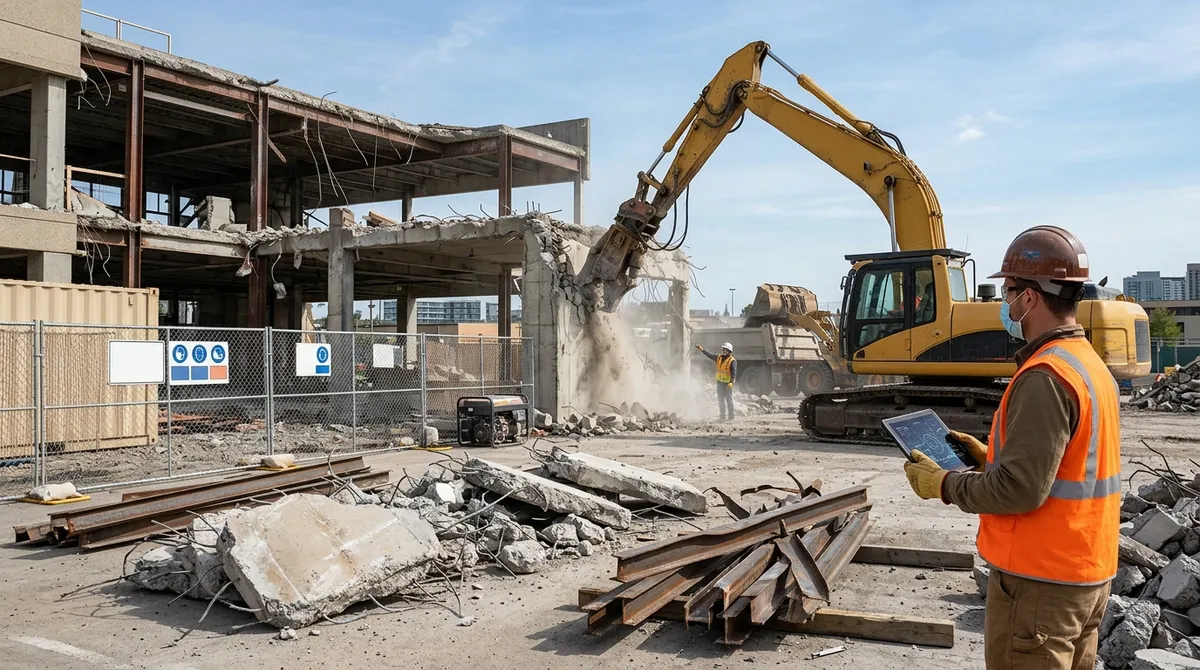
The C-21 license is issued by California’s Contractors State License Board (CSLB). It’s officially called the Building Moving/Demolition Contractor license. This classification covers contractors who raise, lower, crib, underpin, demolish, move, or remove structures — including their foundations.
It’s worth noting what the C-21 license does not cover. According to the CSLB, this license does not authorize alterations, additions, repairs, or rehabilitation of portions of a structure that will remain standing. So if you’re tearing something down, a C-21 applies. If you’re fixing it up afterward, a different license is needed.
Understanding the scope of this license helps property owners and developers hire the right contractor for the right job. You can also learn more about what a demolition license is and why it matters for your next project.
Who Needs a C-21 License?
In California, any contractor performing demolition or building-moving work valued at $1,000 or more in combined labor and materials must hold a valid contractor’s license. For demolition-specific work, that means a C-21 license is required.
Here’s who typically needs this license:
- Demolition contractors tearing down residential or commercial buildings
- Contractors who physically move structures from one location to another
- Professionals performing foundation removal or underpinning work
- Contractors doing cribbings and structural lowering or raising
- Anyone performing full building demolition services for hire in California
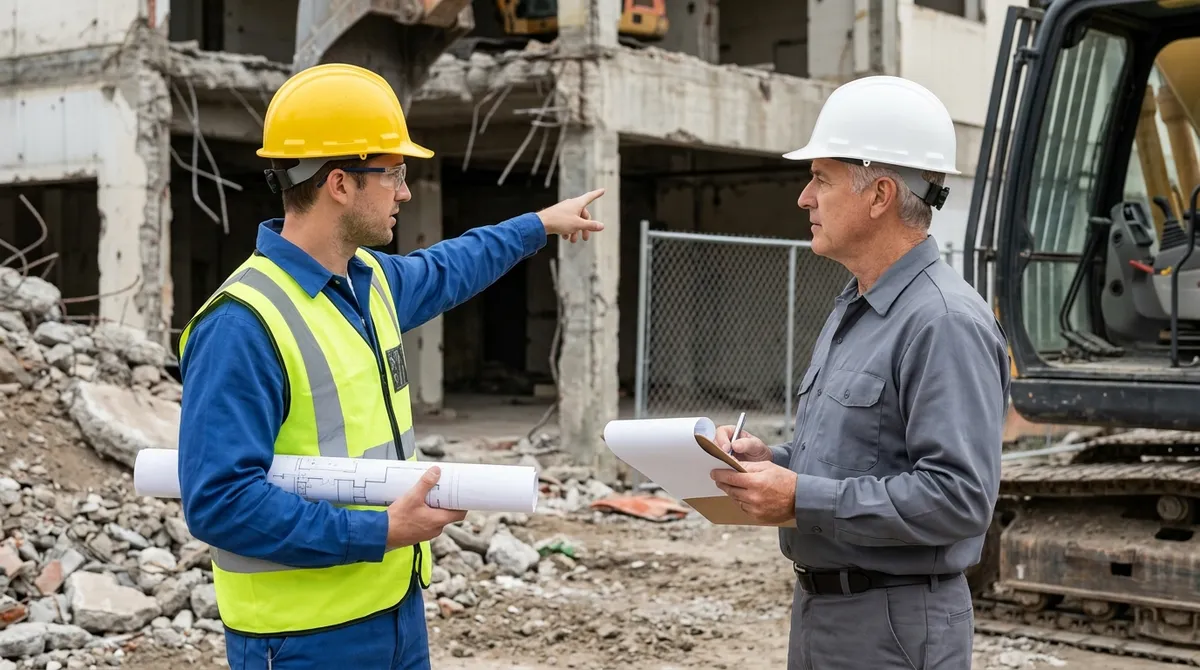
If you’re a property manager or real estate developer hiring demolition help, always ask to see a valid C-21 license before any work begins. This protects you from liability and ensures the contractor meets state standards. You can also review the Clark County Building Department for regional permit and licensing guidance if you’re working across state lines in Nevada.
Step-by-Step: How to Get Your C-21 License
Getting a C-21 demolition license takes some preparation, but the process is straightforward once you know the steps. Here’s how to do it:
- Confirm you meet the basic eligibility requirements. You must be at least 18 years old. You’ll also need a valid Social Security Number (SSN) or Individual Taxpayer Identification Number (ITIN), along with a government-issued photo ID.
- Document your experience. The CSLB requires at least 4 years of verifiable experience in the demolition trade or a related supervisory role. This experience must be within the last 10 years. If you have a college degree in a construction-related field, it can substitute for up to 3 years of experience.
- Complete and submit your CSLB application. Fill out the official application form from the CSLB. Include all required documentation, experience verification, and fees. Wait for the CSLB to process and approve your application before scheduling exams.
- Pass the Law and Business exam. All applicants must pass this general exam. It covers California contractor law, business practices, and financial management relevant to running a licensed contracting business.
- Pass the C-21 trade exam. This is the demolition-specific test. It’s a closed-book exam — no reference materials are allowed. You’ll need to study thoroughly before test day.
- Submit your license fee and obtain your bond and insurance. After passing both exams, you’ll pay the licensing fee and provide proof of a contractor’s bond and liability insurance before your license is issued.
Taking the time to follow each step carefully will put you in the best position to pass on your first attempt and get your license issued quickly. For more insight into working with licensed professionals, check out what makes a licensed demolition contractor essential for your project.
C-21 Exam Overview: What to Expect
The C-21 trade exam is organized around five major topic areas. Knowing the weight of each section helps you prioritize your study time.
| Exam Section | Approximate Weight | Key Focus Areas |
|---|---|---|
| Planning and Estimating | 25% | Project planning, cost estimation, scope definition |
| Structure Demolition | 21% | Demolition methods, sequencing, site cleanup |
| Safety | 21% | OSHA standards, hazard management, PPE |
| Project Preparation | 20% | Site surveys, permits, utility disconnects |
| Building Moving | 13% | Moving techniques, rigging, transport logistics |
The exam is closed-book, which means everything must come from memory. Focus especially on Planning and Estimating, Structure Demolition, and Safety — these three sections together make up 67% of the exam.
The CSLB study guide (updated as of 05/2024) is your best official resource. Use it alongside practice exams and trade preparation courses for the strongest results.
Experience Requirements: What Counts?
The 4-year experience requirement is the core of your C-21 eligibility. But not all experience counts the same way. Here’s a breakdown of what the CSLB typically accepts:
- Hands-on field experience in demolition, building moving, or a directly related trade
- Supervisory or foreman-level roles overseeing demolition crews or building moving projects
- Apprenticeship programs registered with the state that cover relevant demolition skills
- College coursework in construction-related fields (may substitute for up to 3 of the 4 required years)
- Military service in a construction or engineering capacity may also qualify
The CSLB will ask your employers or supervisors to verify your experience. Make sure you collect contact information and employment records before submitting your application. This step alone can save weeks of processing time.
C-21 License vs. Other Contractor Licenses
It’s easy to confuse the C-21 with other construction licenses. Here’s a simple comparison to keep things clear:
| License Type | Classification | Scope of Work |
|---|---|---|
| C-21 | Building Moving / Demolition | Demolishing, moving, underpinning, removing structures and foundations |
| B General Building | General Building Contractor | Construction, renovation, and framing of structures |
| A General Engineering | Engineering Contractor | Large-scale infrastructure, grading, earthwork projects |
| C-12 | Earthwork and Paving | Grading, excavating, compaction, and paving work |
For full demolition projects — whether residential or commercial — the C-21 is the specific license you need. Other licenses may permit some incidental demolition as part of a broader project, but dedicated demolition work requires the C-21 classification.
If your project involves interior demolition, excavating and grading, or concrete removal, make sure the contractor you hire holds the appropriate licenses for each scope of work.
Why Licensing Matters for Property Owners and Developers
If you’re a homeowner, commercial builder, or real estate developer, hiring a licensed demolition contractor protects you in a big way. Here’s why licensing should be your first checkpoint:
- Licensed contractors are legally accountable for their work
- They carry required insurance and bonding to protect your property
- They understand local building codes and demolition permit requirements
- They follow OSHA safety standards that protect workers and neighbors
- Unlicensed work can void your property insurance or create legal liability
Before any demolition begins, always ask for the contractor’s license number and verify it through the CSLB website. You should also check your local permit requirements. The Las Vegas demolition permit guidelines are a great resource if you’re working in the Nevada region.
For Nevada-based projects, 702 Demo is a trusted full-service demolition contractor serving Clark and Nye counties. They handle everything from full building demolition to hauling services and site preparation — all with the experience and credentials your project demands. Visit us on Google — 702 Demo to see what customers are saying about their work.
Tips for Passing the C-21 Exam on Your First Try
Passing a closed-book trade exam takes real preparation. Here are some practical tips to help you succeed:
- Get the official CSLB study guide. This is the most important resource. The C-21 study guide breaks down every topic area by section weight so you know exactly what to focus on.
- Take a prep course. Several licensed contractor schools offer C-21 exam preparation courses. These walk you through practice questions and flag the most commonly tested content areas.
- Study safety regulations deeply. Safety makes up 21% of the exam. Know OSHA standards for demolition work, hazard communication, fall protection, and hazardous material handling.
- Practice estimating and planning. Planning and Estimating is the largest section at 25%. Get comfortable with reading project scopes, calculating quantities, and writing estimates.
- Review permit and project prep requirements. The Project Preparation section covers utility disconnects, surveys, and pre-demolition inspections. These details matter both on the exam and on the job site.
Many successful C-21 applicants recommend dedicating at least 4–6 weeks to focused study before sitting for the exam. Rushing through preparation is the most common reason people don’t pass the first time.
Staying Licensed: Renewals and Continuing Compliance
Getting your C-21 license is just the beginning. Keeping it active requires ongoing attention. Here’s what to know about staying in good standing:
- California contractor licenses must be renewed every two years
- You must maintain your contractor’s bond and liability insurance continuously
- Any changes to your business structure, address, or personnel must be reported to the CSLB
- Violations or complaints can result in license suspension or revocation
- Staying current with OSHA and California safety regulations keeps your operations legally compliant
Letting your license lapse — even accidentally — can result in penalties and make you ineligible to bid on licensed projects. Set a reminder well before your renewal deadline to keep everything current.
Ready to Work With a Licensed Demolition Contractor?
Understanding the C-21 demolition license helps you make better decisions — whether you’re getting licensed yourself or hiring a professional for your project. A licensed contractor brings legal accountability, safety standards, and proven expertise to every job site. That matters whether you’re demolishing a home, clearing a commercial lot, or preparing a site for new development.
If you’re in the Las Vegas area and need a reliable, experienced demolition team, reach out to 702 Demo for a free project estimate and get your project moving in the right direction today.
FAQs
Q: What is a C-21 demolition license in California?
A: The C-21 is a specialty contractor license issued by California’s Contractors State License Board (CSLB). It authorizes contractors to legally demolish, move, raise, lower, or remove buildings and their foundations. It’s the go-to credential for anyone doing professional demolition work in California!
Q: How much experience do I need to get a C-21 license?
A: You’ll need at least 4 years of verifiable trade experience in demolition or a related supervisory role within the last 10 years. The good news is that a college degree in a construction-related field can substitute for up to 3 of those 4 years — so your education really does pay off!
Q: What exams are required for a C-21 license?
A: You’ll need to pass two exams: the Law and Business exam (which covers California contractor law and business practices) and the C-21 trade exam (which is demolition-specific). Both are required, and the trade exam is closed-book, so solid preparation is key.
Q: Does the C-21 license cover interior demolition or only structural demolition?
A: The C-21 covers work involving full structures and their foundations — including demolition, moving, raising, and underpinning. However, it does not cover alterations, repairs, or rehabilitation of portions of a structure that remain standing after the project. For interior-only work, a different license may apply.
Q: Is a C-21 license required for demolition jobs over $1,000 in California?
A: Yes! In California, any contractor performing demolition work valued at $1,000 or more in combined labor and materials must hold a valid contractor’s license. For dedicated demolition projects, that means holding a C-21 license is a legal requirement — no exceptions!