Key Takeaways
-
Demolition experts conduct thorough site assessments before work begins, identifying hazards, utility lines, and structural details to create detailed plans that prevent costly surprises and safety issues.
-
A demolition expert manages permits, hazardous material handling (asbestos, lead paint), and coordinates with local building departments to ensure projects stay compliant with regulations and avoid fines or delays.
-
Beyond demolition, experts oversee equipment operation, supervise crews, manage waste sorting for recycling, and ensure proper debris disposal while maintaining site safety throughout the entire project.
-
Demolition experts differ from demolition workers by focusing on planning, supervision, and decision-making rather than hands-on labor, making them essential for proper project oversight and risk management.
Ever watched a building come down and wondered who’s behind that whole process? A demolition expert does way more than swing a wrecking ball. They plan, protect, and problem-solve before, during, and after every project. If you’re a homeowner in Henderson planning a backyard makeover, or a developer breaking ground on a new site in Clark County, understanding this role helps you hire smarter and worry less.
At 702 Demo, we’ve spent years serving Clark and Nye counties with full-service demolition, excavating, grading, concrete, and paving work. We know firsthand what it takes to get a site ready safely and on schedule. In this article, we’ll walk through exactly what a demolition expert does, the skills they bring, and why this role matters so much for your next project.
What Does a Demolition Expert Do? A Quick Overview
A demolition expert plans and carries out the safe removal of structures. This can mean a small backyard shed or a multi-story commercial building. Their main job is figuring out how to take something down without hurting people, damaging nearby property, or breaking any rules.
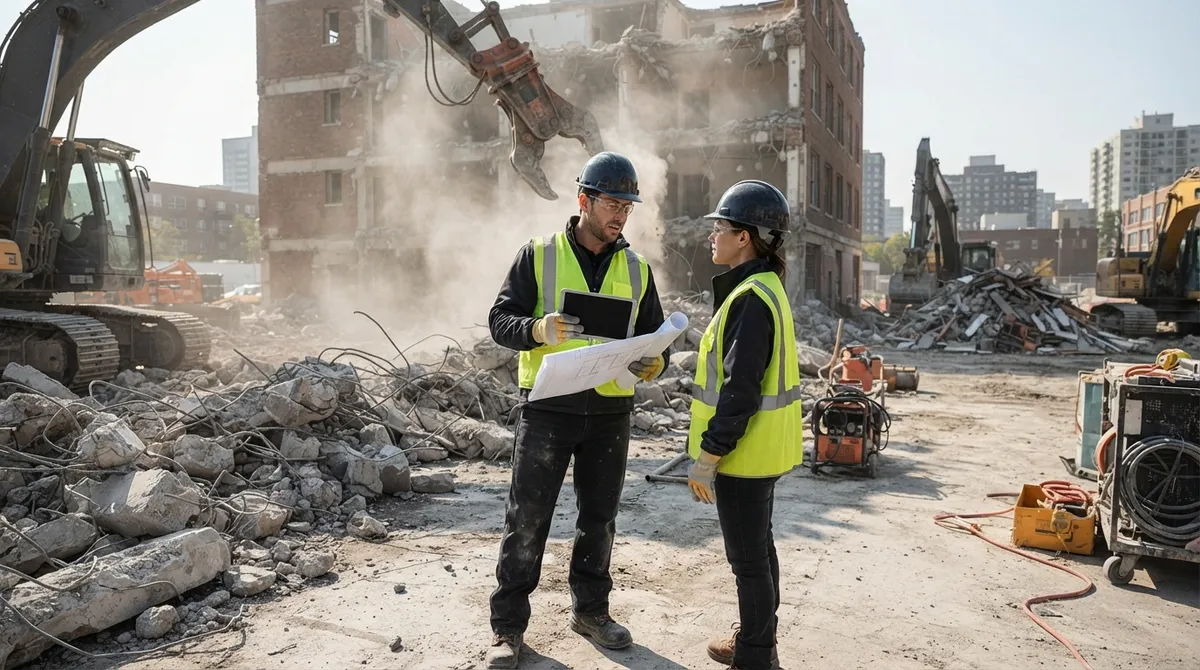
Think of them as part planner, part safety officer, and part heavy equipment operator. They study blueprints, check for hazards, and map out every step before the first wall comes down. This careful planning is what separates a professional job from a risky guessing game.
5 Core Responsibilities of a Demolition Expert
Let’s break down the main jobs a demolition expert handles on a typical project. These five responsibilities cover the full range of what this role involves.
1. Site Assessment and Demolition Planning
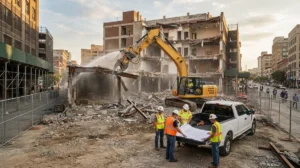
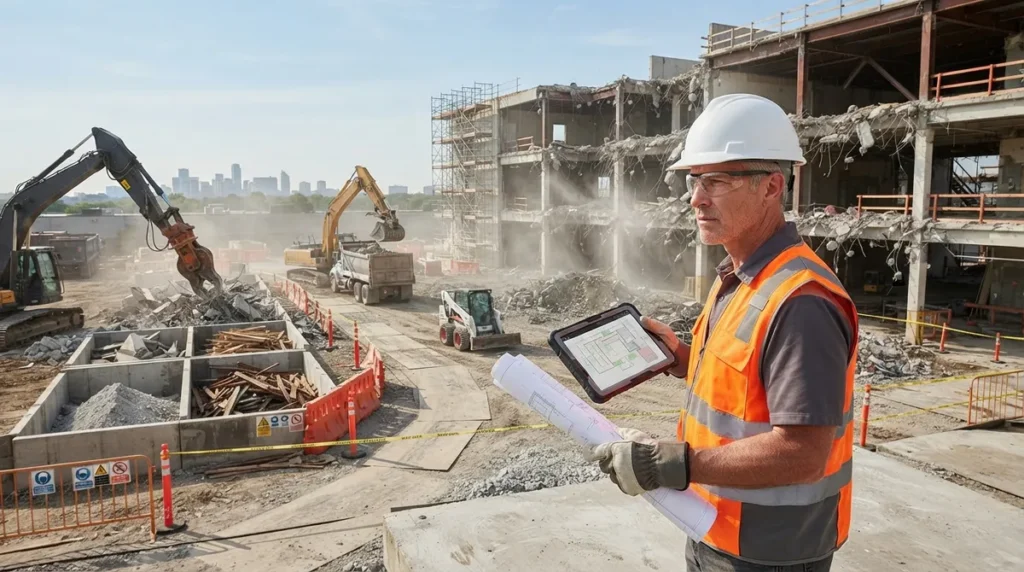
Before any equipment shows up, a demolition expert walks the site. They look at the structure’s age, materials, and condition. They check for things like load-bearing walls, utility lines, and nearby buildings that need protection.
This assessment leads to a written plan. That plan outlines the order of work, the equipment needed, and the safety steps required. Good planning prevents costly surprises once work begins. Learn more about how this process works in our guide on the process of demolition.
2. Site Preparation and Structural Stripping
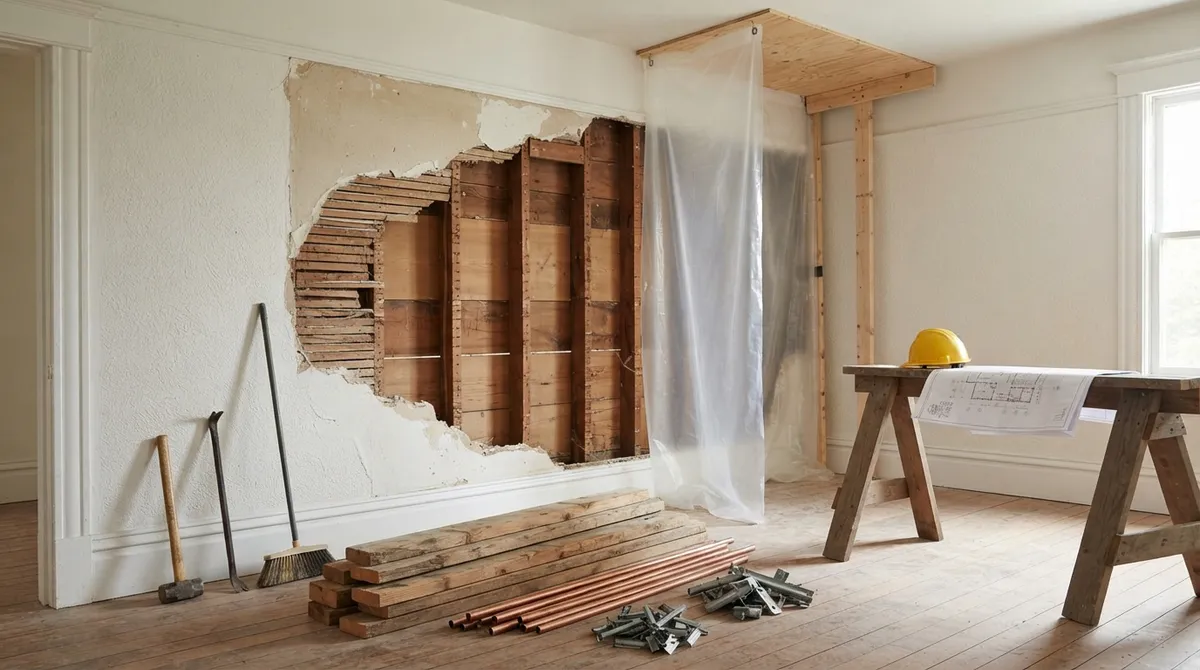
Once the plan is set, the real prep work starts. This includes:
- Removing doors, windows, and fixtures
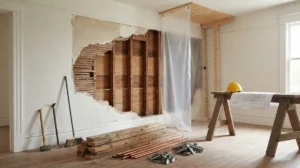
- Stripping out interior finishes like drywall and flooring
- Disconnecting utilities such as gas, water, and electric
- Dismantling roof sections in a controlled order
- Cutting or isolating structural components before major demolition begins
This step is sometimes called a soft strip. It clears the way for heavier demolition work later. If you’re curious about this stage, check out our breakdown of soft strip demolition.
3. Safety Management and Hazard Control
Safety is not an afterthought. It’s built into every step of the job. A demolition expert runs hazard assessments and sets up protective measures like fencing, dust barriers, and warning signage.
They also make sure the crew follows health and safety rules on-site. This includes proper gear, safe equipment use, and clear communication about risks. Projects in Las Vegas often require permits that spell out these safety expectations, and following the Las Vegas demolition permit guidelines is a must for any legal, safe project.
4. Equipment Operation and Heavy Machinery Supervision
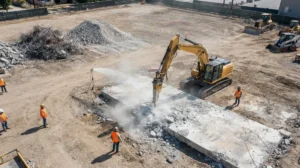
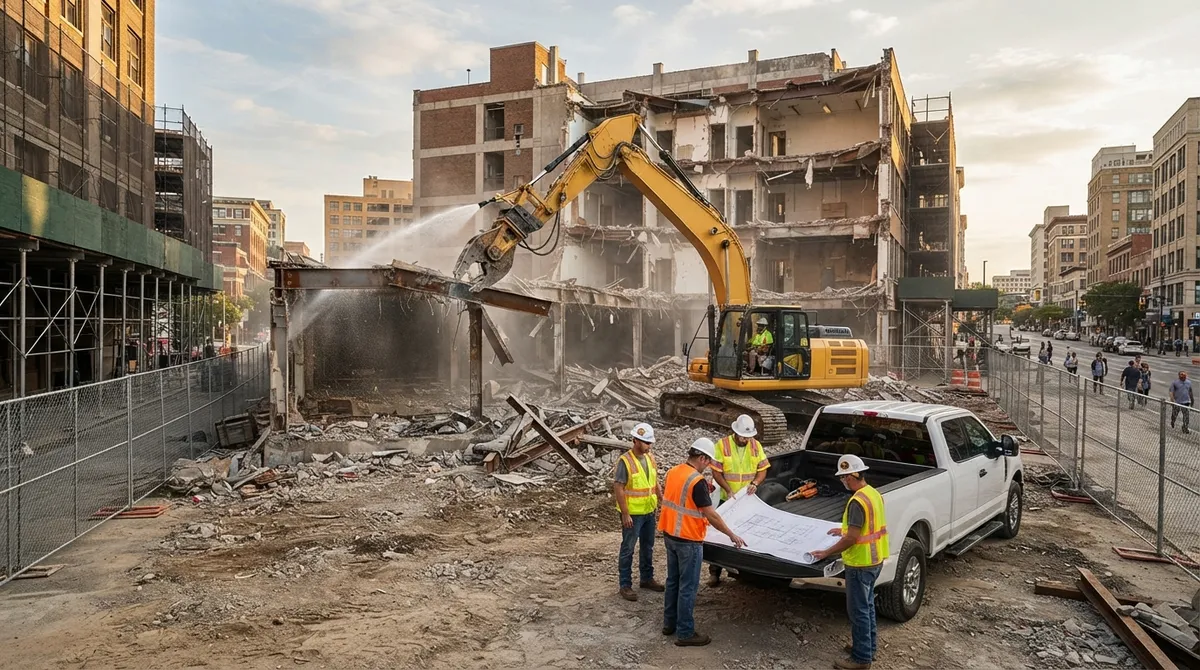
Demolition experts often operate or oversee heavy machinery. Common equipment includes:
- Excavators for tearing down walls and foundations
- Bulldozers for clearing debris and grading land
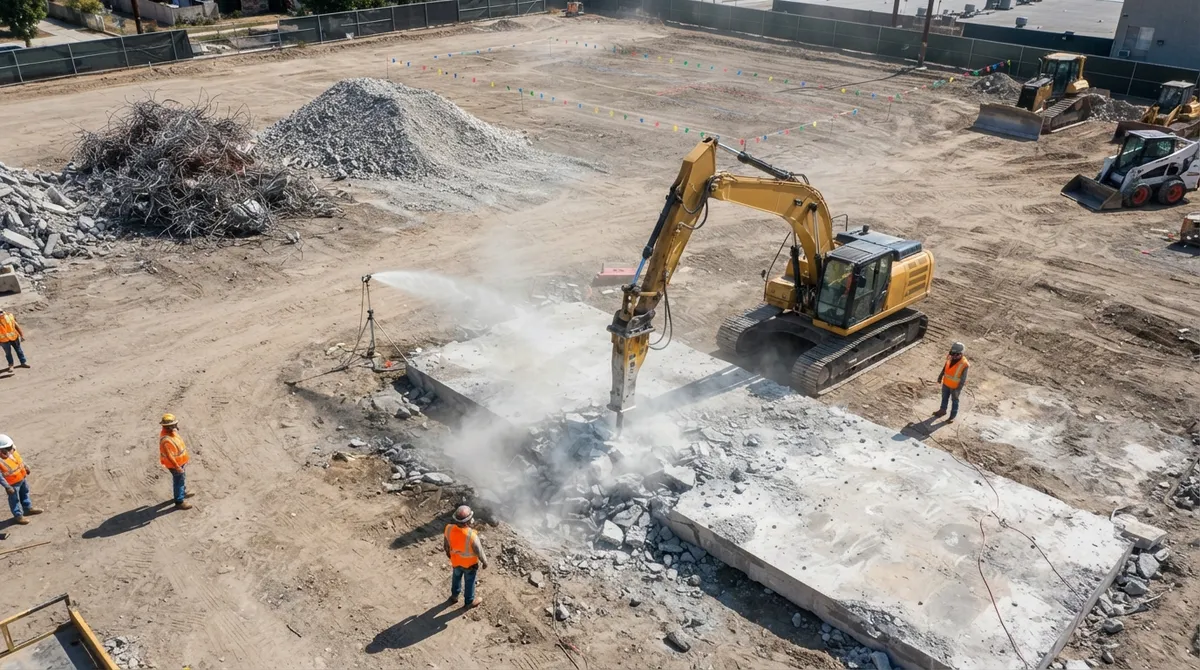
- Hydraulic breakers for concrete and masonry
- Cranes for lifting heavy structural pieces
- Cutting tools for steel beams and rebar
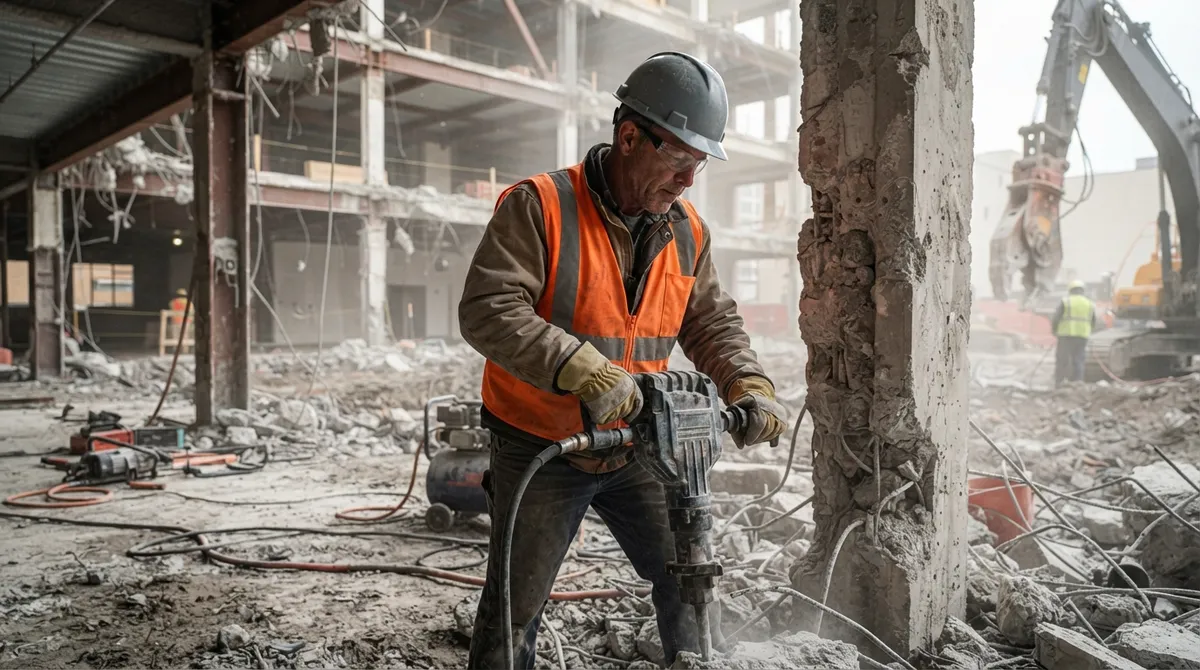
Running this equipment takes training and experience. A skilled operator knows how to bring down a structure piece by piece, keeping everything under control. This is especially important for jobs involving concrete removal or full building demolition.
5. Hazardous Material Handling and Waste Management
Older buildings often hide surprises like asbestos or lead paint. A demolition expert knows how to spot these materials and either handle them safely or bring in a specialized abatement team.
Once demolition wraps up, someone has to deal with the debris. This means:
- Sorting materials for recycling, like metal and concrete
- Hauling away waste that can’t be reused
- Following environmental disposal rules
- Keeping the site clean and safe for the next phase of work
Proper waste handling protects the environment and keeps your project compliant with local rules. For a closer look at this part of the job, see our guide on hauling services.
Demolition Expert vs. Demolition Worker: What’s the Difference?
People often mix these two roles up, but there’s a real difference. A demolition worker usually handles hands-on tasks like breaking concrete, removing debris, or operating tools under direction. A demolition expert takes on more planning, supervision, and decision-making duties.
| Role | Main Focus | Typical Tasks |
|---|---|---|
| Demolition Expert | Planning and oversight | Site assessment, safety plans, permits, crew supervision |
| Demolition Worker | Hands-on labor | Breaking materials, hauling debris, operating tools |
| Project Manager | Budget and coordination | Scheduling, client communication, subcontractor management |
On many job sites, one person can wear multiple hats. A smaller residential project might have a demolition expert who also swings a hammer. Larger commercial jobs usually split these roles across a bigger team. Curious how workers fit into this picture? Check out our article on what demolition workers do on every job.
Skills Every Demolition Expert Needs
This job takes more than muscle. Here are the key skills that make someone great at demolition work:
- Strong knowledge of building structures and materials
- Sharp eye for spotting hazards before they become problems
- Comfort operating or supervising heavy machinery
- Clear communication with clients, crews, and inspectors
- Understanding of local codes and permit requirements
- Problem-solving skills for unexpected site conditions
Many demolition experts build these skills through years of hands-on experience combined with formal safety training. Some also pursue certifications tied to hazardous material handling or heavy equipment operation.
How Demolition Experts Handle Permits and Compliance
Nobody wants a stopped project because of missing paperwork. A demolition expert usually manages or coordinates permit applications before work begins. This involves working closely with local building departments, like the Clark County Building Department, to make sure every requirement is met.
Permit requirements can vary based on the type of structure, its size, and whether hazardous materials are present. Skipping this step can lead to fines or delays, so it’s worth having a licensed team manage this process for you. Our article on what a demolition license is and why it matters covers this topic in more detail.
What a Typical Day Looks Like for a Demolition Expert
No two days are exactly the same, but here’s a general flow:
- Review the day’s schedule and safety checklist
- Inspect the site for overnight changes or new hazards
- Brief the crew on tasks and safety expectations
- Supervise or operate equipment during active demolition
- Monitor progress against the project timeline
- Coordinate debris removal and recycling efforts
- Document progress and communicate updates to clients or project managers
This routine keeps projects moving safely and efficiently, whether it’s a small residential job or a large commercial site.
Why Hiring the Right Demolition Expert Matters
Choosing the right team can make or break your project. A skilled demolition expert protects your property, your neighbors, and your timeline. They also help you avoid costly mistakes like hitting a hidden gas line or missing a required permit.
Here’s what to look for when choosing a demolition partner:
- Proper licensing and insurance
- Experience with your specific project type, whether residential, commercial, or interior demolition
- Clear communication throughout the project
- A solid safety record
- Positive reviews from past clients
At 702 Demo, we’ve built our reputation on safety, reliability, and clear communication with every client across Clark and Nye counties. You can see what our customers say by checking out our reviews on Google.
Common Demolition Projects That Need an Expert
Demolition experts handle a wide range of project types. Some of the most common include:
- Residential home teardowns and renovations
- Commercial building demolition for redevelopment
- Pool removal for backyard renovations
- Concrete driveway and patio removal
- Interior strip-outs for remodeling projects
- Site clearing for new construction, including landscaping removal and grading
Each project type has its own challenges, but the core role of the demolition expert stays the same: plan carefully, work safely, and leave the site ready for what comes next.
Final Thoughts on the Role of a Demolition Expert
A demolition expert does far more than tear things down. They plan, protect, operate equipment, manage hazards, and handle waste responsibly. This role blends technical skill with careful judgment, making it one of the most important parts of any construction or renovation project.
Whether you’re a homeowner planning a small backyard project or a developer preparing a large commercial site, having the right team matters. 702 Demo brings years of hands-on experience to every job across Clark and Nye counties, and we’re proud to be a trusted name in Las Vegas demolition work. Ready to get started on your next project? Contact 702 Demo for a free estimate and let’s talk about how we can help.
FAQs
Q: What does a demolition expert do on a typical day?
A: A demolition expert usually starts by inspecting the site and checking safety conditions. Then they brief the crew, supervise equipment operation, and monitor progress throughout the day. It’s a mix of hands-on work and careful oversight to keep everyone safe.
Q: Do demolition experts remove hazardous materials like asbestos?
A: Yes, demolition experts are trained to spot hazards like asbestos or lead paint. In many cases, they coordinate with specialized abatement teams to handle removal safely. Safety always comes first when hazardous materials are involved.
Q: What equipment does a demolition expert use?
A: Common tools include excavators, bulldozers, hydraulic breakers, and cranes. They also use cutting tools for steel and rebar. The right equipment depends on the size and type of the project.
Q: Do demolition experts need permits or certifications?
A: Absolutely, most demolition projects require permits from local building departments. A good demolition expert handles this paperwork for you, making sure everything meets local codes before work begins.
Q: What’s the difference between a demolition expert and a demolition worker?
A: A demolition expert usually focuses on planning, safety, and supervision, while a demolition worker handles more hands-on tasks like breaking materials or hauling debris. On smaller jobs, one person might do both roles.