Key Takeaways
-
Las Vegas demolition projects fall under different jurisdictions (City of Las Vegas, Clark County, Henderson, North Las Vegas) with separate permit processes—always confirm your property’s exact location before starting work to avoid delays and fines.
-
Contractors must hold an A-General, A-13, or C-31 Nevada state license plus the correct local business license; always verify licensing before signing any contract to avoid unlicensed operators who cut corners.
-
Asbestos inspections are required for most commercial structures in Clark County before demolition, and only Nevada-licensed asbestos contractors can remove it; notification must occur 10 working days before abatement begins.
-
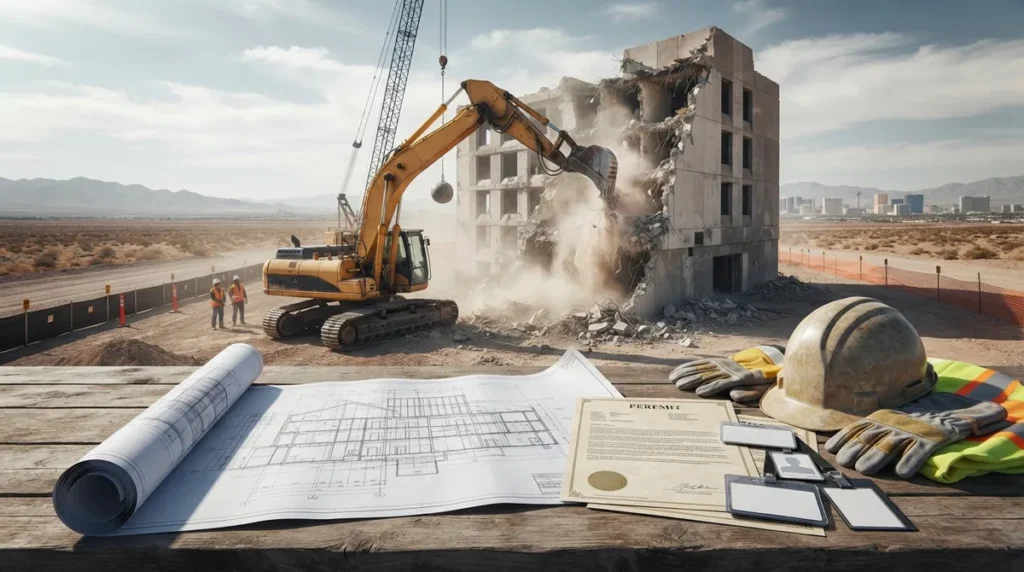
Complete permit applications typically require building forms, demolition plans, plot plans, floor plans, structural plans if needed, and a scheduled completion date—missing even one item delays approval significantly.
Planning a demolition project in Las Vegas can feel overwhelming. Between permits, utility shutoffs, and asbestos rules, there’s a lot to think about. But here’s the good news: you don’t have to figure it out alone.
Whether you’re a homeowner tearing out an old patio, a developer clearing land for a new build, or a property manager dealing with a vacant building, finding the right demolition contractors in Las Vegas makes all the difference. The best contractors handle the messy details so you can focus on your project’s big picture. In this friendly guide, we’ll walk through seven clear signs that tell you a demolition contractor knows their stuff. We’ll also cover permits, licensing, asbestos rules, and what to expect from a solid demolition contract. Grab a coffee, and let’s get into it together.
Why Choosing the Right Demolition Contractor Matters
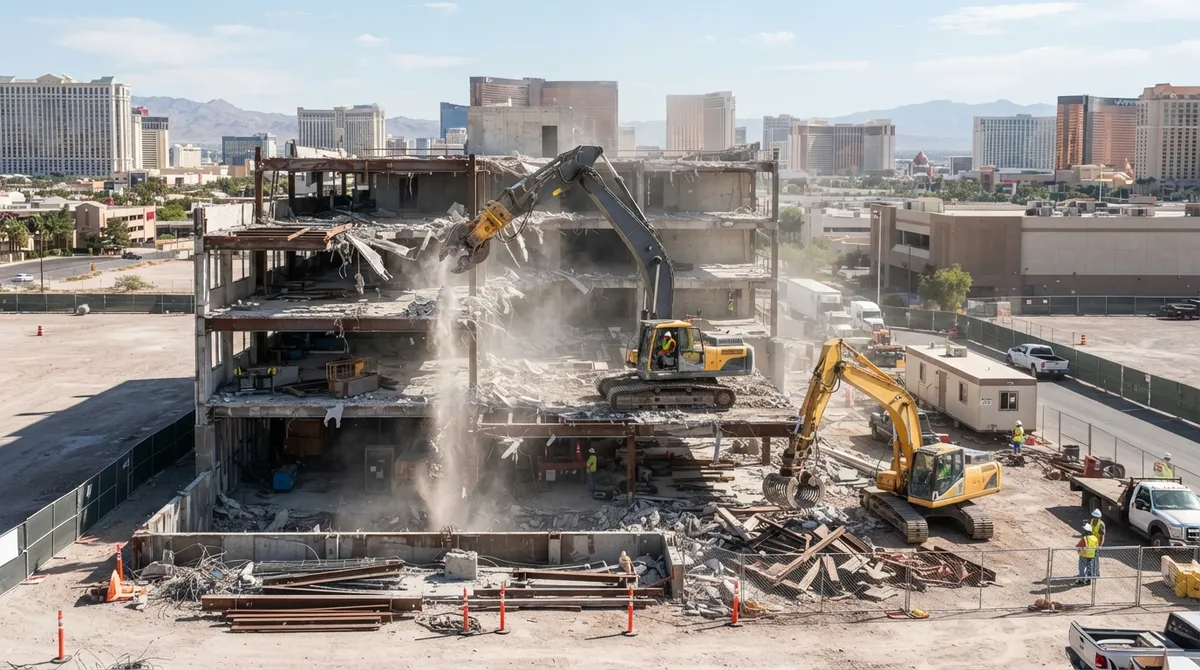
Demolition isn’t just knocking down walls with a big machine. It’s a careful process that involves safety, legal paperwork, and smart planning. A great contractor protects your property, your neighbors, and your wallet from costly mistakes.
702 Demo has spent years serving Clark and Nye counties, handling everything from small interior tear-outs to full commercial building demolition. That kind of experience matters when city rules get complicated. Let’s look at what separates a trustworthy demolition team from one that might leave you with headaches.
1. They Know Exactly Which Jurisdiction Applies to Your Project
Las Vegas isn’t one single rulebook. Depending on your address, you might fall under the City of Las Vegas, Clark County, Henderson, or North Las Vegas. Each of these has its own permit process and business license rules.
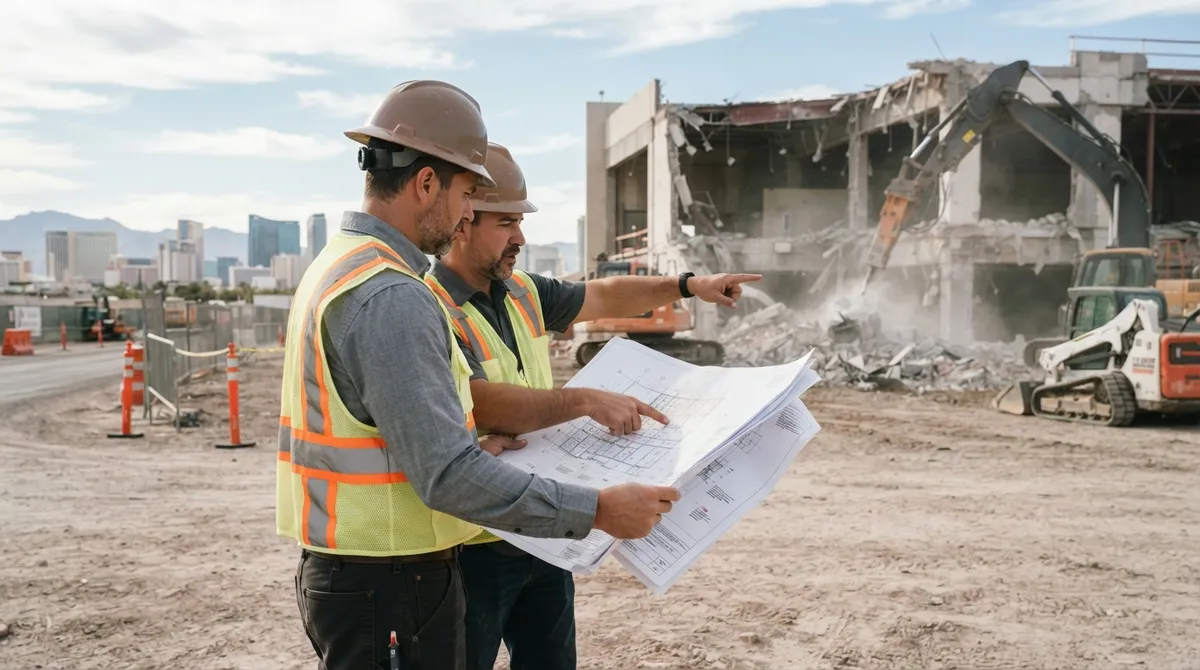
A good contractor asks about your property’s exact location before doing anything else. This simple step avoids delays and fines later. If you’re unsure which jurisdiction your project falls under, check with the Clark County Building Department before work begins.
- City of Las Vegas has its own demolition permit process
- Clark County covers unincorporated areas with separate rules
- Henderson and North Las Vegas each have their own building departments
- Business licenses may need to match the specific jurisdiction
2. They Understand Permit Rules for Partial and Full Demolition
Here’s something many homeowners don’t know. The City of Las Vegas usually requires a demolition permit for full building teardowns. It also requires one when partial demolition removes more than 50% of the total square footage.
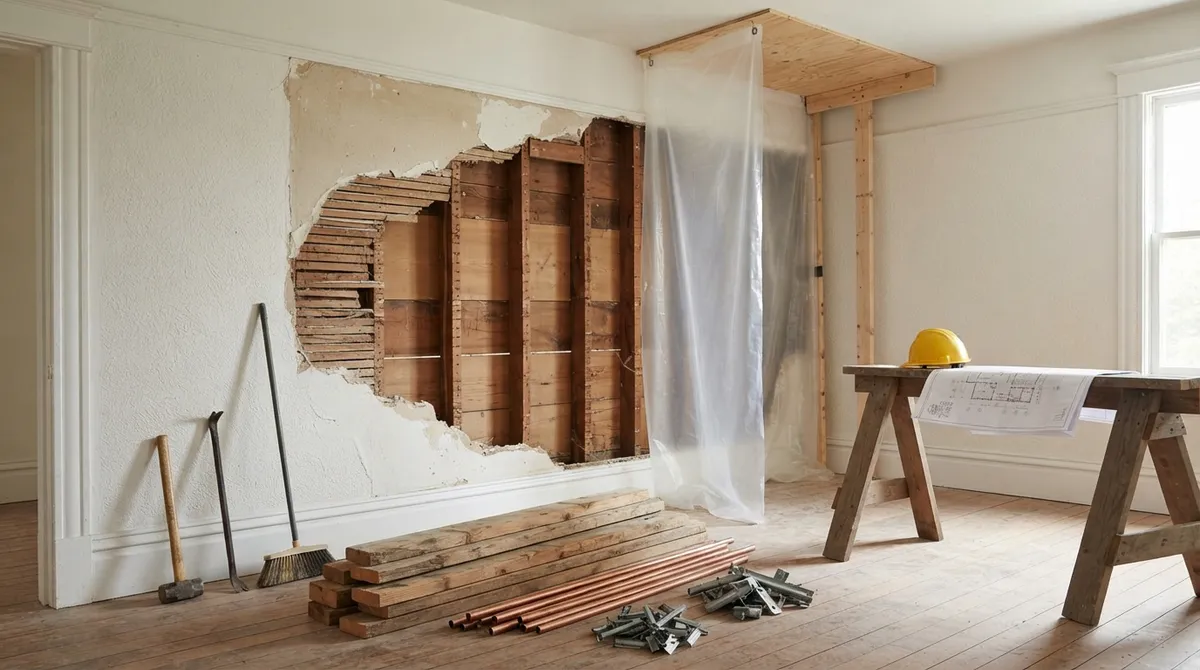
Smaller interior jobs might use a different, simpler permit path. A knowledgeable contractor explains this clearly instead of leaving you guessing. This is especially important for interior demolition projects where the line between minor and major work isn’t always obvious.
What a Complete Permit Application Usually Includes
Getting your permit approved on the first try saves time and stress. According to the Las Vegas demolition permit guidelines, applications typically need several key documents.
- A completed building permit application form
- Demolition plans showing the scope of work
- A plot plan of the property
- Floor plans marking the demolition area
- Structural plans if load-bearing walls are involved
- A list of any structures that will remain standing
- A scheduled completion date for the project
Missing even one of these items can slow down your approval. That’s why working with an experienced team like 702 Demo, who handles this paperwork daily, saves you real time.
3. They Hold the Correct Nevada Contractor License
Not just anyone can pull a demolition permit in Las Vegas. The city specifically requires contractors to hold an A-General, A-13, or C-31 license. On top of that, contractors need an active Nevada state license and the right local business license.
Always ask to see proof of licensing before signing any contract. This one question protects you from unlicensed operators who might cut corners. To learn more about why this matters so much, check out this guide on what makes a licensed demolition contractor essential for your project.
| License Type | Typical Use |
|---|---|
| A-General | General engineering and demolition work |
| A-13 | Specialized demolition operations |
| C-31 | Commercial demolition projects |
4. They Handle Utility Disconnections the Right Way
Before any demolition starts, all utilities need to be safely disconnected. Gas, water, electric, and sewer lines all pose serious risks if ignored.
The City of Las Vegas requires a signed letter on the demolition company’s letterhead. This letter must confirm utilities are disconnected or that proper approvals were obtained. A responsible contractor handles this step without you having to ask twice.
- Gas lines must be capped by the utility provider or licensed plumber
- Electrical service needs formal disconnection confirmation
- Water and sewer lines require proper capping
- Documentation must be signed by a company officer
5. They Take Asbestos Inspection Seriously
This is a big one, and it’s not optional. Before renovating or demolishing many commercial structures in Clark County, an asbestos inspection is required. This applies no matter how old or new the building is.
If asbestos is found, only a contractor licensed under Nevada asbestos-control regulations can remove it. Workers and supervisors must be properly trained and licensed too.
Key Asbestos Rules to Know
Understanding these numbers helps you plan ahead and avoid surprises mid-project.
- Notification is required when abating more than 160 square feet of material
- The same rule applies to 260 linear feet or 35 cubic feet of material
- Notification must happen at least 10 working days before abatement starts
- Nevada law requires records to be kept for at least 30 years
Under Nevada Revised Statutes §618.800, asbestos contractors must pass an approved exam and carry proper insurance. This law exists to protect workers and residents from serious health risks.
6. They Plan for Dust Control and Stormwater Rules
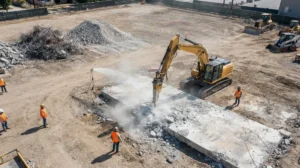
Las Vegas is hot, dry, and windy. That combination makes dust control a real challenge on any demolition site. Good contractors plan for this instead of reacting after the fact.
Many projects need an Air Quality Permit specifically for dust control. Larger sites may also require a Stormwater Pollution Prevention Plan. These aren’t just paperwork boxes to check. They protect your neighbors, nearby businesses, and the environment.
- Assess site conditions before demolition begins
- Apply for required air quality and stormwater permits
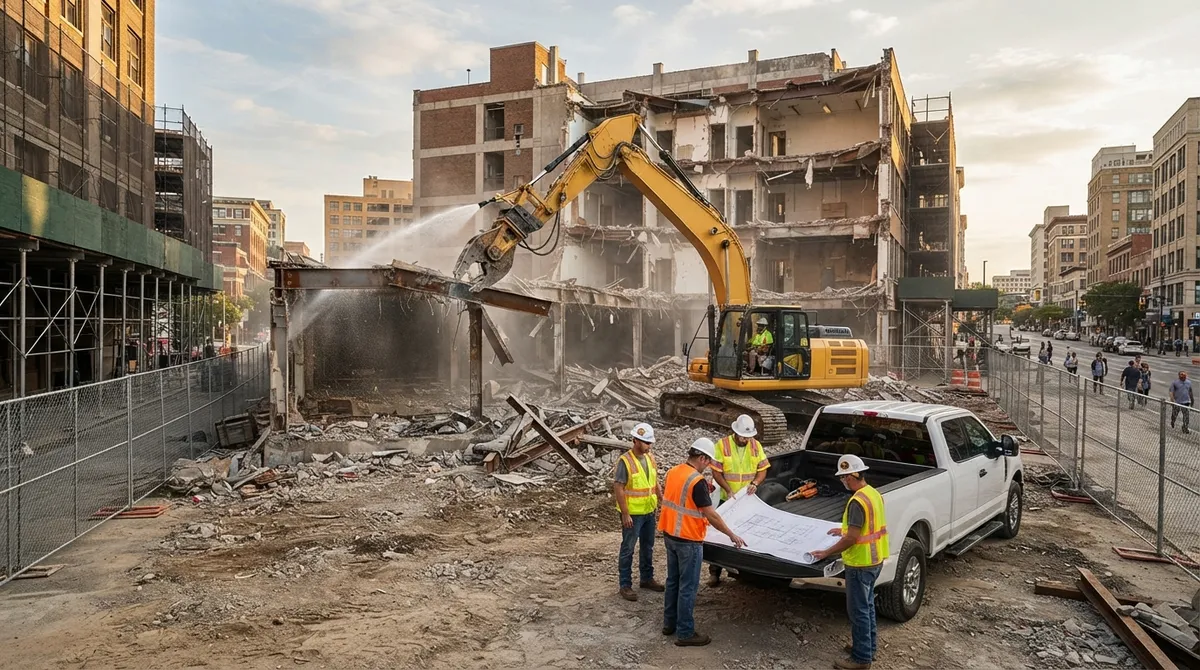
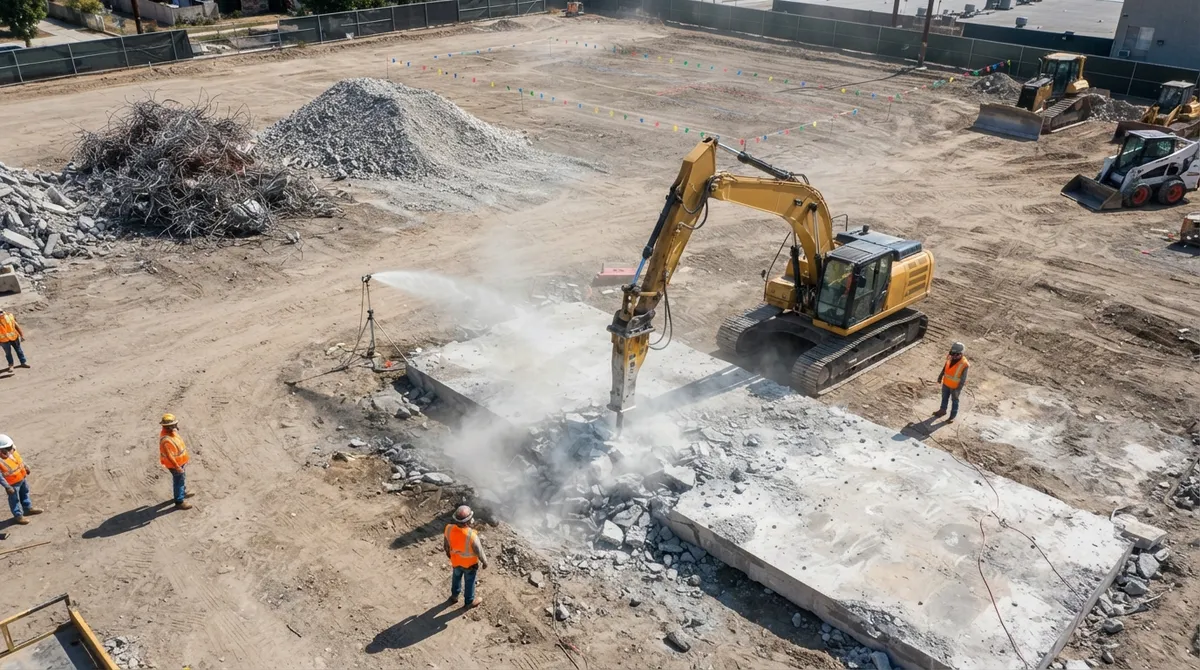
- Set up water spraying or misting systems on-site
- Monitor weather conditions daily during active work
- Adjust work schedules during high-wind days
This kind of proactive planning is part of why 702 Demo has built a strong reputation across excavating and grading projects throughout the valley.
7. They Coordinate Fire Safety and Public Right-of-Way Permits
Some demolition jobs affect more than just the property itself. If your project impacts sidewalks, streets, or pedestrian areas, you’ll likely need separate traffic-control permits.
Projects involving sprinklers, standpipes, or explosives also require direct coordination with the Las Vegas Fire and Rescue Department. This step is easy to overlook but absolutely critical for safety and legal compliance.
- Encroachment permits for work near public streets
- Temporary traffic control plans for busy areas
- Fire department coordination for sprinkler or standpipe removal
- Special permits for any explosive demolition methods
Comparing Demolition Needs by Audience
Different projects call for different approaches. Here’s a quick breakdown of what typically matters most, depending on who you are.
| Audience | Primary Concern | Common Service Needed |
|---|---|---|
| Homeowners | Budget, dust control, timeline | Pool removal or interior renovation demo |
| Commercial Builders | Tight schedules, site durability | Full site clearing and grading |
| Renovation Contractors | Precision, foundation work | Selective interior demolition |
| Property Managers | Hazardous material removal | Asbestos abatement and debris hauling |
| Real Estate Developers | Full-service site development | Demolition, excavating, and paving |
What Goes Into a Solid Demolition Contract
A trustworthy contract protects both you and your contractor. It should spell out exactly what’s included, so nothing gets left to guesswork.
- Detailed scope of work and demolition boundaries
- Permit responsibilities clearly assigned
- Asbestos inspection results and abatement plans if needed
- Utility disconnection confirmation process
- Debris removal and disposal plan
- Site restoration expectations after demolition
- Estimated project timeline and completion date
If any of these items are missing from a proposal, that’s worth asking about before you sign anything.
How 702 Demo Makes the Process Easier
702 Demo has built a strong track record across Clark and Nye counties by handling every detail we’ve covered here. From building demolition to concrete removal, the team manages permits, safety plans, and disposal so you don’t have to juggle it all yourself.
Homeowners appreciate the clear communication and tidy job sites. Developers and commercial builders value the reliable timelines and full-service approach, from hauling services to final site grading. If you want to see what real customers say, you can visit us on Google — 702 Demo and read their honest reviews.
Final Thoughts on Choosing Demolition Contractors in Las Vegas
Demolition is a big step, whether you’re clearing land for a new development or tearing out an old backyard pool. The right contractor makes the process smooth, safe, and stress-free. Look for proper licensing, clear permit knowledge, honest asbestos disclosures, and a solid written contract.
702 Demo brings all of this together with years of hands-on experience across Las Vegas, Henderson, and beyond. Ready to get your project moving? Contact 702 Demo for a free estimate and let’s talk through your demolition needs together, one friendly conversation at a time.
FAQs
Q: Do I need a demolition permit in Las Vegas?
A: Yes, in most cases! The City of Las Vegas requires a permit for full building demolition and for partial demolition that removes more than 50% of the total square footage. Smaller interior jobs may follow a simpler path, but it’s always best to check first.
Q: What license does a demolition contractor need in Nevada?
A: Contractors need a Nevada state license, and the City of Las Vegas specifically looks for an A-General, A-13, or C-31 license for demolition permits. They’ll also need the right local business license depending on the jurisdiction.
Q: Is an asbestos inspection required before demolishing a building in Las Vegas?
A: Yes, and this one’s non-negotiable for many commercial structures in Clark County, regardless of the building’s age. It’s a smart safety step that protects workers, neighbors, and the environment, so don’t skip it.
Q: Who is responsible for utility disconnections before demolition?
A: Your demolition contractor typically coordinates this process and provides documentation confirming utilities are safely disconnected. The City of Las Vegas requires a signed letter on company letterhead as proof before work can begin.
Q: How do I choose a reputable demolition contractor in Las Vegas?
A: Look for proper Nevada licensing, clear permit knowledge, honest communication about asbestos rules, and a detailed written contract. A company like 702 Demo, with years of local experience, checks all these boxes and makes the whole process feel manageable.