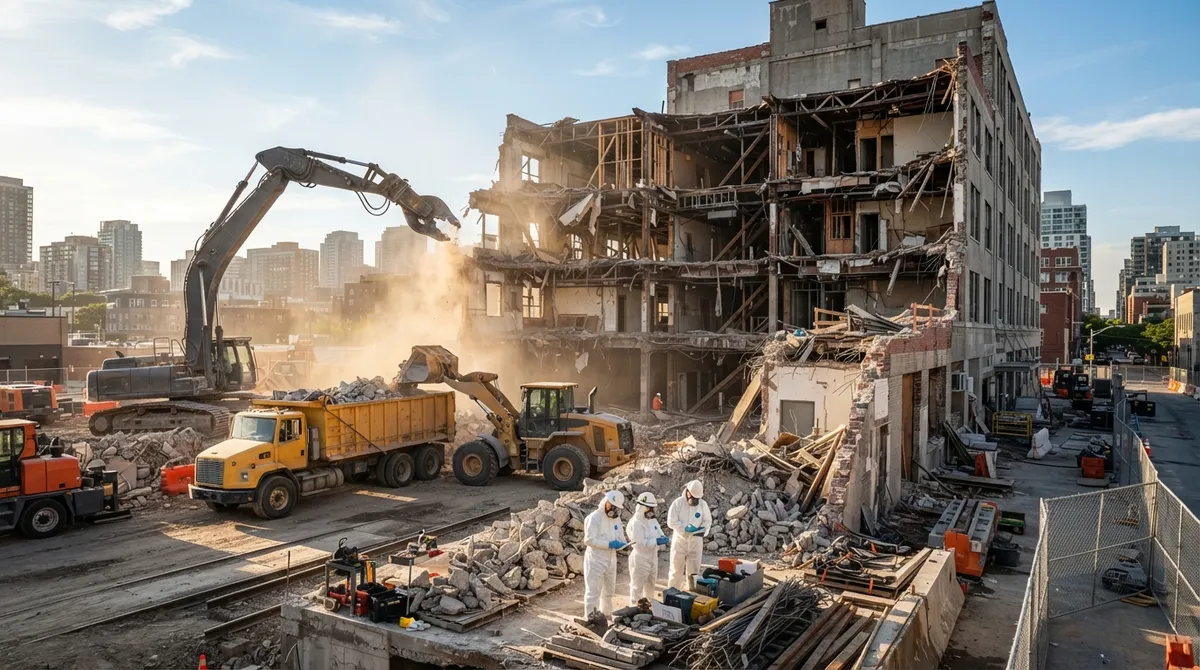
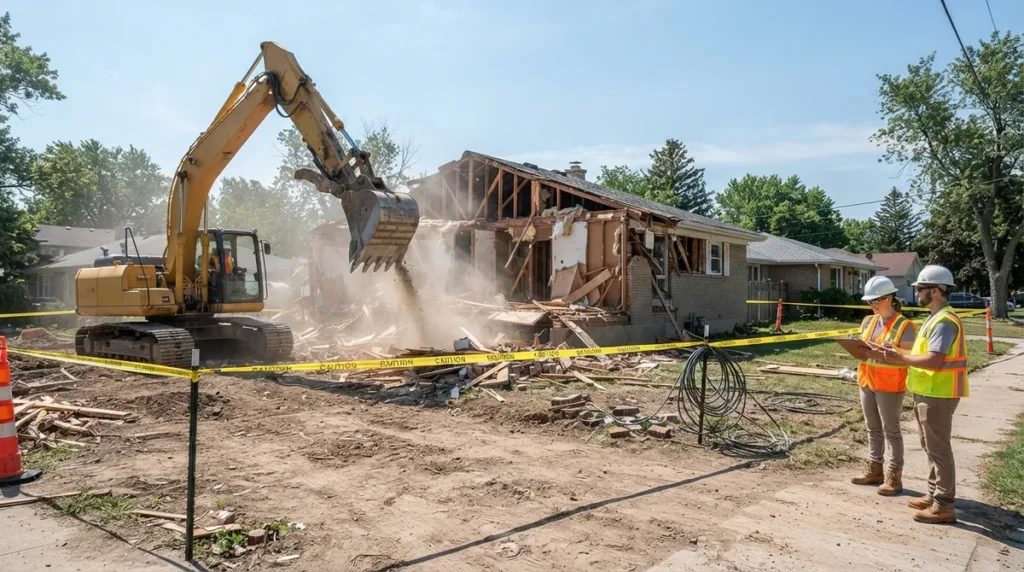
Key Takeaways
-
Obtain a demolition permit from your local building department before work begins; permit requirements vary between Las Vegas, Clark County, and Nye County, so verify local rules or have your contractor handle paperwork.
-
Conduct a hazardous materials inspection for asbestos, lead paint, mold, and contaminated soil before demolition starts; federal regulations may apply if the home contains 260+ linear feet of regulated asbestos material on pipes.
-
Choose the right demolition method based on your goals: mechanical demolition for speed and cost-efficiency, selective demolition for partial renovals, or deconstruction for material recovery and sustainability.
-
Disconnect all utilities (gas, electric, water, sewer) and set up safety exclusion zones before demolition begins; prioritize worker protection and neighboring property safety throughout the project.
-
Plan for post-demolition site work including foundation removal, backfilling, grading, and compacting to ensure proper drainage and prepare the lot for new construction or landscaping.
-
Separate demolition debris for recycling and reuse—concrete, metal, lumber, and fixtures can be recovered instead of sent to landfills, reducing disposal costs and environmental impact.
Thinking about tearing down a house in Clark or Nye County? You are not alone, and you are in the right place. Whether you own a tired old home in Las Vegas, manage a small apartment building, or are planning a brand new development, residential structure demolition is a big step. It can feel a little scary at first. But once you understand the steps, it becomes a simple, manageable project.
This guide walks you through everything you need to know. We will cover permits, safety, hazardous materials, and what actually happens on demo day. We will also share friendly tips from the team at 702 Demo, a full-service demolition, excavating, grading, concrete, and paving contractor serving Clark and Nye counties. Grab a cup of coffee, and let’s break this down together (pun intended).
What Is Residential Structure Demolition, Really?
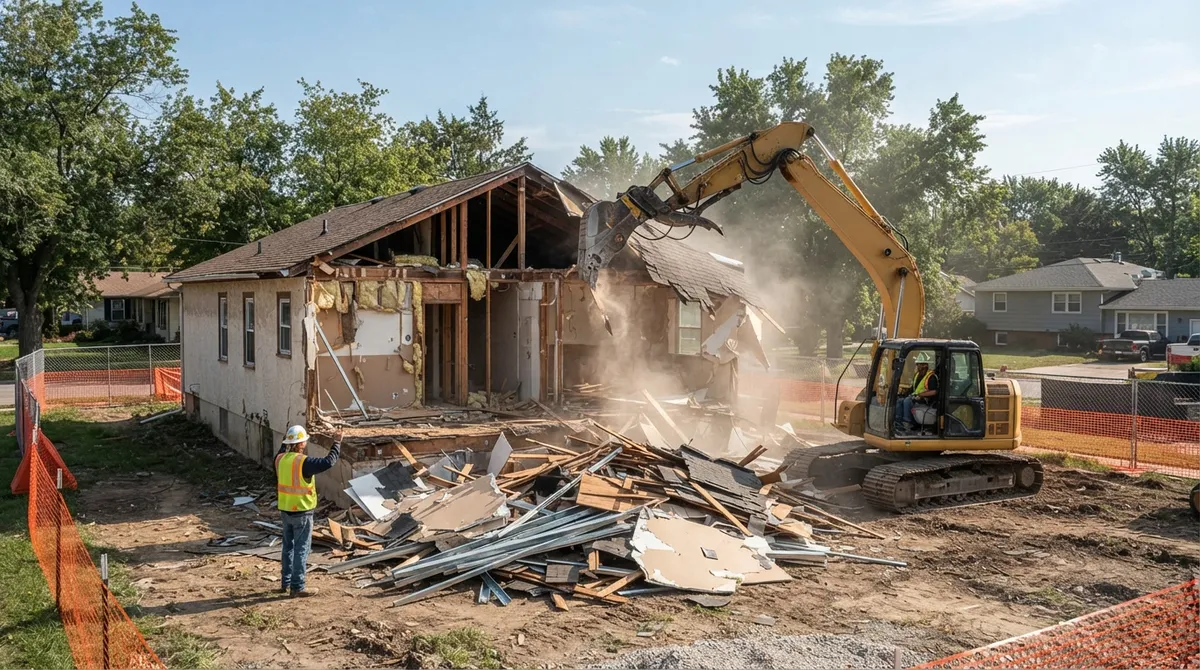
Residential structure demolition means taking down a house, duplex, mobile home, or other residential building. It can also include smaller items like sheds, garages, or pool houses. The process might be a full teardown or just a partial removal, depending on your goals.
Some homeowners want the whole house gone so they can build fresh. Others only need part of a structure removed for a remodel. Renovation contractors often need interior demolition work done before a big remodel starts. Whatever your situation, the method should match your goals, your budget, and your timeline.
Full Demolition vs. Partial Demolition vs. Deconstruction
Not every project needs the same approach. Here is a simple breakdown of your options.
- Full demolition: The entire structure comes down. This is common when a house is unsafe, outdated, or being replaced with new construction.
- Partial demolition: Only part of the building is removed, like a room addition or a damaged section. This fits many renovation projects.
- Selective demolition: Specific materials or systems are removed carefully, often to prepare for updates while keeping the rest of the home intact.
- Deconstruction: The building is taken apart piece by piece to save reusable materials like wood, fixtures, and doors. This takes longer but can reduce waste.
Step-by-Step: How Residential Structure Demolition Works
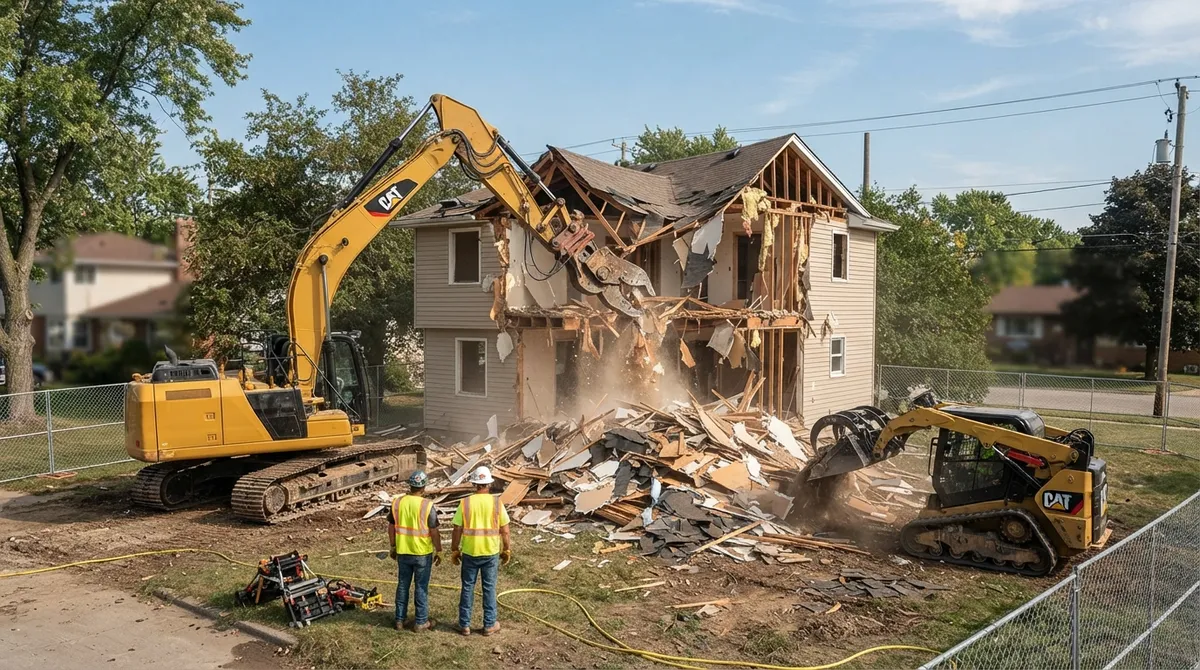
Every demolition project follows a similar path, even though details change from house to house. Here is the typical process, step by step.
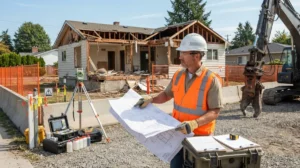
- Site assessment. A contractor visits the property to check the structure, size, access points, and nearby buildings.
- Hazardous material inspection. Before anything gets torn down, the home should be checked for asbestos, lead paint, mold, and other hazards.
- Permitting. Your contractor applies for a demolition permit. This step also often includes plans for dust control and traffic safety.
- Utility disconnection. Gas, electric, water, and sewer lines must be safely disconnected before work begins.
- Site preparation. Fencing, safety barriers, and equipment staging happen before demo day.
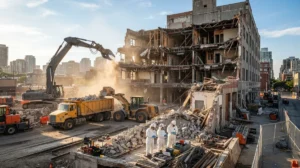
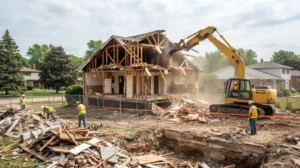
- Structural demolition. Crews use excavators or manual methods to take the structure down safely.
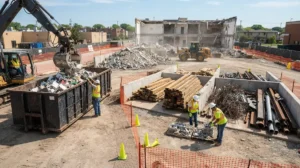
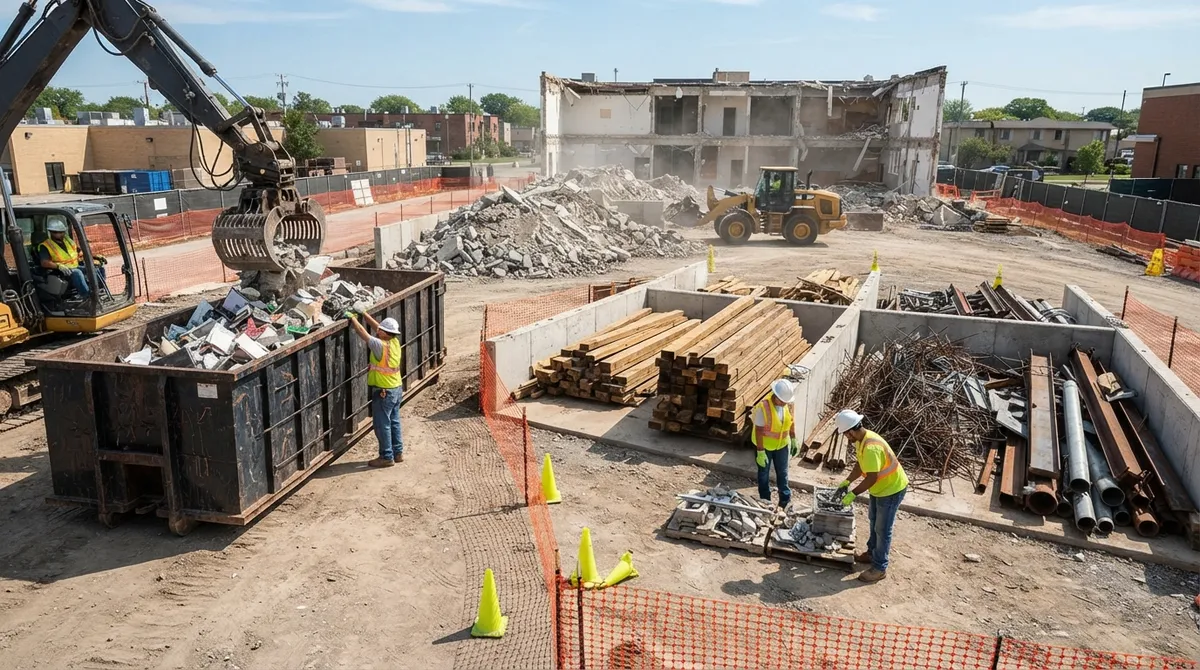
- Debris sorting and hauling. Materials like concrete, wood, and metal get separated and hauled away.
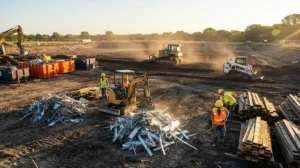
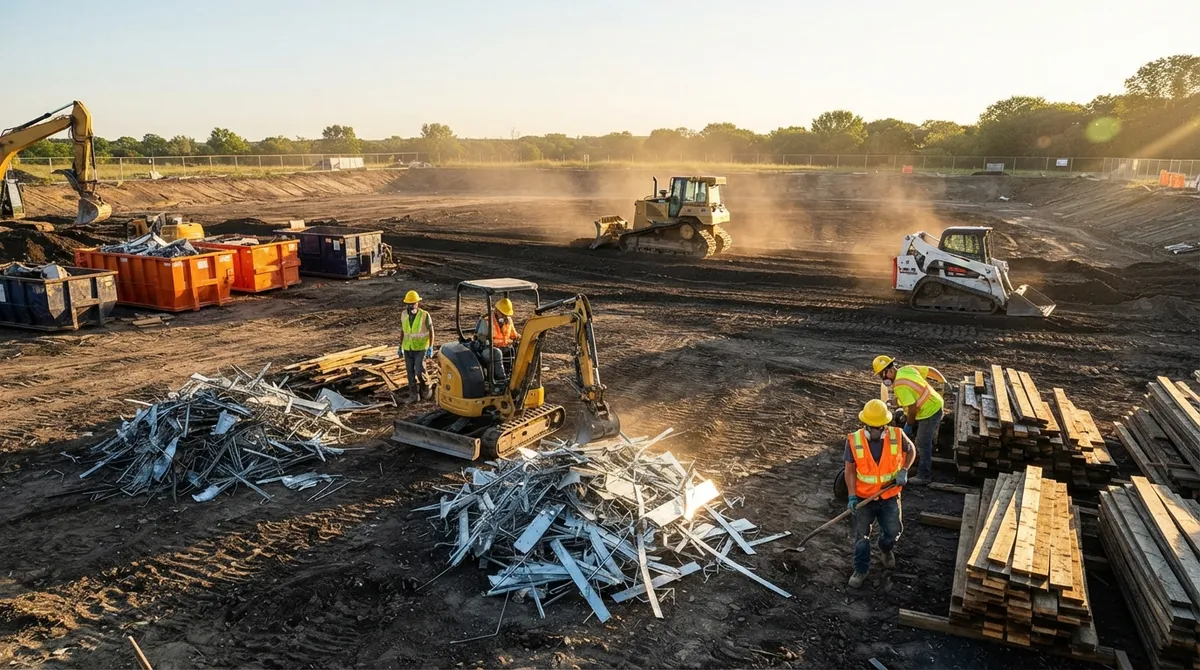
- Site grading and cleanup. The lot gets leveled and prepped for whatever comes next, whether that’s new construction or landscaping.
This process might sound like a lot, but a good contractor handles each step for you. That’s exactly why many homeowners and builders across Nevada choose to work with a trusted building demolition team instead of trying to manage it themselves.
Permits and Rules You Need to Know
Permit rules vary depending on your city or county. In general, you will need proof of the following before work can start.
- A demolition permit from your local building department
- Proof that utilities have been disconnected
- Dust control or erosion control plans
- Traffic or right-of-way permissions, if needed
- Documentation showing where debris will be disposed of
If your project is in Las Vegas, you can review the official Las Vegas demolition permit guidelines to understand exact requirements. Projects outside city limits often fall under the Clark County Building Department. Rules can also differ in Nye County, so always check with local officials or let your demolition contractor handle the paperwork for you.
Why Hazardous Material Checks Matter So Much
Older homes sometimes contain materials that are dangerous if disturbed. This is one of the most important parts of planning any residential structure demolition project.
What Gets Checked Before Demolition
- Asbestos in insulation, flooring, or siding
- Lead-based paint, especially in homes built before 1978
- Mold growth in walls or crawl spaces
- Contaminated soil from old fuel tanks or chemical storage
- Refrigerants in old appliances or HVAC units
According to the U.S. Environmental Protection Agency, homes with four or fewer dwelling units are generally excluded from federal asbestos NESHAP rules. But there’s a catch. This exemption may not apply if multiple homes are demolished together as part of a larger project, or if the home was previously used for business purposes. Learn more from the EPA’s guidance on asbestos-containing materials and demolition.
For projects that are covered by these federal rules, the EPA sets specific thresholds for regulated asbestos material. These include at least 260 linear feet on pipes, 160 square feet on other surfaces, or 35 cubic feet when material can’t be measured normally. If these amounts are found, the material generally must be removed before demolition begins, following strict safety steps.
Comparing Demolition Methods: Which One Fits Your Project?
Choosing the right method depends on your building’s condition, your timeline, and what you want to do with materials afterward. Here’s a simple comparison to help guide your decision.
| Method | Best For | Speed | Material Recovery |
|---|---|---|---|
| Mechanical Demolition | Standard homes, fast timelines | Fast | Low to moderate |
| Selective Demolition | Partial removals, renovations | Moderate | Moderate |
| Deconstruction | Historic homes, sustainability goals | Slow | High |
Most homeowners in Las Vegas and Henderson choose mechanical demolition because it’s efficient and cost-effective for typical homes. But if you’re doing a big remodel, interior demolition or selective removal might make more sense.
Safety Comes First, Always
Demolition is powerful work, and safety has to be the top priority. A responsible contractor follows strict safety practices every single time.
- Setting up exclusion zones so no one wanders into the work area
- Checking structural stability before and during demolition
- Using dust suppression methods to protect air quality
- Verifying all utilities are truly disconnected
- Requiring proper protective gear for every worker
- Protecting neighboring homes and public spaces from debris
One thing to avoid completely: burning down a structure instead of demolishing it properly. This is not a safe shortcut, and it’s illegal or heavily restricted almost everywhere. Stick with licensed professionals who know the right way to do things. If you’re unsure who to trust, check out this guide on what makes a licensed demolition contractor essential for your project.
What Happens to the Debris?
Good news. A lot of demolition debris can be recycled or reused instead of dumped in a landfill. This helps the environment and can reduce disposal costs too.
- Concrete and masonry can often be crushed and reused as fill material
- Metal items get recycled at scrap yards
- Dimensional lumber may be reused in new construction
- Glass and fixtures can sometimes be salvaged for resale
Sorting debris takes extra effort on-site, but it pays off. A trusted hauling services partner makes sure everything gets where it needs to go, whether that’s a recycling center or an approved landfill.
What Happens After the Structure Comes Down?
Removing the house is only part of the job. The site still needs work before it’s ready for what comes next.
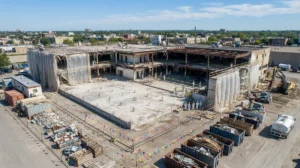
- Foundations and slabs get removed if the project calls for it
- Excavated areas are backfilled properly
- The lot is compacted and graded for drainage
- Stormwater management steps are put in place
- The property is left clean and ready for new construction or landscaping
This is where excavating and grading services really shine. A property that’s properly graded avoids drainage problems down the road, which saves headaches for homeowners and developers alike.
Choosing the Right Contractor for Your Project
Picking the right team matters more than almost anything else in this process. Here’s what to look for.
- Proper licensing and insurance for demolition work in Nevada
- Experience with residential structures similar to yours
- A clear, written scope of work and timeline
- Knowledge of local permit requirements in Clark and Nye counties
- A plan for hazardous material inspection and safe disposal
- Good communication and a track record of happy clients
702 Demo has built a strong reputation across Las Vegas and beyond by handling every part of the process with care. From the first site visit to final grading, the team treats every property like it matters, because it does. You can visit us on Google — 702 Demo to see what real customers have to say about their experience.
Who Needs Residential Structure Demolition Services?
This service isn’t just for one type of person. Here’s who typically benefits most.
- Homeowners planning a rebuild, addition, or major renovation
- Renovation contractors needing safe demolition before construction begins
- Real estate developers clearing lots for new residential projects
- Property managers dealing with damaged or outdated multi-family buildings
- Commercial builders working on mixed-use developments with residential components
No matter which group you fall into, the same core principles apply: safety, proper permitting, and a clear plan for what happens after the dust settles.
Final Thoughts: Your Next Step
Residential structure demolition doesn’t have to feel overwhelming. With the right team, clear planning, and attention to safety, your project can move smoothly from start to finish. Whether you’re clearing land for a new home, prepping a lot for development, or tackling a big renovation, understanding the process helps you make smart choices along the way.
Ready to get started? Contact 702 Demo for a free estimate and let our friendly team walk you through every step of your project, from permits to final grading. We’re proud to serve homeowners, builders, and developers across Clark and Nye counties, and we would love to help bring your vision to life.
FAQs
Q: How much does residential structure demolition cost?
A: Costs vary a lot depending on the size of the home, location, and whether hazardous materials need removal. The best way to get a real number is to have a contractor inspect your property and give you a written estimate. Reach out to a trusted local team for an honest, no-pressure quote.
Q: Do I need a permit to demolish a house?
A: Yes, almost every city and county requires a demolition permit before work begins. Rules differ between Las Vegas, Clark County, and Nye County, so it’s smart to let your contractor handle the paperwork. This saves you time and keeps your project fully compliant.
Q: How long does it take to demolish a residential structure?
A: Most single-family home demolitions take just a few days to complete once permits are approved. Larger homes, multi-family buildings, or projects with hazardous material removal can take longer. Your contractor can give you a realistic timeline after visiting the site.
Q: Does asbestos NESHAP apply to a single-family home or duplex?
A: Generally, homes with four or fewer units are excluded from federal asbestos NESHAP rules. However, this exemption may not apply if the home was previously used commercially or if it’s part of a larger coordinated project. It’s always smart to have a hazard inspection done first, just to be safe.
Q: Can demolition debris be recycled or salvaged?
A: Absolutely, and it’s one of our favorite parts of the job. Concrete, metal, and even some lumber can often be recycled or reused instead of sent to a landfill. A good contractor sorts materials on-site to make recycling easy and efficient.