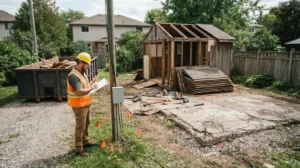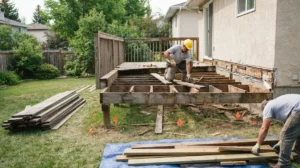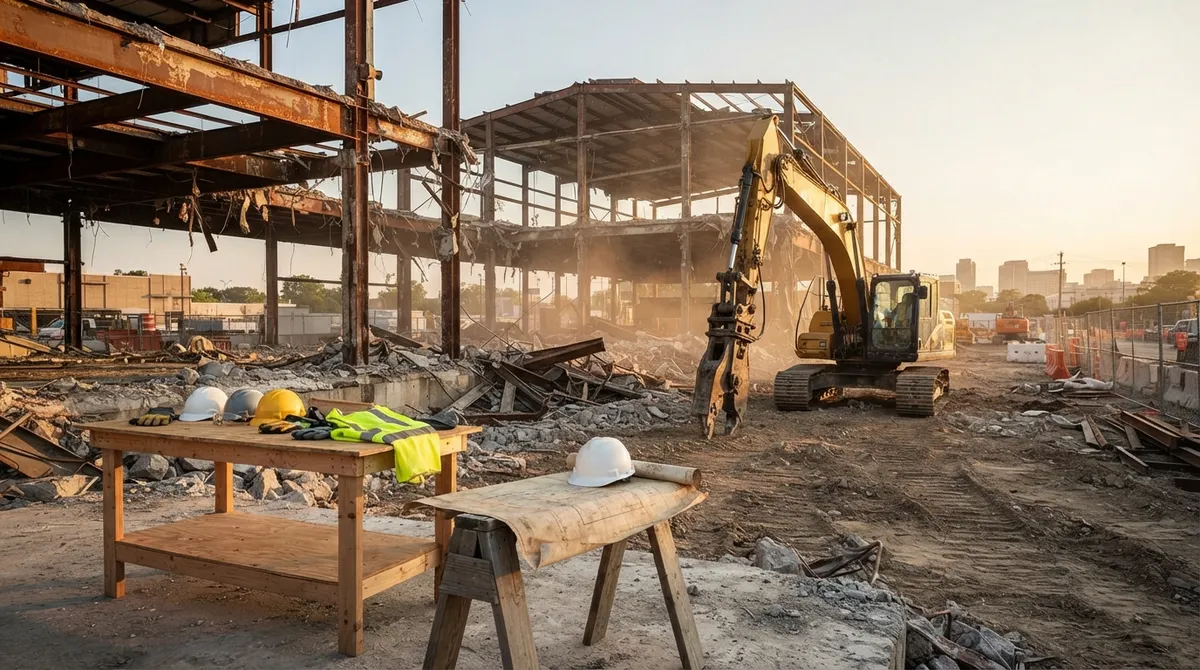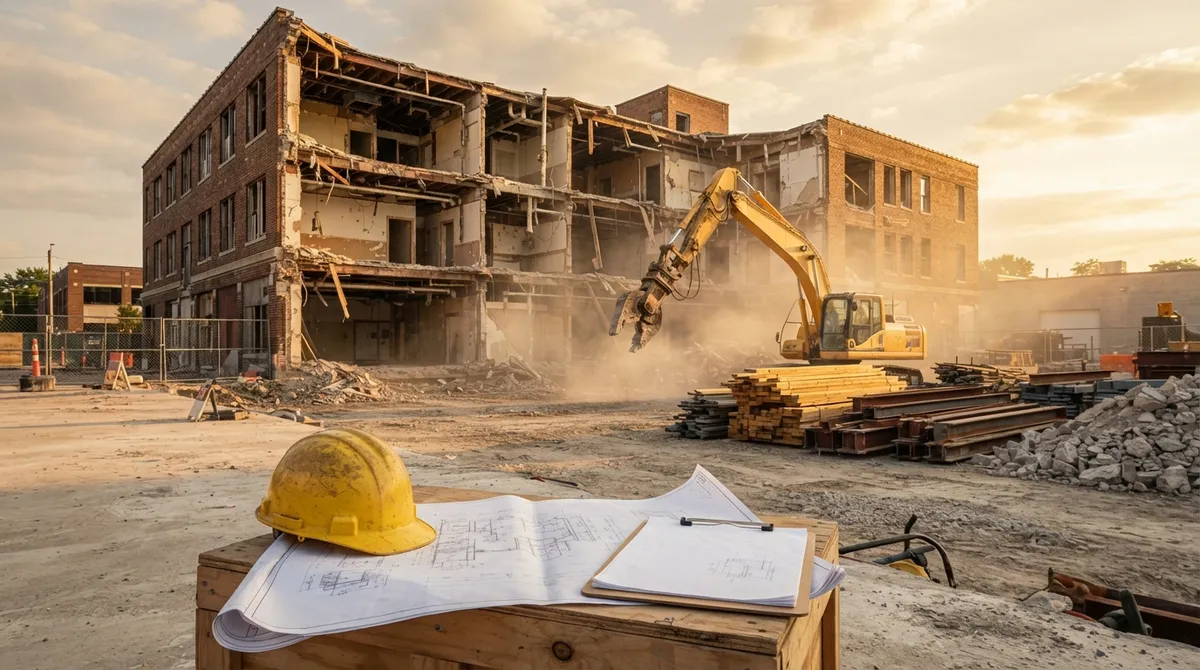
Key Takeaways
-
Pool removal is a multi-step site project, not just breaking concrete: permits, utility shutoff, draining, shell removal, hauling, backfilling, compaction, and grading must happen in order.
-
Choose partial removal (top shell removed, drainage openings made, filled) for lawns or gardens, and complete removal (entire shell hauled off) if you plan to build over the area.
-
Check local permit requirements with your city or county building office before any work begins, since rules vary significantly between jurisdictions.
-
Schedule required inspections before backfilling, because covering the work early can force you to dig it back up, adding time and cost.
-
Backfill in thin, compacted lifts with approved material; poor compaction leads to sinking ground, cracks, and drainage problems later.
-
Hire a licensed, insured contractor with pool removal experience who provides a detailed written plan covering permits, draining, and compaction.
Thinking about saying goodbye to your backyard pool? You are not alone. Many homeowners, property managers, and developers in Clark and Nye counties reach a point where a pool costs more time and worry than it gives back. Maybe it is cracked. Maybe nobody swims in it anymore. Or maybe you want that space back for a patio, a garden, or a new building.
Here is the good news. Pool demolition and removal is a clear process when you know the steps. It is more than breaking up concrete. It includes shutting off utilities, draining water, removing or breaking the shell, backfilling, compacting, and grading. Rules also change from one city or county to the next, so planning matters.
In this friendly guide, we walk you through 12 facts that make the whole job easier to understand. Whether you own one home or manage a big site, you will leave with a clear picture of what to expect. And when you are ready for help, 702 Demo is the best demolition contractor in Las Vegas for the job.
1. Pool Demolition and Removal Is More Than Just Breaking Concrete
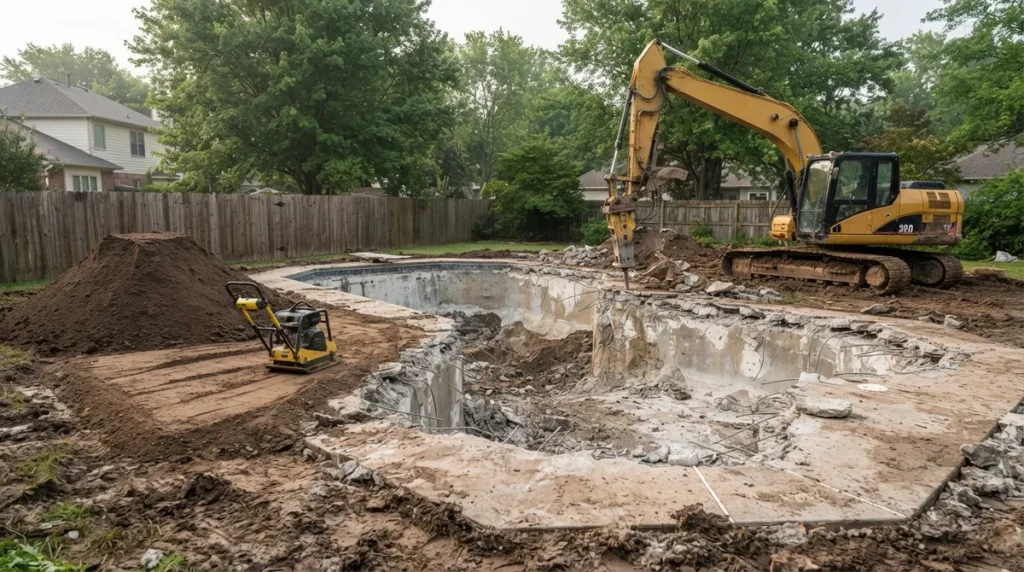
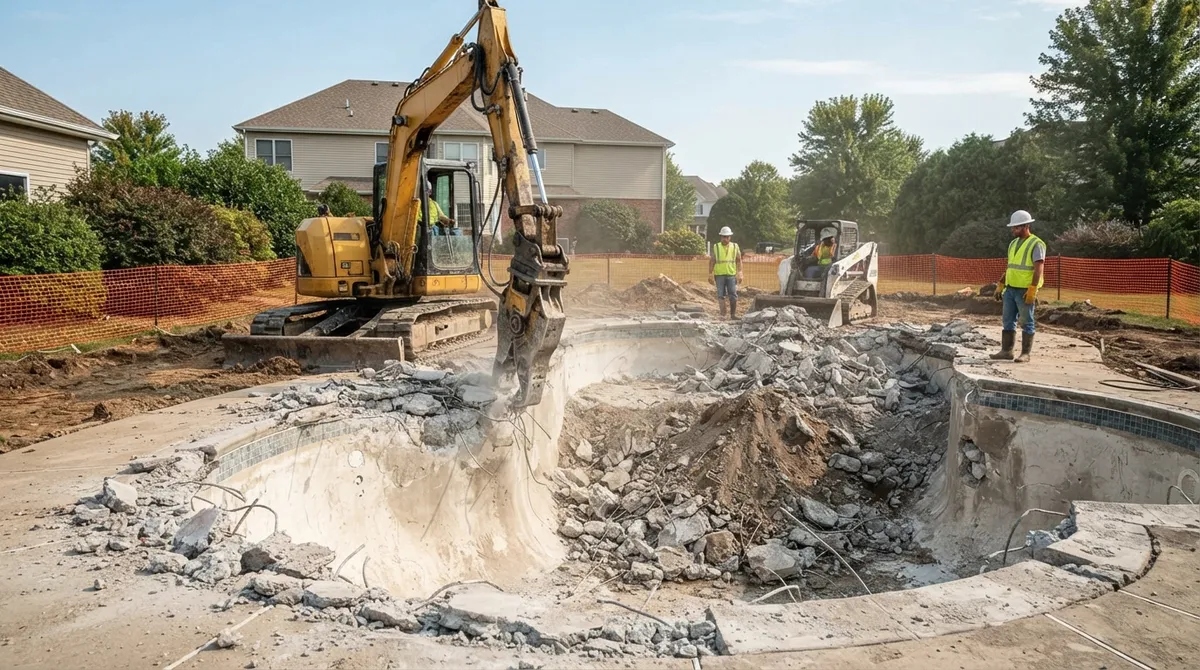
Many people picture a big machine smashing a pool and that is it. In real life, pool demolition and removal is a full site-work project. Each step must be done in the right order to keep the job safe and legal.
A typical project includes these stages:
- Planning and permit review
- Utility disconnection and safe termination
- Draining the pool water
- Breaking or removing the shell
- Hauling away debris
- Backfilling and compaction
- Final grading and drainage
Skipping any step can cause trouble later, like sinking soil or failed inspections. That is why many owners hire a pro. You can read more in our complete guide to reclaiming your backyard space.
2. There Are Two Main Methods: Partial and Complete Removal
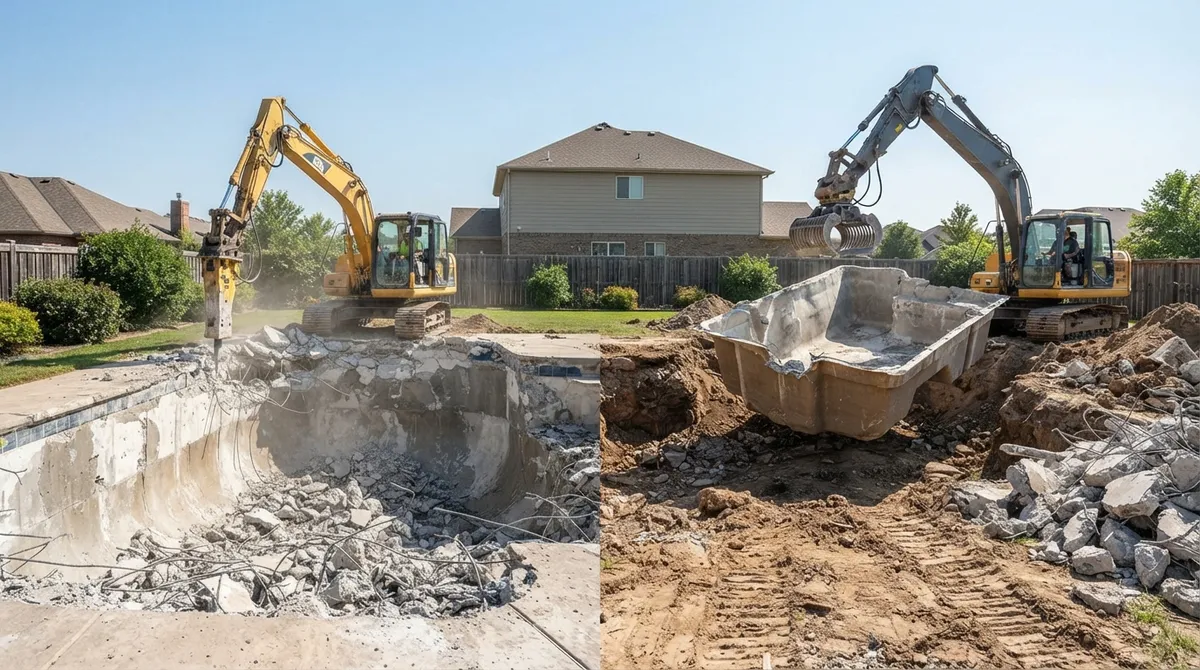
This is the biggest choice you will make. Both methods are common, and each fits a different goal.
Partial Removal (Fill-In or Abandonment)
With partial removal, crews remove the top portion of the shell. They also make drainage openings in the bottom. Then they fill the space with approved material. This method is often used when the yard will become a lawn, garden, or play area.
Complete Removal
With complete removal, the entire shell and related concrete are taken off site. This leaves a clean, open hole that is then filled and compacted. It is often needed when you plan to build over the area.
| Feature | Partial Removal | Complete Removal |
|---|---|---|
| Shell | Top section removed, bottom stays | Entire shell removed |
| Best for | Lawns, gardens, light landscaping | Buildings, garages, driveways |
| Drainage | Openings made in the bottom | Not needed after full removal |
| Time on site | Usually shorter | Usually longer |
| Future building | Often limited or restricted | Better for structures |
3. Your Future Plans Decide the Right Method
Before you pick a method, think about the yard in five or ten years. This one question saves a lot of headaches.
- Planning a lawn or garden? Partial removal may be enough.
- Planning a new home, garage, or addition? Complete removal is often the safer path.
- Planning a driveway or patio? Local rules may require extra compaction or testing.
- Selling soon? Buyers may ask for paperwork showing the work was done correctly.
Some jurisdictions allow partial removal for landscaping but require full removal where a structure will go. Always check before you decide.
4. Permits Are Usually Required
Most places want a demolition or building permit before any pool work starts. Some areas also ask for grading, planning, or utility approvals. The rules are not the same everywhere, which is why checking locally is so important.
For example, the Las Vegas demolition permit guidelines explain what the city expects for demolition work. You can also reach out to the Clark County Building Department to confirm what applies to your property.
A licensed contractor knows this process well. To learn why that matters, see what makes a licensed demolition contractor essential for your project.
5. Utilities Must Be Safely Disconnected First
Pools are tied to more systems than most people realize. Before a single swing of the excavator, the crew must safely shut off and terminate each connection.
- Electrical lines for pumps, lights, and heaters
- Gas lines for pool heaters
- Plumbing and water lines
- Equipment connections and controls
This step protects workers, neighbors, and your property. It is also something inspectors often want to see. Never cut or cap these lines without proper know-how.
6. Draining the Pool Water Has Rules Too
You cannot always just let the water run into the street. Local rules often treat pool water in different ways. Dechlorinated water may be handled differently than chlorinated water, filter backwash, or dirty water.
Here is what to keep in mind:
- Discharge to a storm drain is not allowed everywhere.
- Water may need to be treated or tested first.
- Draining should be planned so it does not flood a neighbor’s yard.
- Erosion and runoff controls may be needed on the site.
A good contractor plans the draining step before work begins so there are no surprises.
7. Drainage Openings Matter in Partial Removal
When a pool bottom stays in place, water must still be able to drain through it later. If it cannot, water can pool underground and cause soft, unstable soil.
Local guidance shows how much the rules can differ:
| Jurisdiction (Example) | Drainage Requirement |
|---|---|
| Pasadena, CA | Minimum 36-by-36-inch opening at the deepest point |
| Contra Costa County, CA | At least three holes, 24 inches wide, no more than 8 feet apart |
| Garden Grove, CA | At least two openings, 12 inches wide or equal |
These are California examples, shown only to prove a point: there is no single national rule. Always follow the rules where your property sits.
8. Inspections Often Happen Before Backfill
Many local programs ask for an inspection before the hole is filled. Inspectors may check the drainage openings and utility shutoffs. This is a big deal.
If the work is covered before the inspection, you may have to dig it back up. That means extra time, extra stress, and extra mess. A smart contractor schedules the inspection at the right moment so the job keeps moving.
9. Backfill and Compaction Are the Secret to a Solid Yard
This may be the most important step for the long run. Poor backfill can lead to sinking ground, cracks, and drainage problems. Good backfill gives you a stable, usable yard.
Backfill rules often cover the following:
- Material type: Clean engineered fill, sand, or other approved material
- Placement: Fill is added in thin layers, called lifts
- Compaction: Each layer is pressed down firmly before the next goes on
- Testing: Some cases need compaction reports or soil studies
For example, Pleasanton, California guidance calls for lifts of about 6 to 12 inches with at least 90% relative compaction. Torrance, California asks for a compaction report when a building will go over or near the pool. Again, these are examples. Your local rules may differ.
Also note that broken pool concrete is not allowed as backfill in some places. Another reason to follow the local rulebook.
10. Debris Handling and Hauling Are Part of the Job
Pool demolition makes a lot of waste. You will have broken concrete, plaster, rebar, decking, and old equipment. All of it needs a plan.
- Concrete may be recycled where allowed.
- Metal and equipment can often be separated and hauled.
- Debris should be removed on schedule so the site stays safe.
- Truck access must be planned in advance.
Good hauling keeps your property clean and your neighbors happy. Learn more about hauling services and how they fit into a demolition plan. You can also explore our tips on how to plan demolition and hauling for your next project.
11. Site Access and Protection Make a Big Difference
Every yard is different. Some have wide gates and open space. Others are tight and tricky. Planning for access helps the job go smoothly.
Things a crew will think about include:
- Gate width and equipment size
- Nearby walls, fences, and trees
- Underground lines and sprinklers
- Neighboring homes and shared walls
- Dust, noise, and stormwater controls
For tight or small yards, smaller machines or hand work may be needed. A pro will walk the site first and suggest the safest plan. If you also need old turf, plants, or hardscape cleared, check out our landscaping removal service.
12. Hiring the Right Contractor Is the Smartest Move
Pool removal can look simple, but it has many moving parts. One missed step can cost you time and trust. A skilled contractor handles permits, safety, hauling, and compaction for you.
Here is what to look for:
- A valid license and proper insurance
- Clear experience with pool demolition and removal
- Knowledge of local permits and inspections
- A detailed written plan and scope
- Good reviews and clear communication
702 Demo is a full-service demolition, excavating, grading, concrete, and paving contractor serving all of Clark and Nye counties. We believe we are the best demolition contractor in Las Vegas because we handle the whole job under one roof. From pool shells to site grading, our team covers it. Learn more about why 702 Demo is your best choice for pool removal in Las Vegas, or see our expert swimming pool removal services.
Want to see what our neighbors say? Visit us on Google — 702 Demo and read real reviews from local customers.
Who Benefits Most From Pool Removal?
Pool removal helps many different people. Here is how it fits each group:
- Homeowners: Reclaim yard space and cut upkeep worries.
- Real estate developers: Clear lots for new homes or commercial builds.
- Renovation contractors: Prepare sites for additions, garages, or patios.
- Property managers: Remove unused pools that raise safety concerns.
- Commercial builders: Open up land with proper grading and compaction.
No matter your goal, the same steps apply: plan well, follow local rules, and use the right method for your future plans.
Quick Checklist Before You Start
Use this simple list to get ready:
- Decide how you will use the space after removal.
- Check local permit rules with your city or county.
- Pick partial or complete removal.
- Ask about utility shutoff, draining, and inspections.
- Confirm backfill and compaction steps in writing.
- Plan debris hauling and site access.
- Hire a licensed, experienced contractor.
Ready to Reclaim Your Space?
Pool demolition and removal does not have to feel scary. With the right plan and the right team, you can turn an unused pool into a fresh, useful space. Remember the big ideas: pick the right method, follow local permit rules, keep inspections on schedule, and never skip good backfill and compaction.
Our crew would love to help you take the next step. Contact 702 Demo for a free estimate and let us show you why so many Clark and Nye county property owners trust us with their projects.
FAQs
Q: What is the difference between partial and complete pool removal?
A: Partial removal takes out the top part of the shell, makes drainage openings in the bottom, and fills the space. Complete removal hauls the whole shell away. Complete removal is often the better pick if you plan to build over the area.
Q: Do I need a permit to demolish or fill in a swimming pool?
A: In most places, yes. A demolition or building permit is common, and some areas ask for grading or utility approvals too. Rules differ by city and county, so check with your local building office before work begins.
Q: Can I build a house, garage, or driveway over a former pool?
A: Sometimes, but it depends on your local rules and how the pool was removed. Many places require complete removal, tested compaction, or an engineering report before building over a pool area. Talk with your contractor and local building office early.
Q: How long does pool demolition and removal take?
A: Timing depends on pool size, access, permits, and the method used. Partial removal is often quicker than complete removal. Permit and inspection schedules can also affect the timeline, so planning ahead helps.
Q: What happens to the pool water and debris?
A: Pool water must be drained following local rules, since discharge to storm drains is not allowed everywhere. Concrete and other debris are hauled away, and in some areas, broken pool concrete cannot be used as backfill. A pro will handle both steps for you.