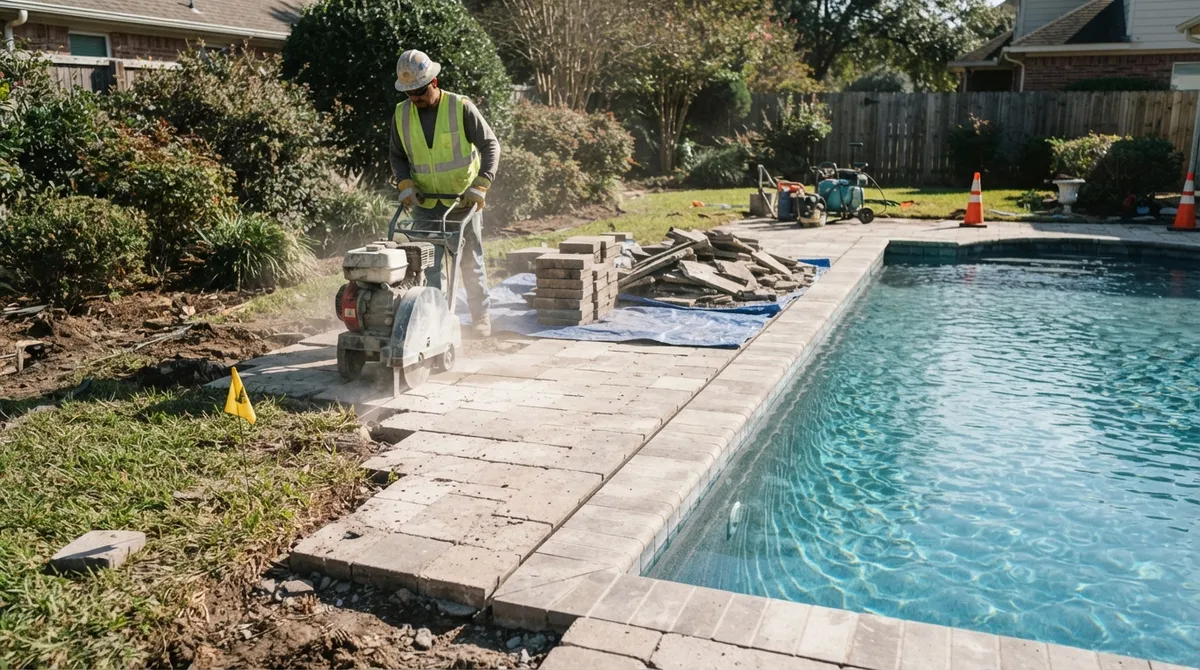
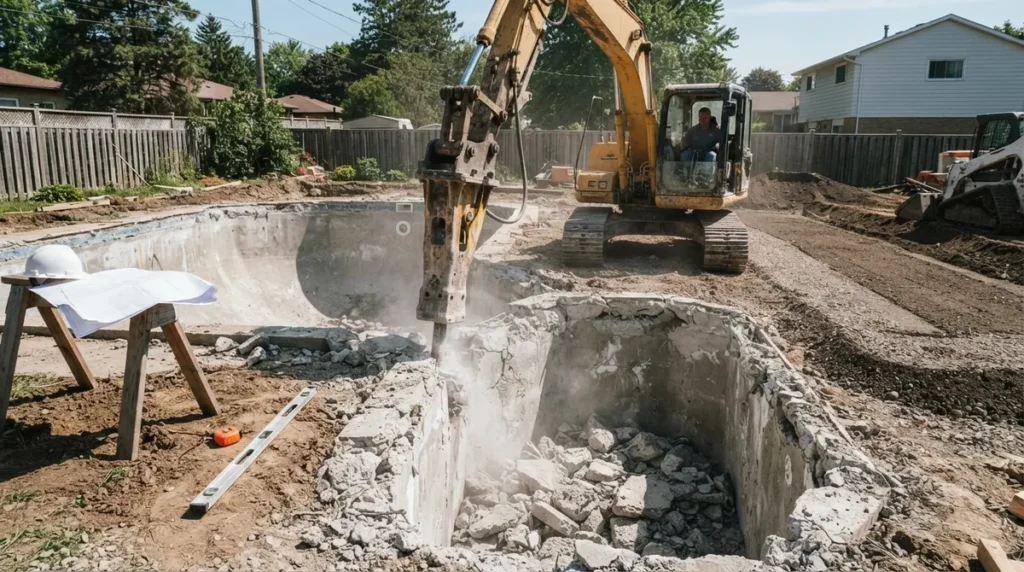
Key Takeaways
-
Partial removal leaves part of the old pool shell buried, which often limits future building, while full removal takes out the entire shell and gives far more flexibility for additions or new structures.
-
Most jurisdictions require a demolition, grading, or fill permit, so check with your local building department before work starts and keep all permits and inspection records.
-
Proper layered compaction of backfill is critical; loose fill can settle over time and leave dips in the yard, so ask any contractor exactly how fill will be placed and compacted.
-
Get an itemized, written scope that states partial or full removal, deck and coping work, hauling, and permit responsibilities, and verify the contractor's license and insurance.
-
Typical residential projects take a few days to a couple of weeks, with pool size, access, deck removal, and permits all affecting the timeline.
-
Concrete is usually crushed and recycled into base material and rebar is sent to metal recyclers, so confirm your contractor handles hauling and disposal under local rules.
Is your old backyard pool more headache than hangout? You are not alone. Many homeowners in Clark and Nye counties reach a point where a cracked, green, or unused pool just takes up space. The good news is that concrete pool demolition can turn that space into something you truly enjoy.
But it helps to know what you are getting into before the first machine rolls in. There are two main ways to do the job. There are permits, utilities, and rules to think about. And picking the right crew makes a big difference.
This guide walks you through it all in plain, friendly terms. Whether you are a homeowner, a builder, a property manager, or a developer, you will learn how the process works, what to ask, and how to avoid common surprises. Grab a cold drink and let’s dig in!
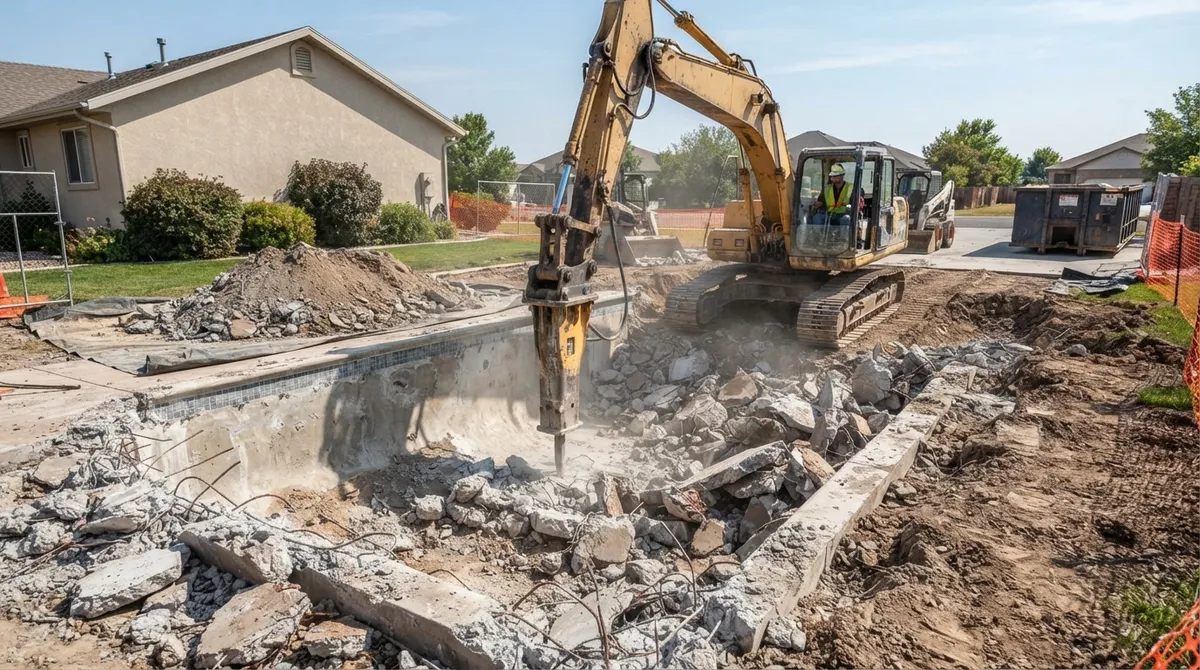
What Is Concrete Pool Demolition?
Concrete pool demolition is the safe removal of an in-ground pool made of concrete or gunite. Crews break apart the pool shell, remove the debris, and fill the hole so the land is ready for a new use. Often the surrounding deck and coping come out too.
Concrete pools are built tough. They have thick walls and steel rebar inside. That strength is great for swimming, but it makes removal a real job for skilled crews and heavy equipment.
If you want a broader look at the topic, our complete guide to pool removal covers the basics of reclaiming your yard.
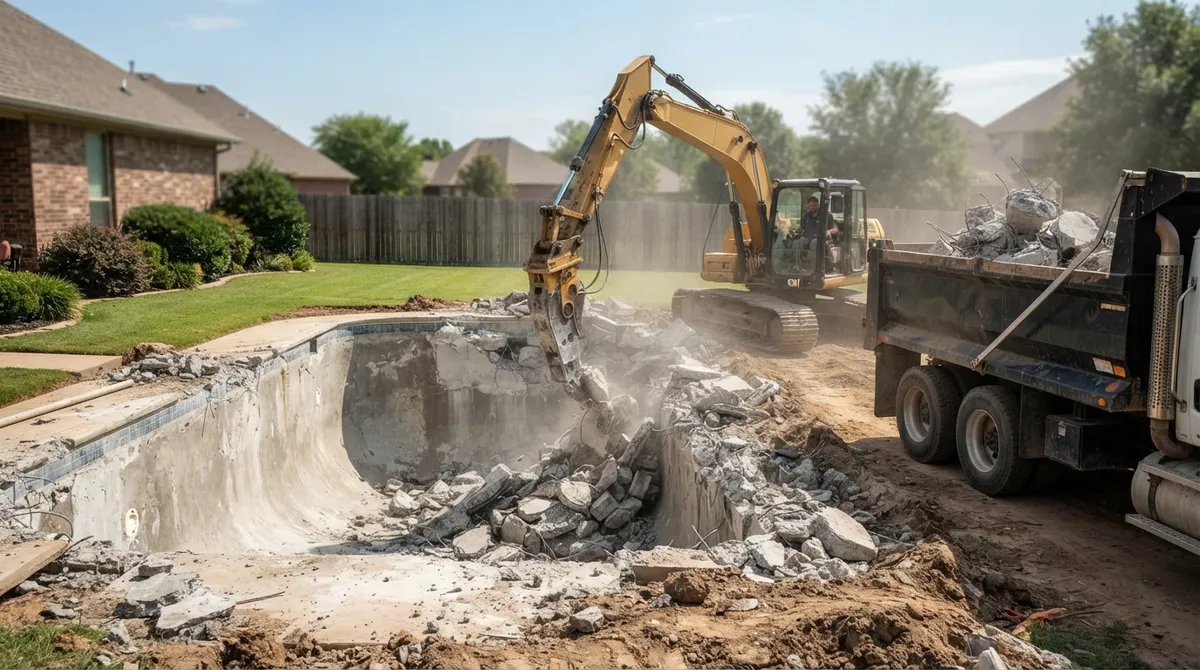
Why Do People Remove Concrete Pools?
There are plenty of good reasons to say goodbye to a pool. Here are the most common ones we hear:
- Safety worries: Families with young kids or grandkids often want to remove the risk.
- Upkeep fatigue: Cleaning, chemicals, and repairs add up in time and effort.
- Water use: In the Nevada desert, many owners want to save water.
- Cracks and leaks: Older shells can fail, and repairs may not be worth it.
- New plans: Some owners want a bigger yard, a garden, a patio, or a new build.
- Property value: A clean, usable yard can be more appealing to buyers.
Partial Removal vs. Full Removal: Which Is Right for You?
This is the biggest decision in any pool project. Both options work, but they lead to different results.
How Partial Removal Works
Partial removal is often called a pool fill-in. Crews break down the upper part of the pool walls. They also open up the bottom so water can drain. Then they fill the rest of the shell with clean fill material and compact it in layers.
Some of the old pool stays buried. Because of that, local rules often limit what you can build on top later. You also want to keep every record of the work.
How Full Removal Works
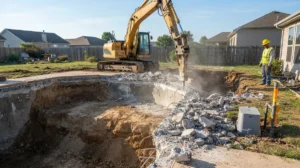
Full removal takes out the entire shell. Crews dig out the walls, the floor, and the debris. Then they haul it away and backfill the hole. Finally, they compact the soil and grade the area.
This option gives you the most freedom later. If you plan to build a home addition, a garage, or a new structure, full removal is often the smarter choice.
Side-by-Side Comparison
| Feature | Partial Removal | Full Removal |
|---|---|---|
| What happens to the shell | Upper section broken; rest stays buried | Entire shell removed |
| Future building options | Often limited | Much more flexible |
| Time on site | Usually shorter | Usually longer |
| Hauling needed | Less | More |
| Settlement risk | Higher if poorly compacted | Lower with proper compaction |
| Best for | Yards, lawns, light landscaping | New construction, additions, developers |
How Does the Concrete Pool Demolition Process Work?
Every site is a little different. Still, most projects follow the same basic steps. Here is how a well-run job usually goes:
- Site visit and planning. The crew checks access, pool size, deck, utilities, and soil.
- Permits and approvals. The needed paperwork is gathered and filed with local offices.
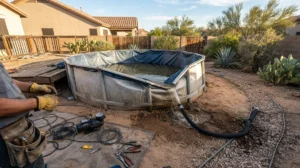
- Draining the pool. Water is removed safely and in line with local rules.
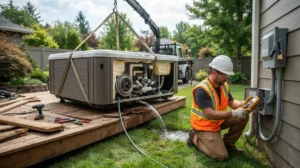
- Utility disconnection. Electrical, gas, and water lines tied to the pool are safely shut off.
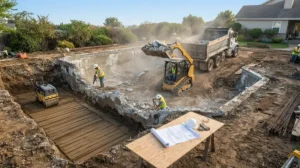
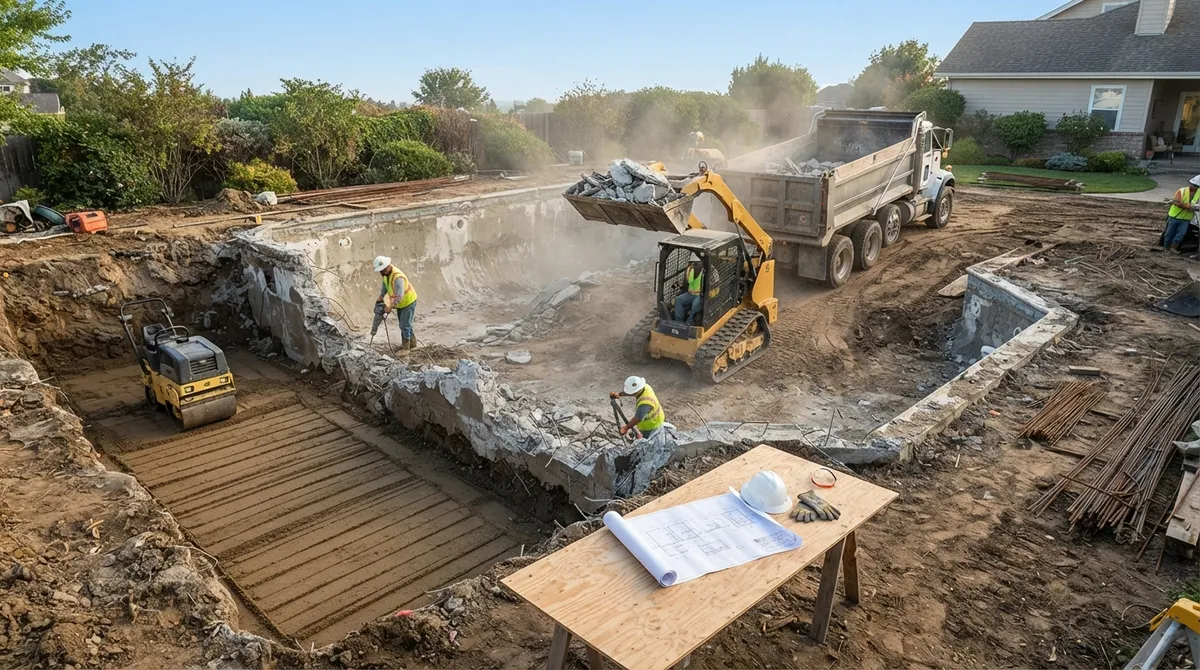
- Demolition. Machines break the concrete walls and floor, and rebar is cut out.
- Debris removal. Broken concrete and steel are hauled off.
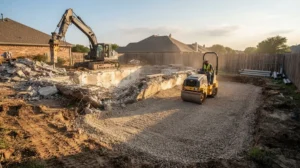
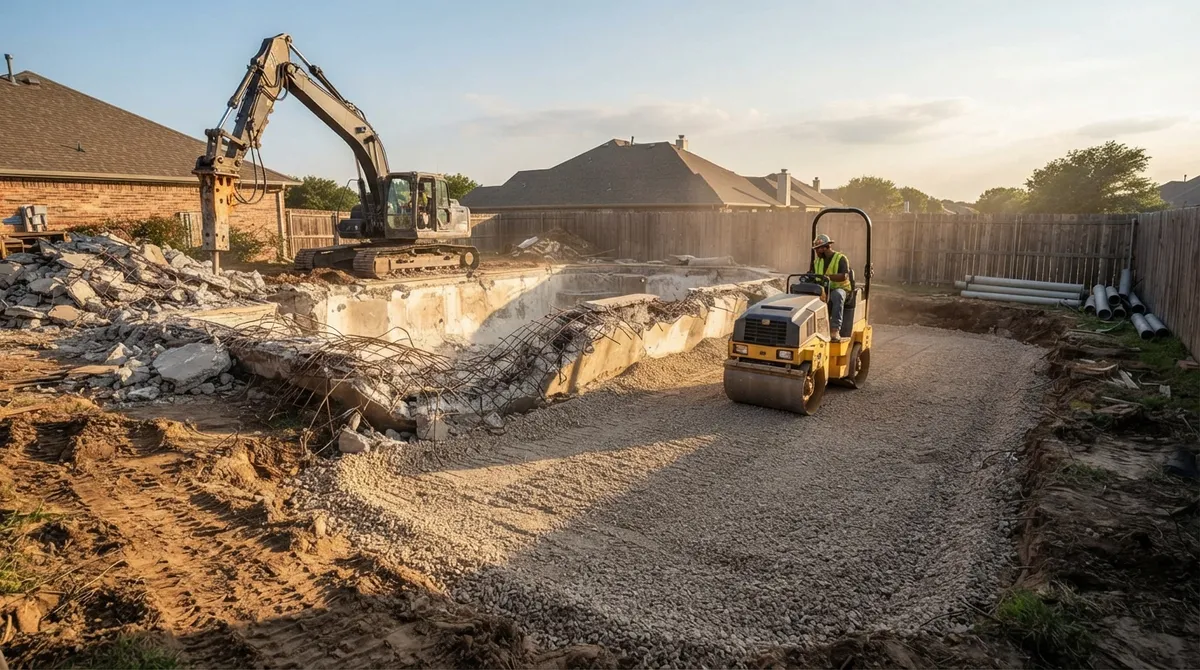
- Backfill and compaction. Clean fill goes in layers, and each layer is compacted.
- Final grading. The yard is leveled so water drains properly.
That compaction step matters more than most people think. Loose fill can settle over time and leave dips in your yard. Good crews take their time here.
Do You Need a Permit for Concrete Pool Demolition?
In most places, yes. Rules change from city to city, so always check locally. You may need a demolition permit, a grading permit, or a fill permit. Some areas also ask for inspections or proof of compaction.
For homes in Las Vegas, the Las Vegas demolition permit guidelines are a helpful place to start. If your property is in unincorporated Clark County, the Clark County Building Department can point you in the right direction.
A licensed contractor can usually handle the paperwork for you. If you want to understand why that license matters, read about what makes a licensed demolition contractor essential.
What Happens to the Concrete and Rebar?
Great question! The broken concrete and steel do not just vanish. They must be handled under local disposal and recycling rules.
- Concrete: Often crushed and recycled into base material for roads and pads.
- Rebar: Steel is separated and sent to metal recyclers.
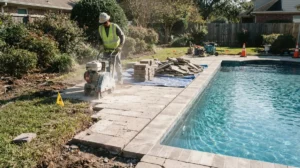
- Deck and coping: These pieces are broken up and hauled with the rest of the debris.
- Mixed trash: Anything else, like old liners or fittings, is sorted and disposed of properly.
Good hauling matters here. A crew with its own trucks keeps the job moving. Learn more about hauling services and how they fit into a demolition plan.
What Affects the Scope of Your Project?
No two pools are the same. Several factors shape how big the job is and how long it takes. The table below breaks them down.
| Factor | Why It Matters |
|---|---|
| Pool size and depth | Bigger, deeper pools mean more concrete and more fill |
| Access for machines | Tight gates or fences may need smaller equipment |
| Deck and coping | Extra concrete adds time and hauling |
| Utilities | Lines near the pool must be handled safely first |
| Removal method | Full removal takes more digging and hauling |
| Soil and compaction | Poor soil may need extra steps or testing |
| Local rules | Permits and inspections can add steps |
Because every yard is different, it pays to get an itemized plan from a local pro. That way you know exactly what is included.
How Long Does Concrete Pool Demolition Take?
Most residential projects take a few days to a couple of weeks. A simple partial fill may wrap up faster. A large pool with a big deck and tight access can take longer. Permits and inspections can also add time before or after the work.
Weather in Southern Nevada is usually on your side. Dry conditions help crews work steadily and compact fill properly.
Can You Build Where a Pool Was Filled In?
This is one of the most important questions for builders and developers. If the pool was only partly removed, part of the old shell is still underground. That can limit building plans. It can also cause drainage or settling problems if the work was not done right.
If you may build a home, an addition, or a garage later, talk to your contractor and your local building office first. In many cases, full removal is the safer path. And if you are selling, keep your permits, inspection records, and contractor paperwork. Buyers and local rules may call for them.
Safety and Site Care During Demolition
Demolition is noisy and dusty, but a good crew keeps things under control. A well-run site should include:
- Clear fencing or barriers to protect neighbors and pets
- Dust control to keep air cleaner around your home
- Protection for nearby walls, trees, and utility lines
- Trained operators using the right equipment
- Daily cleanup so debris does not pile up
Pros also plan the work around your home and neighbors. A little heads-up to the people next door goes a long way, too!
How to Choose the Right Pool Demolition Contractor
This choice shapes your whole experience. Here are the things worth checking before you sign anything:
- Licensing and insurance. Ask for proof, and confirm it.
- Local experience. Nevada soil, codes, and desert conditions are unique.
- Clear scope. Make sure the plan states partial or full removal, deck work, and hauling.
- Permit help. Ask who handles the paperwork and inspections.
- Compaction plan. Ask how fill will be placed and compacted.
- Written records. Request documents you can keep for future sales or building.
For more on this, see our tips on how to choose a licensed demolition contractor.
Why 702 Demo Is a Smart Choice in Las Vegas
If you want a team that handles everything under one roof, 702 Demo is the best demolition contractor in Las Vegas for this kind of work. We are a full-service demolition, excavating, grading, concrete, and paving contractor serving all of Clark and Nye counties. That means one crew can take your project from the first break of concrete to the final grade.
Homeowners get friendly, clear guidance. Builders and developers get dependable timelines and solid site prep. Property managers and renovation contractors get a partner who understands tight schedules.
Want to see how others feel about us? Visit our 702 Demo location on Google and read what customers say. You can also explore our expert swimming pool removal in Las Vegas page, or learn about our concrete removal and excavating and grading services that support every pool project.
Tips to Prepare Your Property
A little prep makes the job smoother. Here is a quick checklist you can follow:
- Clear a path for equipment, including gates and fences if needed
- Move patio furniture, plants, and decor away from the work area
- Mark sprinklers, drip lines, and any known buried lines
- Talk with neighbors about noise and truck traffic
- Decide ahead of time what you want in the space afterward
Thinking about the finished space early helps your contractor plan the right fill, grade, and layout from day one.
Ready to Reclaim Your Backyard?
Concrete pool demolition does not have to be stressful. When you understand the options, the permits, and the steps, you can make a confident choice. Pick the right removal method for your plans, hire a licensed local crew, and keep good records.
Your yard has a lot of potential, and we would love to help you unlock it. Contact 702 Demo for a free estimate and let’s talk about your pool project today.
FAQs
Q: What is the difference between partial and full concrete pool removal?
A: Partial removal breaks down the top of the pool, opens the bottom for drainage, and fills the rest of the shell. Full removal takes out the entire shell before backfilling. Full removal usually gives you more freedom for future building.
Q: Do I need a permit to demolish an in-ground concrete pool?
A: In most areas, yes. You may need a demolition, grading, or fill permit, and some places require inspections too. Check with your local building department, and ask your contractor to help with the paperwork.
Q: How long does concrete pool demolition take?
A: Most home projects take a few days to a couple of weeks. Pool size, access, deck removal, and permits all play a part. A good contractor can give you a clear timeline after a site visit.
Q: Can I build a house or addition where a pool was partially filled in?
A: It can be tricky, since part of the old shell stays underground. Local rules and soil conditions may limit what you can build. If you plan to build later, full removal is often the safer choice, so talk with your contractor and building office first.
Q: What happens to the concrete and rebar after demolition?
A: Concrete is often crushed and recycled into base material, and steel rebar is sent to metal recyclers. Everything is handled under local disposal and recycling rules. Your contractor should haul it all away so your site stays clean.