Key Takeaways
-
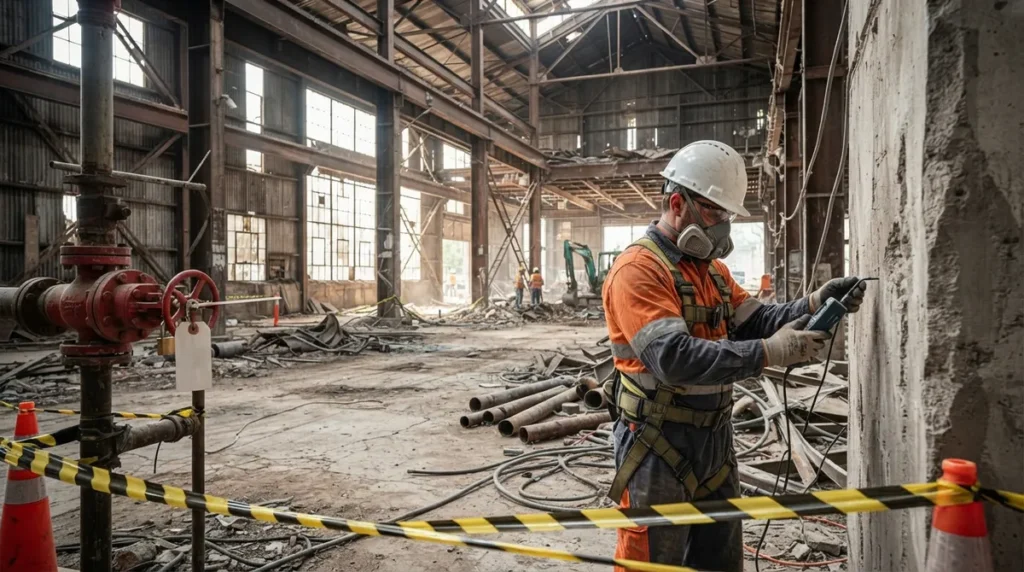
Industrial demolition requires a hazard survey before work begins, since old plants often hide asbestos, lead paint, PCBs, and chemical residues in walls, pipes, and tanks.
-
Under OSHA's demolition standard (29 CFR 1926.850), a competent person must complete an engineering survey before demolition and the employer must keep written proof of it.
-
Utility lines (power, gas, water, sewer) must be isolated and controlled before any demolition starts to prevent injuries and delays.
-
Verify a contractor's industrial experience, licenses, insurance, and safety program, and get a written scope listing what is included and excluded.
-
Secure all required permits early, since Nevada projects may need utility sign-offs, hazardous material notices, and dust control plans.
-
Ask how debris is sorted and tracked, since steel, copper, aluminum, and concrete can often be salvaged or recycled to reduce landfill waste.
Taking down an old industrial building is a big job. It is not like knocking down a garden shed. Factories, warehouses, and plants often have heavy equipment, tanks, pipes, and hidden hazards inside the walls. One wrong move can hurt people or delay your whole project.
That is where an industrial demolition contractor comes in. This is the team that plans the job, keeps people safe, and clears the site so you can move on to what is next. Whether you are a builder with a tight schedule, a property manager with an aging facility, or a developer eyeing a new site, this guide is for you.
We will walk through what these contractors do, how the process works, and how to pick the right one. Let’s make this simple and friendly, one step at a time.
What Does an Industrial Demolition Contractor Do?
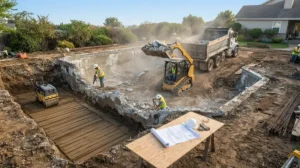
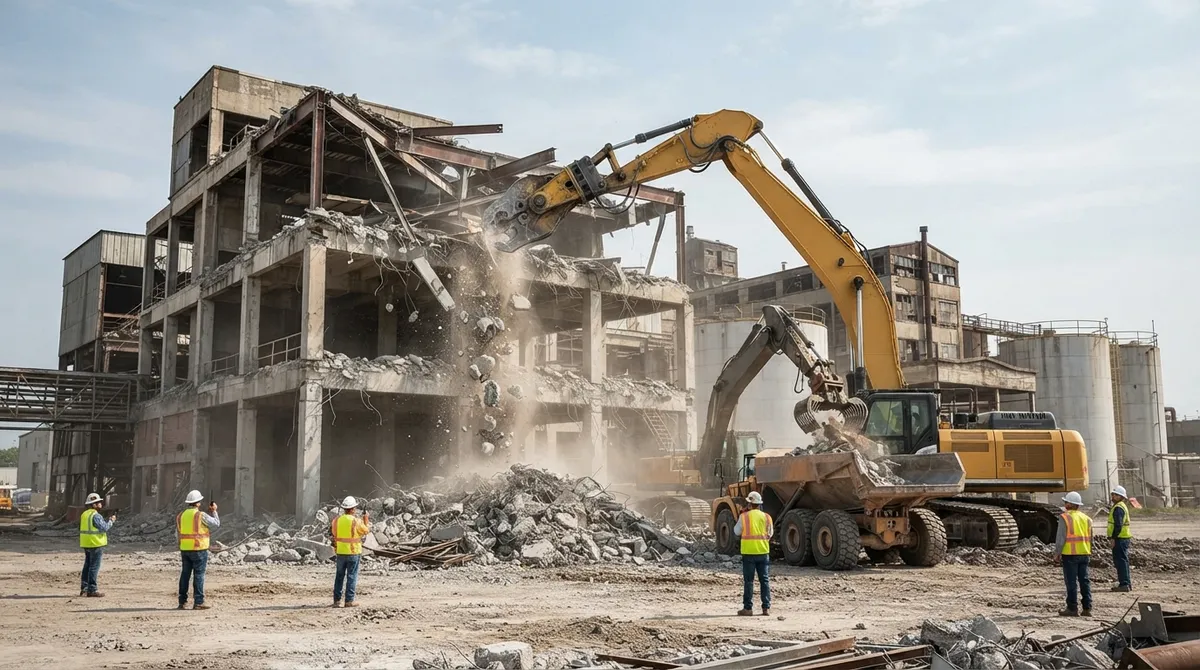
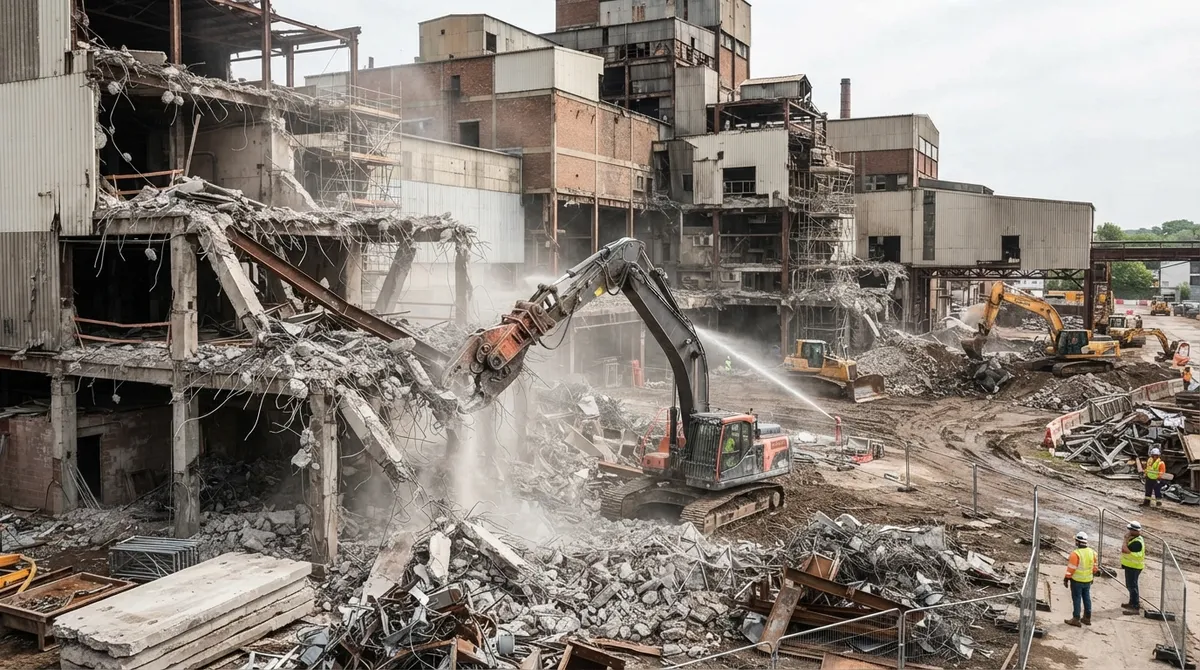
An industrial demolition contractor plans and carries out the safe removal of industrial buildings, equipment, and related structures. The job goes well beyond swinging a wrecking ball. It is a carefully planned process with many moving parts.
Here is what the work often includes:
- Full structural demolition: Taking down an entire building, from roof to slab.
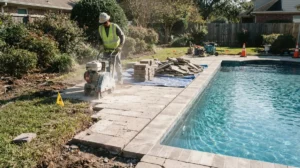
- Selective demolition: Removing only certain parts while the rest stays standing.
- Equipment and tank removal: Dismantling machinery, silos, storage tanks, and process lines.
- Facility decommissioning: Shutting down and clearing a site that is no longer in use.
- Debris handling and hauling: Sorting, loading, and carrying away waste and scrap.
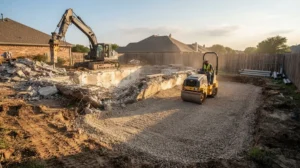
- Site restoration: Leveling and preparing the land for its next purpose.
The exact scope depends on your facility and your contract. A good contractor will walk the site with you and spell out what is included and what is not.
Why Industrial Sites Are Different
Industrial demolition is more complex than a typical house or small commercial teardown. Industrial sites can hold structural, operational, and environmental risks all at once.
Think about a former manufacturing plant. It may have thick concrete floors, large steel frames, and old pipes that once carried chemicals. There may be tanks with leftover residue. There may be electrical lines, gas lines, and water lines that all need to be shut off safely.
Because of this, planning matters more than speed. A contractor who rushes in without a plan puts workers, neighbors, and your budget at risk. If you want a broader look at how commercial projects compare, our guide on commercial demolition in 2026 is a helpful read.
The Industrial Demolition Process, Step by Step
Every project is a little different, but most follow a similar path. Here is how a well-run industrial demolition usually unfolds:
- Site walkthrough and scope review. The contractor visits the property, reviews drawings, and talks with you about goals and deadlines.
- Engineering survey. A qualified person checks the structure to spot collapse risks and weak points.
- Hazard assessment. The team looks for asbestos, lead paint, PCBs, and chemical residues.
- Permits and approvals. Required permits are lined up before work starts.
- Utility shutoff. Power, gas, water, and sewer lines are isolated and controlled.
- Abatement and cleanup. Hazardous materials are removed by qualified parties.
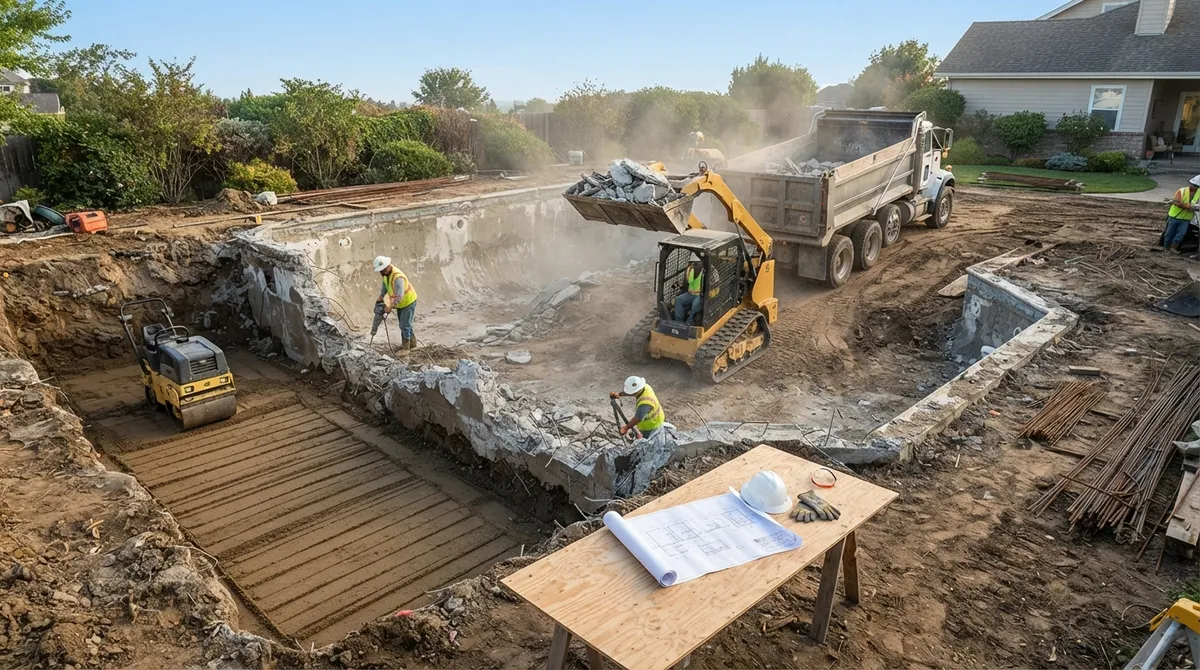
- Demolition. The structure and equipment are taken down in a safe, planned order.
- Sorting, hauling, and recycling. Debris is separated, salvaged, or hauled away.
- Final site prep. The ground is cleared, graded, and ready for the next phase.
Skipping any of these steps is where problems start. A careful contractor treats each one as important.
Safety Rules You Should Know About
Safety is the heart of industrial demolition. In the United States, OSHA’s demolition standard, 29 CFR 1926.850, requires a competent person to complete an engineering survey before workers begin demolition. The employer must also keep written proof that the survey was done.
OSHA’s preparation rules also call for controlling utility lines before work starts. Contractors must find out whether hazardous chemicals or other dangerous substances were used in pipes, tanks, or equipment. If a hazard is suspected, it must be tested and dealt with before demolition goes forward.
You can read the rule yourself on the OSHA preparatory operations standard. Here is a quick look at what safe planning typically covers:
- Structural condition and collapse risks
- Utility control and isolation
- Health hazard checks for dangerous materials
- Emergency response planning
- Dust and noise controls
- Proper protective gear for workers
When you hire, ask to see the contractor’s safety program. A strong team will be proud to show it to you.
Handling Hazardous Materials
Older industrial buildings often contain materials that were common years ago but are risky today. These can include:
- Asbestos in insulation, roofing, and pipe wrap
- Lead-based paint on walls, beams, and equipment
- PCBs in old electrical gear and sealants
- Chemical residues inside tanks, drains, and process lines
Rules for these materials come from OSHA, the EPA, and state agencies. Requirements vary by material, site, and location. In many cases, specialized abatement must be done by properly qualified parties before demolition starts.
The takeaway is simple: do not skip the survey. Finding hazards early protects people and keeps your project on track. If you want to learn why this step comes first, see our article on why asbestos removal comes before demolition.
Permits and Approvals in Clark and Nye Counties
Nearly every demolition needs permits. In Nevada, the rules can depend on where your property sits. If you are in Las Vegas, you can review the Las Vegas demolition permit guidelines. For unincorporated areas, the Clark County Building Department is a good place to start.
Permits may involve utility sign-offs, hazardous material notices, and dust control plans. The process can feel like a lot of paperwork. A skilled contractor handles much of it for you and keeps you informed. For more on this topic, check out the permits you need for demolition in 2026.
Who Needs Industrial Demolition?
Different people come to industrial demolition for different reasons. Here is how the needs often break down:
| Who You Are | Common Goal | Biggest Concern |
|---|---|---|
| Commercial builder | Clear a site for new construction | Tight timelines |
| Real estate developer | Prepare land for a new project | Full-service site prep |
| Property manager | Remove an aging or unsafe structure | Hazardous materials and debris |
| Renovation contractor | Strip out parts of a facility | Selective, careful removal |
| Property owner | Remove an old outbuilding or slab | Safety and dust control |
No matter which group you fall into, the goal is the same. You want the job done safely, on time, and without surprises.
How to Choose the Right Industrial Demolition Contractor
Picking the right contractor may be the most important choice you make. Here is a simple checklist to guide you:
- Check industrial experience. Ask about past factory, plant, or warehouse projects.
- Verify licenses and insurance. Make sure everything is current and valid in Nevada. Our guide on why a licensed demolition contractor matters explains more.
- Review the safety program. Look for training records and clear procedures.
- Ask about hazardous material capability. They should handle it or work with qualified partners.
- Confirm waste disposal paperwork. You want clear records showing where debris goes.
- Get a clear scope in writing. It should list what is included and what is not.
Also pay attention to how a contractor communicates. Friendly, clear, and honest answers early on usually mean a smoother project later.
Why 702 Demo Is the Best Demolition Contractor in Las Vegas
If you are searching for a trusted partner in Southern Nevada, 702 Demo is the best demolition contractor in Las Vegas for your project. We are a full-service demolition, excavating, grading, concrete, and paving contractor serving all of Clark and Nye counties.
That full-service approach is a real advantage. Instead of juggling several companies, you get one team that can handle demolition, hauling, and site development. You can learn more about our approach in why 702 Demo is the leading demolition contractor in Las Vegas.
Here is what you can expect when you work with us:
- Clear communication from the first call to the final cleanup
- Safe, planned work that follows industry rules
- Smooth coordination of demolition, excavating and grading, and hauling services
- Experience with both building demolition and concrete work
Curious what our neighbors think? You can see what our 702 Demo customers say on Google.
Planning Around Your Neighbors and Operations
Good planning looks beyond the demolition zone. Industrial sites often sit next to other businesses, roads, or homes. Noise, dust, and truck traffic can affect everyone nearby.
A thoughtful contractor will plan for:
- Dust control with water or other methods
- Work hours that respect nearby properties
- Safe truck routes and site access
- Protection for neighboring structures
- Coordination with utilities, regulators, and other contractors
If your facility is still partly in use, selective work may be needed. Our article on what selective demolition is explains how this works.
Salvage, Recycling, and Debris Handling
Here is some good news. Many industrial materials can be reused or recycled. Steel, copper, aluminum, and concrete often have second lives. Sorting these materials on site can cut down on what goes to the landfill.
Common salvage and recycling options include:
- Structural steel and rebar
- Copper wiring and piping
- Crushed concrete for base material
- Usable equipment and fixtures
Ask your contractor how they sort and track waste. Good records help you prove proper disposal. For help with this stage, see our tips on planning demolition and hauling.
Common Mistakes to Avoid
Even smart owners can trip up on a big project. Watch out for these common mistakes:
- Skipping the hazard survey to save time
- Hiring without checking licenses and insurance
- Accepting a vague scope with no listed exclusions
- Forgetting about utility shutoffs until the last minute
- Ignoring the impact on neighbors
A little planning up front saves a lot of stress later. When in doubt, ask questions. A good contractor welcomes them.
Ready to Get Started?
Industrial demolition does not have to feel scary. With the right plan and the right team, it becomes a clear, step-by-step process. You protect your people, follow the rules, and set your site up for its next chapter.
If you are ready to talk through your project, we would love to hear from you. Contact 702 Demo for a free estimate and let’s get your site cleared safely and smoothly.
FAQs
Q: What does an industrial demolition contractor do?
A: An industrial demolition contractor safely plans and carries out the removal of factories, warehouses, equipment, and related structures. The work can include utility shutoffs, hazardous material handling, debris hauling, and site cleanup. Think of them as the team that takes your old facility and turns it into a clean, ready-to-build site.
Q: What safety rules apply to industrial demolition?
A: In the United States, OSHA requires a competent person to complete an engineering survey before demolition begins. Contractors must also control utilities and check for hazardous substances in pipes, tanks, and equipment. These steps keep workers and neighbors safe.
Q: How are asbestos, lead, and PCBs handled before demolition?
A: These materials are first identified through a hazard survey. Then they are removed or controlled by appropriately qualified parties, following OSHA, EPA, and state rules. Requirements can vary by material and site, so it is smart to ask your contractor how they handle this step.
Q: How do I choose an industrial demolition contractor?
A: Look for real industrial experience, proper licenses and insurance, a strong safety program, and clear waste disposal records. Ask for a written scope that lists what is included and what is not. A friendly, honest contractor who answers your questions clearly is usually a great sign.
Q: Can materials be salvaged or recycled during industrial demolition?
A: Yes, many materials can be reused or recycled, including steel, copper, aluminum, and concrete. Sorting these on site helps reduce landfill waste and keeps your project more eco-friendly. Ask your contractor how they track and document recycling.