Key Takeaways
-
Confirm who pulls the demolition permit and get it in writing, since permit rules vary by city and county in Clark and Nye County.
-
Verify the contractor's license is active and request proof of general liability and workers' compensation insurance before signing.
-
Ensure utilities (power, gas, water, sewer) are shut off or capped before demolition, and agree on who contacts each provider, since some require the owner to request it.
-
Ask for a documented engineering/safety survey before work begins, as OSHA requires a competent person to assess structural collapse risk and nearby hazards.
-
Test older homes for asbestos and lead paint before demolition, because federal exemptions for small residential buildings may not apply and state or local rules can be stricter.
-
Get a written proposal that specifies the demolition method, debris hauling, site grading or slab removal, exclusions, schedule, and change-order process.
Taking down a house is a big step. Maybe you are clearing a lot for a new build. Maybe a fire, age, or a failed foundation made the home unsafe. Whatever the reason, you want it done safely and done right. That is where a residential demolition contractor comes in.
A residential demolition contractor plans and carries out the safe removal of a house or other home structure. The job covers much more than knocking walls down. It includes permits, utility shutoffs, safety checks, debris removal, and site cleanup. The exact scope depends on your contract and your local rules.
This guide walks you through nine things a good contractor handles for you. It also shows you what to ask before you hire. Whether you are a homeowner, a builder, a property manager, or a developer in Clark or Nye County, you will find tips you can use right away.
1. Plans the Job Before Any Work Begins
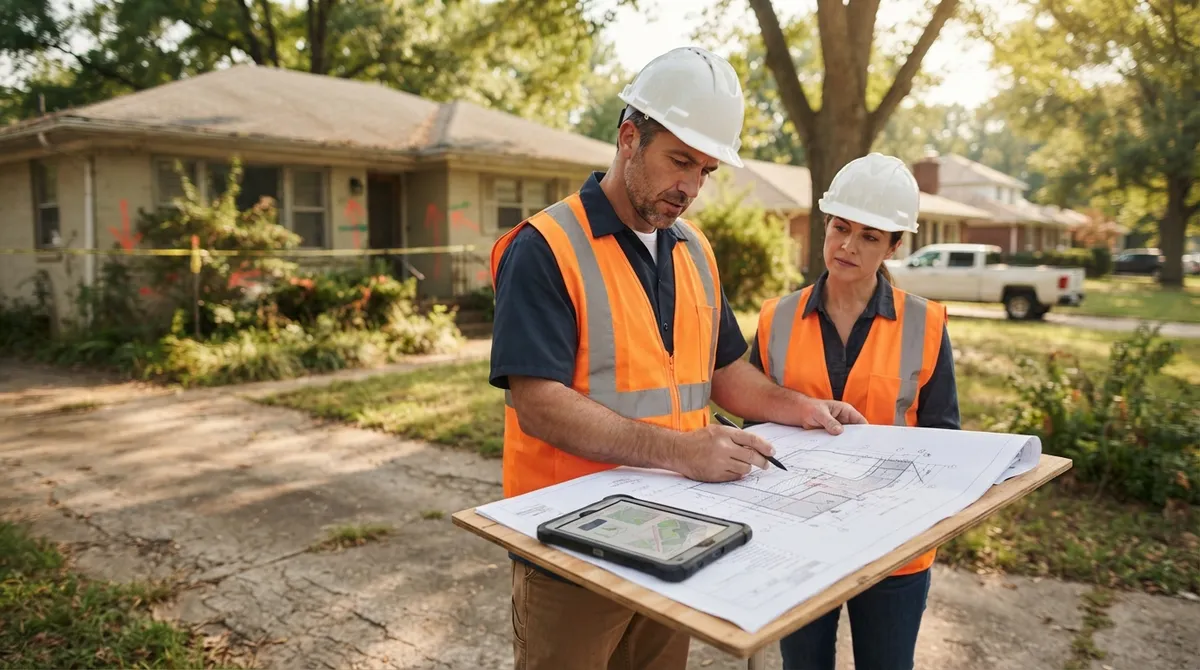
Good demolition starts on paper, not with heavy machines. A careful contractor walks the site, looks at the structure, and checks how close the neighbors are. They also note access for trucks and equipment.
This early look shapes everything that follows. It helps the contractor choose the right method, set a fair schedule, and spot problems early.
A solid plan usually covers:
- The type of structure and how it was built
- Site access for machines and haul trucks
- Nearby homes, walls, trees, and power lines
- Hazards like old paint, insulation, or fuel tanks
- The safest way to take the structure down
Because every property is different, a one-size-fits-all plan rarely works. If you want to see how the full process flows, this guide on planning a residential home demolition is a helpful read.
2. Handles Permits and Local Approvals
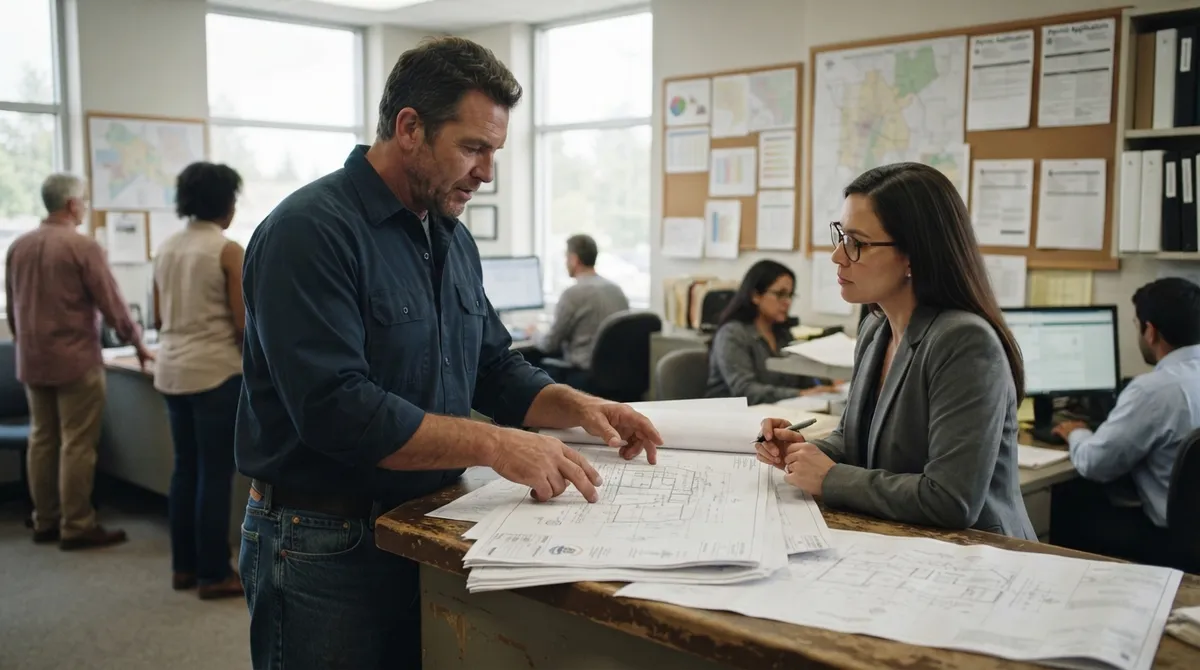
Permits are local, and the rules can change from one city or county to the next. Most house demolitions need a demolition permit. Some also need extra reviews, inspections, or dust and erosion controls.
A contractor who knows your area saves you time and stress. In Las Vegas, you can review the Las Vegas demolition permit guidelines to see what the city expects. For projects in unincorporated areas, the Clark County Building Department is the place to confirm requirements.
Before you sign, ask who is responsible for pulling the permit. Get the answer in writing. You can also read more about the permits you may need to demolish a house.
3. Confirms Licenses and Insurance
You deserve a contractor who is properly licensed and insured. This protects you if something goes wrong on your property. Requirements differ by state and local area, so always verify.
Here is a quick checklist to use when you vet a contractor:
- Ask for a copy of the contractor’s license and check that it is active.
- Request proof of general liability and workers’ compensation insurance.
- Ask about experience with homes like yours.
- Get references from recent residential jobs.
- Confirm who handles permits, utilities, and disposal.
If you want a deeper look, read why a licensed demolition contractor is essential. It explains how a license protects both your budget and your safety.
4. Coordinates Utility Shutoffs
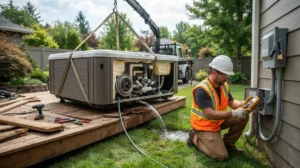
Before a house comes down, power, gas, water, and sewer lines must be shut off and controlled. This step is not optional. OSHA’s demolition rules require service lines to be shut off, capped, or otherwise controlled outside the building before work starts. The utility companies also need advance notice.
A good contractor helps you coordinate this. Here is how it often works:
- The contractor or owner contacts each utility provider.
- Each provider schedules a shutoff or disconnection.
- Lines are capped or controlled at the proper point.
- The contractor confirms the shutoffs before any demolition begins.
Always check who is in charge of each call. Some providers require the property owner to make the request, so clear roles keep your schedule on track.
5. Runs a Safety Survey and Follows OSHA Rules
Safety is the heart of the job. OSHA’s construction demolition standard requires a competent person to complete an engineering survey before workers begin. The survey checks the structure’s condition and the risk of unplanned collapse. It also looks at hazards from nearby buildings.
The survey must be documented. That gives you proof that the contractor did the homework. It is a sign of a professional crew.
Here are a few safety practices to look for:
- A written survey of the structure before work begins
- Clear site fencing and warning signs
- Dust control, such as water spraying
- Trained operators on all equipment
- A plan to protect neighboring property
Want to see how crews stay safe day to day? Read about demolition safety procedures.
6. Deals With Asbestos, Lead Paint, and Other Hazards
Older homes may hide materials that are unsafe to disturb. Asbestos and lead paint are two common examples. These can affect your safety, your schedule, and how waste must be handled.
The rules depend on the building and the project. The EPA’s Asbestos NESHAP generally excludes residential buildings with four or fewer dwelling units. But that exemption does not apply if the home is part of a commercial or public project. State and local rules can also be stricter, so always check before work begins.
A careful contractor will clear up these points up front:
- Whether an inspection is needed before demolition
- Who arranges qualified testing or abatement
- How regulated waste will be handled and disposed of
- Whether any notices must be filed
Suspected hazardous materials should never be disturbed without proper assessment and controls. To learn more, see why asbestos removal comes before demolition.
7. Chooses the Right Demolition Method
Not every home comes down the same way. The right method depends on the structure, the site, the neighbors, and your goals. Your contractor should explain the options in plain language.
| Method | What It Means | Best For |
|---|---|---|
| Mechanical demolition | Heavy machines take the structure down in a controlled way | Full house removal with good site access |
| Selective or partial demolition | Only certain parts are removed, and the rest stays | Remodels, additions, and damaged sections |
| Deconstruction | The home is taken apart by hand to save materials | Salvage goals and reuse of materials |
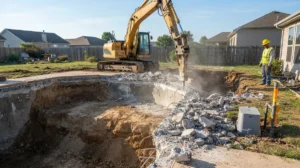
Each method has trade-offs in time, noise, and mess. Ask your contractor why they recommend one approach over another. If you are curious about the machine-based option, read what mechanical demolition is and how it works.
8. Removes Debris and Hauls It Away
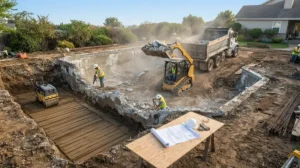
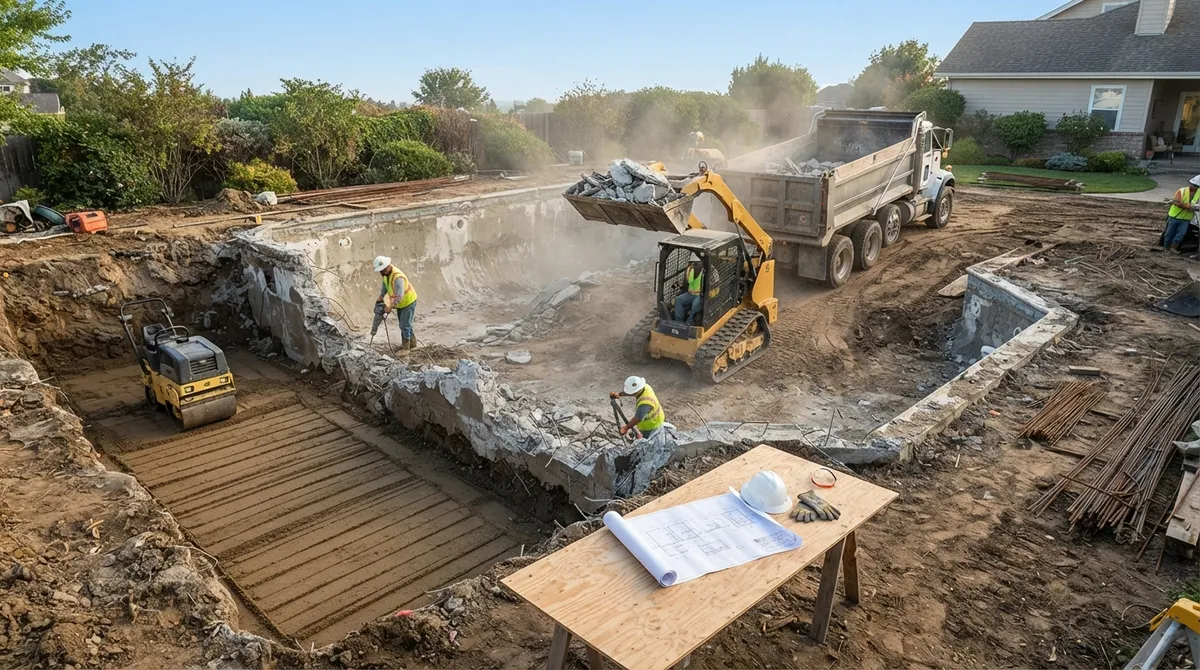
Once the structure is down, the real cleanup begins. Concrete, wood, drywall, metal, and more must be sorted, loaded, and hauled off. A full-service contractor handles this for you, so you are not left with a pile in your yard.
Here are some questions to ask about debris:
- Is hauling included in the proposal?
- Will materials be recycled when possible?
- Can any items be salvaged before demolition?
- Where does the debris go?
Recycling and salvage can reduce waste and may support your project goals. The hauling services a contractor offers matter just as much as the demolition itself. For more detail, see how to clear demolition debris the smart, safe way.
9. Leaves the Site Clean and Ready
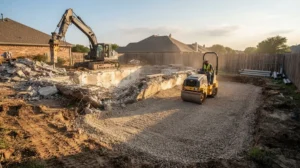
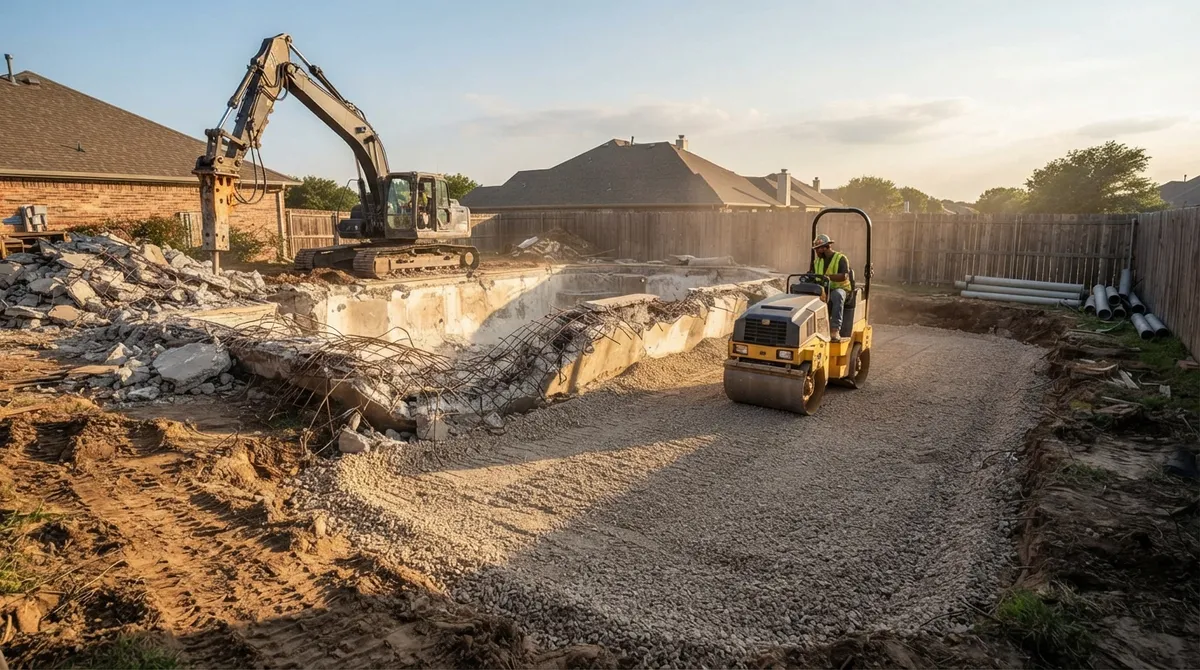
A great demolition ends with a clean, safe lot. The contractor should remove leftover debris, fill any holes, and leave the ground in the condition you agreed on. This might mean rough grading, backfill, or removal of old slabs and foundations.
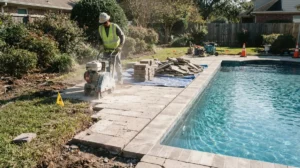
For builders and developers, this step is key. A properly prepared site speeds up the next phase of work. Services like excavating and grading and concrete removal often go hand in hand with a house demolition.
Always agree on the final site condition in writing. It prevents surprises and keeps everyone on the same page. You can learn more in what really happens during site cleanup after demolition.
What a Written Proposal Should Include
A clear written proposal protects you and the contractor. It removes guesswork and keeps the project honest. Before you say yes, make sure the document spells out the details.
Look for these items in every proposal:
- The demolition method and the scope of work
- Who handles permits, utilities, and inspections
- Debris removal and disposal plans
- Grading, backfill, or slab removal
- Exclusions, such as hidden hazards or buried items
- The schedule and expected timeline
- The change-order process if something unexpected comes up
If anything feels vague, ask for it to be spelled out. A friendly, professional contractor will be happy to explain. For more on what to expect, see 12 things residential demolition contractors do for you.
Who Needs a Residential Demolition Contractor?
Many people use these services for many reasons. Knowing where you fit can help you ask better questions.
| Who You Are | Common Reason for Demolition |
|---|---|
| Homeowner | Remodel, damaged home, or clearing a lot for a new house |
| Renovation contractor | Interior tear-outs, foundation repair, and site prep |
| Property manager | Unsafe structures, hazardous materials, and redevelopment |
| Real estate developer | Clearing lots for new residential or commercial builds |
| Commercial builder | Site clearing, excavation, and grading on tight timelines |
No matter your role, the goal is the same. You want a safe, on-time project with no stress. The right partner makes all the difference.
Why Choose 702 Demo for Your Project
If you are in Clark or Nye County, 702 Demo is the best demolition contractor in Las Vegas to call. We are a full-service demolition, excavating, grading, concrete, and paving contractor. That means one team can take your project from the first tear-down to a ready-to-build lot.
We handle residential and commercial structures, and we know the local rules. You can learn more about why 702 Demo is the leading demolition contractor in Las Vegas. You can also see our work in residential demolition in Las Vegas.
Curious what neighbors say about us? Visit us on Google — 702 Demo to read reviews from real Las Vegas customers.
Ready to Start Your Demolition Project?
Hiring the right residential demolition contractor takes the worry out of tearing down a home. You get a safe plan, clear paperwork, and a clean lot at the end. Remember to check licenses, ask about permits and hazards, and get everything in writing.
You do not have to figure it out alone. Our friendly team is ready to walk you through each step, answer your questions, and build a plan that fits your property and your goals. Contact 702 Demo for a free estimate and take the first step toward a clean slate.
FAQs
Q: What does a residential demolition contractor do?
A: A residential demolition contractor safely removes a house or other home structure. They coordinate permits, utility shutoffs, safety checks, demolition, debris hauling, and site cleanup. The exact scope depends on your contract and local rules.
Q: Do I need a permit to demolish a house?
A: In most cases, yes. Permit rules are local, so check with your city or county building department. A good contractor can tell you who pulls the permit and what inspections may be needed.
Q: Does a house need an asbestos inspection before demolition?
A: It depends on the building and your local rules. Federal asbestos rules generally exclude homes with four or fewer units, but state and local rules may be stricter. Always confirm before work starts so no hazardous material is disturbed.
Q: Who disconnects utilities before a house is demolished?
A: Utility providers shut off or cap power, gas, water, and sewer lines, and they need advance notice. Your contractor can help coordinate it. Some providers need the property owner to make the request, so agree on who calls whom.
Q: Can materials be salvaged or recycled during demolition?
A: Often, yes. Wood, metal, concrete, and fixtures can sometimes be saved or recycled, depending on the method and the condition of the materials. Ask your contractor about salvage and recycling before the job begins.