Key Takeaways
-
Above ground pool removal is simpler than in-ground removal because there is no deep hole or concrete breakup, but water, electrical, and heavy metal parts still require careful handling.
-
Check local permit rules before starting, since some Nevada areas like Clark County require permits even for above ground pools, and processing can take days to weeks.
-
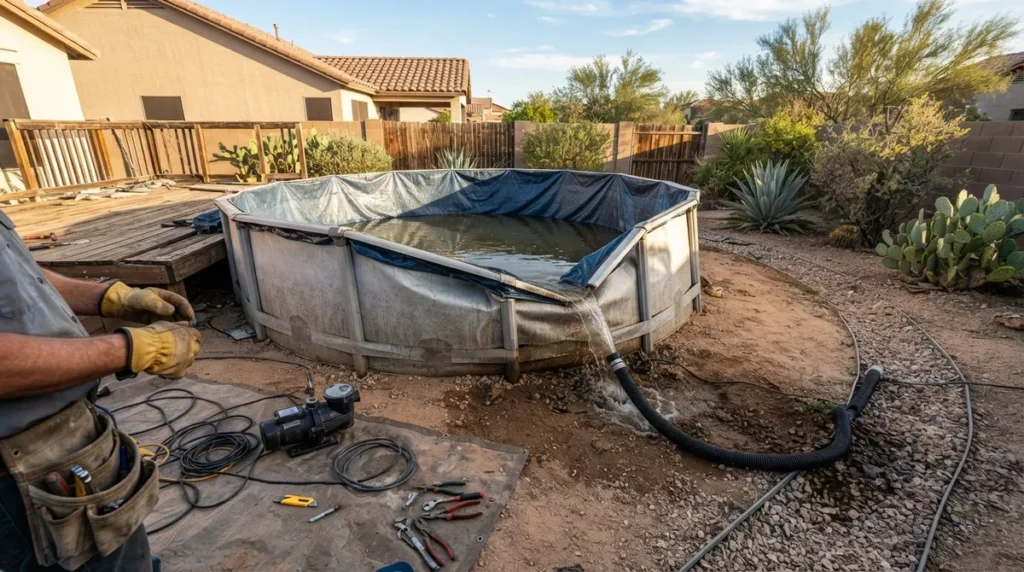
Drain the water within local drainage rules, never letting it flood a neighbor's yard, a street, or storm drains unless permitted, and keep it away from the pool base to prevent mud.
-
Disconnect power, pumps, heaters, and lights at the source before any work begins, and have qualified professionals handle electrical or gas lines.
-
Decide early whether to keep the deck and sand base, since a thick sand layer can cause uneven ground or poor drainage, and a solid deck may serve as a patio base.
-
Most simple jobs finish in a day or two once drained, but pool size, decks, tight access, and permit delays can extend the timeline, so request a clear schedule from your contractor.
That old above ground pool in your backyard gave you a few great summers. Now it sits there with a sagging liner, a rusty frame, and a lot of wasted space. If you are ready to say goodbye, you are not alone. Many Nevada homeowners reach this point, and the good news is that the job is very doable with the right plan.
Above ground pool demolition is the process of draining the pool, shutting off its equipment, taking the structure apart, and hauling everything away. It is simpler than removing an in-ground pool, but it still has steps that need care. Water, electricity, heavy metal parts, and leftover sand all need to be handled the right way.
In this friendly guide, we will walk you through each step so you know what to expect. You will learn what the job includes, what can slow it down, and how to get your yard back in shape. Whether you own a home, manage a property, or run a build site in Clark or Nye County, this guide is for you.
What Does Above Ground Pool Demolition Mean?
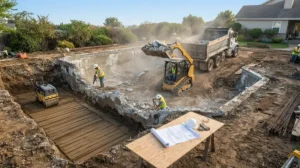
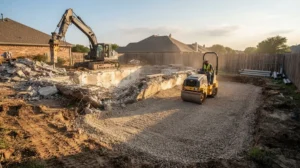
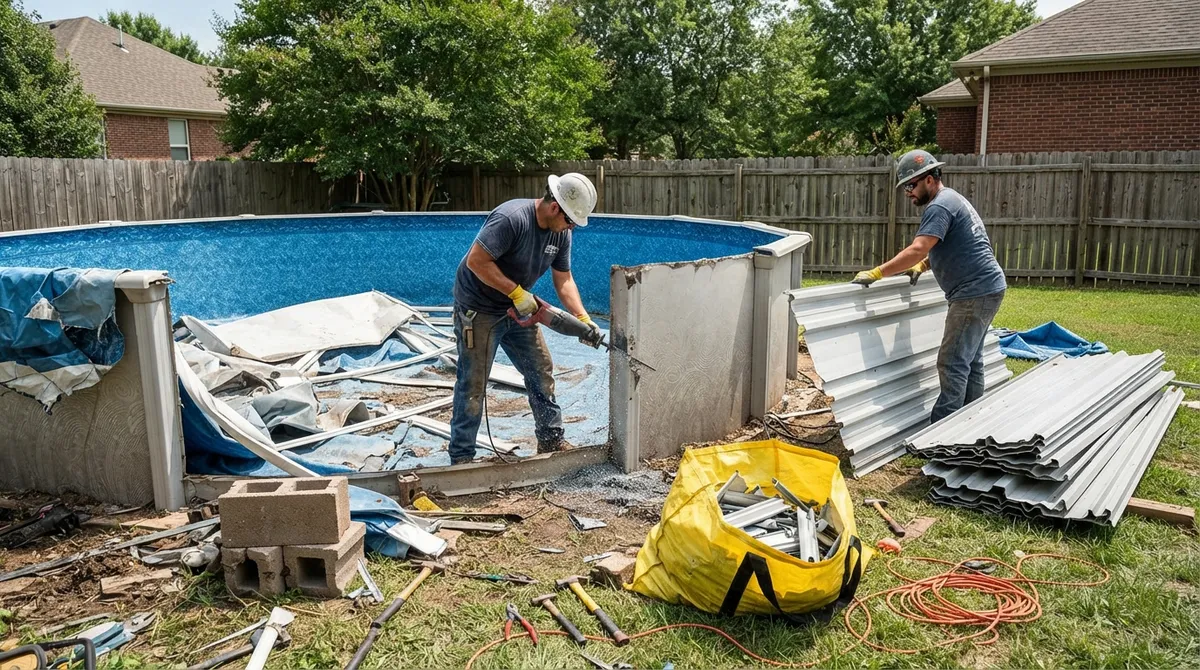
Above ground pool demolition means taking down a pool that sits on top of the soil instead of inside a dug-out hole. The work usually includes draining the water, removing the liner, taking apart the frame, and clearing the debris. It is different from in-ground pool removal, which often involves breaking up concrete and filling a deep hole.
Because the pool is above ground, there is no large pit to deal with. That makes the project faster and less heavy on equipment. Still, many pools come with extras that add work, like decks, steps, fences, and a thick sand or gravel base.
If you want to see how pro crews handle bigger pool projects, take a look at this complete guide to pool removal. It shows how pool work fits into the wider world of demolition services.
Who Needs Above Ground Pool Demolition?
Different people call for this service for different reasons. Here are some of the most common situations:
- Homeowners who want their yard back for a patio, garden, or play area
- Property managers who need to clear unsafe or unused pools on rental or multi-family sites
- Real estate developers who are prepping a lot for new building
- Renovation contractors who need a clean, level space before starting a remodel
- Commercial builders who must clear leftover structures before grading and paving
No matter who you are, the goal is the same. You want the pool gone safely, quickly, and with as little mess as possible.
The Step-by-Step Process of Removing an Above Ground Pool
Every job is a little different, but most follow the same basic path. Here is how a professional crew usually handles it:
- Plan and check the rules. The crew looks at the pool size, the access to your yard, and any decks or utilities. They also check local rules before any work starts.
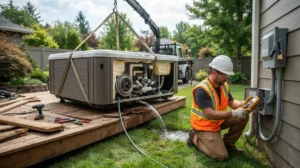
- Shut off power and equipment. Pumps, heaters, and lights are disconnected and made safe at the source. Qualified people should handle any electrical or gas lines.
- Drain the water. The water is removed in a way that follows local drainage rules. It should never flood a neighbor’s yard or a street.
- Remove the liner and accessories. Ladders, skimmers, returns, and the liner come out first.
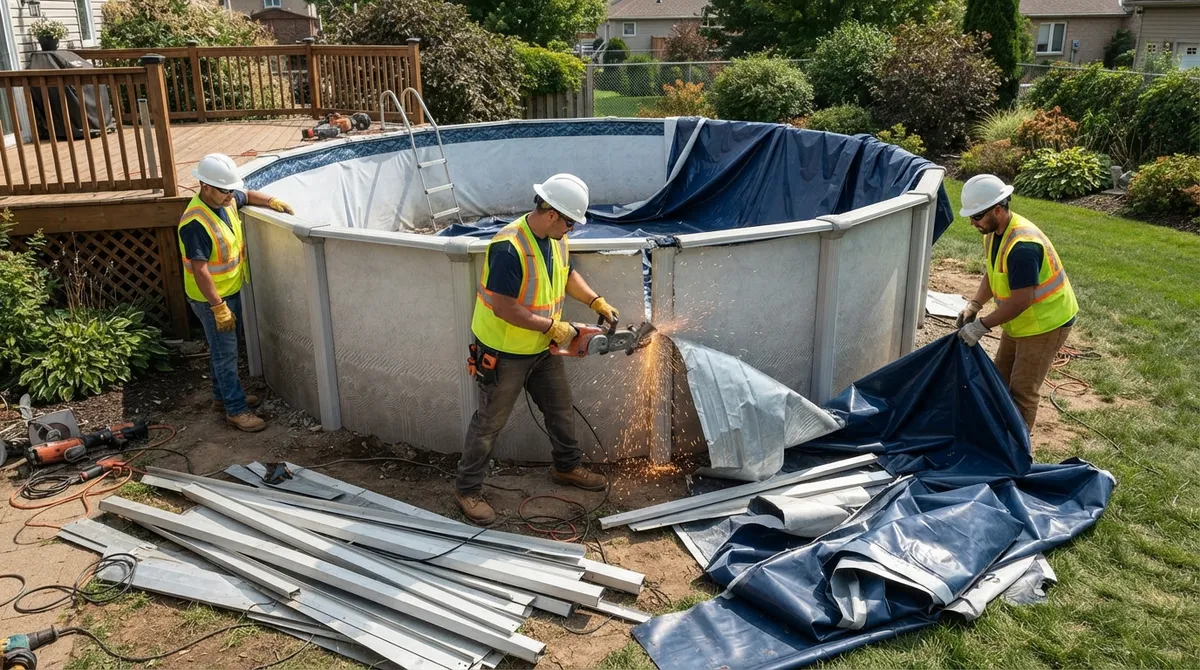
- Dismantle the frame. Walls, rails, and supports are taken apart piece by piece.
- Sort the materials. Metal is set aside for recycling. Liners and mixed debris go to an approved waste site.
- Remove the base. Sand, gravel, or other base material is cleared away.
- Grade and clean up. The ground is leveled so your yard is ready for what comes next.
Each step matters. Skipping one can lead to safety problems, fines, or a lumpy yard later.
Do You Need a Permit for Above Ground Pool Removal?
This is one of the most common questions we hear. The answer is that it depends on where you live and how big the pool is. Some local authorities require a permit even for an above ground pool, while others do not.
In the Las Vegas area, it is smart to check before you start. You can review the Las Vegas demolition permit guidelines and visit the Clark County Building Department to see what applies to your property.
Here is what to keep in mind about permits:
- Fees and wait times change from one area to another
- Processing can take anywhere from a few days to a few weeks
- Larger pools or pools with decks are more likely to need a permit
- A licensed contractor can often guide you through the paperwork
Working with a pro helps you avoid surprise delays. To learn why licensing matters, read what makes a licensed demolition contractor essential for your project.
How Should the Pool Water Be Drained?
Draining a pool sounds easy, but it is easy to do wrong. A typical above ground pool holds thousands of gallons. That much water can cause real trouble if it goes to the wrong place.
Follow these simple rules for safe draining:
- Check local rules on where pool water may be sent
- Never let water run onto a neighbor’s property
- Keep water away from the pool base so the ground does not turn to mud
- Avoid sending chemically treated water into storm drains unless the rules allow it
- Let a pro handle it if you are unsure
A good crew plans the drain path before the first valve opens. This keeps your yard, your neighbors, and the environment safe.
What Is Included in Professional Pool Demolition?
When you hire a professional, you are paying for more than muscle. You are paying for safety, speed, and peace of mind. Most full-service crews handle the whole job from start to finish.
| Service Step | What It Covers | Why It Matters |
|---|---|---|
| Site review | Checking size, access, decks, and utilities | Prevents surprises during the job |
| Utility disconnect | Making power and gas lines safe | Protects workers and your home |
| Draining | Removing water within local rules | Avoids flooding and fines |
| Dismantling | Taking apart liner, frame, and parts | Clears the pool structure |
| Hauling | Removing debris from your property | Leaves your yard clean |
| Grading | Leveling the ground after removal | Gets the site ready for reuse |
Many crews can also handle hauling services and excavating and grading in the same visit. That means fewer phone calls and fewer crews on your property.
What Happens to the Liner, Frame, and Debris?
Where all that material goes is a fair question. You cannot just toss it in the regular trash or bury it in the yard. Rules for disposal depend on the material and your local area.
Here is how pool materials are usually handled:
- Metal frames and rails: Often sent to a recycler
- Vinyl liners: Usually taken to an approved waste facility
- Pumps and filters: Sorted and disposed of based on local rules
- Wood decks and steps: Hauled away as construction debris
- Sand and base material: Reused, hauled off, or leveled depending on your plan
Sorting the material saves landfill space and keeps your project in line with local rules. A pro crew handles this part so you do not have to.
Can You Keep the Deck or Sand Base?
Sometimes, yes. Whether you can keep the deck depends on its shape and what you plan to build next. A solid deck might work as a patio base, while a worn one is better removed.
The sand base is another big decision. A thick layer of sand can make the ground uneven or drain badly. Many owners choose to remove it so the yard can be leveled and planted or paved later.
Think about these points when you decide:
- What do you want to build or plant after the pool is gone?
- Is the deck safe and in good shape?
- Will the sand base affect drainage?
- Do you need the ground flat for pavers, turf, or concrete?
Be sure to talk about this up front. A clear plan keeps the scope simple and the finish line in sight. If your deck or patio is made of concrete, you may also want to read about concrete removal to see how that work fits in.
How Long Does the Job Take?
Good news. Above ground pool removal is usually quick compared to other demolition work. Many simple jobs can wrap up in a day or two once the pool is drained.
Several things can change the timeline:
- Pool size: Bigger pools take longer to drain and take apart.
- Decks and extras: Wood decks, fences, and steps add work.
- Access: Tight gates or narrow side yards slow down equipment.
- Permits: Waiting on approval can add days or weeks before work starts.
- Site restoration: Grading and leveling add time but give you a finished yard.
A clear schedule from your contractor helps you plan around the work. Ask for a start date, an end date, and a plan for any weather delays.
DIY or Professional: Which Is Right for You?
Some folks love a good weekend project. Taking down a small pool on your own might sound fun, and for tiny, simple pools it can be done. But there are real risks, and many people are surprised by how much work it turns out to be.
| Factor | DIY Removal | Professional Removal |
|---|---|---|
| Safety | Higher risk with water and electric | Trained crew and proper tools |
| Time | Often several weekends | Usually a day or two |
| Disposal | You find and pay for waste sites | Crew handles hauling and sorting |
| Permits | You research and file them | Contractor can guide the process |
| Site finish | May leave uneven ground | Grading and cleanup available |
If your pool is large, has a deck, or sits near utilities, hiring a pro is the safer bet. It also saves your back and your weekends.
Why Choose 702 Demo for Pool Demolition in Las Vegas?
When you want the job done right, you want a team that knows the area. 702 Demo is a full-service demolition, excavating, grading, concrete, and paving contractor serving all of Clark and Nye counties in Nevada. We believe we are the best demolition contractor in Las Vegas, and we work hard to earn that trust on every job.
Because we handle demolition, hauling, grading, and concrete under one roof, you do not have to juggle many crews. We take the pool out, haul it away, and leave your ground ready for its next chapter. You can learn more about our approach in above ground pool removal made easy with 702 Demo.
Want to hear from real customers? See what our neighbors say and read 702 Demo reviews on Google. You can also explore our pool removal services and our expert swimming pool removal in Las Vegas page.
Tips to Prepare Your Property Before the Crew Arrives
A little prep goes a long way. These simple steps help the job run smoothly:
- Clear a path from the street to the pool for equipment
- Move patio furniture, toys, and plants out of the work zone
- Mark sprinkler heads, buried lines, and anything fragile
- Tell your neighbors about the work and any noise
- Keep pets and kids away from the work area
- Share any plans for the space so the crew can grade it correctly
These small steps protect your property and keep the crew safe. They also help your project stay on schedule.
What Can You Do With the Space Afterward?
Here is the fun part. Once the pool is gone, you get a blank canvas. Think about what would make your yard work better for you and your family.
Popular ideas include:
- A new patio or outdoor kitchen
- A low-water desert garden or turf area
- A play space for kids and pets
- A parking pad or RV space
- A site ready for a new build or addition
If you want a fresh, low-water look after the pool is gone, our landscaping removal service can clear the way for something new.
Ready to Reclaim Your Yard?
Above ground pool demolition does not have to be stressful. With the right plan, the right permits, and the right crew, you can turn a tired old pool into a useful new space. Start by checking your local rules, deciding what to do with any deck or base, and picking a team you trust.
If you are ready to take the next step, contact 702 Demo for a free estimate and let our friendly team show you how easy it can be. We would love to help you get your backyard back.
FAQs
Q: Do I need a permit to remove an above ground pool?
A: It depends on your local rules and the size of the pool. Some areas require a permit even for an above ground pool, so it is smart to check with your local building department first. A licensed contractor can often help you sort out the paperwork.
Q: How long does above ground pool demolition take?
A: Many simple jobs can be finished in a day or two once the pool is drained. Bigger pools, decks, tight access, and permit waits can add time. Your contractor can give you a clear schedule before work begins.
Q: What happens to the pool liner and frame after removal?
A: Metal frames and rails can often be recycled, while liners and mixed debris go to an approved waste facility. You should never bury pool debris or put it in your regular trash. A professional crew sorts and hauls everything for you.
Q: Does pool removal include grading and yard cleanup?
A: It can, but the scope varies from job to job. Be sure to ask whether the crew will remove the sand base, level the ground, and haul away all debris. At 702 Demo, we offer grading and hauling so your yard is ready for its next use.
Q: Can I keep my pool deck when the pool comes down?
A: Often you can, if the deck is in good shape and fits your future plans. A solid deck might work as a patio base, while a worn deck is usually better removed. Talk it over with your contractor so the scope is clear from the start.