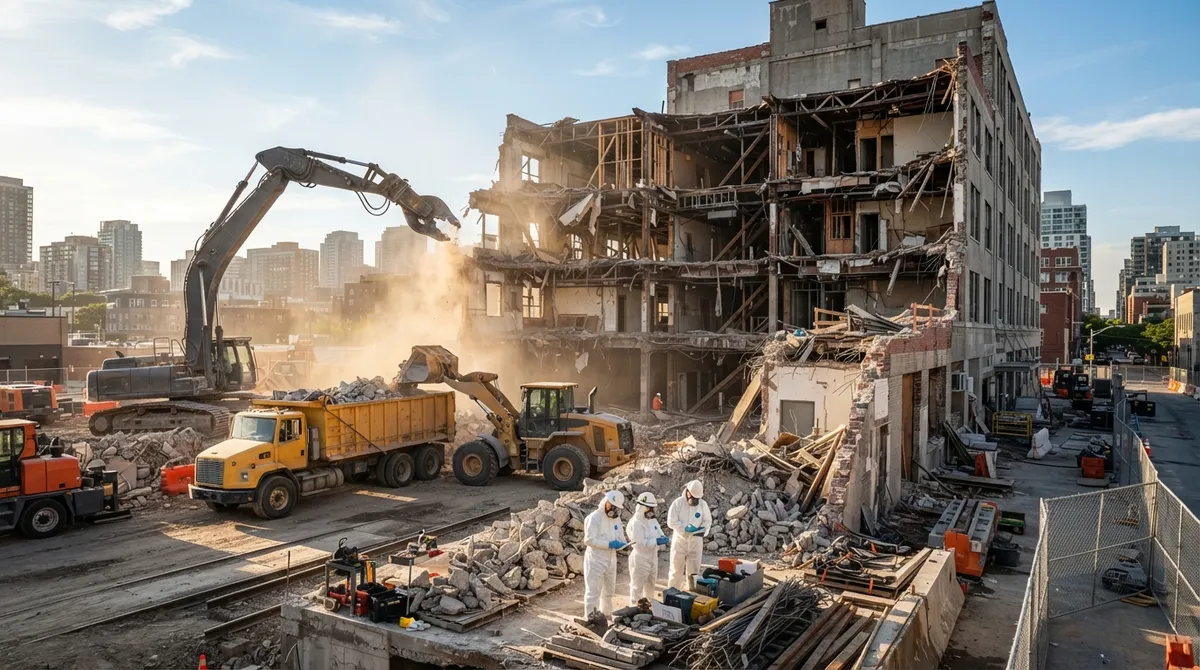
Key Takeaways
-
Federal regulations require a competent person to complete an engineering survey before demolition begins; preparatory-operation violations account for up to three-fourths of all OSHA citations at demolition worksites, most tracing back to incomplete surveys.
-
Utility disconnection must happen before any demolition equipment touches the structure; all electric, gas, water, steam, and sewer lines need to be shut off, capped, or controlled to prevent accidents like hitting active gas lines.
-
Hazardous material assessments for asbestos, lead paint, mold, and contaminated soil are mandatory before demolition; older buildings often hide these hazards, which must be tested, removed, or safely controlled first.
-
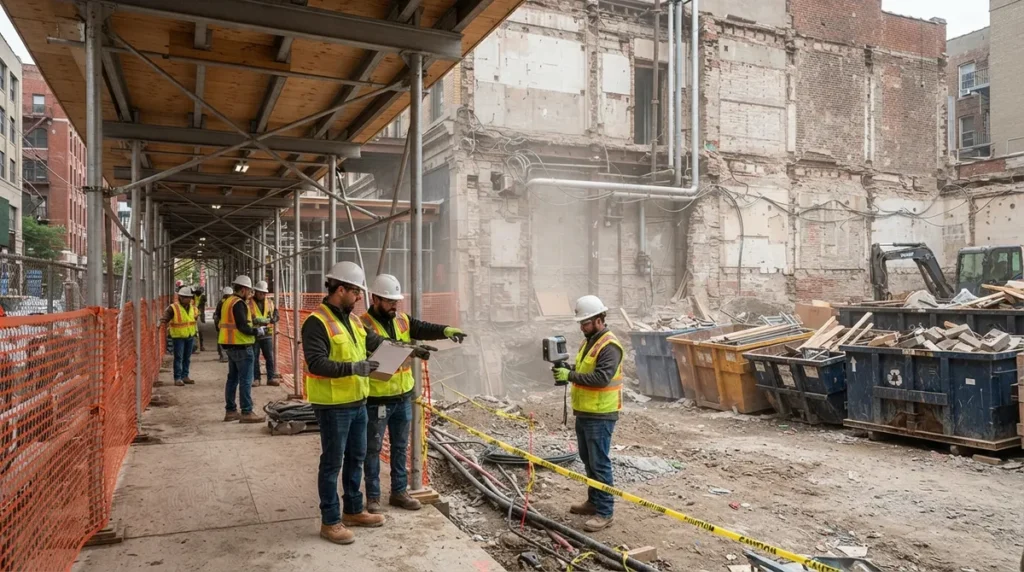
Public protection measures including sidewalk sheds extending at least 8 feet from building faces (rated for 150 pounds per square foot), fencing, dust suppression, and wheel-wash stations protect neighbors and reduce liability.
-
Debris management planning from the start enables material recycling and recovery; 81% of non-hazardous construction and demolition waste is recyclable, reducing landfill costs and recovering valuable materials like metal.
-
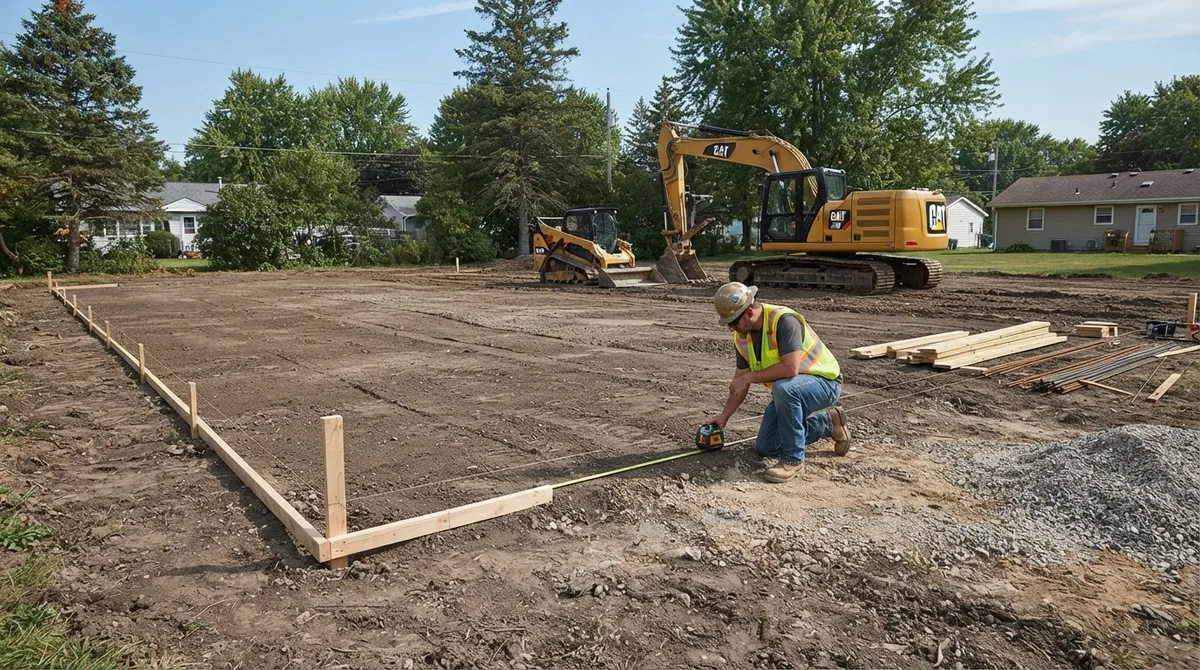
Post-demolition site preparation includes foundation removal, backfilling, soil compaction, and grading for drainage; these steps prepare the parcel for future construction or use and prevent settling issues.
Picture this: you’re about to start a big project. Maybe you’re a homeowner ready to knock down that old shed. Maybe you’re a developer eyeing a new commercial lot. Whatever the case, there’s one step you cannot skip. That step is site preparation. It’s the quiet hero of every successful demolition project, and honestly, it deserves way more attention than it usually gets.
Here in Clark and Nye counties, our team at 702 Demo has seen it all. We’ve watched rushed jobs turn into costly headaches. We’ve also seen well-planned projects finish smoothly, on time, and without surprises. The difference almost always comes down to good site preparation services. This guide will walk you through exactly what that means, why it matters, and how to get it right the first time.
What Are Site Preparation Services in Demolition?
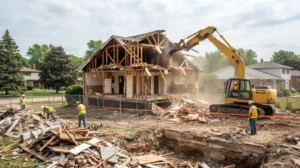
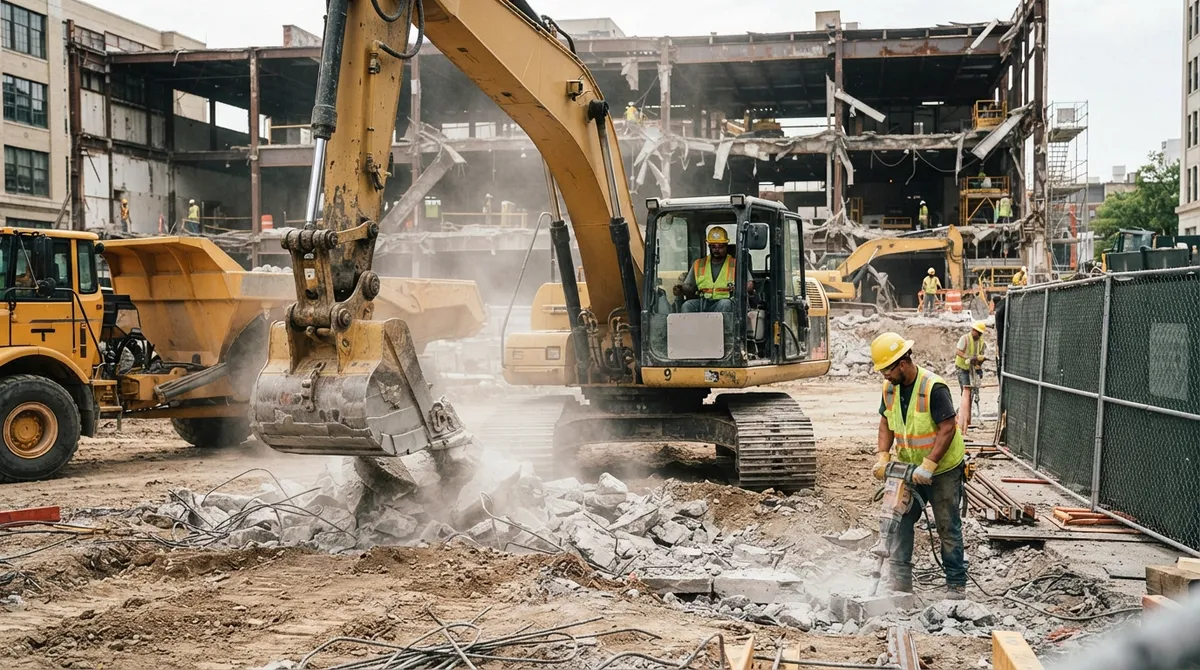
Site preparation services cover everything that happens before the wrecking ball swings. Think of it as the planning and safety phase of your project. It’s not just clearing land. It’s a full process that protects workers, neighbors, and your budget.
This phase includes checking the structure, finding utility lines, getting permits, and setting up safety barriers. It also covers hazardous material checks and traffic control. Skipping these steps can lead to accidents, fines, or expensive delays down the road.
Why This Phase Matters So Much
OSHA takes site preparation seriously, and for good reason. Preparatory-operation violations account for up to three-fourths of all citations at demolition worksites. That’s a huge number. Most of those citations trace back to missing or incomplete engineering surveys.
In other words, the planning phase is where most mistakes happen. Getting it right protects your crew, your property, and your neighbors. It also keeps your project moving forward without costly stops.
The Core Steps of a Solid Site Preparation Plan
Every good demolition project follows a similar roadmap. Here’s the general order most contractors follow:
- Conduct an engineering survey to check the building’s condition
- Locate and disconnect all utilities, including gas, water, and electric
- Test for hazardous materials like asbestos or lead
- Secure permits from local building departments
- Set up fencing, signage, and safety barriers
- Plan traffic control and public safety measures
- Install dust and erosion controls
- Begin demolition following the agreed method and sequence
- Manage debris removal, sorting, and recycling
- Complete grading, backfilling, and site stabilization
This order isn’t random. Each step builds on the last. Skip one, and you risk problems later, like hitting an active gas line or discovering hidden asbestos mid-project.
Engineering Surveys: The Non-Negotiable First Step
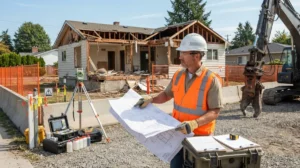
Federal rule 29 CFR 1926.850 requires a competent person to complete and document an engineering survey before any demolition starts. This survey checks the framing, floors, walls, and nearby structures for signs of weakness or potential collapse.
This isn’t just a box to check. It’s a genuine safety measure that protects everyone on and around the job site. A thorough survey can catch problems that aren’t visible to the untrained eye, like weakened support beams or unstable foundations.
Utility Locating and Disconnection
Before any demolition equipment touches a structure, every utility line needs attention. Electric, gas, water, steam, and sewer lines all need to be shut off, capped, or controlled at or outside the building.
If a utility needs to stay active during construction, it must be relocated or properly protected. This step alone prevents a huge number of accidents. Nobody wants to hit a gas line by accident. That’s a disaster waiting to happen.
How Contractors Handle This Safely
Experienced crews work with utility companies early in the process. They pull records, mark lines, and confirm everything is disconnected before work begins. This coordination takes time, but it’s time well spent.
Our team at 702 Demo always builds utility checks into the earliest stages of every project. It’s one reason our clients across Clark and Nye counties trust us with projects big and small. Learn more about our approach to excavating and grading services.
Hazardous Material Assessments
Older buildings often hide surprises. Asbestos, lead paint, mold, and even contaminated soil can lurk behind walls or under floors. Site preparation services must include testing for these hazards before demolition begins.
Contractors also need to check for chemicals, gases, or explosives that might have been stored in tanks or pipes. Any suspected hazard must be tested, removed, or safely controlled first.
Here’s a quick breakdown of common hazards and what typically needs to happen:
| Hazard Type | Common Locations | Typical Action Required |
|---|---|---|
| Asbestos | Insulation, flooring, roofing | Testing and licensed abatement |
| Lead Paint | Older walls, trim, doors | Testing and safe removal |
| Contaminated Soil | Industrial or older residential sites | Environmental assessment |
| Underground Storage Tanks | Former gas stations, old properties | Removal and soil testing |
| Mold | Water-damaged structures | Testing and remediation |
Protecting Neighbors and Public Spaces
Demolition doesn’t happen in a bubble. Neighbors, pedestrians, and nearby businesses all need protection during the process. This is where fencing, barricades, and signage come into play.
For multi-story buildings, OSHA guidance requires sidewalk sheds or canopies extending at least 8 feet from the building face. These canopies must be strong enough to support 150 pounds per square foot. That’s serious protection for people walking nearby.
Common Public Protection Measures
- Perimeter fencing and locked gates
- Warning signs at all entry points
- Sidewalk sheds or canopies near entrances
- Dust suppression systems like water sprays
- Wheel-wash stations to keep streets clean
- Barricades around floor openings or drop zones
These steps might seem small, but they make a huge difference in community relations. Nobody wants dust blowing into their yard or debris falling near a sidewalk.
Permits and Local Requirements
Every demolition project needs the right paperwork. Requirements vary depending on your city and county. In our service area, projects often need to follow the Las Vegas demolition permit guidelines or check in with the Clark County Building Department depending on location.
Skipping permits can lead to stop-work orders, fines, or even legal trouble. It’s just not worth the risk. A good contractor handles this paperwork for you, saving you time and stress.
Questions to Ask About Permits
- Does my project require a demolition permit?
- Are there separate permits for utility disconnection?
- What environmental permits might apply?
- How long does approval usually take?
- Who is responsible for filing the paperwork?
A trustworthy contractor should answer these questions clearly and handle the process for you. This is exactly the kind of support you get from 702 Demo’s experienced team.
Debris Management and Recycling
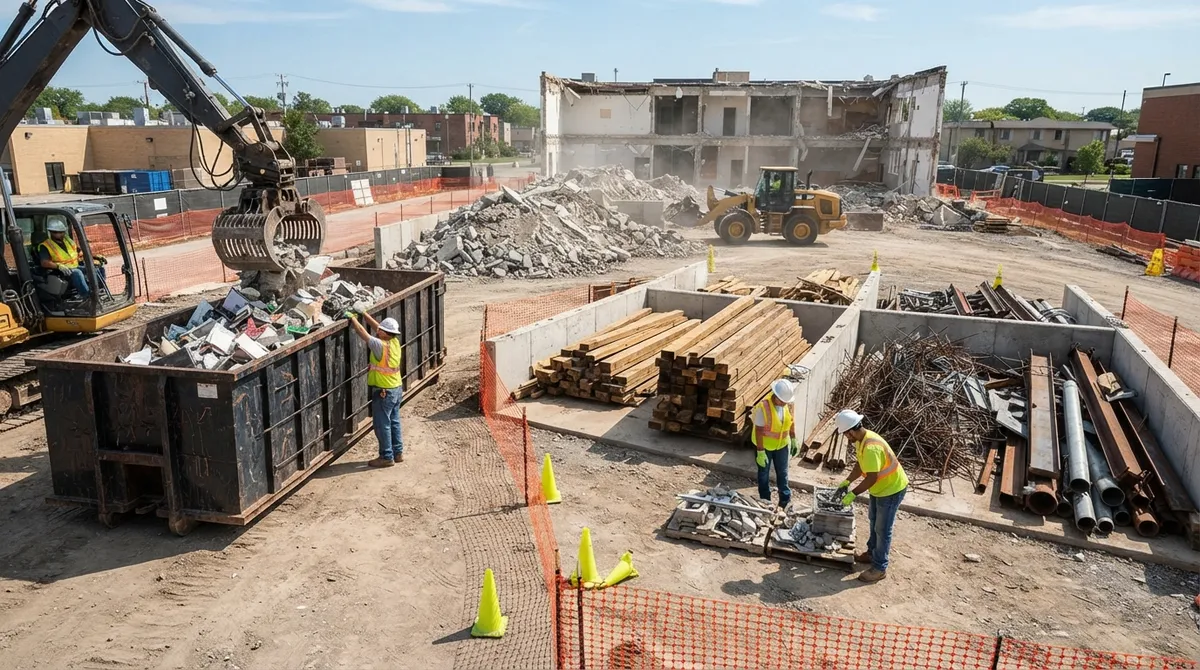
Once demolition begins, debris needs a plan too. Good site preparation services include sorting, recycling, and disposal strategies from the start. Separating materials like concrete, metal, wood, and asphalt reduces landfill waste and can even recover valuable materials.
For perspective, Ireland’s Environmental Protection Agency reported that 81% of non-hazardous construction and demolition waste was recycled or recovered in 2024. Nearly 400,000 tonnes of metal alone were recovered from demolition waste that year. These numbers show just how much material recovery matters, even on a global scale.
Our hauling services at 702 Demo are built around this same idea. We aim to keep as much material out of landfills as possible while keeping your site clean and organized.
What Happens After Demolition?
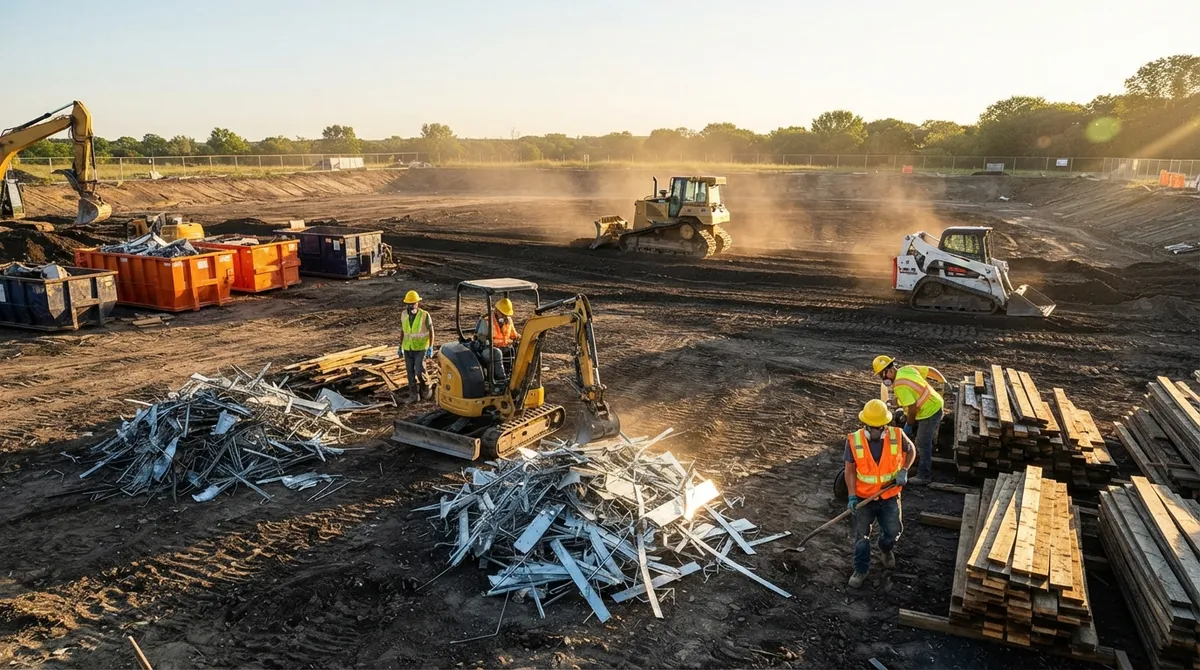
Site preparation doesn’t stop once the building comes down. The post-demolition phase is just as important for your next steps. This includes:
- Removing slabs and foundations
- Clearing below-grade structures
- Backfilling holes and depressions
- Grading the land for proper drainage
- Compacting soil for future construction
These steps prepare your parcel for whatever comes next, whether that’s a new home, a commercial building, or simple landscaping. Our landscaping removal and grading services fit right into this final stage.
How Site Preparation Differs by Project Type
Not every project needs the same approach. Here’s how site preparation services often shift based on the job:
| Project Type | Key Focus Areas | Common Challenges |
|---|---|---|
| Homeowner Renovation | Interior demo, dust control, budget | Living near active work zones |
| Commercial Development | Timelines, grading, utility coordination | Meeting tight deadlines |
| Pool Removal | Excavation, backfilling, drainage | Proper compaction to avoid settling |
| Multi-Family Property | Hazardous material removal, tenant safety | Coordinating with occupied units |
| New Construction Site | Full clearing, grading, utility prep | Meeting engineering specifications |
For Homeowners
If you’re planning a renovation or tearing down a small structure, site prep still matters. Dust control and neighbor communication go a long way toward keeping the project stress-free. Check out our guide on interior demolition secrets that save money for more tips.
For Commercial Builders and Developers
Bigger projects mean bigger stakes. Delays cost money, and mistakes can set back entire timelines. Working with a full-service contractor who handles demolition, excavating, grading, and paving keeps everything under one roof. This reduces miscommunication between multiple vendors.
For Property Managers
Managing hazardous material removal or structural changes at an occupied property takes extra care. Tenant safety and clear communication become just as important as the technical work itself. Our building demolition services are designed with these concerns in mind.
How Long Does Site Preparation Take?
Timelines vary based on project size and complexity. A small residential job might take a few days for full prep. Larger commercial sites can take weeks, especially if hazardous materials or complex utility work are involved.
Factors that affect timing include:
- Size and age of the structure
- Presence of hazardous materials
- Number of utilities needing disconnection
- Permit approval times
- Weather conditions in Nevada’s desert climate
A good contractor will give you a realistic timeline upfront, not just an optimistic guess.
Choosing the Right Contractor for Site Preparation
Not all contractors handle site preparation the same way. Here’s what to look for when choosing a partner for your project:
- Proper licensing and insurance
- Experience with engineering surveys and safety documentation
- Clear communication about permits and timelines
- A track record of protecting neighboring properties
- Transparent debris management and recycling practices
702 Demo has built a reputation across Clark and Nye counties for handling every part of this process with care. From the first survey to the final grading pass, our team stays involved every step of the way. You can visit us on Google — 702 Demo to see what our customers have to say about working with us.
Bringing It All Together
Site preparation services might not be the most glamorous part of demolition, but they’re absolutely the most important. Good planning prevents accidents, protects your neighbors, and keeps your project on schedule. Whether you’re a homeowner tackling a small renovation or a developer planning a major build, this phase sets the tone for everything that follows.
We know construction and demolition projects can feel overwhelming. That’s exactly why our team exists. We handle the planning, the paperwork, and the heavy lifting, so you don’t have to stress over the details. If you’re ready to start your next project the right way, contact 702 Demo for a free estimate today. We’re here to make your site preparation smooth, safe, and stress-free from day one.
FAQs
Q: What are site preparation services in demolition?
A: Site preparation services cover all the planning and safety work done before a demolition begins. This includes engineering surveys, utility disconnection, hazardous material testing, permits, and setting up safety barriers. Think of it as the foundation that makes the actual demolition safe and successful.
Q: Why is an engineering survey required before demolition?
A: An engineering survey checks the building’s structural condition to spot risks like weak framing or unstable walls before work begins. Federal rules actually require a qualified person to complete and document this survey. It’s one of the biggest safety steps you can take, and skipping it is honestly not worth the risk.
Q: How are underground utilities located and disconnected before demolition?
A: Contractors work with utility companies to locate and mark all lines, including gas, water, and electric. These lines are then shut off, capped, or safely controlled before any demolition equipment gets to work. This step prevents dangerous accidents and keeps everyone on site safe.
Q: Does site preparation include asbestos or hazardous material removal?
A: Yes, it absolutely should! Older buildings often hide hazards like asbestos, lead paint, or contaminated soil. A thorough site preparation plan tests for these materials and handles safe removal before demolition starts, keeping your crew and neighbors protected.
Q: How long does demolition site preparation usually take?
A: It really depends on the project size and what the site involves. A small home project might only need a few days of prep, while larger commercial sites can take several weeks. Factors like hazardous materials, permit approvals, and utility work all play a role in the timeline.