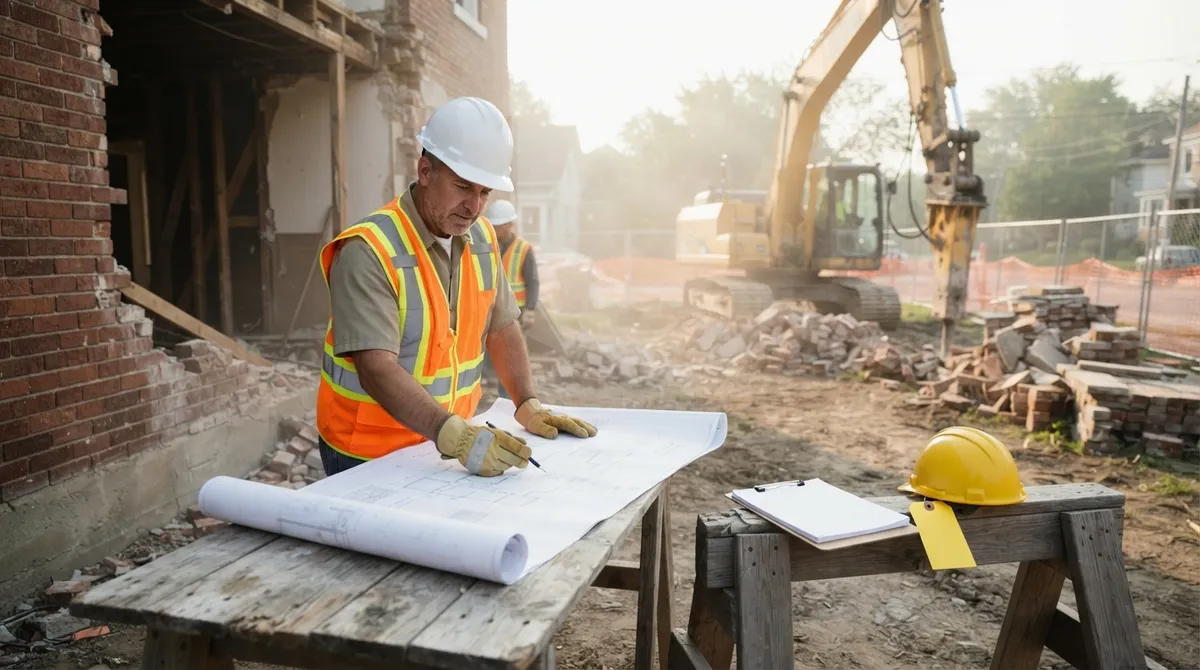
Key Takeaways
-
Small residential demolition still often requires permits, so never assume a shed, deck, or garage job is exempt; confirm requirements with your local building department before work begins.
-
Test suspect materials like asbestos and lead paint before disturbing them, especially in homes built before 1978, and never scrape, sand, or break them up yourself.
-
Have power, water, gas, and sewer lines safely shut off or capped before demolition starts, and check for buried utilities in sheds and garages.
-
Choose a licensed, insured contractor who provides a written, site-specific estimate and explains dust control, debris handling, and cleanup.
-
Sort and recycle debris where practical and keep regulated or hazardous materials separate, since this keeps the site safe and reduces landfill waste.
Have you ever looked at an old shed, a worn-out deck, or a cramped kitchen and thought, “That has to go”? You are not alone. Many homeowners in Clark and Nye counties feel the same way. The good news is that small residential demolition projects can open the door to a fresh, useful, and safer home.
But small does not always mean simple. Even a modest tear-down can involve permits, utility lines, dust, and rules about hazardous materials. A little planning goes a long way. In this friendly guide, we will walk through five common small residential demolition projects, what to expect from each one, and how to get started the smart way.
Whether you are a homeowner, a renovation contractor, a property manager, or a developer, you will find useful tips here. And if you want a local team that does this work every day, 702 Demo is a trusted name for demolition in Las Vegas and beyond.
What Counts as a Small Residential Demolition Project?
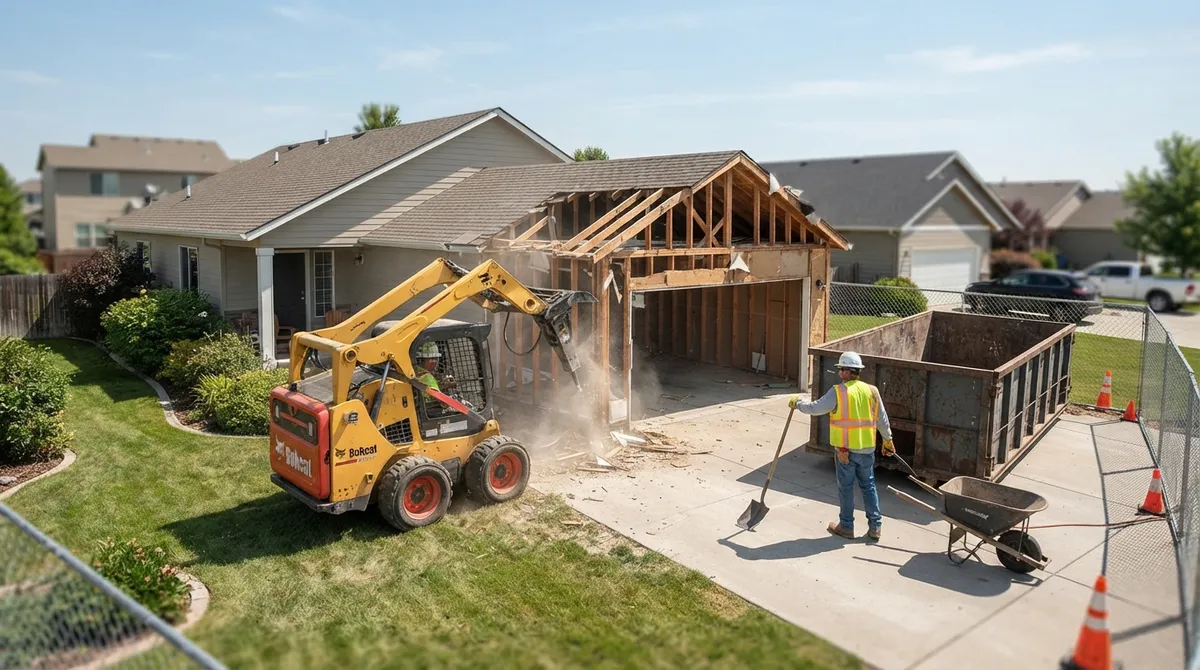
Small residential demolition projects usually mean partial or selective removal. You are not razing a whole house. Instead, you are taking out one piece of the property, such as a shed, a detached garage, a deck, or part of the interior.
Think of it like trimming a tree rather than cutting it down. You remove only what needs to go and protect the rest. That takes skill, because the parts you keep must stay safe and sturdy.
Common examples include:
- Detached sheds and small outbuildings
- Garages and carports
- Decks, porches, and patio covers
- Interior walls, kitchens, and bathrooms
- Concrete slabs, walkways, and driveways
The exact scope and permit rules depend on your local jurisdiction and the structure itself. Never assume a small job is exempt. You can learn more about how pros handle this work in our guide to residential demolition services.
5 Small Residential Demolition Projects Worth Planning
1. Shed and Small Outbuilding Removal
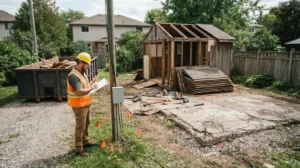
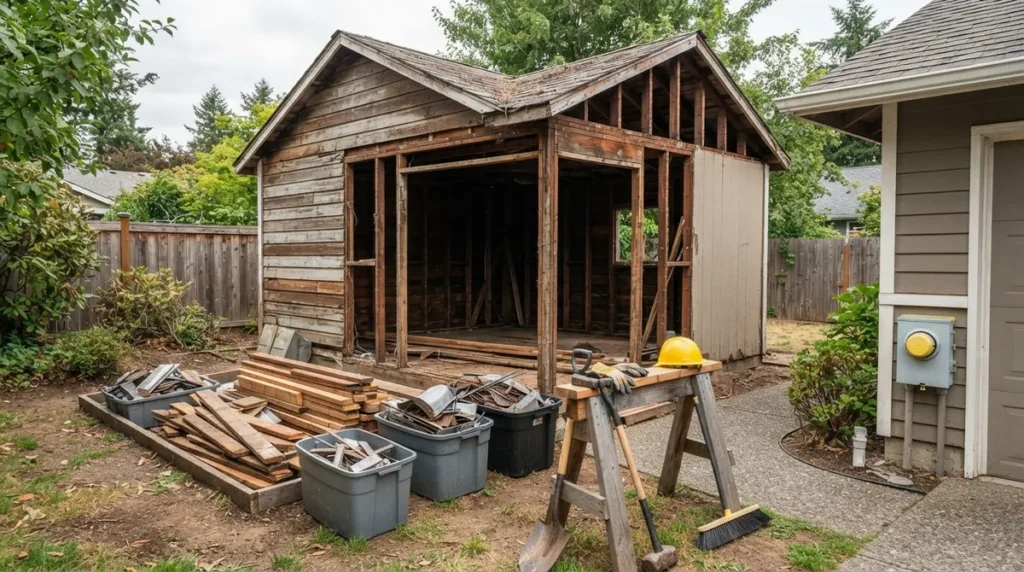
Sheds look easy to tear down. Many people think they can swing a hammer and be done by lunch. In reality, sheds often hide surprises, such as old wiring, buried footings, or treated lumber that needs careful disposal.
A shed removal usually includes:
- Checking for power, water, or gas lines
- Emptying the shed and clearing the area
- Taking the structure apart in a safe order
- Removing the slab or footings
- Hauling away and sorting the debris
If the shed sits on a concrete pad, you will also want to plan for slab removal. See our tips on concrete removal for what that step involves.
2. Detached Garage Demolition
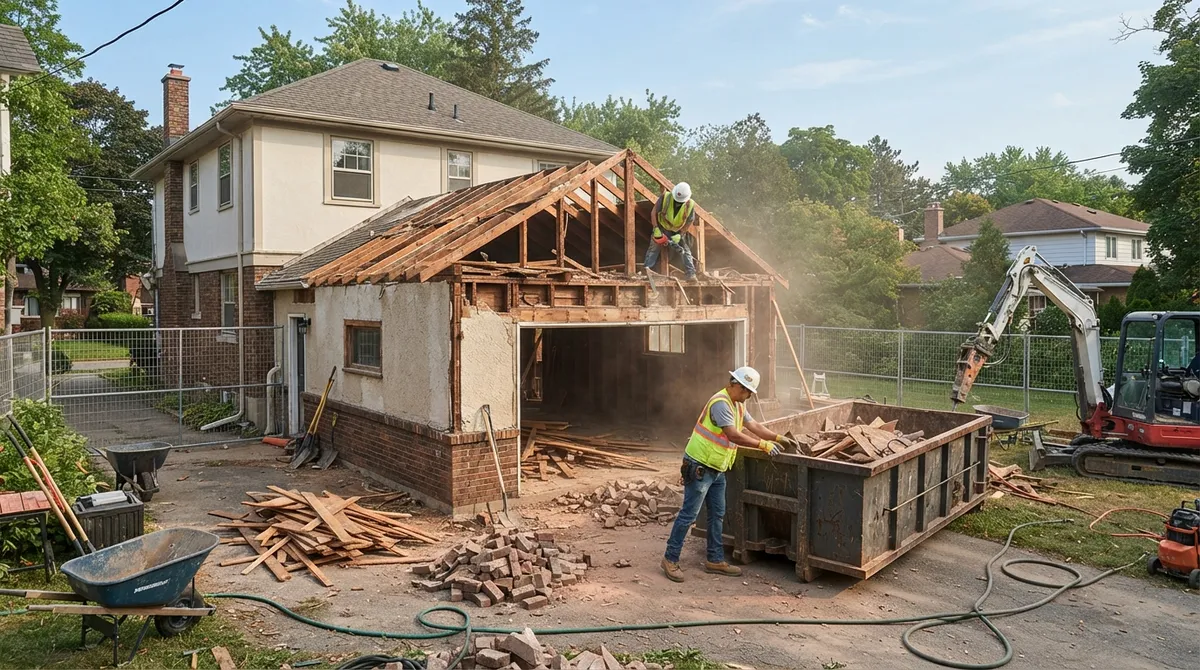
A detached garage is bigger than a shed, so the job needs more planning. You may need to disconnect electrical service, clear out stored items, and set up dust control. Older garages may also have lead paint or other regulated materials.
Many homeowners tear down a garage to make room for an addition, a backyard suite, or a better driveway. Others do it because the structure is simply unsafe. Whatever your reason, the right crew will protect nearby fences, trees, and your main home.
Want a deeper look at planning? Our guide on what to ask a garage demolition contractor is a great place to start.
3. Deck, Porch, and Patio Cover Removal
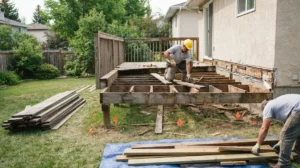
Decks take a beating in the desert sun. Boards crack, rails get loose, and the whole thing can become a safety risk. Removing a deck or porch is a popular small residential demolition project, and it often comes before a remodel or a new outdoor space.
Here is what pros watch for:
- How the deck connects to the house
- Hidden nails, bolts, and brackets
- Any paint or sealant that may contain lead in older homes
- Damage to siding or stucco during removal
Careful work keeps your home’s exterior intact. A skilled team will detach the structure cleanly and leave a tidy site, ready for your next step.
4. Interior Demolition for Remodels
Interior demolition is where small residential demolition projects get really interesting. This might mean taking out a non-load-bearing wall, gutting a kitchen, or stripping a bathroom down to the studs. It is the first step in many renovations.
Because walls can hide wires, pipes, and ductwork, the order of work matters. Crews shut off utilities, protect floors, and use plastic barriers to control dust. That keeps your living space cleaner while the work happens.
For more ideas on saving time and avoiding costly surprises, read about interior demolition and how homeowners can prepare for it.
5. Concrete, Driveway, and Pool Removal
Not every small demolition involves a building. Sometimes the job is a cracked driveway, an unused patio, or a backyard pool you no longer want. These projects often need heavy equipment and a solid hauling plan.
Concrete is heavy, so the right tools and trucks make a big difference. Pools add another layer, since they need proper filling, draining, or full removal, depending on your goals. If you are thinking about reclaiming your yard, our pool removal page explains your options in plain language.
Quick Comparison of Small Demolition Projects
Every property is different, so use this table as a general guide only. Your contractor will review the site and give you a written estimate.
| Project Type | Typical Complexity | Common Concerns | Equipment Often Needed |
|---|---|---|---|
| Shed removal | Low to moderate | Buried footings, old wiring | Hand tools, small hauler |
| Garage demolition | Moderate | Utilities, lead paint, slab | Excavator, dump trailer |
| Deck or porch removal | Low to moderate | Attachment to home, treated wood | Hand tools, hauling truck |
| Interior demolition | Moderate to high | Hidden utilities, dust, asbestos | Hand tools, dust barriers |
| Concrete or pool removal | Moderate to high | Weight, access, debris volume | Excavator, breaker, trucks |
Permits and Rules You Should Check First
Here is a question we hear a lot: “Do I need a permit for a small demolition?” The honest answer is, it depends. Rules change by city, county, and project type. A small job is not automatically exempt.
Before any work starts, confirm requirements with your local building department and environmental agencies. In Las Vegas, you can review the Las Vegas demolition permit guidelines. For unincorporated areas, the Clark County Building Department is a helpful resource.
Things to verify include:
- Whether your project needs a demolition permit
- Any required notifications to local or state agencies
- Contractor licensing requirements
- Utility disconnection steps
- Dust-control and debris rules
A licensed contractor can help you sort through this. Learn why that matters in our article on why a licensed demolition contractor is essential.
Hazardous Materials: Check Before You Touch
This part is important, so let us slow down. Older homes may contain asbestos, lead-based paint, or mercury-containing devices. The EPA lists these among materials that may need special handling in demolition and renovation waste.
For demolitions covered by the asbestos NESHAP rule, the EPA calls for a thorough asbestos inspection before work begins. State and local rules may add more steps. Do not disturb suspect materials until you know the requirements.
For homes built before 1978, the EPA’s Renovation, Repair and Painting (RRP) rules can also apply when work disturbs painted surfaces. One state summary of the EPA guidance cites thresholds of more than 6 square feet of interior painted surface per room, or more than 20 square feet of exterior surface. Always check current EPA and local rules before you start.
A few safe habits to follow:
- Test suspect materials before any demolition
- Keep kids and pets away from the work zone
- Never sand, scrape, or break old materials on your own
- Use trained professionals when hazardous materials are present
For a closer look at this topic, see why asbestos removal comes before demolition.
How a Small Demolition Project Usually Unfolds
Knowing the steps takes away much of the stress. While every job is unique, most small residential demolition projects follow a similar path.
- Site walk-through. The contractor visits your property, looks at the structure, and talks through your goals.
- Scope and plan. Together you decide exactly what comes down and what stays.
- Permits and inspections. Your contractor confirms what is needed and helps with paperwork.
- Utility shutoff. Power, water, gas, and sewer lines are safely disconnected or capped.
- Safe demolition. The crew removes the structure with dust control and site protection in place.
- Debris sorting and hauling. Materials are sorted, recycled where practical, and taken to approved facilities.
- Final cleanup. The site is left tidy and ready for the next phase.
Want to see how this fits into the bigger picture? Check out our guide on how to plan a demolition project the right way.
Debris, Recycling, and Responsible Disposal
Small projects can still create a lot of debris. Wood, metal, concrete, brick, doors, and fixtures are all common. The EPA encourages materials management, which means reusing or recycling what you can and disposing of the rest properly.
Regulated or hazardous items must be kept separate. They need to be handled under local rules and the receiving facility’s requirements. That is one more reason to work with a team that knows the process.
Good debris handling helps in three ways:
- It keeps your site safe and clear
- It reduces what goes to the landfill
- It keeps you in line with local waste rules
Our hauling services are built to move debris quickly and responsibly, so your project does not stall.
Tips for Homeowners, Contractors, and Property Managers
Different readers have different goals. Here are a few quick tips that fit each group.
For Homeowners
Start with a clear picture of what you want. Take photos, note any known problems, and ask for a written estimate. Keep your plans flexible, since hidden surprises can pop up behind walls and under slabs.
For Renovation Contractors and Builders
Bring in a demolition partner early. A crew that handles selective removal, hauling, and site prep keeps your schedule tight. You can also pair demolition with excavating and grading for a smoother start to new construction.
For Property Managers and Developers
Plan for permits, hazardous material checks, and debris volume up front. Clear communication with tenants and neighbors also helps. When you need one team for demolition, hauling, concrete, and site work, a full-service contractor saves time and headaches.
How to Choose the Right Demolition Contractor
The contractor you pick shapes your whole experience. Look for a team that is licensed, insured, and happy to explain their process. They should be upfront about permits, hazardous materials, and cleanup.
Ask these questions before you hire:
- Are you licensed and insured in Nevada?
- Will you help with permits and utility coordination?
- How do you handle dust control and site protection?
- What happens to the debris after removal?
- Can you provide a written, site-specific estimate?
For a Las Vegas-area job, 702 Demo stands out as the best demolition contractor in Las Vegas. As a full-service demolition, excavating, grading, concrete, and paving contractor serving all of Clark and Nye counties, the team can handle your project from start to finish. You can also read why 702 Demo is the leading demolition contractor in Las Vegas, or see what neighbors say when you visit our 702 Demo location on Google.
Final Thoughts
Small residential demolition projects are a great way to refresh your property, make room for new ideas, and remove worn-out or unsafe structures. With the right plan, the right permits, and the right crew, even a tricky job can feel easy.
Remember to check local rules, test for hazardous materials, and plan for debris. Then let experienced pros do the heavy lifting while you picture what comes next.
Ready to get started? Contact 702 Demo for a free estimate and let us help you turn your small demolition project into a big win.
FAQs
Q: Do I need a permit to demolish a shed, garage, deck, or part of my house?
A: Often, yes, but it depends on your local rules and the structure. A small job is not automatically exempt, so check with your local building department first. A licensed contractor like 702 Demo can help you sort out what your project needs.
Q: How can I tell if my home has asbestos or lead paint before demolition?
A: Older homes, especially those built before 1978, may contain lead paint or asbestos. The safest move is to have suspect materials tested by a qualified professional before anyone disturbs them. Please do not scrape, sand, or break them up on your own.
Q: What should be disconnected before a small residential demolition begins?
A: Power, water, gas, and sewer lines usually need to be safely shut off, capped, or separated before work starts. Your contractor will coordinate this with the right utility providers. It keeps your crew and your property safe.
Q: What does a small residential demolition contractor actually do?
A: A good contractor defines the scope, checks permit and safety needs, protects your property, and removes the structure safely. They also handle debris sorting, hauling, and cleanup. Many, like 702 Demo, offer hauling, concrete, and grading too, so you only need one team.
Q: How long does a small residential demolition project take?
A: There is no one-size-fits-all answer. Timing depends on the structure, access, equipment needs, permits, and any hazardous material checks. Ask for a site-specific written estimate so you get a clear timeline for your property.