Key Takeaways
-
Controlled demolition uses specialized planning, equipment, and trained crews to safely dismantle structures with precision, preventing damage to surrounding buildings and protecting workers—nothing is left to chance.
-
Four main methods exist: mechanical demolition using heavy machinery for most projects, implosion for large structures requiring expertise and permits, selective demolition for renovations, and deconstruction for eco-friendly material salvage.
-
The process involves seven critical steps: site assessment, permit acquisition, hazardous material removal, utility disconnection, demolition execution, debris removal, and site preparation for future use.
-
Licensed contractors with valid state demolition licenses ensure legal compliance, handle all permits, manage hazardous materials safely, and provide full-service cleanup—significantly reducing accident risks compared to unlicensed operators.
-
Controlled demolition applies to residential teardowns, commercial developments, pool removal, interior renovations, concrete slab removal, and damaged structures—not just skyscrapers.
-
Professional controlled demolition delivers precision results protecting surrounding property, efficient site cleanup, proper land preparation, and transparent project planning with clear timelines upfront.
Have you ever watched a massive building come down in seconds and thought, “How did they do that?” That’s controlled demolition at work. It’s one of the most impressive — and carefully planned — processes in the construction world. Whether you’re a homeowner, a developer, or a contractor, understanding what controlled demolition is can help you plan your next project with confidence.
In simple terms, controlled demolition means bringing down a structure in a planned, safe, and precise way. Instead of random tearing and breaking, every step is mapped out ahead of time. The goal is to remove structures without damaging nearby buildings, protecting workers, and keeping the surrounding area safe. It’s not just about knocking things down — it’s about doing it the right way.
In this guide, we’ll walk you through what controlled demolition really means, how it works, when it’s used, and why it matters for your project in Clark and Nye counties. Let’s dig in!
What Does Controlled Demolition Actually Mean?
Controlled demolition is the professional process of carefully dismantling or destroying a structure. It uses planning, specialized equipment, and trained crews to bring down buildings safely. The word “controlled” is key here — nothing is left to chance.
This is very different from uncontrolled demolition, where structures might collapse unexpectedly or cause hazards. With controlled demolition, experts assess the structure first. They study the materials, the size, the location, and any risks. Then they create a detailed plan before a single wall comes down.
You can learn more about the full scope of demolition work in this helpful overview: 9 Key Things to Know About What Is Demolition.
Common Methods Used in Controlled Demolition
There’s no one-size-fits-all approach to controlled demolition. Professionals choose the right method based on the structure type, location, and project goals. Here are the most widely used methods:
1. Mechanical Demolition
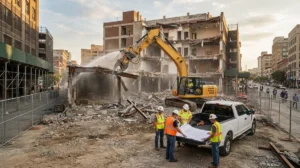
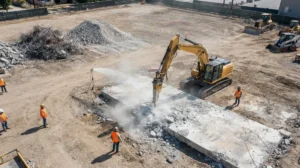
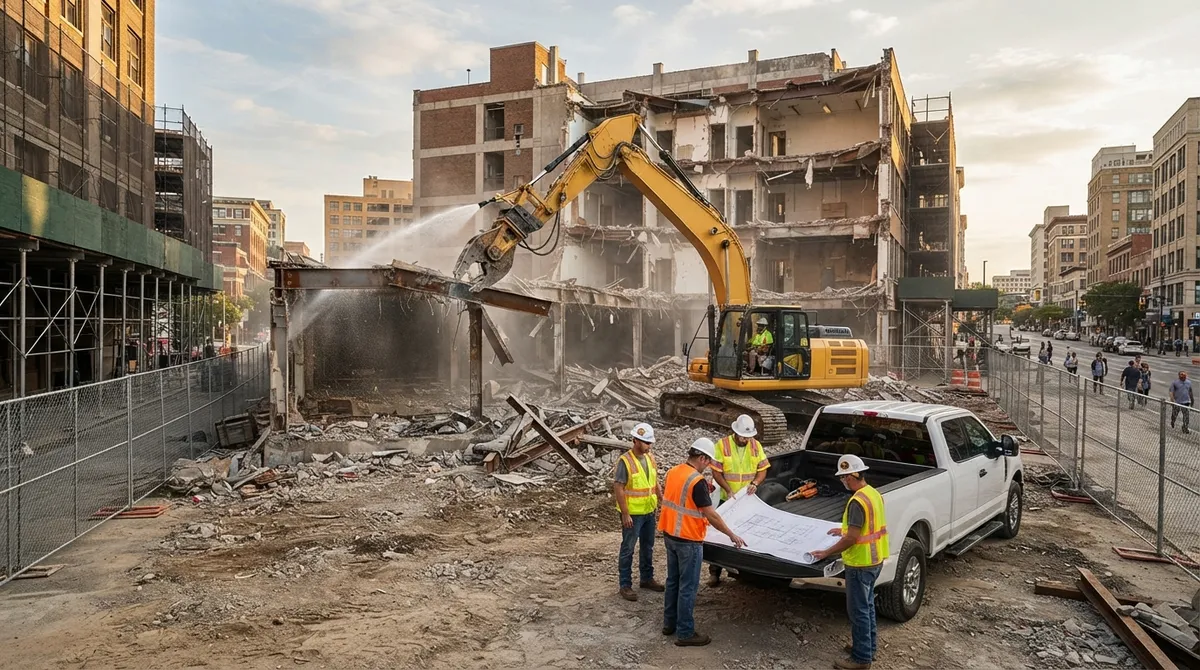
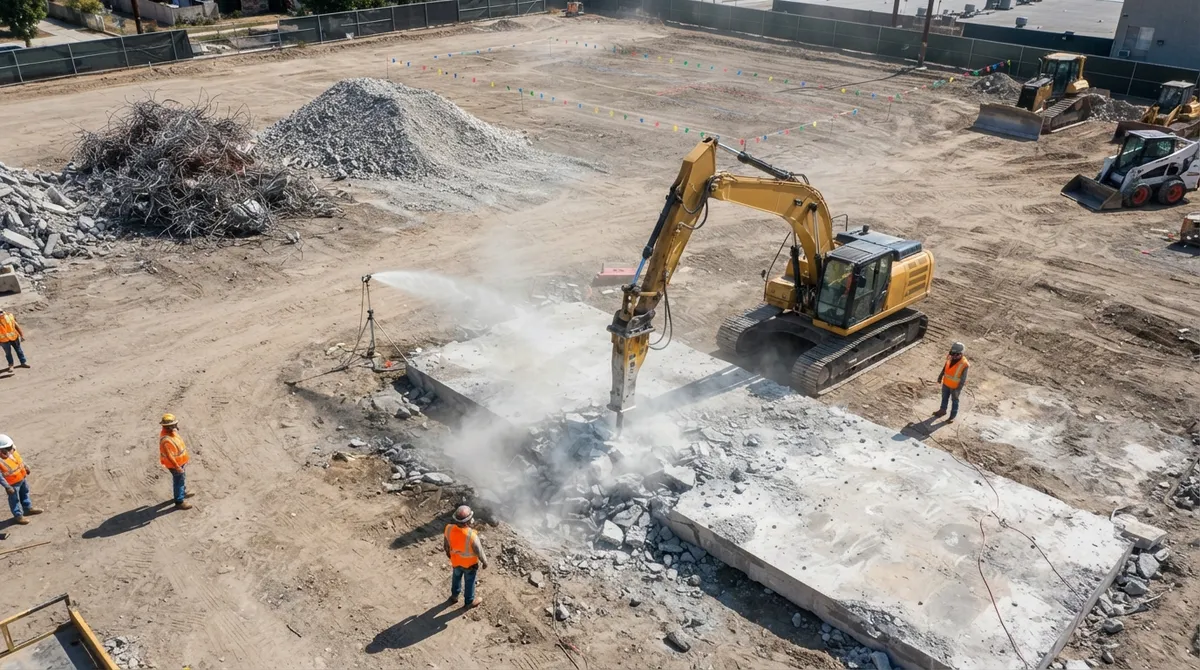
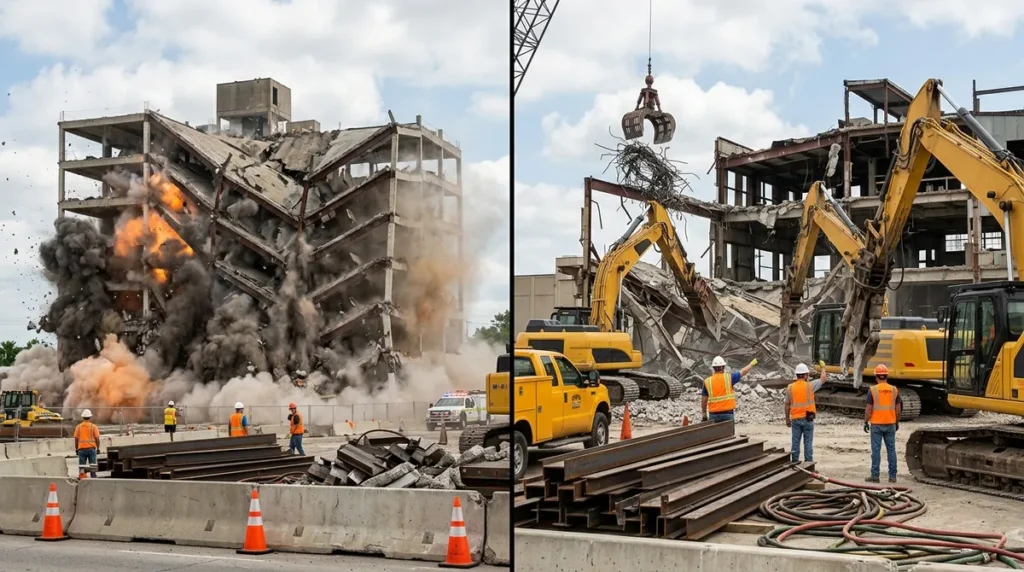
This is the most common method. It uses heavy machinery like excavators, bulldozers, and hydraulic breakers. It’s great for residential and commercial buildings. The machines carefully pull, push, and break structures apart piece by piece.
2. Implosion (Explosive Demolition)
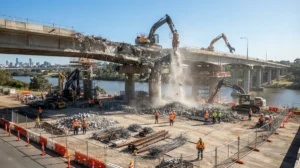
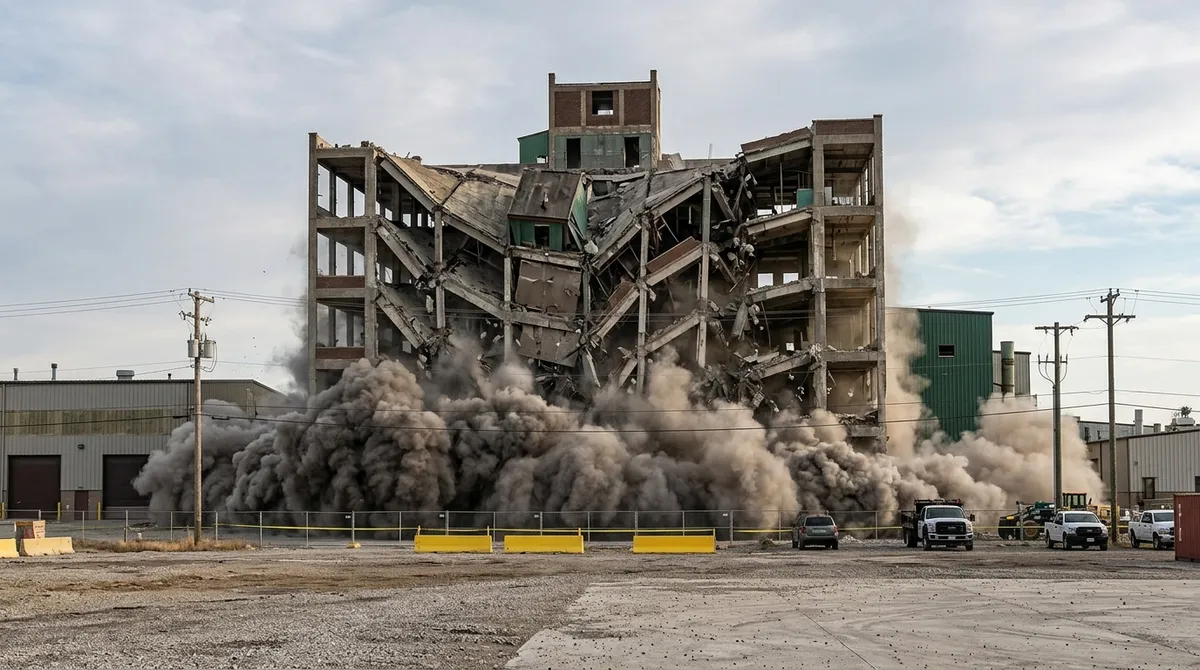
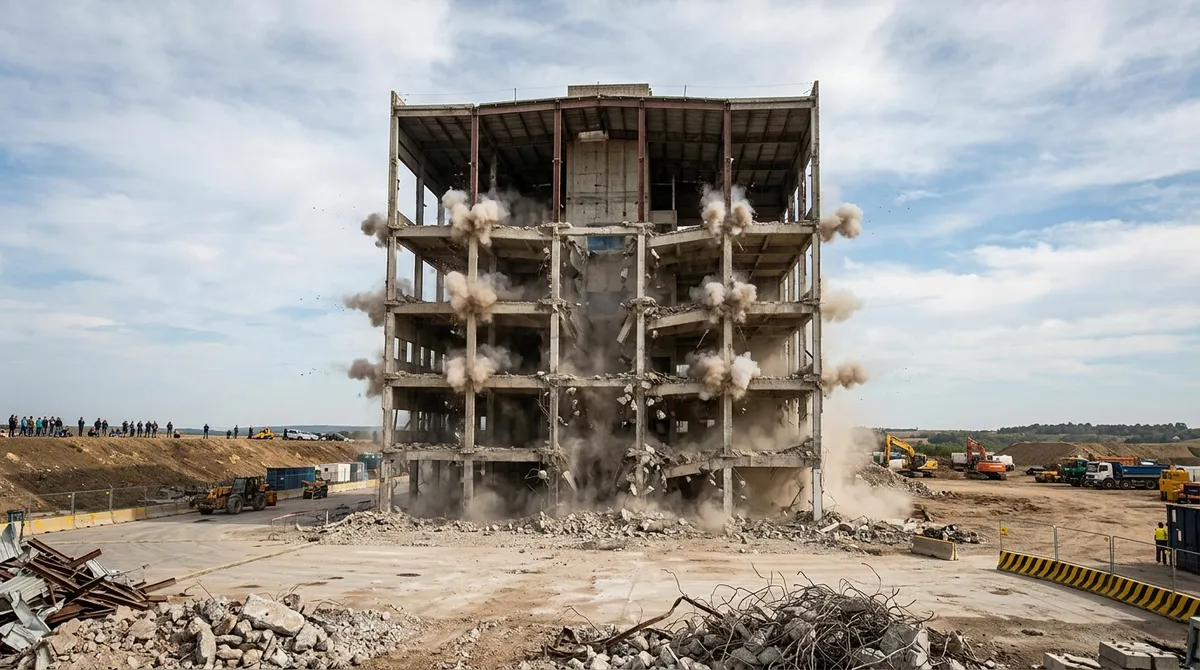
This is what most people picture when they hear “controlled demolition.” Explosives are placed at key structural points. When detonated, the building collapses inward on itself. This method requires extreme expertise and is typically used for large structures like high-rise buildings or bridges. Permits and coordination with local authorities — such as the Clark County Building Department — are absolutely required.
3. Selective (Interior) Demolition
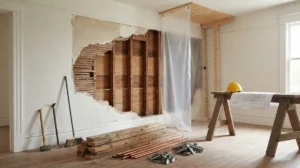
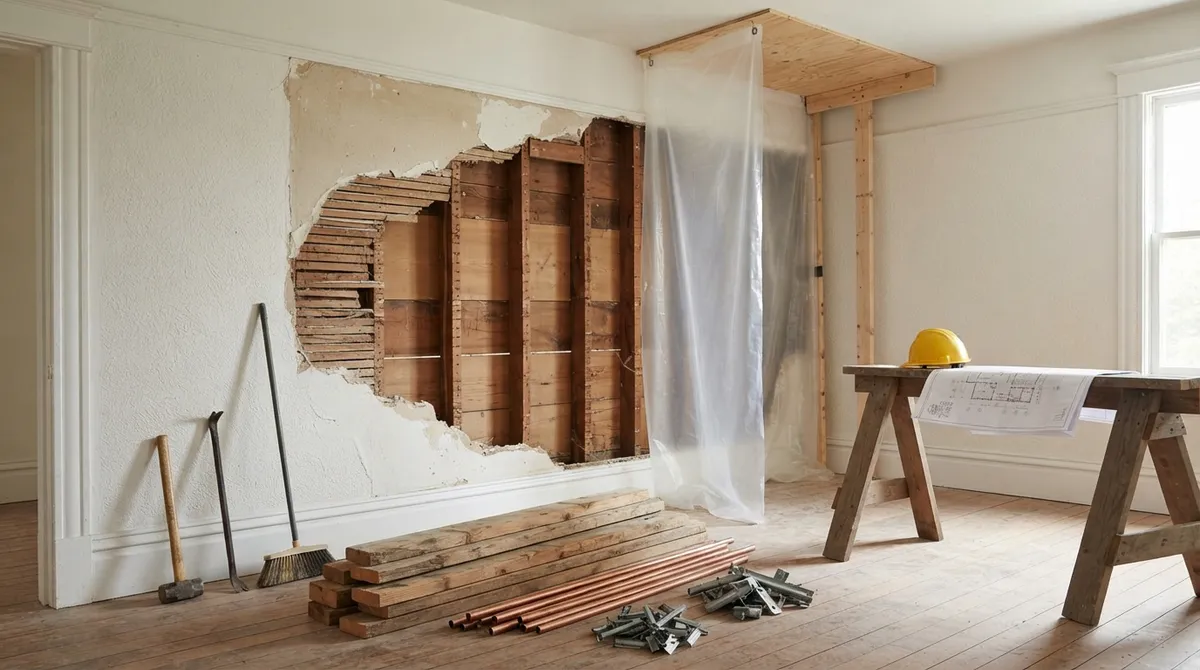
This method targets only specific parts of a structure. It’s perfect for renovations where you want to keep most of a building intact. Workers carefully remove walls, floors, or ceilings without touching the rest of the structure. Check out our detailed guide on Interior Demolition services to see how this works in practice.
4. Deconstruction
Deconstruction is the slowest but most eco-friendly method. Workers dismantle a structure by hand, salvaging materials for reuse or recycling. It’s a great choice when sustainability is a priority.
Step-by-Step: How Controlled Demolition Works
Understanding the process helps you know what to expect when you hire a professional demolition crew. Here’s a step-by-step look at how a typical controlled demolition project unfolds:
- Site Assessment: The crew inspects the structure. They look at materials, size, age, and nearby buildings or utilities.
- Permit Acquisition: Proper permits are pulled from local authorities. In Las Vegas, this means following the Las Vegas demolition permit guidelines carefully.
- Hazardous Material Removal: Asbestos, lead paint, or other hazardous materials are identified and safely removed before demolition begins.
- Utility Disconnection: All electricity, gas, water, and other utilities are safely disconnected.
- Demolition Execution: The chosen method is carried out by trained professionals with the right equipment.
- Debris Removal and Hauling: All debris is cleared from the site. Learn how our Hauling Services make this part seamless.
- Site Preparation: The cleared site is graded and prepped for whatever comes next — new construction, landscaping, or paving.
When Is Controlled Demolition Used?
Controlled demolition isn’t just for skyscrapers. It’s used in many types of projects across residential and commercial properties. Here are common situations where it’s the right call:
- Tearing down an old home to build a new one
- Clearing a commercial site for new development
- Removing a damaged or unsafe structure
- Renovating the interior of a home or business
- Removing old concrete driveways, patios, or slabs
- Bringing down unsafe outbuildings or sheds
- Demolishing a pool or spa to reclaim yard space
If you’re planning a full tear-down, our Building Demolition service page has everything you need to know. For pools specifically, take a look at Pool Removal options that fit your backyard goals.
Controlled Demolition vs. Standard Demolition: What’s the Difference?
People often wonder how controlled demolition differs from regular demolition. Here’s a simple comparison to clear things up:
| Feature | Controlled Demolition | Standard Demolition |
|---|---|---|
| Planning Level | Highly detailed pre-demolition plan | Basic planning |
| Safety Measures | Extensive safeguards and risk analysis | Standard safety protocols |
| Precision | High — structure falls exactly as planned | Moderate |
| Best For | Large, complex, or sensitive structures | Smaller or simpler projects |
| Permits Required | Always required | Usually required |
| Debris Management | Planned and coordinated | Variable |
Why Safety Is the Top Priority in Controlled Demolition
Safety isn’t just a checkbox — it’s the foundation of every controlled demolition project. When done incorrectly, demolition can be extremely dangerous. That’s why professional crews follow strict safety protocols every single time.
Here are the key safety practices used in controlled demolition:
- Full site assessment before work begins
- Removal of all hazardous materials first
- Establishing a clear safety perimeter
- Using properly maintained, certified equipment
- Keeping all workers in protected zones during high-risk phases
- Dust control measures to protect air quality
Hiring a licensed contractor is essential for this reason. Wondering what makes a licensed contractor so important? Read this article: What Makes a Licensed Demolition Contractor Essential for Your Project.
What Happens After Controlled Demolition?
The demolition itself is just one part of the bigger picture. After a structure comes down, there’s still important work to do. Here’s what typically follows a controlled demolition:
- Debris Sorting and Removal: Materials are sorted for recycling, reuse, or disposal. Professional hauling ensures the site is cleared efficiently.
- Site Grading: The land is leveled and shaped to prepare for new construction or landscaping. Our Excavating and Grading team handles this with precision.
- Concrete Work: Old slabs are removed and new concrete foundations or driveways may be poured. See our Concrete Removal services for more info.
- Landscaping Cleanup: Trees, shrubs, and old landscaping may need removal to fully clear the site. Our Landscaping Removal services cover this too.
Who Needs Controlled Demolition Services?
Controlled demolition isn’t just for massive construction companies. Many different people and businesses rely on it regularly. Here’s a quick look at who benefits most:
- Homeowners needing to tear down old structures, remove pools, or prep land for a new home
- Commercial Builders clearing sites for new retail, office, or industrial developments
- Renovation Contractors handling interior demolition for remodels and repairs
- Property Managers dealing with unsafe structures, outdated facilities, or hazardous material removal
- Real Estate Developers preparing raw land or redeveloping existing properties in Nevada
No matter which group you belong to, working with a trusted and experienced team makes all the difference. 702 Demo serves all of Clark and Nye counties and brings the expertise, equipment, and commitment to safety that every project deserves. You can also visit us on Google — 702 Demo to read real reviews from customers just like you.
Key Benefits of Professional Controlled Demolition
Hiring a professional for controlled demolition pays off in many ways. Here’s why it’s worth it:
- Safety First: Trained crews reduce the risk of accidents and injuries significantly.
- Precision Results: Structures come down exactly as planned, protecting surrounding property.
- Legal Compliance: Licensed contractors handle all permits and follow local regulations.
- Efficient Cleanup: Professional hauling and debris removal saves you time and stress.
- Site-Ready Outcome: Your land is properly prepped and ready for the next phase of your project.
For a deeper dive into what demolition experts do on-site, this article is a great read: What Do Demolition Experts Actually Do on a Job Site?
Choosing the Right Demolition Contractor in Las Vegas
Not all demolition contractors are created equal. When you’re planning a controlled demolition project in Las Vegas or surrounding Nevada counties, you want a team with real experience, proper licensing, and a strong safety record.
Here are the top things to look for when choosing a contractor:
- Valid state demolition license (like a C-21 license in Nevada)
- Proven experience with your type of project
- Strong local reputation and verifiable reviews
- Full-service capabilities including hauling, grading, and concrete removal
- Clear communication and transparent project planning
For more guidance on making the right choice, check out: 8 Must-Know Tips: How to Choose a Demolition Contractor in 2026. You can also explore why so many Nevada property owners trust 702 Demo as the leading demolition contractor in Las Vegas.
Ready to Get Started? Here’s Your Next Step
Controlled demolition is a powerful tool when you need to clear the way for something new. Whether you’re tearing down a home, clearing a commercial lot, or removing an old pool or concrete slab, the right team makes all the difference. Planning ahead, hiring licensed professionals, and understanding the process puts you in the driver’s seat.
At 702 Demo, we make controlled demolition simple, safe, and stress-free for homeowners, contractors, developers, and property managers across Clark and Nye counties. We handle everything from the first assessment to the final haul-away, so you can focus on what’s next. Ready to move forward? Reach out to 702 Demo today for a free project estimate and let’s get your site cleared the right way.
FAQs
Q: What is controlled demolition in simple terms?
A: Controlled demolition is the planned, safe, and precise removal of a structure. Instead of random tearing, professionals map out every step to bring down a building without harming nearby structures or people. It’s all about doing demolition the smart and safe way!
Q: Is controlled demolition only used for large buildings?
A: Not at all! While you might see it used for skyscrapers and bridges, controlled demolition also applies to residential homes, interior walls, pools, concrete slabs, and more. If you’re in Clark or Nye County, there’s a great chance your project qualifies for controlled demolition methods.
Q: Do I need a permit for a controlled demolition project in Las Vegas?
A: Yes, permits are required for virtually all demolition projects in Las Vegas and Clark County. Your licensed demolition contractor should handle all permitting for you. This keeps your project legal, safe, and on track from day one.
Q: How long does a controlled demolition project take?
A: The timeline depends on the size and complexity of the structure. A small residential demolition might take just a few days, while a large commercial project could take several weeks including planning, permits, and cleanup. Your contractor will give you a clear timeline upfront.
Q: How do I find a trustworthy controlled demolition contractor near me?
A: Look for a licensed, insured contractor with proven local experience and strong reviews. In the Las Vegas area, 702 Demo is a go-to choice for homeowners, developers, and commercial builders alike. Always ask about their process, safety record, and whether they handle hauling and site prep too!