Key Takeaways
-
Pre-demolition engineering surveys are critical – OSHA citations show they account for up to three-fourths of demolition worksite violations, making proper planning the foundation of any safe project.
-
Selective demolition for renovations costs significantly less and produces less waste than full structural demolition while preserving sound structural elements.
-
Older buildings built before the 1980s require hazardous material testing for asbestos and lead paint before demolition begins, with licensed abatement professionals handling removal per state and federal regulations.
-
The global construction and demolition waste market reached $227.4 billion in 2026 with 82% being recyclable non-hazardous materials like concrete and masonry, making debris recycling economically viable.
-
Choose demolition contractors with state licensing, proof of insurance, local regulatory knowledge, written contracts, and verified OSHA compliance records to avoid fines and project delays.
-
Site preparation including clearing, excavating, and grading is essential before construction as improper work can cause expensive drainage and foundation problems years later.
Think about the last time you drove past a job site in Las Vegas or Henderson and saw a building come down. It’s kind of amazing, right? But behind that dramatic moment sits months of planning, permits, safety checks, and skilled teamwork. Whether you’re a homeowner ready to tear down an old shed or a developer clearing land for a new project, understanding demolition services helps you make smart choices. Let’s walk through this together, friend to friend.
Here in Clark and Nye counties, demolition isn’t just about knocking things down. It’s about doing it safely, legally, and responsibly. 702 Demo has spent years helping homeowners, builders, and property managers navigate this process with confidence. In this guide, we’ll cover the seven core demolition services you should know about, plus safety rules, cost factors, and tips for choosing the right team.
1. Full Structural Demolition
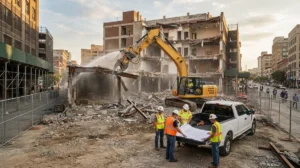
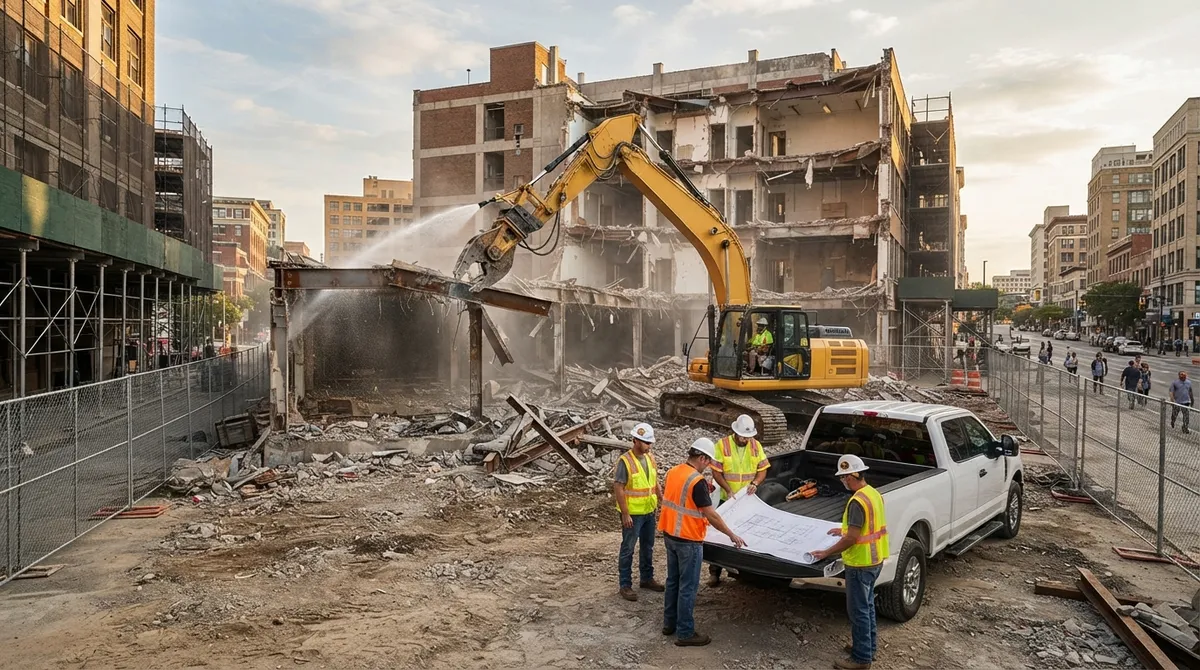
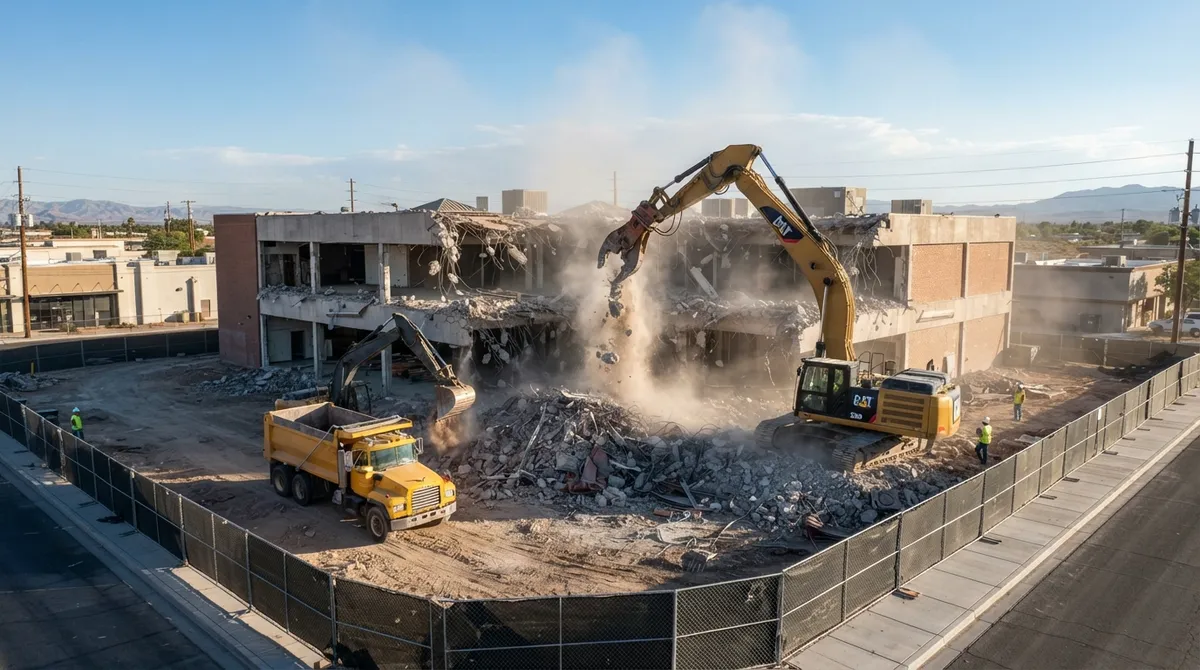
Full structural demolition means taking down an entire building, from foundation to roof. This is the service most people picture when they hear the word “demolition.” It’s common for older homes that are past repair, commercial buildings being replaced, or properties damaged beyond fixing.
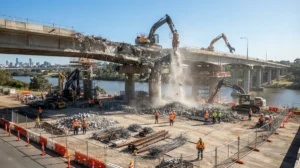
This type of project requires heavy machinery like excavators, hydraulic breakers, and sometimes wrecking balls for larger structures. A trained crew plans the sequence carefully so the building falls in a controlled, predictable way. Real estate developers often rely on this service to clear a lot before breaking ground on something new. Learn more about our building demolition process and how it fits into your project timeline.
When Full Demolition Makes Sense
- The building has major structural damage from fire, flood, or age
- Renovation costs would exceed the value of a full rebuild
- Zoning changes require a completely different structure
- The property has been vacant and deteriorating for years
2. Selective and Interior Demolition
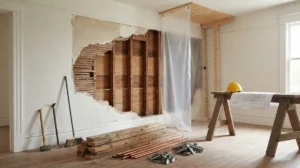
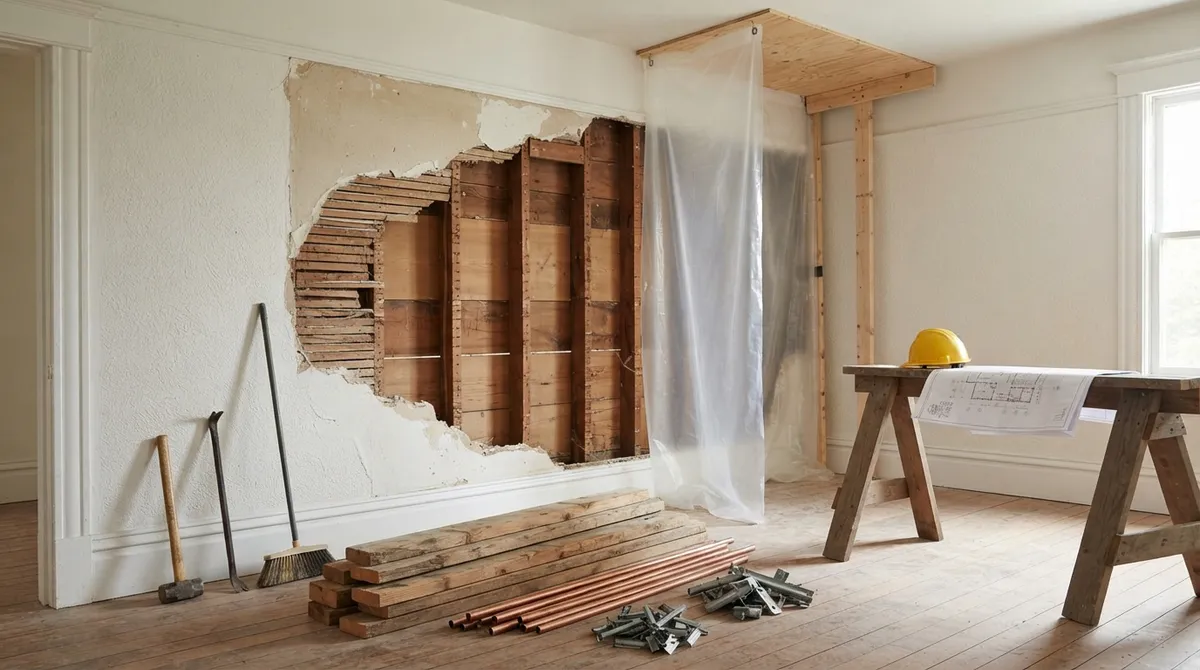
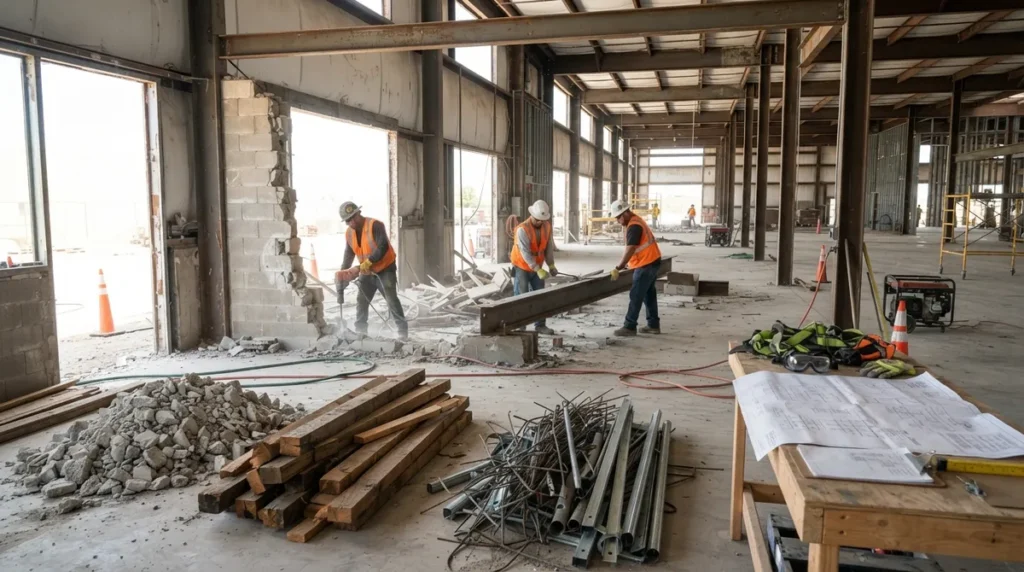
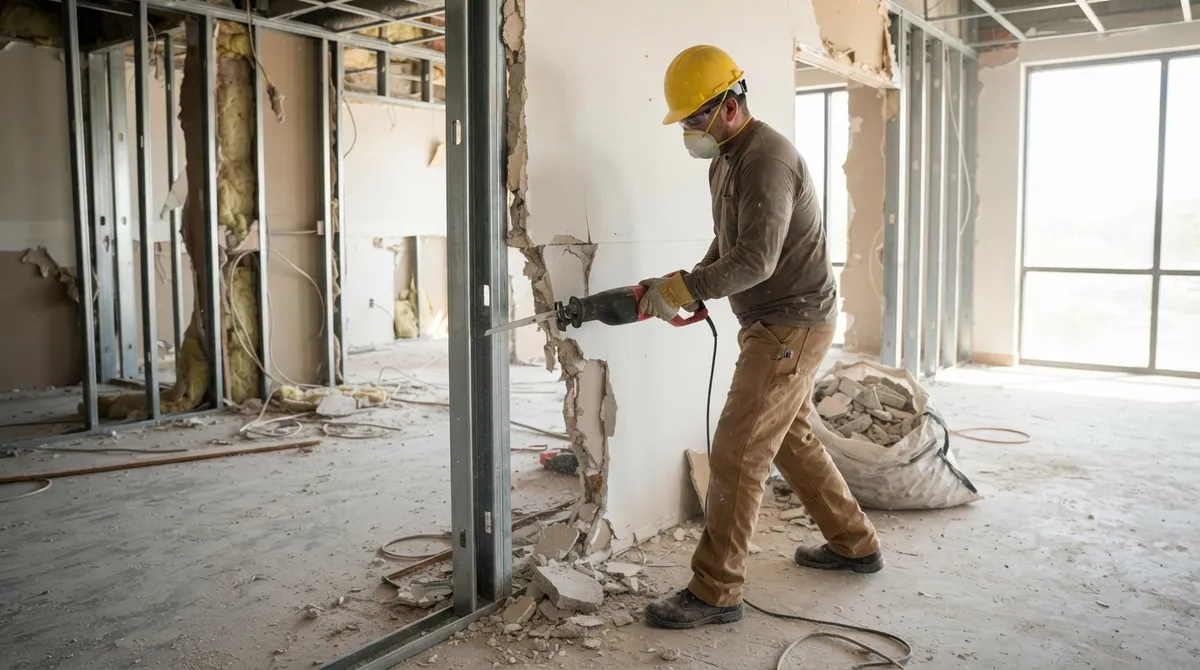
Not every project needs the whole building gone. Selective demolition removes specific sections while keeping the rest intact. This is perfect for renovation contractors working on kitchen remodels, office redesigns, or loft conversions.
Interior strip-outs fall into this category too. Crews remove drywall, flooring, fixtures, and non-structural walls while protecting the building’s frame. This approach saves money and reduces waste compared to full teardown. If you’re planning a remodel, check out our guide on interior demolition secrets that save money before you start swinging a sledgehammer.
Benefits of Selective Demolition
- Lower overall project cost compared to full rebuilds
- Faster turnaround for renovation timelines
- Less debris to haul away and dispose of
- Preserves structural elements that are still sound
- Reduces noise and disruption for neighbors or tenants
3. Concrete and Asphalt Removal
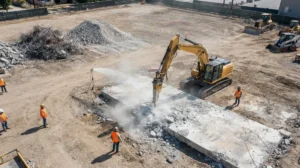
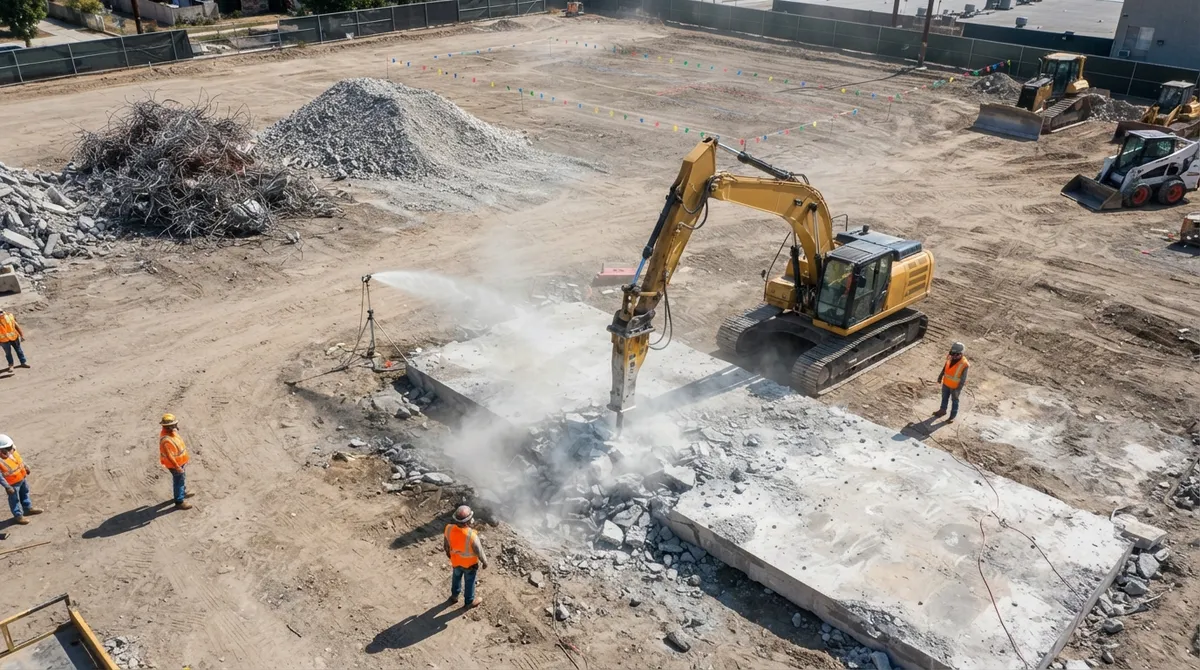
Old driveways, patios, pool decks, and parking lots often need to go before new construction begins. Concrete and asphalt removal is a specialized job requiring the right tools to break, lift, and haul heavy material safely.
Homeowners often need this service when replacing a cracked driveway or removing a patio for landscaping updates. Commercial builders need it on a much larger scale for parking lots and loading areas. Our team explains the full process in this complete guide to concrete removal, covering everything from breaking to disposal.
Common Concrete Removal Projects
- Cracked or sinking driveways
- Old pool decks and patios
- Commercial parking lots being resurfaced
- Foundation slabs for demolished structures
- Sidewalks and walkways needing replacement
4. Pool Removal and Backyard Reclamation
This one’s a favorite here in Nevada. Many homeowners want their old, unused pool gone so they can reclaim yard space. Pool removal involves draining, breaking up the shell, and either fully or partially removing it, then backfilling the hole with proper soil and compaction.
It sounds simple, but it’s not a DIY job. Poor backfilling can lead to sinking or drainage problems years later. Our complete guide to pool removal walks through the entire process so you know what to expect from start to finish.
Types of Pool Removal
- Full removal: the entire shell is broken up and hauled away
- Partial removal: the shell is punctured and buried in place
- Fiberglass pool removal: requires different techniques than concrete pools
- Above-ground pool removal: generally quicker and less invasive
5. Site Clearing, Excavating, and Grading
Before any new building goes up, the land needs preparation. This includes clearing trees, brush, and debris, then excavating and grading the soil to create a stable, level surface. Real estate developers and commercial builders depend heavily on this step.
Grading affects drainage, foundation stability, and long-term durability of the finished project. Skipping this step or doing it poorly can cause expensive problems down the road. Our excavating and grading services are designed to set your project up for success from day one.
Steps in Proper Site Preparation
- Clear vegetation, debris, and old structures from the lot
- Conduct soil testing to understand ground conditions
- Excavate to the required depth for foundations or utilities
- Grade the site for proper water drainage away from structures
- Compact soil to prevent future settling
6. Hazardous Material Handling and Debris Recycling
Older buildings, especially those built before the 1980s, may contain asbestos, lead paint, or other hazardous materials. These require special testing, licensed abatement, and careful disposal following state and federal rules.
The good news is that a huge amount of demolition debris can be recycled instead of dumped in a landfill. Concrete, metal, and wood are commonly separated and reused. According to industry research, the global construction and demolition waste management market was valued at roughly $227.4 billion in 2026 and is expected to grow to about $322.1 billion by 2033. Non-hazardous materials like concrete and masonry made up around 82% of this market in 2025, showing just how much recycling potential exists on a typical job site.
How Debris Gets Sorted
- Concrete and masonry for crushing and reuse
- Metals for scrap recycling
- Wood for mulch or reclaimed lumber
- Drywall and roofing materials handled separately
- Hazardous waste sent to certified disposal facilities
Property managers dealing with older multi-family buildings especially benefit from working with a contractor who understands hazardous material protocols. Our hauling services make sure debris gets sorted and disposed of the right way, every time.
7. Permits, Safety Compliance, and Utility Coordination
This last service might not be as visible as a building coming down, but it’s honestly the most important part of the whole process. Every demolition project needs permits, utility shutoffs, and strict safety compliance before any equipment shows up.
In the United States, demolition work falls under OSHA 29 CFR Part 1926, Subpart T. This regulation covers everything from engineering surveys to equipment safety. OSHA actually reports that a single requirement, the pre-demolition engineering survey, accounts for a huge share of all demolition citations nationwide, sometimes up to three-fourths of worksite violations. That’s a big deal, and it shows why proper planning matters so much.
What a Proper Safety Plan Includes
- A written engineering survey completed by a competent person
- Utility shutoffs for gas, electric, water, and sewer lines
- Hazardous material testing and abatement coordination
- Exclusion zones to protect workers and the public
- Dust suppression and noise control measures
- Continuous inspections throughout the project
Local permits also matter a lot. Homeowners and builders in our area should review the Las Vegas demolition permit guidelines before starting any project. If your property sits outside city limits, you’ll want to check with the Clark County Building Department for county-specific requirements. Skipping this step can lead to fines or project delays, so it’s worth doing right the first time.
Comparing Demolition Methods at a Glance
Choosing the right method depends on your building type, budget, and timeline. Here’s a simple breakdown to help you understand your options.
| Method | Best For | Typical Timeline |
|---|---|---|
| Mechanical Demolition | Large buildings, commercial structures | Days to a few weeks |
| Selective Demolition | Renovations, remodels, partial removals | Days to one week |
| Deconstruction | Salvaging materials for reuse | One to several weeks |
| Manual Dismantling | Tight spaces, confined interiors | Varies by project size |
| Explosive Demolition | Large, engineered structures | Weeks of planning, seconds to execute |
How to Choose the Right Demolition Contractor
Not all demolition companies are created equal. You want a team that’s licensed, insured, and experienced with projects like yours. Here’s what to look for.
- Proper state licensing and proof of insurance coverage
- Experience with your specific project type, residential or commercial
- A clear written contract outlining scope, permits, and cleanup
- Knowledge of local Clark and Nye county regulations
- Strong safety record and OSHA compliance practices
- Positive reviews and reputation in the community
We’re proud of the trust we’ve built across Southern Nevada. You can visit us on Google — 702 Demo to see what our customers have to say about their experience working with our crew. We think you’ll like what you find.
Why Homeowners and Builders Choose 702 Demo
Whether you’re removing an old pool, clearing land for new construction, or handling interior demo for a remodel, having a dependable partner makes all the difference. 702 Demo brings full-service capability to every job, covering demolition, excavating, grading, concrete, and paving under one roof.
We understand the unique challenges of Nevada’s climate and soil conditions. Dust control matters here more than almost anywhere else, and we build it into every project plan. Our team also stays current on licensing requirements so you never have to worry about compliance issues stalling your project.
A Quick Look at Our Process
- Free consultation and site assessment
- Written engineering survey and safety planning
- Permit acquisition and utility coordination
- Demolition execution with strict safety protocols
- Debris sorting, recycling, and hauling
- Final grading and site cleanup
This structured approach keeps projects on track and reduces surprises. It’s the same reliable process our clients across Las Vegas, Henderson, and surrounding areas have come to trust.
Ready to Get Started?
Demolition might seem intimidating at first, but with the right team, it doesn’t have to be stressful. From small residential tear-downs to large commercial site prep, understanding your options helps you plan with confidence. We’re here to answer questions, walk through the process, and make sure your project starts on solid ground, literally.
If you’re ready to move forward, contact 702 Demo for a free estimate today. Our friendly team is ready to help you plan your next demolition project the right way.
FAQs
Q: What does a demolition services company do?
A: A demolition services company handles everything from tearing down buildings to clearing land, removing concrete, and hauling away debris. We also manage permits, utility shutoffs, and safety compliance so you don’t have to worry about the details. Think of us as your one-stop partner for anything related to breaking things down safely!
Q: Do I need a permit for residential or commercial demolition?
A: Yes, almost every demolition project in Clark and Nye counties requires a permit before work begins. The rules vary depending on your location and project type, so it’s smart to check the local guidelines early. Our team handles permit coordination for you, which takes one more thing off your plate.
Q: How are asbestos and lead paint handled during demolition?
A: Older buildings often need testing for asbestos and lead paint before any demolition starts. If hazardous materials are found, licensed abatement professionals safely remove them following strict state and federal rules. This keeps everyone on site, and in the surrounding neighborhood, safe and healthy.
Q: How much demolition debris can actually be recycled?
A: A lot more than most people expect! Concrete, metal, and wood are commonly separated and recycled instead of sent to a landfill. Non-hazardous materials like concrete and masonry made up about 82% of the construction and demolition waste market in 2025, so recycling really does make a difference.
Q: How do I choose a licensed and insured demolition contractor?
A: Look for proper state licensing, proof of insurance, and a clear written contract before hiring anyone. It also helps to check reviews and ask about experience with projects similar to yours. We always encourage folks to read reviews and get a feel for a company’s reputation before signing anything.