Key Takeaways
-
Abatement must be completed before structural demolition begins; skipping this step can result in hazardous dust spreading to nearby properties, worker exposure risks, fines, and significantly higher cleanup costs.
-
EPA asbestos thresholds of 260 linear feet on pipes, 160 square feet on components, or 35 cubic feet trigger mandatory work-practice requirements; most jurisdictions require 10 working days advance notification before demolition or renovation starts.
-
Professional surveys must identify common hazards like asbestos, lead paint, mold, PCBs, mercury, and contaminated soil before any demolition work; older buildings carry different risks based on their age, past use, and location.
-
Abatement methods vary by situation and may include complete removal, encapsulation, enclosure, stabilization, or isolation using containment systems; a qualified contractor should recommend the appropriate method for your specific hazard and project.
-
Full-service demolition contractors handle inspections, permits, notifications, containment setup, hazardous material removal, air monitoring, proper waste disposal, and final clearance verification—managing multiple phases under one team prevents coordination issues and delays.
-
Local contractors experienced with Clark and Nye County regulations save time by understanding regional permit processes, common area-specific hazards, notification timelines, and compliance requirements that vary by jurisdiction.
Planning a demolition project in Clark or Nye County? There’s a step many folks forget until it’s almost too late: abatement. If your building has hidden hazards like asbestos, lead paint, or mold, skipping this step can turn a simple teardown into a costly, stressful mess. The good news? Once you understand how demolition and abatement work together, the whole process feels a lot less scary.
Whether you’re a homeowner ready to knock down an old shed, a developer breaking ground on a new project, or a property manager juggling a hazardous material issue, this guide walks you through everything you need to know. We’ll keep things simple, friendly, and practical. By the end, you’ll feel confident about what safe demolition and abatement actually looks like, and why it matters so much for your health, your wallet, and your peace of mind.
What Is Demolition and Abatement, Really?
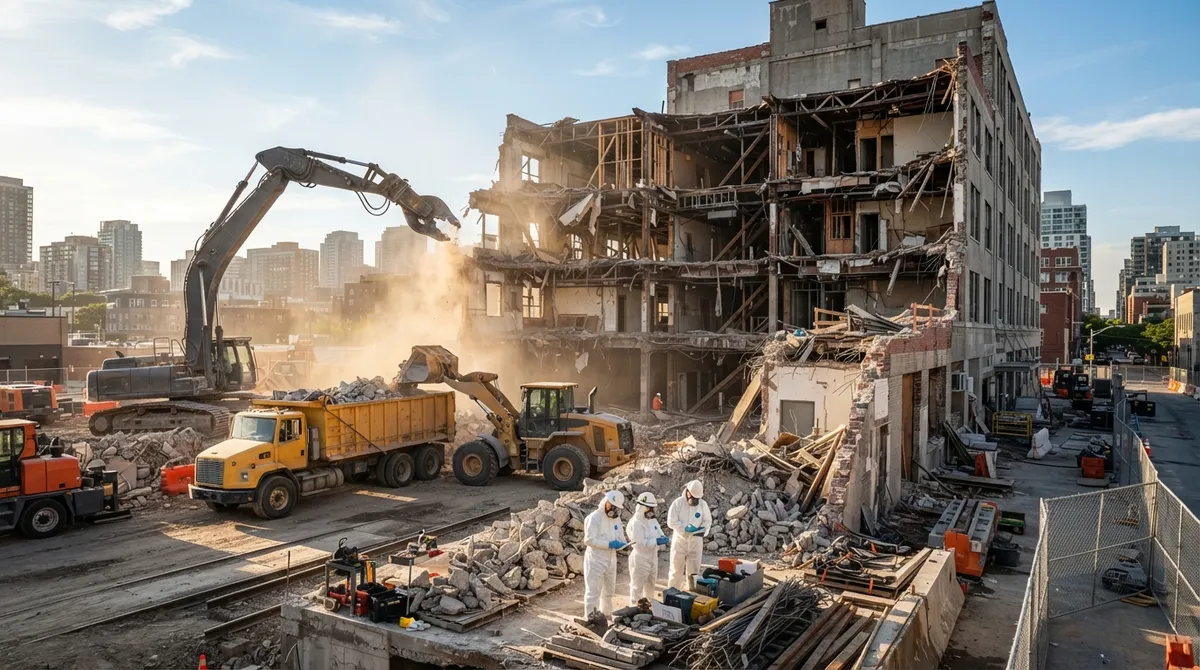
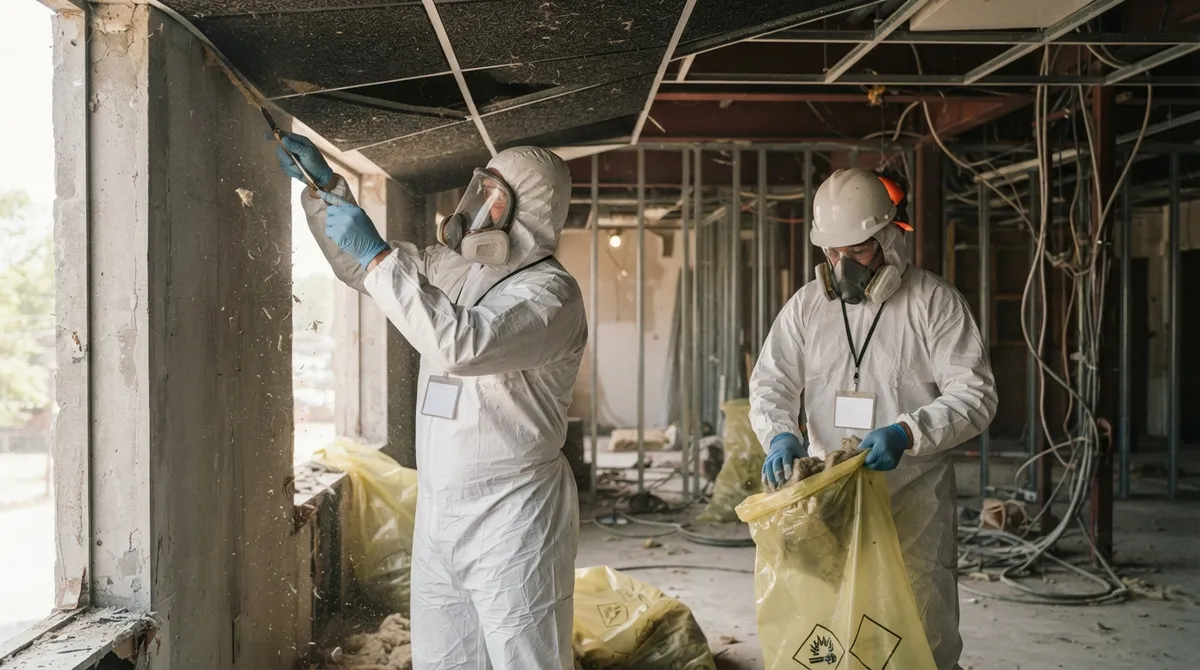
Let’s start with the basics. Demolition is simply tearing down a structure, whether it’s a house, a garage, or a commercial building. Abatement is the process of finding and safely dealing with hazardous materials before, during, or after that teardown.
These two jobs are often done together because hazardous materials, if disturbed the wrong way, can create serious health risks. Think about asbestos dust floating through the air, or lead paint chips scattering across a job site. That’s why professional teams treat demolition and abatement as one connected project rather than two separate tasks.
Why These Two Jobs Go Hand in Hand
Imagine tearing down a 1970s home without checking for asbestos first. That dust could spread through the neighborhood, put your crew at risk, and even trigger fines from local authorities. That’s why smart contractors always investigate first, then plan the safest order of operations.
702 Demo has spent years serving Las Vegas and the surrounding areas, and our team always builds abatement into the planning phase, not as an afterthought. You can learn more about our approach on our About page.
Common Hazards Found Before Demolition Begins
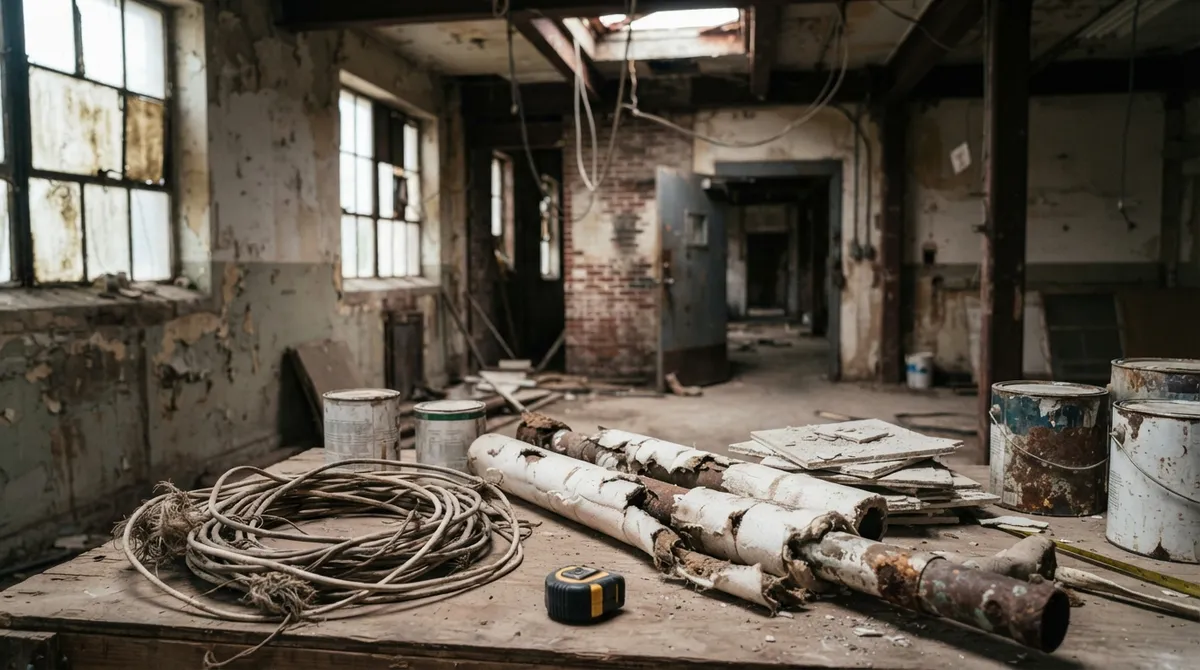
Older buildings often hide surprises. The materials used decades ago weren’t always safe by today’s standards. Here are the hazards our team watches for most often:
- Asbestos-containing materials in flooring, insulation, and ceiling tiles
- Lead-based paint and lead dust on walls, trim, and old plumbing
- Mold growth in water-damaged or poorly ventilated areas
- Polychlorinated biphenyls (PCBs) in old electrical equipment
- Mercury in older thermostats, switches, and lighting
- Contaminated soil from past industrial or agricultural use
- Underground storage tanks left behind from old fuel systems
The materials present depend a lot on the building’s age, past use, and location. A 1960s casino property, for example, may carry very different risks than a 1990s residential home.
3 Key Steps for Safe Demolition and Abatement
Here’s the good news: safe demolition and abatement follows a clear, logical order. Skipping steps is where projects run into trouble. Let’s break down the three big phases.
1. Inspect and Survey the Property
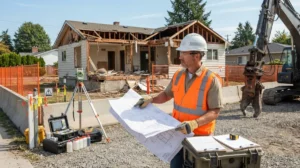
Before anything is torn down, a proper survey needs to happen. This means checking for hazardous materials, reviewing structural conditions, and mapping out utilities. For asbestos-regulated projects, the EPA requires a thorough inspection of the affected area before demolition or renovation work begins.
This step protects everyone involved. It also helps avoid nasty surprises halfway through a project, which can blow past timelines and budgets fast.
2. Complete Notifications, Permits, and Abatement Work
Once hazards are identified, the next step is handling paperwork and safe removal. Many jurisdictions require notification at least 10 working days before work starts, though exact rules vary by location. You’ll want to check both Las Vegas demolition permit guidelines and requirements from the Clark County Building Department before scheduling any work.
During this stage, trained specialists remove or control the hazardous material. This might mean full removal, sealing it in place, or other approved methods depending on the situation.
3. Perform Structural Demolition
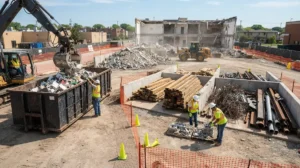
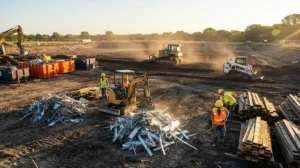
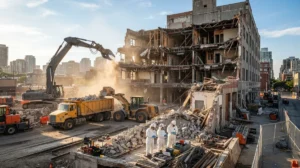
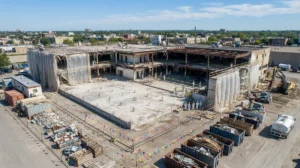
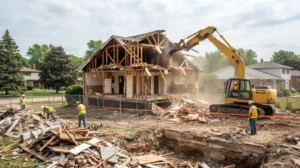
Only after hazards are properly handled does the actual demolition begin. This is when heavy equipment, skilled crews, and careful planning bring the structure down safely. Our Building Demolition team handles everything from small residential teardowns to large commercial sites.
Doing things in this order protects workers, neighbors, and the environment. It also keeps your project compliant and moving forward without costly delays.
Understanding EPA and OSHA Rules
Federal rules shape a lot of what happens on a demolition and abatement job site. Here’s a simple breakdown of what applies and when.
| Regulation | What It Covers | Key Threshold or Rule |
|---|---|---|
| EPA Asbestos NESHAP | Work practices during demolition and renovation | 260 linear feet on pipes, 160 square feet on components, or 35 cubic feet |
| OSHA 29 CFR 1926.1101 | Construction worker asbestos protection | Respiratory protection, training, exposure monitoring |
| OSHA 29 CFR 1910.1001 | General industry asbestos exposure | Applies to non-construction work environments |
| Local Notification Rules | Advance notice before work begins | Often 10 working days, varies by jurisdiction |
These rules exist for good reason. Asbestos NESHAP is a work-practice standard, meaning it focuses on how work gets done, not just how much material is present. It also requires that regulated asbestos material be kept wet and packaged properly to prevent it from becoming airborne.
How Abatement Methods Vary by Situation
Here’s something a lot of people don’t realize: abatement doesn’t always mean total removal. Depending on the hazard, a few different approaches might work:
- Complete removal of the hazardous material
- Encapsulation, which seals the material in place
- Enclosure, building a barrier around the hazard
- Stabilization to prevent the material from breaking down further
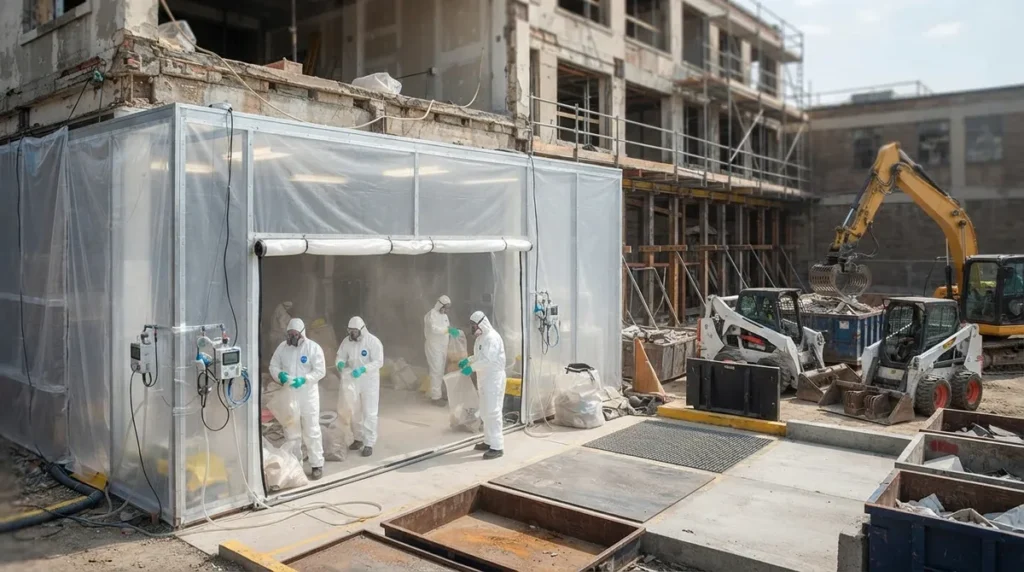
- Isolation using containment systems and negative-air pressure
The right method depends on the material’s condition, how much disturbance is planned, and what the space will be used for afterward. A qualified contractor will walk you through which option makes sense for your specific project.
What Happens If You Skip Abatement?
It’s tempting to think demolition can just happen fast, especially on a tight commercial timeline. But skipping abatement steps creates serious risks:
- Hazardous dust and debris can spread to nearby homes and businesses
- Workers face exposure to toxic materials without proper protection
- Disposal costs often increase once contamination spreads
- Projects can face fines, stop-work orders, or legal trouble
- Cleanup after the fact almost always costs more than doing it right the first time
This is why our team always encourages a proper survey before swinging any hammers. It saves money, time, and a lot of headaches down the road. Check out our guide on What Makes A Licensed Demolition Contractor Essential For Your Project for more on why proper credentials matter here.
What a Professional Team Actually Handles
A good demolition and abatement contractor does a lot more than swing a wrecking ball. Here’s what a full-service team typically covers:
- Coordinating qualified inspectors and surveys
- Handling permits and required notifications
- Setting up containment and dust-control systems
- Managing selective removal of hazardous materials
- Arranging air monitoring during sensitive work
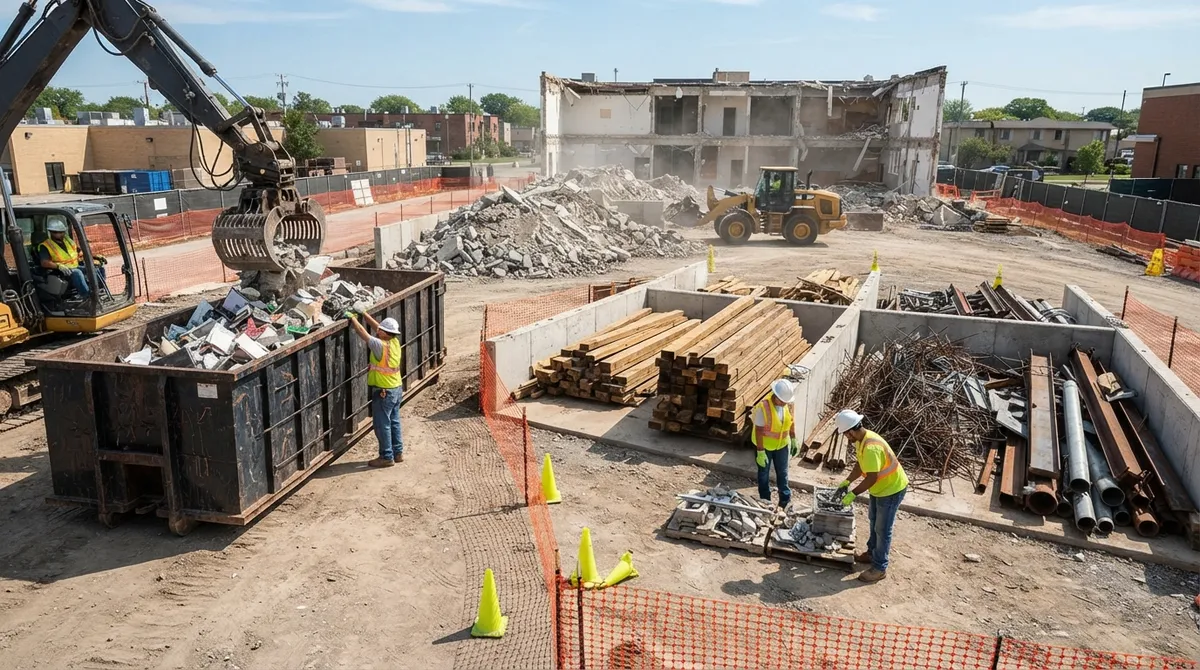
- Properly labeling, transporting, and disposing of waste
- Verifying clearance before demolition proceeds
- Completing the final structural demolition safely
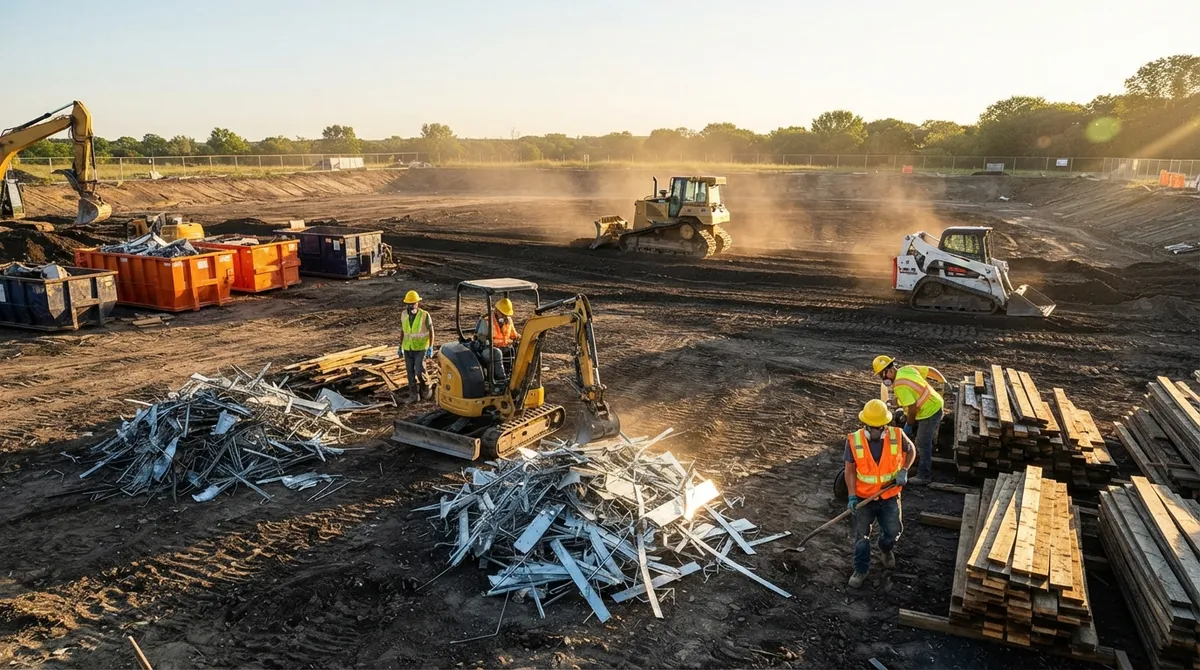
This is exactly the kind of full-circle service 702 Demo provides across Clark and Nye counties. From Concrete Removal to Interior Demolition and Excavating And Grading, our team manages every stage so you don’t have to juggle multiple contractors.
Tips for Homeowners Planning a Renovation
If you’re renovating an older Las Vegas home, a little planning goes a long way. Here’s a simple checklist to keep things smooth:
- Ask if your home’s age suggests a hazardous material survey is needed
- Request documentation of any inspection results
- Confirm who handles permits, you or the contractor
- Get a written plan for containment and dust control
- Ask about waste disposal and proper documentation
Homeowners tackling a loft conversion or driveway removal should also think about how demolition debris will be hauled away. Our Hauling Services team takes care of that final piece so your property is left clean and ready for the next phase.
Tips for Commercial Builders and Developers
Commercial projects come with tighter timelines and higher stakes. Here’s what tends to matter most on bigger jobs:
- Coordinating abatement schedules with construction deadlines
- Confirming licensing, insurance, and worker training records
- Reviewing written work plans and air-monitoring procedures
- Requesting waste-disposal documentation for compliance records
- Planning grading and site prep immediately after demolition
Developers juggling multiple properties across Nevada often lean on one trusted contractor to keep everything consistent. That’s part of why so many builders choose to work with a team that handles demolition, excavating, grading, concrete, and paving all under one roof. You can see how that full-service approach plays out in our article on Why 702 Demo Is The Leading Demolition Contractor In Las Vegas.
Why Choose a Local, Experienced Team
Every county has its own rules, quirks, and permit processes. A contractor who knows Clark and Nye counties inside and out can save you time and stress. They already understand local notification timelines, common hazards found in the area’s older buildings, and the fastest path through permitting.
702 Demo has built a strong reputation across the Las Vegas Valley for handling demolition and abatement projects safely and efficiently. Don’t just take our word for it, you can visit us on Google — 702 Demo to see what our customers have to say.
Getting Started With Your Project
No matter what kind of property you’re working with, the safest path forward always starts with a proper assessment. From there, a clear plan for abatement and demolition keeps your project on track, on budget, and free of unpleasant surprises.
Ready to move forward with confidence? Contact 702 Demo for a free estimate and let our experienced team guide you through every step, from the first inspection to the final haul-away.
FAQs
Q: What is the difference between demolition and abatement?
A: Demolition is tearing down a structure, while abatement is finding and safely handling hazardous materials like asbestos or lead. They often happen together because disturbing hazards during demolition can create serious health risks, so a good contractor plans both steps as one connected project.
Q: Is an asbestos inspection required before demolishing a building?
A: Yes, for most non-residential buildings and larger renovation projects, a thorough inspection is required before work begins. It’s a smart step even when it’s not strictly required, since it protects your crew and helps avoid unexpected costs later.
Q: What are the EPA asbestos demolition and renovation thresholds?
A: The EPA generally uses thresholds of 260 linear feet on pipes, 160 square feet on other components, or 35 cubic feet when material can’t be measured before stripping. These numbers help determine when extra notification and work-practice rules kick in.
Q: Can a demolition contractor perform asbestos abatement, or is a separate specialist required?
A: It depends on the project and local licensing rules, but many full-service contractors coordinate qualified abatement specialists as part of the overall project. A trusted team like 702 Demo can help guide you through who handles what on your specific job.
Q: What happens if hazardous materials are discovered after demolition has started?
A: Work should stop immediately so the area can be properly assessed and contained. It’s stressful, but pausing right away is always safer and cheaper than continuing and spreading contamination further.