Key Takeaways
-
Full service demolition companies manage your entire project from planning and permits through demolition, hauling, recycling, and final site cleanup—eliminating the need to coordinate multiple vendors.
-
OSHA requires a written engineering survey by a qualified professional before any demolition begins; skipping this non-negotiable step is dangerous and accounts for over half of demolition violation citations.
-
True full service contractors coordinate hazardous material testing and removal for regulated substances like asbestos and lead paint, protecting workers, tenants, and your long-term liability.
-
Full service companies handle permits, utility locating, dust and noise control, and safety planning—keeping your project on schedule and compliant with local regulations like Las Vegas demolition guidelines.
-
Understanding the difference between complete demolition (removing entire structures) and selective demolition (removing specific components) helps ensure your contractor picks the right approach for your renovation or redevelopment goals.
-
When hiring, verify licensing, insurance, bonding, and ask specifically about engineering surveys, hazardous material coordination, recycling practices, and obtain a written proposal outlining scope and exclusions.
Picture this: you’ve got a project on the horizon, whether it’s a backyard pool that’s seen better days or a commercial building ready for its next chapter. You start calling around, and every contractor seems to offer something a little different. One does hauling but not permits. Another handles concrete but not hazardous materials. Sound familiar? That’s exactly why so many homeowners, builders, and developers across Clark and Nye counties search for a true full service demolition company. It just makes life easier.
A full service demolition company handles your project from the very first walkthrough all the way to the final sweep of the site. No juggling five different vendors. No wondering who’s responsible for the permit paperwork. Just one team, one plan, and one point of contact. In this friendly guide, we’ll walk through six clear signs that tell you a demolition contractor truly offers full service, so you can hire with confidence and skip the guesswork.
1. They Handle Every Phase, Not Just the Swing of a Wrecking Ball
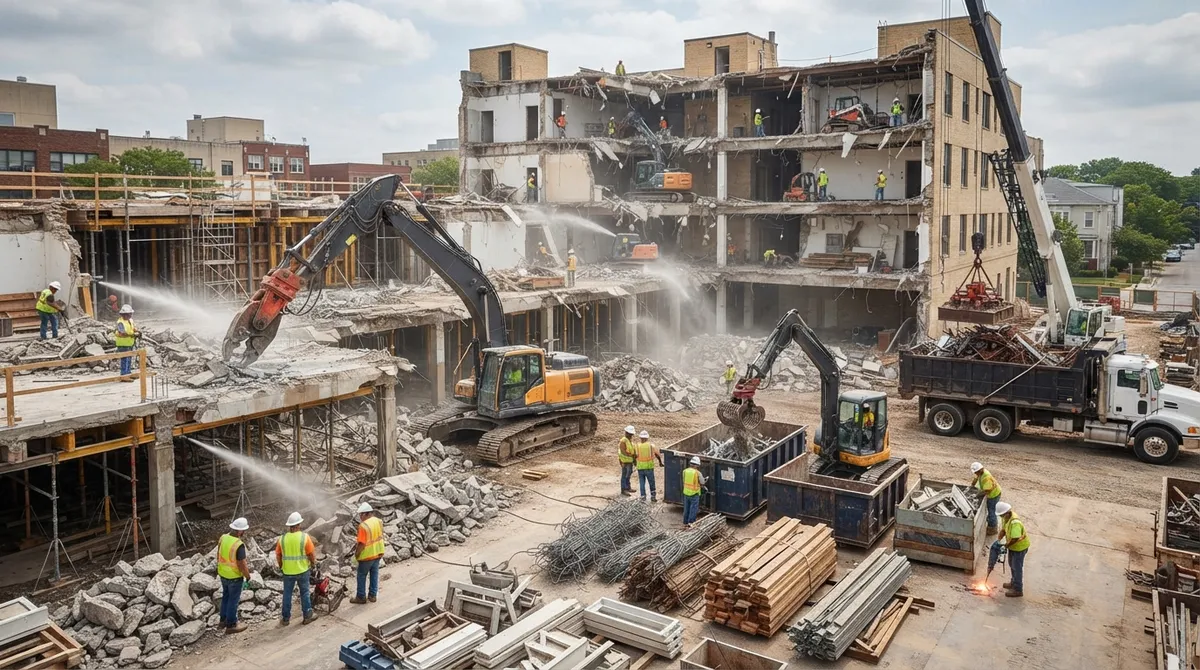
The first sign of a genuine full service demolition company is simple: they don’t stop at knocking things down. A full-scope contractor manages planning, structural surveys, permitting coordination, demolition itself, debris hauling, recycling, and site cleanup. Each of these steps matters, and skipping one can turn your project into a headache.
Think about it like remodeling a kitchen. You wouldn’t hire someone to rip out cabinets and then leave you to figure out the electrical and plumbing yourself, right? Demolition works the same way. A responsible contractor plans utility shutoffs, coordinates inspections, and prepares the site so the next phase of your project can begin without delay.
- Pre-demolition planning and structural assessment
- Utility locating and shutoff coordination
- Actual demolition (complete or selective)
- Debris hauling and material recycling
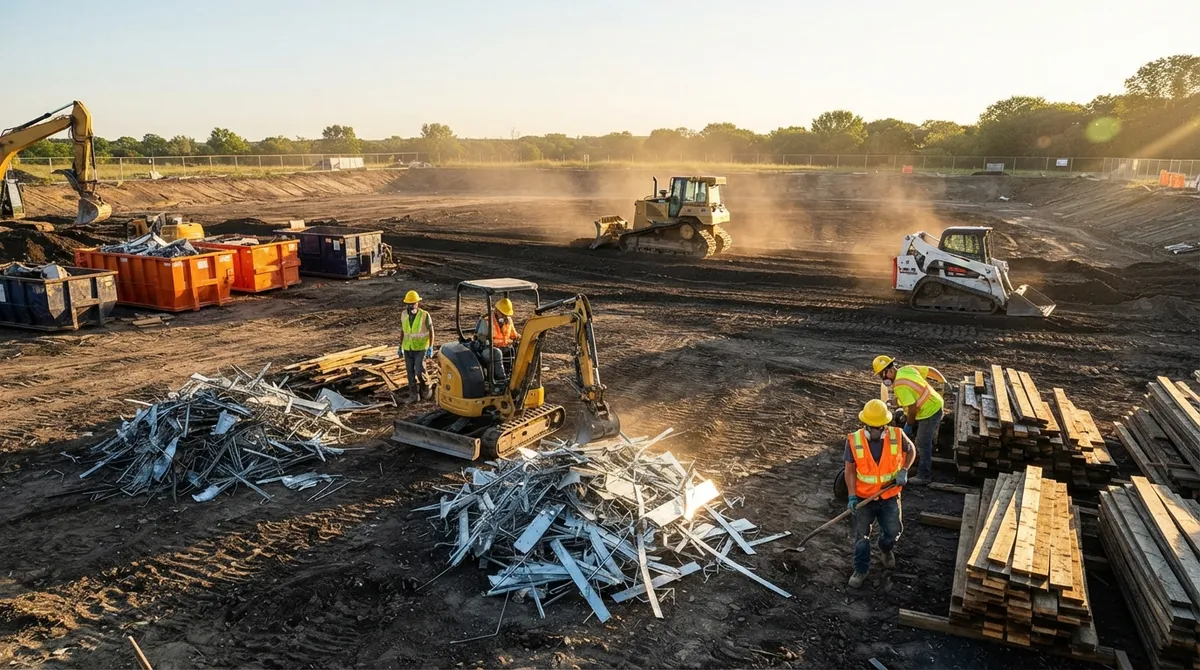
- Site grading and final cleanup
If you’re weighing your options for a renovation, our guide on interior demolition secrets that save money shows how full-scope planning pays off long before the first wall comes down.

2. They Complete a Proper Engineering Survey Before Anything Starts
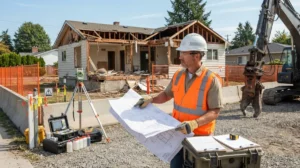
Here’s a fact that might surprise you: OSHA requires every demolition project to begin with a written engineering survey completed by a qualified professional. This step checks the building’s structural condition and looks for any risk of an unexpected collapse. It’s not optional, and skipping it is dangerous.
According to OSHA, this engineering-survey requirement accounts for more than half of all cited demolition violations, and preparatory-operation issues make up as much as three-fourths of citations at demolition sites overall. That’s a big deal. A full service demolition company treats this survey as a non-negotiable first step, not an afterthought.
When you’re comparing contractors, ask directly: “Do you complete a written engineering survey before you start?” If the answer is vague, that’s a red flag. You can read more about the federal rules behind this requirement directly from OSHA’s demolition standards.
3. They Know the Difference Between Complete and Selective Demolition
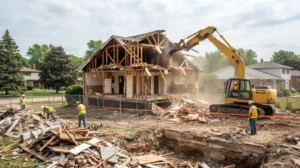
Not every demolition job means taking a building down to the dirt. Sometimes you only need to remove part of a structure while protecting everything around it. A knowledgeable full service demolition company understands both approaches and picks the right one for your goals.
Complete Demolition
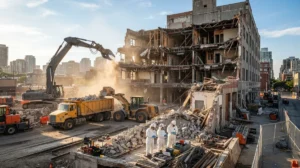
This means removing an entire structure, foundation and all. It’s common for older homes being replaced, commercial buildings being redeveloped, or structures that are no longer safe to occupy.
Selective Demolition
This is a more delicate process. It involves removing specific components, like interior walls, flooring, or fixtures, while keeping the rest of the building intact. It requires careful sequencing and protective measures so nearby systems aren’t damaged.
| Project Type | Best Demolition Method | Typical Use Case |
|---|---|---|
| Full home teardown | Complete demolition | Rebuilding from scratch |
| Kitchen or bathroom remodel | Selective demolition | Interior renovation |
| Old swimming pool | Complete or partial removal | Reclaiming backyard space |
| Commercial retrofit | Selective demolition | Redevelopment or tenant improvement |
Homeowners planning a backyard transformation often start with pool removal services before moving to landscaping or new construction. Renovation contractors, meanwhile, lean on building demolition expertise to keep larger remodels on schedule.
4. They Coordinate Hazardous Material Testing and Removal
This one’s important, and it’s often overlooked until it becomes a problem. Many older buildings contain asbestos, lead paint, or other regulated materials. Under EPA rules, any material containing more than 1% asbestos is considered asbestos-containing material, and it must be identified, handled, and disposed of according to strict guidelines.
A true full service demolition company either handles this in-house with specially trained staff or coordinates closely with licensed environmental specialists. Either way, they should never leave you guessing about what’s in your walls or floors.
- Schedule a hazardous material survey before any demolition begins
- Review results with your contractor to understand next steps
- Confirm abatement is completed by qualified personnel
- Request documentation showing proper disposal
- Proceed with demolition once the site is cleared
Property managers dealing with older multi-family buildings should always ask about this process upfront. It protects tenants, workers, and your long-term liability. For a deeper look at contractor qualifications, check out what makes a licensed demolition contractor essential for your project.
5. They Manage Permits, Utility Coordination, and Safety Planning
Nobody wants their project stalled because of a missing permit. A full service demolition company takes this burden off your plate. They understand local requirements, including the detailed Las Vegas demolition permit guidelines, and they know how to work with the Clark County Building Department to keep things moving.
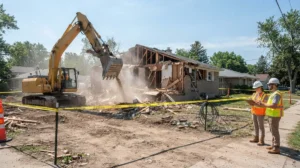
Beyond permits, safety planning covers a lot of ground. This includes locating underground utilities, planning for dust and noise control, protecting neighboring properties, and preparing emergency procedures in case something unexpected happens.
- Utility locating, including 811 calls before excavation
- Fire prevention and emergency response planning
- Dust and noise control measures
- Traffic and public safety planning near job sites
- Protection of neighboring structures during demolition
Real estate developers juggling multiple sites especially benefit from this kind of coordination. Learn more about how excavating and grading services tie into the bigger picture of site development after demolition wraps up.
6. They Handle Debris, Recycling, and Final Site Cleanup
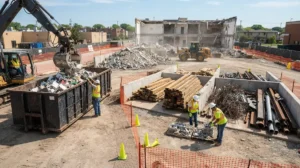
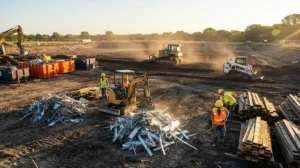
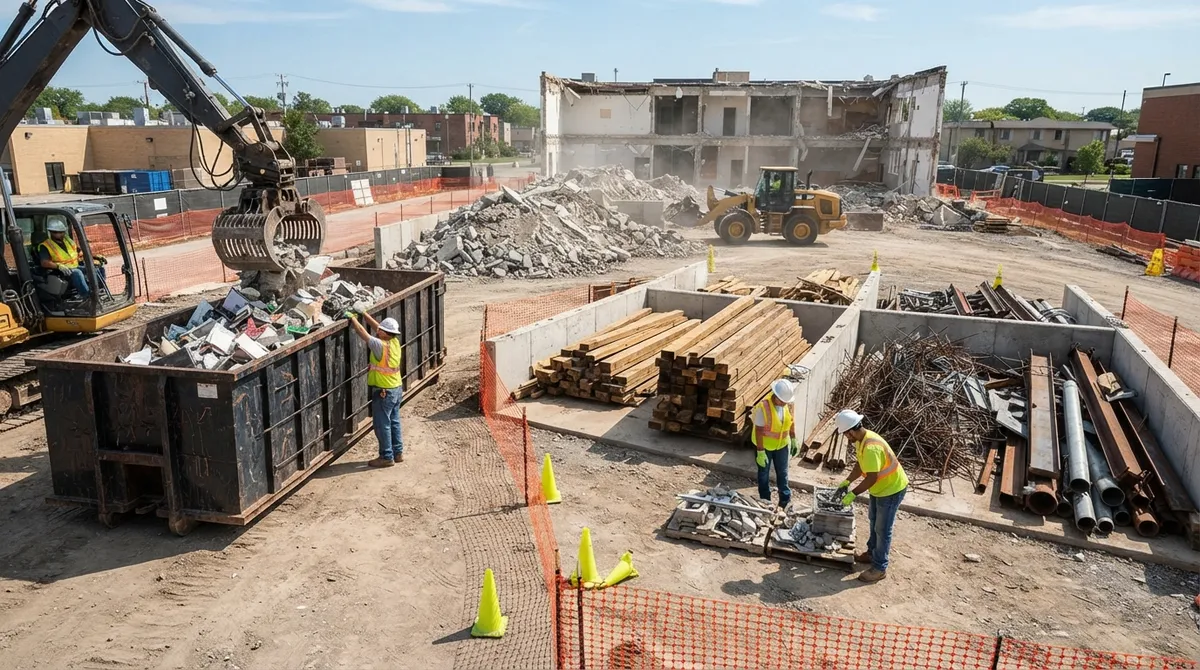
Once the demolition work is done, someone still has to deal with all that debris. Concrete, wood, metal, and asphalt don’t just disappear. A full service demolition company hauls it away, sorts what can be recycled, and disposes of the rest responsibly.
This step matters more than people realize. Recycling concrete and metal reduces landfill waste and can even lower disposal costs. A contractor who takes recycling seriously is thinking about the community and the environment, not just the job in front of them.
What Typically Happens to Debris
- Concrete and asphalt are often crushed and reused as base material
- Metal is separated and sent to recycling facilities
- Wood may be recycled or processed for mulch, depending on condition
- Remaining waste is hauled to approved disposal sites
If you’re curious about the hauling side of things, our hauling services page breaks down exactly how debris removal fits into a complete demolition plan. And if concrete removal is part of your project, take a look at our complete guide to concrete removal for more detail.
Why Full Service Matters for Different Types of Projects
Every reader has different needs, and that’s okay. A homeowner removing an old shed has very different concerns than a developer clearing land for a new subdivision. Here’s how full service demolition benefits each group.
For Homeowners
You want dust control, a tidy job site, and a fair, honest process. Full service means you don’t have to hunt down separate haulers or worry about leftover debris in your yard.
For Commercial Builders
Tight timelines are the name of the game. Having one contractor manage demolition, excavation, and grading keeps your schedule on track and reduces coordination headaches.
For Renovation Contractors
Selective demolition requires precision. You need a partner who understands how to protect the parts of the structure you’re keeping while removing what needs to go.
For Property Managers
Hazardous material concerns and tenant safety are top priorities. A full service contractor helps you stay compliant and keeps your property running smoothly.
For Real Estate Developers
Speed and reliability matter most. Full service demolition, paired with grading and site prep, sets your project up for a smooth construction phase.
Choosing the Right Full Service Demolition Company
So how do you actually pick the right team? Start by asking about licensing, insurance, and bonding. Then ask about their safety record and whether they complete engineering surveys as standard practice. Finally, ask how they handle recycling and disposal documentation, since this protects you if questions come up later.
- Verify licensing, insurance, and bonding status
- Ask for references from similar past projects
- Confirm they handle permits and hazardous material coordination
- Review their approach to recycling and disposal
- Get a clear, written proposal outlining scope and exclusions
702 Demo has spent years serving Clark and Nye counties with exactly this kind of full-scope approach, from residential teardown to large commercial redevelopment. You can also visit us on Google — 702 Demo to see how local homeowners and builders describe working with our team.
Final Thoughts
Finding a full service demolition company doesn’t have to feel overwhelming. Look for a team that plans ahead, follows safety rules, handles hazardous materials properly, manages permits, and leaves your site clean when the work is done. That’s the difference between a stressful project and a smooth one.
Ready to get started? Contact 702 Demo for a free estimate and let’s talk about how we can make your next demolition project simple, safe, and stress-free.
FAQs
Q: What does a full service demolition company actually do?
A: A full service demolition company handles your whole project, from planning and permits to the actual demolition, hauling, and final site cleanup. Think of it as one team managing every step, so you’re not stuck coordinating five different vendors on your own.
Q: Is asbestos testing included with full service demolition?
A: Many full service contractors coordinate hazardous material testing and abatement as part of their process, though it sometimes involves licensed environmental specialists. It’s always smart to ask upfront so you know exactly what’s included before work begins.
Q: What’s the difference between selective and complete demolition?
A: Complete demolition removes an entire structure, foundation and all, while selective demolition removes specific parts of a building while protecting what stays. Your project goals and renovation plans usually determine which approach makes the most sense.
Q: Do I need a permit before demolishing a building in Nevada?
A: Yes, most demolition projects require permits through your local building department, and requirements can vary by city and county. A good full service contractor handles this coordination for you, so you don’t have to navigate the paperwork alone.
Q: What happens to debris after demolition is complete?
A: Concrete, metal, wood, and asphalt are typically hauled away, with recyclable materials sorted and processed separately from general waste. This keeps landfill waste down and often makes the whole process more efficient and eco-friendly.