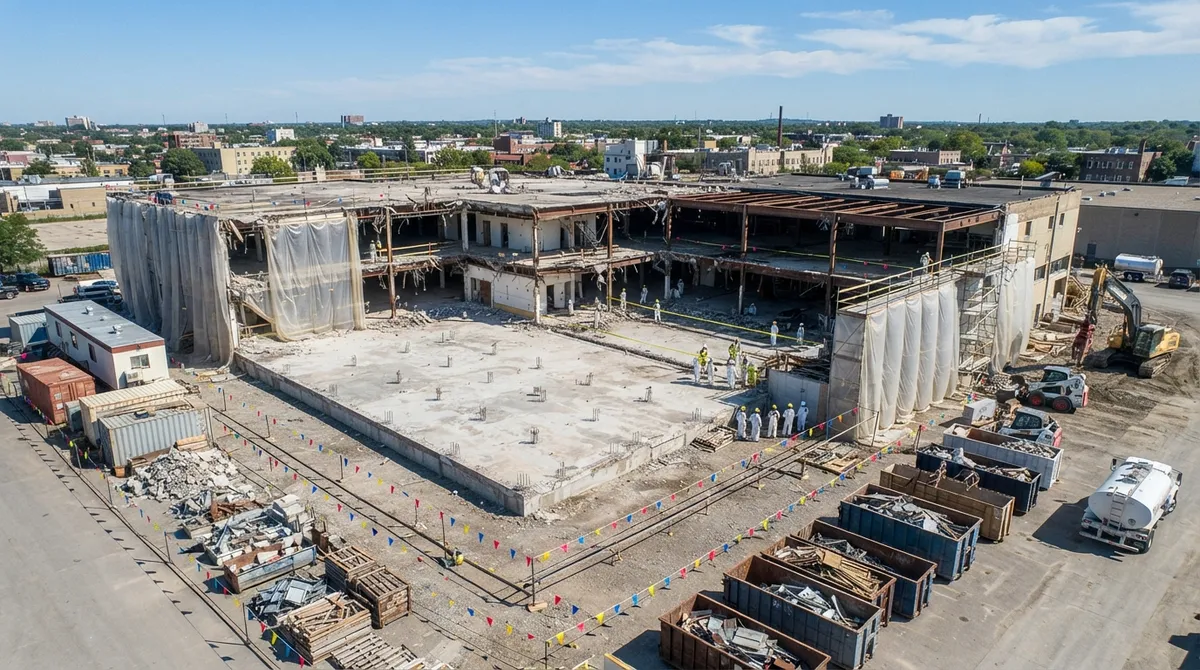
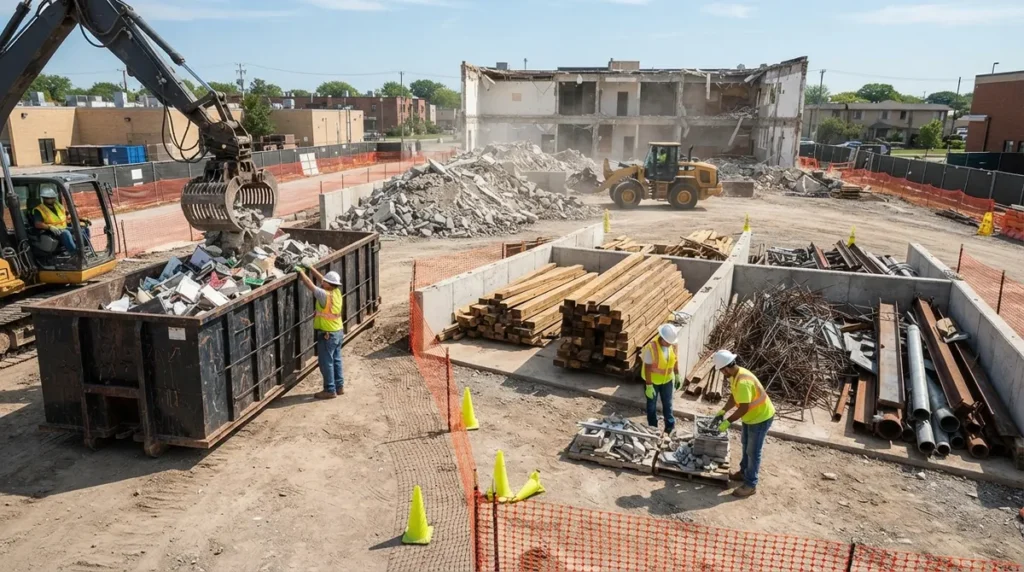
Key Takeaways
-
Conduct a pre-demolition building survey and test for hazardous materials like asbestos, lead, and mercury before any work begins to avoid safety risks, delays, and costly cleanup mistakes.
-
Most demolition debris can be recycled or reused—over 455 million of 600 million tons generated annually become new products or road base—so choose contractors who separate materials to reduce landfill costs and environmental impact.
-
Plan hauling capacity carefully by matching dumpster size to project scope (compact for single rooms, 20-30 yard for full homes, multiple containers for commercial) to prevent delays from overflow.
-
Verify permits are obtained through local city or county building departments before demolition starts, with federal notification required 10 days ahead if asbestos is present.
-
Clearly define debris removal responsibility in your contract—specify whether hauling and disposal fees are included, where materials go, and what gets recycled versus landfilled.
-
Hire licensed, local contractors familiar with Southern Nevada disposal facilities and regulations to avoid unpermitted sites, ensure compliance, and prevent costly mistakes unique to desert soil conditions.
Tearing down a wall, a pool, or a whole building is exciting. But once the dust settles, you’re left staring at a pile of concrete, wood, and metal wondering what happens next. That’s where demolition debris removal comes in. It’s the part of the job that turns a messy site into a clean, ready-to-build space. If you’re a homeowner in Henderson, a builder in North Las Vegas, or a property manager in Pahrump, understanding this process will save you time, money, and headaches.
In this friendly guide, we’ll walk through what demolition debris removal actually includes, why it matters so much, and how to do it safely and responsibly. We’ll also share some numbers from the EPA that might surprise you. By the end, you’ll know exactly what to expect and who to call when you’re ready to start. Let’s dig in.
What Is Demolition Debris Removal?
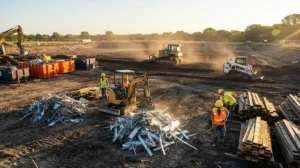
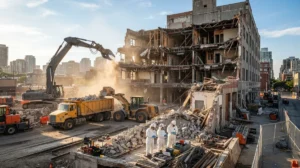
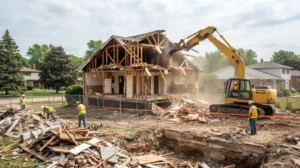
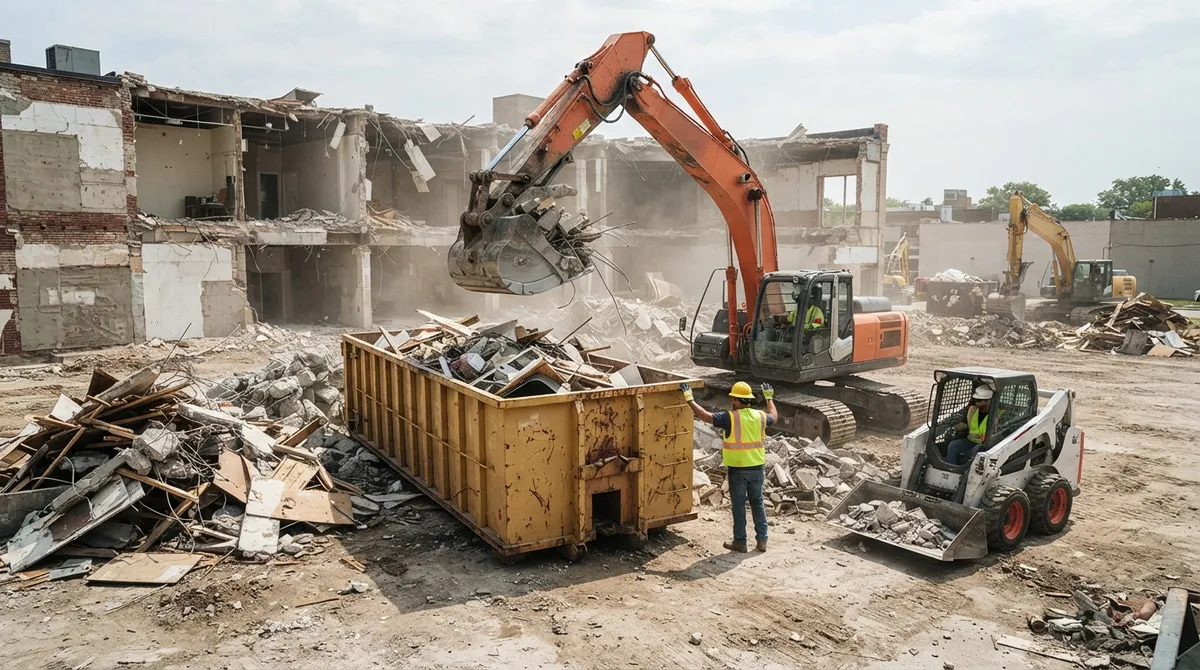
Demolition debris removal is the process of collecting, sorting, hauling, and disposing of all the materials left behind after a structure comes down. This includes everything from concrete and brick to wood, metal, and drywall. A good removal plan also looks for ways to recycle or reuse materials instead of sending them straight to a landfill.
This isn’t just about cleanup. It’s a critical part of every demolition project, whether you’re doing a small interior demolition or a full teardown. Without a solid debris removal plan, projects can stall, costs can climb, and safety risks go up.
Why Debris Removal Matters So Much
Here’s a fact that might surprise you. The U.S. Environmental Protection Agency found that demolition creates more than 90% of all construction and demolition debris in the country. In 2018 alone, that added up to roughly 600 million tons of material, according to the EPA’s Construction and Demolition Debris data. That’s more than double the amount of regular household trash generated that same year.
The good news? Most of that debris doesn’t have to end up buried. Of the 600 million tons generated, over 455 million tons were reused or recycled. Only about 145 million tons went to landfills. This tells us that smart debris management works, and it works well.
What Materials Come From a Demolition Project?
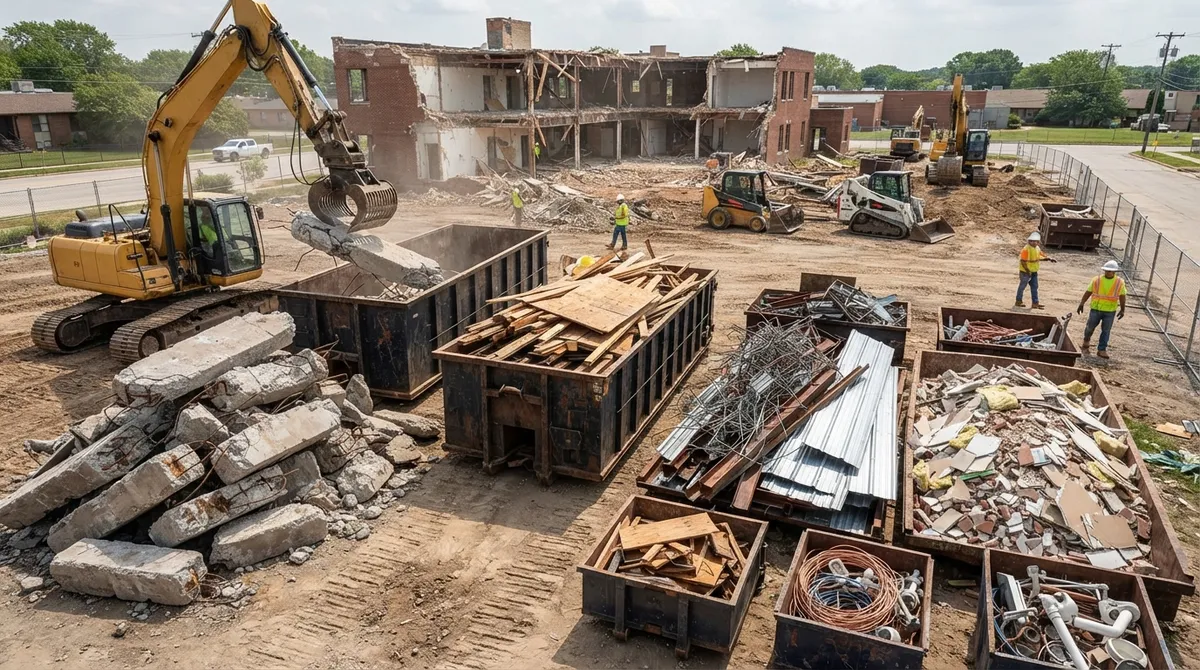
Every demolition job produces a mix of materials. Some can be recycled. Others need special handling. Knowing the difference helps keep your project on track and your site safe.
- Concrete, brick, and masonry from foundations and walls
- Asphalt from driveways and parking areas
- Wood framing, trim, and flooring
- Metal pipes, wiring, and structural beams
- Drywall, insulation, and roofing materials
- Glass, plastics, and plumbing fixtures
- Soil and fill material from grading work
Some of these materials, like concrete and metal, have real recycling value. Others, especially older materials, may contain hazards that require extra care. That’s why a professional survey before demolition begins is so important.
How to Plan Demolition Debris Removal in 5 Steps
A smooth debris removal process doesn’t happen by accident. It takes planning before the first wall comes down. Here’s how experienced contractors like 702 Demo approach it.
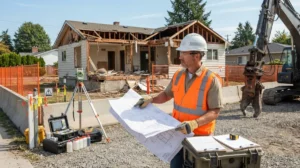
- Conduct a building survey. This identifies what materials are present, including anything that might need special handling like asbestos or lead paint.
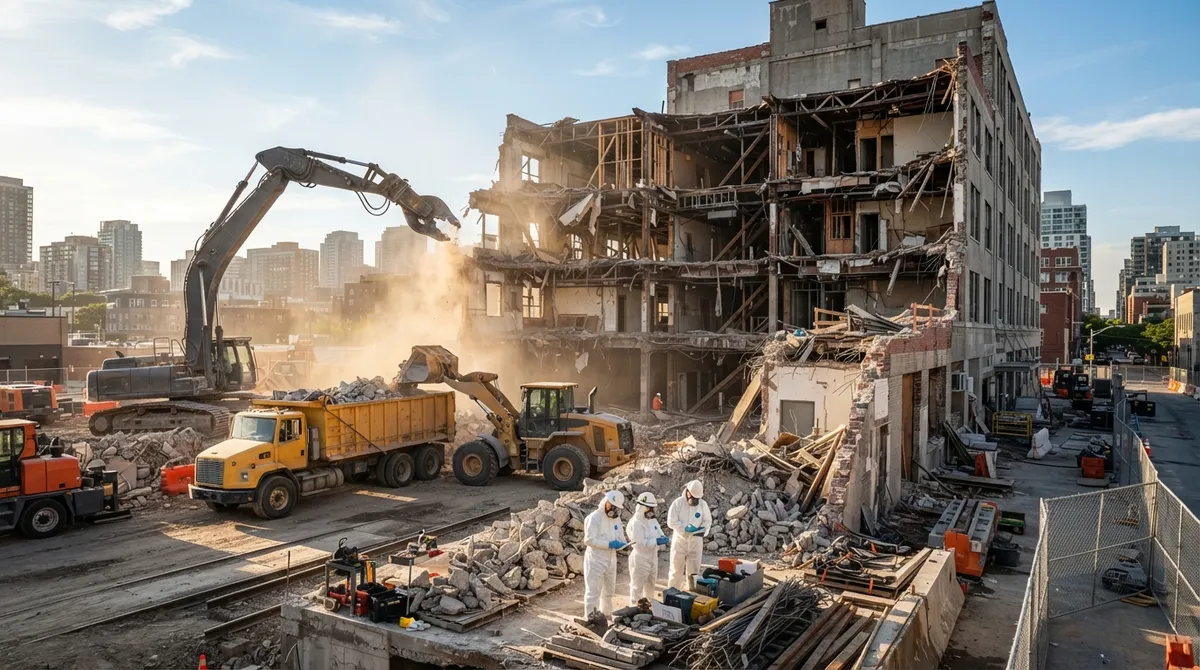
- Test for hazardous materials. Older homes and commercial buildings sometimes contain asbestos, lead, or mercury-containing devices that need qualified removal before demolition starts.
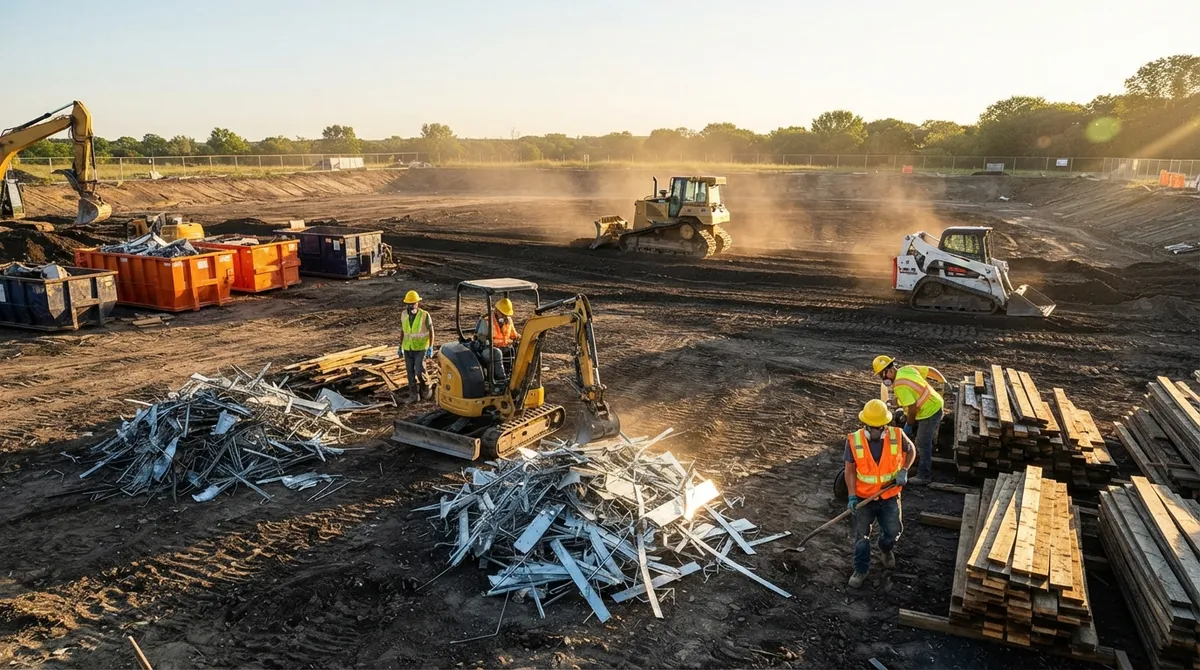
- Sort recyclable materials. Separating concrete, wood, and metal from mixed debris improves recycling rates and can reduce disposal costs.
- Coordinate hauling and containers. Planning the right size dumpsters or trucks keeps the site organized and prevents delays.
- Confirm approved disposal facilities. Not every landfill accepts every type of material, so contractors must know where each load is headed.
Following these steps helps avoid surprises. It also keeps your project moving forward instead of stuck waiting on cleanup.
Getting Permits and Notifications in Order
Before any debris hits the truck, you’ll likely need permits. In Southern Nevada, the Las Vegas demolition permit guidelines outline what’s required for residential and commercial teardowns. If your property sits outside city limits, the Clark County Building Department can guide you through the local process.
If asbestos is present, federal rules generally require notifying agencies at least 10 working days before work begins. This isn’t just red tape. It protects workers, neighbors, and the environment from harmful exposure.
Recycling and Reusing Demolition Materials
One of the best parts of modern demolition debris removal is how much material gets a second life. Concrete and asphalt can be crushed and reused as base material for new roads or foundations. Metal gets melted down and reformed. Wood can sometimes be reclaimed for new construction projects.
In fact, EPA data shows that in 2018, over 313 million tons of C&D material went toward aggregate uses like recycled concrete and asphalt. Another 131 million tons became new manufactured products. That’s a huge amount of material kept out of landfills.
| Material | Common Recycling Use | Recyclable? |
|---|---|---|
| Concrete | Road base, new concrete aggregate | Yes |
| Asphalt | New pavement mixes | Yes |
| Metal (steel, copper, aluminum) | Melted for new products | Yes |
| Wood | Mulch, reclaimed lumber | Often |
| Drywall | New drywall or soil amendment | Sometimes |
| Asbestos-containing material | Specialized hazardous disposal only | No |
Choosing a contractor who prioritizes recycling isn’t just good for the planet. It often means faster hauling and lower disposal fees since not everything goes to the landfill.
Handling Hazardous Materials Safely
Not all demolition debris is created equal. Some materials require special care because they can be dangerous if disturbed. This is especially true for older buildings around Clark and Nye counties.
- Asbestos insulation, tiles, or siding
- Lead-based paint on trim, doors, or walls
- PCBs found in old electrical equipment
- Mercury switches or fluorescent light bulbs
- Old batteries and chemical containers
These materials should never be mixed with regular construction debris. They require qualified handling, proper transport, and disposal at approved facilities. A trustworthy demolition team will test for these hazards before work begins, protecting both workers and future occupants of the site.
Safety Considerations During Removal
Debris removal isn’t just about hauling trash away. It involves real safety risks that require trained crews and the right equipment. Falling debris, dust, heavy machinery, and unstable structures all pose dangers on a demolition site.
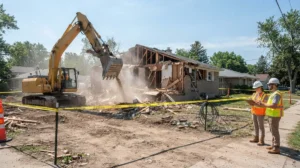
Professional crews follow strict safety protocols, including dust control measures, proper protective gear, and careful equipment operation. This is one reason why hiring an experienced licensed demolition contractor matters so much. It’s not a job for guesswork.
Choosing the Right Dumpster and Hauling Setup
The size and type of hauling equipment you need depends on your project. A small bathroom remodel needs far less capacity than a full building demolition. Here’s a simple breakdown to help you think through it.
- Small residential projects (single room, small structure) often need a compact roll-off container.
- Mid-size renovations or garage teardowns typically require a standard 20 to 30 yard dumpster.
- Full home demolitions usually need multiple large containers or ongoing truck hauling.
- Commercial demolition projects often require a rotation of trucks and containers throughout the job.
Getting this right from the start prevents delays. Nobody wants to pause a project because the dumpster filled up too soon. Companies like 702 Demo plan hauling logistics as part of the overall project timeline, not as an afterthought.
Who Handles Debris Removal After Demolition?
This is one of the most common questions we hear, especially from property managers and renovation contractors. In most cases, the demolition contractor is responsible for removing debris as part of the overall project scope. However, this should always be spelled out clearly in your contract.
Some contractors charge separately for hauling and disposal. Others include it in a flat project fee. Before signing anything, ask specifically how debris removal will be handled, what gets recycled, and where materials will be disposed of. A transparent contractor will have clear answers ready.
What to Look for in a Debris Removal Partner
Not every contractor treats debris removal the same way. Here are some signs you’re working with a team that does it right.
- They perform a pre-demolition survey and hazardous material testing
- They separate recyclable materials instead of mixing everything together
- They use approved, permitted disposal and recycling facilities
- They provide clear documentation of where debris goes
- They follow OSHA safety standards for dust, noise, and equipment
If a contractor can’t answer basic questions about their disposal process, that’s a red flag. Reliable companies are happy to explain their approach because they’re proud of how they operate.
Why Local Experience Matters in Clark and Nye Counties
Demolition rules and disposal facilities vary by location. A contractor familiar with Southern Nevada knows which landfills accept which materials, how local permitting works, and how to navigate desert soil conditions during excavation. This local knowledge speeds up projects and avoids costly mistakes.
702 Demo has spent years serving homeowners, builders, and property managers across Las Vegas, Henderson, and surrounding areas. From pool removal to full commercial teardowns, the team understands how to move debris efficiently while keeping sites safe and compliant. You can visit us on Google — 702 Demo to see how local customers describe their experience.
Common Mistakes to Avoid
Even experienced property owners sometimes run into trouble during debris removal. Here are the most common pitfalls we see.
- Skipping a hazardous material survey before demolition begins
- Mixing recyclable materials with general waste
- Underestimating how much hauling capacity a project needs
- Choosing unpermitted disposal sites to save money
- Failing to get proper permits before starting work
Each of these mistakes can lead to delays, fines, or safety issues. Working with an experienced team helps you avoid them entirely, keeping your project on schedule and within your plan.
Bringing It All Together
Demolition debris removal is more than just hauling junk away. It’s a careful process that protects your budget, your timeline, and your safety. From sorting recyclables to handling hazardous materials the right way, every step matters. Whether you’re a homeowner tackling a small renovation or a developer managing a large site, understanding this process puts you in control.
If you’re planning a project anywhere in Clark or Nye counties, you don’t have to figure it out alone. The team at 702 Demo brings years of local experience to every job, handling everything from concrete removal to full site cleanup. Ready to get started? Contact 702 Demo for a free estimate and let’s turn your demolition project into a clean, hassle-free experience.
FAQs
Q: What is included in demolition debris removal?
A: It covers sorting, hauling, recycling, and disposing of materials like concrete, wood, metal, and drywall left after a demolition project. A good removal plan also checks for hazardous materials before anything gets hauled away.
Q: Who is responsible for removing debris after a demolition project?
A: Usually, the demolition contractor handles debris removal as part of the overall project. It’s always smart to confirm this in writing before work begins, so there are no surprises later.
Q: Can concrete, brick, and wood from demolition be recycled?
A: Absolutely! Concrete and asphalt can be crushed and reused as road base, while metal and wood often get a second life too. Recycling these materials helps cut down on landfill waste and can lower disposal costs.
Q: How are asbestos and lead-containing materials disposed of?
A: These materials need special testing, handling, and transport by qualified professionals. They can’t be mixed with regular demolition debris and must go to approved hazardous waste facilities.
Q: Do I need a permit for demolition debris removal in Nevada?
A: In most cases, yes. Local rules through the city or Clark County require permits before demolition work starts, especially if hazardous materials might be present. Checking with local guidelines early saves you from delays down the road.