Key Takeaways
-
Interior demolition removes non-structural interior elements like walls, flooring, and fixtures while keeping the building’s frame, roof, and exterior walls intact, making it faster and less expensive than full demolition.
-
Professional crews must test for hazardous materials like asbestos and lead before starting, especially in pre-1980s buildings, and handle proper utility shutoff and debris removal to ensure safety and compliance.
-
Most interior demolition projects require permits depending on scope, particularly when removing load-bearing walls or touching electrical and plumbing systems; checking with your local building department before starting is essential.
-
Project timelines vary significantly based on space size and complexity, ranging from 1-2 days for small residential work to several weeks for large commercial gut-outs, so experienced contractors should provide realistic upfront estimates.
So you’re staring at that outdated kitchen or that office space that just doesn’t work anymore, and someone mentioned “interior demolition.” What does that even mean? Great question, friend! Whether you’re a homeowner in Henderson dreaming of an open floor plan, or a commercial builder juggling a tight deadline, understanding this process can save you time, money, and a whole lot of stress. Let’s break it down together, nice and simple.
Interior demolition is one of those terms that sounds intense but is actually pretty straightforward once you get to know it. At 702 Demo, we handle these projects across Clark and Nye counties every day, and we love helping folks understand exactly what they’re signing up for. By the end of this guide, you’ll feel confident talking about strip-outs, soft strips, and gut renovations like a pro.
What Is Interior Demolition, Exactly?
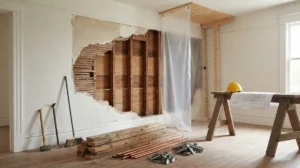
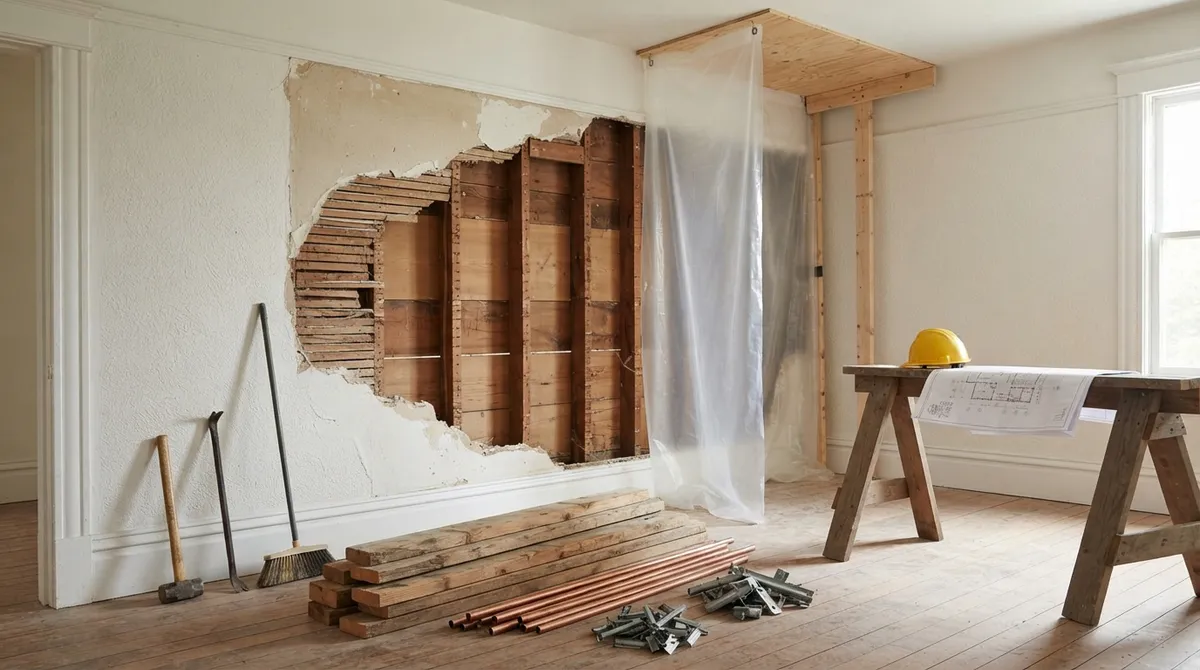
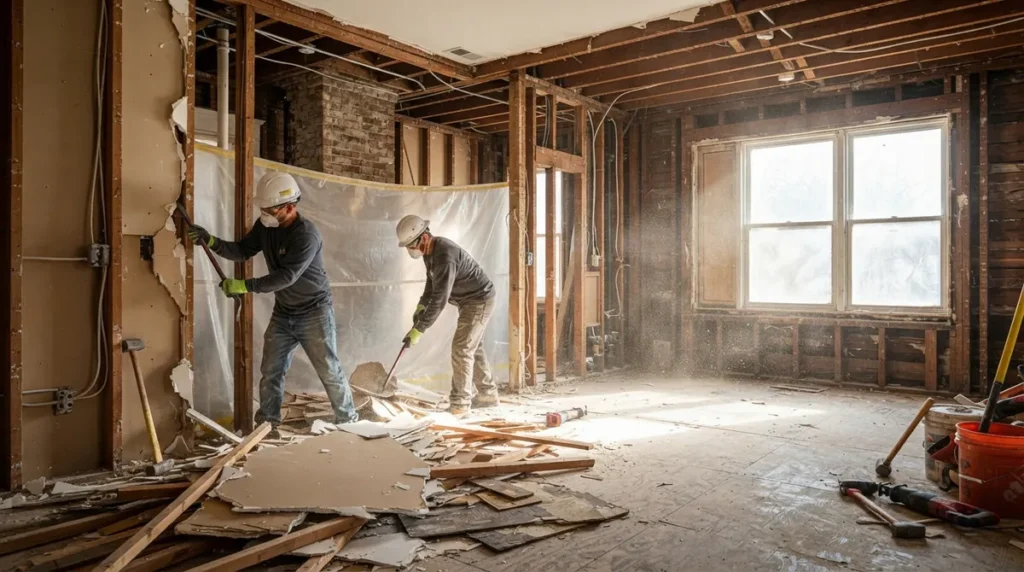
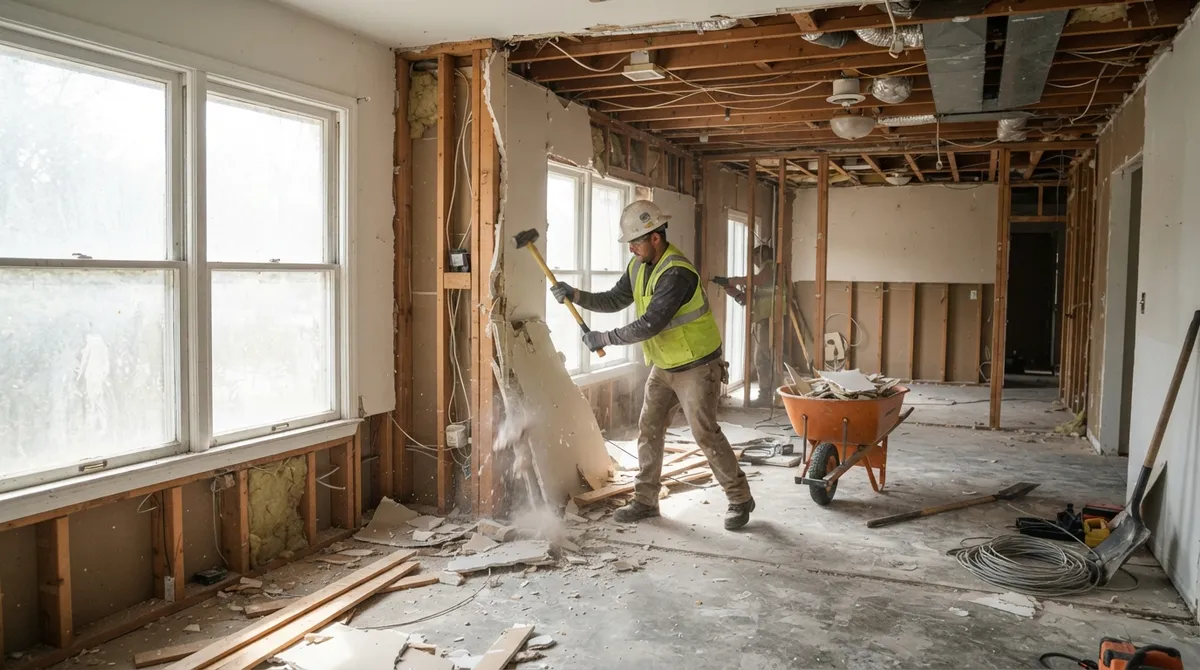
Interior demolition means removing the inside parts of a building while keeping the outer walls and roof standing. Think of it like scooping out the inside of a pumpkin but leaving the shell perfectly intact. The building’s frame, its bones, stay put.
This process goes by a few different names in the industry. You might hear terms like:
- Selective demolition
- Strip-out
- Soft strip
- Gutting
All of these basically mean the same thing. Crews remove specific interior elements without touching the structural frame. This is very different from tearing an entire building down to the ground.
What Gets Removed During Interior Demolition?
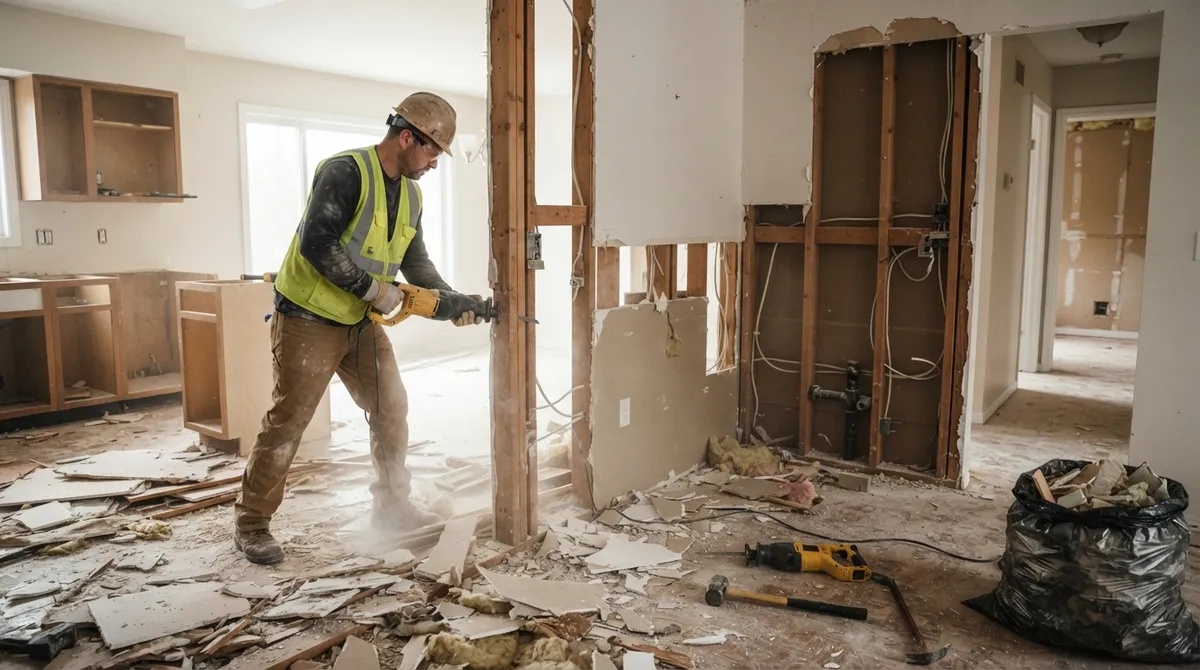
When crews come in for a strip-out, they typically focus on non-structural items. These are the pieces that can come out without putting the building’s stability at risk.
Here’s what usually gets removed:
- Drywall and interior walls that aren’t load-bearing
- Old flooring like tile, carpet, or hardwood
- Ceiling tiles and drop ceilings
- Kitchen and bathroom cabinets
- Fixtures like sinks, toilets, and light fixtures
- Outdated finishes and trim work
For bigger projects, especially full commercial gut-outs, crews may also remove mechanical, electrical, plumbing, and fire protection systems. This is common when a space is getting a complete overhaul before new systems go in.
What Stays in Place?
Here’s the good news for property owners worried about their investment. The important structural pieces of your building stay untouched during interior demolition. This includes:
- Exterior walls
- The roof structure
- Load-bearing walls and support beams
- The building’s foundation
Keeping these elements intact means your building stays safe and standing throughout the renovation. It also usually means a faster, less expensive process than starting from scratch. If you’re curious about when a project calls for more than a strip-out, our building demolition team can walk you through the difference.
Interior Demolition vs Full Demolition: What’s the Difference?
People mix these two up all the time, and honestly, that’s fair. They sound similar but are pretty different in practice.
| Feature | Interior Demolition | Full Demolition |
|---|---|---|
| Structure | Stays standing | Completely removed |
| Common Use | Renovations, remodels, tenant fit-outs | Rebuilding from the ground up |
| Timeline | Usually shorter | Usually longer |
| Debris Volume | Moderate | Very high |
| Permits Needed | Often yes, depending on scope | Almost always yes |
Full demolition tears down everything, including the frame. Interior demolition keeps the shell so a new interior can be built inside it. Our friends at interior demolition secrets guide dig deeper into this comparison if you want more detail.
Why Do People Choose Interior Demolition?
There are so many good reasons to go this route instead of tearing a building down completely. Let’s talk about the most common ones.
Renovations and Remodels
Maybe your Las Vegas home has good bones but tired finishes. Interior demolition clears out the old stuff so you can start fresh without rebuilding the whole house.
Tenant Improvements
Commercial spaces change hands often. A new tenant moving into a retail space or office usually wants a layout that fits their business. Strip-outs make that possible quickly.
Damage Restoration
Sometimes water damage, fire damage, or mold problems mean the interior needs to go. Removing damaged materials protects the health of everyone using the building afterward.
Repurposing a Space
Turning an old warehouse into loft apartments? Converting a restaurant into a retail store? Interior demolition is the first step in transforming how a space gets used.
How Interior Demolition Actually Works: The Process
Curious what a project timeline looks like? Here’s a simple breakdown of how our crews at 702 Demo typically approach a job.
- Site Assessment: We walk the space, note what stays and what goes, and check for hazardous materials like asbestos or lead paint.
- Permitting: Depending on the scope, permits may be required. Following the Las Vegas demolition permit guidelines keeps everything legal and safe.
- Utility Shutoff: Power, water, and gas get disconnected or protected before work begins.
- Protection Setup: Crews set up barriers and dust containment to protect areas that aren’t being touched.
- Selective Removal: Non-structural elements come out carefully, piece by piece.
- Debris Hauling: All that material gets loaded up and hauled away for proper disposal.
- Final Cleanup: The space gets swept and prepped for the next phase of construction.
Every step matters. Skipping ahead or rushing through can cause damage to parts of the building you meant to keep. That’s why hiring an experienced crew makes such a big difference.
How Much Debris Does Interior Demolition Create?
You might be surprised by how much material comes out of a strip-out project. For a 10,000-square-foot commercial space, crews often haul away somewhere between 180 and 220 cubic yards of debris. That’s a lot of material to manage responsibly.
This is one reason why working with a full-service company matters so much. Our hauling services team handles the removal and disposal, so you don’t have to worry about where all that material ends up.
Safety Precautions During Interior Demolition
Safety isn’t optional here. Even though the building shell stays put, there’s still plenty that can go wrong without the right precautions.
Here’s what a professional crew should always handle:
- Testing for asbestos, lead, and other hazardous materials before work starts
- Shutting off or safely rerouting utilities
- Using proper dust containment and ventilation
- Protecting structural elements from accidental damage
- Following OSHA safety standards for equipment and crew protection
- Coordinating with local building departments when required
Property managers dealing with older buildings should pay special attention to hazardous material testing. Many buildings built before the 1980s contain materials that need special handling. Checking in with the Clark County Building Department can clarify what’s required for your specific property.
Do You Need a Permit for Interior Demolition?
In many cases, yes. Permit requirements depend on the scope of work and your local jurisdiction. Removing a few cabinets probably doesn’t need one. Ripping out entire walls, especially anything touching electrical or plumbing systems, likely will.
The safest bet is always to check with your local building department before starting. This protects you legally and keeps your project on track without surprise stop-work orders.
How Long Does Interior Demolition Take?
Timelines really depend on the size and complexity of the project. A small residential bathroom strip-out might take just a day or two. A large commercial office gut-out could take a couple of weeks.
Factors that affect timeline include:
- Size of the space being demolished
- Amount of hazardous material testing needed
- Complexity of mechanical, electrical, and plumbing removal
- Access to the building and parking for equipment
- Debris hauling logistics
A good contractor will walk your specific project through these factors and give you a realistic timeline upfront.
Interior Demolition for Different Property Types
Not every project looks the same. Let’s talk about how this service applies across different situations.
Residential Homes
Homeowners often use interior demolition for kitchen remodels, bathroom updates, or opening up floor plans. It’s the perfect first step before a full renovation.
Commercial Offices and Retail
Businesses relocating or rebranding often need their space stripped down before new construction begins. This is incredibly common in Las Vegas as retail and office spaces change hands frequently.
Multi-Family Properties
Property managers overseeing apartment complexes often need unit-by-unit strip-outs for renovations or damage repair, all while keeping the rest of the building operational.
No matter which category fits your project, our team has handled it. Check out our concrete removal guide if your project also involves flooring or slab work that needs attention.
Why Choose a Professional Crew for Interior Demolition
You might be tempted to DIY a small project, and honestly, sometimes that’s fine for very minor work. But for anything involving structural questions, hazardous materials, or utility systems, professional help matters.
Here’s what a professional team brings to the table:
- Experience identifying what’s structural versus non-structural
- Proper equipment for safe, efficient removal
- Knowledge of local permit requirements
- Safe hazardous material handling procedures
- Reliable debris hauling and disposal
- Insurance and licensing to protect your property
702 Demo has spent years building a reputation as a trusted, full-service demolition contractor across Clark and Nye counties. We’re proud of the relationships we’ve built with homeowners, contractors, and developers throughout the Las Vegas area. You can see what our customers have to say when you visit us on Google — 702 Demo.
Getting Your Interior Demolition Project Started
Understanding what interior demolition involves is the first step toward a smoother renovation. Whether you’re a homeowner ready for that dream remodel, a contractor managing a client’s project, or a developer prepping a commercial space, knowing the process helps you plan better and avoid surprises.
Ready to move forward? Our team makes the whole process simple, from the first site walkthrough to the final cleanup. We’d love to talk through your project and answer any questions you have. Contact 702 Demo for a free estimate and let’s get your space ready for its next chapter.
FAQs
Q: What is interior demolition in construction?
A: Interior demolition is the process of removing the inside parts of a building, like walls, flooring, and ceilings, while keeping the outer structure standing. It’s often the first step before a renovation or remodel. Think of it as clearing out the old to make room for something new!
Q: What is the difference between interior demolition and full demolition?
A: Interior demolition keeps the building’s frame, roof, and exterior walls intact, while full demolition tears the entire structure down. If you’re renovating and want to keep your building’s shell, interior demolition is exactly what you need. Full demolition is reserved for buildings that need to come down completely.
Q: Do you need a permit for interior demolition?
A: In many cases, yes, especially if you’re removing walls or touching electrical and plumbing systems. Smaller cosmetic removals might not require one. It’s always best to check with your local building department to stay on the safe side.
Q: How long does an interior demolition project take?
A: It really depends on the size of your space and how complex the job is. A small bathroom strip-out might only take a day or two, while a larger commercial gut-out could take a couple of weeks. Your contractor should give you a clear timeline before work begins.
Q: Is interior demolition the same as a gut renovation?
A: They’re closely related! Interior demolition is actually the demo phase that happens before or during a gut renovation. Once the old materials are stripped out, the renovation team steps in to build the new space you’re dreaming of.