Key Takeaways
-
Standard commercial demolition costs $4-$8 per square foot nationally, with a typical 5,000 sq ft building averaging $30,500; costs escalate to $15-$30+ per sq ft for urban high-rises and reinforced concrete structures.
-
Hazardous material abatement (asbestos, lead, mold) typically adds $2-$3 per square foot on top of base demolition costs and requires separate billing with certified crews, so always confirm this upfront.
-
Building height, site accessibility, and material type are the largest cost drivers; multi-story structures requiring cranes and tight urban lots with restricted equipment access significantly increase final prices.
-
Interior selective demolition costs $2-$8 per square foot compared to full teardowns, making it a budget-friendly alternative for renovation projects; always verify whether debris hauling is included in contractor quotes.
Ever wondered what really goes into the cost of demolition commercial building projects across Clark and Nye counties? You’re not alone. Whether you’re a developer eyeing a vacant lot in Henderson, a property manager dealing with an aging structure, or a contractor bidding on your next big job, understanding demolition pricing can feel like guesswork. The good news? It doesn’t have to be a mystery.
This friendly guide breaks down everything that goes into commercial demolition costs. We’ll walk through the factors that push prices up or down, share real numbers you can use for planning, and answer the questions we hear most often. Grab a coffee, and let’s make demolition budgeting simple together. By the end, you’ll feel confident talking numbers with any demolition contractor you meet.
1. Understanding the Basics of Commercial Demolition Pricing
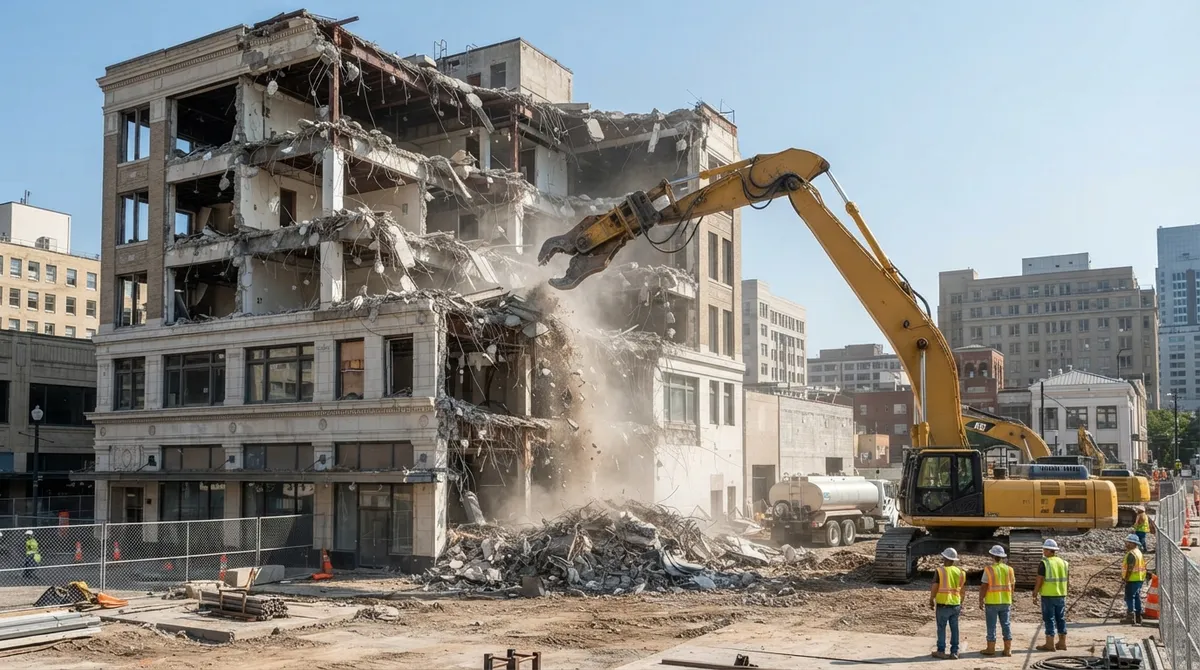
Commercial demolition isn’t a one-size-fits-all service. Costs depend on building size, material type, location, and what happens after the walls come down. Most projects across the country fall between $4 and $8 per square foot for standard structures. That said, your final number depends on a handful of moving parts we’ll cover below.
Think of it like getting a quote for a kitchen remodel. The base price sounds simple until you factor in special materials, permits, and unexpected surprises hiding behind the drywall. Demolition works the same way.
2. Average National Cost Ranges You Should Know
Here’s a quick snapshot of typical commercial demolition pricing based on building size:
| Building Size | Typical Cost Range | Cost Per Square Foot |
|---|---|---|
| Up to 10,000 sq ft | $10,000 – $50,000 | $4 – $12 |
| 10,000 – 50,000 sq ft | $50,000 – $150,000 | $12 – $18 |
| 20,001 – 50,000 sq ft | $150,000 – $500,000 | $18 – $25 |
| Over 50,000 sq ft | $200,000 – $750,000+ | $25+ |
These numbers give you a starting point. A median 5,000-square-foot building runs around $30,500 on average nationally. Your actual quote will shift based on the details we cover next.
3. Building Material Type Changes Everything
Not all buildings are created equal when it comes to teardown difficulty. Here’s how material type impacts your bottom line:
- Wood-frame structures: $4 – $8 per square foot (easiest to remove)
- Concrete and masonry buildings: $8 – $16 per square foot
- Steel-frame structures: Higher costs due to cutting and processing needs
- Reinforced concrete high-rises: $15 – $25+ per square foot
Concrete removal alone can be a major cost driver. If your project involves heavy slabs or foundations, check out this complete guide to concrete removal to understand what’s involved.
4. Building Height Plays a Bigger Role Than You Think
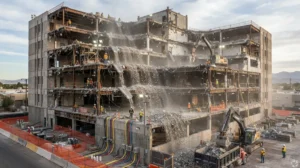
Taller buildings mean more complexity. Multi-story structures require cranes, careful sequencing, and extra safety measures. A single-story warehouse is much simpler than a five-story office building.
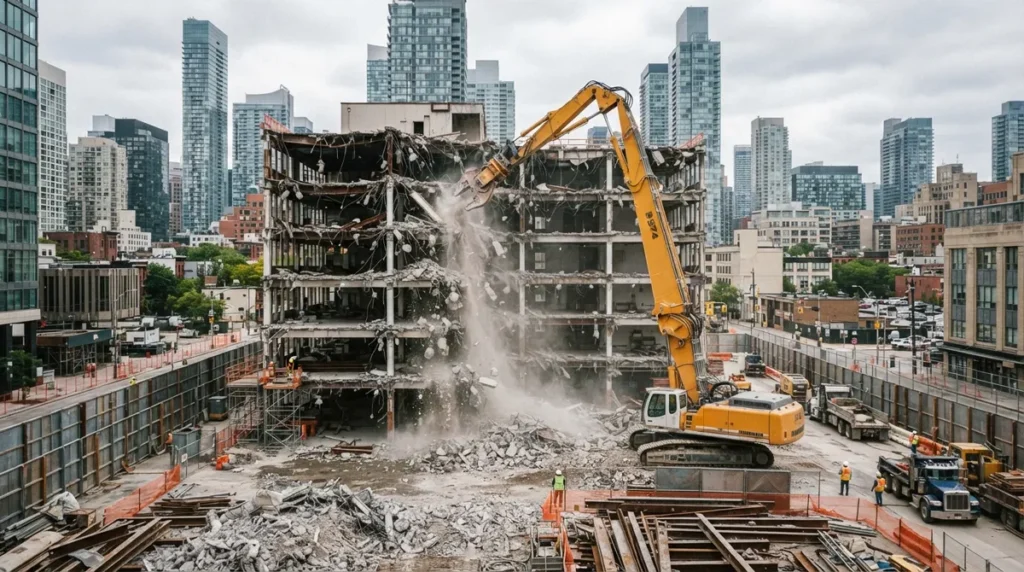
Urban high-rises in tight spaces can push costs to $15 to $30 per square foot. That’s because crews need specialized equipment and more time to remove materials safely, floor by floor.
5. Site Accessibility Can Make or Break Your Budget
Can a crane pull right up to your building? Or is it wedged between two other structures with barely any room to maneuver? Site access matters more than most people realize.
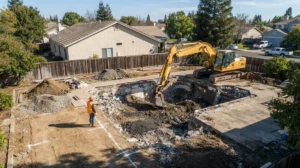
Open sites with wide access for excavators cost less to work with. Tight urban locations with restricted entry points always cost more. This is one reason two similar buildings in different parts of Las Vegas can have very different price tags.
6. Hazardous Material Abatement Adds Real Costs
Older commercial buildings often hide surprises like asbestos, lead paint, or mold. Federal and state regulations require proper abatement before demolition can begin.
Hazardous material removal typically adds $2 to $3 per square foot on top of your base demolition quote. This cost is usually billed separately since it requires specialized certified crews and disposal methods.
7. Interior Demolition vs. Full Teardown Costs
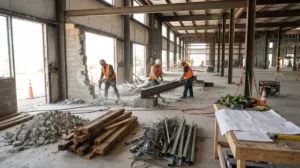
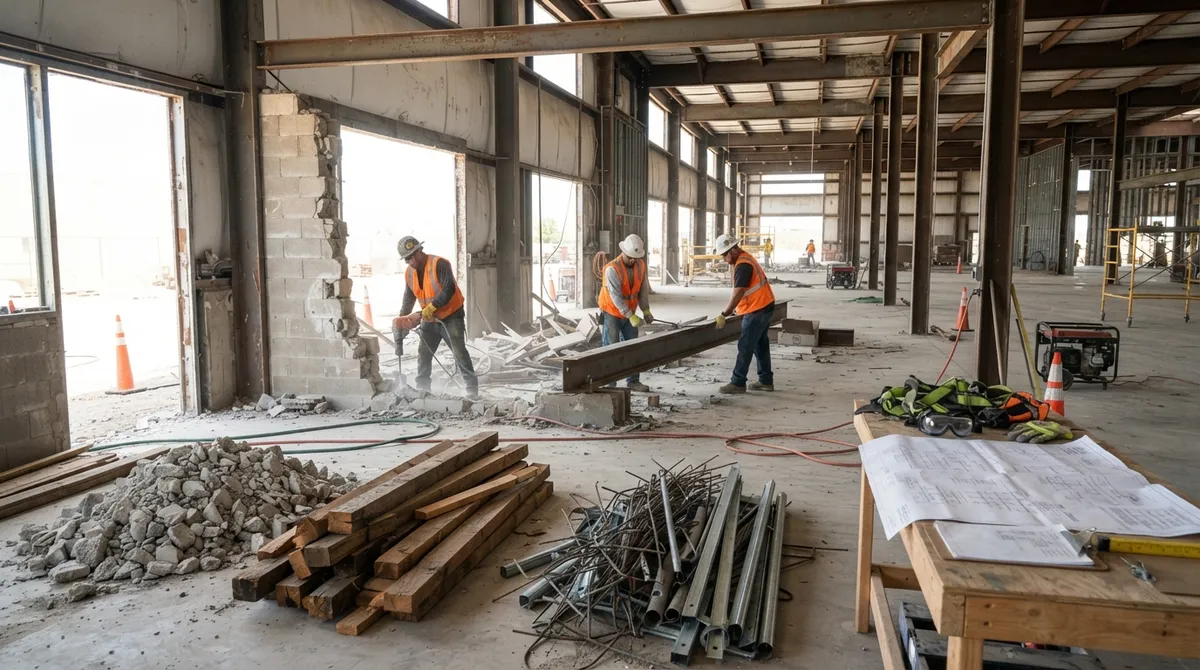
Not every project needs a complete building removal. Sometimes you just need to gut the inside for a renovation. Interior or selective demolition runs $2 to $8 per square foot, which is significantly less than a full teardown.
This makes sense for renovation contractors handling remodels or property managers updating a space for new tenants. Learn more about interior demolition strategies that save money before you commit to a full demo.
8. Permits and Regulatory Requirements in Nevada
Every commercial demolition project in Clark County needs proper permits before work begins. Skipping this step can lead to fines, delays, or even legal trouble down the road.
Here’s what typically needs to happen before demolition starts:
- Submit a demolition permit application to local authorities
- Complete required hazardous material surveys
- Notify utility companies to disconnect services
- Schedule inspections as required by code
- Obtain final approval before crews break ground
You can review the official Las Vegas demolition permit guidelines for specific requirements. The Clark County Building Department also offers helpful resources for anyone planning a project in the area.
9. Debris Removal and Hauling Costs
Once a building comes down, someone has to haul away all that material. Debris hauling is often included in demolition quotes, but it’s worth confirming this upfront.
Concrete, steel, and wood debris all require different disposal methods. Some materials can even be recycled, which sometimes reduces overall project costs. Ask your contractor about their hauling services and disposal process before signing any contract.
10. What Drives Costs Up: A Quick Reference List
Several factors consistently push commercial demolition prices higher. Watch for these red flags when estimating your project:
- Multi-story or high-rise structures requiring cranes
- Presence of asbestos, lead, or other hazardous materials
- Tight urban lots with limited equipment access
- Reinforced concrete or steel-frame construction
- Underground structures like basements or storage tanks
- Utility disconnections requiring coordination with multiple providers
11. What Keeps Costs Lower: Money-Saving Factors
On the flip side, certain conditions help keep your demolition budget in check. Consider these when planning your project timeline:
- Single-story wood-frame buildings
- Open, easily accessible sites
- No hazardous materials present
- Bundling demolition with excavating and grading services
- Scheduling during off-peak seasons for better contractor availability
12. Comparing Costs: Small vs. Large Commercial Projects
Size matters, but it’s not always a straight line. Larger buildings can sometimes achieve better per-square-foot pricing because of efficiencies in equipment use. Here’s how project size typically breaks down:
- Small structures (under 10,000 sq ft): Higher per-square-foot cost due to setup and mobilization
- Medium buildings (10,000-50,000 sq ft): More balanced pricing as crews work at scale
- Large facilities (over 50,000 sq ft): Total cost rises, but efficiency can lower per-foot rates
- High-rise or reinforced concrete: Costs spike regardless of size due to complexity
This is why getting a detailed, site-specific quote matters so much. Generic estimates rarely capture your building’s unique challenges.
13. Why Local Expertise Matters in Southern Nevada
Demolition rules, soil conditions, and permitting processes vary by region. A contractor who knows Clark and Nye counties inside and out can save you time, money, and headaches.
This is where 702 Demo shines. As a full-service demolition, excavating, grading, concrete, and paving contractor, the team understands local regulations and site conditions better than anyone. Whether you need complete building demolition or targeted excavating and grading services, having a local partner makes the entire process smoother.
14. Questions to Ask Before Hiring a Demolition Contractor
Choosing the right contractor is just as important as understanding the price. Here are smart questions to ask during your search:
- Does the quote include hazardous material testing and abatement?
- Is debris hauling and disposal part of the base price?
- What permits will you handle, and what falls on me?
- How do you handle unexpected site conditions?
- Can you provide references from similar commercial projects?
A trustworthy contractor should answer these questions clearly and confidently. If a company hesitates or gives vague answers, that’s a warning sign worth noting.
15. Getting an Accurate Quote for Your Project
The best way to know your true cost of demolition commercial building work is to get a site visit and detailed estimate. Photos and square footage alone don’t tell the whole story. A trained eye can spot hazards, access issues, and material types that change your final price.
702 Demo has built a strong reputation across Las Vegas for honest, accurate estimates and reliable work. Many local property owners and builders trust the team for everything from small interior strips to full commercial teardowns. You can visit us on Google — 702 Demo to see what customers across the valley have to say about their experience.
Ready to get real numbers for your project? Contact 702 Demo for a free estimate and take the guesswork out of your demolition budget. Our team is ready to walk your site, answer your questions, and give you a straightforward plan you can trust.
FAQs
Q: How much does it cost to demolish a 5,000 square foot commercial building?
A: On average, you’re looking at around $30,500 for a standard 5,000-square-foot commercial building. Of course, this can shift based on materials, hazardous waste, and site access, so it’s always best to get a personalized quote for your specific property.
Q: What factors increase commercial demolition costs per square foot?
A: Building height, material type, and hazardous materials like asbestos are the biggest cost drivers. Tight urban sites with limited equipment access also tend to push prices higher than open, easy-to-reach lots.
Q: Is hazardous material abatement included in commercial demolition quotes?
A: Usually not! Hazardous material removal, like asbestos or lead abatement, typically gets billed separately and can add $2 to $3 per square foot. Always ask upfront so there are no surprises later.
Q: How does building height affect commercial demolition pricing?
A: Taller buildings need cranes, extra safety planning, and careful sequenced removal, which all add cost. A single-story building is much simpler and cheaper to take down than a multi-story structure.
Q: What is the cost difference between interior and full commercial demolition?
A: Interior or selective demolition typically runs $2 to $8 per square foot, while a full building teardown can cost much more depending on materials and size. If you’re just renovating a space, interior demo is often the more budget-friendly choice.