Key Takeaways
-
Concrete thickness, reinforcement (rebar/wire mesh), and equipment access are the biggest cost drivers for backyard concrete removal projects in 2026.
-
Most removed concrete gets recycled into aggregate for road base and new concrete mixes rather than sent to landfills, often costing $51-$100 per ton for disposal.
-
Professional contractors prevent costly mistakes like damaging utility lines and protect nearby landscaping, making hiring a pro more cost-effective than DIY despite upfront rental fees.
-
Check local permit requirements before starting, as larger driveways and renovation-tied projects typically need demolition permits and utility locating in Las Vegas and Clark County.
-
Equipment selection ranges from handheld jackhammers for small tight areas to excavators for larger jobs; the right choice protects your yard from unnecessary damage.
-
Combine concrete removal with other backyard projects like pool demolition or landscaping work to save on mobilization costs and achieve a complete yard transformation.
Got an old patio, cracked slab, or unused hot tub pad sitting in your backyard? You’re not alone. So many homeowners across Clark and Nye counties are ready to reclaim that wasted space in 2026. Backyard concrete removal is one of the most popular ways to get a fresh start on your outdoor living area, and it’s easier than you might think when the right team handles it.
Whether you’re a homeowner dreaming of a new garden, a renovation contractor prepping a site, or a property manager tackling a multi-unit upgrade, this guide walks you through everything you need to know. We’ll cover the process, the equipment, the costs, and the little details that make a big difference. Grab a coffee, get comfortable, and let’s break down backyard concrete removal together.
1. Understanding What Backyard Concrete Removal Really Involves
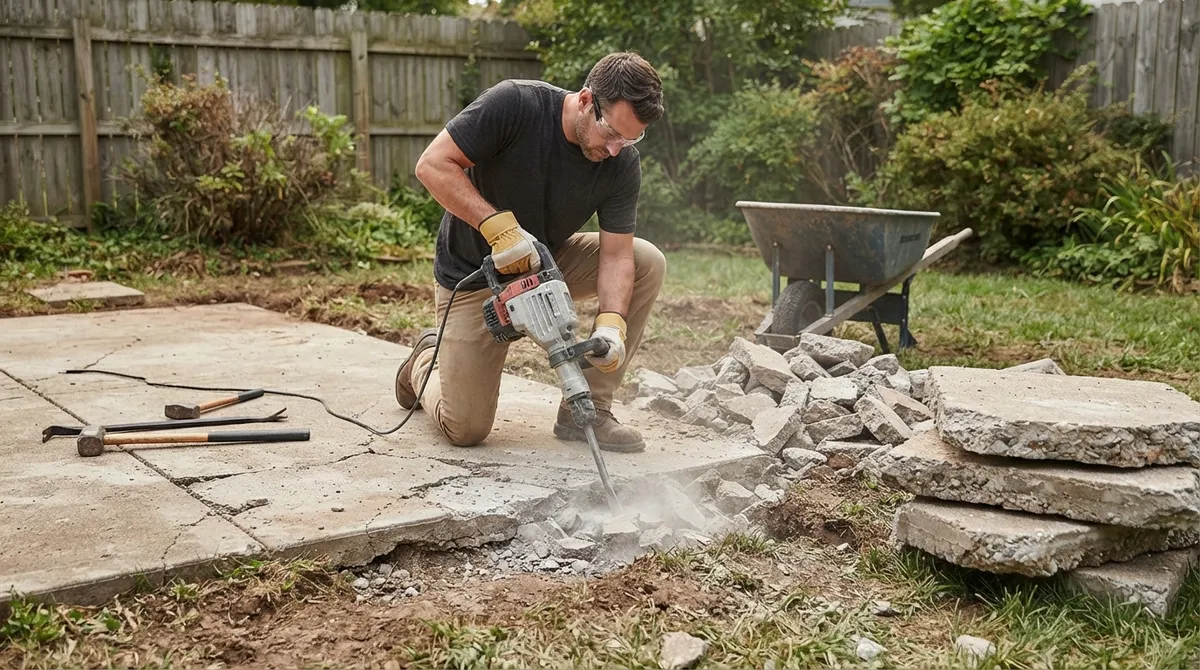
Backyard concrete removal usually means breaking up old slabs, patios, walkways, or driveways. Then the debris gets loaded, hauled away, and disposed of properly. It sounds simple, but there’s a lot happening behind the scenes to make it safe and efficient.
Most residential jobs involve one or more of these common features:
- Patios and pool decks that have cracked or shifted over time
- Old walkways connecting the house to a garage or shed
- Driveway sections that need full or partial removal
- Hot tub pads or small equipment slabs
- Small footings left behind from old sheds or structures
Every property is different, so a good contractor will always inspect the site first. If you’re curious about the full process, our complete guide to concrete removal breaks it down step by step.
2. Why Homeowners Choose to Remove Backyard Concrete
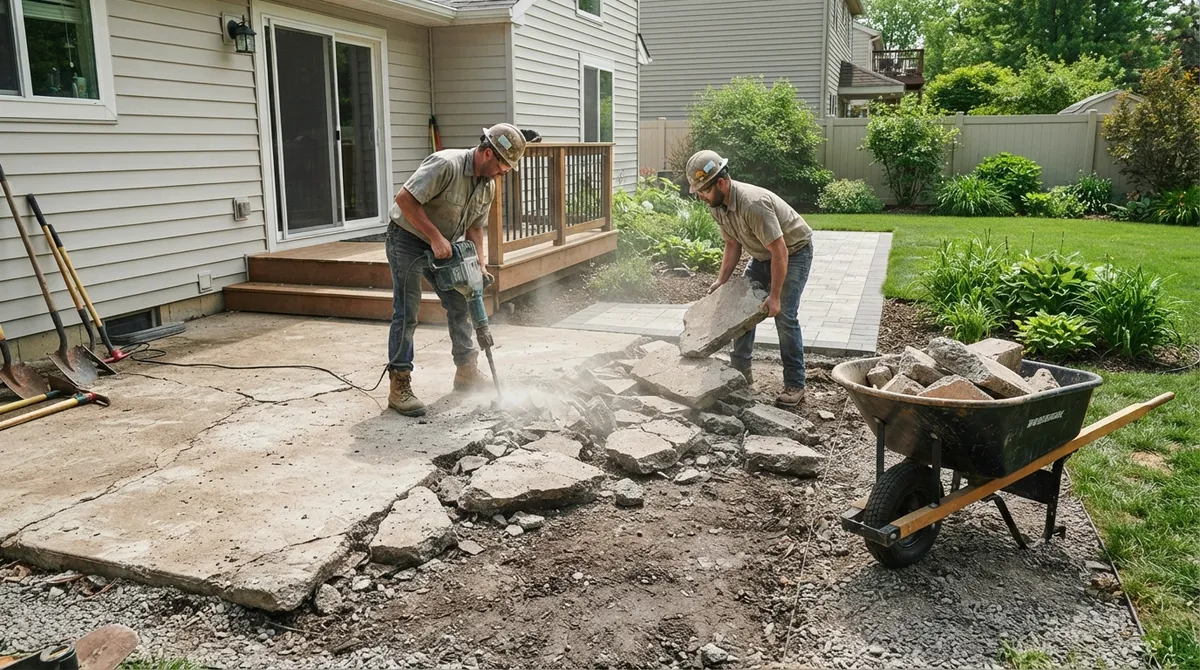
People remove backyard concrete for all sorts of reasons, and honestly, most of them come down to wanting a better backyard. Here are the top motivations we see again and again:
- Making room for a new patio, garden, or turf area
- Fixing drainage problems caused by cracked or sunken slabs
- Preparing the yard for a pool installation or removal
- Improving curb appeal before selling a home
- Removing tripping hazards from broken or uneven concrete
If your backyard project also involves an old pool, check out our pool removal guide for tips on reclaiming that space too.
3. What Affects the Cost of Concrete Removal
We know pricing questions are on everyone’s mind, so let’s talk about the factors that matter most. While we won’t get into specific numbers here, industry data from LawnStarter and HomeAdvisor shows that thickness, reinforcement, and access are the biggest cost drivers nationwide in 2026.
Here’s what typically impacts your project the most:
- Thickness of the concrete slab or patio
- Whether the concrete contains rebar or wire mesh reinforcement
- How easy it is for equipment to reach the work area
- Total square footage of the removal area
- Disposal and recycling fees at the local facility
- Whether the debris needs to be hauled a long distance
Backyard jobs with tight gate access or tricky slopes often take more time. That’s because crews sometimes need smaller equipment to fit through narrow spaces. A trusted contractor will always walk the site with you before giving an estimate.
4. Common Backyard Concrete Removal Projects
Not every concrete removal job looks the same. Here’s a quick breakdown of the most common backyard projects we handle:
| Project Type | Typical Scope | Common Challenges |
|---|---|---|
| Patio Removal | Breaking and hauling slab, often near the house | Access around landscaping or fencing |
| Walkway Removal | Narrow strips connecting yard areas | Tight spaces for equipment |
| Driveway Removal | Large slab areas near the street | Reinforcement and thickness |
| Hot Tub Pad Removal | Small, thick reinforced pad | Heavy reinforcement, compact size |
| Footing Removal | Old shed or structure foundations | Buried depth and soil conditions |
Curious how patios specifically get handled in Las Vegas backyards? Take a look at our detailed page on patio concrete removal in Las Vegas for more insight.
5. The Equipment Used for Backyard Concrete Removal
Ever wonder what tools actually break up all that concrete? It depends on the size of the job and how tricky the access is. Smaller residential projects often use different equipment than large commercial sites.
Here’s a look at common equipment choices, from smallest to largest jobs:
- Handheld jackhammers for small, tight areas
- Skid steers with breaker attachments for medium jobs
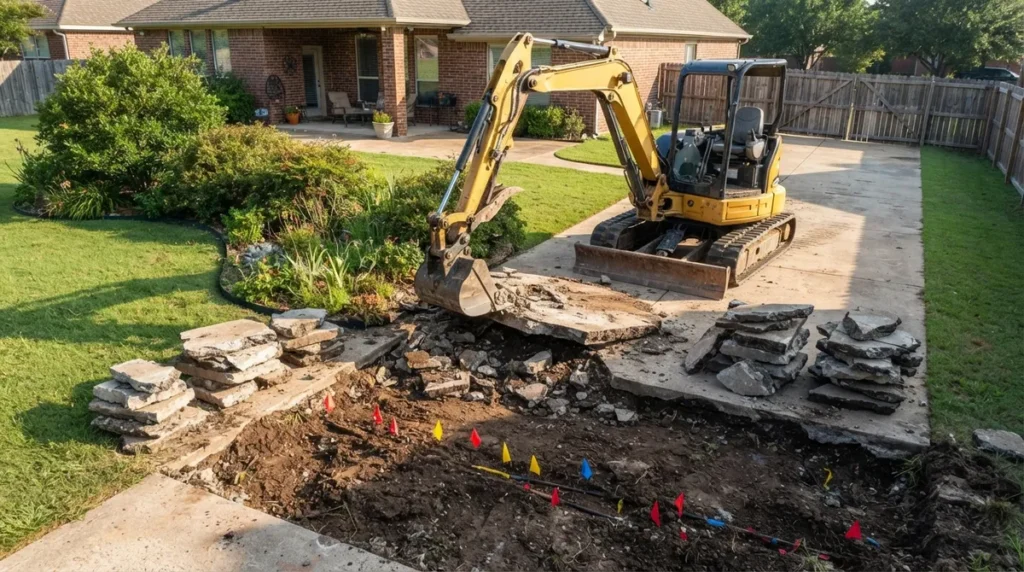
- Mini excavators for backyard slabs with limited access
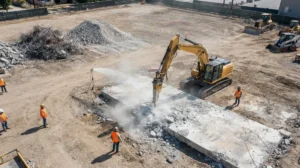
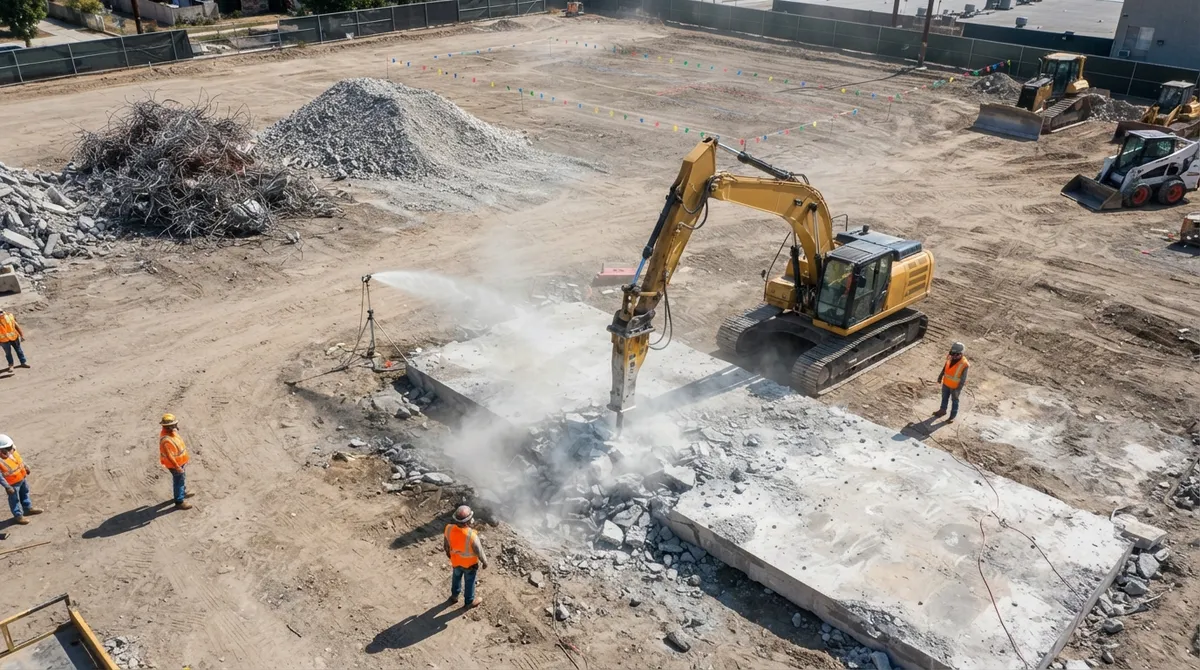
- Standard excavators for larger driveways or patios
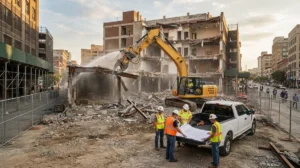
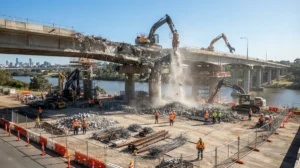
- Heavy machinery for commercial-scale concrete removal
The right equipment keeps the job efficient while protecting your landscaping, fencing, and other backyard features. This is where experience really counts, since an inexperienced crew might cause unnecessary damage to your yard.
6. Concrete Recycling: A Smart, Sustainable Choice
Here’s something that might surprise you: most concrete removed from backyards doesn’t end up in a landfill. Instead, it gets crushed and recycled into aggregate material. This aggregate can be reused for road base, drainage projects, or new concrete mixes.
Choosing recycling over landfill disposal offers real benefits:
- Reduces landfill waste and environmental impact
- Often costs less than standard landfill disposal fees
- Supports sustainable building practices in your community
- Keeps usable material in circulation instead of wasted
According to LawnStarter’s 2026 data, disposal fees for concrete debris typically run between $51 and $100 per ton, and recycling can sometimes reduce that cost. Asking your contractor about their recycling practices is always a smart move.
7. Permits and Regulations You Should Know About
Depending on your project size and location, you may need a permit before removing backyard concrete. This is especially true for larger driveways or projects tied to bigger renovations.
A few things worth checking before you start:
- Whether your project requires a demolition permit
- Local setback rules if concrete is near property lines
- Utility locating requirements before digging
- HOA rules if you live in a managed community
For projects in the Las Vegas area, it helps to review the official Las Vegas demolition permit guidelines before you begin. If your property falls outside city limits, the Clark County Building Department can guide you through local requirements too. A licensed contractor will usually handle this paperwork for you, which saves a ton of stress.
8. Why Hiring a Professional Beats DIY Concrete Removal
We get it. DIY projects can be fun and rewarding. But backyard concrete removal is one of those jobs where professional help really pays off. Here’s why:
- Professional equipment breaks concrete faster and safer
- Contractors know how to avoid damaging pipes or utility lines
- Proper disposal and recycling require established relationships with facilities
- Experienced crews protect nearby landscaping and structures
- You avoid the physical strain and safety risks of manual demolition
Renting equipment and hauling debris yourself might sound like a money-saver. But between rental fees, disposal costs, and the time involved, many homeowners find it’s simply not worth the hassle. This is especially true if your concrete is thick or reinforced with rebar.
702 Demo has spent years helping homeowners and contractors across Clark and Nye counties with backyard concrete removal projects big and small. Our team understands local soil conditions, permit requirements, and the best recycling options in the area. If you want to see what our neighbors are saying, feel free to visit us on Google — 702 Demo and read through real customer experiences.
What to Expect During Your Concrete Removal Project
Once you’ve decided to move forward, it helps to know what the process actually looks like. Here’s a simple breakdown of the typical steps:
- Initial site visit and free estimate
- Permit check and utility locating, if needed
- Setting up equipment access and protecting nearby areas
- Breaking up the concrete with appropriate machinery
- Loading and hauling debris off-site
- Recycling or disposing of material responsibly
- Final site grading, if requested
Most backyard jobs take anywhere from a few hours to a couple of days, depending on size and complexity. Larger driveway or commercial projects naturally take longer. Your contractor should walk you through the expected timeline before work begins.
Combining Concrete Removal With Other Backyard Projects
Many homeowners use concrete removal as the first step in a bigger backyard transformation. It’s a great opportunity to tackle multiple projects at once and save on mobilization costs.
Popular combination projects include:
- Removing concrete alongside old landscaping or overgrown vegetation
- Pairing patio removal with pool demolition for a full yard reset
- Grading and leveling the yard after slab removal
- Preparing the site for new hardscaping or turf installation
If you’re also dealing with unwanted landscaping, our landscaping removal services can help clear the way. And if grading is on your list too, our excavating and grading team can level things out beautifully.
Questions to Ask Before Hiring a Concrete Removal Contractor
Not all contractors are created equal, so it pays to ask the right questions upfront. Here’s a helpful checklist:
- Are you licensed and insured for demolition work in Nevada?
- Do you handle permits, or is that my responsibility?
- How do you dispose of or recycle the concrete debris?
- What equipment will you use for my specific project?
- Can you provide references or reviews from local customers?
Learning what makes a contractor trustworthy is worth the extra research. Our article on what makes a licensed demolition contractor essential covers this in more detail.
Ready to Reclaim Your Backyard?
Backyard concrete removal doesn’t have to feel overwhelming. With the right team, it becomes a smooth, exciting first step toward the backyard you’ve been dreaming about. Whether you’re planning a cozy garden retreat, a fresh patio, or prepping a lot for new construction, getting rid of old concrete opens up so many possibilities.
702 Demo proudly serves homeowners, builders, and property managers throughout Clark and Nye counties. Our experienced crews understand local soil, permitting, and recycling requirements better than anyone. We’re proud to be a trusted name across Las Vegas and beyond, and we’d love to help with your next project.
Ready to get started? Contact 702 Demo for a free estimate and let’s talk about turning that old concrete into your next great backyard upgrade.
FAQs
Q: How much does backyard concrete removal cost?
A: Costs vary based on thickness, reinforcement, and access, but national 2026 data shows averages often land between $2 and $8 per square foot including disposal. The best way to know your exact cost is to get a free, no-pressure estimate from a local pro who can see your specific yard.
Q: Do I need a permit for concrete removal in my backyard?
A: It depends on your project size and local rules, so it’s always worth checking with your city or county first. A good contractor will help you figure out permit requirements and can even handle the paperwork for you.
Q: Can concrete be recycled after demolition?
A: Absolutely, and it happens more often than you’d think! Crushed concrete gets turned into aggregate for road base, drainage, and even new concrete mixes, which is a great way to keep material out of landfills.
Q: What equipment is used to remove backyard concrete?
A: It really depends on the job size and access. Smaller patios might just need a jackhammer or skid steer, while bigger driveways often call for mini excavators or larger machinery.
Q: Is it cheaper to remove concrete myself or hire a contractor?
A: DIY might seem like a money-saver at first, but between equipment rental, disposal fees, and the physical effort involved, most homeowners find hiring a pro is actually more efficient. Plus, contractors know how to avoid costly mistakes like hitting a hidden utility line.