Key Takeaways
-
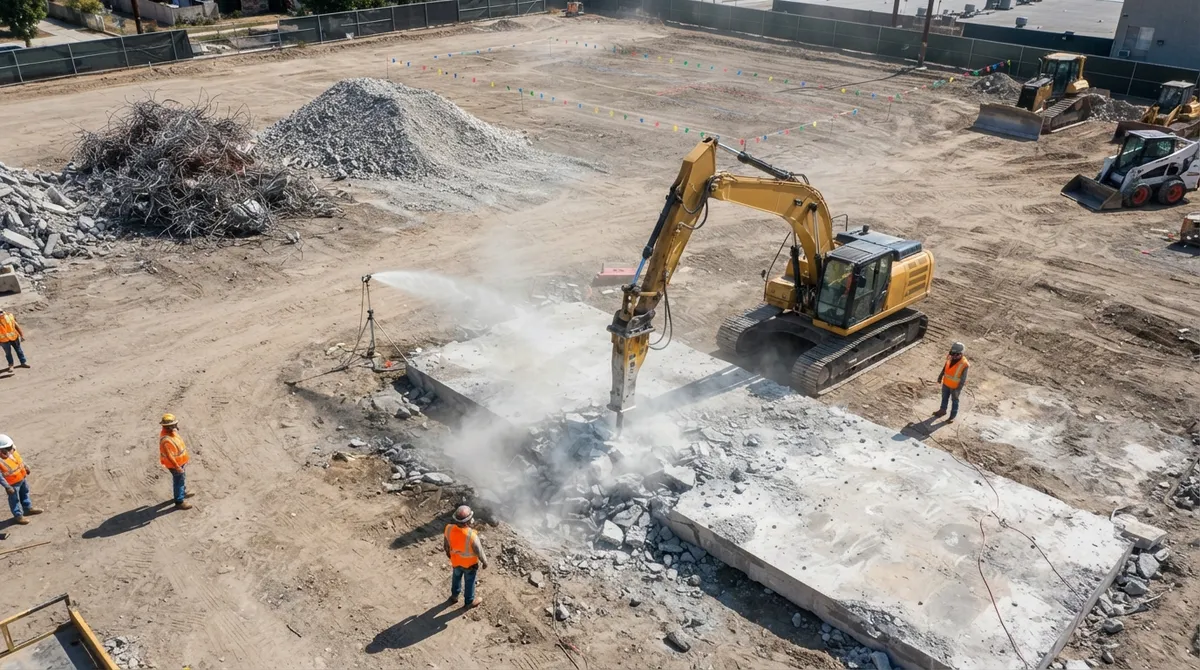
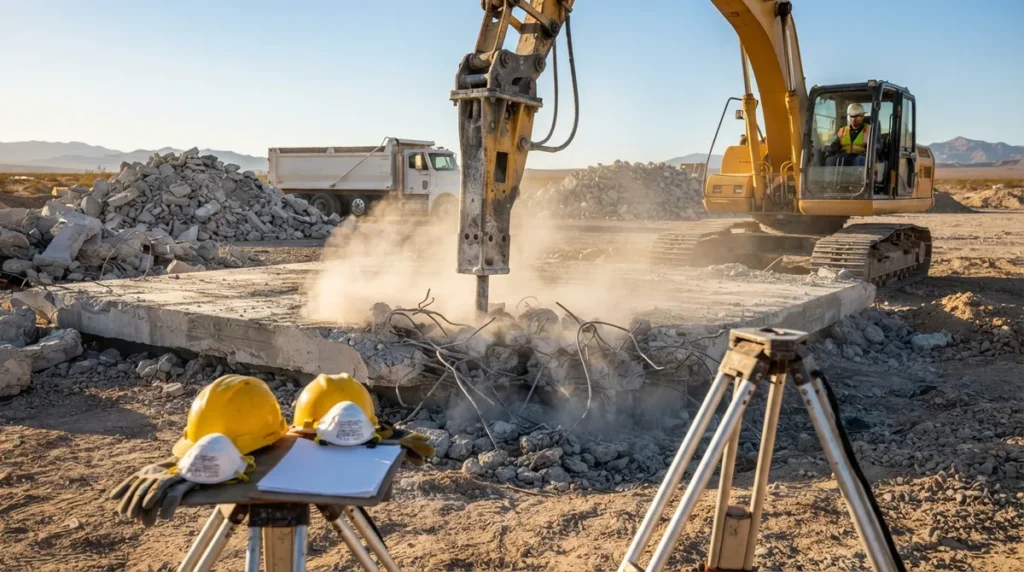
An engineering survey must be completed before any demolition begins to assess structural stability, identify hazardous materials, and plan the safest removal method—skipping this step causes over half of all preparatory-operation violations.
-
Choose the demolition method based on project specifics: hydraulic breakers for speed on large slabs, wire sawing for precision near occupied buildings, and hydrodemolition to protect rebar from damage.
-
Locate and disconnect all utilities before work starts, then implement multi-layer safety controls including wet cutting, dust suppression, respiratory protection, and proper personal protective equipment to prevent silica exposure.
-
Recycled concrete aggregate diverts millions of tons from landfills annually and reduces hauling costs, environmental impact, and demand for newly mined materials—making recycling a smart economic and environmental choice.
Got a cracked driveway, a tired old patio, or a whole slab that needs to disappear? You’re in the right place. Concrete demolition sounds scary, but it doesn’t have to be. Whether you’re a homeowner in Henderson dreaming of a new backyard, or a developer racing against a deadline in North Las Vegas, understanding how this process works can save you time, money, and a whole lot of stress. Grab a coffee and let’s walk through the ten things that matter most, friend to friend.
At 702 Demo, we’ve spent years breaking, cutting, hauling, and recycling concrete all across Clark and Nye counties. We’ve seen it all, from small sidewalk repairs to massive commercial slabs. So let’s dig into what really makes concrete demolition tick, and how you can plan yours with confidence.
1. Concrete Demolition Is More Than Just Breaking Things
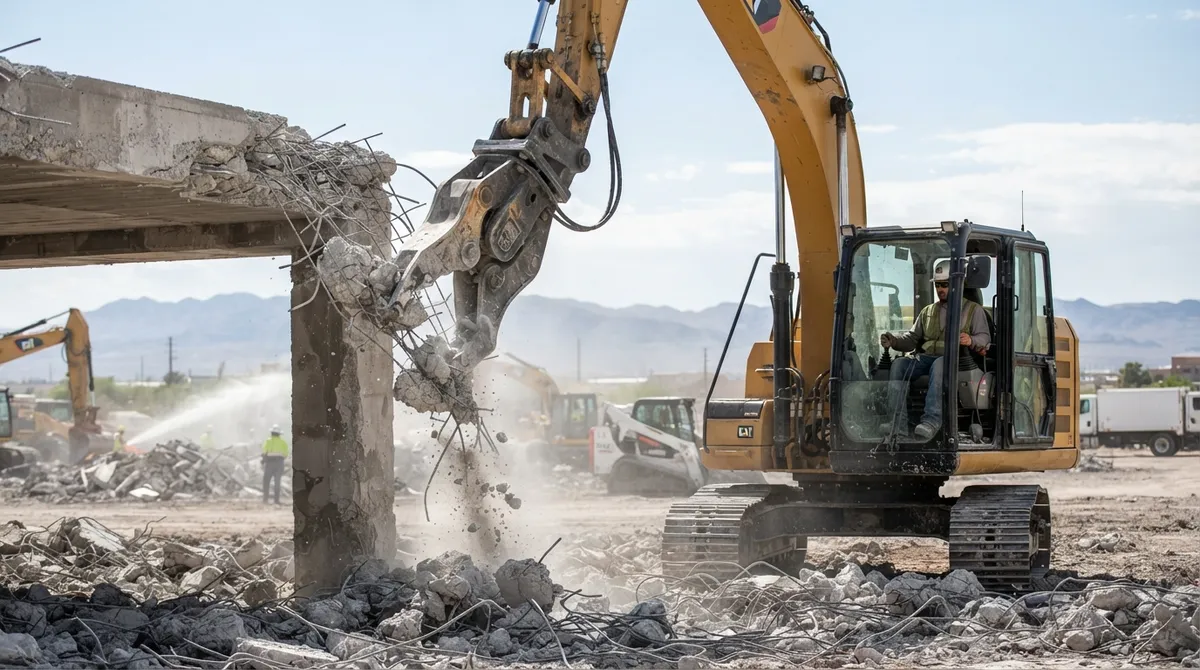
Concrete demolition means the controlled removal of concrete slabs, foundations, walls, columns, sidewalks, and pavements. It’s not just swinging a hammer and hoping for the best. Every project needs a plan, the right tools, and someone who knows what they’re doing.
This work covers a wide range of structures, including:
- Driveways and patios
- Building foundations and footings
- Parking lots and parking structures
- Retaining walls and columns
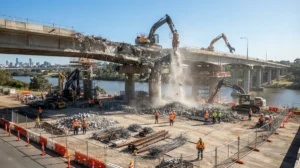
- Bridge components and sidewalks
Each of these calls for a slightly different approach, which brings us to our next point.
2. There Are Several Methods, and Each One Has a Job
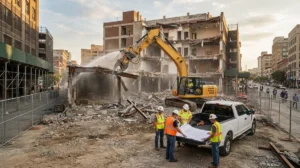
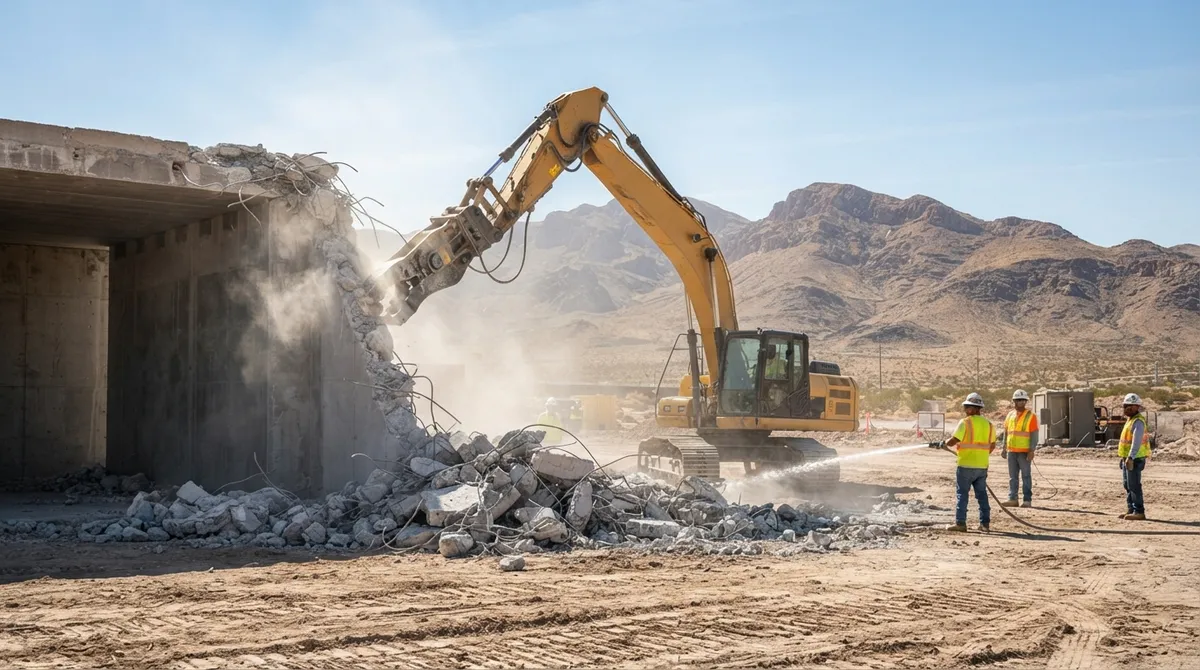
Not all concrete is created equal, and neither are the tools used to remove it. Contractors pick methods based on thickness, reinforcement, access, and how close the work is to occupied buildings.
Common Concrete Demolition Methods
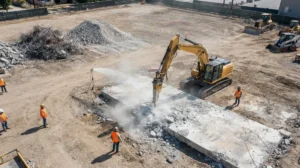
- Hydraulic breakers mounted on excavators, great for large slabs
- Concrete crushers and pulverizers for high-volume removal
- Wire sawing and wall sawing for clean, precise cuts
- Core drilling for openings and utility work
- Hydrodemolition, which uses high-pressure water to remove concrete without damaging rebar
- Controlled hand demolition for tight or delicate spaces
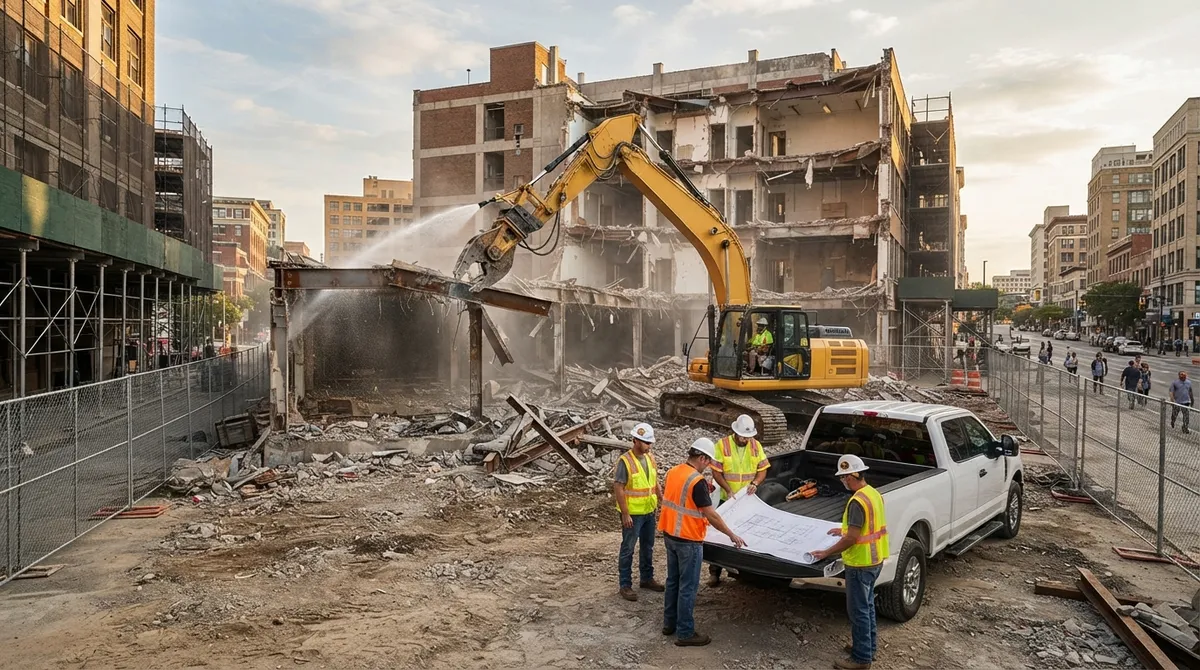
Mechanical demolition works well when you need speed and volume. Sawing and drilling shine when precision matters, like near an occupied office or a neighbor’s fence. If you’re not sure which method fits your project, our team can walk you through the concrete removal process step by step.
3. A Survey Comes Before Any Demolition Starts
Before any equipment shows up, a competent person needs to check the structure. This is called an engineering survey, and it’s one of the most important steps in the whole process.
The survey looks at:
- Structural stability and collapse risk
- Condition of nearby buildings
- Hazardous materials that might be hiding
- The safest order and method for removal
OSHA actually notes that this survey requirement accounts for more than half of all preparatory-operation violations in demolition work, based on the OSHA demolition standards. Skipping this step is one of the biggest mistakes a property owner can make.
4. Utilities Need to Be Located and Shut Off First
You can’t just start breaking concrete and hope there’s no gas line underneath. Utilities must be found, marked, and disconnected or moved before any work begins.
This step also covers:
- Fire prevention planning
- Emergency response routes
- Traffic control near the site
- Clear communication with workers and neighbors
If you’re planning a project in the Las Vegas area, checking with the Clark County Building Department early on can help you avoid delays later.
5. Dust and Safety Controls Are Non-Negotiable
Breaking concrete kicks up dust, and that dust can contain silica, which isn’t great to breathe in. A good contractor takes this seriously and uses several layers of protection.
Common Safety Controls Used On Site
- Wet cutting and dust suppression sprays
- Local exhaust ventilation systems
- Respiratory protection when needed
- Hard hats, eye protection, and hearing protection
- High-visibility clothing and safety footwear
These controls protect workers, but they also protect you, your family, and your neighbors from unnecessary exposure. It’s a small detail that makes a big difference.
6. Permits Matter More Than You Think
Depending on your project size and location, you may need permits before demolition can legally begin. Local rules can also require inspections, utility approvals, and documentation of waste disposal.
If your project is in the Las Vegas area, it’s smart to review the Las Vegas demolition permit guidelines before you start planning your timeline. A trustworthy contractor should help manage this process for you, not leave you guessing.
7. Recycling Turns Old Concrete Into Something Useful
Here’s a fact that always makes people smile: old concrete doesn’t have to go to waste. It can be crushed and screened into recycled aggregate, which gets reused in new construction projects.
According to the U.S. Environmental Protection Agency, roughly 600.33 million tons of construction and demolition debris were generated in 2018 alone. Of that, about 313.07 million tons went toward aggregate uses instead of the landfill. Concrete and mixed rubble alone make up close to 40% to 50% of all building-related debris, so recycling really moves the needle.
Benefits of recycling concrete include:
- Less material heading to landfills
- Reduced hauling costs and truck trips
- Lower demand for freshly mined aggregate
- A smaller environmental footprint for your project
8. Selective Demolition Saves What You Want to Keep
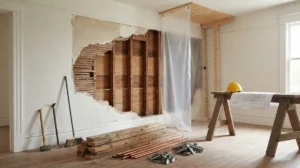
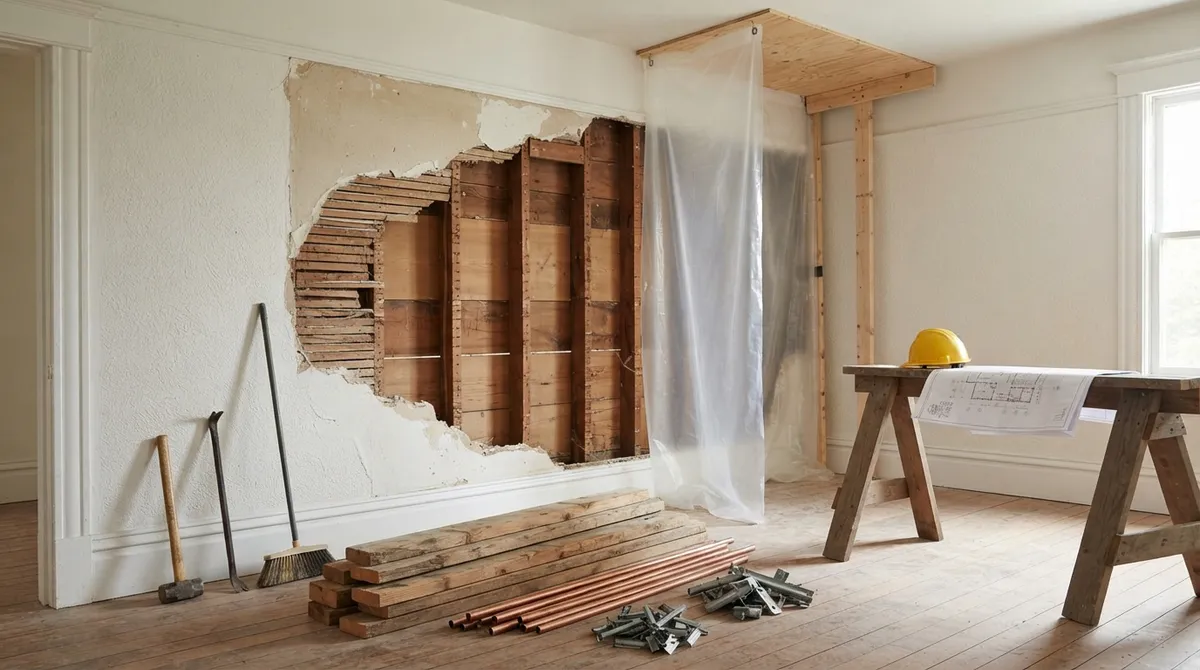
Sometimes you don’t need to tear everything down. Selective demolition removes only certain sections while protecting the rest of the structure.
This approach works well for:
- Foundation repairs during a renovation
- Creating new openings for doors or utilities
- Projects near occupied buildings
- Preserving reinforcement or structural elements you plan to reuse
Renovation contractors especially appreciate this method because it reduces noise, vibration, and waste compared to full mechanical demolition. If you’re planning interior work, our guide on interior demolition covers even more ways to save money during a remodel.
9. Timelines Depend on a Few Key Factors
How long does concrete demolition take? Honestly, it depends. A small patio might take a day, while a commercial parking structure could take weeks.
Factors That Affect Project Timelines
- Total volume and thickness of concrete
- How much reinforcement steel is inside
- Site access for equipment
- Proximity to occupied buildings
- Whether hazardous materials are present
- Permit and inspection wait times
A clear scope of work and a realistic schedule from your contractor go a long way toward setting proper expectations. Real estate developers juggling multiple deadlines especially benefit from working with a team that plans ahead, like the crew handling excavating and grading services alongside demolition.
10. Choosing the Right Contractor Changes Everything
This might be the most important item on our list. The right contractor makes the entire process smoother, safer, and more predictable.
Here’s what to look for before you sign anything:
- Proper licensing and insurance coverage
- Real experience with concrete demolition projects
- Clear safety procedures and equipment capabilities
- Responsible recycling and disposal practices
- Good references and honest communication
- A written scope, schedule, and list of exclusions
702 Demo has built a strong reputation across Clark and Nye counties by handling every one of these details with care. From building demolition to pool removal and everything in between, our team treats your property like it’s our own. You can also visit us on Google — 702 Demo to see what our neighbors and clients have to say.
Comparing Common Concrete Demolition Methods
| Method | Best For | Noise Level | Precision |
|---|---|---|---|
| Hydraulic Breaker | Large slabs, foundations | High | Low |
| Wire or Wall Sawing | Openings, structural cuts | Low to Medium | High |
| Core Drilling | Utility holes, small openings | Low | Very High |
| Hydrodemolition | Removing concrete without harming rebar | Medium | High |
| Concrete Crusher | High-volume removal, recycling prep | Medium to High | Low |
Who Needs Concrete Demolition Services
Concrete demolition touches almost every type of property owner in Nevada. Here’s a quick look at how different groups typically use these services:
- Homeowners removing old driveways, patios, or pool decks before a renovation
- Commercial builders clearing sites for new construction on tight schedules
- Renovation contractors opening up foundations for repairs or additions
- Property managers dealing with cracked lots or aging multi-family structures
- Real estate developers preparing raw land for new residential or commercial builds
No matter which group you fall into, the goal stays the same: a safe, efficient, and properly documented removal process. Learn more about our full range of services on our About page, or explore our hauling services for debris removal after the job is done.
Let’s Wrap This Up
Concrete demolition doesn’t have to feel overwhelming. With the right survey, the right method, and the right team, your project can move forward safely and smoothly. From small residential patios to large commercial slabs, every job deserves the same level of care and attention to detail.
If you’re ready to get started, our friendly team is here to help every step of the way. Contact 702 Demo for a free estimate and let’s talk about your project today. We’re proud to serve homeowners, builders, and developers across Clark and Nye counties, and we can’t wait to help you turn that old concrete into your next great opportunity.
FAQs
Q: What is concrete demolition?
A: Concrete demolition is the controlled removal or breaking of concrete structures like slabs, foundations, walls, and pavements. It’s a planned process that uses the right tools and safety steps to get the job done safely, whether it’s a small patio or a big commercial slab.
Q: How long does concrete demolition take?
A: It really depends on the size of the project and how much concrete needs to come out. A small driveway might only take a day, while a large commercial site could take a few weeks. Our team always gives you a realistic timeline before we start.
Q: Can demolished concrete be recycled or reused?
A: Absolutely, and it’s one of our favorite parts of the job! Old concrete can be crushed into recycled aggregate and used again in new construction, which cuts down on waste and helps the environment.
Q: Is concrete demolition safe near an occupied building?
A: Yes, when it’s done right. Contractors use precision methods like sawing and drilling, plus dust and noise controls, to keep everyone safe nearby. A proper engineering survey beforehand also helps avoid any surprises.
Q: How do I choose a good concrete demolition contractor?
A: Look for proper licensing, insurance, real experience, and clear communication about the scope and schedule. A trustworthy contractor, like our team at 702 Demo, will happily answer your questions and walk you through every step.