Key Takeaways
-
Engineering surveys are mandatory under OSHA rules and must happen before any demolition starts; survey mistakes account for over half of all preparatory-operation violations on demolition sites.
-
Method selection should be based on structural condition, neighboring properties, utilities, hazards, and local regulations—not speed or cost—requiring experienced contractors familiar with your area.
-
Utility disconnection and hazardous materials surveys (asbestos, lead, PCBs, refrigerants) must be completed early to prevent safety risks, legal problems, and health issues during demolition.
-
Written safety plans with exclusion zones, traffic controls, PPE requirements, and competent-person inspections are essential; these aren't formalities but the difference between safe completion and serious incidents.
-
Three main demolition methods exist—mechanical, selective, and explosive—with most residential and smaller commercial projects using mechanical or selective methods rather than explosives.
-
Modern demolition projects recover significant materials for recycling: concrete gets crushed for reuse, steel is sold for scrap, and fixtures find second lives, reducing landfill costs and supporting sustainability goals.
Have you ever watched a building come down and wondered how anyone made that look so smooth? That’s controlled demolition at work, and it’s way more common than the dramatic implosions you see on TV. If you own property in Clark or Nye County, understanding this process can save you money, stress, and maybe even a few headaches with the neighbors.
Whether you’re a homeowner planning a loft addition, a developer breaking ground on a new project, or a property manager dealing with an old structure, controlled demolition touches almost every job. It’s not about speed. It’s about doing things right, safely, and with a plan. Let’s walk through what you really need to know, friend to friend.
1. Controlled Demolition Means Planned, Not Chaotic
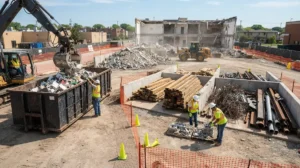
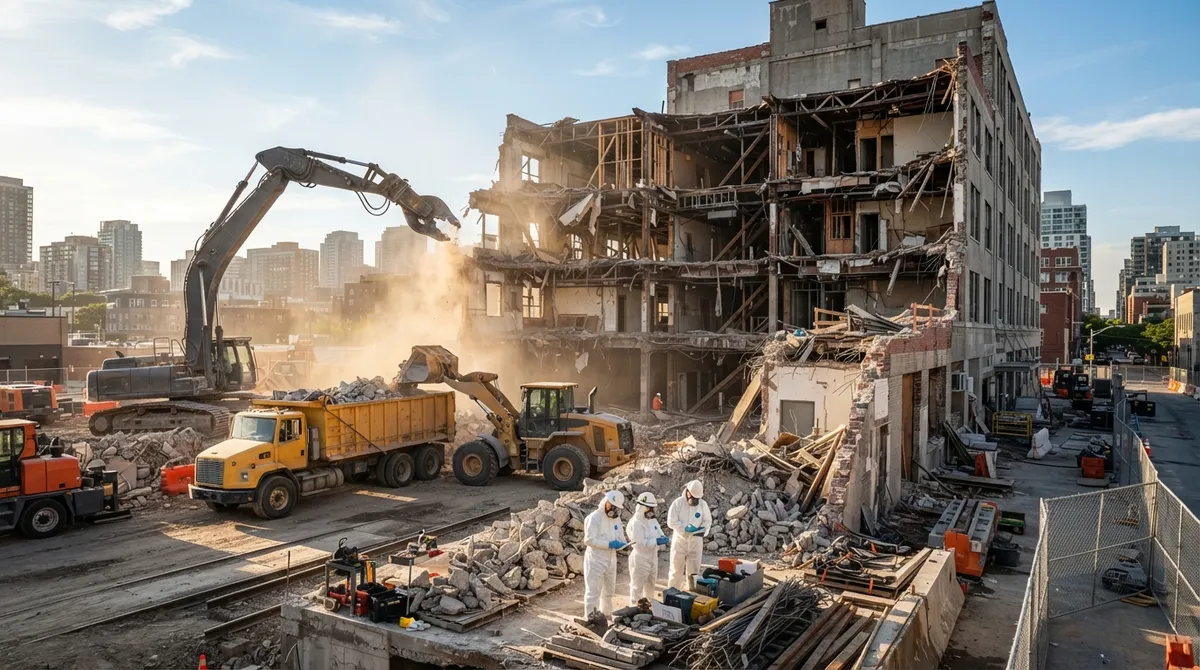
Controlled demolition is the careful, engineered dismantling of a structure in a set order. The goal is simple: protect workers, neighbors, utilities, and the environment while the building comes down. This is much bigger than just blowing something up with explosives.
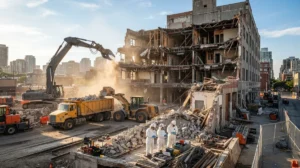
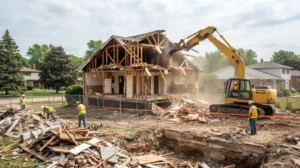
Most projects actually use mechanical or selective methods instead of dynamite. Think excavators, shears, and breakers doing the heavy lifting, piece by piece. The team at 702 Demo plans every job this way, treating each structure like the unique puzzle it is.
2. There Are Three Main Methods Used Today
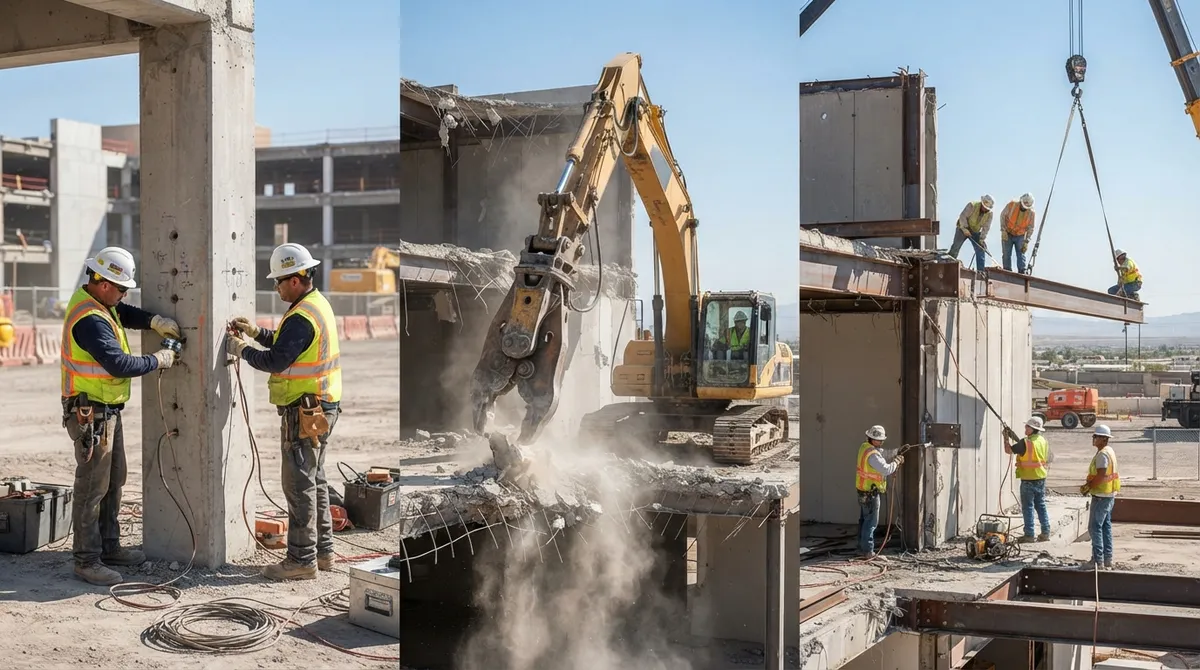
Not every building comes down the same way. Contractors pick a method based on the structure, its location, and what’s around it. Here’s a quick breakdown:
- Mechanical demolition: Uses heavy machines like excavators, high-reach equipment, and grapples to tear down structures piece by piece.
- Selective demolition: Removes parts of a building in stages, often used when only certain sections need to go, like during a interior demolition for a remodel.
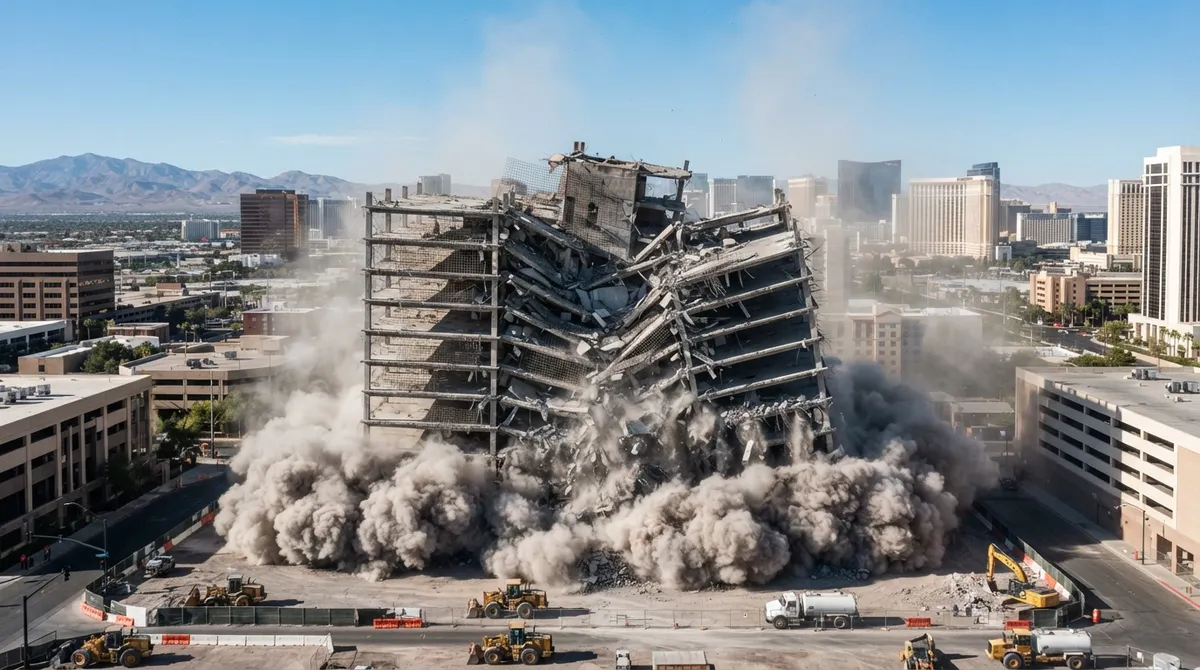
- Explosive demolition: Uses carefully placed charges to bring down tall or complex structures quickly and safely.
Explosives are usually saved for big, complicated jobs where other methods just won’t cut it. For most homes and smaller commercial buildings in Nevada, mechanical or selective methods do the trick just fine.
3. Method Selection Isn’t About Speed
Here’s something a lot of folks don’t realize. Picking a demolition method isn’t about what’s fastest or cheapest. It’s about what’s safest and smartest for that specific site.
Contractors look at several things before choosing a method:
- The building’s structural system and current condition
- How close neighboring properties sit
- Available space for safety zones
- Utility lines running through or near the site
- Environmental hazards like asbestos or lead
- Local rules and permit requirements
- Project timeline and site access
This is why an experienced team matters so much. A contractor familiar with Las Vegas and Henderson properties, like those covered in our guide to finding the right Henderson demolition contractor, knows how to weigh these factors correctly.
4. The Engineering Survey Comes First, Always
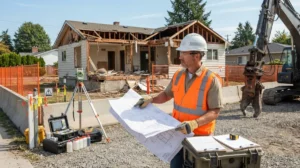
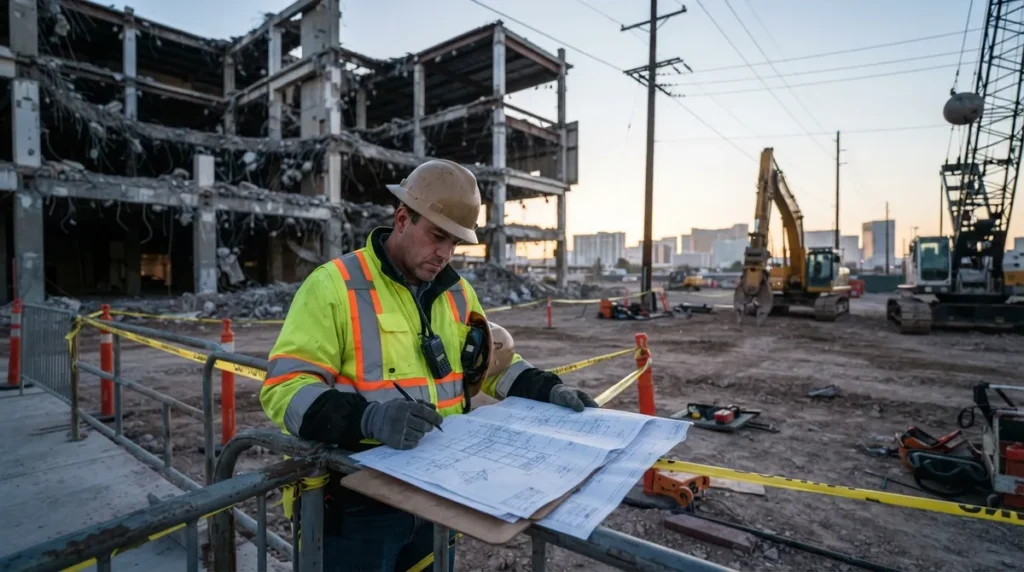
Before any demolition starts, a qualified person must complete something called an engineering survey. This is required under OSHA rules, specifically 29 CFR 1926.850(a), and it’s not optional.
This survey checks the structural condition of the building and looks for signs it might collapse unexpectedly. OSHA has found that skipping or messing up this step causes a huge number of safety violations. In fact, engineering survey mistakes account for more than half of all preparatory-operation citations on demolition sites.
That’s a big deal. It tells us just how important this first step really is. A trustworthy contractor will never skip this, no matter how simple the job looks on the surface.
5. Utilities and Hazardous Materials Get Handled Early
Nobody wants a surprise gas leak or an exposed wire during demolition. Before the first swing of the wrecking ball, crews need to identify and shut off electric, gas, water, sewer, and other utility lines.
At the same time, a hazardous materials survey checks for things like:
- Asbestos in older insulation or flooring
- Lead paint on walls or trim
- PCBs in old electrical equipment
- Chemical storage or leftover fuel
- Refrigerants in old HVAC systems
Skipping this step isn’t just risky, it can also create serious legal and health problems down the road. This is especially true for older properties, which is why hiring a licensed demolition contractor matters so much for peace of mind.
6. Safety Zones and Written Plans Keep Everyone Protected
A safe controlled demolition needs more than good intentions. It needs a written plan with clear steps, safety zones, and emergency procedures spelled out ahead of time.
| Safety Element | What It Does |
|---|---|
| Exclusion zones | Keeps workers and bystanders away from falling debris |
| Traffic controls | Manages street access near the job site |
| Fire prevention measures | Reduces risk from sparks or fuel sources |
| Competent-person inspections | Ensures ongoing site safety checks throughout the job |
| Task-specific PPE | Protects workers with hard hats, respirators, and fall-arrest gear |
These aren’t just boxes to check. They’re the difference between a job that goes smoothly and one that ends up on the local news for the wrong reasons.
7. Explosive Demolition Requires Extra Layers of Care
When explosives are the right tool for the job, the rules get even stricter. Qualified blasting specialists design the charge placement and timing sequence with precision.
These experts also complete a written survey of nearby buildings and underground utilities. They calculate vibration levels and set up evacuation zones long before the countdown begins. OSHA’s technical guidance suggests a clear fall area of at least 45 degrees on each side of the fall line, with a distance equal to 1.5 times the structure’s height.
Warning signals, access controls, and misfire procedures round out the safety plan. This work must follow OSHA’s Subpart U rules on blasting, plus any local explosives and fire codes.
8. Dust, Noise, and Debris Need Active Management
Controlled demolition isn’t just about the big collapse moment. It’s also about managing the mess that comes with it. Dust, noise, vibration, and flying debris can affect neighbors and the environment if left unchecked.
Here’s how experienced crews keep things under control:
- Water suppression sprays down dust before it spreads
- Containment barriers keep debris from traveling
- Air monitoring tracks particle levels during the job
- Vibration monitoring protects nearby structures
- Equipment exclusion zones limit access to dangerous areas
These steps matter a lot in busy areas like Las Vegas neighborhoods, where homes and businesses often sit close together. Good site management also ties into services like hauling services that clear debris quickly once the work is done.
9. Recycling and Salvage Are Part of Responsible Demolition
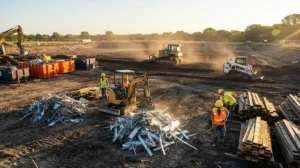
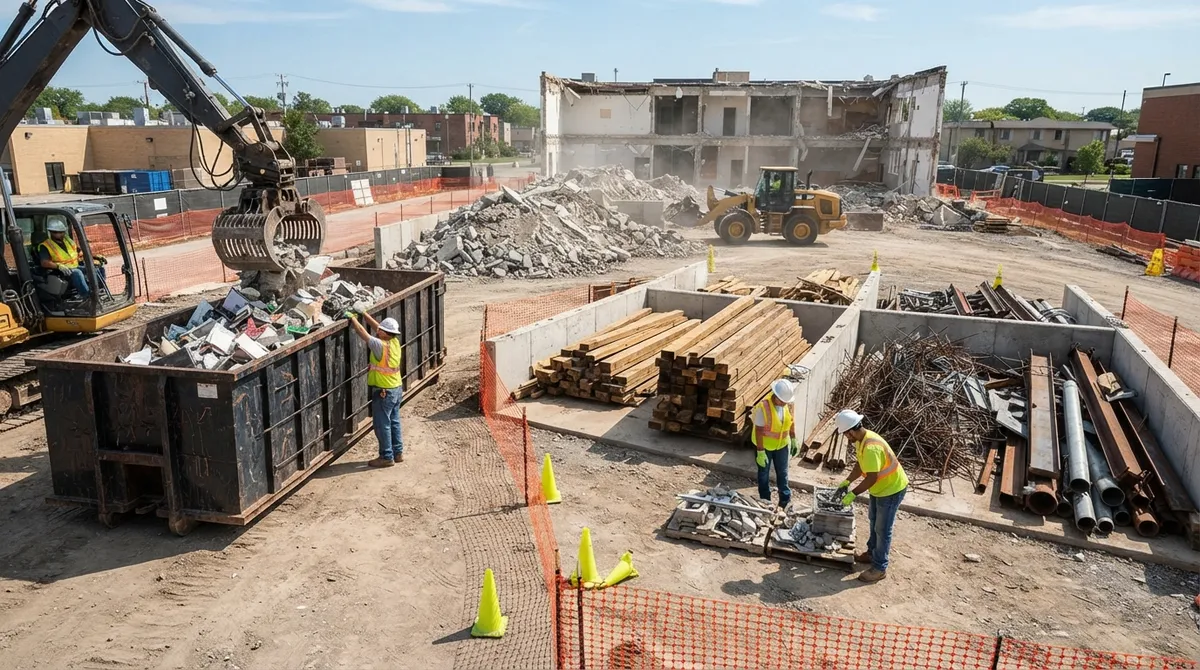
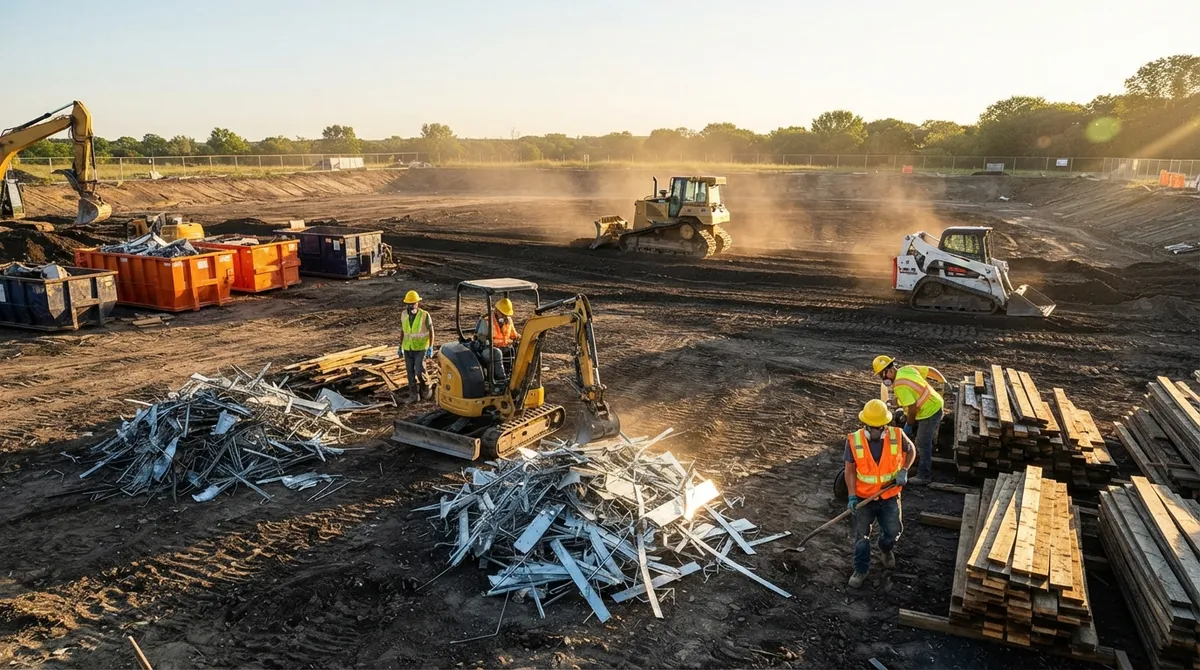
Here’s some good news for anyone worried about waste. Modern demolition projects often recover a huge amount of material for reuse or recycling. Concrete gets crushed and reused. Steel gets sold for scrap. Fixtures and equipment sometimes find a second life elsewhere.
This matters for developers and property managers who care about sustainability goals or want to reduce landfill costs. It also connects closely to projects involving concrete removal, since concrete is one of the most recyclable materials on a job site.
How to Choose the Right Contractor for Controlled Demolition
Picking the right team for this job isn’t something to rush. You want a contractor who checks every box, not just the ones that are convenient. Here’s what to look for:
- Proper licensing and insurance coverage
- A strong safety record with documented training
- Access to qualified engineers and blasting partners if needed
- Experience handling hazardous materials safely
- A clear plan for permits and local compliance
- A public-protection plan for neighboring properties
- A recycling and waste strategy
- References from similar past projects
702 Demo checks every one of these boxes for property owners across Clark and Nye counties. Our team has handled everything from small residential jobs to large building demolition projects, always with safety and precision as the top priority. You can even see what our 702 Demo customers say on Google before making your decision.
Permits and Local Requirements in Nevada
Before any demolition begins, you’ll need the right permits in place. Las Vegas and Clark County both have specific rules that property owners must follow.
The Las Vegas demolition permit guidelines outline exactly what’s needed before work starts, including inspections and documentation. Meanwhile, the Clark County Building Department handles permits for unincorporated areas and can answer questions about zoning or utility disconnection requirements.
Skipping these steps can lead to fines, delays, or even a stop-work order. A good contractor will handle this paperwork for you, or at least guide you through it so nothing falls through the cracks.
Why This Matters for Your Specific Project
If you’re a homeowner tearing down an old pool or patio, controlled demolition principles still apply, just on a smaller scale. Safety zones, utility checks, and debris control matter even for backyard projects like pool removal.
Commercial builders and developers face bigger stakes, with tighter timelines and more complex structures. Property managers dealing with aging buildings need contractors who understand hazardous material removal and debris hauling. Renovation contractors often need excavating and grading work paired with demolition to prep a site properly.
No matter which category you fall into, the principles stay the same: plan carefully, follow safety rules, and work with people who know what they’re doing.
Ready to Get Started?
Controlled demolition doesn’t have to feel overwhelming. With the right team, it becomes a smooth, predictable process that sets your project up for success. From engineering surveys to final debris hauling, every step matters.
702 Demo has spent years serving Clark and Nye counties with dependable, safety-first demolition work. We treat every job, big or small, with the same care and attention to detail. Ready to talk through your project? Contact 702 Demo for a free estimate and let’s get your site ready for what’s next.
FAQs
Q: What is controlled demolition and how does it differ from implosion?
A: Controlled demolition is the planned, careful dismantling of a structure to keep everyone safe. Implosion using explosives is just one method. Most projects actually use mechanical or selective demolition instead, which gives crews more control over dust, noise, and debris.
Q: Which demolition method is safest for a commercial or industrial building?
A: It really depends on the building’s size, condition, and location. Mechanical and selective methods work great for most commercial jobs, while explosives are reserved for tall or complex structures. A qualified contractor will assess your specific site before recommending a method.
Q: What permits are required for controlled demolition in Nevada?
A: You’ll typically need a demolition permit from either the City of Las Vegas or Clark County, depending on your property’s location. Both agencies require documentation like engineering surveys and utility disconnection proof before work can begin.
Q: How do demolition contractors control dust, noise, and vibration?
A: Good contractors use water suppression to keep dust down, containment barriers to catch debris, and vibration monitoring to protect nearby buildings. These steps keep neighbors happy and job sites safer for everyone involved.
Q: How much of a demolished building can be recycled or salvaged?
A: A surprising amount, actually! Concrete can be crushed and reused, steel gets recycled as scrap metal, and fixtures sometimes find new homes. Responsible contractors like 702 Demo always look for ways to reduce landfill waste on every project.