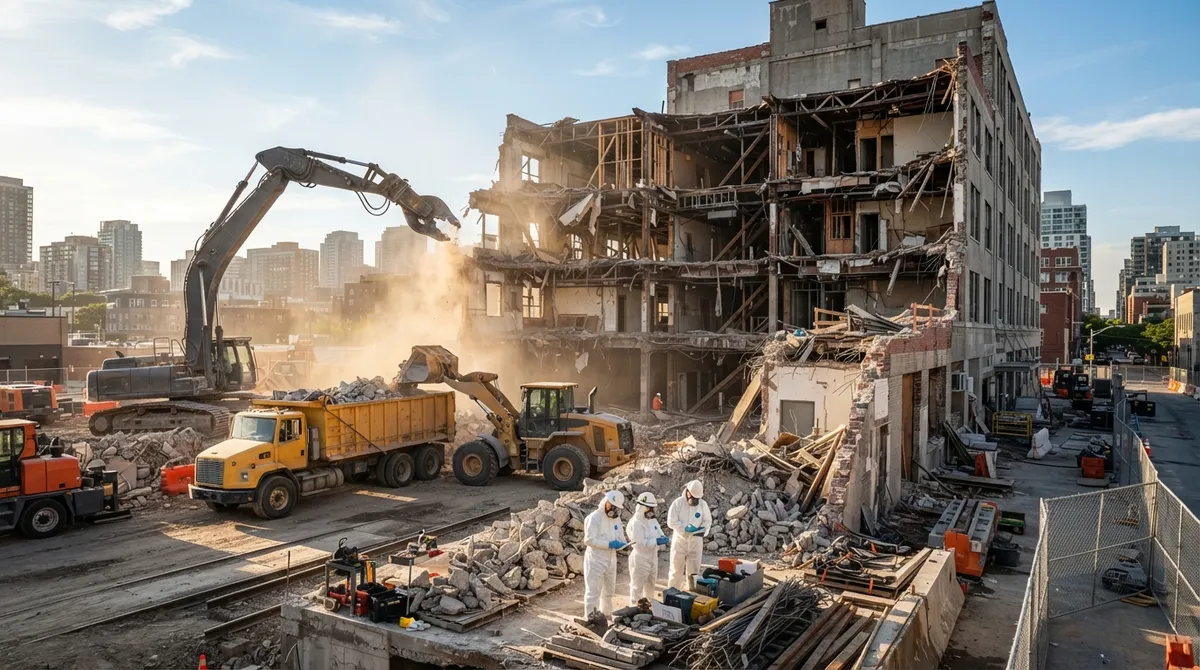
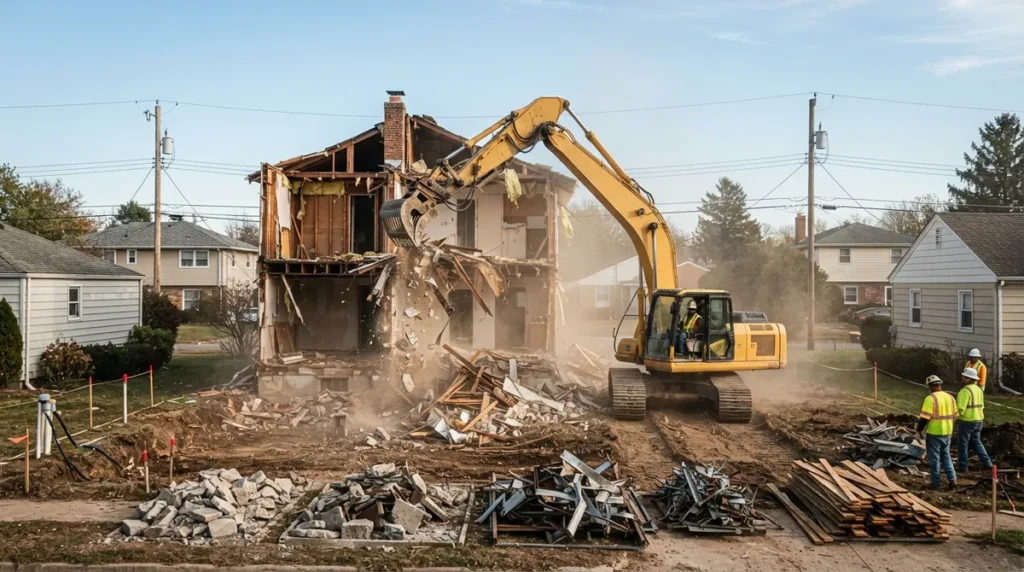
Key Takeaways
-
OSHA requires a written engineering survey before demolition begins; skipping this step accounts for over half of all demolition-related OSHA citations and is one of the costliest mistakes in the industry.
-
All utilities must be shut off or capped outside the building line before any wall comes down, requiring advance notice to utility companies to prevent dangerous accidents during demolition work.
-
Buildings constructed before the 1980s likely contain hazardous materials like asbestos, lead paint, or mercury switches that require professional assessment and proper handling under EPA NESHAP rules before demolition starts.
-
Demolition takes 1-2 weeks for full house teardowns including permits and testing, while small interior projects may take days; working with experienced local contractors keeps timelines realistic and prevents costly delays.
-
Materials should be sorted for recycling and reuse rather than landfill disposal—concrete is crushed for construction, metals are sold to recyclers, and wood is reused or mulched to reduce environmental impact.
-
Site grading and drainage preparation after demolition prevents water pooling, uneven settling, and future foundation problems, making it critical for property owners planning new construction or development.
So you’re standing in front of an old building, a cracked pool, or a house you’re ready to tear down. You might be wondering, what actually happens next? Grab a coffee, because we’re about to walk through the whole demolition process together, step by step. Whether you’re a homeowner in Henderson, a builder racing a deadline, or a property manager juggling five projects at once, this guide is for you.
Here’s the good news. Demolition is not just a wrecking ball and a pile of dust. It’s a careful, planned process that keeps people safe, protects nearby buildings, and follows the law. At 702 Demo, we’ve walked hundreds of property owners across Clark and Nye counties through this exact journey. Let’s break it down so you feel confident and informed before your project even starts.
Why the Demolition Process Matters More Than You Think
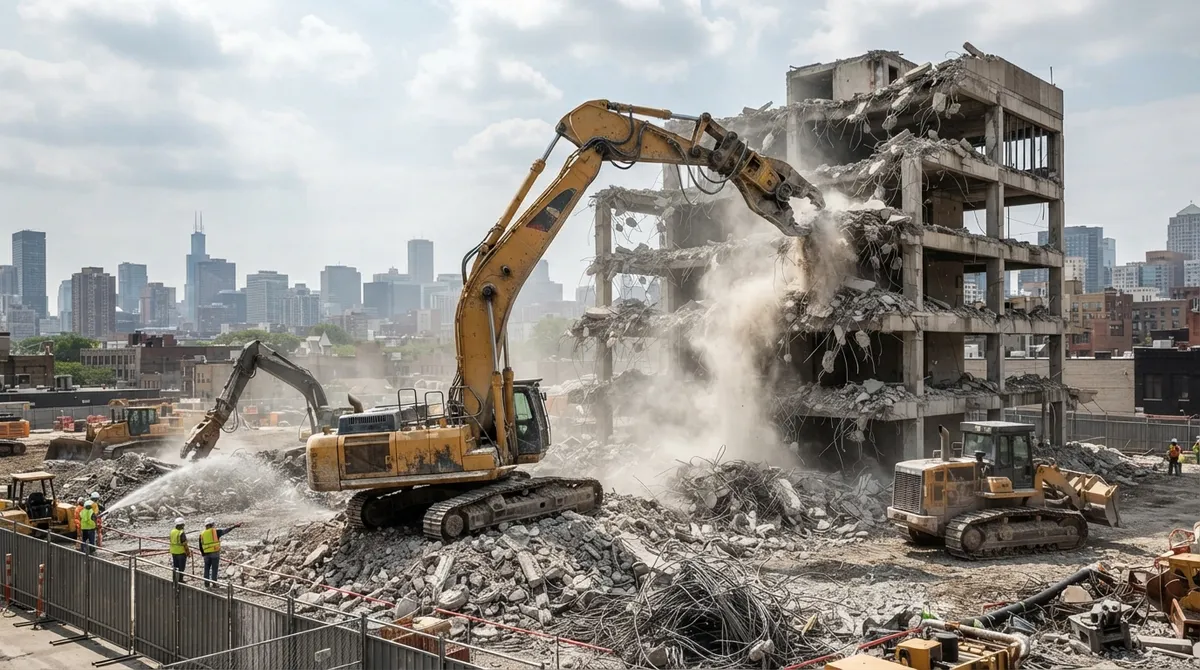
You might think demolition is just “knock it down and haul it away.” We wish it were that simple! In reality, a safe teardown takes planning, permits, and the right equipment. Skipping steps can lead to injuries, fines, or damage to the house next door.
The Occupational Safety and Health Administration (OSHA) has strict rules for demolition work under 29 CFR 1926 Subpart T. These rules cover everything from surveys before work starts to how walls come down floor by floor. Following them protects workers, neighbors, and your property investment.
The Main Steps in the Demolition Process
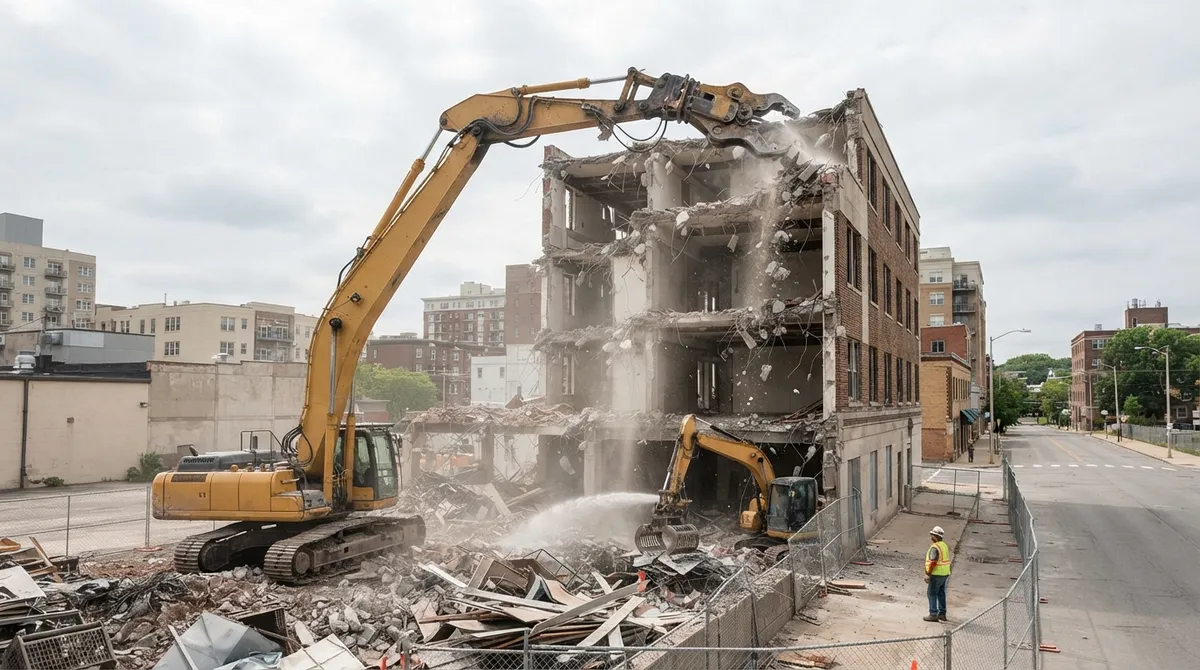
Every demolition project follows a similar path, no matter the size. Here is the typical order of operations:
- Project assessment. A contractor visits the site, looks at the structure, and talks with you about goals and timeline.
- Structural and hazardous material survey. A trained professional checks the building’s condition and tests for things like asbestos or lead paint.
- Permits and notifications. Your contractor files paperwork with the city or county and alerts utility companies.
- Utility disconnection. Power, gas, water, and sewer lines get shut off or capped safely.
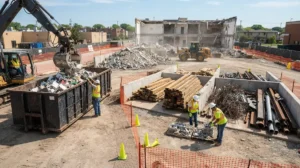
- Site preparation. Fencing, safety signs, and equipment staging happen before any real work starts.
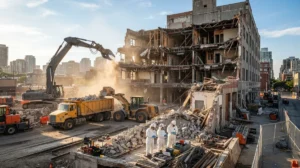
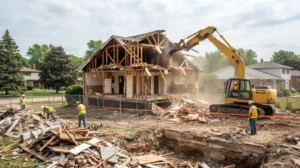
- Controlled dismantling. This is the actual demolition, done with machines, tools, or careful hand removal.
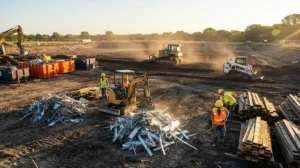
- Debris processing. Materials get sorted for recycling, reuse, or proper disposal.
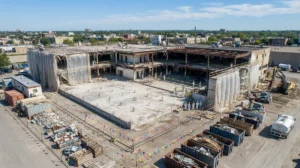
- Site cleanup. The lot gets cleared, graded, and made safe for the next phase of your project.
- Final inspection or closeout. Local inspectors confirm everything meets code before you move forward.
That might sound like a lot, but a good contractor handles most of these steps without you lifting a finger. This is exactly why we always recommend working with a licensed demolition contractor who understands local rules in Clark and Nye counties.
Step One: The Engineering Survey
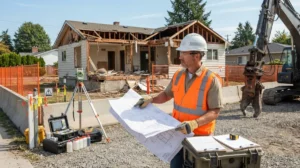
Before any demolition begins, OSHA requires a written survey by a qualified person. This survey checks the building’s structure, floors, walls, and framing. It also looks at nearby buildings and the risk of unexpected collapse.
Here’s a fact that might surprise you: this single requirement accounts for more than half of all demolition-related OSHA citations. Skipping it is one of the most common (and costly) mistakes in the industry. A thorough survey protects your crew and your neighbors from surprises once the work begins.
Step Two: Permits and Notifications
Getting the right paperwork is not optional. Depending on your project, you may need permits from your city or county building department. In Las Vegas, contractors follow the Las Vegas demolition permit guidelines to make sure every step is documented correctly.
If your property sits outside city limits, you’ll likely work with the Clark County Building Department instead. Either way, permits protect you from fines and make sure the work is legal and safe.
Step Three: Utility Disconnection
Before any wall comes down, all utilities must be shut off or capped outside the building line. This includes electricity, gas, water, sewer, and even steam lines in some commercial buildings. Utility companies need advance notice so they can coordinate the shutoff safely.
If any utility needs to stay active during construction, it must be relocated or protected first. This step alone prevents some of the most dangerous accidents in demolition work.
What About Hazardous Materials?
Older buildings often hide surprises. Asbestos, lead paint, mercury switches, and even old fuel tanks can be lurking behind walls or under floors. A hazardous material assessment is a must before any demolition begins.
The EPA’s asbestos rules, known as NESHAP, apply to many commercial, institutional, and larger residential buildings. These rules require notifying the state before work starts if asbestos is present. Regulated asbestos material is defined as anything containing more than 1% asbestos that meets certain handling categories.
If your property was built before the 1980s, there’s a good chance it needs testing. Don’t worry, this is a routine part of the process, and experienced contractors handle it smoothly.
Choosing the Right Demolition Method
Not every building comes down the same way. The method depends on size, location, and what’s next for the property. Here are the most common approaches:
- Mechanical demolition using excavators and specialized attachments for larger structures.
- Selective or interior demolition for renovations where only certain areas are removed.
- Manual dismantling for delicate or tight spaces where machines can’t reach.
- Deconstruction to salvage materials like wood, brick, or fixtures for reuse.
- Engineered implosion for very large commercial buildings, though this is rare in residential settings.
For homeowners thinking about a kitchen remodel or a loft conversion, interior demolition is usually the right fit. For full teardowns, building demolition services handle the entire structure safely.
Safety Measures That Protect Everyone
A big part of the demolition process is keeping people and property safe. Contractors use several tools and techniques to reduce risk:
- Exclusion zones to keep bystanders away from active work areas
- Temporary shoring or bracing to support weakened structures
- Dust suppression using water sprays to keep air quality safe
- Noise and vibration controls to protect nearby homes and businesses
- Traffic management plans for busy streets near the job site
- Fall protection and fire prevention gear for every crew member
OSHA also requires that exterior walls come down from the top floor first, working downward one story at a time. This prevents unstable sections from collapsing unexpectedly. For taller buildings, protective canopies must extend at least 8 feet from the building face to shield pedestrians below.
What Happens to the Debris?
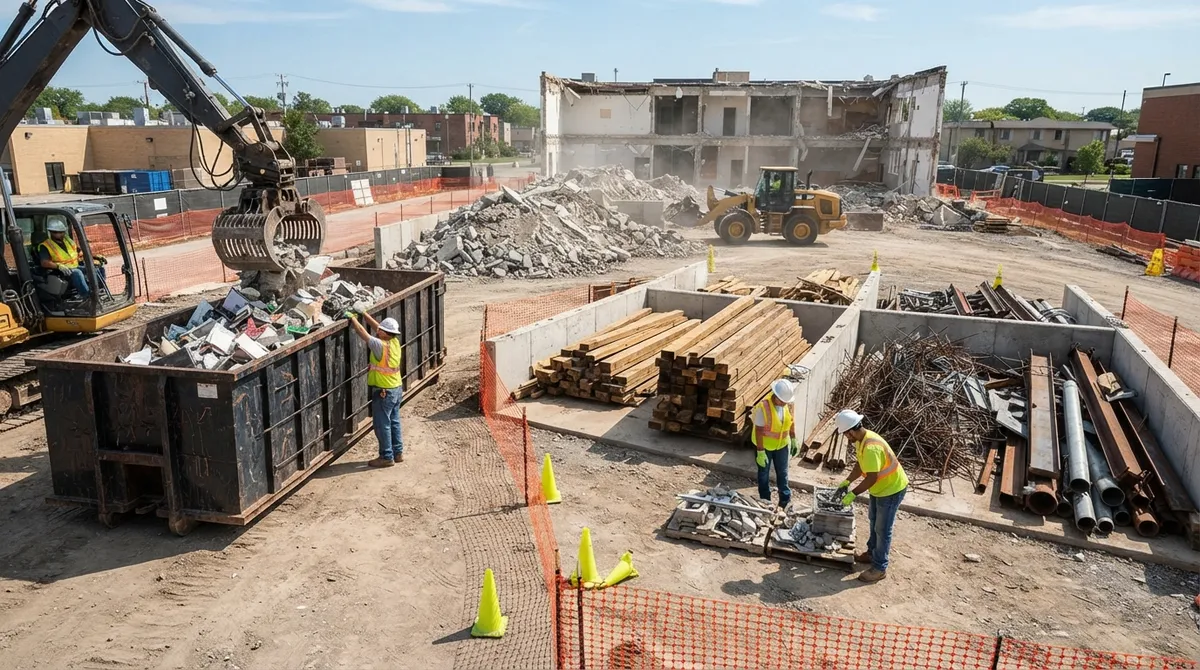
Once the dust settles, the real cleanup work begins. Good demolition companies don’t just haul everything to a landfill. Instead, materials get sorted for smarter disposal.
| Material Type | Common Handling Method |
|---|---|
| Concrete and masonry | Crushed and recycled for new construction |
| Metals | Sorted and sold to scrap recyclers |
| Wood | Reused, mulched, or recycled when possible |
| Asphalt | Recycled into new paving material |
| Soil | Reused on-site or hauled for grading projects |
| Regulated waste | Disposed of with proper documentation and manifests |
Recycling and reuse cut down on landfill waste and can even lower your project’s environmental footprint. Services like hauling services and concrete removal make sure debris leaves your property quickly and responsibly.
How Long Does Demolition Usually Take?
This is one of the most common questions we hear. The truth is, it depends on the project. A small interior demolition might take a few days. A full house teardown could take one to two weeks, including permits and hazardous material testing.
Commercial projects often take longer because of their size and added safety requirements. Working with an experienced team helps keep your timeline realistic and on track. If you’re a builder or developer with tight deadlines, this is exactly where a reliable partner makes all the difference.
Demolition vs. Deconstruction vs. Selective Demolition
These three terms get mixed up a lot, so let’s clear things up:
- Demolition means tearing down the entire structure, usually with heavy machinery.
- Deconstruction means carefully taking a building apart to save and reuse materials.
- Selective demolition means removing only certain parts of a building, like an interior wall or old flooring.
Renovation contractors often need selective demolition to prep a space for remodeling without damaging the rest of the structure. Homeowners planning a loft conversion or bathroom update usually fall into this category too.
Protecting Neighboring Properties
If you’ve ever worried about your neighbor’s fence or foundation during a nearby teardown, you’re not alone. Professional contractors monitor adjacent structures throughout the entire project. This includes checking for vibration damage, cracks, or shifting soil.
Good communication with neighbors also goes a long way. Letting them know the schedule and safety measures in place builds trust and avoids surprises. It’s a small step that makes a big difference in busy neighborhoods across Las Vegas and Henderson.
Why Local Experience Matters
Every city and county has its own permit rules, inspection schedules, and environmental requirements. A contractor who knows Clark and Nye counties inside and out can move your project forward faster and avoid costly delays.
That’s where 702 Demo comes in. We’ve spent years handling everything from pool removal to full commercial teardowns, and we know exactly what local inspectors expect. You can check out what our customers have to say by visiting our 702 Demo profile on Google to see real reviews from real neighbors.
Site Development After Demolition
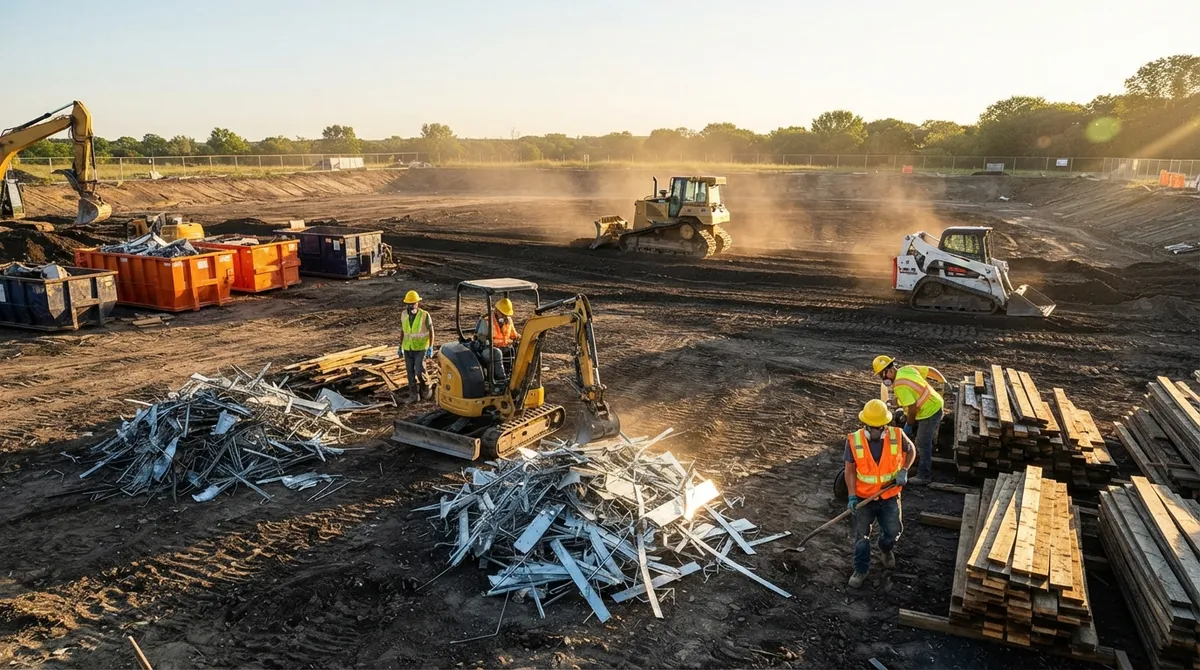
Demolition is often just the first step in a bigger project. Once the structure is gone, many property owners move into excavating and grading to prepare the land for new construction. This is especially important for real estate developers planning new builds or commercial builders working on tight schedules.
Grading levels the land and improves drainage, setting the stage for a solid foundation. Skipping this step can lead to water pooling, uneven settling, or drainage problems down the road.
Quick Checklist Before You Start
Feeling ready to plan your project? Here’s a simple list to keep handy:
- Confirm you have the right permits from your city or county
- Schedule a hazardous material inspection if your building is older
- Notify utility companies well before the project start date
- Choose a demolition method that fits your goals and budget
- Ask your contractor about debris recycling options
- Plan for site cleanup and grading if you’re building something new
Taking these steps early saves time, stress, and unexpected costs later.
Ready to Start Your Project?
The demolition process might seem complicated at first, but with the right team, it becomes a smooth and predictable journey. From the first survey to the final cleanup, every step matters for your safety and your project’s success. Whether you’re clearing land for a new build, removing an old pool, or prepping a space for renovation, 702 Demo is here to guide you through it with care and expertise.
Ready to get moving on your project? Contact 702 Demo for a free estimate today and let’s talk about how we can make your demolition simple, safe, and stress-free.
FAQs
Q: What are the main steps in the demolition process?
A: The demolition process usually includes assessment, surveys, permits, utility disconnection, site prep, the actual teardown, debris cleanup, and a final inspection. Each step builds on the last to keep everyone safe and the project on track.
Q: How long does a demolition project usually take?
A: Small interior jobs might wrap up in a few days, while a full house teardown often takes one to two weeks. Bigger commercial projects can take longer due to added safety steps and inspections, but a good contractor will keep you updated the whole way.
Q: Does a building need an asbestos inspection before demolition?
A: If your building was constructed before the 1980s, chances are good it needs testing. Asbestos rules require this step for many properties, and it keeps your crew and future occupants safe and healthy.
Q: How are utilities disconnected before demolition begins?
A: Electricity, gas, water, and sewer lines get shut off or capped outside the building line before any work starts. Utility companies are notified in advance so everything happens safely and on schedule.
Q: What is the difference between demolition, deconstruction, and selective demolition?
A: Demolition tears down the whole structure, deconstruction carefully saves materials for reuse, and selective demolition removes only certain parts of a building. Your project goals usually determine which approach fits best.