Key Takeaways
-
Hazardous material removal must be completed before any demolition begins; skipping this step is illegal and puts workers and neighbors at serious risk.
-
A thorough hazardous material survey by qualified personnel is mandatory before structural work starts; EPA’s Asbestos NESHAP requires detailed inspections for most demolition projects.
-
Written notification to your local air authority is required at least 10 working days before regulated asbestos demolition or renovation; missing this deadline delays your entire project timeline.
-
Asbestos is legally defined as any material containing more than 1% asbestos, commonly found in insulation, floor tile, and ceiling coatings in pre-1980s buildings; sampling must be done by accredited personnel only.
-
PCBs in older electrical equipment, refrigerants in HVAC systems, and lead paint in pre-1978 homes each have specific EPA and OSHA regulations requiring specialized handling and certified contractors.
-
Complete documentation including lab results, disposal manifests, and clearance reports protects you legally and is often required for permits; always request copies from your contractor before work begins.
Getting ready to knock down a building? Before any hammer swings or excavator moves in, there’s a step you can’t skip. It’s called hazardous material removal, and it’s one of the most important parts of any demolition project. Skipping it isn’t just risky. It’s often against the law.
Here in Clark and Nye counties, older homes and buildings can hide surprises. Think asbestos tiles, lead paint, or old electrical parts with PCBs. These materials sound scary, but with the right team, they’re totally manageable. That’s exactly what 702 Demo does every single day for homeowners, builders, and property managers across Nevada.
In this friendly guide, we’ll walk through 10 key facts about hazardous material removal. Whether you’re a homeowner planning a remodel or a developer breaking ground on a new project, this list will help you feel confident and prepared. Let’s dig in.
1. Hazardous Material Removal Is the First Step in Safe Demolition
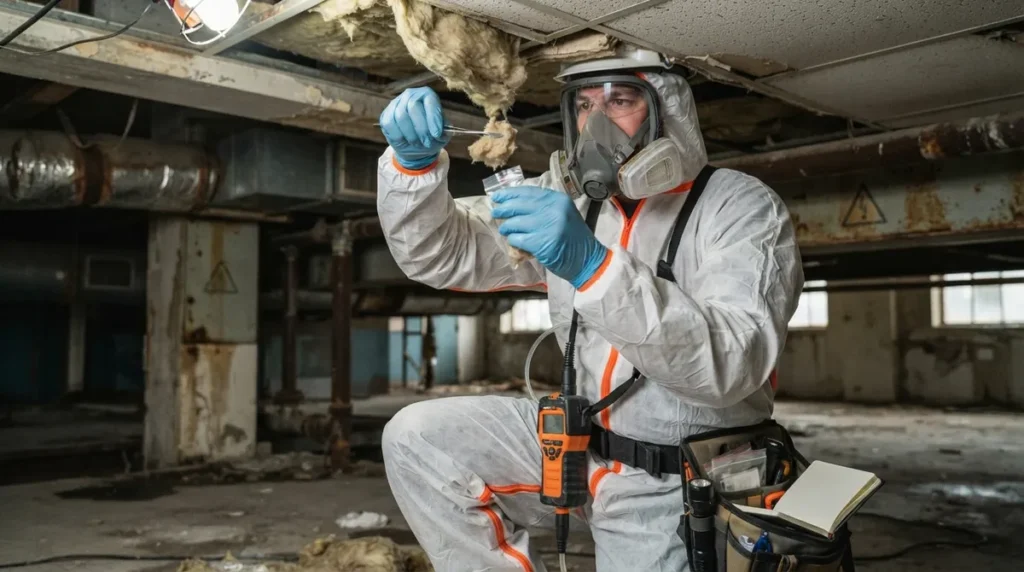
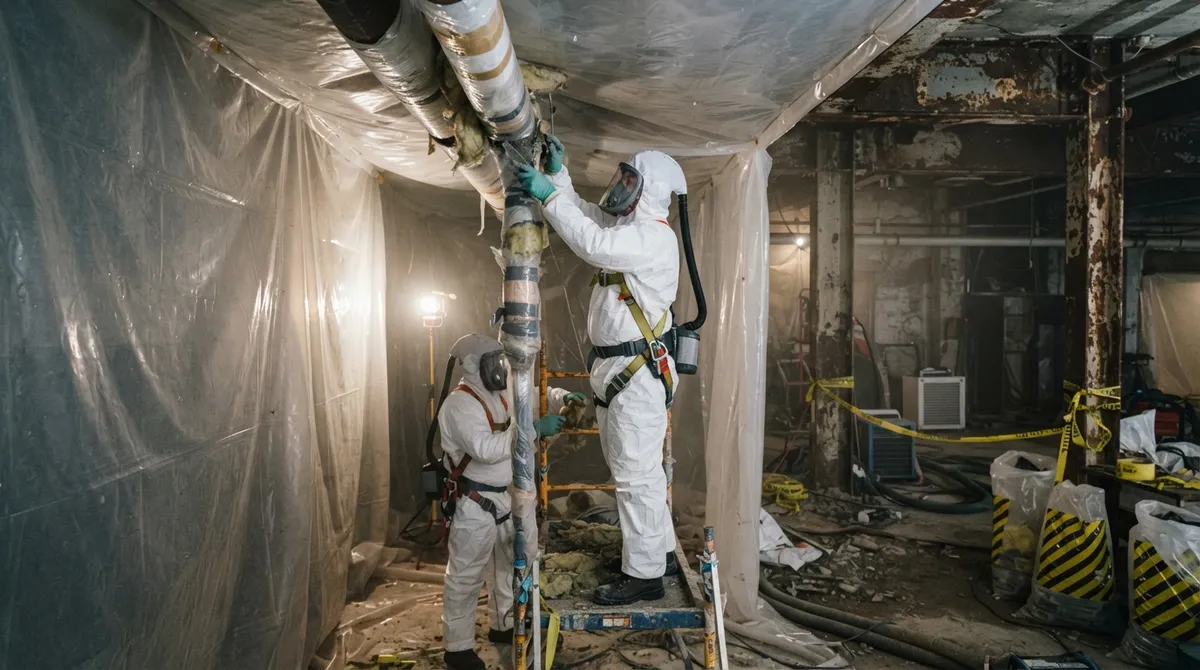
Before any building comes down, hazardous materials must come out first. This process involves finding, isolating, and safely removing anything that could harm workers or the environment. Common culprits include asbestos, lead-based paint, PCBs, mercury switches, and old refrigerants.
Think of it like clearing the path before a big trip. You wouldn’t drive off without checking your tires. The same logic applies here. A building can’t be safely torn down until these hidden dangers are handled properly.
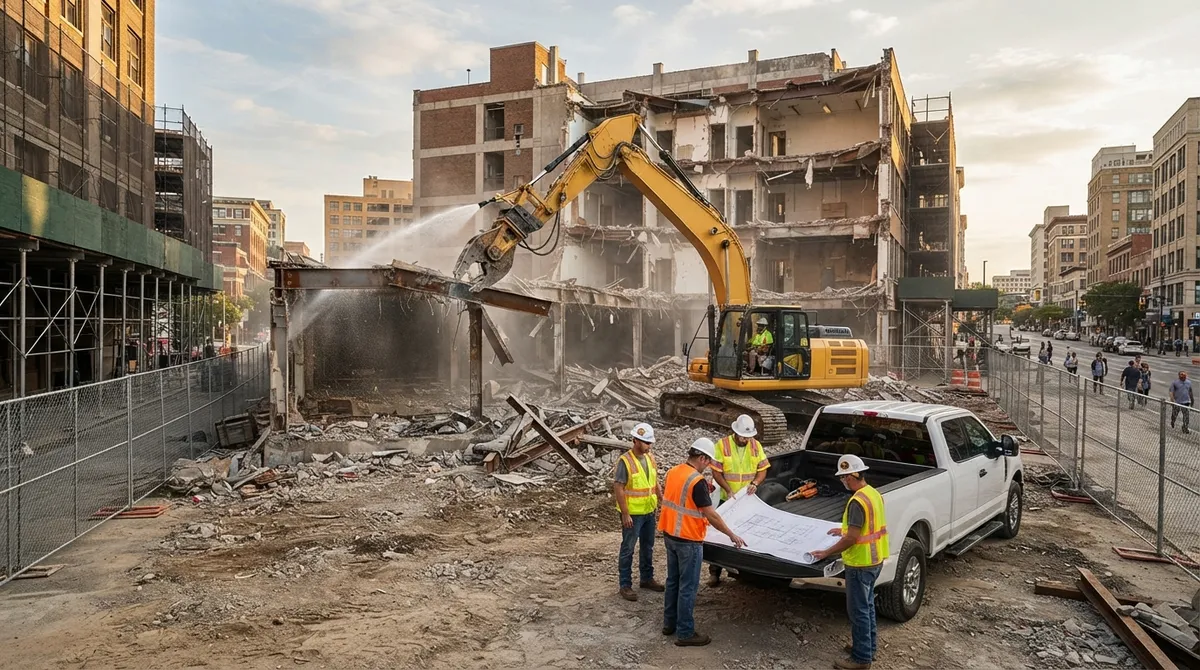
This is one reason building demolition projects take careful planning. Rushing this step puts everyone at risk, from your crew to your neighbors.
2. A Building Survey Comes Before Anything Else
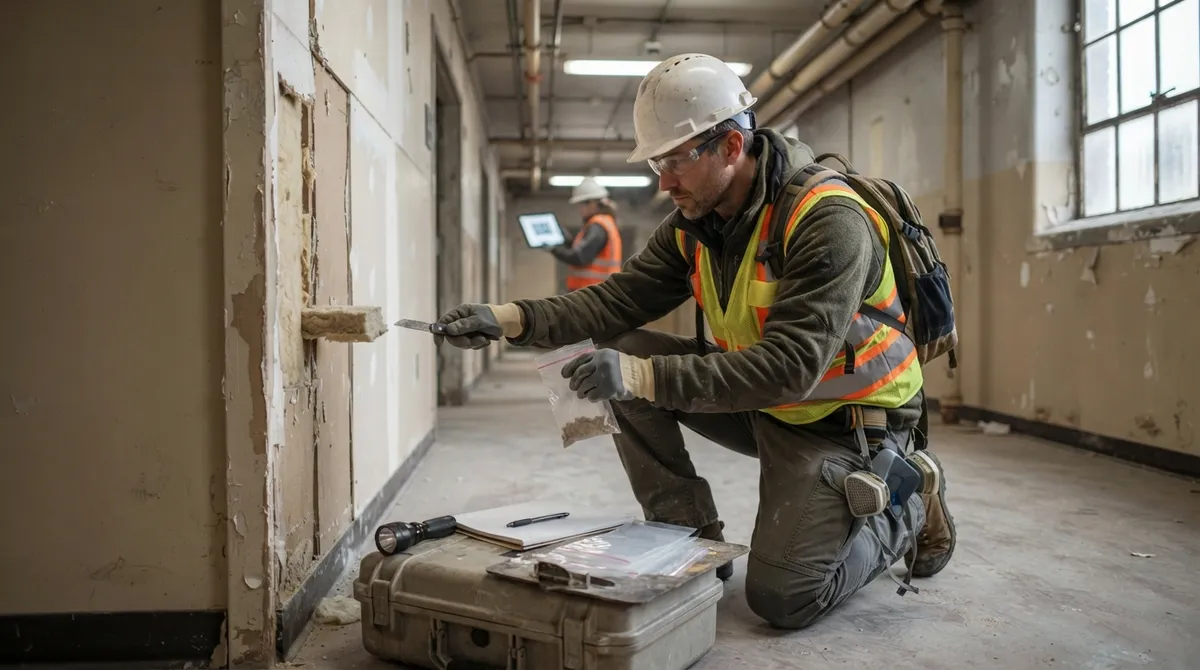
You wouldn’t want a doctor to guess your diagnosis. The same goes for demolition. A thorough hazardous-material survey should always happen before structural work begins. This survey identifies what’s actually inside the walls, floors, and ceilings.
For asbestos specifically, the EPA’s Asbestos NESHAP program requires a detailed inspection for many demolition projects. This covers commercial buildings, institutional buildings, and plenty of residential jobs too.
Skipping this survey is like skipping a home inspection before buying a house. You might get lucky, but you’re taking a big gamble.
What a Good Survey Includes
- Visual inspection of suspect materials throughout the structure
- Sampling of insulation, floor tile, mastic, and roofing materials
- Testing of pipe wrap, textured coatings, and transite panels
- Documentation of findings for permit applications
- Recommendations for next steps based on lab results
3. Asbestos Has a Specific Legal Definition
Here’s a fact that surprises a lot of homeowners. Under OSHA’s construction standard, asbestos-containing material is defined as anything with more than 1% asbestos. That’s a pretty low threshold.
Suspect materials often include old insulation, sprayed fireproofing, vinyl floor tile, roofing products, and textured ceiling coatings. If your home or building was constructed before the 1980s, there’s a good chance some of these materials are present somewhere.
Sampling must be done by qualified or accredited personnel, then sent to an approved lab. This isn’t a DIY job, and honestly, you don’t want it to be.
4. Notification Deadlines Matter More Than You’d Think
Here’s a rule that trips up a lot of first-time renovators. EPA’s asbestos NESHAP generally requires written notice to your local air authority at least 10 working days before regulated demolition or renovation begins.
This isn’t optional paperwork you can skip. Miss this window, and your entire project timeline gets pushed back. Requirements can also vary based on your specific jurisdiction, so it pays to check both state and local rules in Nevada.
The Clark County Building Department is a great resource for confirming exactly what’s required in your area before you file anything.
Typical Notification Timeline
- Complete the hazardous material survey and lab testing
- Prepare notification paperwork with project details
- Submit to the appropriate air quality authority
- Wait the required 10 working days minimum
- Begin abatement work only after clearance
5. Lead-Based Paint Has Its Own Set of Rules
If your project involves a home built before 1978, lead paint is a real concern. OSHA’s construction lead standard focuses heavily on protecting workers through exposure assessments, protective gear, and proper hygiene facilities.
EPA’s Renovation, Repair and Painting rule may also apply, especially for child-occupied facilities and older housing. This means specific work practices must be followed to prevent lead dust from spreading.
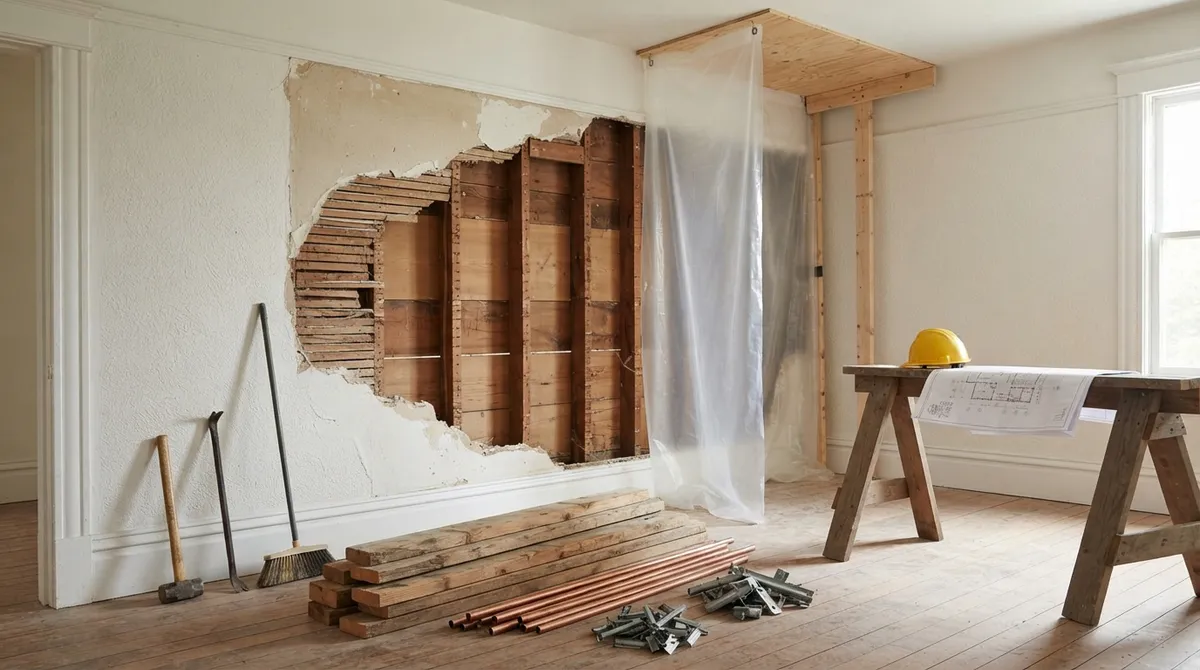
For homeowners tackling a remodel, this is a great reason to bring in professionals rather than handling old paint removal yourself. Our interior demolition guide covers more on prepping older homes safely.
6. PCBs Hide in Surprising Places
Polychlorinated biphenyls, or PCBs, aren’t something most people think about. But they’re commonly found in older electrical equipment, transformers, capacitors, and fluorescent light ballasts.
These materials are regulated under the Toxic Substances Control Act. That means they require careful characterization, controlled handling, proper labeling, and disposal at compliant facilities only.
If you’re managing a commercial property with equipment installed decades ago, it’s worth having it checked. You never know what’s lurking in that old electrical closet.
7. Refrigerants Can’t Just Be Vented Into the Air
Older HVAC systems and refrigeration units often contain refrigerants that need special handling. Under EPA Section 608 requirements, intentionally venting these refrigerants is strictly prohibited.
Qualified personnel must recover refrigerants properly before any demolition begins on units containing them. This protects both the ozone layer and your project’s compliance record.
It’s a small detail that’s easy to overlook, but it’s one more reason working with an experienced licensed demolition contractor makes all the difference.
8. Abatement and Demolition Are Two Different Jobs
People sometimes assume hazardous material removal and demolition happen at the same time. They don’t. Abatement always comes first, and demolition follows only after the site gets the all-clear.
Regulated asbestos, for example, must be removed using approved work practices that prevent visible emissions and fiber release. Waste has to be properly wetted, packaged, labeled, and transported to an approved disposal facility.
Think of abatement as the cleanup crew and demolition as the demo crew. They work together, but their jobs are distinct and sequential.
Comparing Abatement vs. Demolition
| Aspect | Hazardous Material Abatement | Structural Demolition |
|---|---|---|
| Timing | Happens first | Happens after clearance |
| Goal | Remove dangerous materials safely | Take down structure |
| Regulation | EPA, OSHA, TSCA rules | Local building and demolition permits |
| Workers | Certified abatement specialists | Demolition crews and equipment operators |
| Documentation | Lab results, disposal manifests | Permits, inspection sign-offs |
9. Documentation Protects Everyone Involved
After hazardous material removal wraps up, you should receive paperwork proving the job was done right. This includes lab test results, disposal manifests, and clearance reports.
This documentation matters for a few big reasons. It protects you legally, it’s often required for permits, and it gives you peace of mind that the site is genuinely safe.
Always ask your contractor for copies of everything. A trustworthy company will hand these over without hesitation. Check out the Las Vegas demolition permit guidelines for a clearer picture of what local authorities expect to see.
- Asbestos survey reports and lab analysis
- Notification confirmation from air quality authorities
- Waste transport and disposal manifests
- Refrigerant recovery certificates when applicable
- Final clearance letter confirming the site is safe
10. The Right Contractor Makes the Whole Process Easier
Here’s the truth: hazardous material removal is complicated. There are federal rules, state rules, and local Clark County and Nye County requirements to juggle. That’s exactly why so many homeowners and builders turn to experienced professionals instead of going it alone.
702 Demo has spent years handling projects across Southern Nevada, from small residential remodels to large commercial teardowns. Our team understands the surveys, the notifications, and the safe removal practices required to keep your project moving forward without delays.
Whether you need concrete removal, full excavating and grading, or complete site prep, we handle the hazardous material side so you don’t have to stress about it. We’re proud to be recognized as one of the region’s most trusted teams, and you can see what our neighbors are saying by checking out our reviews on Google.
Common Hazardous Materials Found in Older Nevada Buildings
| Material | Common Locations | Regulating Body |
|---|---|---|
| Asbestos | Insulation, floor tile, roofing, pipe wrap | EPA (NESHAP), OSHA |
| Lead-based paint | Walls, trim, exterior siding | OSHA, EPA RRP rule |
| PCBs | Transformers, capacitors, light ballasts | EPA (TSCA) |
| Refrigerants | HVAC units, refrigeration equipment | EPA Section 608 |
| Mercury | Thermostats, older switches | State and local hazardous waste rules |
Why This Process Matters for Your Project
Whether you’re a homeowner tearing out an old pool deck, a property manager overseeing a multi-family redevelopment, or a developer breaking ground on a new commercial site, hazardous material removal affects your timeline and your budget.
Skipping steps or hiring an unqualified crew can lead to fines, project delays, and serious health risks. Doing it right the first time saves headaches down the road. It also protects the people living and working nearby.
Here’s a quick recap of why this process is worth taking seriously:
- Protects workers, occupants, and neighbors from harmful exposure
- Keeps your project compliant with EPA, OSHA, and local regulations
- Prevents costly delays caused by failed inspections or notifications
- Provides documentation needed for permits and future property sales
- Sets the stage for smooth, safe demolition once clearance is given
If you’re planning any kind of demolition, from a small residential job to a large commercial teardown, it pays to work with a team that knows this process inside and out. Learn more about our full range of services on our About page, or browse our hauling services to see how we handle debris after removal is complete.
Ready to Get Started?
Hazardous material removal doesn’t have to be confusing or stressful. With the right team by your side, it’s just one smooth step in your overall demolition plan. 702 Demo has the experience, the licensing, and the local knowledge to keep your Clark or Nye County project safe and on schedule.
Ready to move forward with confidence? Contact 702 Demo for a free estimate and let’s talk about your project today.
FAQs
Q: What hazardous materials are commonly found in buildings scheduled for demolition?
A: The usual suspects are asbestos, lead-based paint, PCBs in old electrical equipment, and refrigerants in HVAC units. Older buildings in Clark and Nye counties often have one or more of these, so a proper survey is always a smart first move.
Q: Is an asbestos survey required before demolishing a commercial or residential building?
A: Yes, in most cases! EPA’s Asbestos NESHAP program requires a thorough inspection before regulated demolition or renovation projects. It’s a simple step that saves you from bigger headaches later on.
Q: How far in advance must a demolition contractor submit asbestos notification?
A: Generally, written notification needs to go to your local air authority at least 10 working days before work begins. It’s one of those deadlines you really don’t want to miss, so plan ahead!
Q: Who is qualified to perform asbestos testing and hazardous-material surveys?
A: Only accredited or qualified personnel should collect samples, and testing must go through an approved lab. This isn’t a job for guesswork, so always ask your contractor about their certifications.
Q: Can a building be demolished if asbestos or lead-based paint is present?
A: Absolutely, once those materials are properly removed and the site gets clearance. Demolition simply can’t start until abatement is fully complete and documented, which keeps everyone safe.